
Rhinoplasty has continued to evolve.
At first, it was the bridge,
then the tip,
and recently, there has definitely been a growing number of patients who also consider the columella important.
As 2026 approaches,
the standards for rhinoplasty are expanding one more step.
Now, the trend is toward paying attention to the “front-view details,” including the shape of the nostrils.
1️⃣ The era of looking only at the bridge is already over

In the past, rhinoplasty
was evaluated mainly by “how much higher the bridge became.”
But a nose that emphasizes only the bridge
can look artificial from the front,
or feel awkwardly connected to the tip,
which often makes the surgery obvious.
As these experiences accumulated,
patients’ interest naturally moved on to the next stage.
2️⃣ Tip design determines the result
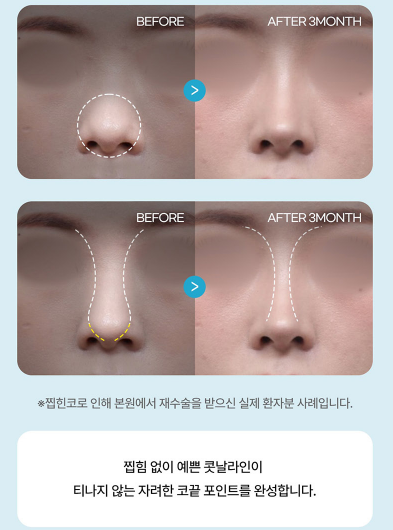
No matter how nice the bridge looks,
if the tip does not support it, the overall nose line is not complete.
Whether the tip looks wide
whether it is clearly visible from the front
whether it looks awkward when smiling or speaking
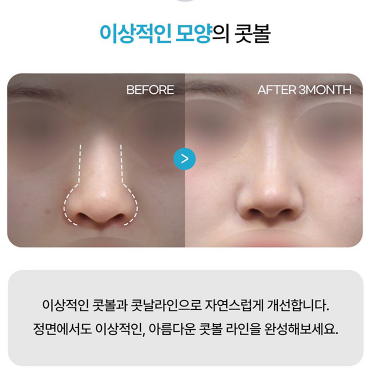
The tip is now
something that should be designed as a “necessity,” not a “choice.”
3️⃣ A key point that has recently risen sharply: the columella

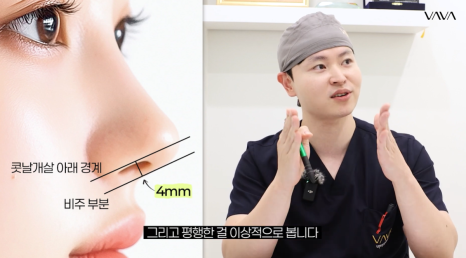
There has been a noticeable increase in questions during recent consultations.
That point is the columella.
The columella may look small,
but it directly affects
✔ the completeness of the nose line from the side
✔ how much the nostrils show from the front
✔ whether the tip looks lifted or compressed
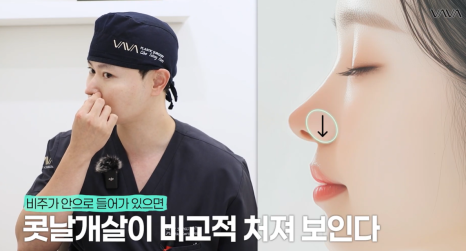
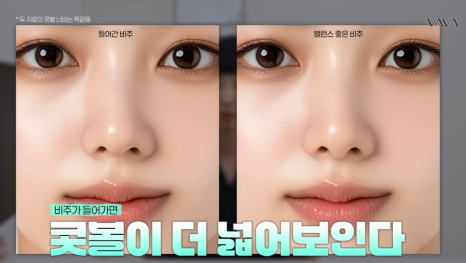
If the columella is too recessed,
the alar soft tissue can appear relatively wider,
and it may give the impression that the tip is lower.
4️⃣ In 2026, the next step is the “nostril shape”
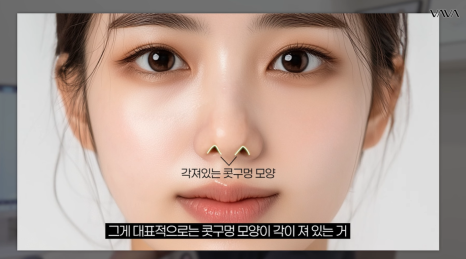
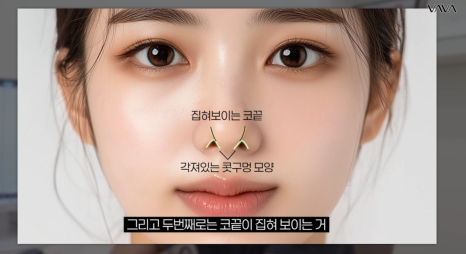
Among the trends in rhinoplasty heading toward 2026,
the most important change to note is nostril design.
Some patients are already expressing concerns such as:
“Too much of my nostrils show from the front.”
“The nostril shape looks different on each side.”
“When I take photos, my nostrils stand out.”
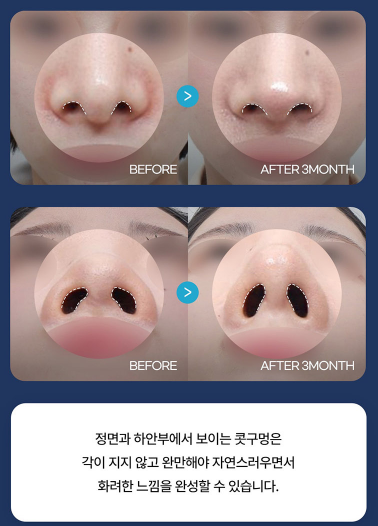
These concerns show that attention in rhinoplasty is shifting
from a side-view focus to front-view completeness.
5️⃣ Why are people starting to look at the nostrils too?
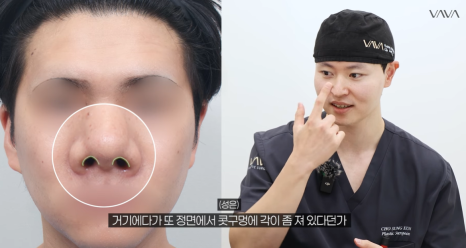
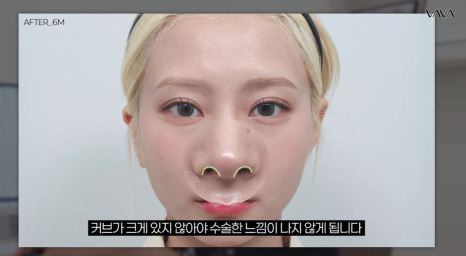
There are clear reasons for this change.
First, we live in the era of front-facing photos.
From video calls, selfies, and social media to ID photos,
we see our faces from the front far more often than before.
At such times, the nostrils become a more noticeable point than expected.
Even if the bridge and tip are beautiful,
if the nostrils look angular from the front
or if left-right asymmetry is noticeable,
the overall impression can fall apart in an instant.
Second, standards for “naturalness” have become higher.
In the past, “looking higher” meant success,
but now, “not looking like surgery” means success.
The nostrils are
✔ the area where a surgical look appears most quickly
✔ and the area where even a small excess is immediately felt as awkwardness.
So patients who are more sensitive to results
end up paying attention to even the final details.
Third, people want rhinoplasty results to last longer.
As time passes,
the tip can droop,
and the columella and nostril exposure can also change.

If the nostril shape is not considered from the beginning,
a few years later, from the front,
it may start to look like
“the nose looks congested”
or
“the tip looks bulky.”
6️⃣ The key keyword for rhinoplasty in 2026: “front-view completeness”

Rhinoplasty is no longer
a surgery judged by a single side profile shot.
From the front,
whether the bridge and tip connect naturally
whether the columella is neither excessive nor insufficient
whether the nostrils look soft and balanced left to right
All of these elements must come together
for the nose to feel like a “well-done nose.”
In particular, the nostrils
are shifting away from the idea of simply making them smaller,
toward designing them so they do not look angular, excessive, or unnatural.
7️⃣ How rhinoplasty consultations will change going forward

In future consultations,
questions like these are likely to become more common than “How much higher will the bridge be?”
How much of the nostrils will show from the front?
Will the nostril shape look okay when I smile?
When I take photos, will the nose look more pinched or more spread out?
These questions are
not signs of being overly sensitive,
but signals that the current trend is being read accurately.
Conclusion
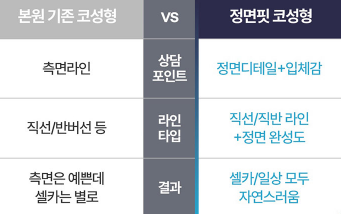
Rhinoplasty is no longer
a surgery that makes only one part look pretty.
Bridge → tip → columella → and now the nostrils too
The direction of rhinoplasty toward 2026 is clear.
“Natural from the side, natural from the front, and natural in every detail.”
Changing the nose means
designing the center of the face.
Now, we have truly entered an era
where even the smallest details are being examined.