For those of you considering nose surgery,
there is one thing many people wonder about just as much as the surgery results.
It is the question, “When does the swelling go down?”
In fact, when consultations are conducted,
some people hesitate to make a decision
because they are worried more about the recovery period
than about the surgery itself.
So today, I’ll organize the flow of swelling after nose surgery
and the key things you should know during recovery.
Swelling after nose surgery lasts longer than you might think

Many people think,
“Won’t it get better in a week?”
but the actual recovery process goes a little differently.
The major initial swelling usually goes down within 1–2 weeks,
but it takes at least 1–3 months
to fully settle even the remaining swelling.
In particular, the tip of the nose tends to be the last area to go down in swelling
because the tissue is delicate
and a lot of manipulation is involved during surgery.
That is why, early on, the tip may look rounded
or appear higher than expected,
but this will naturally settle over time.
Why does the swelling last so long?
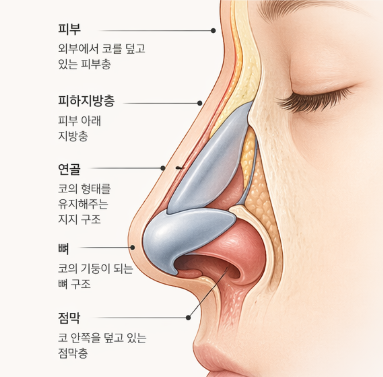
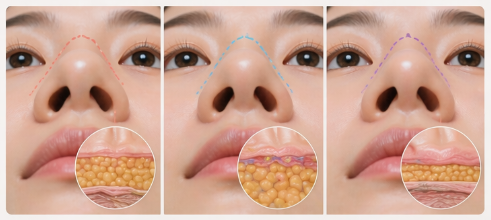
Nose surgery is not simply about changing the outer shape,
but a process of rearranging the structures beneath the skin.
During this process, the tissue is stimulated,
and swelling occurs naturally while healing.
Also, depending on factors such as skin thickness, body constitution, and lifestyle habits,
the duration of swelling can vary from person to person.
For example, when the skin is thicker,
swelling tends to last longer,
and recovery can also be slower if circulation is poor
or sleep patterns are irregular.
Changes commonly felt during recovery
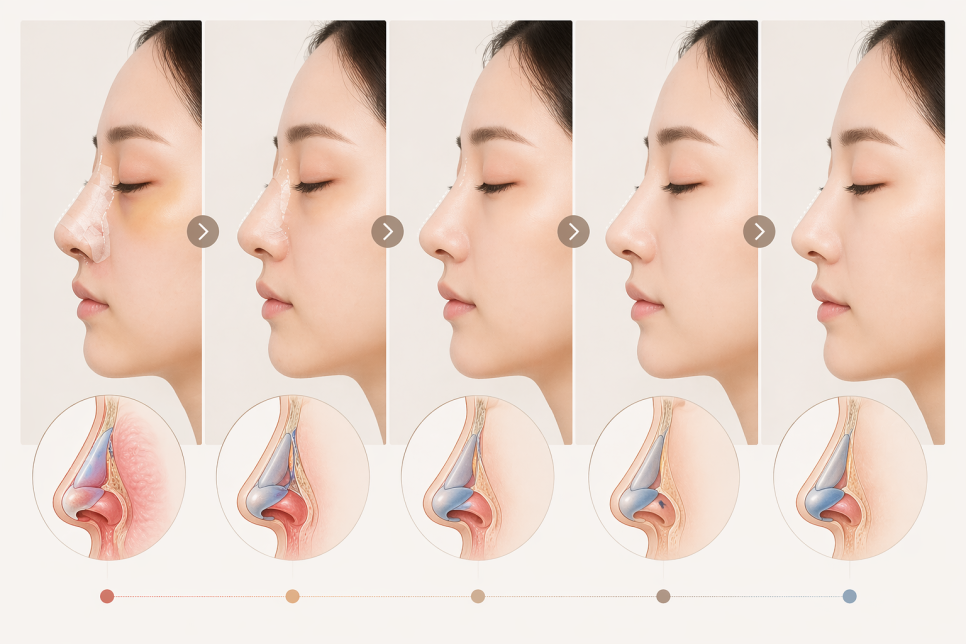
After surgery, it is not just swelling alone;
you go through several stages of change.
-
In the beginning, the nose feels high and firm
-
Over time, it gradually becomes softer
-
The tip naturally drops and the line becomes more refined
Because this is a normal part of recovery,
you do not need to worry too much
even if you are not satisfied with the shape in the middle of the process.
In fact, understanding this progression
can help you recover with much greater peace of mind.
Key points for a faster recovery

Rather than trying to reduce swelling as quickly as possible after surgery,
it is more important to recover safely and steadily.
Even so,
there are clearly lifestyle habits that can help recovery.
- Sleep with your head elevated in the early stage after surgery
- Avoid excessive drinking and smoking
- Reduce foods high in sodium
- Refrain from strenuous exercise for a certain period
If you follow these basic care instructions well,
they can positively affect both swelling relief and recovery speed.
The result comes together with “time”

Nose surgery is not about how it looks right after the operation,
but a process that gradually comes together over time.
Rather than judging the result based only on the initial swelling or awkwardness,
it is important to allow enough time for recovery
and then look at the overall changes.
Also, because the changes that appear during recovery
can differ in speed and form depending on each person’s condition,
it is important to observe your own recovery pattern
rather than comparing yourself to others.
Above all,
if there are moments when you feel anxious,
the key is to stay calm and
give it enough time while observing the progress.
Closing

If you are preparing for nose surgery,
it is necessary to plan not only for the day of surgery itself
but also for the recovery period.
The more understanding and preparation you have,
the less unnecessary worry you will have
and the more likely it is to lead to a more satisfying result.