Because the nose is located at the center of the face,
Even a small change can have a significant effect on the overall impression.
However, not all nose surgeries are performed using the same method.
Since everyone has different nasal height and shape, skin thickness, and nasal tip structure,
the necessary surgical approach may also vary depending on the current condition of the nose.
Recently, as more people have come to value an approach that blends naturally with their individual features rather than an unconditionally high and dramatic nose,
interest in rhinoplasty tailored to different nose types has also been increasing.
Why Rhinoplasty by Nose Type Is Important
The areas of concern differ from person to person.
For some, a low nasal bridge may be the main concern,
while others may feel stressed because of a bulbous or humped nose.
Even when two people have the same bulbous nose,
the surgical approach may differ depending on whether the cause is skin thickness or the structure of the nasal tip cartilage.
Therefore, rather than simply following a popular design,
it is important to accurately analyze the current condition of the nose.
When a Low Nose Is a Concern

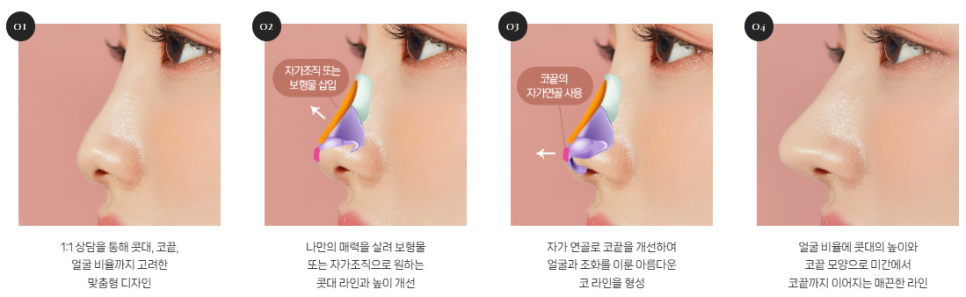
A low nose may make the face appear lacking in dimension overall
or create the impression that the center of the face looks indistinct.
In this case, the balance between the nasal bridge and the tip can be considered together
with the aim of creating a more defined appearance.
However, increasing the height unconditionally is not what matters most.
A design that takes facial proportions and harmony into account
may lead to a more natural result.
When a Bulbous Nose Is a Concern

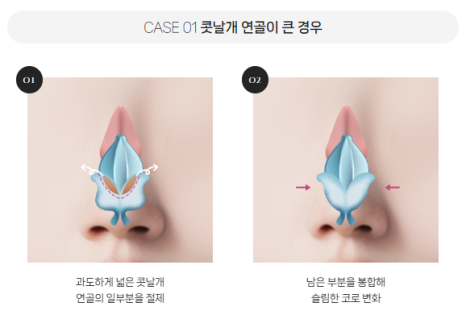
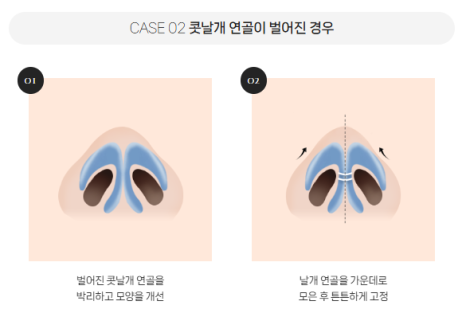
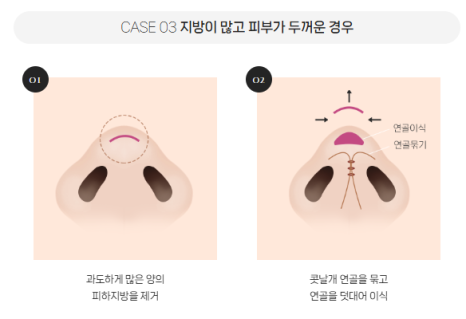
A bulbous nose is characterized by a nasal tip that appears round and broad.
In particular, many people seek consultation because the nose may look large from the front
or create a congested appearance.
For a bulbous nose, rather than simply increasing the height,
it is important to consider the shape of the nasal tip and the cartilage structure together.
Since the approach may vary depending on the cause,
an accurate analysis of each individual's condition is necessary.
When a Humped Nose Is a Concern

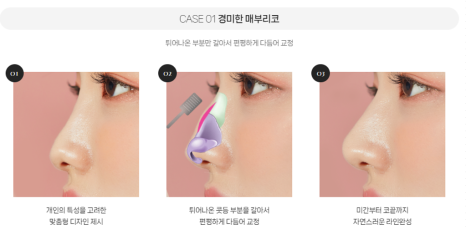
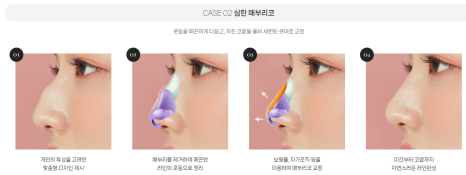
A humped nose has a raised area along the bridge
and may create a strong or sharp impression.
Recently, even when correcting a humped nose,
many people prefer a naturally refined line rather than an unconditionally high and dramatic nose.
In particular, it is important to consider balance from both the front and the side.
When a Drooping Nasal Tip Is a Concern
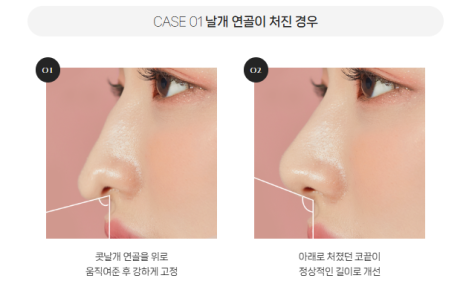
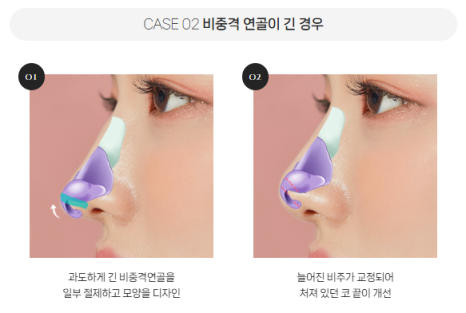
A drooping nasal tip refers to a shape in which the tip appears to point downward.
Especially when the face is expressionless, it may create a somewhat gloomy or older-looking impression,
and may also make the corners of the mouth appear to droop even when not smiling.
In the case of a drooping nasal tip, rather than simply raising the nasal bridge,
it is important to consider the direction and angle of the tip together.
When a Deviated Nose Is a Concern

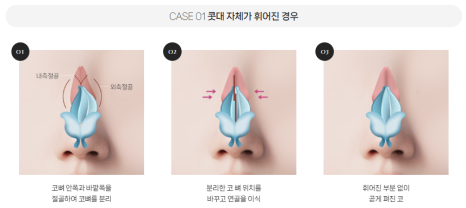
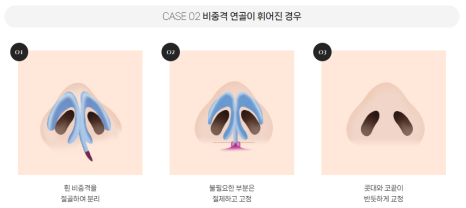
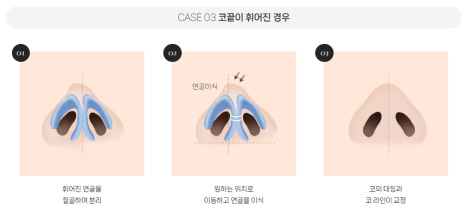
A deviated nose is one that appears bent to one side,
which can make the overall balance of the face look disrupted when viewed from the front.
Some people are particularly concerned that their nose looks crooked in photographs
or that one side of the face appears larger.
In addition to affecting appearance,
in some cases it may occur together with a deviated nasal septum,
accompanied by functional discomfort.
A deviated nose is not addressed simply by adjusting its height;
it is important to consider the central axis of the nose and overall balance.
When a Short or Upturned Nose Is a Concern

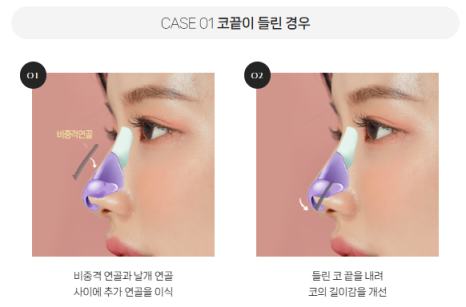
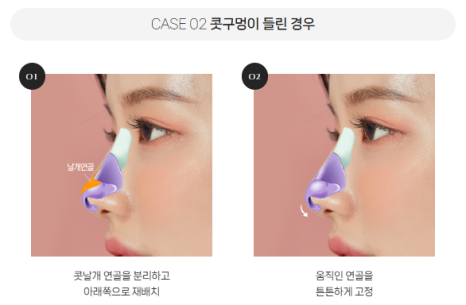
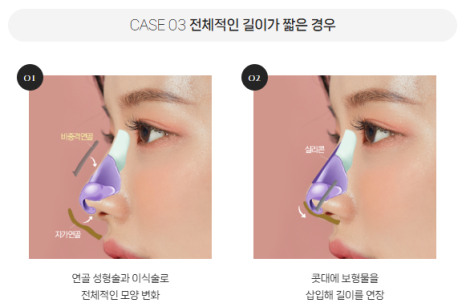
A short or upturned nose is characterized by a nose that appears short
or by nostrils that are prominently visible.
In these cases, the direction of the tip and the apparent length are considered together
in an approach aimed at achieving overall balance.
In particular, a design that takes facial proportions and harmony into account can be important.
Why the Surgical Approach Differs Even for the Same Nose Type
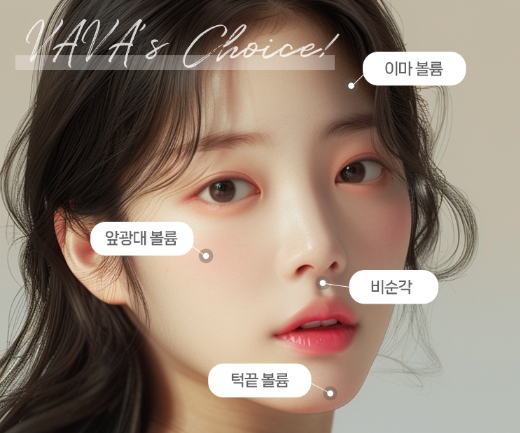
Even for the same bulbous or humped nose,
the result may differ depending on skin thickness, cartilage structure, and face shape.
Therefore, rather than simply referring to specific cases,
it is important to accurately diagnose the current condition
and find an approach suited to the individual.
Key Considerations in a Consultation for Rhinoplasty by Nose Type
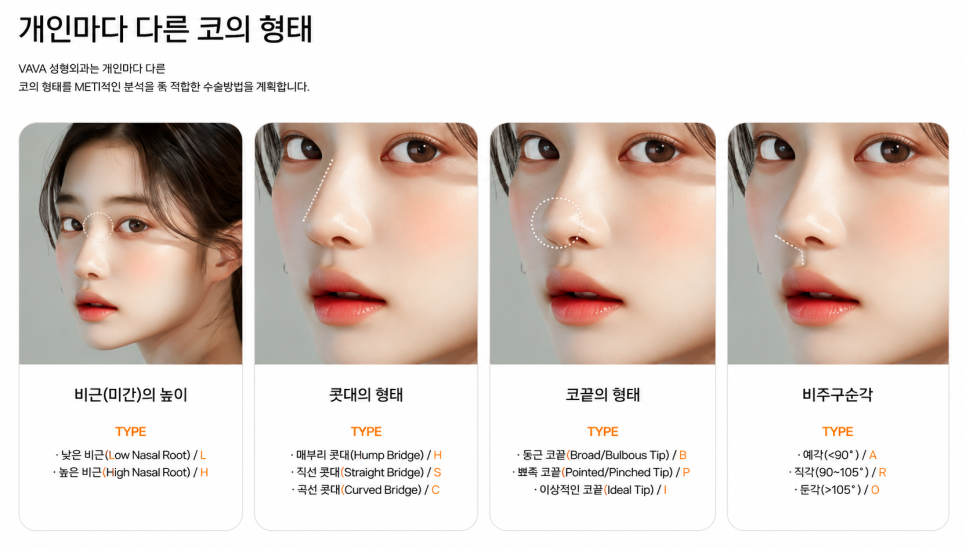
During a consultation for rhinoplasty by nose type,
• Skin thickness
• Nasal tip structure
• Nasal bridge height
• Facial proportions
• Impression from the front and side
are assessed comprehensively.
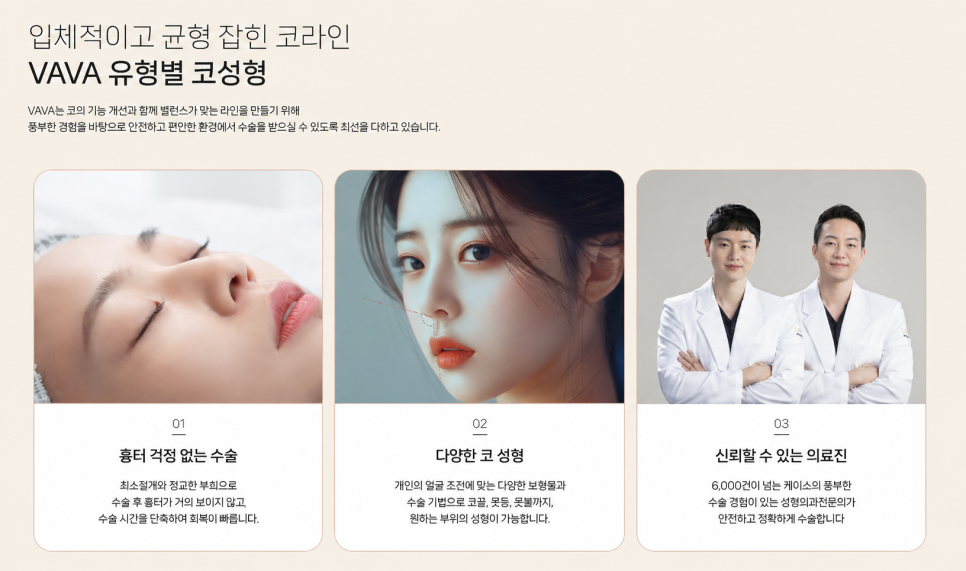
At BABA Plastic Surgery,
the individual's nasal condition is carefully analyzed
before suggesting a surgical approach suited to the type,
with greater importance placed on natural, harmonious results than on excessive change.
Conclusion

Rhinoplasty is not simply a procedure to raise the nose;
it can be considered a process of accurately analyzing the current type and structure of the nose
and finding an approach suited to the individual.
Since the necessary approach may vary depending on the type—such as a bulbous nose, humped nose, low nose, or short nose—
it is important to identify the direction that suits you through sufficient consultation and diagnosis.
As more people have recently come to prefer results that blend naturally with the face rather than unconditionally dramatic changes,
we recommend beginning with the process of accurately understanding the current condition of your nose.