Many people considering eye surgery
often think that they can achieve their desired eye shape with double-eyelid surgery alone.
However, when the Mongolian fold covers the inner corners of the eyes
or the eyes are short horizontally,
a tight-looking appearance may remain even after double-eyelid surgery alone.
One of the procedures considered in these cases
is medial epicanthoplasty and upper epicanthoplasty.
Recently, rather than making the eyes unconditionally larger,
more people are seeking a natural expansion of the eye shape
that harmonizes with the overall face,
which has also led to an increase in consultations for medial and upper epicanthoplasty.
How Are Medial and Upper Epicanthoplasty Different?
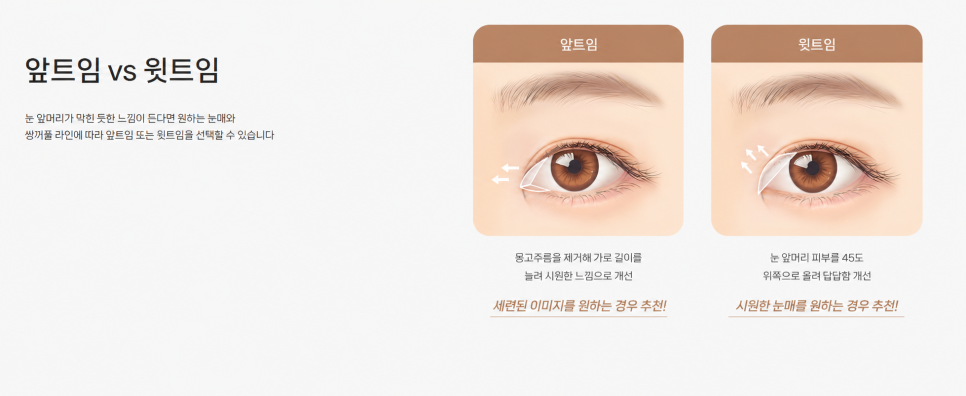
Medial epicanthoplasty and upper epicanthoplasty are both procedures that improve the inner corners of the eyes,
but they differ in the areas they improve and their purposes.
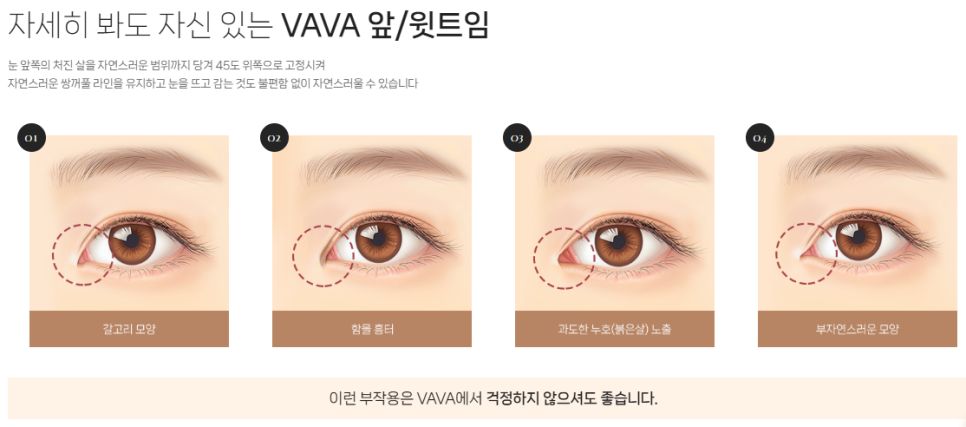
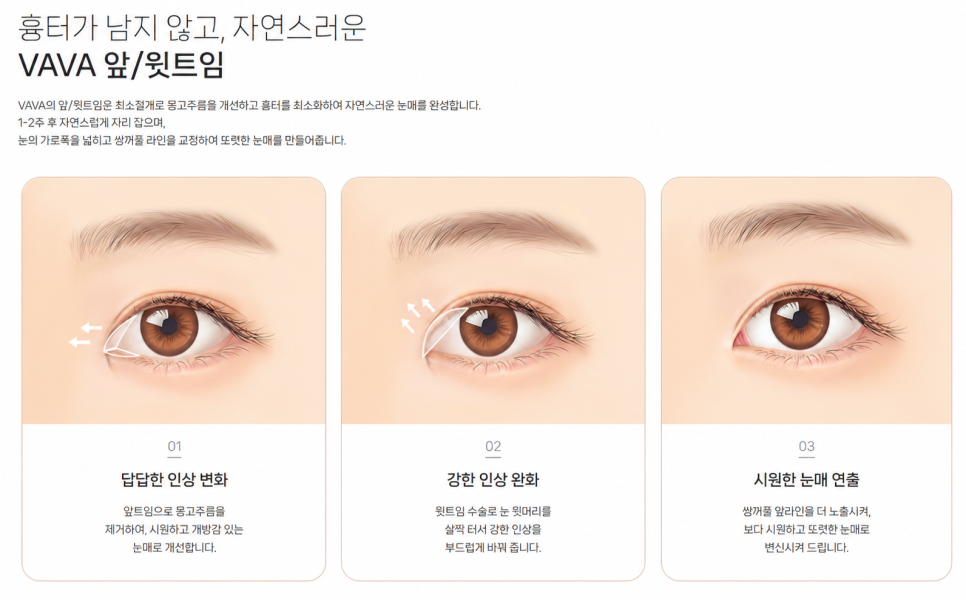
Medial epicanthoplasty improves the Mongolian fold,
naturally extending the horizontal length of the eyes
and helping to improve a tight-looking appearance.
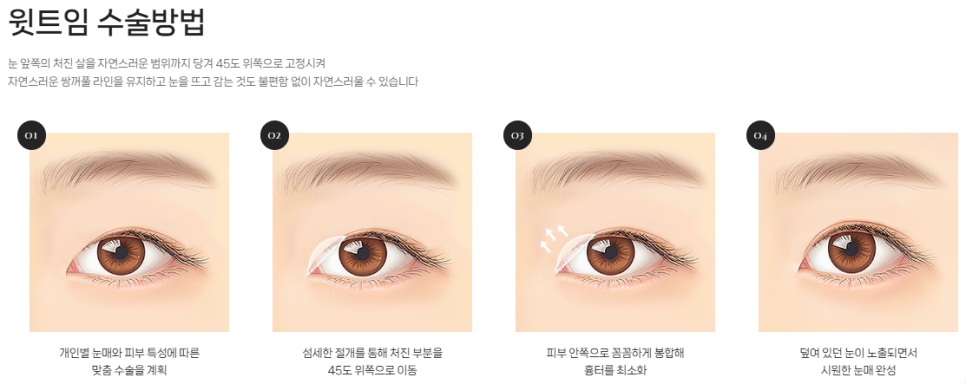
Upper epicanthoplasty, on the other hand,
is a procedure that corrects sagging skin at the inner corner of the eye upward,
allowing the front part of the double-eyelid line to appear more naturally.
Since the appropriate method may vary depending on the current condition of the eyes
and the desired eye shape,
it is important to determine the approach through a thorough consultation.
When Medial Epicanthoplasty May Be Needed
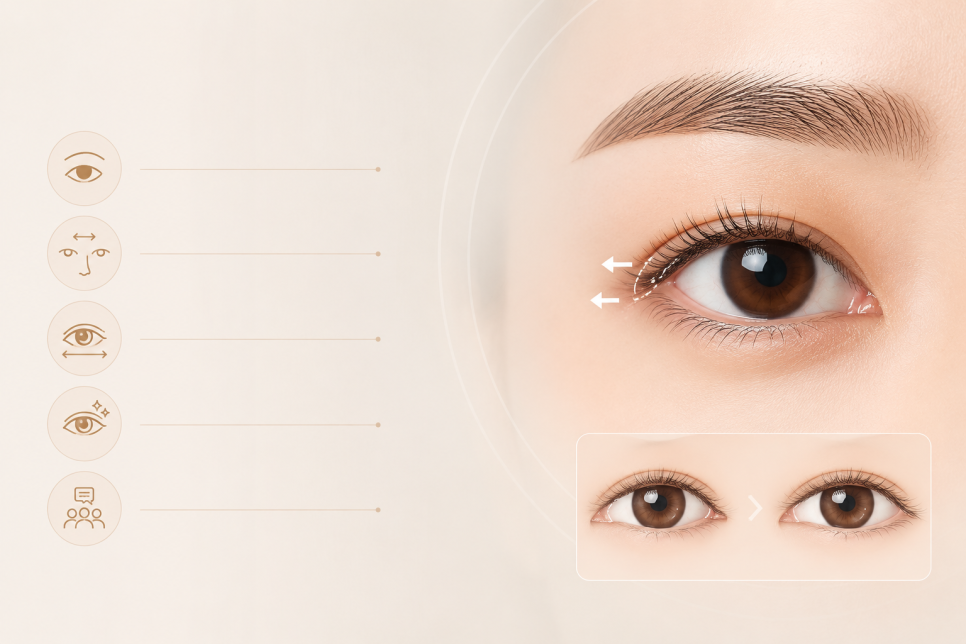
Medial epicanthoplasty may be considered when the Mongolian fold covering the inner corners of the eyes
makes the eyes appear short or creates a tight-looking impression.
In particular,
• When the Mongolian fold is pronounced
• When the distance between the eyebrows appears wide
• When the eyes appear short horizontally
• When a more open and refreshed eye shape is desired
These are common reasons for seeking a consultation.
Recently, rather than making the eyes excessively larger,
emphasis has been placed on achieving a natural improvement while minimizing exposure of the inner pink tissue.
When Upper Epicanthoplasty May Be Needed
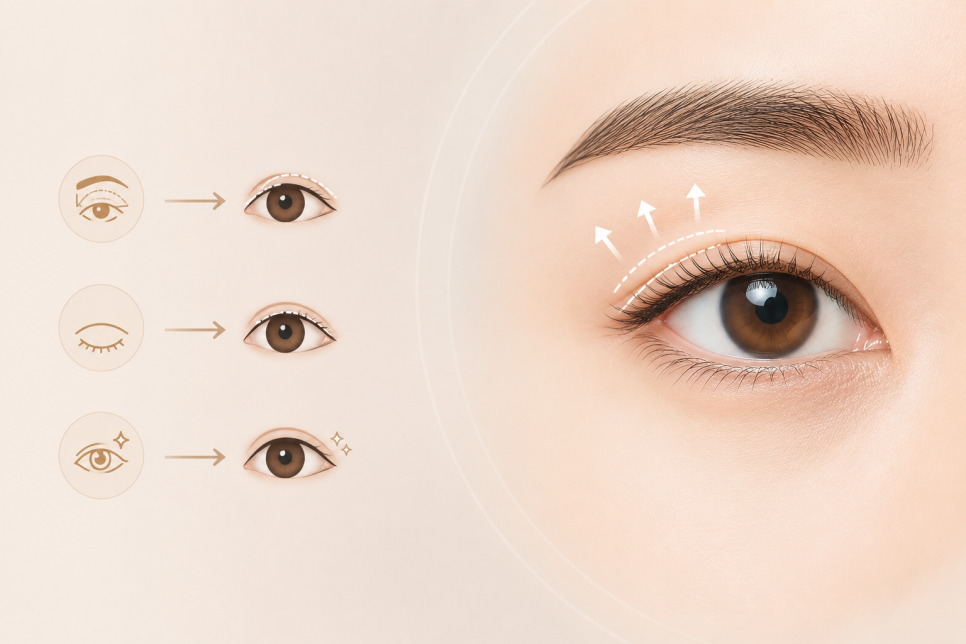
Upper epicanthoplasty
may be considered when skin above the inner corner of the eye covers the area
and creates a tight-looking appearance.
A consultation may also be considered when the front part of the double-eyelid line is not clearly visible
or when there is a desire to soften a strong-looking impression.
Upper epicanthoplasty aims to move sagging skin upward within a natural range,
while maintaining the function of opening and closing the eyes
and creating a more open-looking eye shape.
Why It Is Performed Alongside Double-Eyelid Surgery
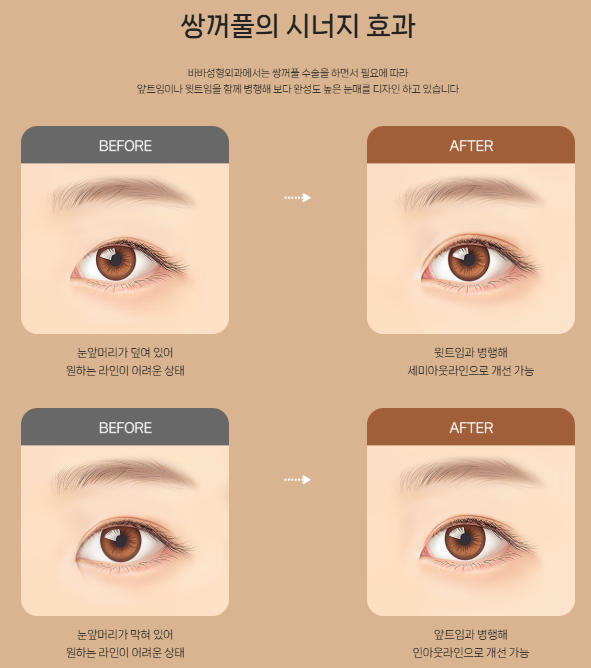
Medial and upper epicanthoplasty
may be performed on their own,
but they are also often performed alongside double-eyelid surgery.
When the inner corners of the eyes are covered,
the desired semi-out or in-out double-eyelid lines
may not be fully expressed.
After analyzing the current eye structure,
if necessary, performing medial or upper epicanthoplasty at the same time
may help achieve a more natural and refined eye shape.
Can Medial and Upper Epicanthoplasty Be Performed Together?
Since medial and upper epicanthoplasty improve different areas,
both procedures may be considered together depending on the condition of the eyes.
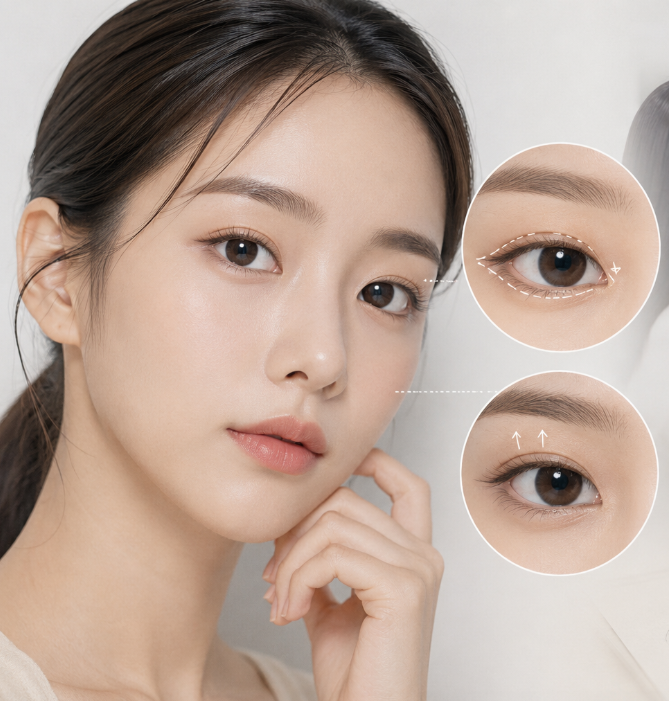
For example, when the Mongolian fold is pronounced and the skin at the inner corner also covers the area,
medial epicanthoplasty alone may not provide the desired degree of change.
In such cases, the eye structure and skin condition are comprehensively analyzed,
and medial and upper epicanthoplasty may be performed together to create a more natural and open-looking eye shape.
If You Are Concerned About Scarring
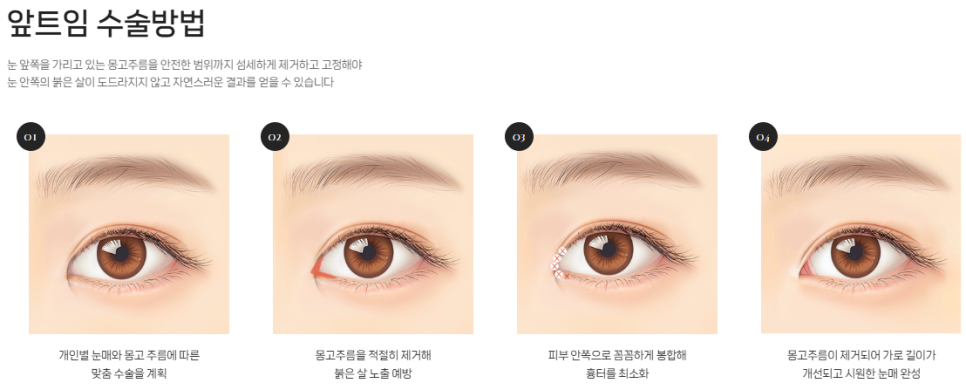
One of the areas of greatest concern
for people considering medial and upper epicanthoplasty is scarring.
Recently, procedures have been performed with the goal of reducing scarring and achieving natural-looking results
through minimal incisions and meticulous suturing.
In particular, a design that takes each individual’s Mongolian fold and skin characteristics into account
can have an important influence on the naturalness of the result after surgery.
Points to Check Before Medial and Upper Epicanthoplasty
Medial and upper epicanthoplasty are not simply procedures to make the eyes larger;
they are forms of eye surgery that also require consideration of the proportions and harmony of the entire face.
In particular, if the distance between the eyes, the degree of the Mongolian fold,
the shape of the inner corners, and the skin characteristics are not sufficiently assessed before the procedure,
the result may differ from the desired appearance.
Recently, many people prefer a natural improvement that enhances the strengths of their existing eye shape
rather than an approach that excessively enlarges the eyes.
What Is Considered Important During the Consultation
During a consultation for medial and upper epicanthoplasty,
• The degree of the Mongolian fold
• The horizontal length of the eyes
• The distance between the eyebrows
• The double-eyelid line
• Skin characteristics
• Overall facial proportions
are comprehensively assessed.
At 바바성형외과,
we analyze each individual’s eye structure and desired eye shape
and place importance on customized designs
that harmonize naturally with the face rather than on excessive enlargement.
Conclusion
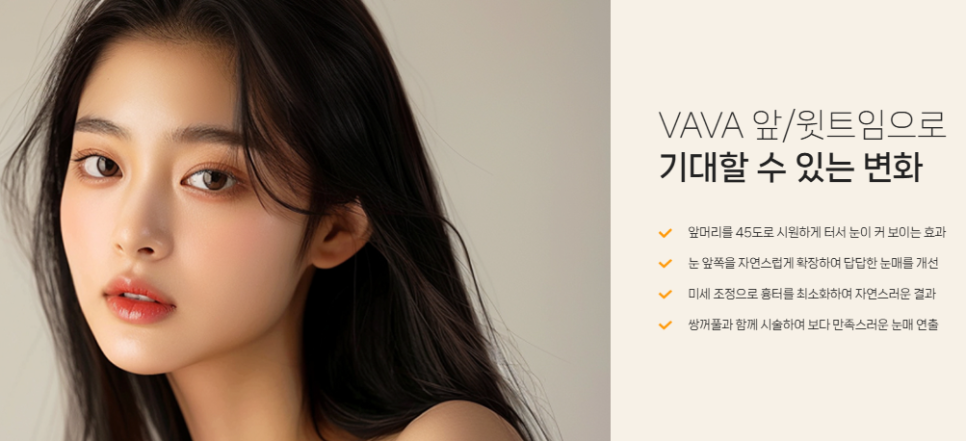
Medial and upper epicanthoplasty are not simply procedures to make the eyes larger;
they are processes for creating a more balanced eye shape by considering the current eye structure, Mongolian fold, and double-eyelid line together.
The same method does not apply to everyone,
so it is important to accurately analyze the current condition of the eyes
and find the surgical approach that is appropriate for you.
If you are concerned about a tight-looking eye shape or the Mongolian fold,
it may be helpful to determine through a thorough consultation which of medial or upper epicanthoplasty is appropriate for you.