Some people considering eye surgery feel that their eyes still do not look open and refreshed even after double-eyelid surgery.
This may be related not simply to the double-eyelid line, but to the overall structure of the eyes, including their horizontal length, vertical width, and the direction of the outer corners.
One of the methods considered in such cases is lateral canthoplasty and lower canthoplasty.
Recently, as more people have come to prefer a natural-looking expansion that takes their eye structure into account rather than simply making the eyes larger, interest in consultations for lateral and lower canthoplasty has also increased.
How Are Lateral Canthoplasty and Lower Canthoplasty Different?
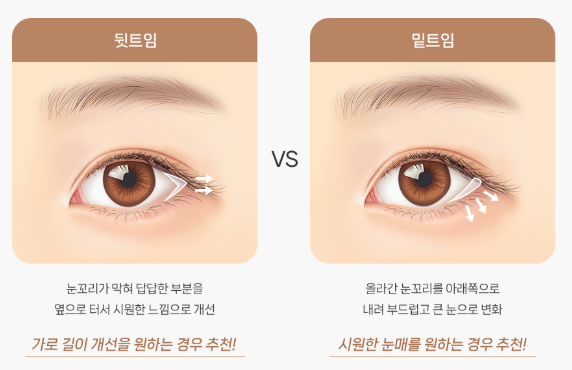
Lateral canthoplasty and lower canthoplasty are both procedures intended to make the eyes look more open, but they differ in the direction of improvement.
Lateral canthoplasty naturally lengthens the horizontal dimension of the eyes and may help improve an eye shape that looks narrow and constricted.
Lower canthoplasty, on the other hand, expands the space below the eyes to increase their vertical width and is intended to create a softer impression for upturned outer corners.
Depending on the current condition of the eyes, only one procedure may be performed, or both may be considered together.
When May Lateral Canthoplasty Be Needed?
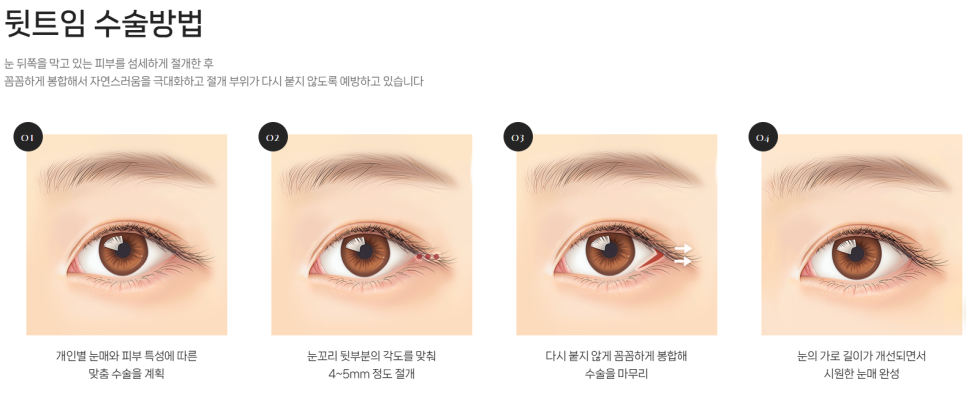
A consultation for lateral canthoplasty may be considered in the following cases.
-
When the eyes appear short horizontally
-
When the eyes look narrow and constricted
-
When a more open and defined eye shape is desired
-
When the amount of space around the eyes is a concern
In particular, because the procedure aims for natural expansion by using the hidden space at the outer corners of the eyes, a design that takes each person’s eye structure into account is important.
When May Lower Canthoplasty Be Needed?
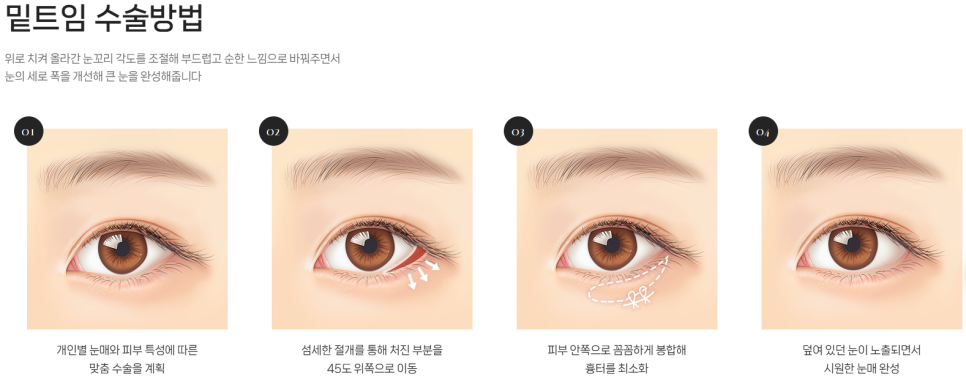
Lower canthoplasty may be considered when the outer corners of the eyes turn upward and create a strong impression.
Naturally expanding the space below the eyes may make their vertical width appear greater and may create a softer, more comfortable image.
Recently, many people place importance on creating a natural angle while preserving eye function rather than lowering the outer corners excessively.
Why Have Lateral and Lower Canthoplasty Together?

Because lateral and lower canthoplasty improve different areas, some people may expect a complementary effect when they are performed together.
Improving both the horizontal length and vertical width may make the eyes look more open and spacious, while also allowing the angle of the outer corners to be adjusted.
However, both procedures are not necessary for everyone, so accurately analyzing the current eye structure is important.
Do Lateral and Lower Canthoplasty Have the Same Effect for Everyone?
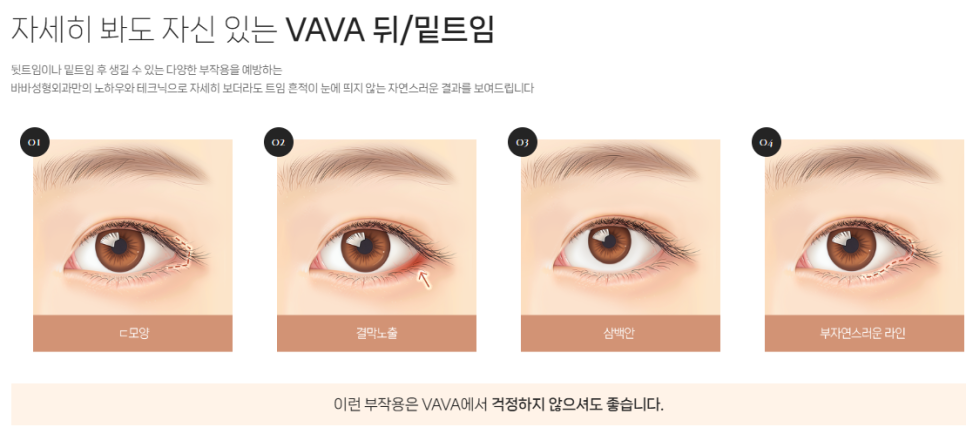
Lateral and lower canthoplasty are procedures intended to make the eyes look more open, but the same changes do not appear in everyone.
The range of possible improvement may vary depending on each person’s eye structure, including the horizontal length and vertical width of the eyes, the angle of the outer corners, and skin elasticity.
It is also important to consider the range of natural change possible within the current eye structure rather than expanding the eyes excessively.
What Is Important in Lateral and Lower Canthoplasty Is Natural, Long-Lasting Results

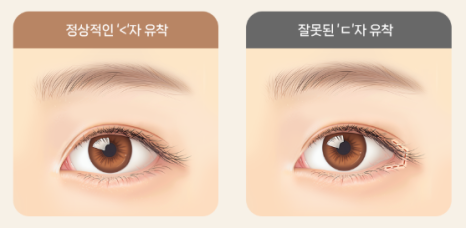
One of the biggest concerns for people considering lateral and lower canthoplasty is the possibility that the areas may join together again over time.
For canthoplasty, carefully securing the area so that it can be maintained naturally after surgery is important, rather than simply making an incision.
At Baba Plastic Surgery Clinic, importance is placed on maintaining natural lines through customized design and suturing that take skin characteristics and eye structure into account.
What to Check Before Lateral and Lower Canthoplasty

Lateral and lower canthoplasty are not simply procedures to make the eyes larger; they require consideration of the proportions of the entire face together with the eye structure.
If the horizontal length and vertical width of the eyes, the direction of the outer corners, and skin elasticity are not sufficiently assessed before proceeding, the results may differ from what was expected.
Recently, many people have come to prefer natural expansion that highlights the strengths of their original eye shape rather than excessive widening.
Key Points Considered During a Consultation
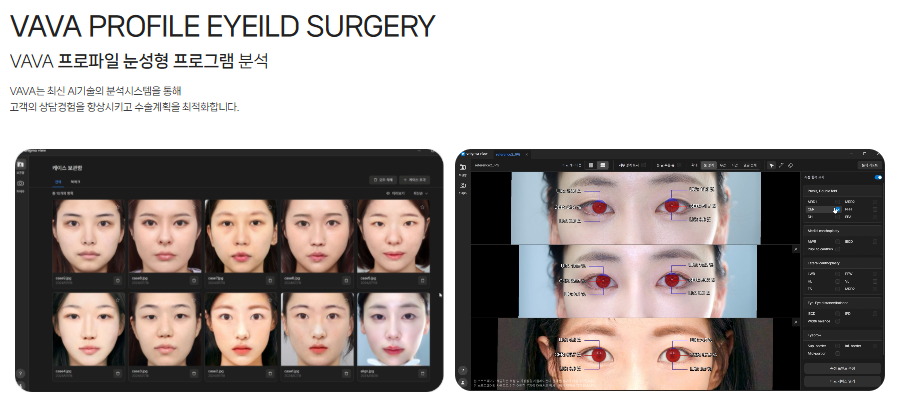
During a consultation for lateral and lower canthoplasty, the following are assessed comprehensively:
-
Horizontal length of the eyes
-
Angle of the outer corners
-
Vertical width of the eyes
-
Skin elasticity and thickness
-
Overall facial proportions
-
Hidden space at the outer corners
At Baba Plastic Surgery Clinic, eye structure is analyzed in detail based on AI analysis and customized design, and consultations are conducted with the goal of creating an eye shape that harmonizes naturally with the face.
Conclusion
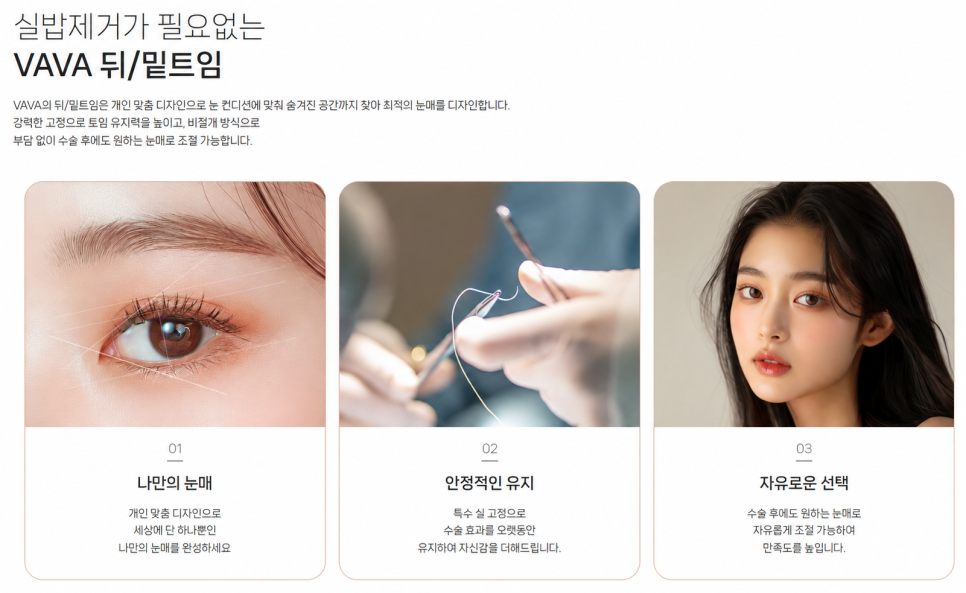
Lateral and lower canthoplasty are not simply procedures to make the eyes larger; they are a process of creating a more balanced eye shape by considering the current eye structure, the direction of the outer corners, and facial proportions together.
Because the same approach does not apply to everyone, it is important to find the surgical approach that is suitable for you through a thorough consultation and accurate diagnosis.
If your eyes look narrow and constricted or you are concerned about the direction of the outer corners, accurately checking their current condition and consulting about the lateral and lower canthoplasty methods suited to you may also be a good option.