
Because the nose is located at the center of the face, even a small change can have a significant effect on the overall impression.
The nostrils are one of the first areas seen from the front,
and many people are concerned that wide nostrils make their face look larger or give it a stuffy appearance.
Recently, more people have been seeking improvements to the nostrils along with the bridge of the nose while considering the proportions of the entire face, rather than simply raising the nasal bridge.
As a result, interest in alar reduction has also been increasing.
What Is Alar Reduction?

Alar reduction is a surgical procedure that adjusts the width of nostrils that appear widely spread to create a more balanced nasal line.
Rather than simply making the nostrils smaller, it is important to create natural harmony by considering the nasal bridge, nasal tip, and facial proportions together.
In particular, many people are increasingly preferring a design that blends naturally with their original facial features over excessively narrow nostrils.
Why Nostrils May Appear Wide

Even when nostrils appear similarly wide, the underlying causes may differ.
In some cases, the nasal wings spread significantly outward,
while in others, the nostrils may appear relatively wide because the nasal tip is low.
Nostrils may also appear wider because of thick skin or the structure of the nasal tip cartilage.
Therefore, it is important to accurately analyze the current nasal structure and then select a method suited to the cause.
When Alar Reduction May Be Considered

A consultation for alar reduction may be considered in the following cases.
• When wide nostrils make the face appear larger
• When the nose appears spread out from the front
• When the nostrils flare significantly when smiling
• When the nasal bridge is present but the nose appears blunt
• When a more defined center of the face is desired
However, alar reduction is not necessary in every case, and the appropriate method may vary depending on the current condition of the nose.
When Alar Reduction Alone May Not Be Enough
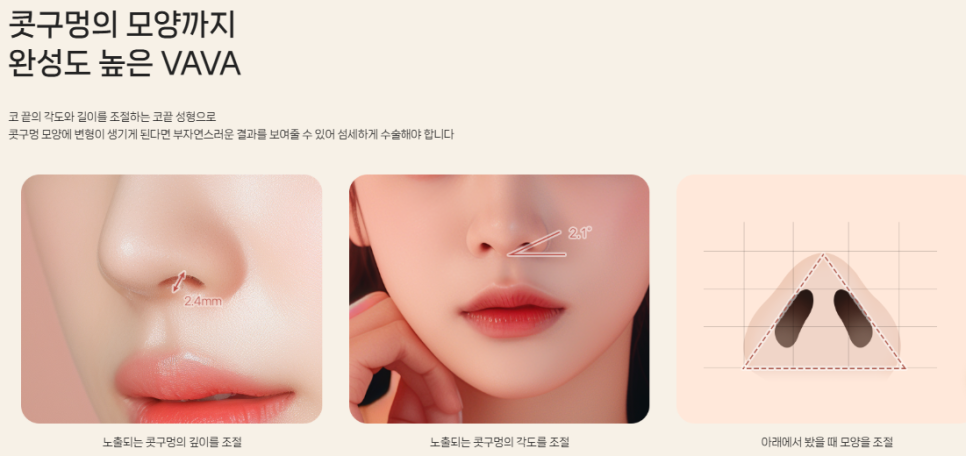
Wide nostrils are not always a problem with the nostrils themselves.
When the nasal tip is low or spread out, improving the nasal tip along with the nostrils may lead to a more natural result.
In fact, if the nostrils and nasal tip are not balanced, reducing the nostrils alone may make the nose look awkward instead.
Therefore, during a consultation, it is important to assess not only the nostrils but also the proportions of the nasal tip and bridge.
Why the Incision Location Matters

One of the most common concerns among people considering alar reduction is scarring.
Recently, careful planning of the incision location and suturing method has become an important part of designing the procedure so that scars can settle naturally.
In addition, because skin thickness and nostril shape vary from person to person, a customized approach is needed rather than applying the same method to everyone.
What Is the Difference Between an Inner and Outer Alar Incision?
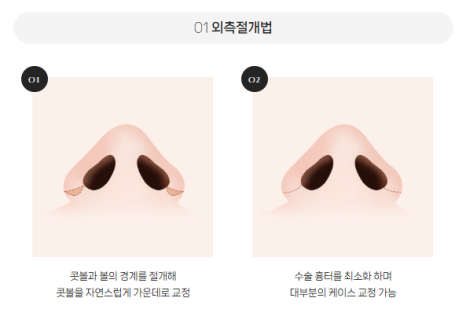
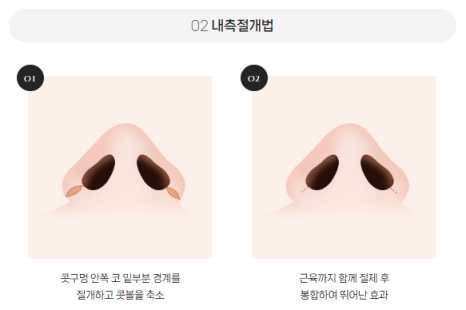
The incision location for alar reduction may vary depending on the shape of the nostrils and the cause of their wide appearance.
In general, an inner alar incision is performed primarily along the inner part of the nostrils.
This approach may be considered when the nostrils are not particularly wide but a natural improvement is desired.
An outer incision, on the other hand, corrects the outer part of the nasal wings as well.
It may be considered when the nostrils are significantly spread out or appear wide from the front.
However, it is not possible to say definitively that one incision method is better than the other.
It is important to comprehensively analyze the current shape of the nostrils, skin thickness, facial proportions, and other factors before selecting the method best suited to each individual.
Why Naturalness Matters After Alar Reduction

Reducing the nostrils significantly does not necessarily lead to greater satisfaction.
If they become excessively narrow, the nose may appear overly prominent or may seem out of harmony with the face.
Recently, many people have been preferring a natural nostril line that considers the proportions of the entire face over an unconditionally small nose.
Important Points Considered During a Consultation

During an alar reduction consultation, the following factors are assessed comprehensively:
• Nostril width
• Shape of the nasal wings
• Skin thickness
• Nasal tip height
• Proportion relative to the nasal bridge
• Movement of the nostrils when smiling
At BABA Plastic Surgery, the individual's nasal structure and facial proportions are analyzed, and natural results are pursued through customized design that considers not only the nostrils but also the nasal tip and bridge.
Conclusion

Alar reduction is not simply a procedure to make the nostrils smaller.
It is a process of creating a more balanced nasal line while considering the proportions and harmony of the entire face.
Because the necessary method may vary depending on the current nasal structure and the underlying cause, it is important to find the right approach through a thorough consultation and accurate diagnosis.
As more people have recently been preferring results that blend naturally with their original facial features over excessive changes, we recommend accurately assessing the current condition of your nose and consulting about the improvement approach that is right for you.