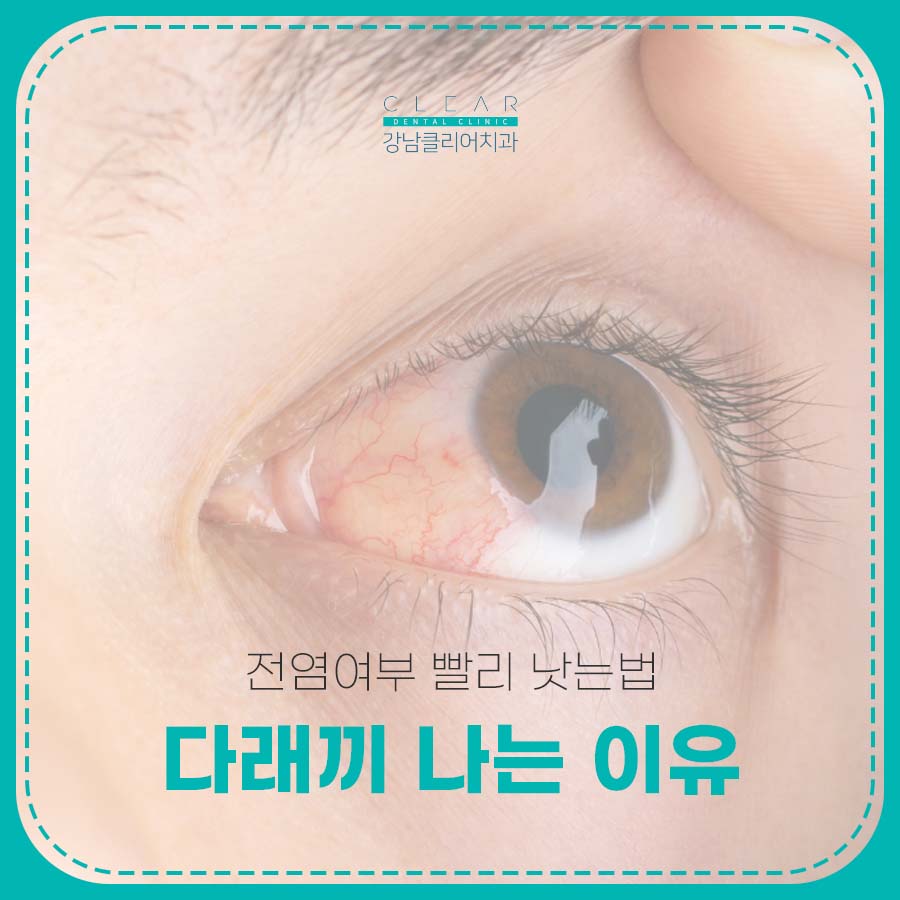
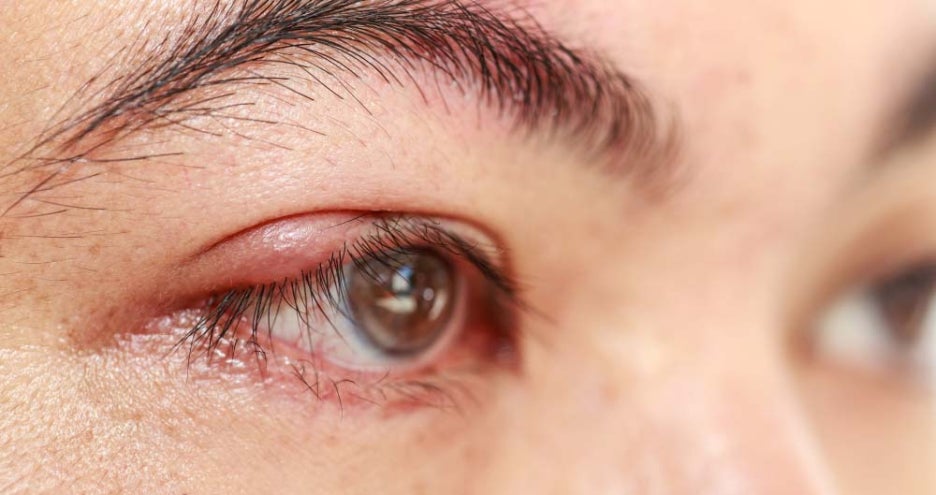
Do the edges of your eyelids feel heavy and uncomfortable? You might think it’s because you’ve been especially tired lately, but these symptoms could be signs of a stye. A stye is a general term for a pus-forming inflammation that develops on the eyelid. The eyelid contains several kinds of glands, and an acute inflammation in these glands is called a stye.
A stye may get better on its own over time if left alone, but if it lasts a long time, treatment may be needed, such as using eye drops or antibiotics, or, if there is an abscess and it does not drain, making an incision to drain it. Today, let’s look at why styes occur, whether styes are contagious, and how to get rid of a stye quickly.
Why styes occur
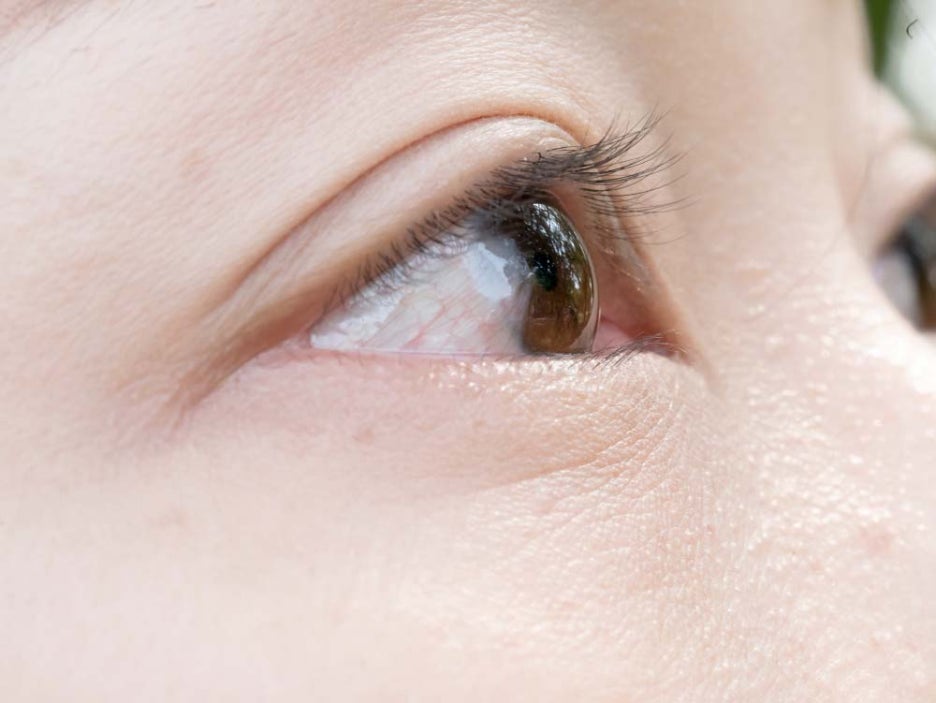
The reason styes occur is mainly due to infection of the lacrimal glands and accessory glands in the eyelid.
In many cases, the infection is caused by staphylococci. It can occur when you rub your eyes with contaminated hands, wear contact lenses for long periods, or use heavy eye makeup without removing it for a long time.
There are other reasons styes can occur as well. One is lifestyle and environmental factors.
A stye can develop when prolonged stress, an irregular routine, lack of sleep, or weakened immunity affects the body. Styes are divided into external styes, internal styes, and chalazia. If the eyelid margin swells and becomes painful, and tenderness in the area becomes severe, it is a symptom of an external stye, which is usually easy to identify visually.
Symptoms by type of stye
| External stye | Internal stye | Chalazion |
|---|
| -The eyelid margin is red and tender -In the early stage, the eyelid swells slightly and feels itchy -Over time, pain develops and the swelling becomes worse -It hurts when pressed, and there is a round swollen area | -If you turn the eyelid over or pull it down, a yellow pus-filled bump is visible -At first, the pain is mild, but it worsens over time -Tearing may occur, and you may become sensitive to bright light -It feels like there is a foreign body in the eye | -A painless, round swelling grows on the eyelid -It feels hard, like a pea -Sometimes the swelling becomes large enough to press on the eyeball and limit vision -The skin under the eyelid may become red or gray |
Whether styes are contagious
So, can a stye be transmitted to other people?
These days, when awareness and concern about infectious diseases are high, it is natural to worry about contagion if something is said to be infected.
There is no need to worry about a stye being contagious. Styes are not contagious.
Some people think they are contagious like eye infections, but that is not the case.
However, it is a good idea to be careful not to confuse a stye with an infectious disease that has similar symptoms.
For example, in epidemic conjunctivitis, both eyes are often red at the same time, and there may be a lot of eye discharge. It is also highly contagious and can easily spread to people around you.
How to get rid of a stye quickly?
So far, we have looked at whether styes are contagious. A stye can heal naturally even if you leave it alone, but for those who want it to recover more quickly, there are a few methods that can help.
- Do not touch your eyes with your hands
The most important thing is not to touch your eyes with your hands. To help a stye heal quickly, it is best not to bring your hands to your eyes and to wash your hands frequently.
- Warm compress
If the stye inflammation is still at an early stage and not visible to the eye, a warm compress at 40 to 45 degrees Celsius can help. Applying a compress 4 to 6 times a day may help relieve the stye more quickly.
- Keep the area around the eyes clean
Along with not touching your eyes with your hands, it is best to keep the area around your eyes clean. For women, it is a good idea to avoid eye makeup or remove it thoroughly, and to disinfect makeup tools before use.

- Strengthen your immunity
In addition to bacterial infection, a stye can also develop when immunity is weakened. Therefore, improving immunity can also help a stye heal more quickly. It is good to eat plenty of vegetables and fruits rich in antioxidants such as vitamins A, C, and E, and to maintain immunity through sufficient sleep.
- Get enough fluids
Adequate fluids help expel toxins from the body and promote overall bodily function. Therefore, along with a balanced diet, it is good to drink enough water and maintain regular exercise and sleep habits to support and strengthen immunity.
A stye is a common eye condition that can happen to anyone, but once it develops, it can interfere with daily life.
Keeping the area around your eyes clean and avoiding touching them as much as possible can help a stye heal more quickly.



 Previous image
Next image
Previous image
Next image