
Causes and treatment of gum inflammation, how to handle swollen gums
Hello.
I am Oh Su-hwan, a dentist with 18 years of experience.
What do you think is the main reason natural teeth have to be extracted?
It could be due to cavities, tooth fracture, or wisdom tooth problems.
In some cases, a few teeth may also be extracted to create space during orthodontic treatment.
But the biggest cause is 'severe gum disease = periodontitis.'
In most cases where the gums become inflamed and swollen, the cause is gum disease.
The 대표 examples are 'gingivitis' and 'periodontitis.'
As periodontitis gradually progresses, the gum bone that supports the teeth dissolves, the teeth become loose, and eventually they have to be extracted.
So in today’s post, to help you keep your natural teeth for as long as possible,
we will look at gingivitis and periodontitis, which are causes of gum inflammation,
and examine what efforts are needed to prevent them.
Causes of gum inflammation,
Looking at gingivitis and periodontitis
To properly understand gingivitis and periodontitis, we need to look at the structure of the gums.
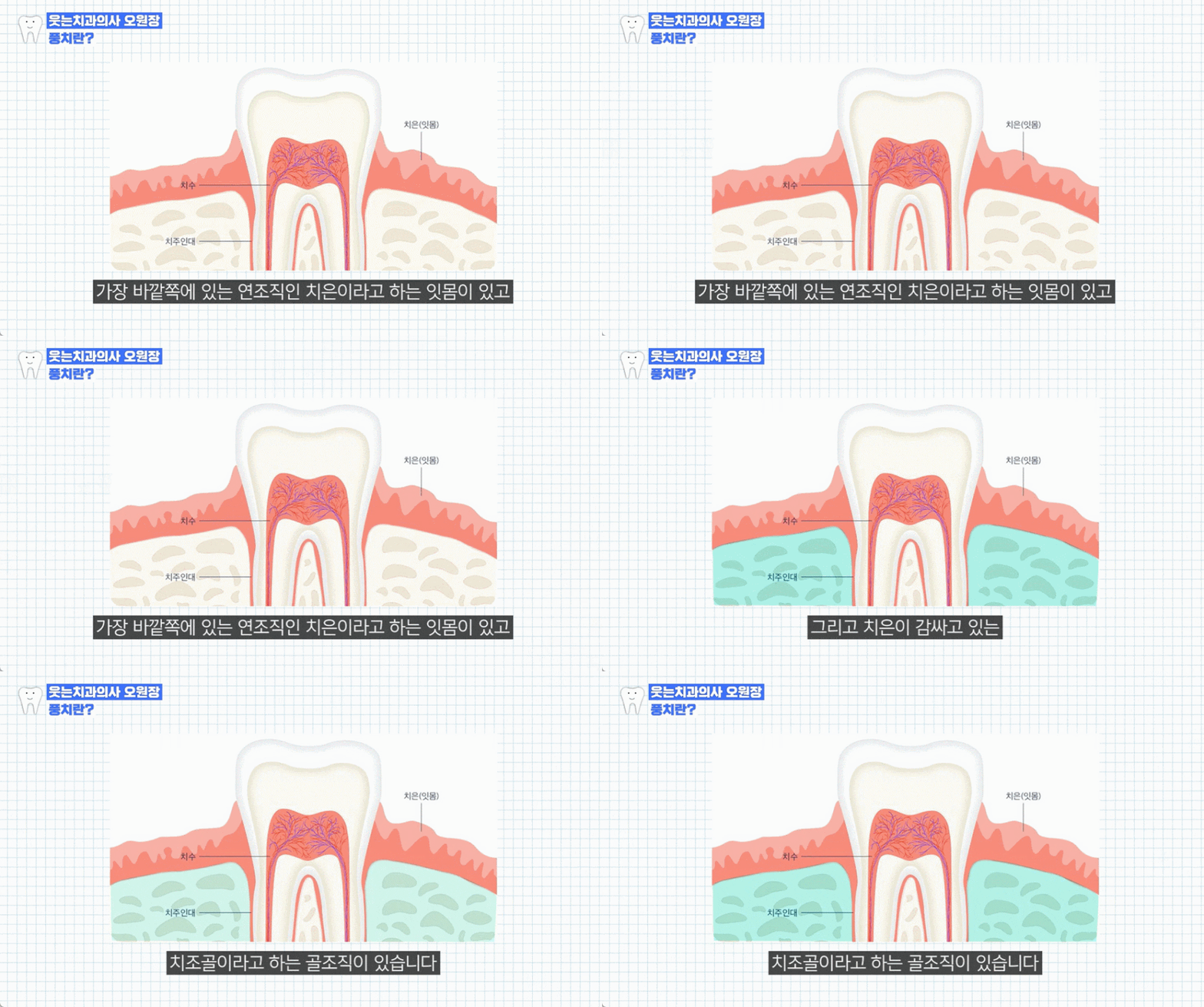
The periodontal tissues (the tissues surrounding the teeth) are made up of:
-
Gingiva (gums), the soft tissue covering the jawbone on the outermost side
-
Alveolar bone (gum bone), which firmly supports the teeth
-
Periodontal ligament, which connects the teeth and the jawbone
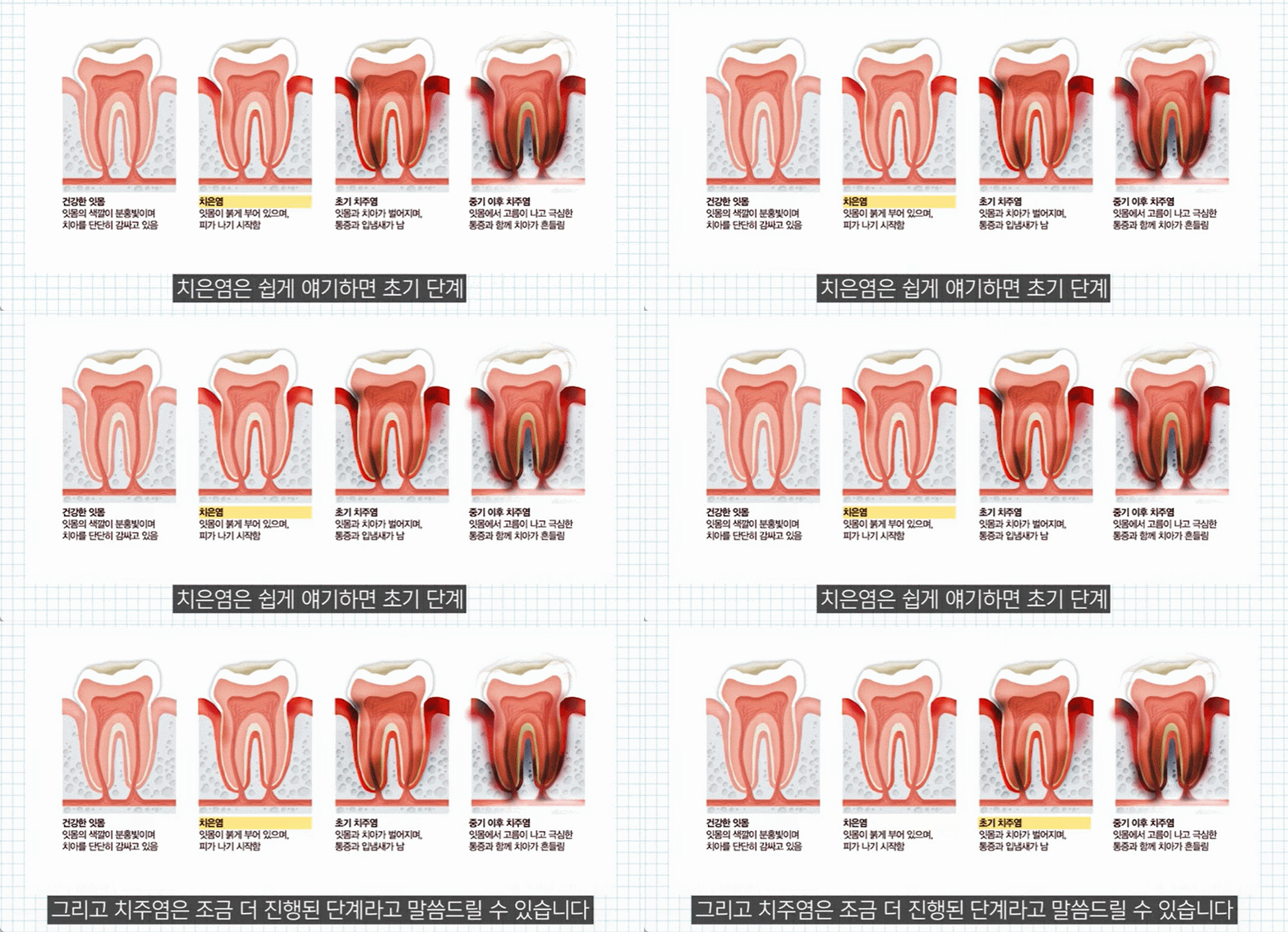
Gingivitis refers to a state in which gum inflammation is limited only to the soft tissue.
It is a relatively mild condition, and the main cause is dental plaque formed on the tooth surface.
🚨 Main symptoms?
- Gums turn red and swell
- Bleeding occurs when brushing
- The gums feel itchy or uncomfortable
If the inflammation progresses further,
it spreads to the alveolar bone inside the gingiva, that is, the gum bone.
This stage is called periodontitis.
As periodontitis progresses further, the gingiva moves toward the tooth root,
and the height of the gum bone surrounding the tooth root gradually decreases.
As the periodontal ligament and alveolar bone are destroyed, the teeth become loose,
and once it reaches this stage, it is difficult to return to the original state.
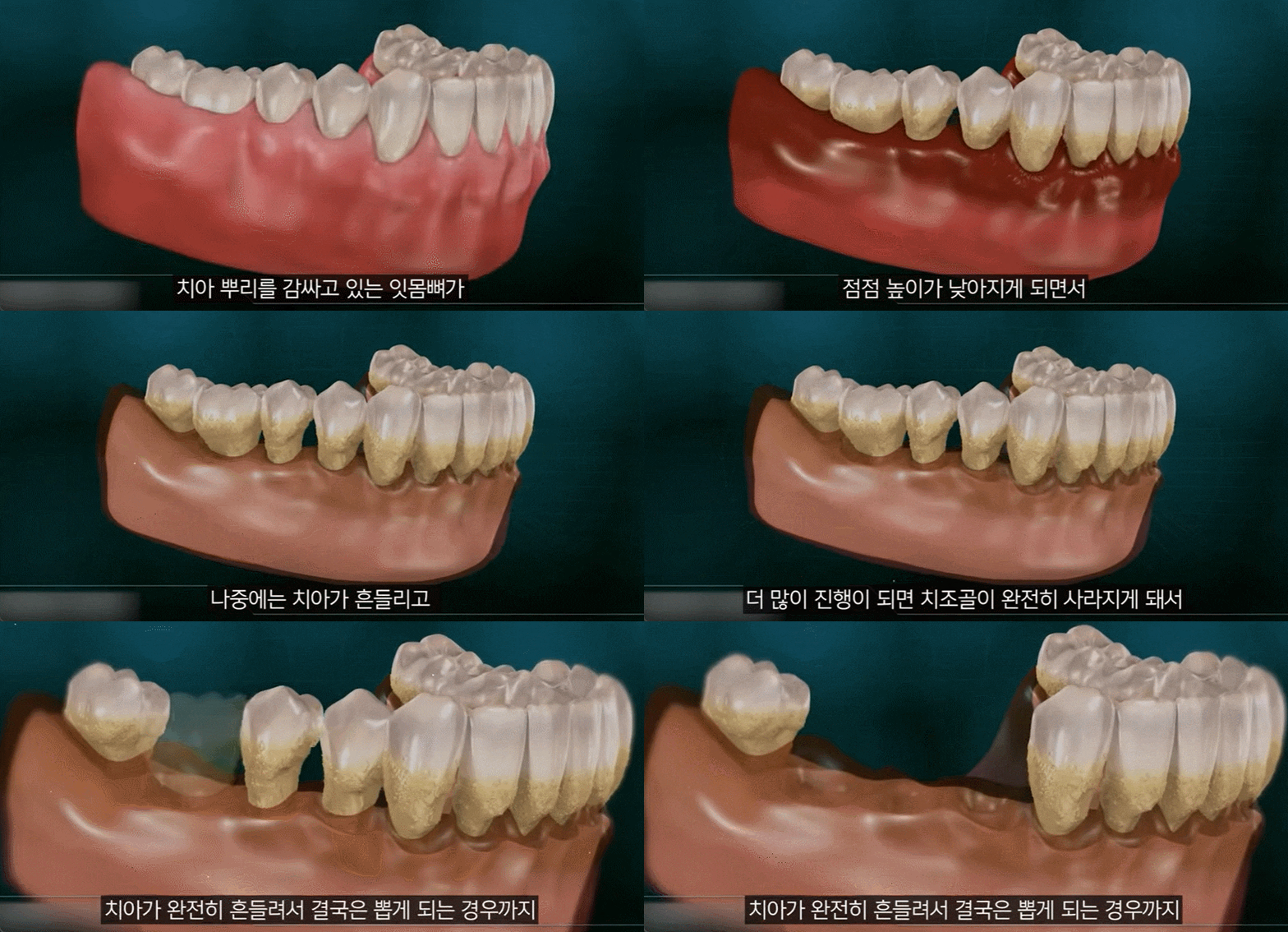
Eventually, the alveolar bone may disappear completely, and the tooth may need to be extracted.
🚨 Main symptoms?
- Gum bleeding and severe inflammation
- The gums gradually recede, making the teeth look longer
- Bad breath becomes severe
- Teeth become loose or change position
- Pain when chewing
Therefore, early diagnosis and appropriate treatment are needed so that mild gum inflammation does not progress to periodontitis.
Next, I will explain a few treatment methods.
To address the cause of gum inflammation
In relatively early-stage gum disease, gingivitis can recover with proper oral care alone.
Brush the teeth and gum line carefully with a soft toothbrush 2–3 times a day,
and use dental floss and mouthwash to remove plaque remaining between the teeth and reduce inflammation.
Also, regular scaling to remove tartar helps the inflammation subside easily.
However, in the periodontitis stage, treatment becomes more complicated.
First, tartar on the tooth surface and beneath the gums is removed,
and root planing is performed to smooth the root surface so bacteria cannot attach easily.
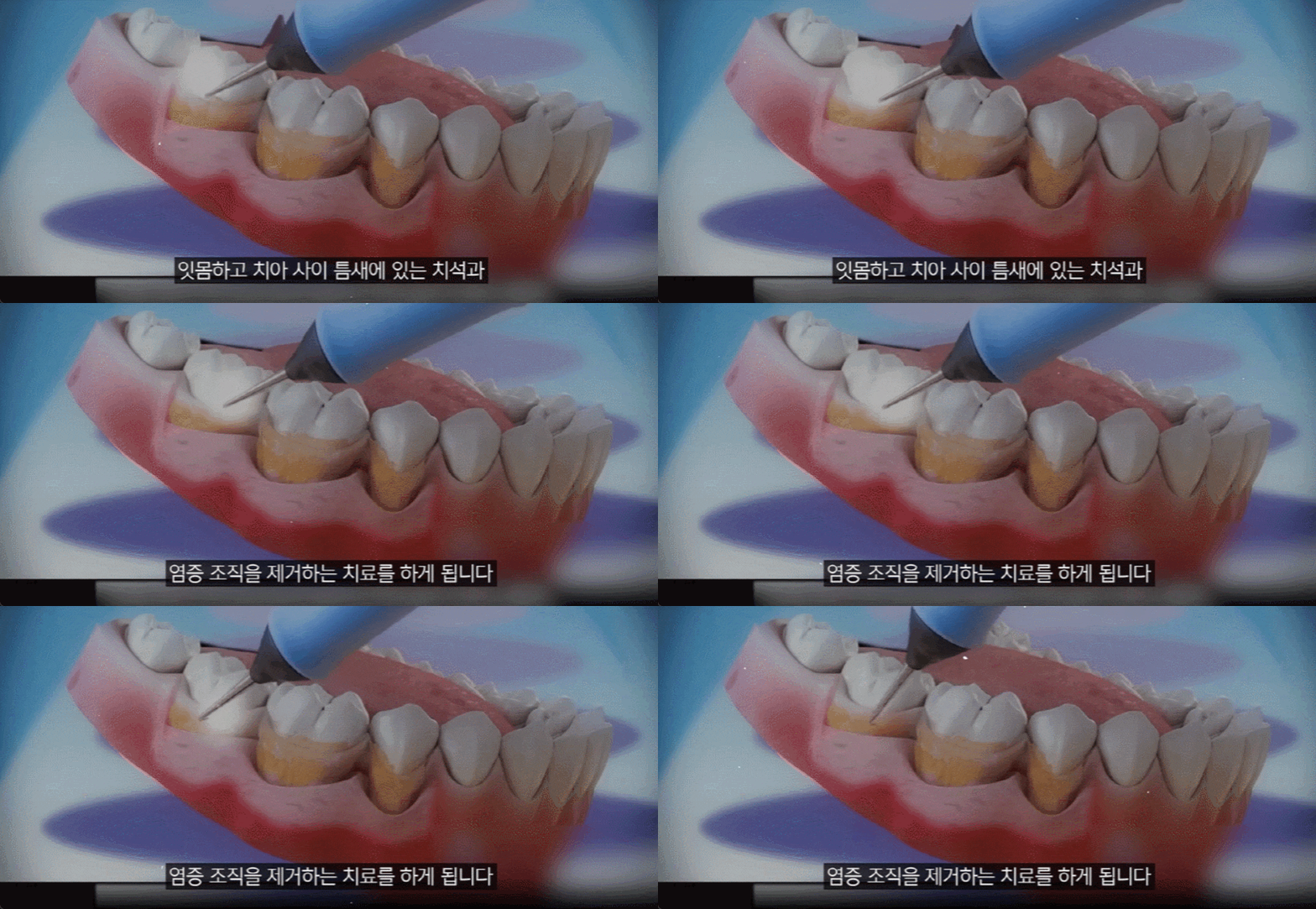
The inflamed tissue inside the gums may also be scraped away
through periodontal curettage to remove bacteria and inflammation.
If the inflammation is severe and has damaged the gum bone as well, the gums may be incised to remove tartar from deep areas,
and periodontal flap surgery may be performed to regenerate the gum bone.
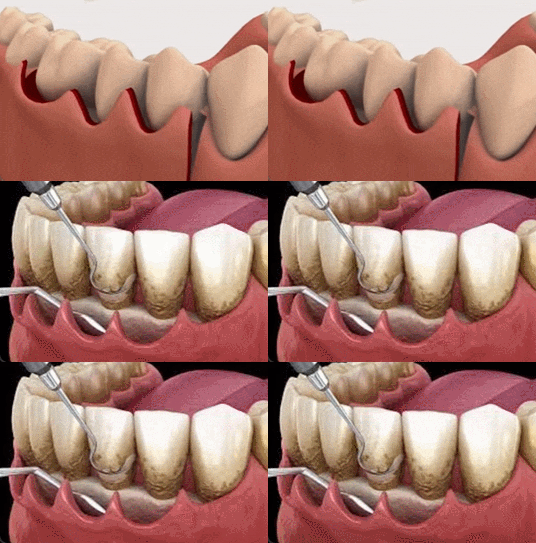
As you can see, gingivitis can be treated easily if managed early,
but periodontitis becomes harder to treat as it progresses and may even require tooth extraction.
Therefore, thorough oral care and dental checkups are the most important preventive and treatment methods.
To prevent gum inflammation
Brush your teeth 2 to 3 times a day within 3 minutes after meals, and gently clean the boundary between the teeth and gums.
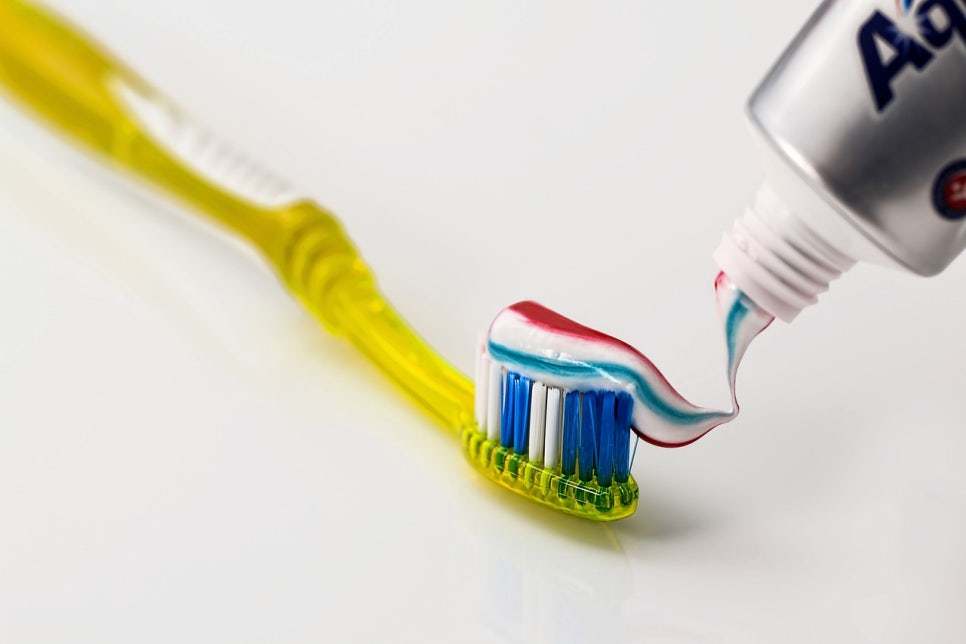
Use an appropriate toothbrush and toothpaste to remove plaque,
and it is a good idea to use dental floss or mouthwash to remove plaque between the teeth.
Regular scaling is also necessary.
As tartar builds up, the likelihood of gum inflammation increases,
so it is recommended to have scaling at least once every six months.
In addition, it is important to maintain a balanced diet by eating foods rich in vitamin C and calcium,
and reducing the intake of sweets and carbonated drinks.
Up to this point, we have looked at the causes of gum inflammation and explained treatment methods and prevention methods as well.
For any disease, the longer it is left untreated, the worse it gets,
so if you are experiencing swollen gums due to gum inflammation, please do not leave it untreated
and get an accurate diagnosis and appropriate treatment.
I hope today’s post was helpful, and I will end here. Thank you.