Underbite Orthodontics? When Is the Best Time for Effective Underbite Correction?
Hello.
I’m Oh Su-hwan, a board-certified orthodontic specialist certified by the Ministry of Health and Welfare with 18 years of experience.
Many of you are considering surgery or orthodontic treatment to improve an underbite, right?
However, many people are afraid of surgery and worried that the results may not turn out well,
so they decide to choose orthodontic treatment as an alternative.
But once you decide on orthodontic treatment, another concern comes up.
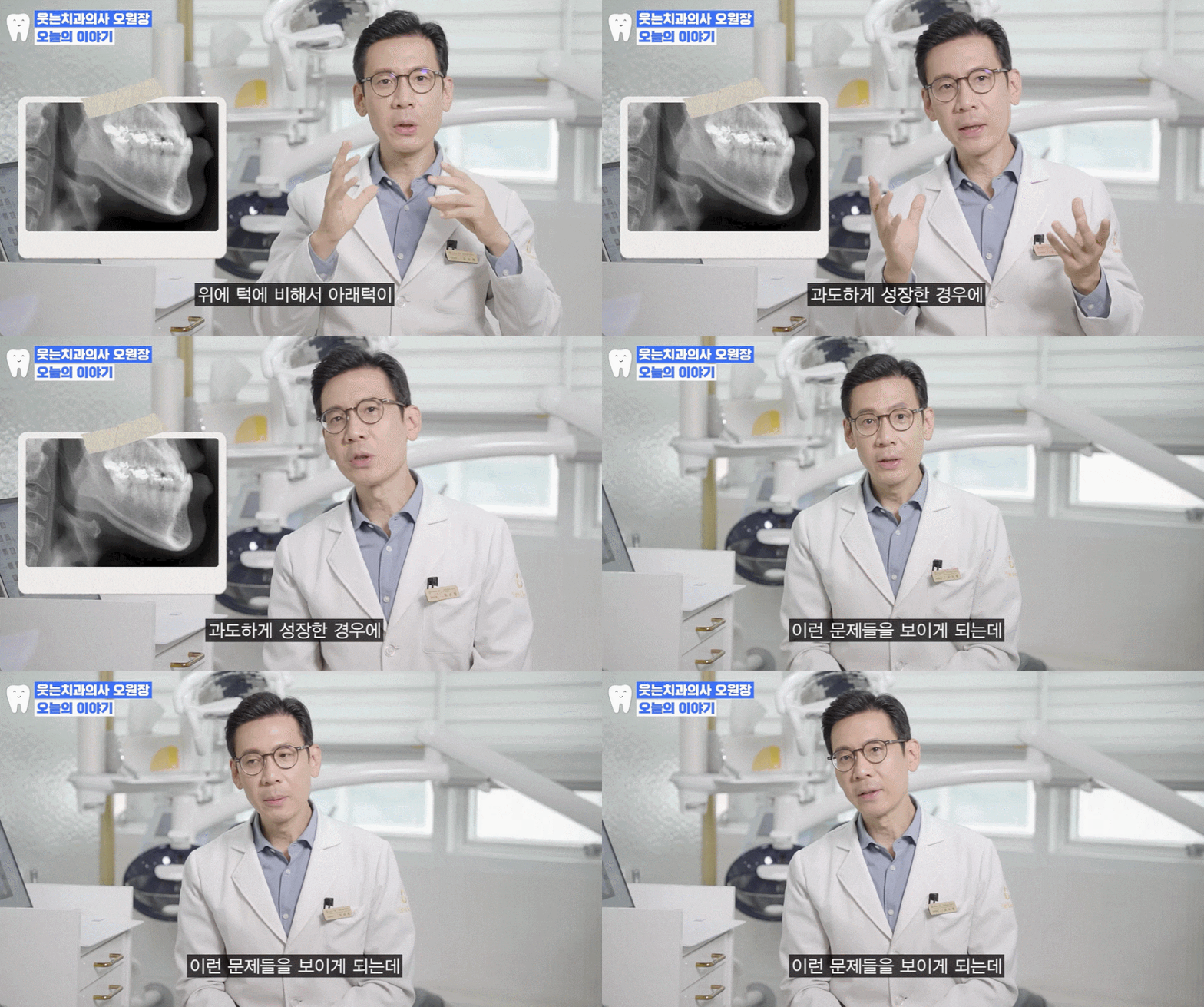
I’m an adult... can orthodontic treatment alone
produce enough results?
So today, I’ll explain which cases can benefit from underbite orthodontic treatment,
and also take a closer look at the timing for underbite correction.
Underbite Orthodontics: “Will it work for me too?”
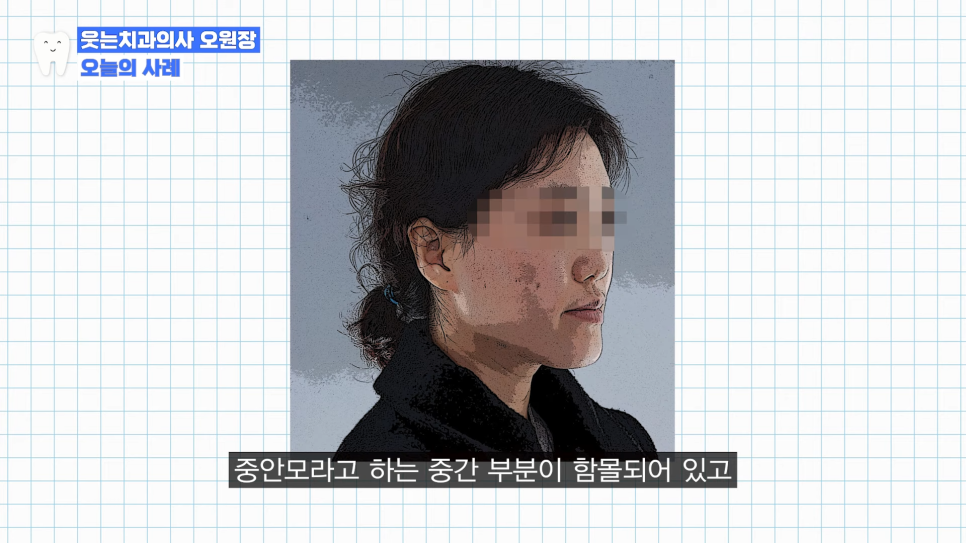
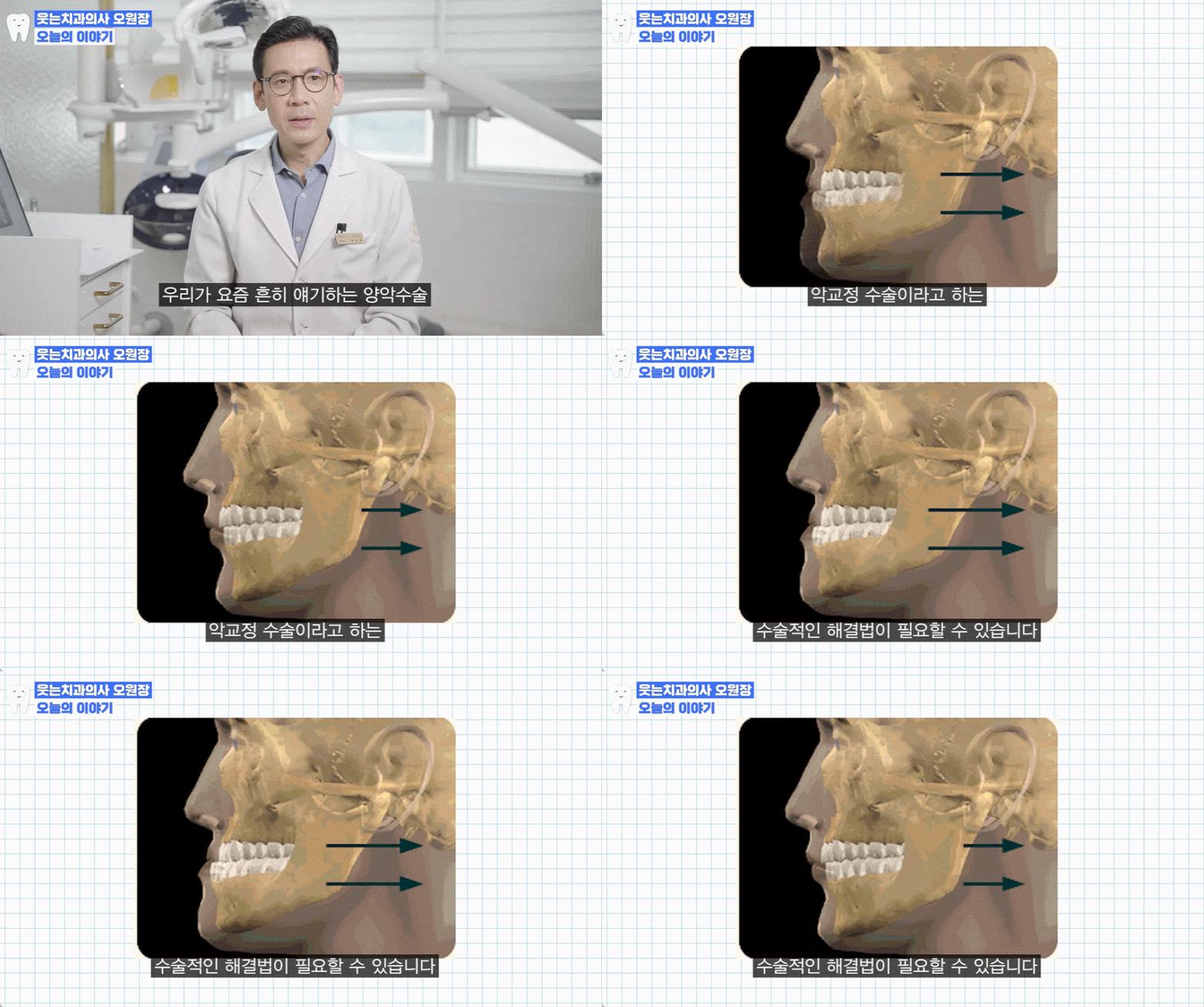
An underbite means that the lower jaw protrudes forward more than the upper jaw.
In general, it often appears as an anterior crossbite, where the upper and lower front teeth bite in reverse,
and the lower jaw has often grown excessively.
It also often appears as a concave facial profile (midface deficiency).
Of course, the more severe the underbite, the more stressful it can be.
In such cases, orthodontic treatment may be worth trying in the following cases.
<1> If the underbite is mild..
If the lower jaw is not severely protruded,
and the crossbite was formed due to problems with tooth alignment, it can be improved with orthodontic treatment.
In particular, adolescents who are still growing have not yet completed jaw development,
so combining orthodontic treatment with treatment that controls jaw growth can produce effective results.
<2> If you do not want surgery..
If the underbite is relatively mild and the patient does not want surgical treatment,
orthodontic treatment can be carried out after consulting with a specialist and setting treatment goals.
However, when the structural problem of the jawbone is greater than the problem of tooth alignment,
i.e., when the jawbone itself is severely protruded, it is difficult to solve with simple tooth movement alone.
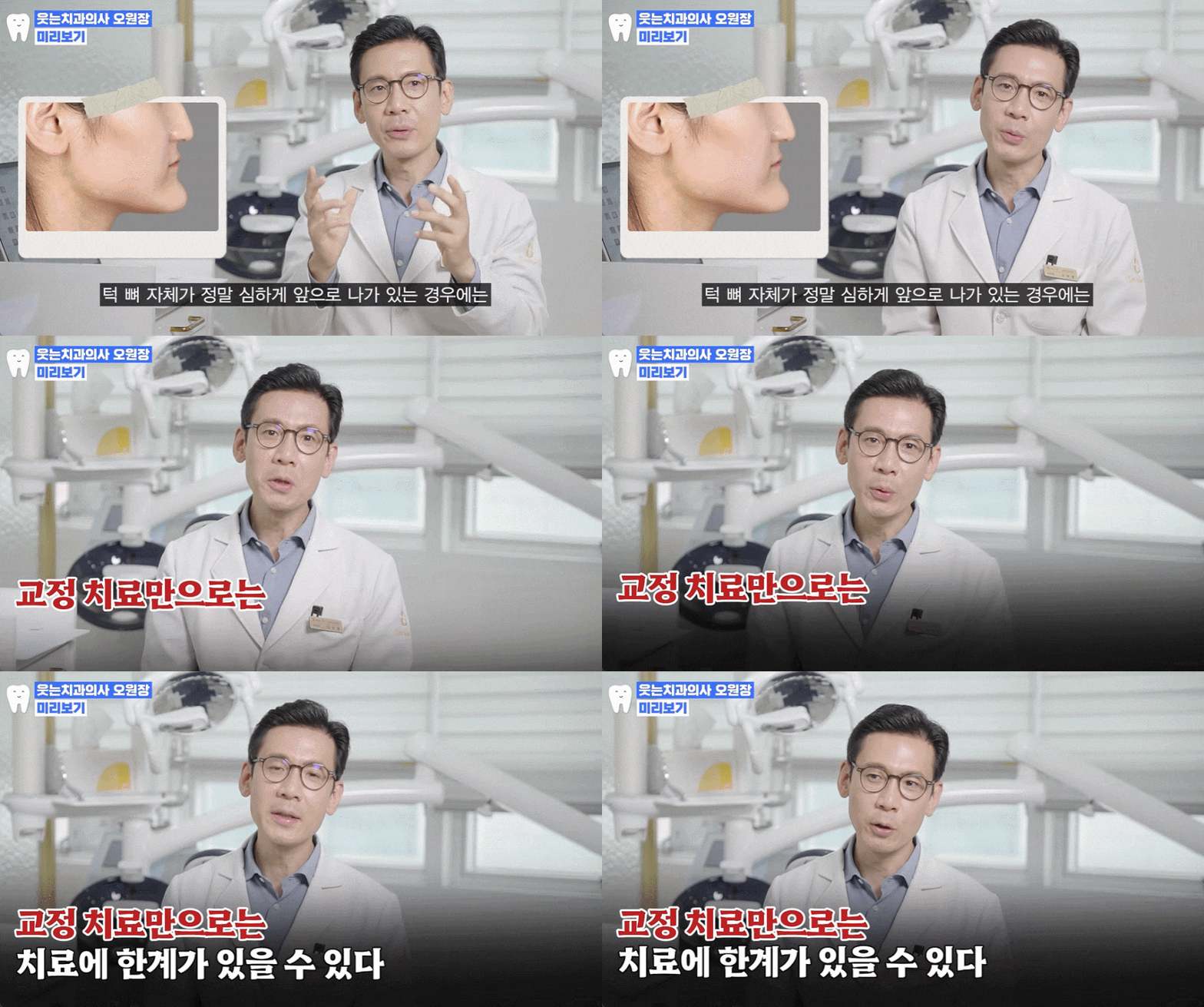
In such cases, orthognathic surgery may be needed along with orthodontic treatment.
Underbite correction timing: Is it okay for adults too?
The treatment method and effectiveness of underbite correction can vary depending on age.
In general, orthodontic treatment is most effective during the growth period,
but it can still be done sufficiently well in adulthood.
Growth period vs. adulthood orthodontics
The best time for underbite orthodontic treatment is usually in the upper grades of elementary school to middle school,
and results are better when jaw orthopedic treatment* is combined at this stage.
*Jaw orthopedic treatment is short for treatment that guides the direction of jawbone growth.
It is especially used in children and adolescents during growth to correct underbites or recessed chins.
The goal is to control the growth of the jawbone itself, not tooth alignment,
and devices such as headgear and face masks are used to encourage or restrict jaw growth.
During growth, the balance between the upper and lower jaws can be adjusted,
making it more likely that correction can be done without surgery.
Adulthood (20s and older)
Orthodontic treatment is still possible even after becoming an adult.
However, because jaw growth cannot be controlled, as mentioned earlier, if the structural problem of the jawbone needs to be addressed,
orthognathic surgery is often performed together with orthodontic treatment.
That said, if the underbite is relatively mild, orthodontic treatment alone can improve it to some extent.
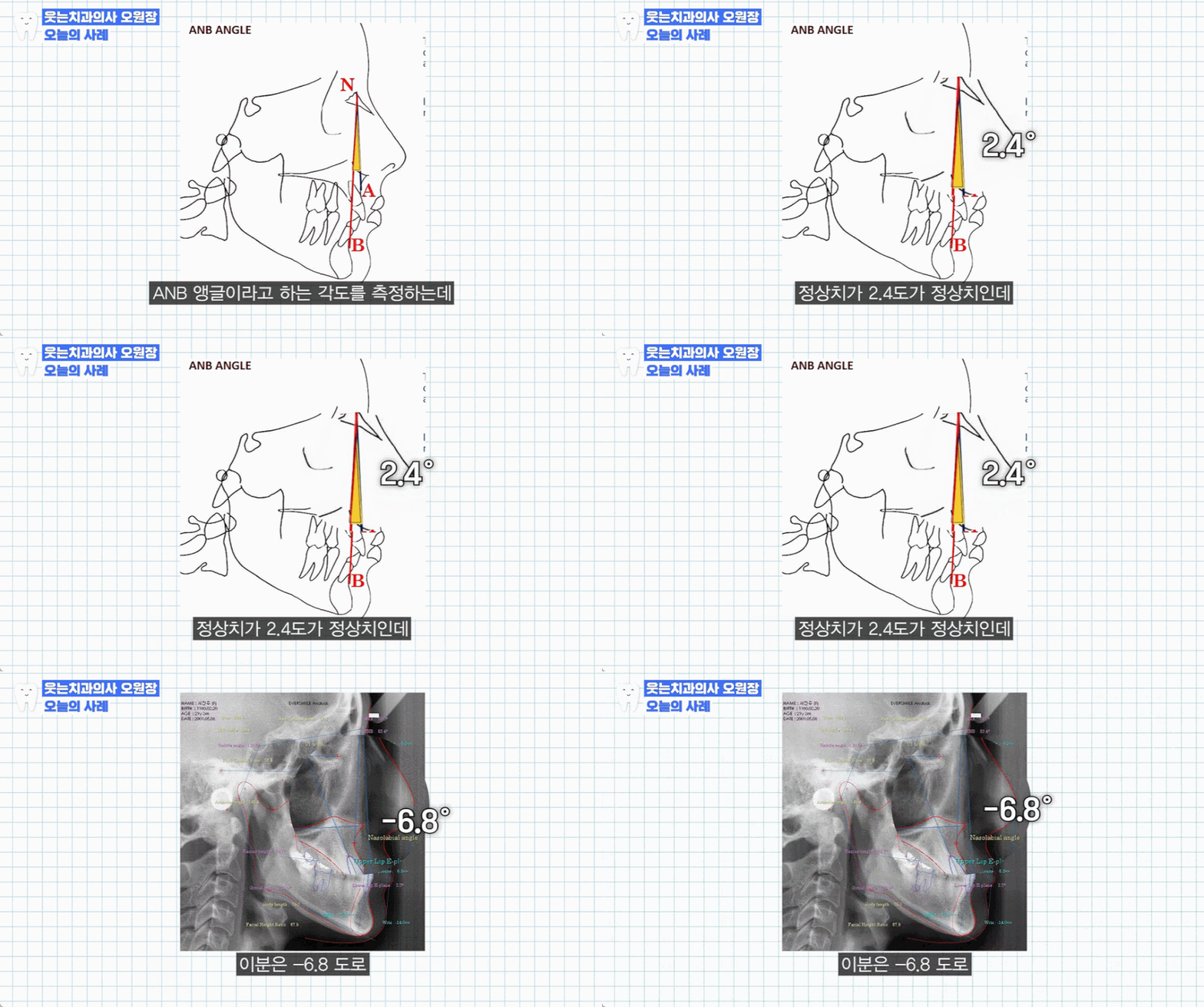
To show you one patient case.
The patient had a lower jaw that protruded relatively more compared to the upper jaw.
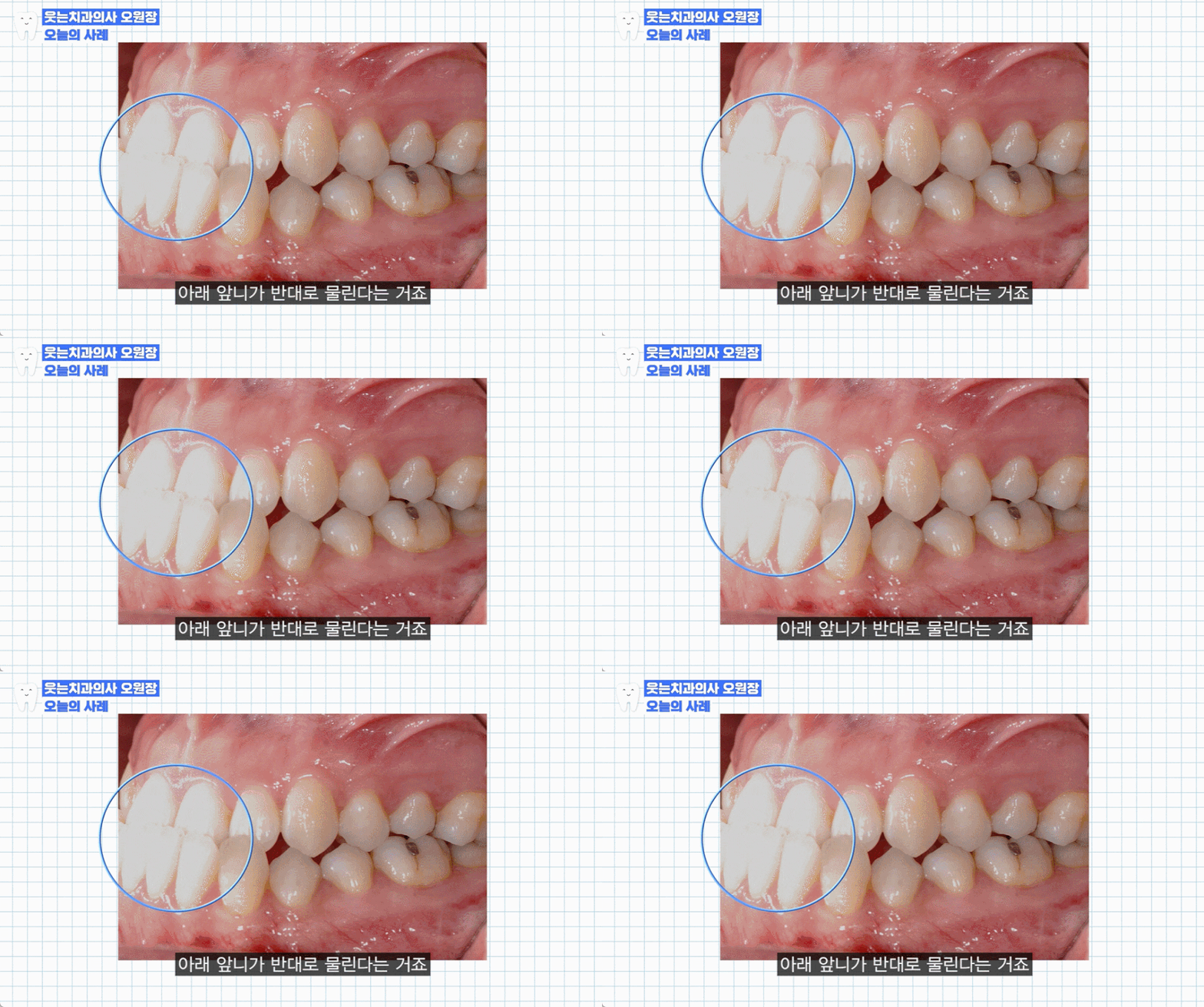
Even looking at the alignment of the teeth,
the lower jaw had grown more, so the lower and upper front teeth were biting in reverse.
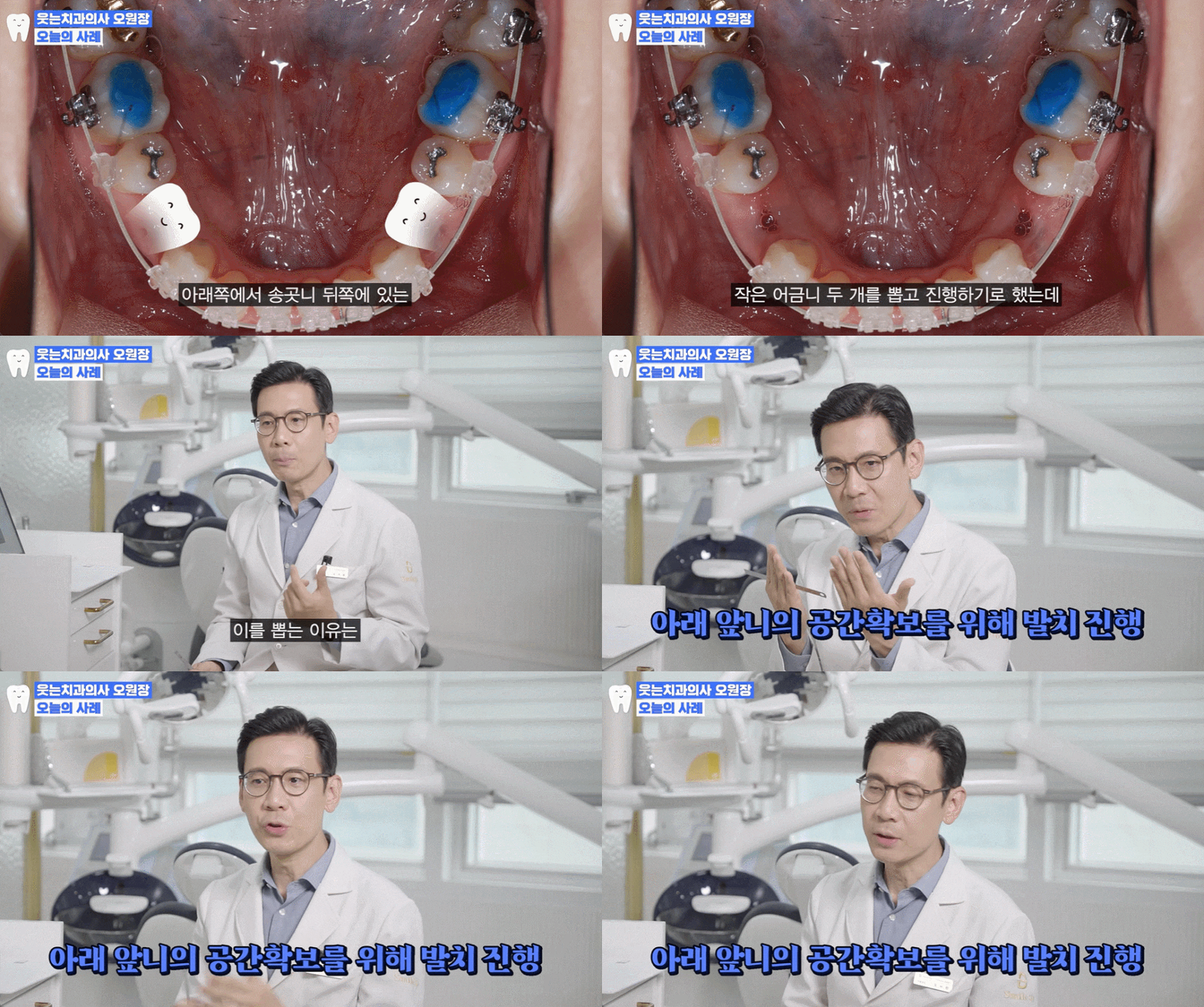
After an in-depth consultation, the patient said they did not want surgery, so orthodontic treatment was performed.
To secure space for moving the lower front teeth backward,
two premolars behind the canines were extracted and treatment was carried out.
As the extraction spaces gradually closed, the lower front teeth moved backward,
and the reverse bite could be improved.
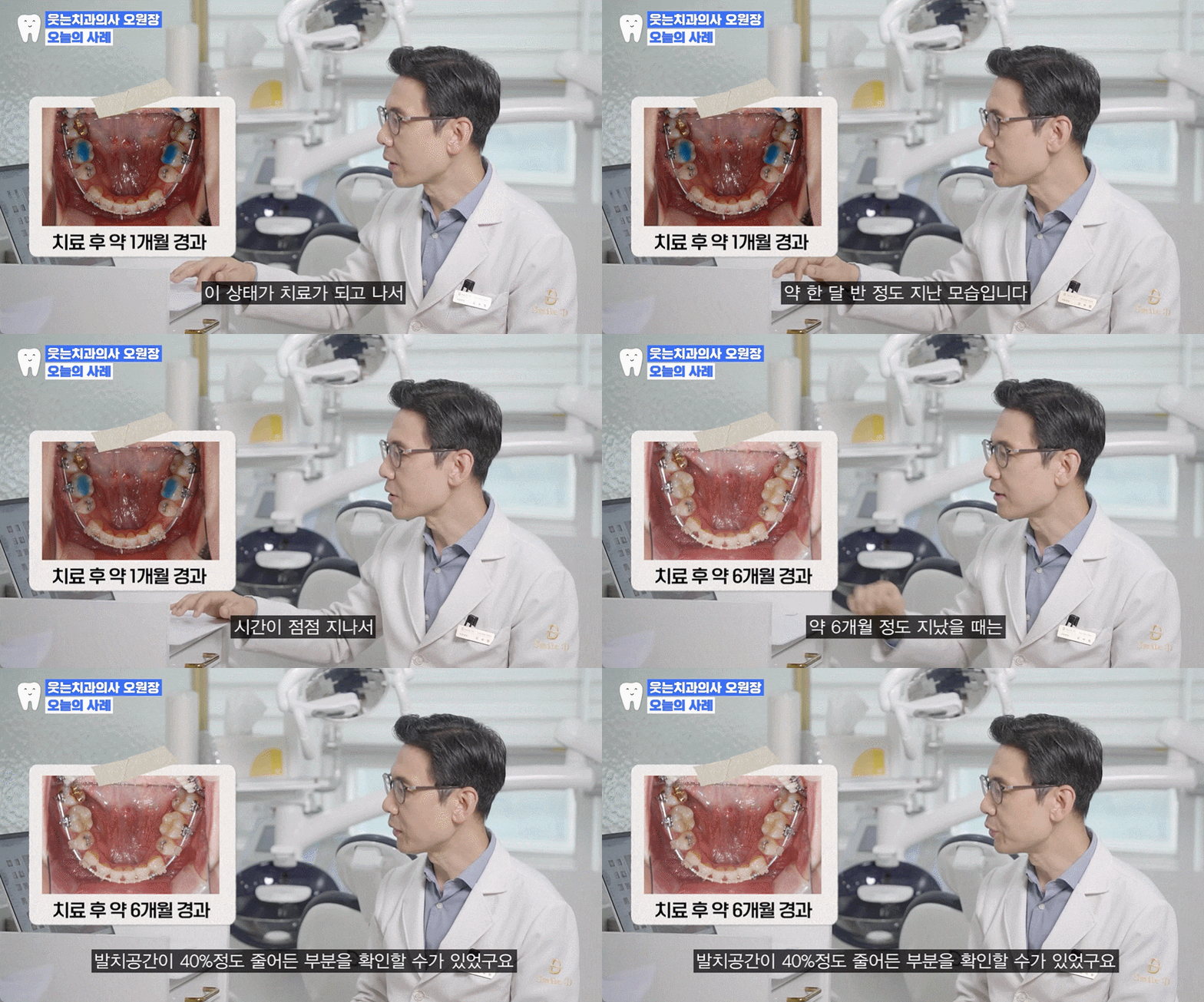
Of course, the protrusion of the lower jaw itself could not be completely corrected,
but this was a case in which orthodontic treatment improved the malocclusion to a normal state
and also improved the protrusion of the lower lip.
So far, we have talked about the parts many people are curious about regarding underbite orthodontics.
Depending on the patient’s condition, good results can still be expected with underbite orthodontic treatment alone,
so I hope you consult with an experienced specialist in orthodontics and develop a specific treatment plan.
I also hope you can regain a healthier and more confident smile. ^^
This has been Dr. Oh from Smile D Dental Clinic. Thank you.