Does orthodontic treatment take a long time?
Isn’t there a way to finish it as quickly as possible?
This is a question I hear very often during orthodontic consultations.
I completely understand how patients feel.
Wearing braces and living with them for several years is a much bigger burden than you might think.
Hello,
I’m Oh Su-hwan, an orthodontic specialist certified by the Ministry of Health and Welfare.
Having treated more than 4,000 orthodontic cases over the past 18 years with good results and without a single accident,
I receive a lot of inquiries about orthodontic treatment time.
At times like this, I often get the question, “How can treatment time be shortened?”
So in today’s post,
I’ll explain how orthodontic treatment time can be shortened and what is truly important in the process.
<Before-and-after orthodontic treatment photos>
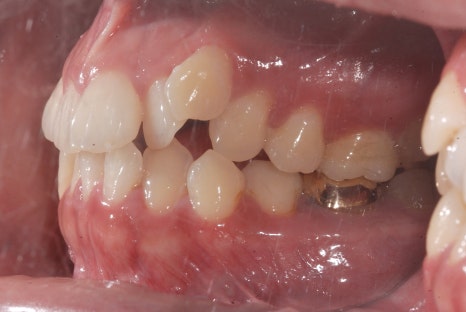
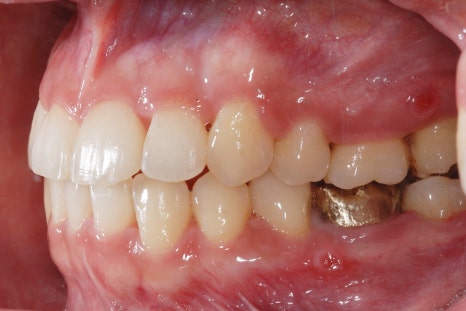
Treatment period: 23.05.15 - 24.10.21 (about 1 year and 6 months)
Treatment performed: crowded teeth, alignment improvement
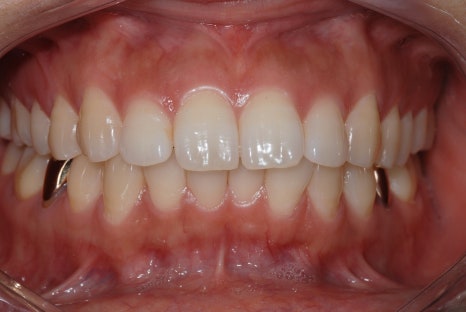
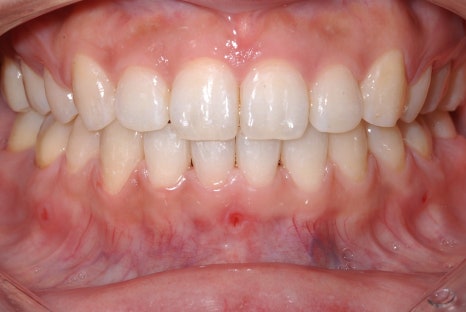
Treatment period: 23.01.18 - 24.6.04 (about 1 year and 6 months)
Treatment performed: protrusion, midline improvement
*The before-and-after photos were posted with the patient’s consent and were taken under the same environment and conditions.
[Smile D Dental Clinic Information]
| ☎️ Smile D Dental Clinic phone number |
|---|
| 0507-1449-2087 |
| ℹ️ Smile D Dental Clinic website |
|---|
| Official website |
| 🎥 Smile D Dental Clinic YouTube |
|---|
| YouTube |
Why does orthodontic treatment take so long?
You may have wondered why some people say orthodontic treatment was finished in just 6 months, while others needed more than 2 years.
At least once, you probably asked yourself why there is such a big difference from person to person.
First, you need to understand this.
Although orthodontic treatment may look like it simply moves teeth, it is actually a process of moving bone.
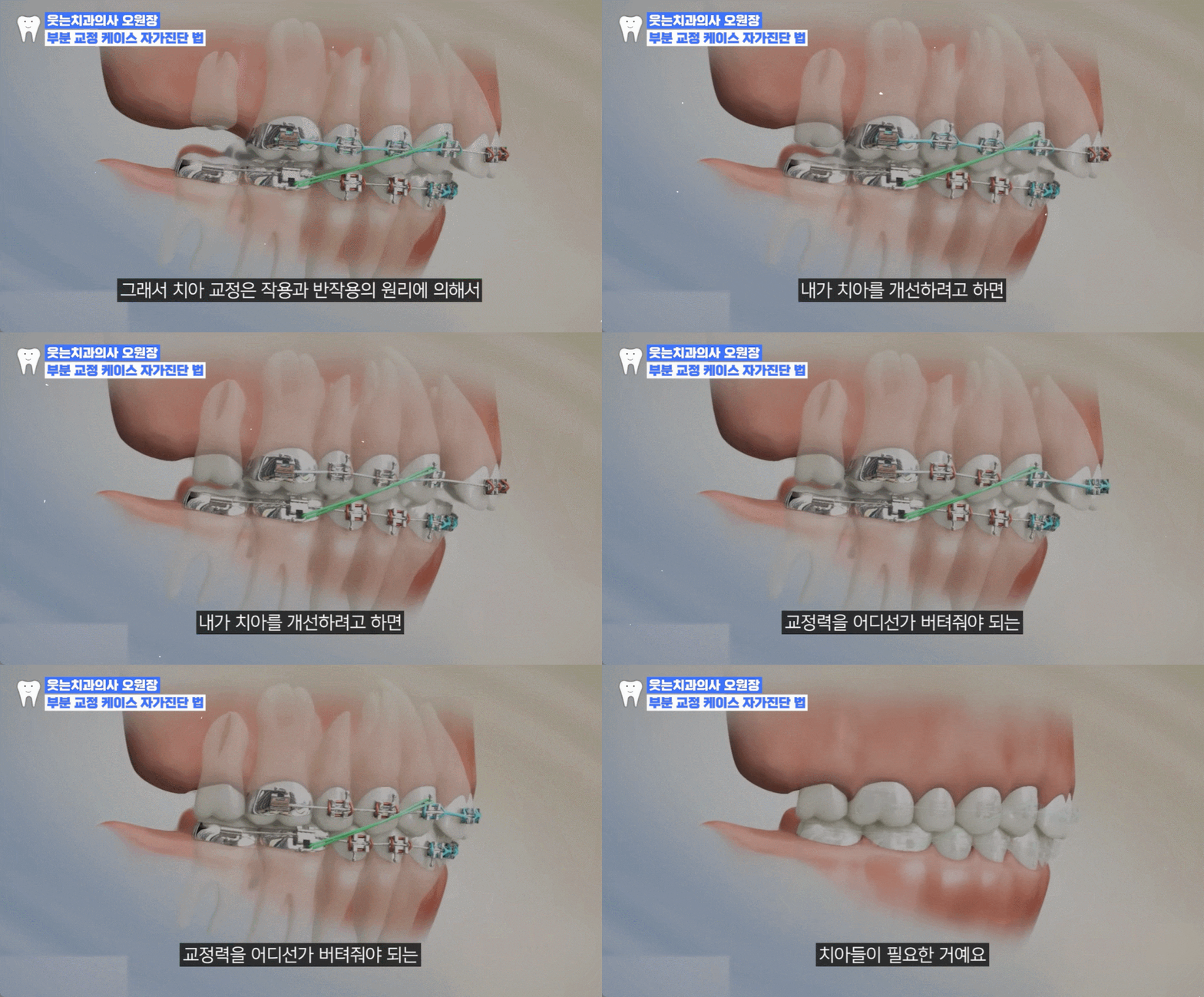
Teeth are embedded in bone.
Because of that, they cannot be moved suddenly within just one or two months.
A certain amount of time is needed for healthy movement.
The reason orthodontic treatment time differs from person to person can be explained by three main factors.
First, each patient’s dental condition is different.
Some have severe crowding, some have protruding teeth, and some also have issues with jawbone position.
If the difficulty of treatment differs, the treatment time will naturally differ as well.
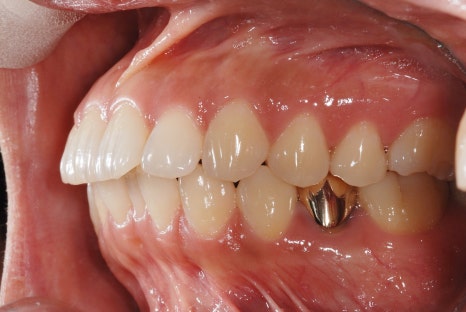
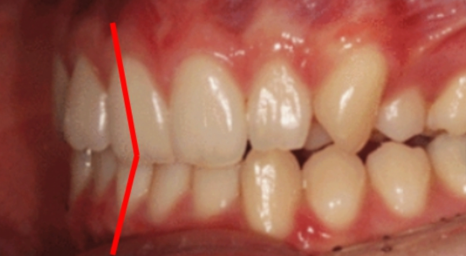
In addition, the more complex the upper and lower bite relationship is,
the more precise adjustment is needed,
so the initial condition ultimately has a major influence on orthodontic treatment time.
Second, the speed at which bone responds varies from person to person.
Even if the same appliance is applied in the same way, some patients’ teeth move smoothly,
while others respond more slowly than expected.
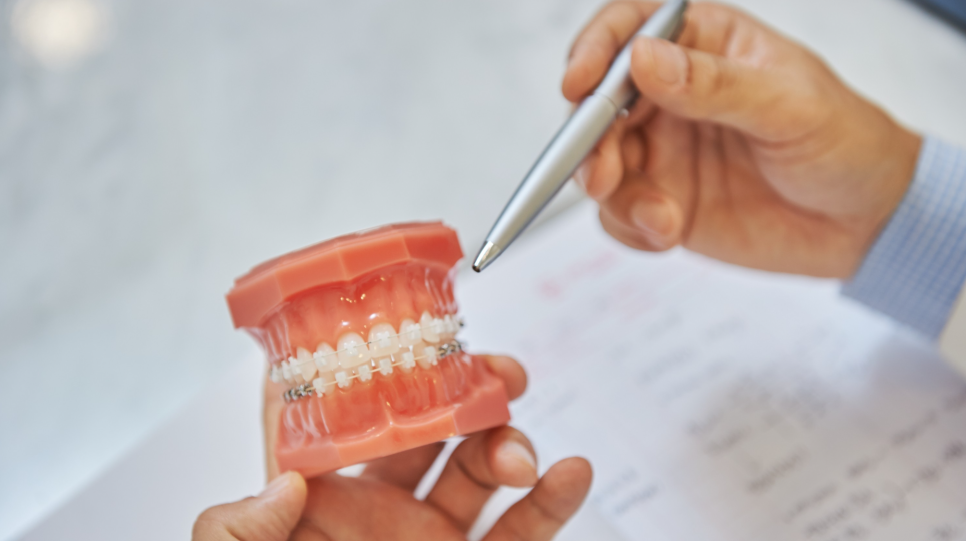
This is affected by many factors such as age, body constitution, bone density, and whether the person smokes,
so it is something that is difficult for me to predict accurately from the beginning as well.
That is why the adjustment process and response checks along the way are just as important as the diagnosis.
The last factor is the patient’s cooperation.
In reality, if elastic bands are not worn correctly and on time,
if appointments are changed frequently,
or if oral hygiene is not maintained well and gum inflammation develops,
teeth do not move properly and orthodontic treatment is actually delayed.
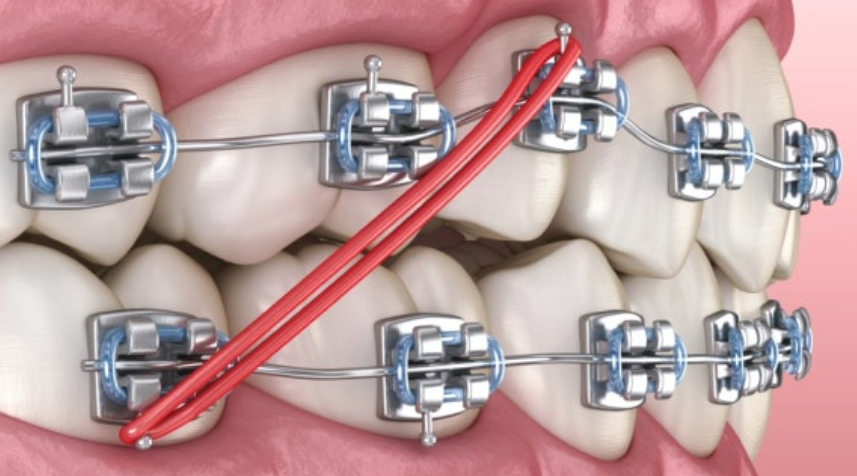
No matter how good the orthodontic appliance and treatment plan are,
without the patient’s active cooperation, the treatment period will inevitably become longer.
How can orthodontic treatment time
be realistically shortened?
What should you pay attention to if you want to shorten treatment time in practice?
If you read the points above carefully, you may already have noticed.
First, an accurate diagnosis must come first.
In general, orthodontic treatment involves establishing a treatment plan based on the patient’s diagnosis and placing the appropriate appliance.
These days, with technologies such as CT, intraoral scanners, and AI analysis,
it is possible to analyze the condition of the teeth, bones, nerves, and gums in three dimensions.
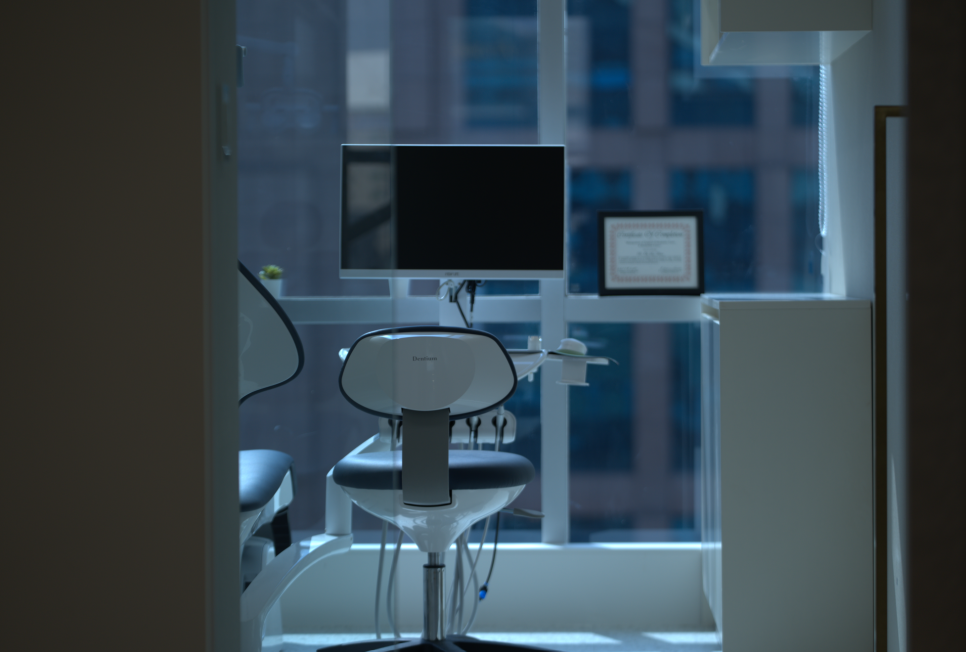
We also carry out simulations using a model of the patient’s teeth to make a detailed diagnosis.
Only when a personalized treatment plan is established based on such a precise diagnosis
can the teeth be moved along an efficient path without an unnecessarily complicated process.
That can also reduce the time required.
Rather than starting orthodontic treatment with a rough estimate like, “This will probably take about two years,”
the key is to predict in detail and approach it strategically.
Also, the patient’s cooperation is very important.
Orthodontic treatment is not something that ends just because the appliance is attached.
You need to visit regularly to adjust the force, check tooth movement,
and continue making small directional changes.
But if you postpone visits by saying, “I’ll come next month,” because you’re busy,
then during that time the teeth will simply stay where they are.
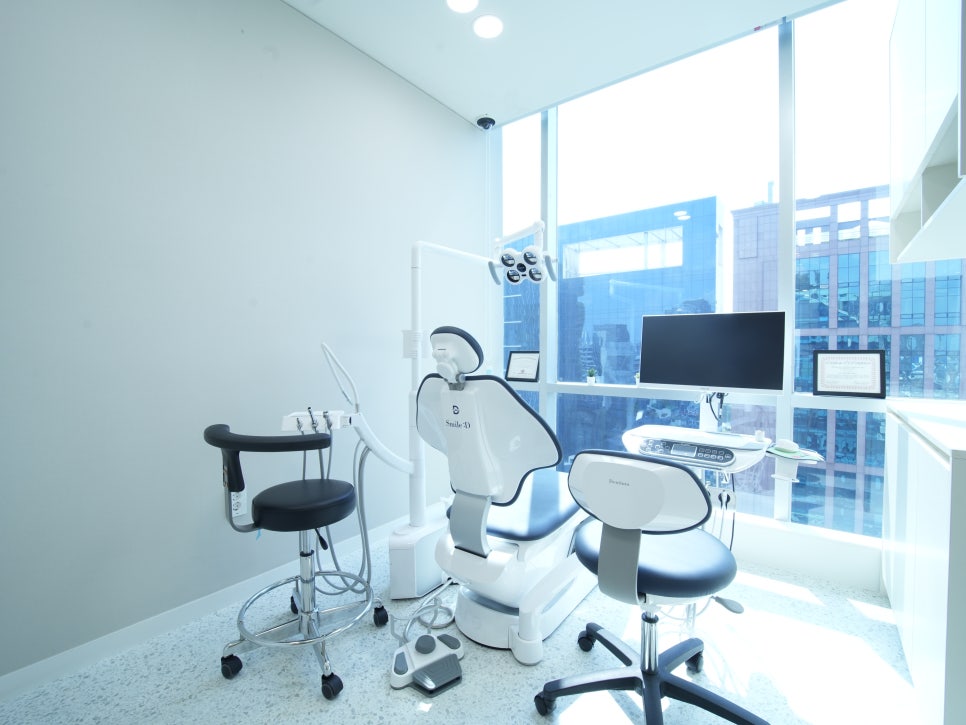
So, not postponing appointments and coming on time is the very basics of shortening treatment time.
In addition, the patient’s oral hygiene management also affects the speed of treatment.
During orthodontic treatment, brushing is difficult, tartar builds up easily, and gums can swell easily.
If force is applied in that condition, appliance adjustments may need to be delayed because of gum inflammation,
or in severe cases, the appliance may need to be removed and reattached.
Then one or two months can pass by just like that.
In the end, if you want teeth to move quickly and healthily, the inside of the mouth must also be kept clean.
I hope you will keep that in mind.
How to shorten orthodontic treatment time?
I believe the doctor and the patient should be a team.
A systematic plan based on an accurate diagnosis,
and the patient’s steady cooperation in faithfully following that plan,
are, in my view, the most realistic and reliable ways to shorten orthodontic treatment time.
I will do my best to help complete your treatment all the way through,
to keep your teeth healthy and your smile beautiful.
If you have any questions, please feel free to request a consultation anytime.
This has been Oh Su-hwan, chief director of Smile D Dental Clinic. Thank you.