Hello, I’m Director Oh Suhwan of Smile D Dental Clinic.
Have you decided to get orthodontic treatment, but are hesitating because you think you’ll have to wear metal tracks in your mouth for nearly two years?
That’s why many people look for aesthetic appliances that are similar in color to teeth and less noticeable, instead of metal appliances.
And in that process, the two names you will most often come across are ceramic braces and Clippy-C braces.
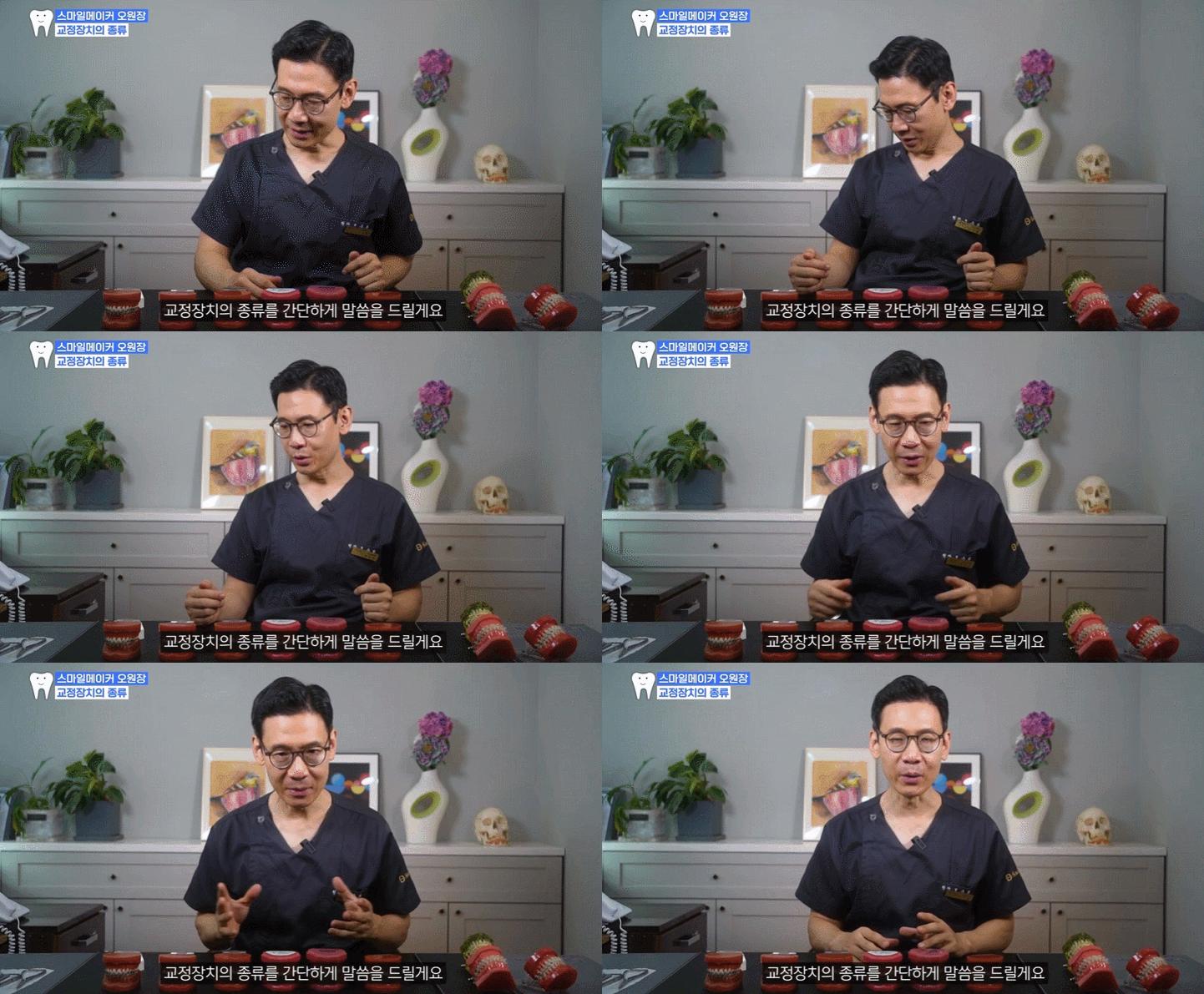
At first glance, both look white and similar, but why is there a difference in cost,
and which appliance would actually be better for me?
Today, Smile D, with 18 years of orthodontic experience,
will clearly answer all of those questions for you.
What kind of orthodontic style is right for me?
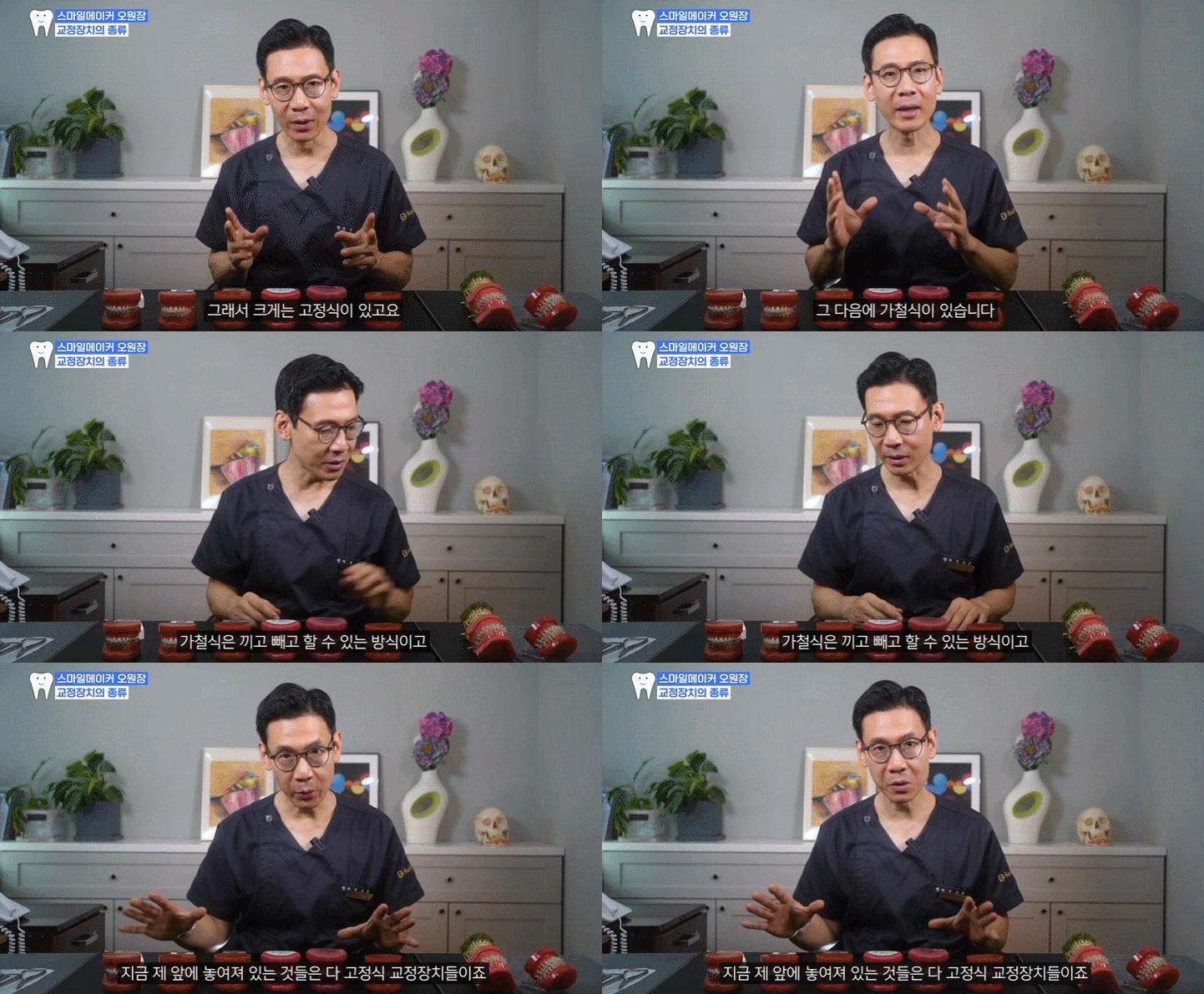
Before getting into a full comparison, it’s a good idea to check for yourself what matters most to you during orthodontic treatment.
This can give you a clear standard for choosing.
-
If you want to eat comfortably during treatment without restrictions on menu items like curry or coffee
-
If you are most worried about pain that may occur during orthodontic treatment
-
If your busy schedule makes it difficult to visit the clinic too often
-
If a reasonable initial cost matters more than anything else
Once you understand the key differences between the two appliances, you’ll immediately see why these concerns matter.
Key Differences Between Ceramic Braces and Clippy-C Braces
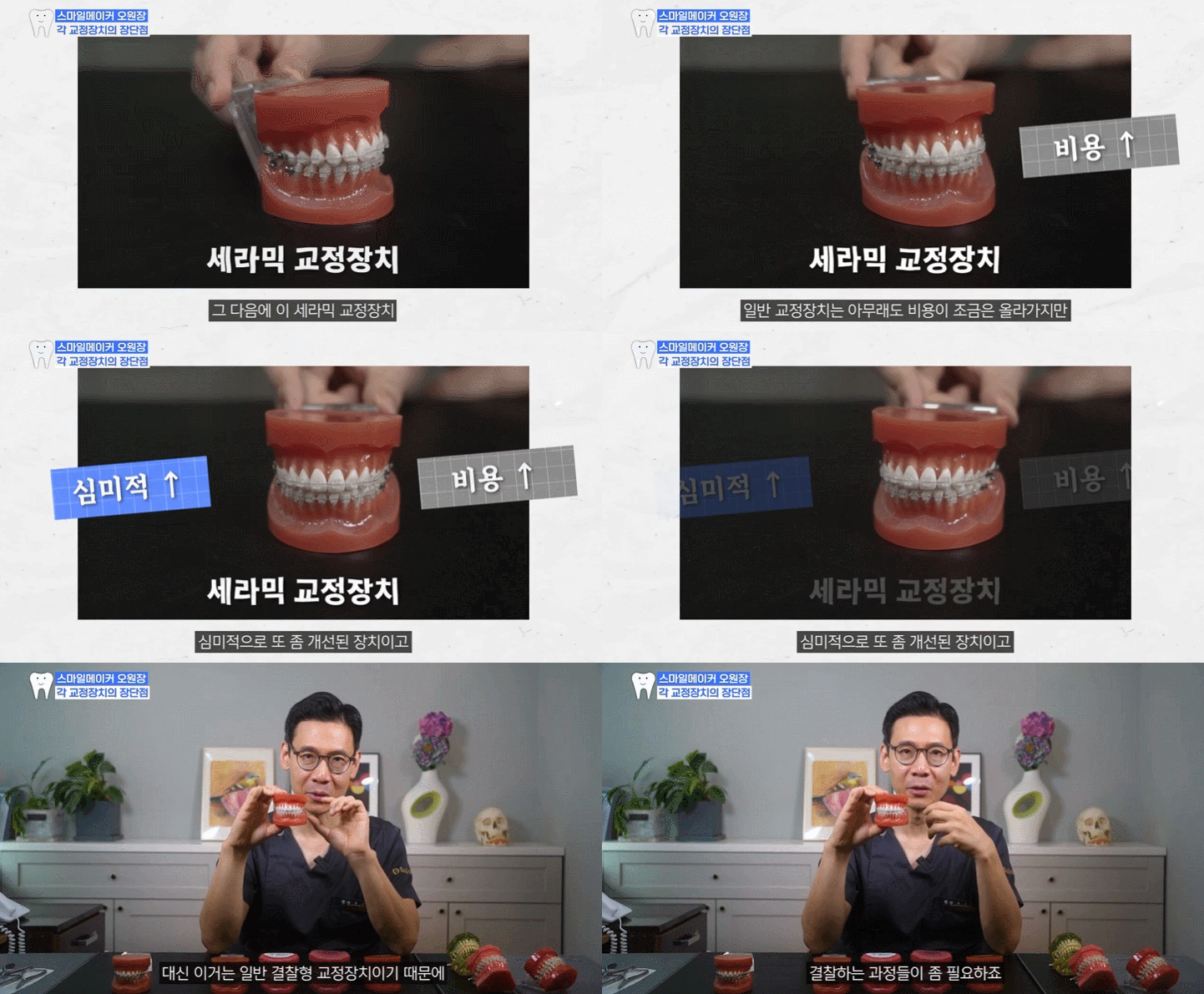
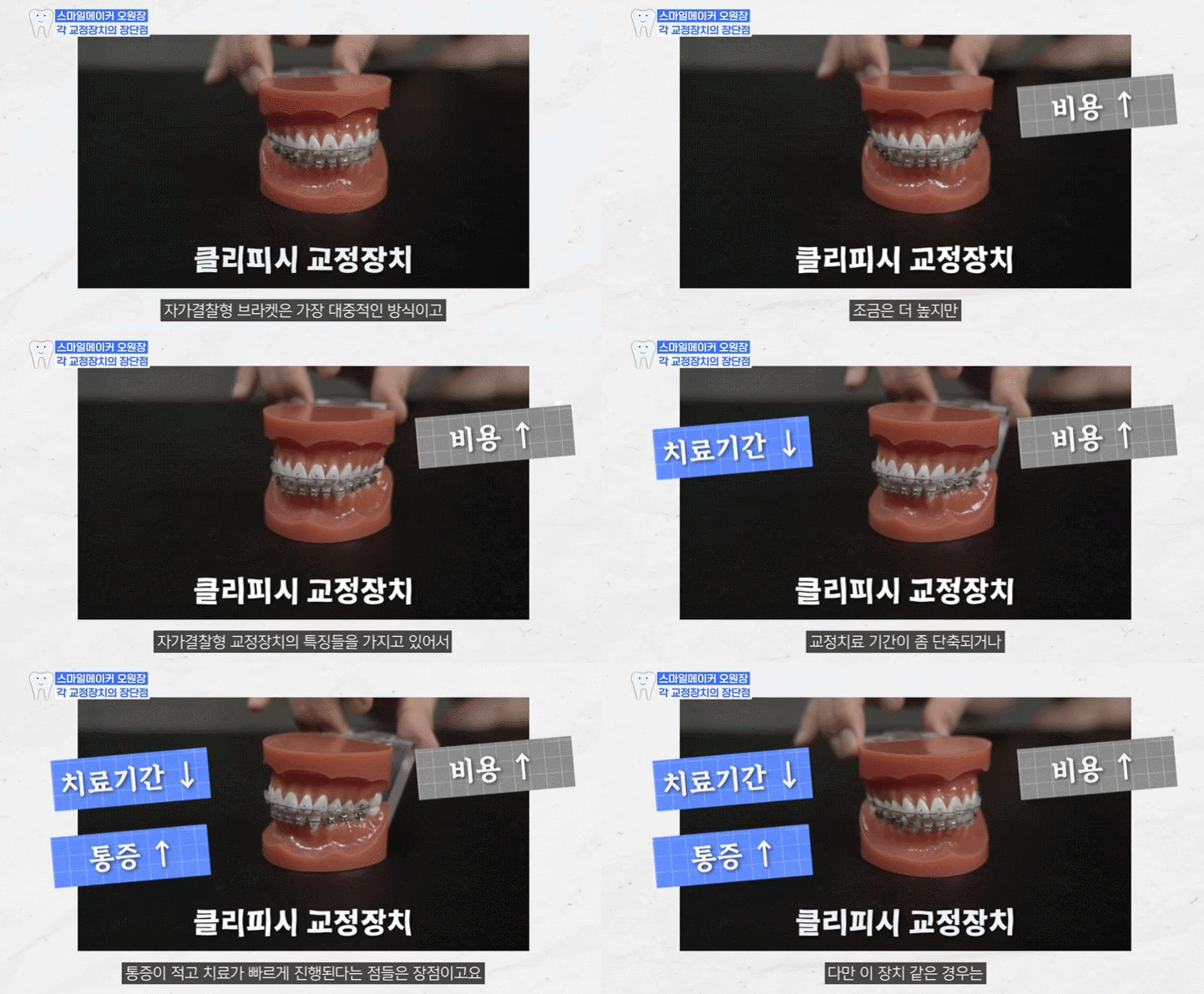
The biggest difference between the two appliances is the way the orthodontic wire is tied in, that is, the ligation method.
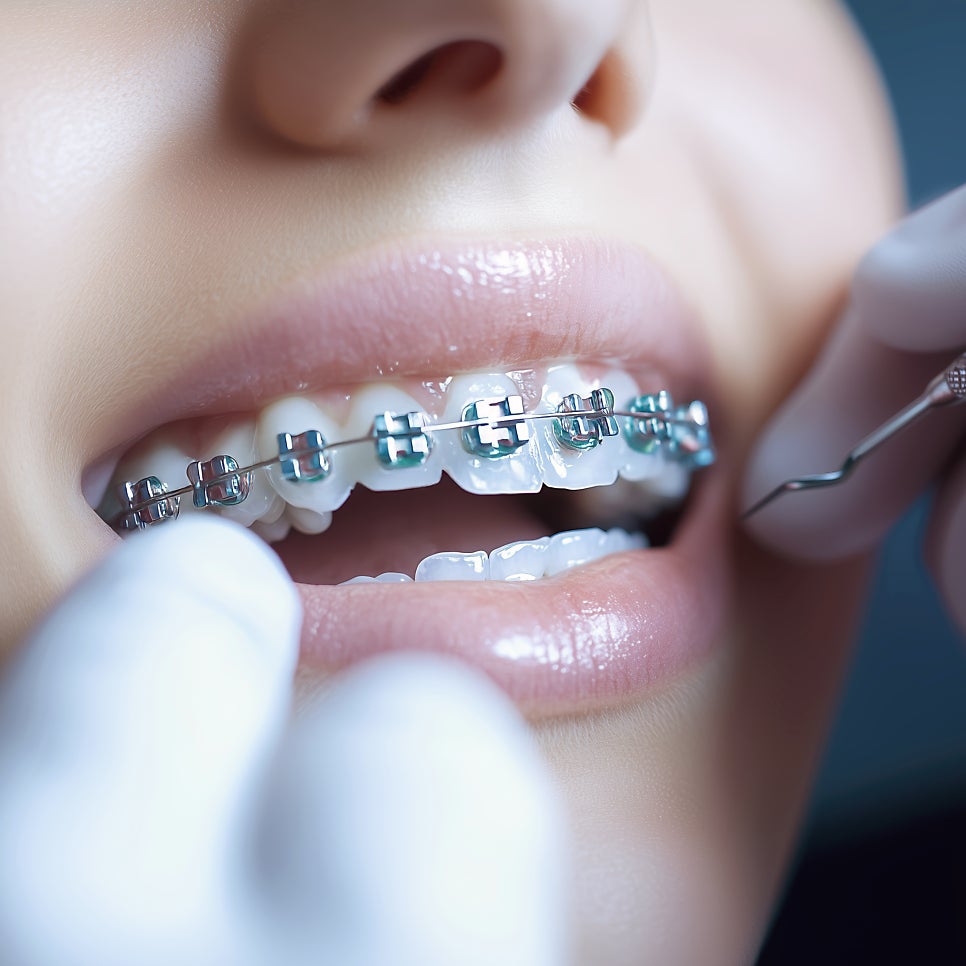
Standard ceramic braces use rubber bands or wires to tie the orthodontic wire to the bracket, which is like a train car.
In contrast, Clippy-C braces have a lid built into the bracket itself, so they are a self-ligating system in which you simply open the lid, place the wire in, and close it.
This small difference creates a surprisingly large difference in convenience during treatment.
| Category | Standard Ceramic Braces | Clippy-C Braces (Self-Ligating) |
|---|
| Ligation method | Ligation with rubber rings or thin wire | Ligation with a clip built into the bracket itself |
| Pain | Initial pain from friction during ligation | Reduced initial pain due to less friction |
| Discoloration | Rubber rings may discolor from food | No rubber rings, so no concern about discoloration |
| Visit interval | Every 4–6 weeks | Every 6–8 weeks (relatively flexible) |
| Cost | Relatively economical | Higher initial cost |
In conclusion, if you prioritize reasonable cost above all else, ceramic braces can be a good choice.
However, if you want comfortable eating without worrying about discoloration from curry and similar foods, reduced initial pain, and a relatively less frequent visit schedule,
Clippy-C braces may offer much higher satisfaction.
It’s important to find the appliance that is right for you.
We do not recommend the more expensive appliance unconditionally. Through a three-doctor integrated diagnosis, we consider the patient’s dental condition,
amount of tooth movement, lifestyle patterns, and budget to recommend the most ideal appliance.
We approach each person with the mindset of finding the outfit that fits them perfectly.
Smile D’s 18 years of know-how serves as a solid foundation for helping patients make the most advantageous choice.
Even after orthodontic treatment ends, management does not end.
On the day the orthodontic appliance is removed, patients are so happy it feels like they have the whole world.
But for our medical team, our hearts become even heavier from that point on.
That is because the truly important beginning, which allows two years of effort to lead to a lifelong smile, starts right now.
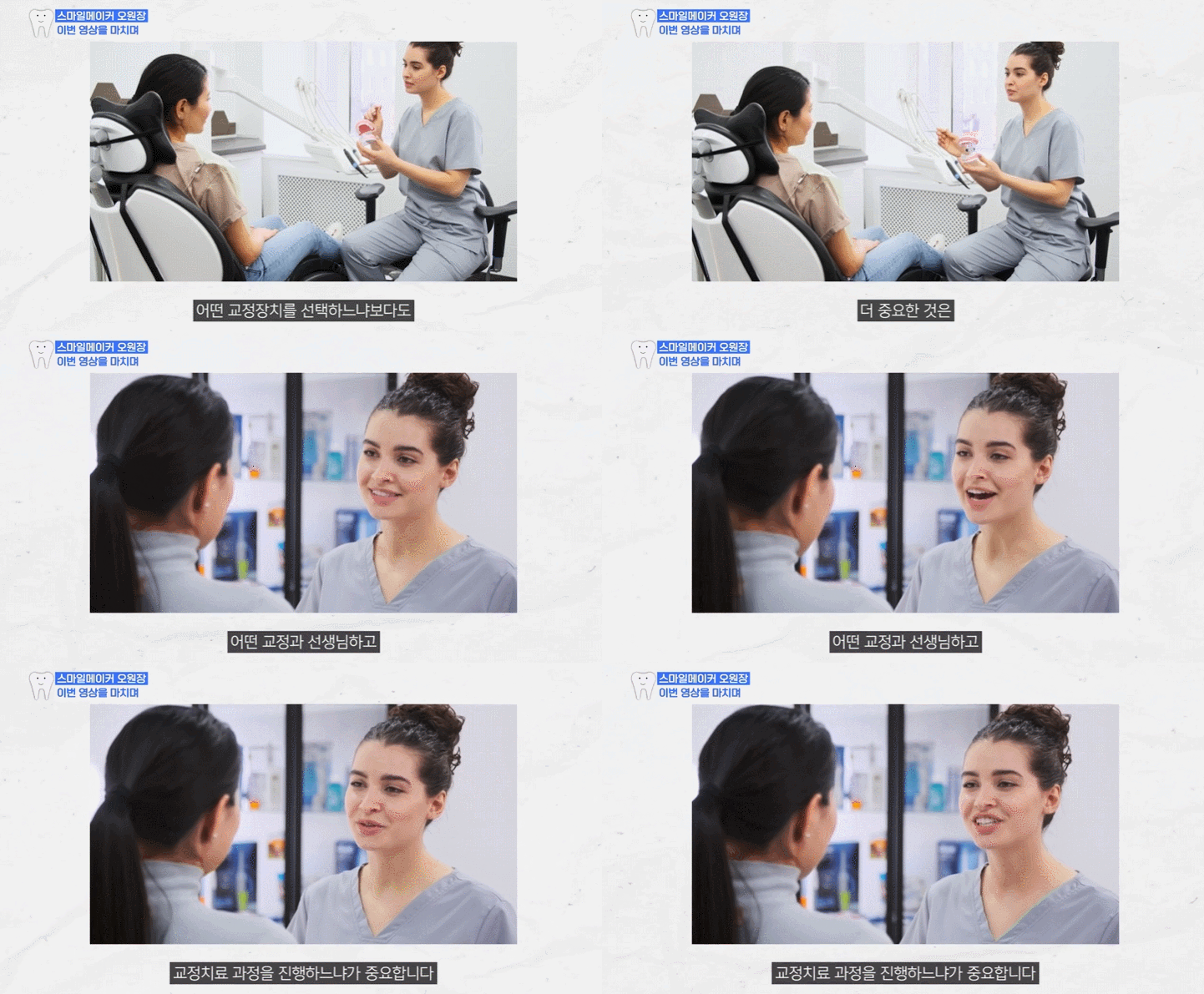
Beautifully aligned teeth surprisingly have a tendency to return to their original positions.
If this relapse phenomenon is not prevented, the effort from the long orthodontic period can be lost.
That is why Smile D continues to recommend regular follow-up visits after treatment, at 6-month, 1-year, and 2-year intervals.
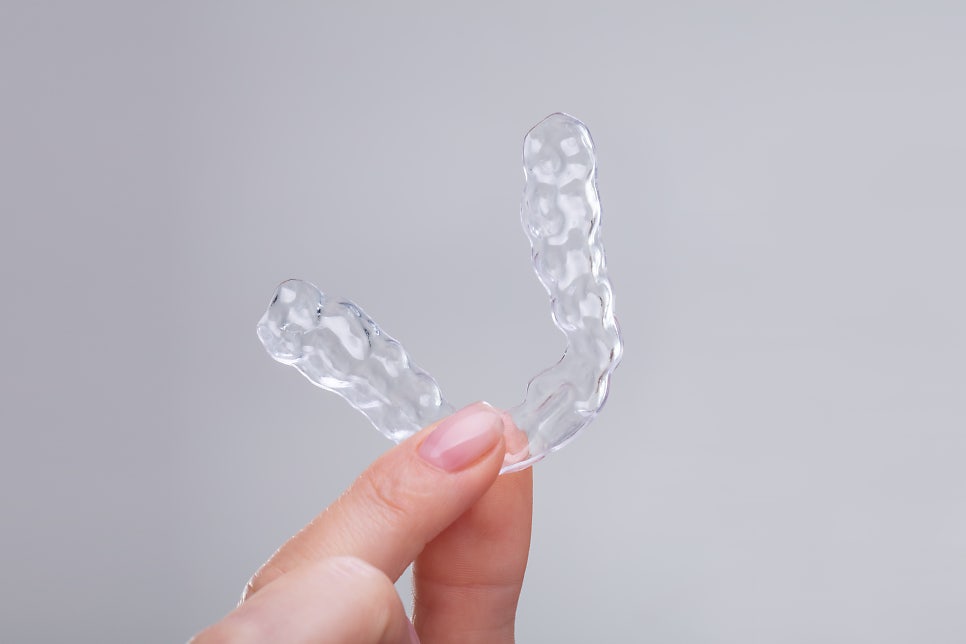
During this time, we carefully check in person whether the retainer fits properly, whether there are any invisible minute changes,
and whether the overall bite is being maintained stably.
The treatment is not over just because the treatment has ended; it is about becoming a true primary dentist who protects that smile together for a lifetime.
This is Smile D’s final, and most important, promise to our patients.
< Smile D Dental Clinic >