18 years of experience
5,000 cumulative procedures
Hello, I’m Oh Su-hwan from Smile D Dental Clinic.
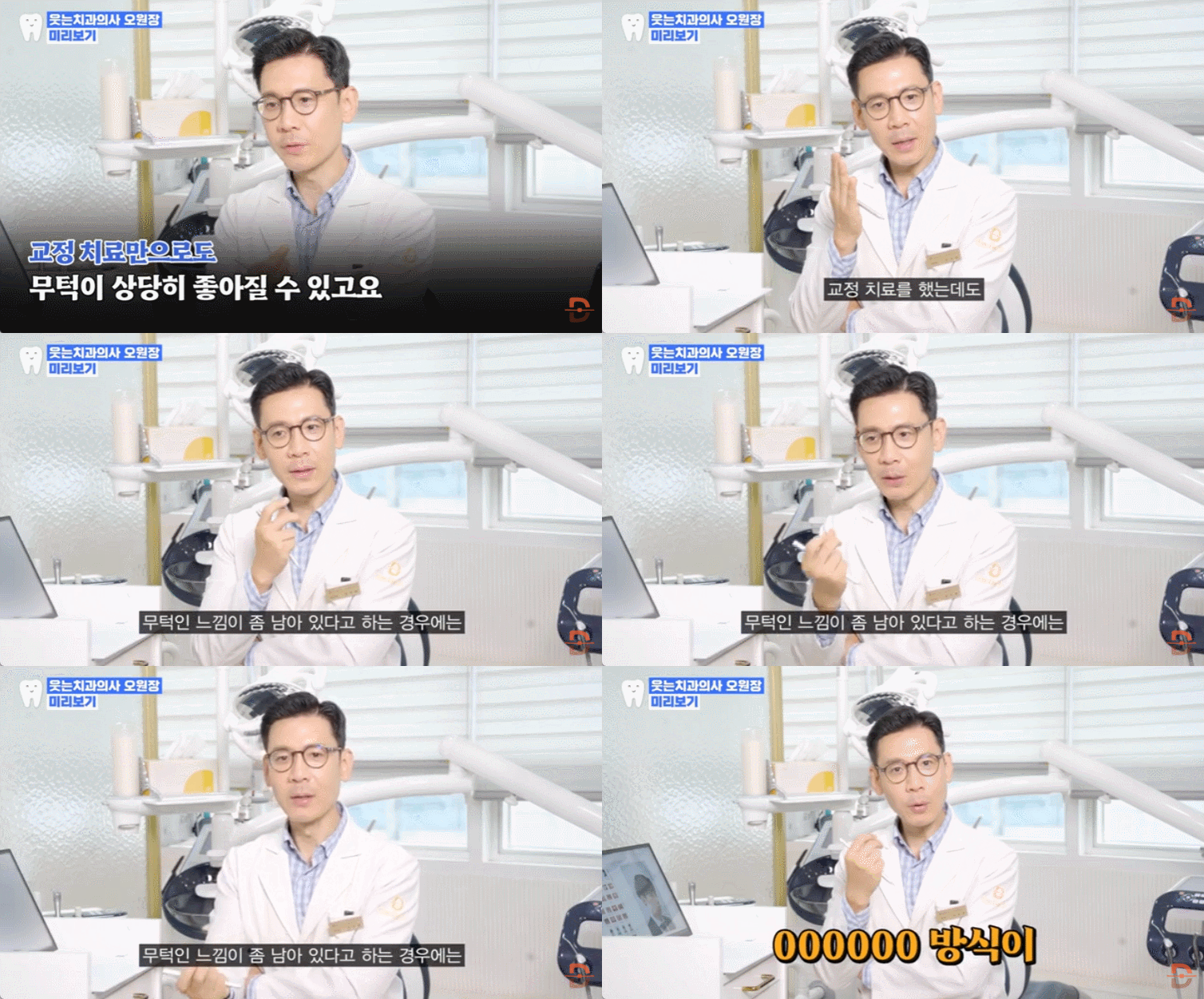
You have probably been searching this keyword and looking at countless side-profile photos of people who changed dramatically.
It is only natural to feel hopeful when you see how much a flat, somewhat blunt-looking impression can change with a more refined jawline and wonder, “Could I become like that too?”
But if you focus only on glamorous result photos, you may miss the most important factors that determine the success of your own treatment.
That is because, without knowing what process and philosophy created the beautiful results in the photos, you may make a hasty decision and later regret it when you face a completely different outcome.
Today, Smile D, which has performed more than 5,000 orthodontic cases over 18 years, will honestly explain what you must check beyond the photos to achieve successful before-and-after chin correction results.
Transparency of the diagnostic process
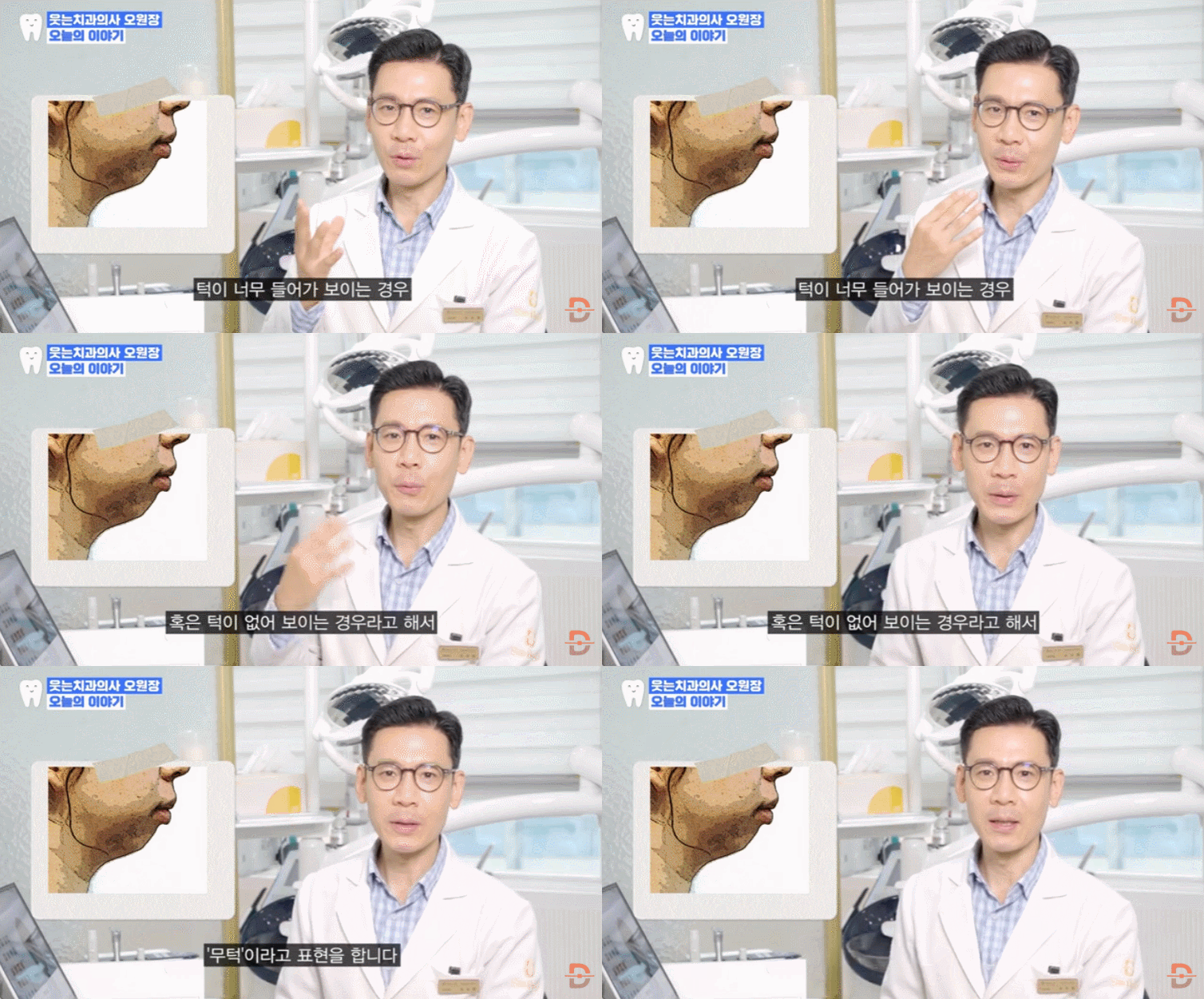
The first thing to check is whether they simply show the result as “this is how it changed,” or whether they transparently explain the entire process, including “why this problem occurred and how it was treated.”
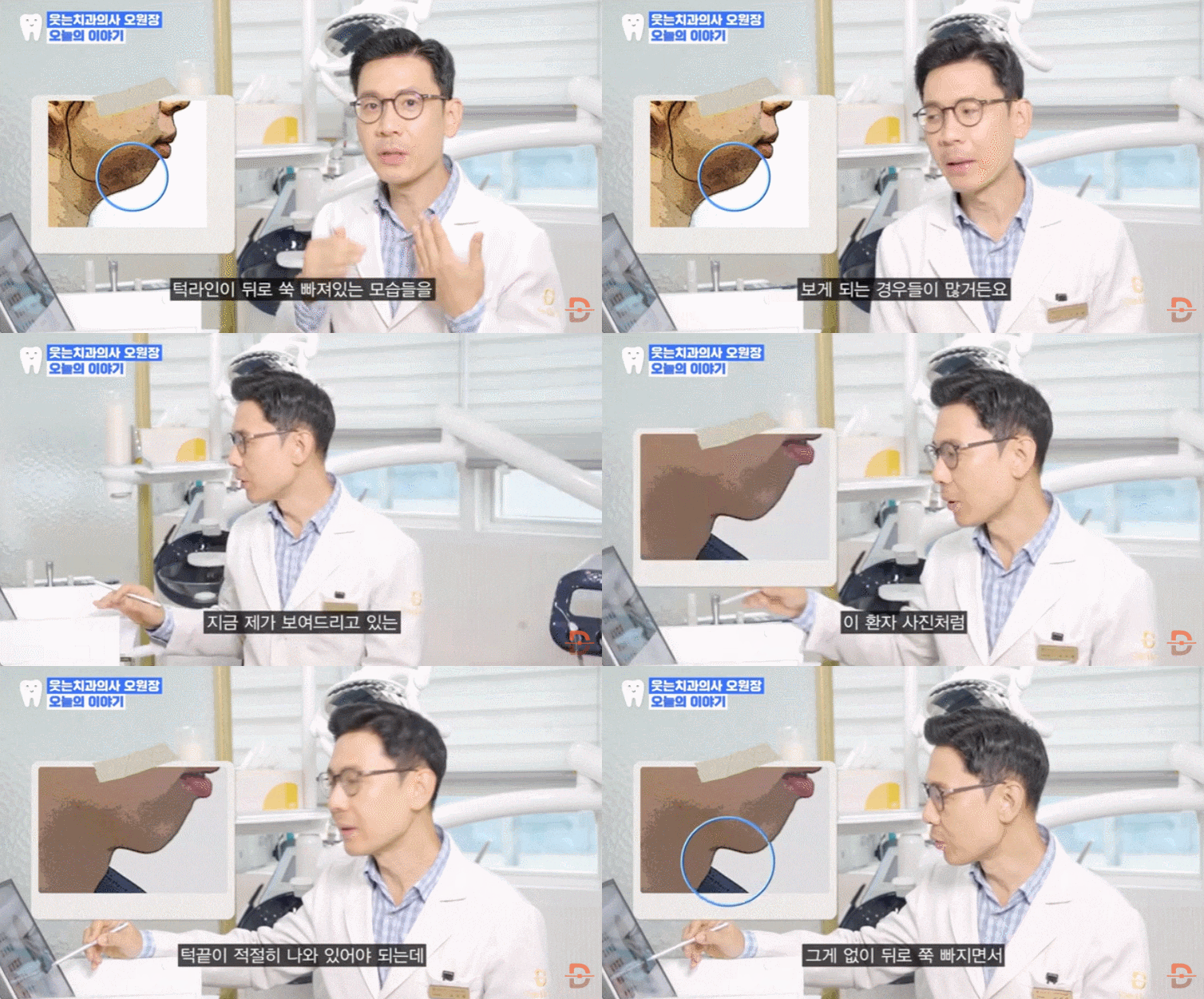
The causes of a chin that looks recessed are more varied than you might think.
-
A truly small lower jaw bone, or “skeletal chin deficiency”
-
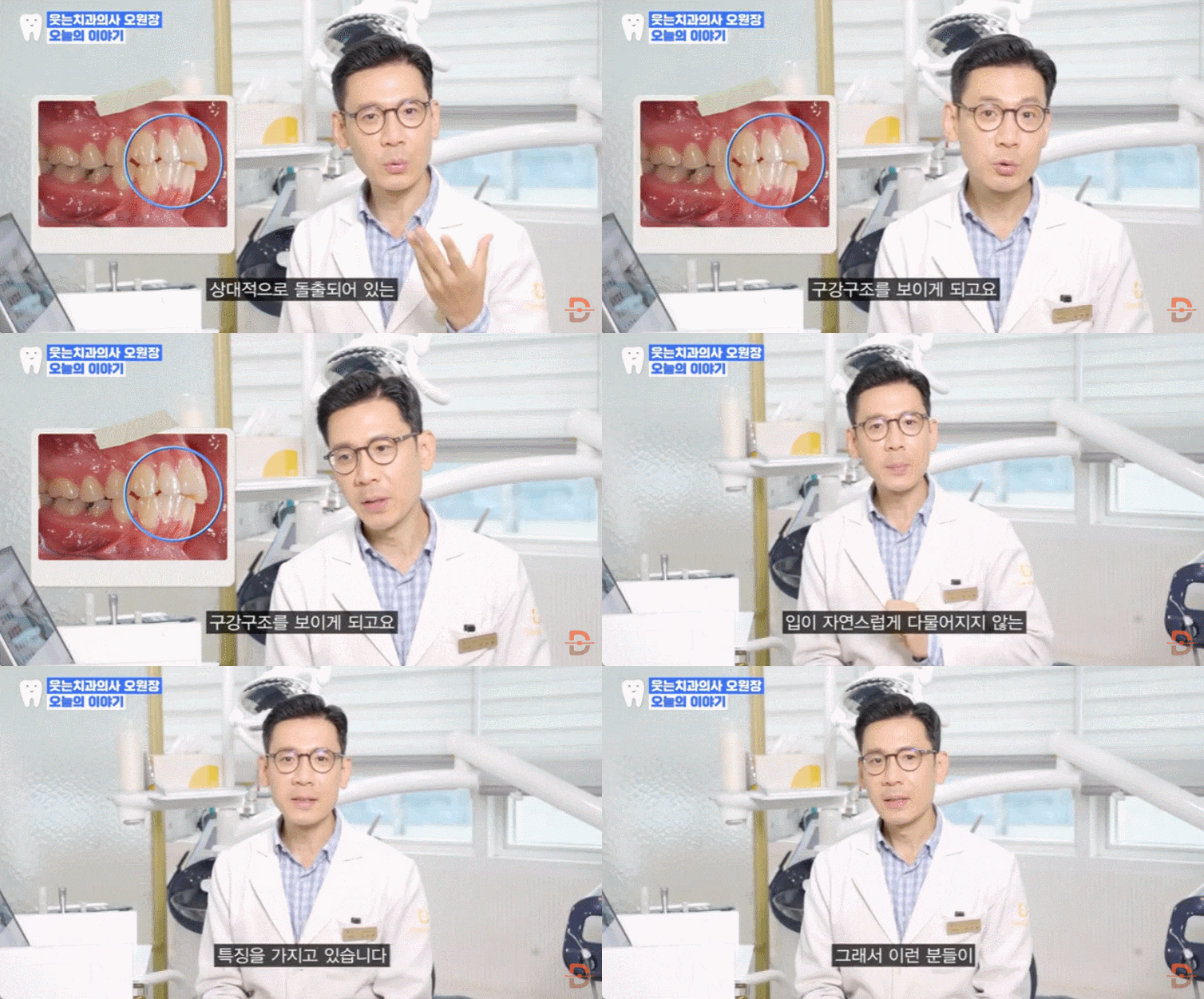
A chin that looks hidden because the mouth protrudes even though the jaw is normal, or “chin deficiency due to dental protrusion”
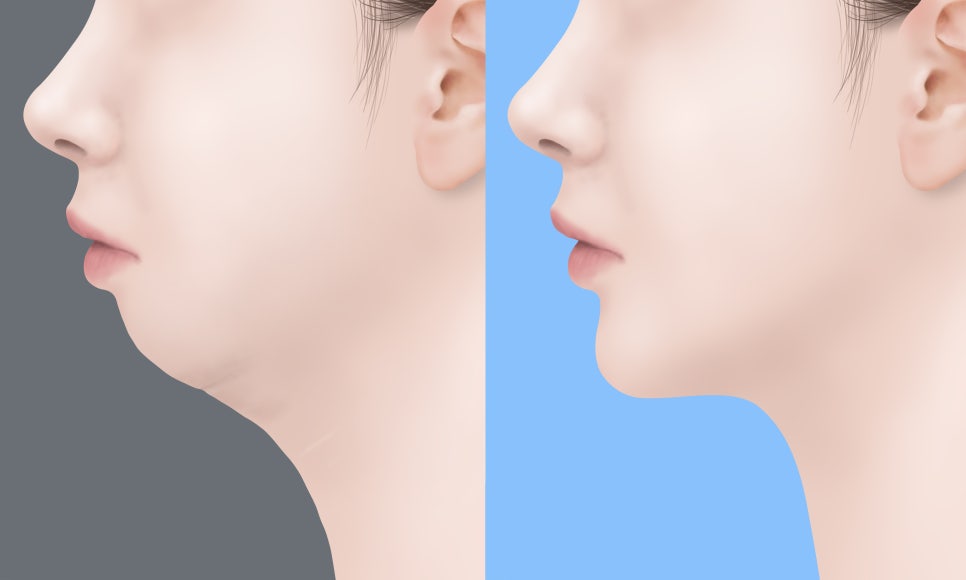
If there is only a result photo without a clear diagnostic explanation of the cause, you cannot rule out the possibility of being recommended unnecessary chin surgery or experiencing treatment failure due to a plan that does not match the cause.
A good clinic for protruding-mouth correction confidently reveals the diagnostic process that produced the result, just as much as the result itself.
Specificity of the treatment plan
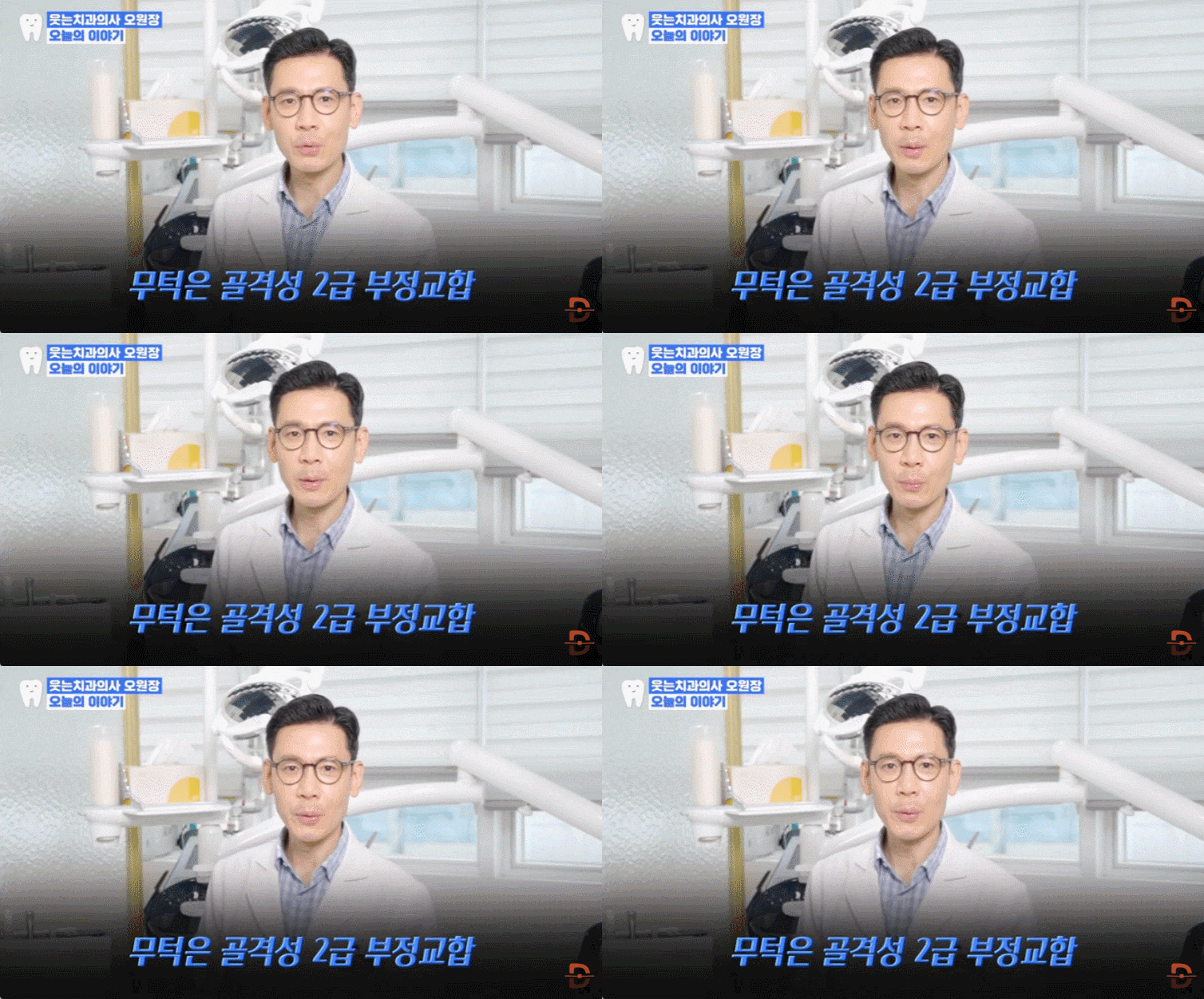
Next, you should check how specific the treatment plan is.
It is not enough to simply say that orthodontic treatment was done; what matters is how it was carried out.
-
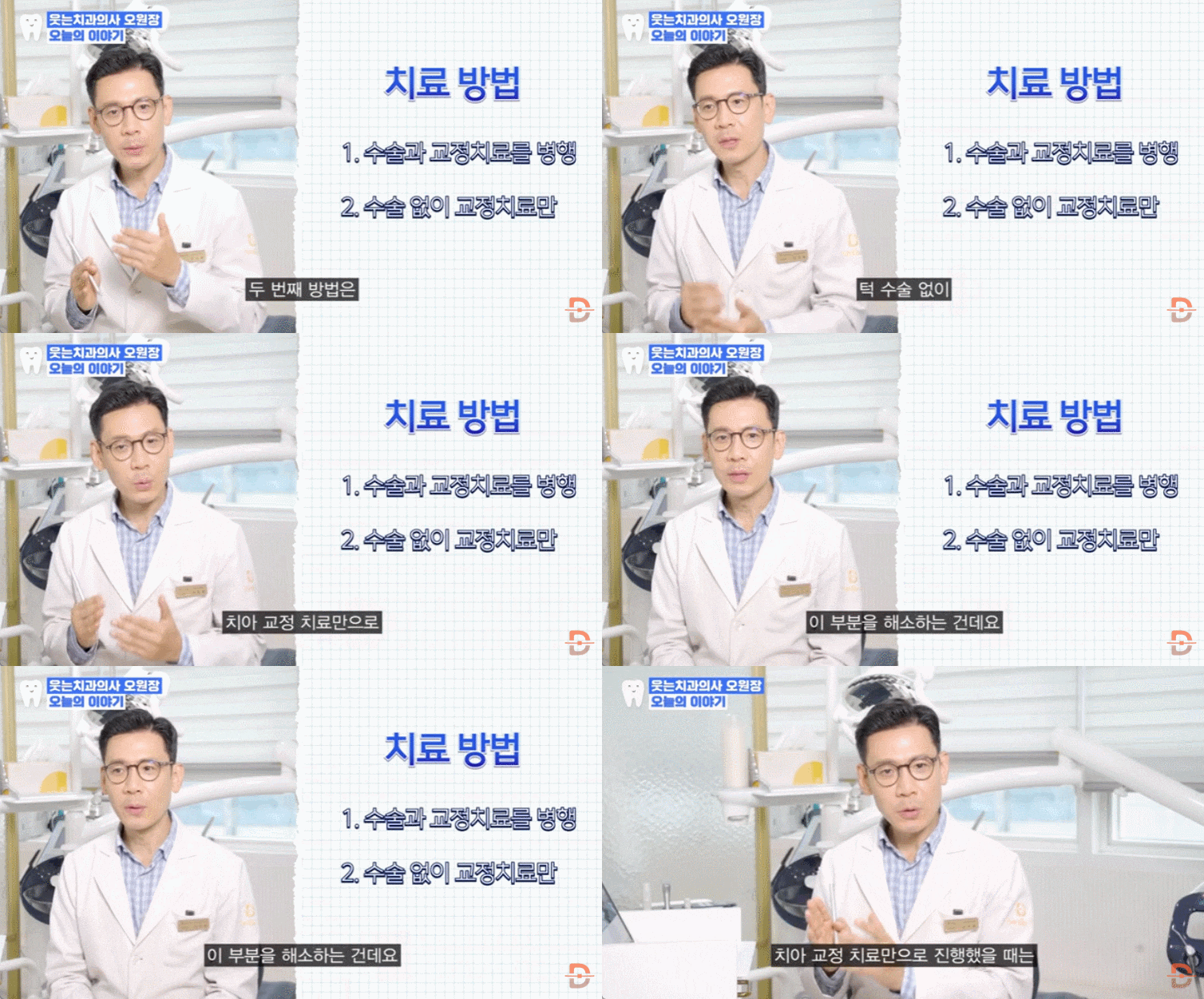
Was extraction performed, or was it non-extraction?
-
Was it treated with orthodontics alone, or was surgery also involved?
-
What appliances were used, and what was the expected treatment period?
For example, at Smile D, we carefully analyze each patient’s condition through a three-specialist collaborative consultation.
The presence of an orthodontic specialist
In the end, the success or failure of every treatment depends on the person performing it.
Before-and-after chin correction results are not simply about arranging the teeth; they are closer to a highly difficult artistic field that must consider the overall aesthetic harmony of the entire face.
It is basic to check whether the clinician who performed the treatment is a certified orthodontic specialist with deep knowledge and experience in orthodontics, and how many cases they have handled.
The number—18 years of experience and a 96.4% satisfaction rate—at Smile D is the clearest answer to the question of who.
Q1. How long does orthodontic treatment usually take?
A. Orthodontic treatment that improves an impression that looks like chin deficiency by resolving protrusion usually takes about 1.5 to 2 years on average.
Of course, this can vary somewhat depending on the patient’s dental condition, whether extraction is needed, and how well they cooperate with wearing the appliances.
At Smile D, during the first consultation, we transparently explain the expected treatment period based on precise diagnostic results.
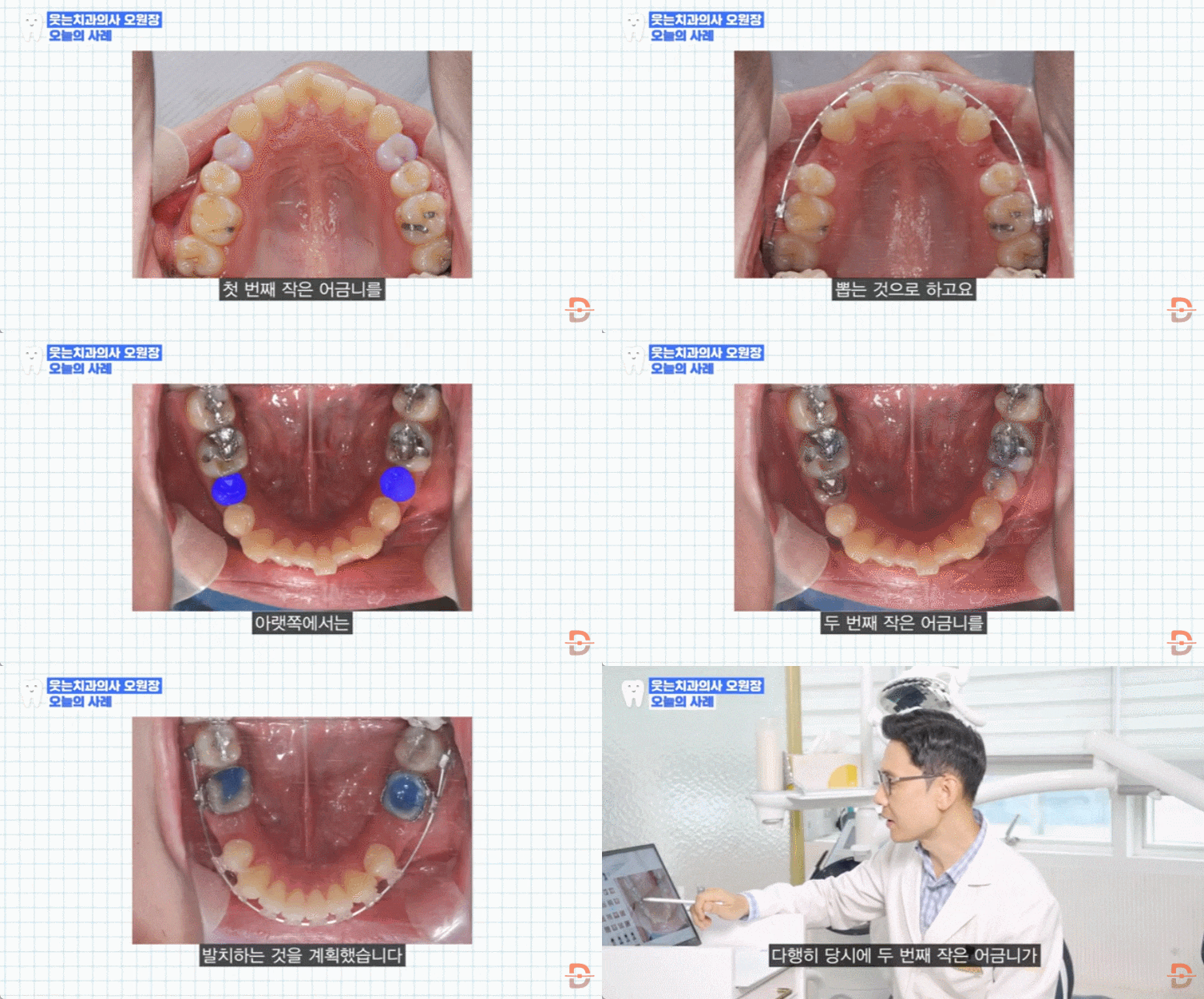
Q2. Can the results be maintained for life after orthodontic treatment?
A. Yes, that is certainly possible with proper care.
To preserve the beautiful facial line you worked hard to achieve for the rest of your life, post-treatment care is truly important.
Because teeth have a tendency to return to their original position, wearing a retainer is not optional but essential.
Even after orthodontic treatment ends, Smile D continues regular checkups every 6 months, 1 year, and 2 years. The chief director personally and carefully checks whether the teeth remain stable and whether there are any bite problems, helping protect your smile for life.
Initial diagnosis is important.
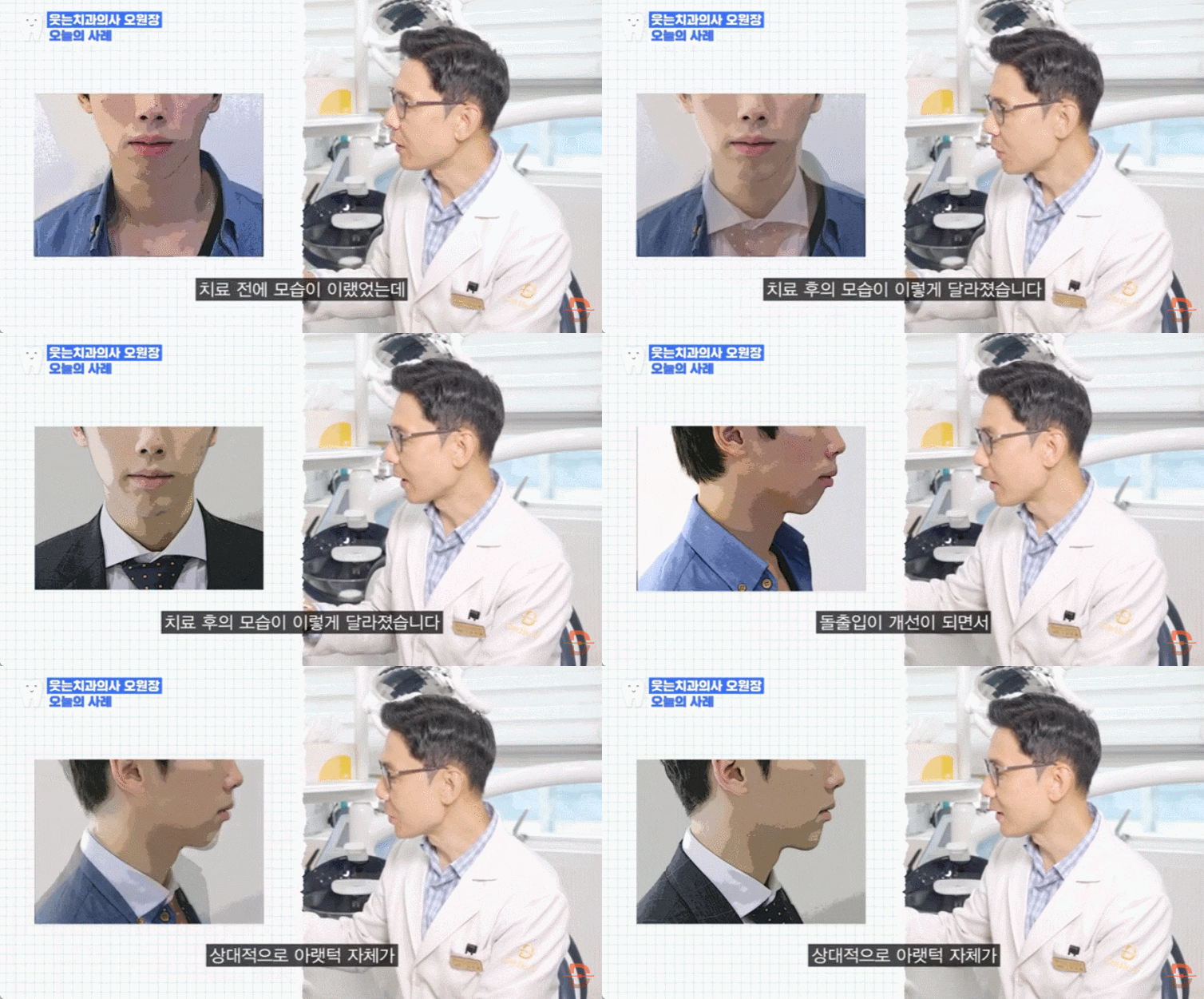
Chin correction is a much more difficult treatment than simple orthodontics that only changes the arrangement of the teeth.
That is because it requires a comprehensive analysis that considers the jaw, joints, and overall occlusion together.
That is why I always emphasize that if the initial diagnosis is even slightly inaccurate, or if anything is missed in the treatment plan, it will be difficult to achieve the desired result, and problems may arise not only with aesthetic improvement but also with chewing function.
It is more important than anything else to carefully examine many variables such as the patient’s anatomical structure, oral environment, arch size, and tooth angles.
This is why I advise patients not to choose a clinic based only on before-and-after photos of chin correction.
At a place with long experience and the trust built from it, receiving an accurate diagnosis of your condition and a customized plan is the safest and most sensible path.
At Smile D Dental Clinic, based on our experience treating chin and protruding-mouth cases, we guide each patient toward an orthodontic plan suited to them.
I make it my first principle not only to create a more attractive appearance, but also to provide customized treatment that considers dental health and function.
I have seen countless times that before-and-after chin correction does not just change the shape of the chin; it also changes the overall balance of the face, tooth function, and confidence.
However, because the causes and conditions differ from patient to patient, an accurate diagnosis and a customized treatment plan are essential.
If you have felt self-conscious when taking photos because of chin deficiency, please do not carry that concern alone any longer.
I recommend that you check the changes for yourself with me and begin the customized orthodontic treatment that is right for you.