Underbite Correction vs. Double-Jaw Surgery?
A specialist in orthodontics answers
Hello.
18-year orthodontic specialist
Chief Director of Smile D Dental Clinic,
The Smiling Dentist
Oh Soo-hwan



"Having an underbite
has been a lifelong source of stress.
But I keep hearing that surgery
is the answer, so I’m worried...
Can an underbite really not
be changed with orthodontic treatment?"
If you are reading this, you may have been worrying about something similar to the above.
An underbite is a condition in which the upper and lower teeth bite together in reverse.
It can make a person look pouty or give a strong impression, which may lead to misunderstandings.
As a result, it often becomes a source of appearance-related insecurity.
Especially when it comes to an underbite, the term “double-jaw surgery” naturally tends to come up...
So you were probably wondering whether surgery is really the only answer, or whether orthodontic treatment alone can improve it.
To answer first: surgery may be necessary, or it may not be. ^^;
If I say it like that, it probably sounds too vague, right?
That is why, as an orthodontic specialist with 18 years of experience certified by the Ministry of Health and Welfare, I will personally cover the following in this article.
Underbite correction and double-jaw surgery: how do you find the method that is right for you?
I hope this article becomes an opportunity to ease some of your concerns.
[Smile D Dental Clinic treatment information]
[Smile D Dental Clinic location guide]
Who needs underbite correction?
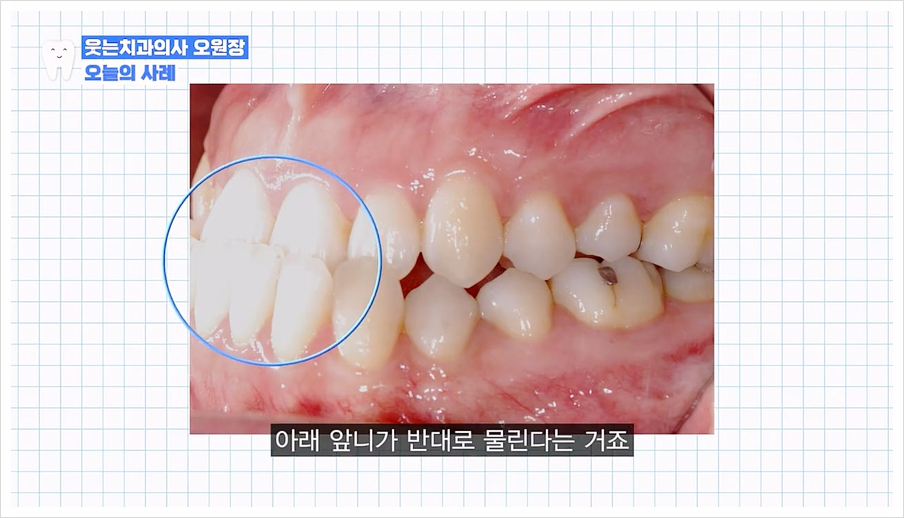
In simple terms, an underbite is a malocclusion in which the upper and lower teeth bite together in reverse.
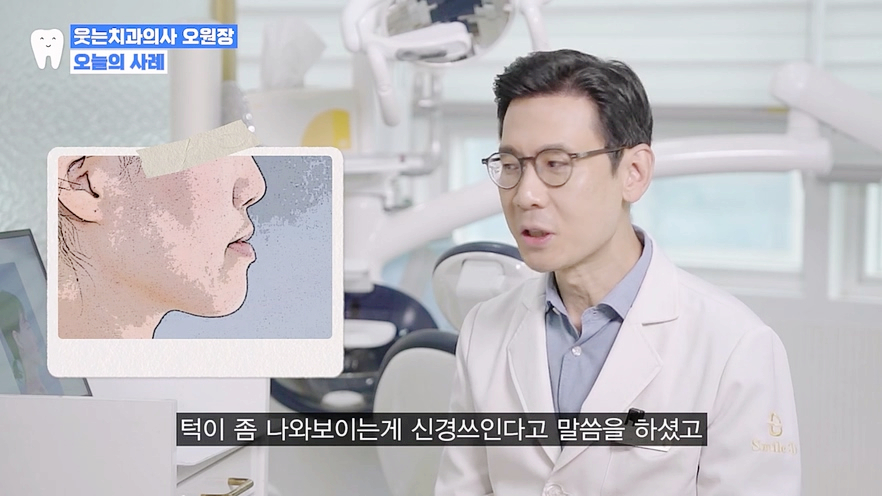
This patient had a very severe complex about their underbite,
and came to our clinic after hearing the diagnosis, “You need double-jaw surgery.”
When I, as an orthodontic specialist, performed a detailed diagnosis, the angle between the upper and lower jaws was -6.8°, which was quite severe.
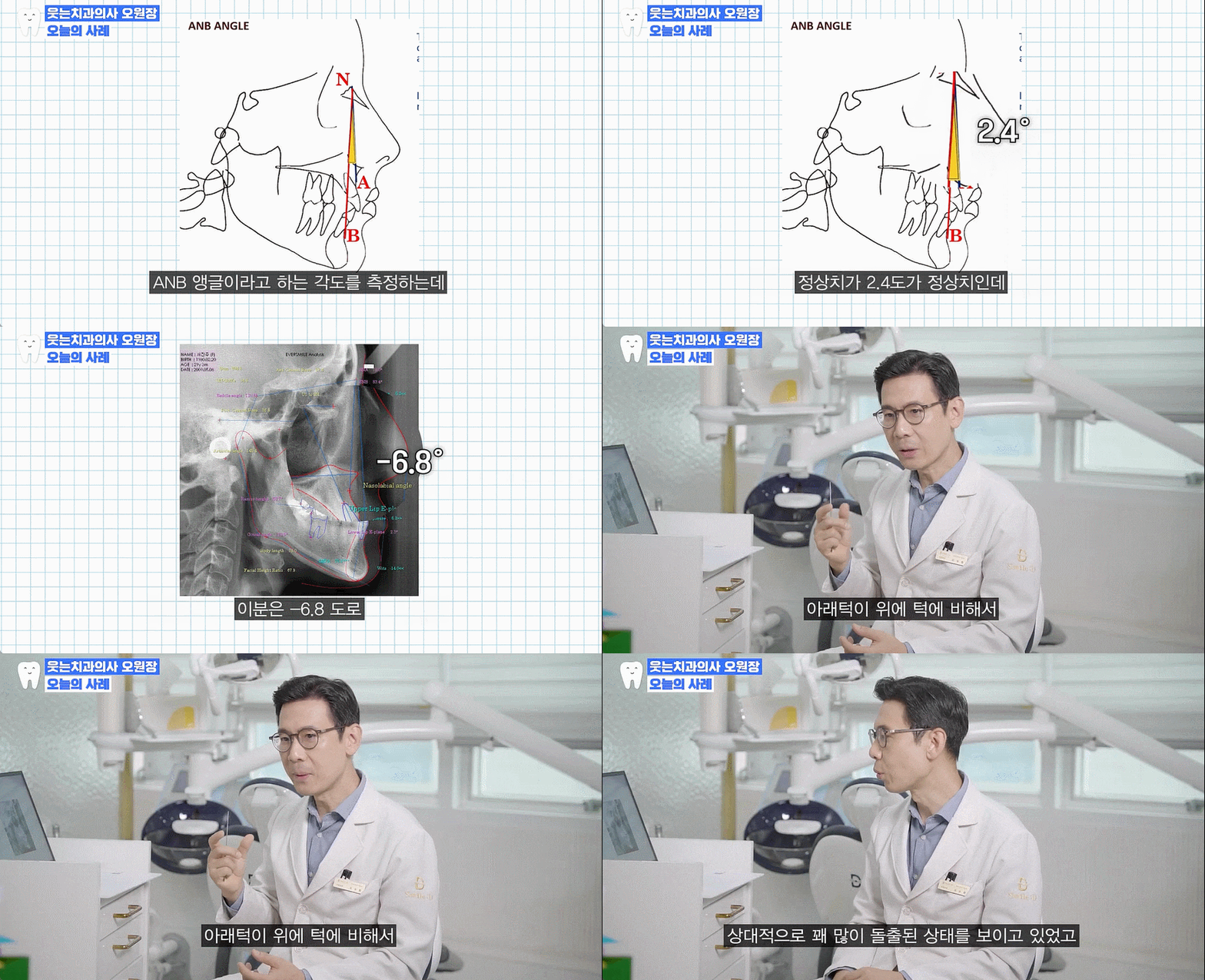
The normal angle is 2.4°.
However, after comprehensively analyzing the patient’s facial structure and alveolar bone condition,
I determined that if we could secure enough space for the lower teeth to move into,
it would be possible to improve the condition with underbite correction alone, without surgery.
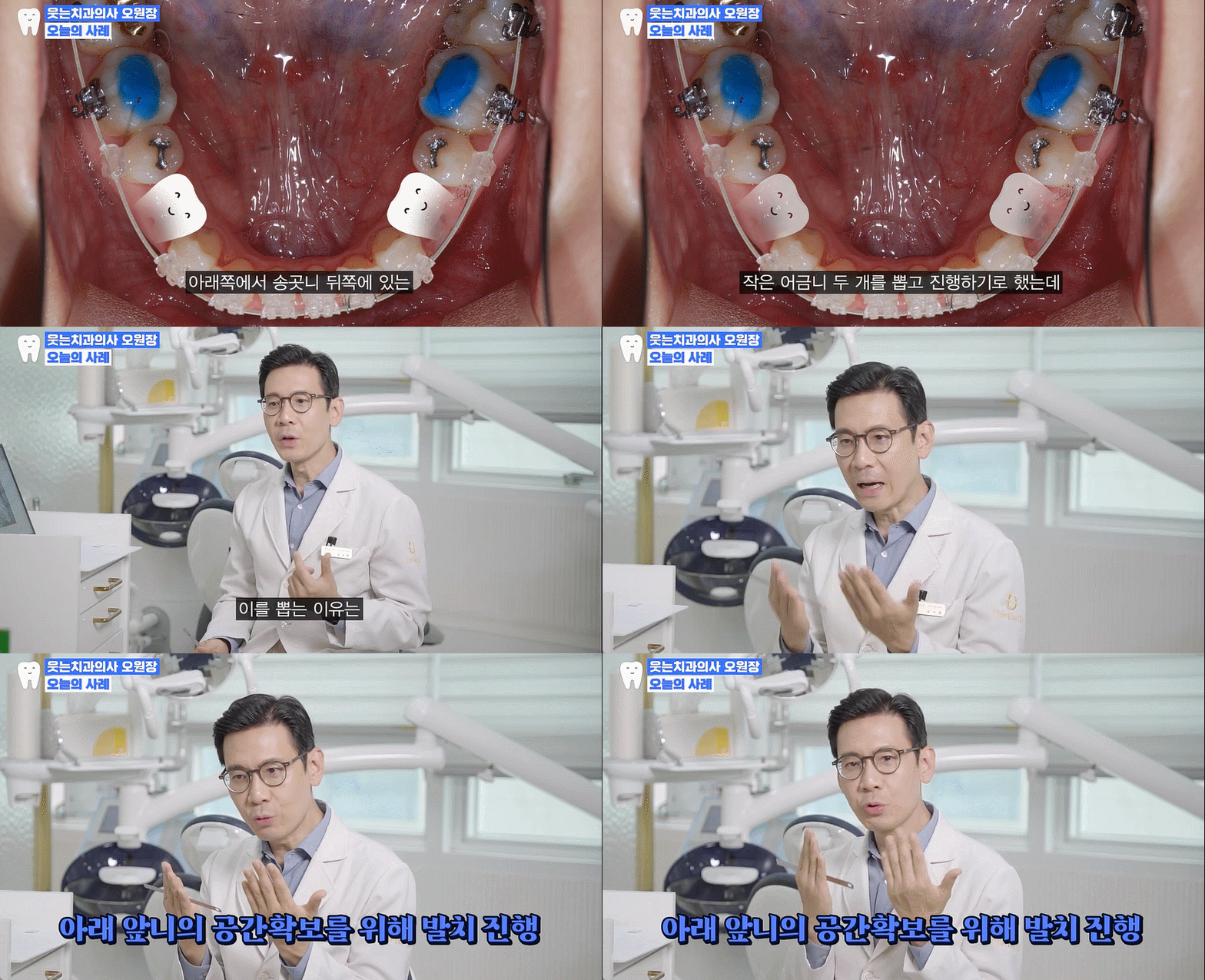
So, we extracted two premolars behind the lower canines and adjusted the alignment of the teeth.
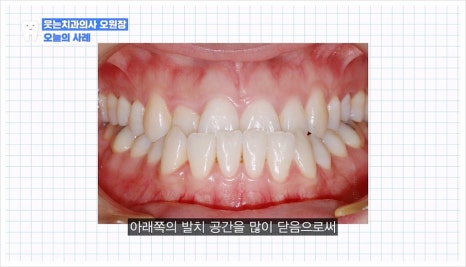
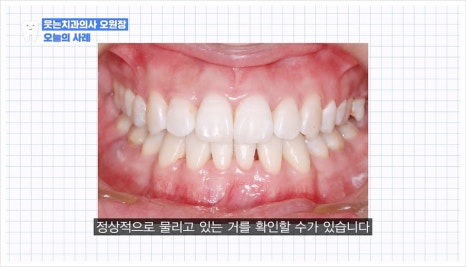
- (Left) Before treatment / (Right) After treatment
After about 6 months, the space gradually began to close.
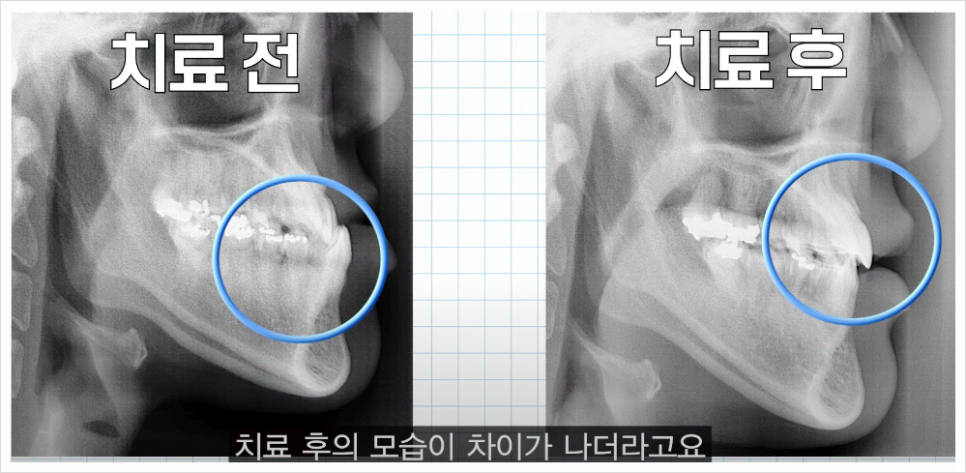
After about 1 year and 2 months, the dental midlines aligned well,
and the reverse bite returned to normal, completing the underbite correction treatment.
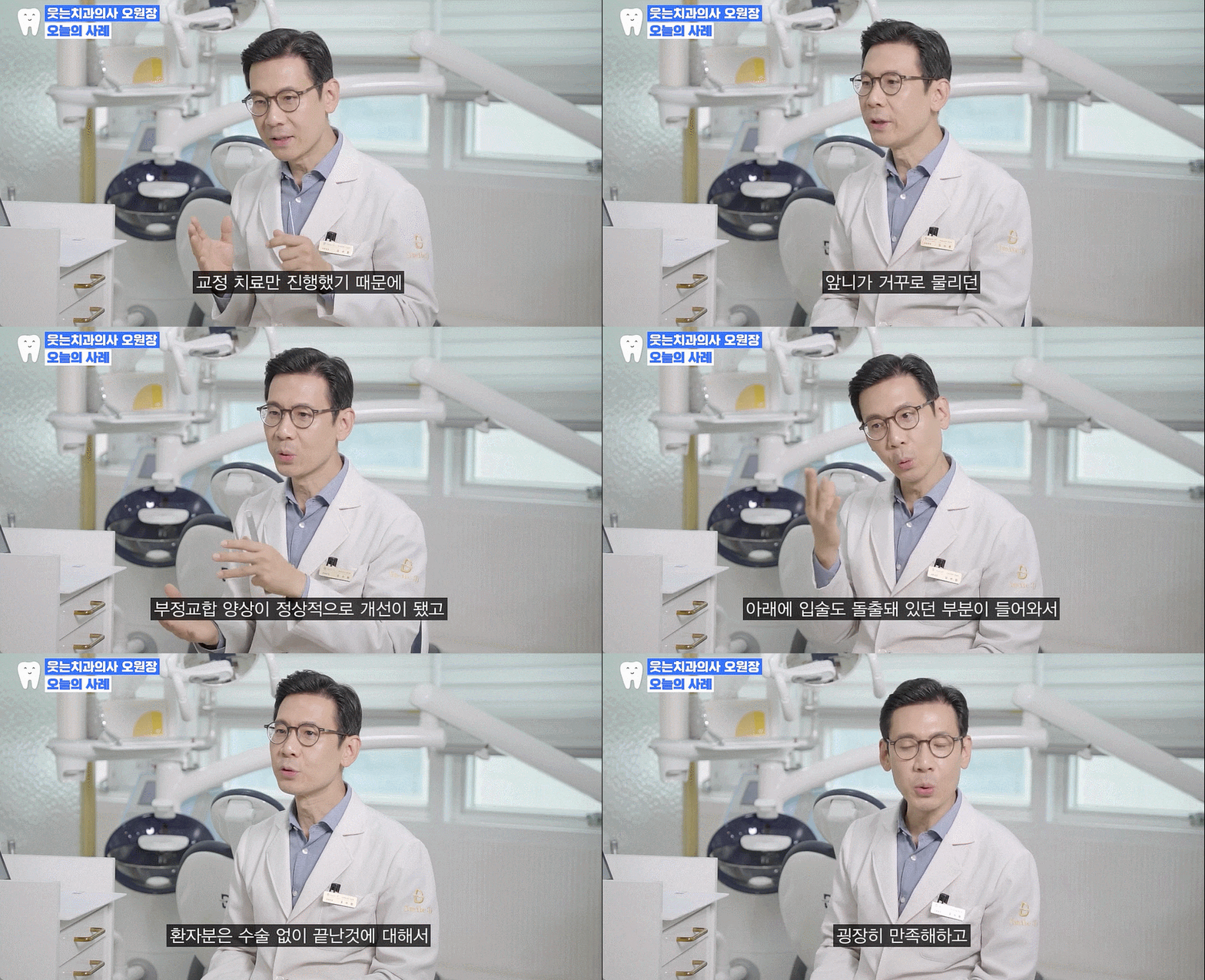
The treatment was completed without surgery, and the patient was very satisfied.

When is double-jaw surgery needed?
Of course, not every underbite is treated with just one method called orthodontics.
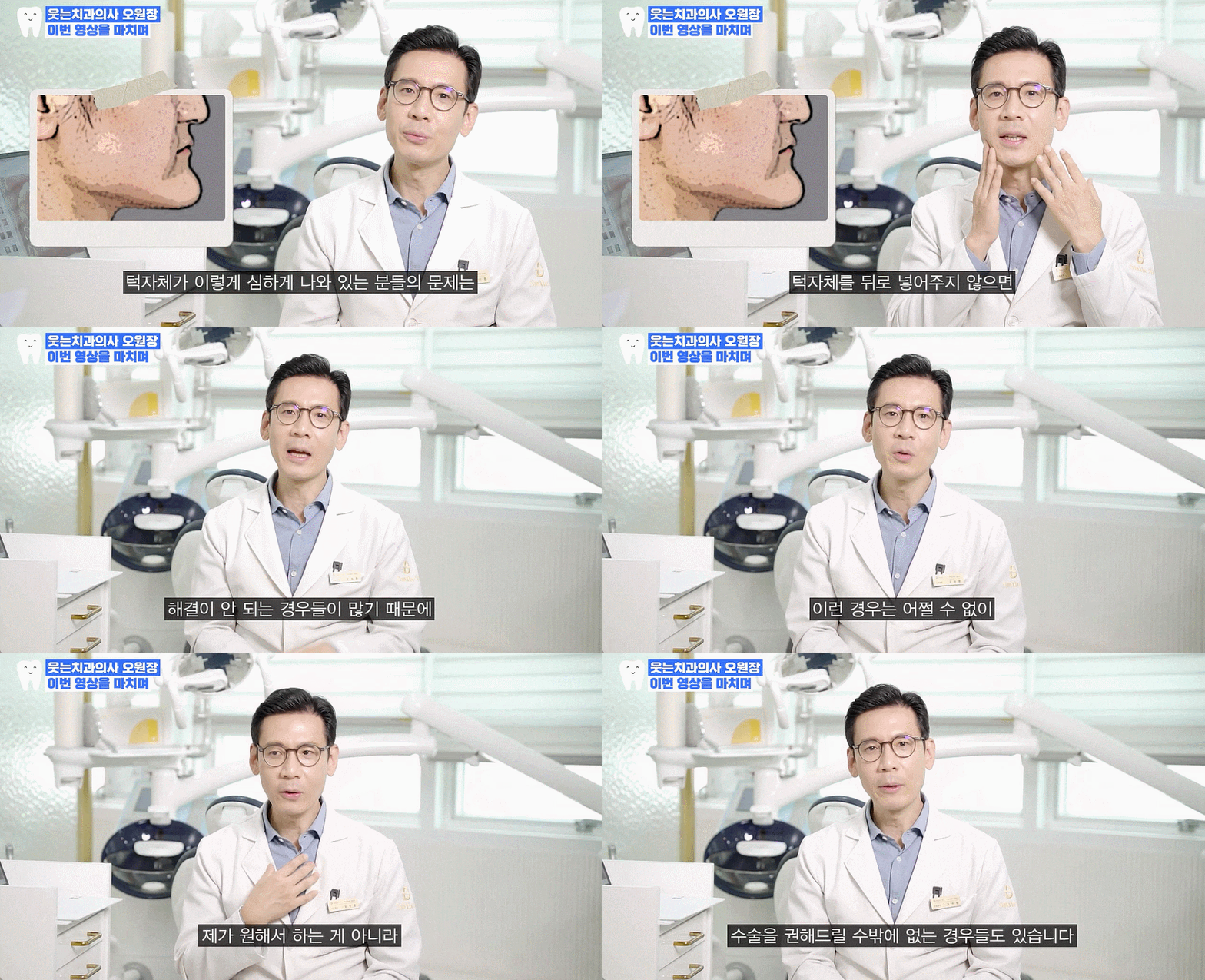
It is not because I, as a doctor, want it that way, but because depending on the person’s condition, surgery is sometimes unavoidable.
If the jawbone itself has grown excessively, meaning the skeletal imbalance is severe, a surgical approach is unavoidable.
For example, if a person has not only misaligned teeth but also severe forward protrusion of the lower jawbone,
surgery may be necessary because the jawbone must be reduced in size and moved backward.
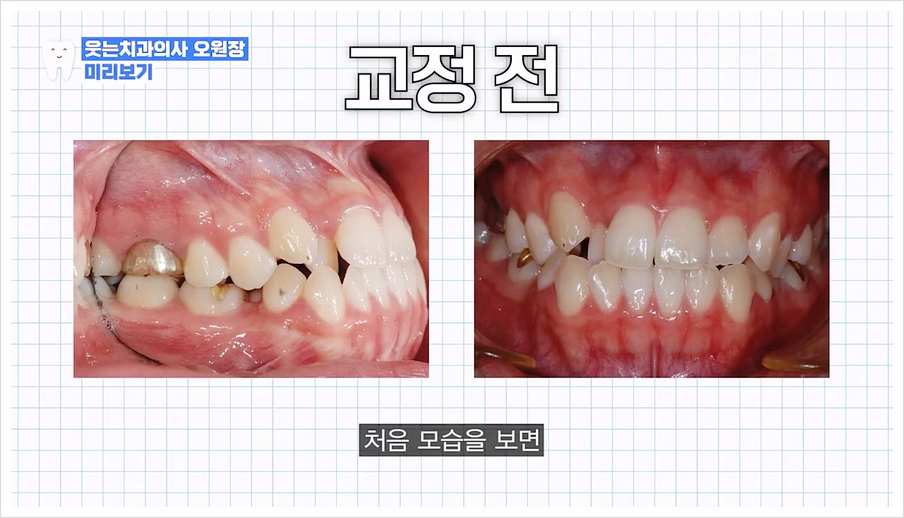
This patient had severe forward protrusion of the lower jawbone in addition to misaligned teeth,
so surgery was necessary to reduce the size of the jawbone and move it backward.
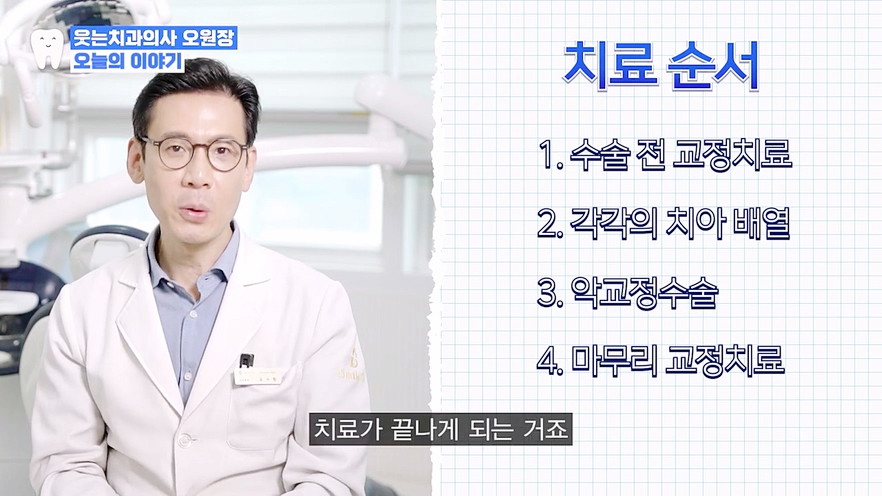
I established the following treatment plan.
- Pre-surgical orthodontics
Align the teeth
- Orthognathic surgery
(Double-jaw surgery / single-jaw surgery)
- Finishing orthodontics
Stabilize the bite
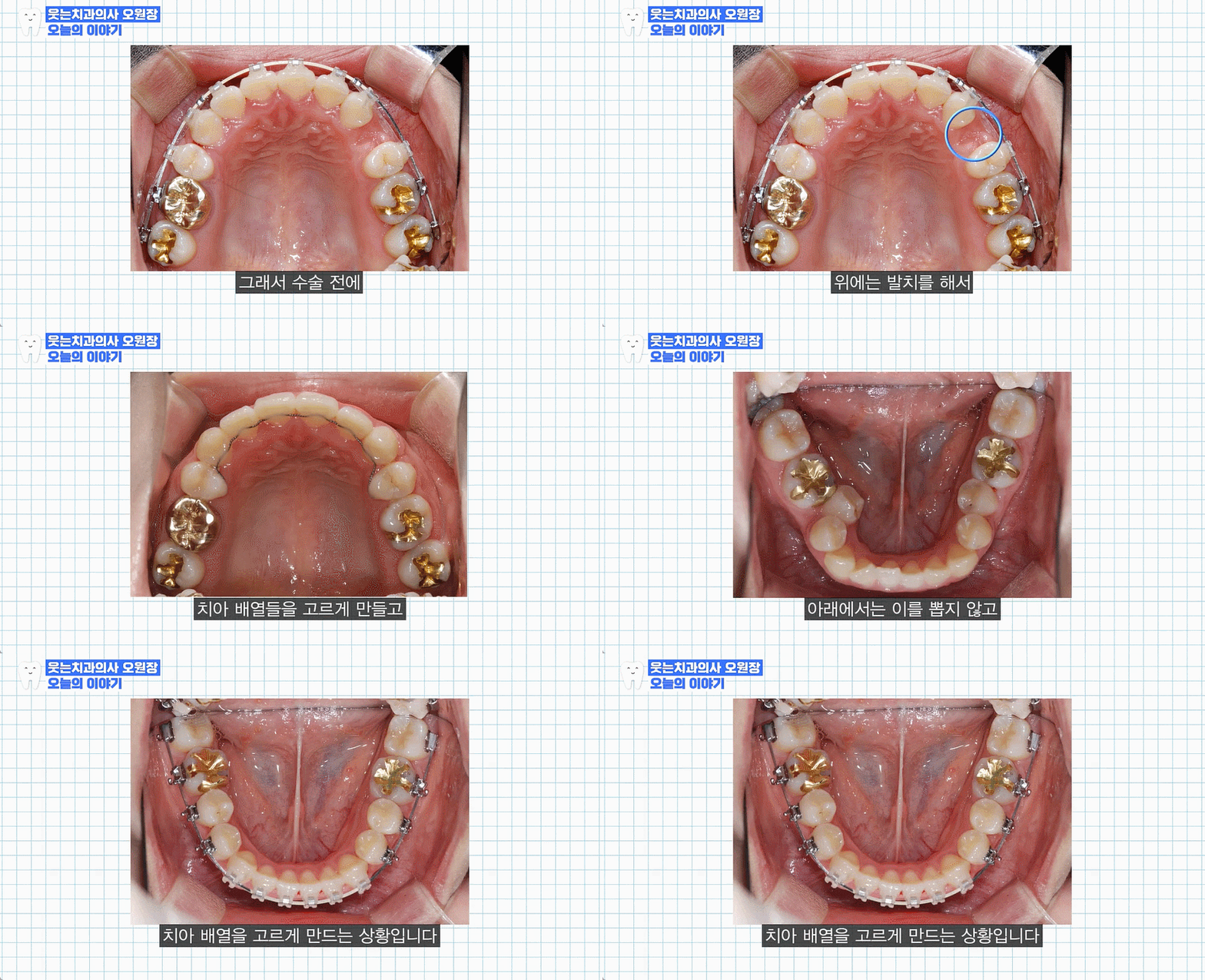
First, space was secured in the upper jaw through extraction, and only alignment was adjusted in the lower jaw without extraction.
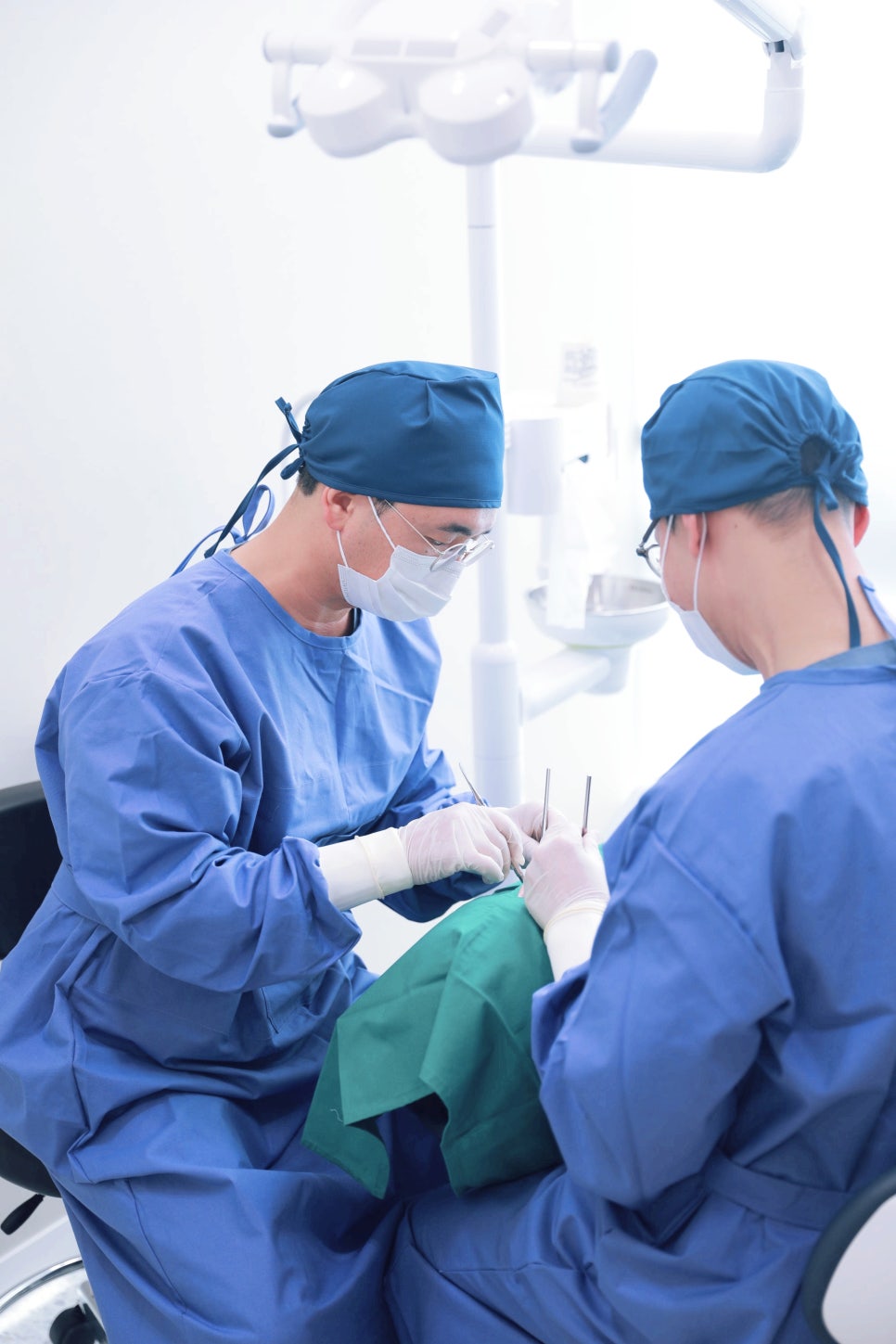
After that, double-jaw surgery was performed in collaboration with a director who specializes in surgery,
and I continued with finishing orthodontics, completing the treatment in about 1 year and 7 months in total.
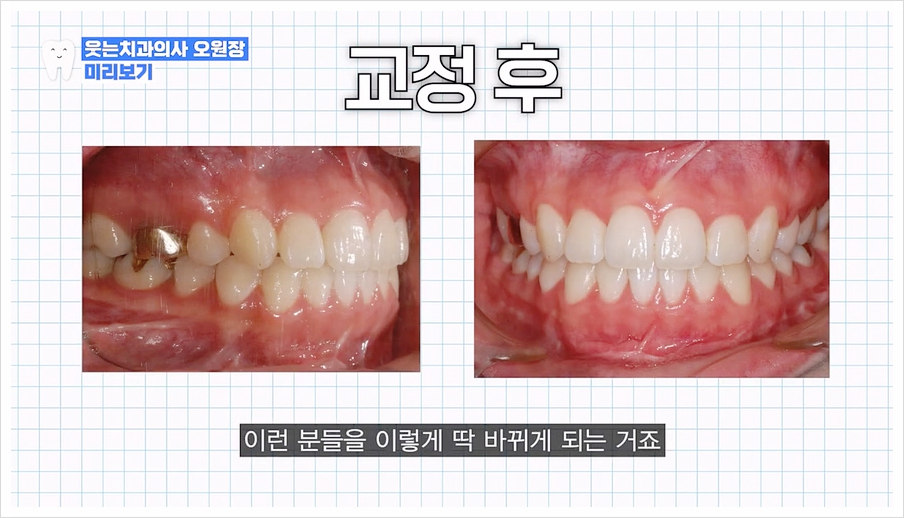
The detailed process varies from person to person, so you must discuss it directly with your medical team.
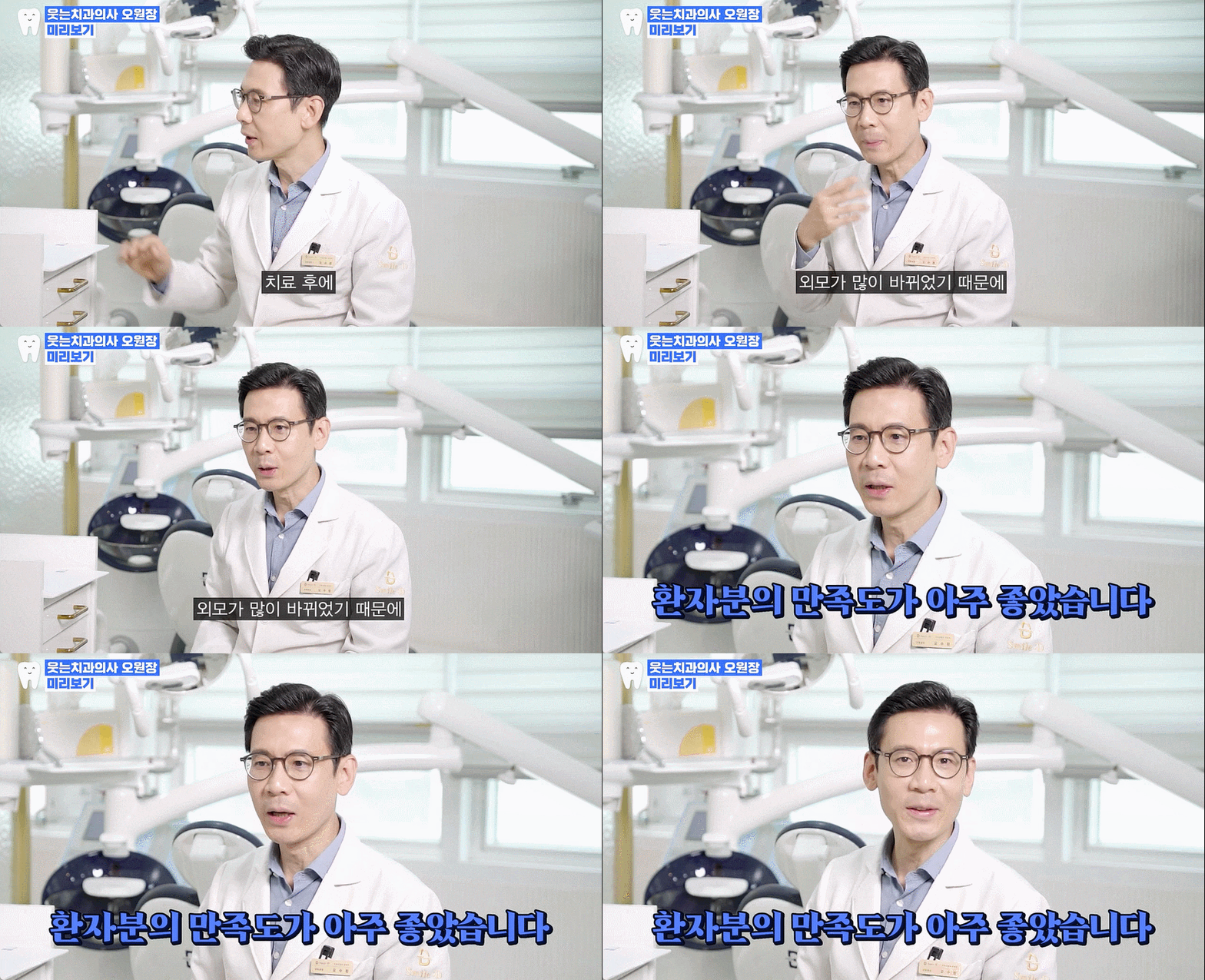
In other words, whether surgery is needed or whether orthodontics alone is enough cannot be decided simply by looking at the appearance.
Especially since it is not easy to decide between these two methods right away,
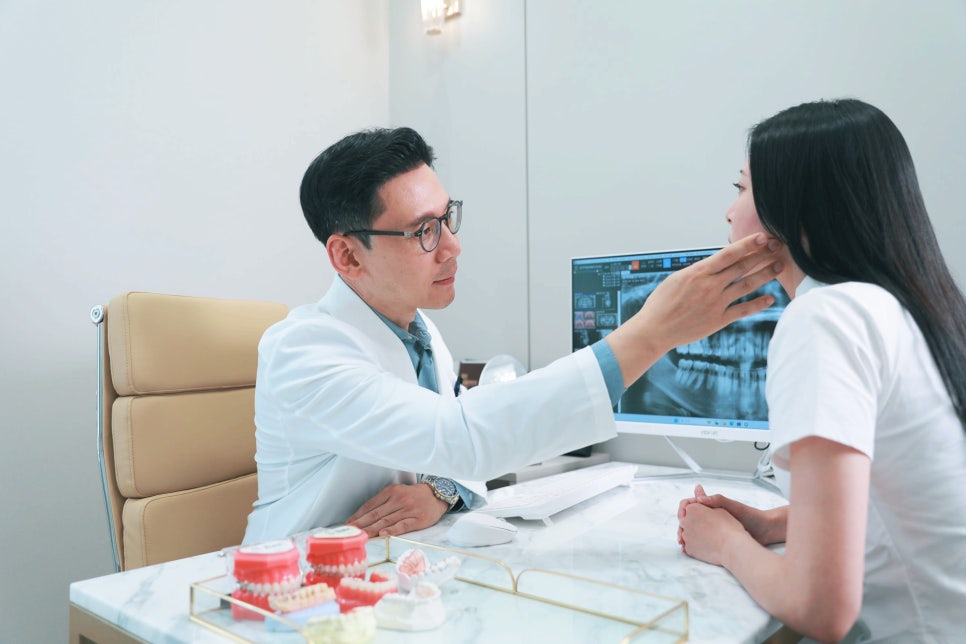
it is best to receive a comprehensive diagnosis and analysis from a specialist, considering facial bone structure, bite condition, alveolar bone thickness, and more, before making a careful decision.

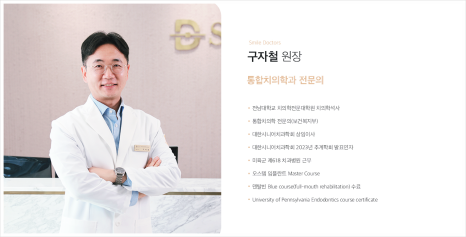
I hope that those reading this will also receive treatment guidance tailored to each patient and take the time to consider which method is the best fit for them.
However, since the recommendations offered by medical teams can differ slightly, if possible, I recommend visiting at least 2 to 3 dental clinics, speaking in depth with the doctor, and finding the treatment direction that suits you best.
This article was written for those who may have been struggling emotionally because of an underbite.
Let me summarize the main points of the body for you.
| 1️⃣ Even with an underbite, orthodontic treatment alone can improve the condition depending on the alignment of the teeth and the bite. |
|---|
| 2️⃣ If the structural imbalance of the jawbone is severe, a surgical approach is necessary. |
An underbite is not just an appearance issue; it is also a matter of functional balance.
Visit a hospital with medical staff who have extensive clinical experience and expertise,
and receive an accurate diagnosis and treatment so that you can smile with a healthy and beautiful smile.
This was Oh Soo-hwan, Chief Director of Smile D Dental Clinic.
[Smile D Dental Clinic treatment information]
| ℹ️ Smile D Dental Clinic website |
|---|
| Official website |
| 🎥 Smile D Dental Clinic YouTube |
|---|
| YouTube |