A to Z, from the Implant Procedure to
Tips for Choosing an Implant Dentist
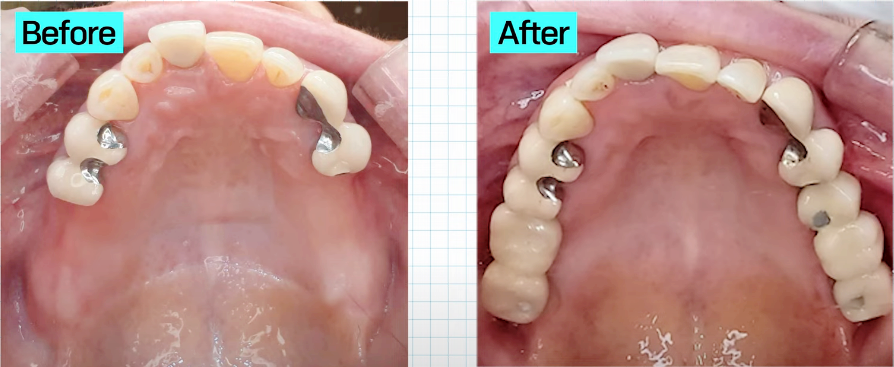
| * Case before and after implant treatment * (left) 23.06 / (right) 23.11 |
�
Hello.
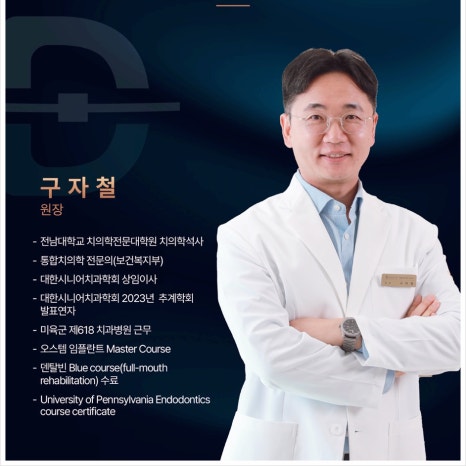
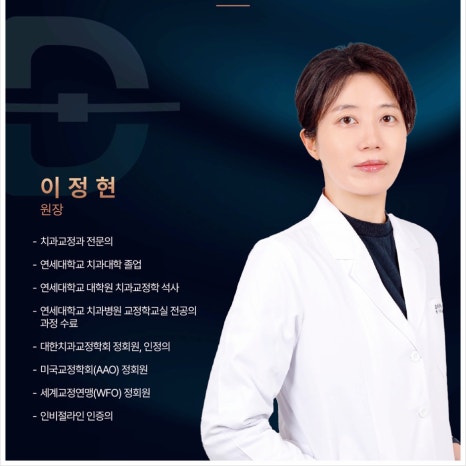
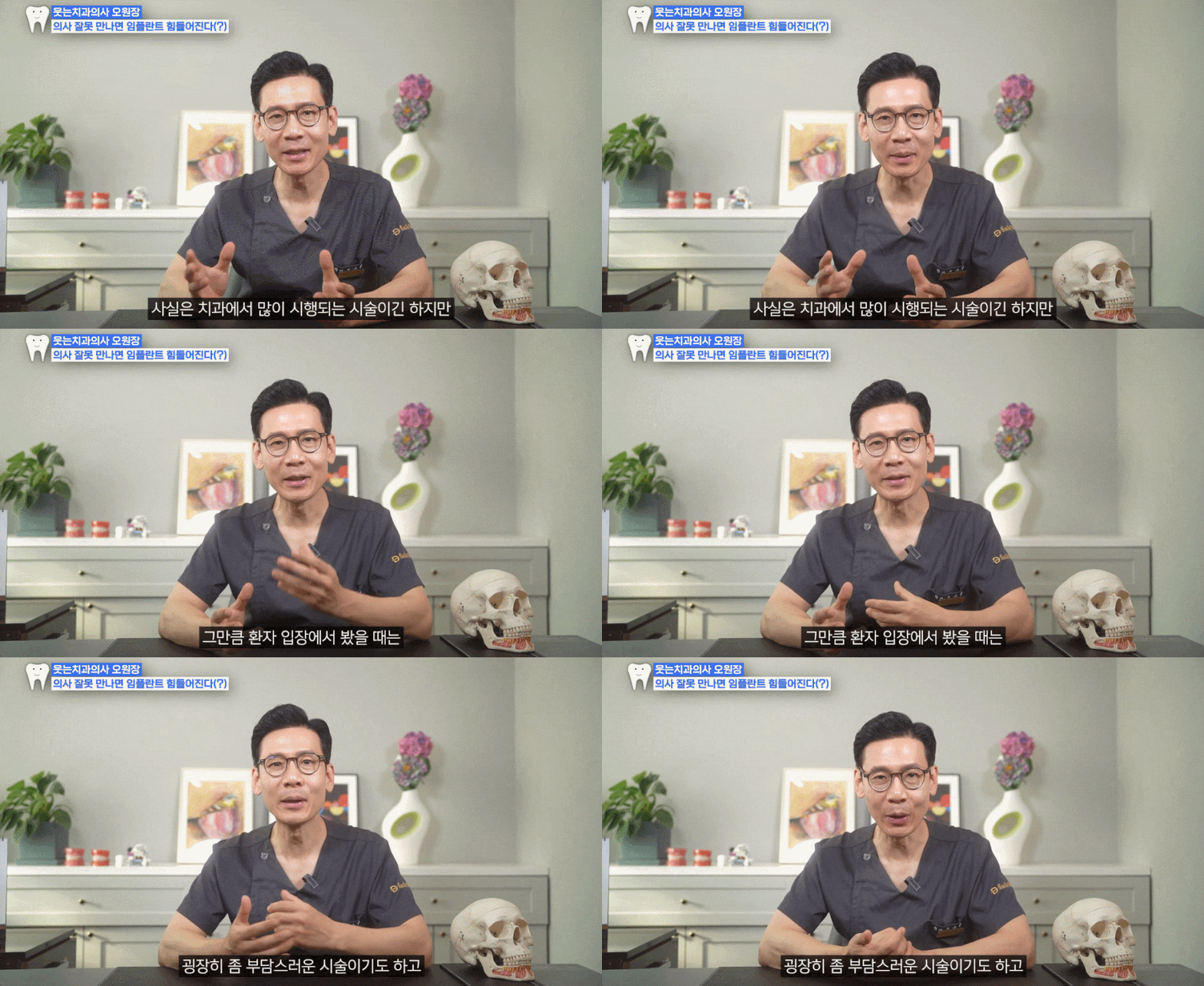
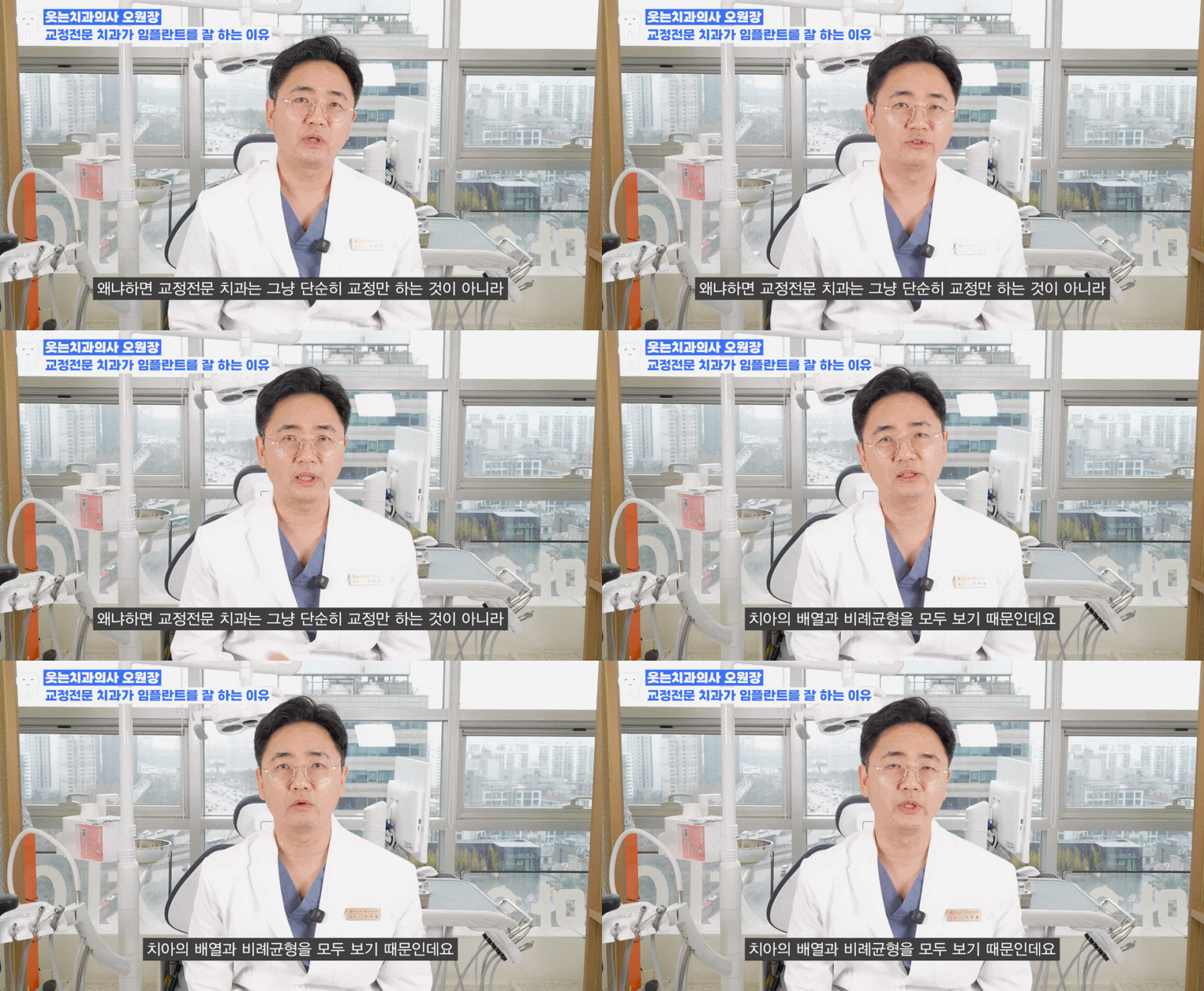
I am Oh Su-hwan,
an orthodontic specialist with 18 years of experience,
head director of Smile D Dental Clinic,
a smiling doctor.

"I think I may need an implant
because my cavity is severe...
What is the implant procedure like?
And what kind of clinic
should I choose?"
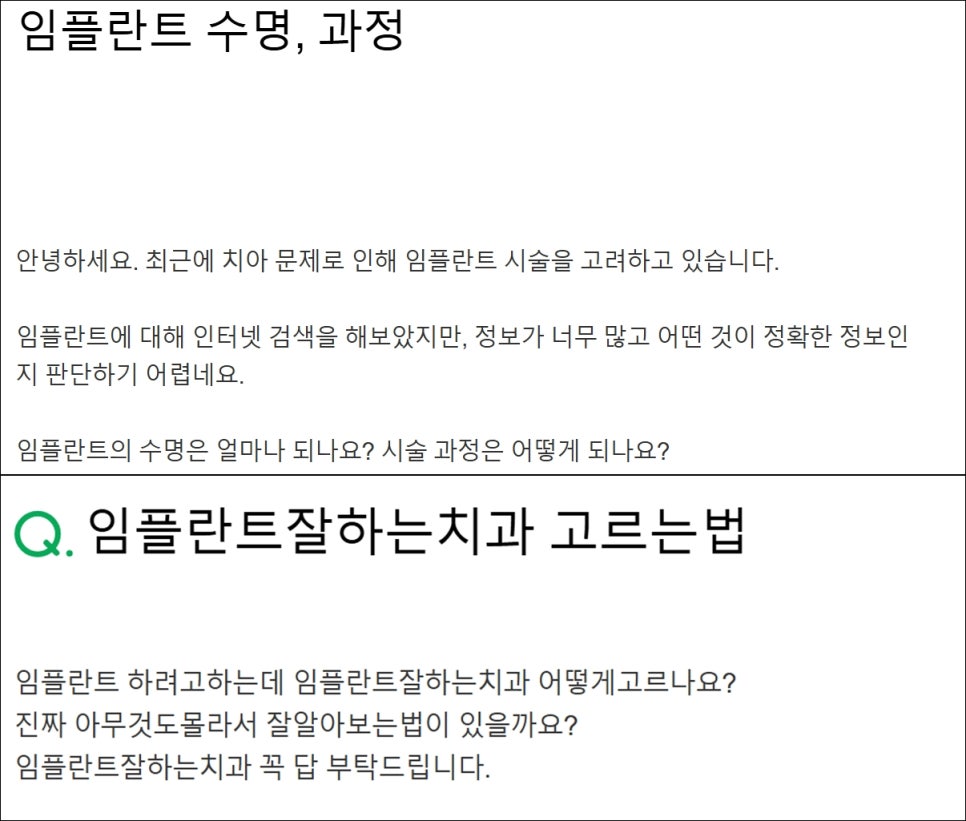
If you clicked on this post, you may be worried about something similar to the above.
An implant is also the most effective treatment currently available to replace a natural tooth,
and it is a procedure many people undergo.
Still, it is only natural to feel burdened when you think about having your own tooth removed and an artificial root placed in its place.
So you were probably searching to find out exactly what the implant procedure involves in advance.
For people like that, this is the right place.
As a Ministry of Health and Welfare-certified orthodontic specialist with 18 years of experience, I will personally walk you through the following in the body of this post.
- Explanation of the implant procedure
- Criteria for choosing an implant clinic
I will go through both of the above step by step from A to Z.
If you read to the end, you should be able to take away useful information. ^^
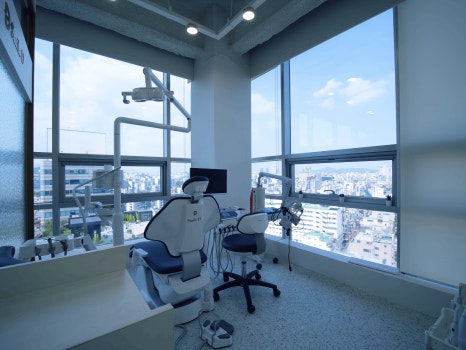
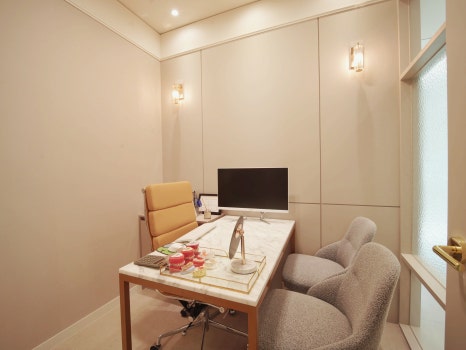
[Smile D Dental Clinic main information]
[Directions to Smile D Dental Clinic]
The implant procedure
is carried out like this.
An implant is a treatment that replaces a missing tooth
by placing an artificial root called a "fixture" and then restoring it with a prosthetic on top so it can function like a natural tooth.
The procedure can be summarized as follows.
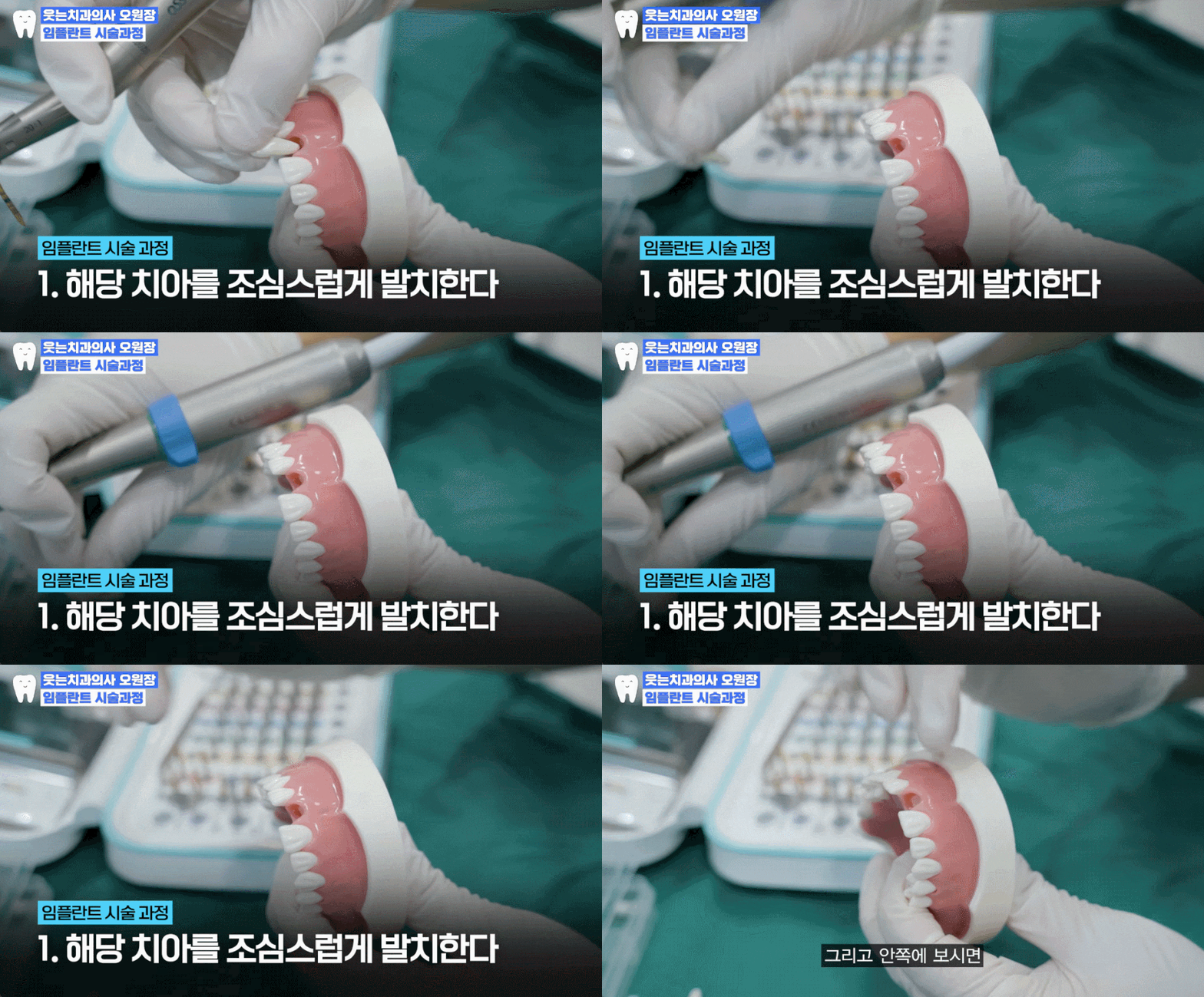
✔️ Extraction of the damaged tooth & removal of inflammation
Implants must be placed on clean jawbone.
If the inflammation is severe or the alveolar bone has been damaged, the inflamed tissue must be completely removed after extraction.
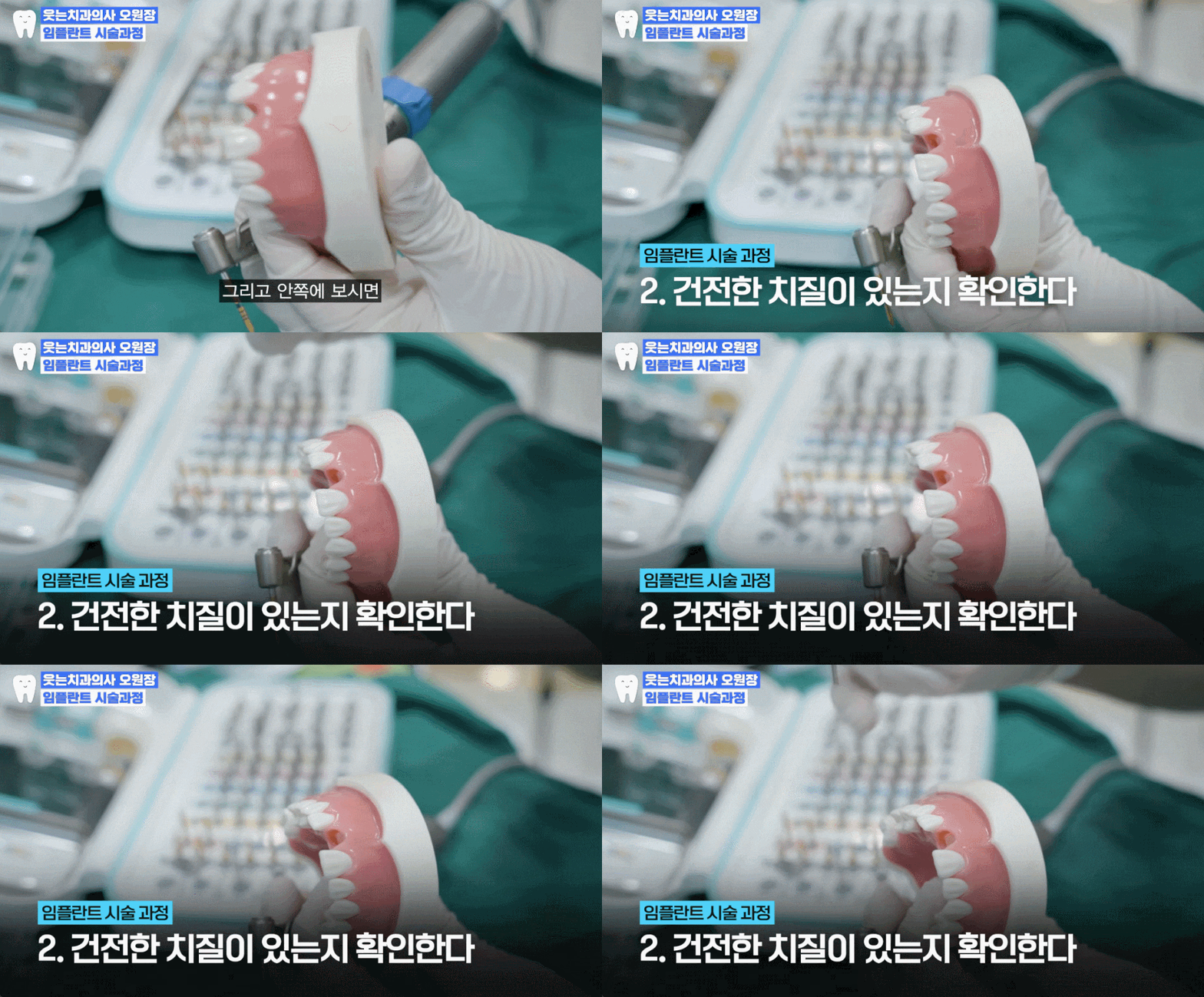
✔️ Check the bone condition and perform bone grafting if necessary
The height and thickness of the jawbone differ from patient to patient.
If the jawbone is too thin or has been resorbed,
bone grafting is needed to create an environment that can support the implant.
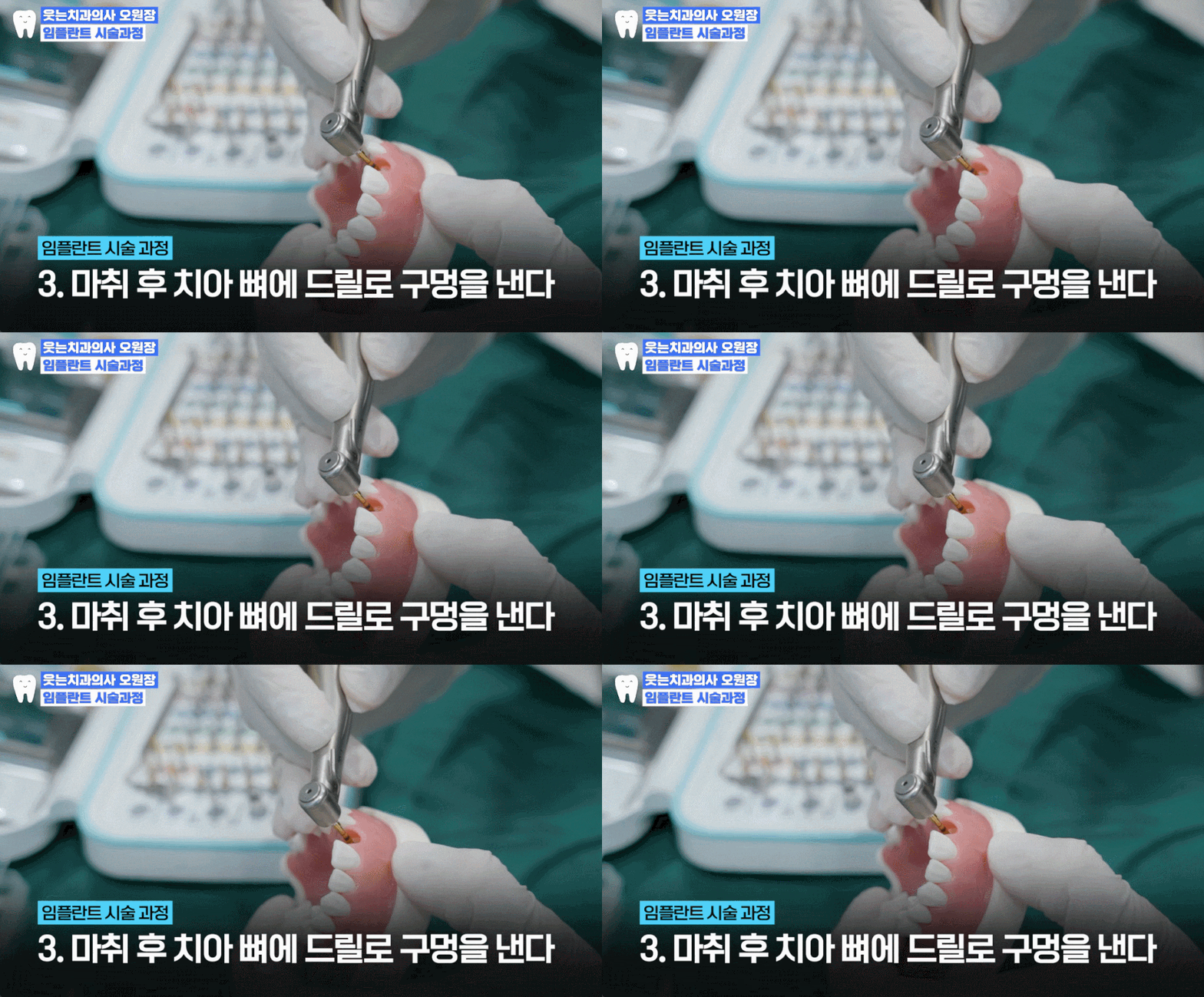
✔️ Drilling into the bone & placing the fixture
Next, a hole is drilled into the exposed bone to place the implant fixture.
At first, the opening is made very thin so as not to put stress on the bone, and then it is gradually widened.
Once the hole is made, the implant fixture is placed and secured.
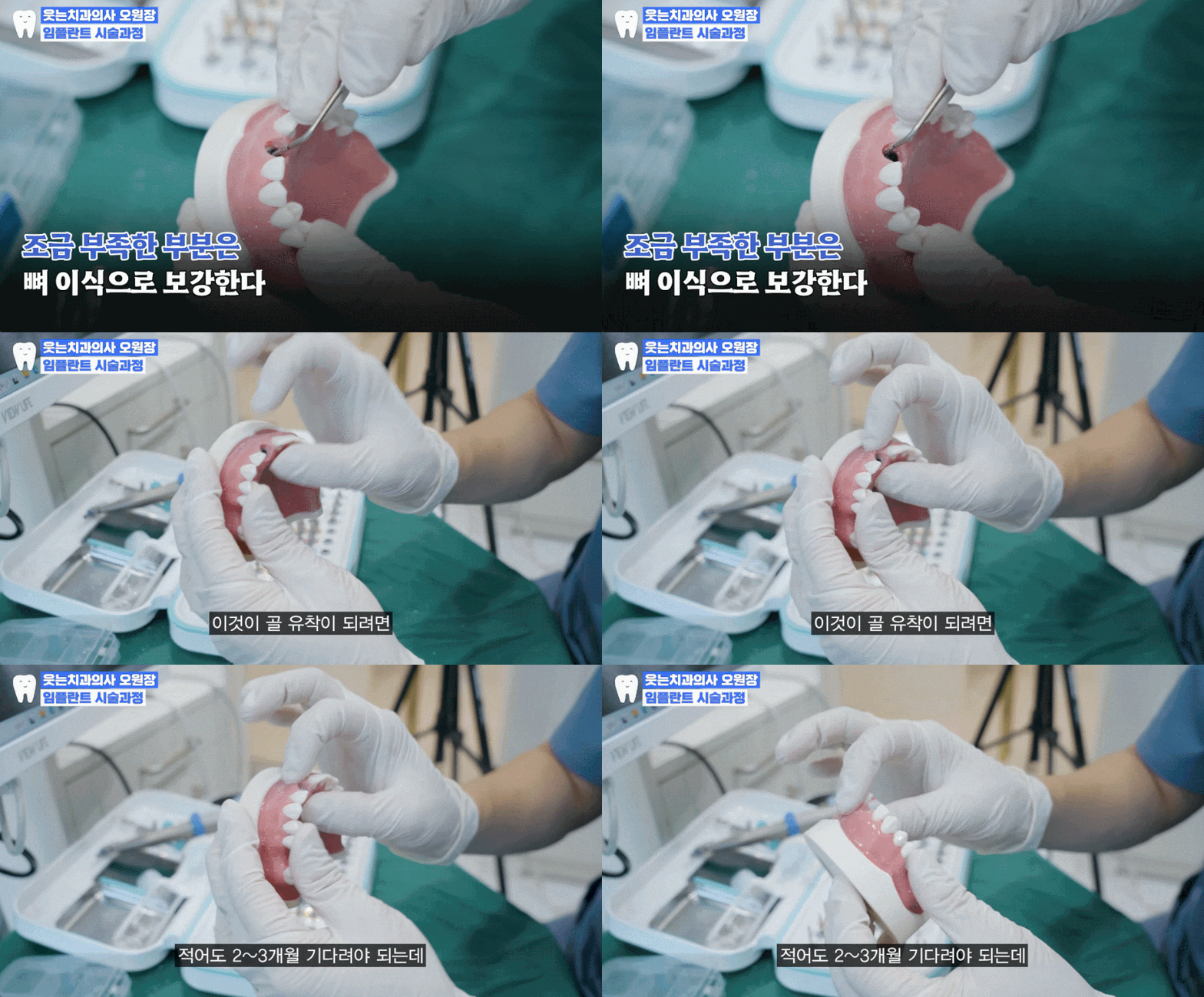
✔️ Integration of the implant and bone
After the fixture is placed, a waiting period of at least 2 to 3 months is needed.
During this time, osseointegration occurs, in which the artificial root firmly bonds with the bone.
During this period, a temporary denture or temporary tooth is made and used.
✔️ Connecting the healing abutment
After placing the implant, one of the following two methods is chosen depending on the condition of the gums.
📌 If the bone condition is good?
A healing abutment is attached on top of the fixture to help prepare for the placement of the artificial tooth.
📌 If the bone condition is not good?
A cover screw is placed and the gums are closed over it. After waiting for healing,
the cover screw is removed and the healing abutment is connected.
After that, the implant crown is placed at the end, and the implant procedure is finally completed.

What kind of "clinic"
should you choose for an implant?
From your point of view, a clinic that "specializes only in implants" may seem trustworthy.�
(* In the specialist system,
there is no implant department.)
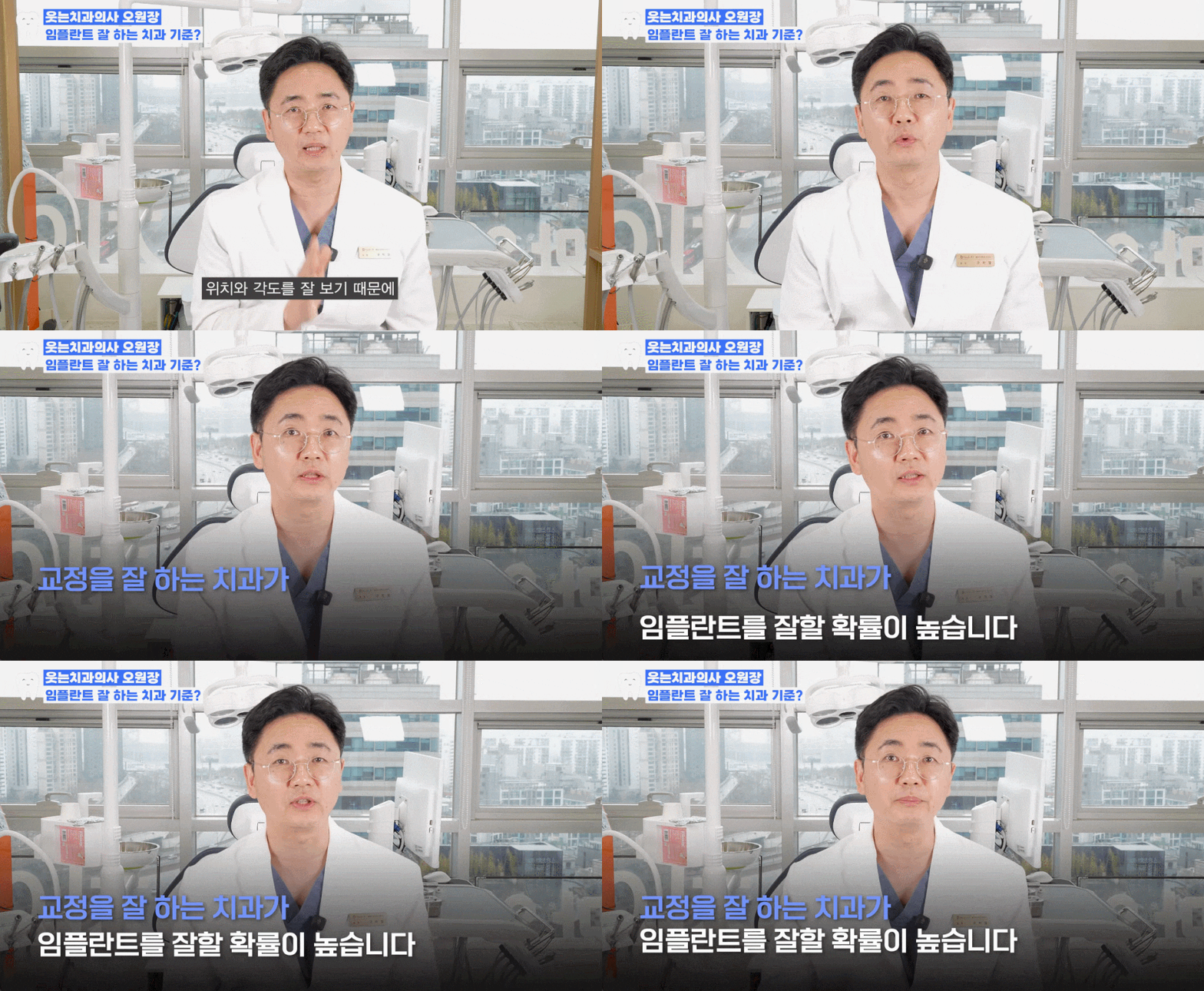
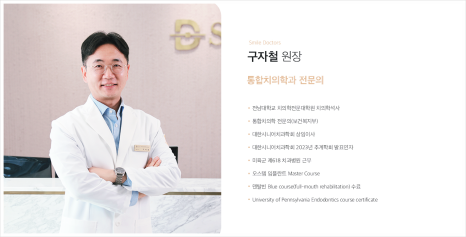
What I would like to tell you is to choose a clinic that is good at both orthodontics and implants.
Although implants may look like a simple treatment that only requires placing an artificial root...
what matters is how accurately the prosthesis is made in terms of
(1) the correct position,
(2) a natural appearance, and
(3) stability.
It is a highly difficult procedure.
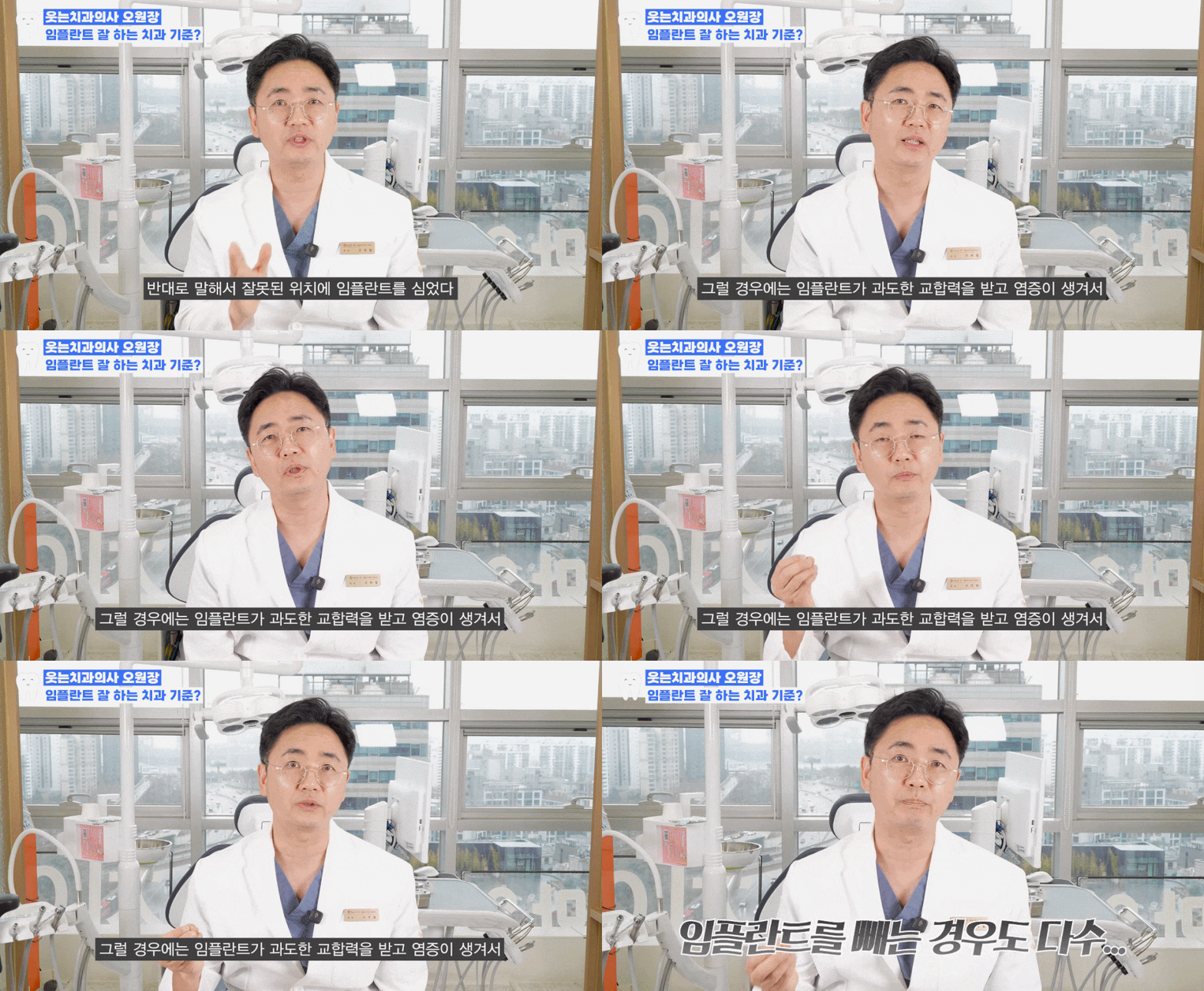
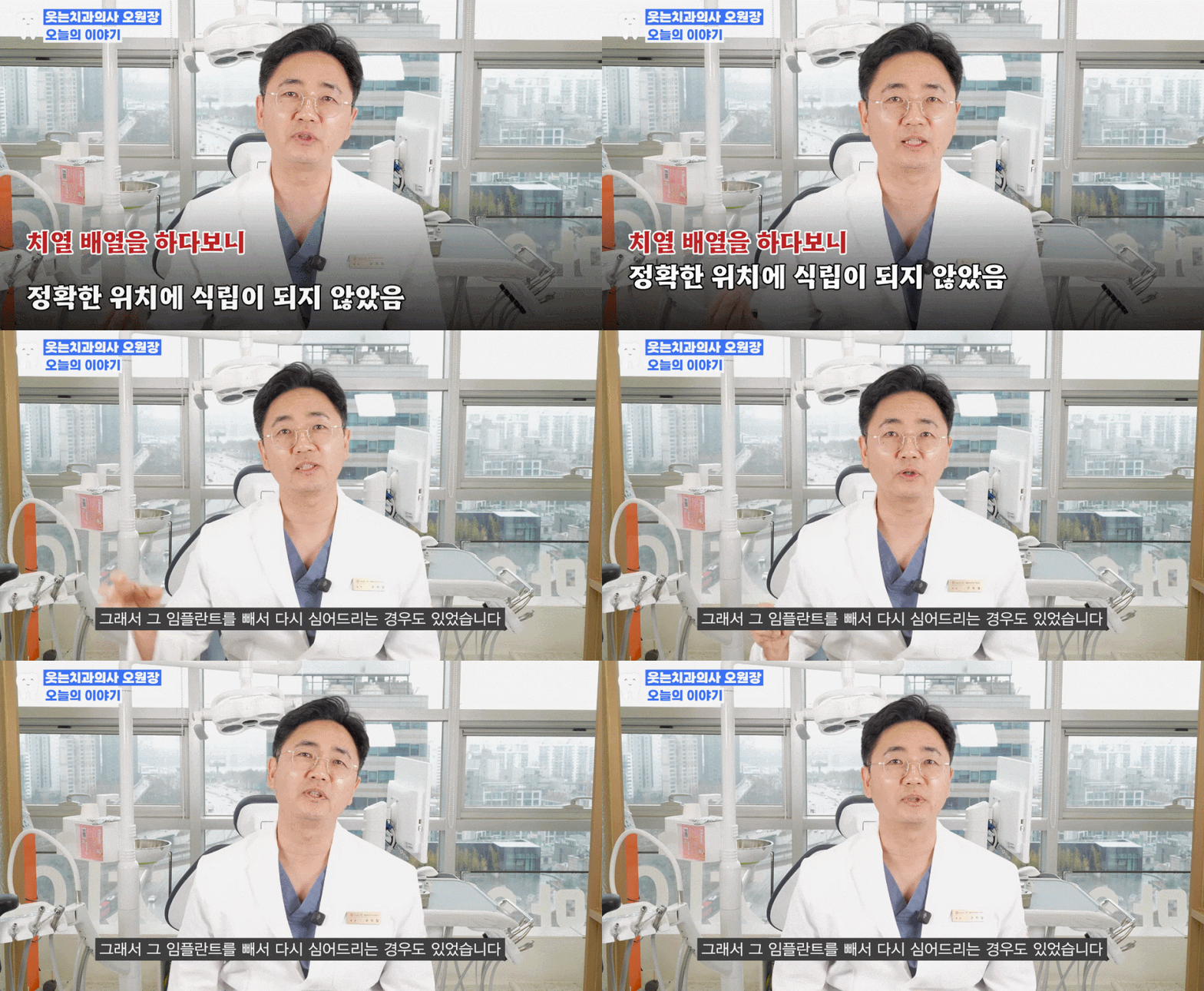
If even one factor is off, such as the patient’s bone condition, nerve position, bite force, or aesthetics, inflammation may develop or reoperation may be needed.
If that happens, you could end up having to undergo retreatment and spend both time and money twice.
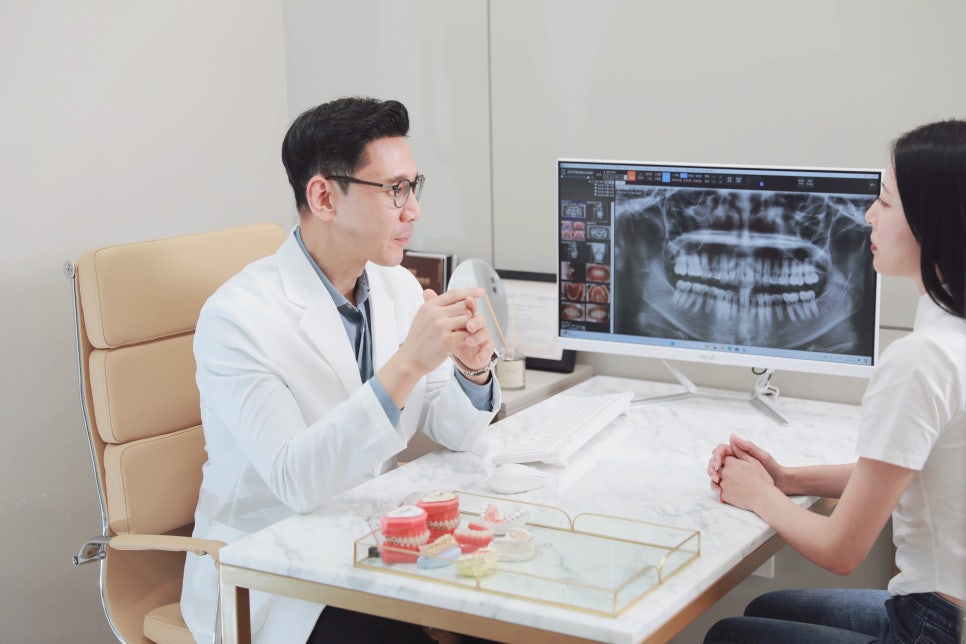
That is why, from an orthodontic perspective, there needs to be a process that analyzes the occlusal relationship between the upper and lower jaws and the positions of the surrounding teeth.

Then the artificial root should be guided at the most ideal angle and depth,
and with placement and prosthetics that reinforce the available space, it should help restore a natural line and function.
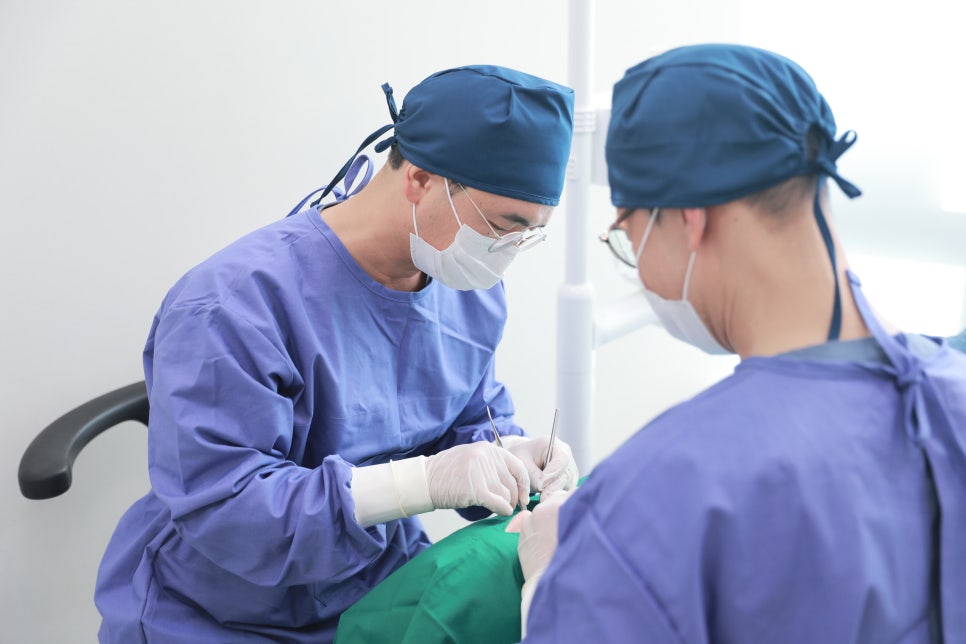
In the end, the success of an implant depends on the placement position and the balance of the bite,
so you should choose a clinic that is responsible for accurate diagnosis, careful treatment, and aftercare in order to use it comfortably for a long time.
In this post, we looked at how implant treatment is performed,
and the criteria for choosing a clinic.
If properly managed, implants can be used for decades or longer.
Since it will stay with you for a long time,
I recommend choosing a place with experienced medical staff
and a well-organized system.
This was Oh Su-hwan, head director of Smile D Dental Clinic.
[Smile D Dental Clinic main information]
| ℹ️ Smile D Dental Clinic website |
|---|
| Official website |
| 🎥 Smile D Dental Clinic YouTube |
|---|
| YouTube |