
Timing for correcting child malocclusion and underbite
- The deep connection between growth and child malocclusion correction
When talking with parents who are worried about their child’s malocclusion, similar patterns of conversation would often naturally follow. Questions like, “When is the best time to start?” and “Have we already missed the right timing?” came up often. Every time I heard these questions, I could not help but first think about how complicated the parents’ feelings must have been. In particular, an underbite, where the lower jaw appears to be pulled backward, could become a greater concern over time, and because it was important to how the child’s facial balance would develop, I could understand the parents’ anxiety.
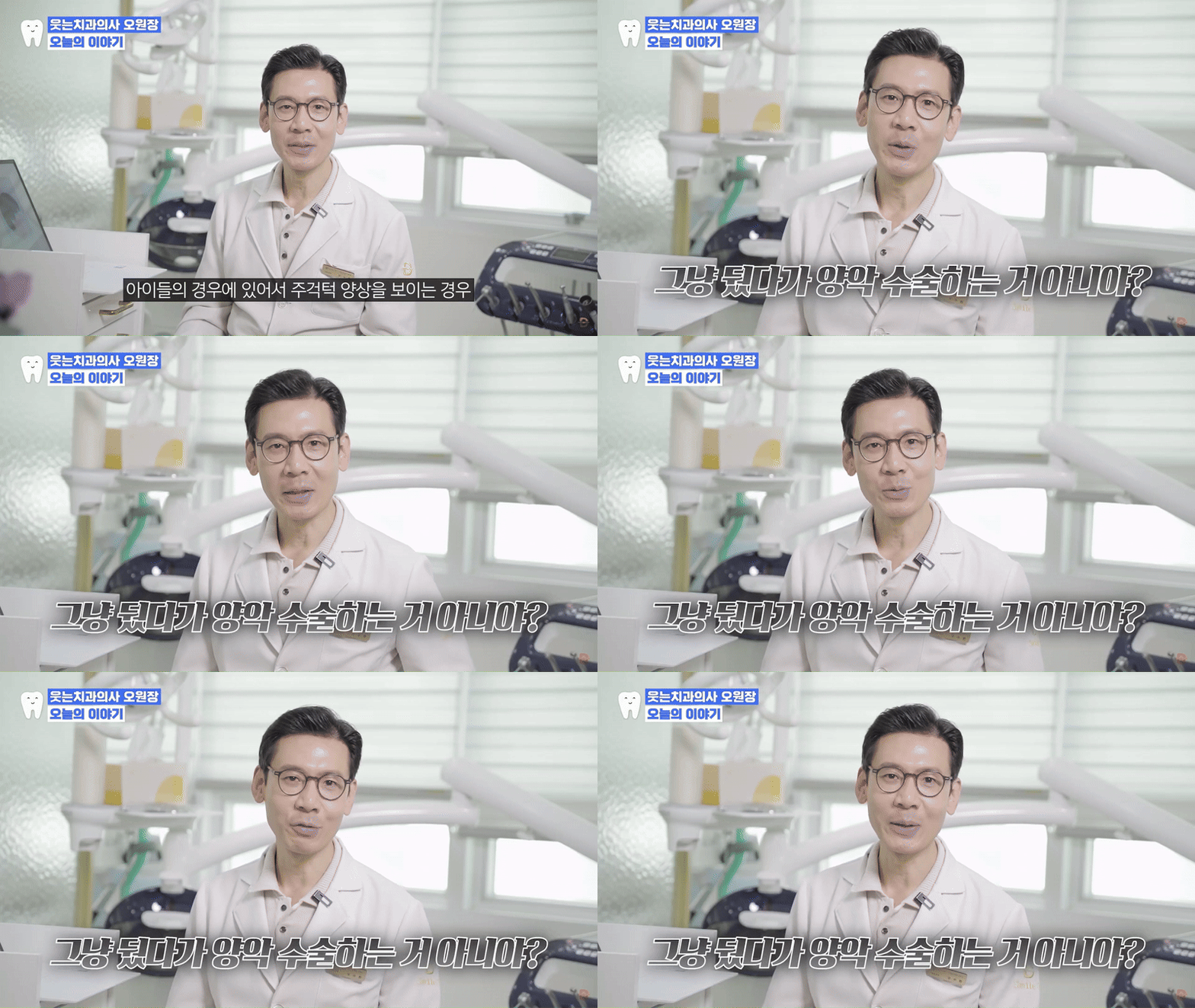
Prognathism and underbite correction
After many years of consultation, one thing I came to feel was that in orthodontic treatment for growing children, “timing” is ultimately the key factor that determines the treatment direction. This does not mean I am trying to guarantee the treatment effect; rather, it means that the natural flow of growth is deeply woven into the treatment plan. The position and growth rate of the jawbones, and the balance between the upper and lower jaws, could not be judged by the teeth alone, and whether the child was still growing became a major criterion in deciding the treatment method.

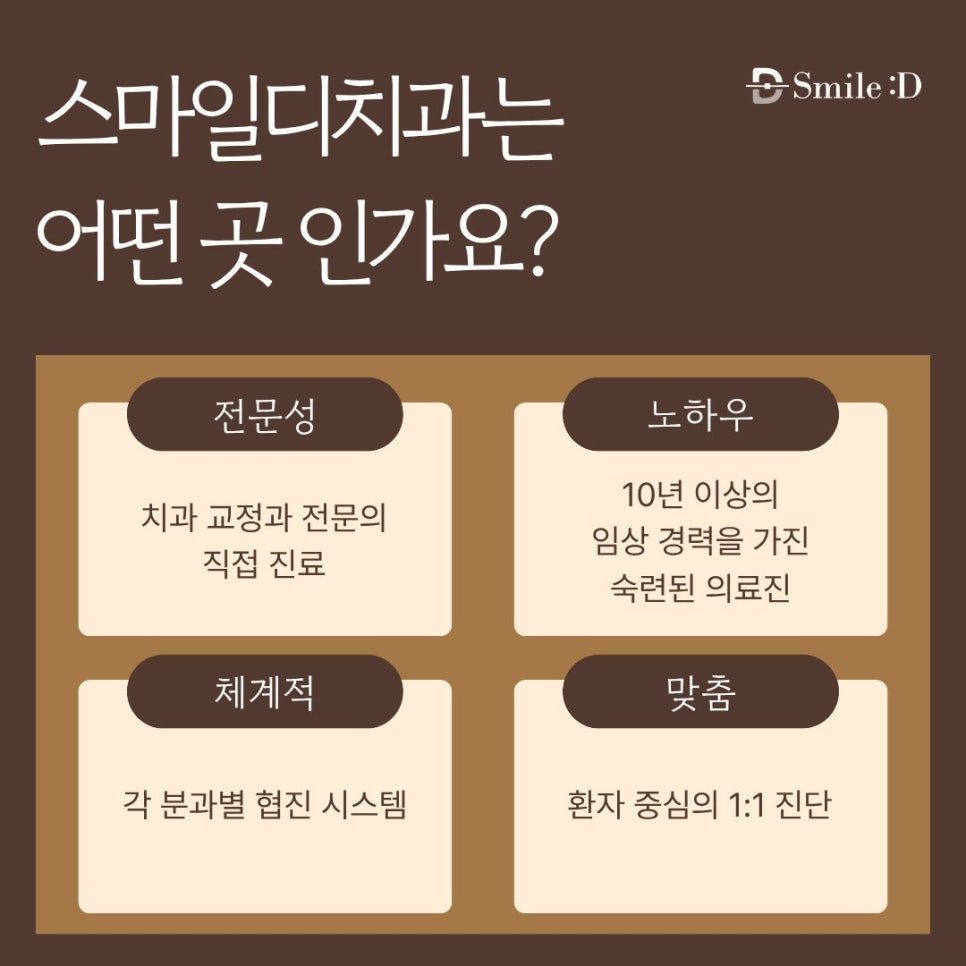
Collaborative care system by department-specific specialists
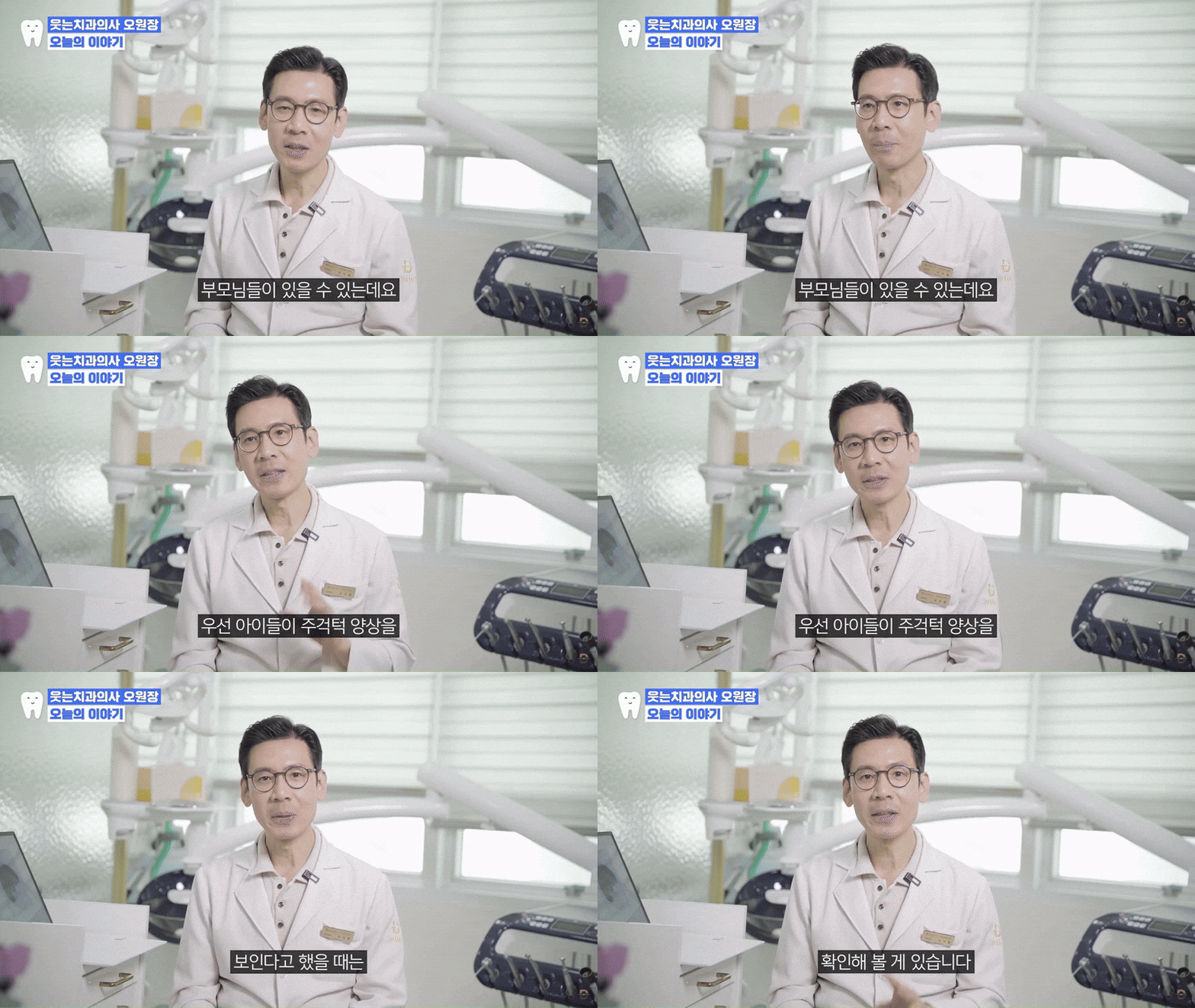
Guardians’ concerns
- Why growth-stage treatment is hard to avoid considering
Among children’s malocclusions, an underbite is often related to insufficient growth of the lower jaw. During growth, changes in the jawbones happen naturally, so how we make use of the remaining growth inevitably affects the treatment plan. If the bones are still flexible, it may be possible to control excessive upper-jaw growth and slightly guide the growth of the lower jaw, which is a strategic decision based on growth characteristics.
Parents often asked, “Will it get better if we start now?” but I always had to check the child’s stage of growth first. If treatment starts too early, it may be difficult for the child to wear the appliance, which can reduce cooperation. On the other hand, if it starts too late, it becomes difficult to make use of the remaining growth, so careful judgment is unavoidable. That is why I felt growth-stage orthodontic treatment is not simply about starting treatment “earlier,” but about deciding the “direction” of treatment.

Smile Complete explanation
In children’s malocclusion, underbite often involves both skeletal jaw problems and tooth alignment problems at the same time. So the overall treatment naturally took on a structure divided into two stages.
✔ Stage 1: Jaw growth control
During the mixed dentition stage, which is the elementary school period, the focus was on controlling jaw growth. More important than tooth alignment was looking at the position and growth direction of the jaws, and the child also needed to be guided to naturally understand why treatment was necessary. The wearing period for the appliance varied depending on the child’s lifestyle pattern and level of cooperation, but a habit of consistently wearing it often helped improve treatment stability.

Self-diagnosis for prognathism
✔ Stage 2: Aligning the teeth
When most of the permanent teeth had settled into place, we planned precise tooth movements. In this stage, the teeth had to be finely adjusted so that their alignment matched balance and function, so a more detailed approach was required than before. Parents often felt that treatment at this stage looked more like “orthodontic treatment” in the usual sense.

- Possible combined treatment when starting late
Sometimes patients would come in after most of the permanent teeth had erupted. Parents worried, saying, “Isn’t it too late?” but I would first check how much growth remained. If there was still a little growth left, stage 1 and stage 2 could sometimes be carried out in part at the same time. Through this, we could balance the jaws to a certain extent while also working on the alignment, and in such cases careful observation was often necessary.
When considering combined treatment, I explained in enough detail whether the child could continue using the appliance consistently and how precisely growth changes needed to be tracked. There was no need to conclude based only on the fact that treatment started late, and the important criterion was whether the remaining growth could be used to the fullest extent.

- Why the overall treatment period seems long
The part parents found most burdensome was that the treatment period felt long. In reality, if both stage 1 and stage 2 are completed, the overall duration can only seem long when viewed purely as a matter of time. But within that period, there were times of active treatment while wearing appliances, as well as time spent observing growth.
The observation period was not simply about passing time; it was part of understanding the child’s growth pattern accurately. Jaw growth does not move at a fixed pace, and some children show little change for a certain period and then suddenly experience a large growth spurt. So when I heard parents describe the process as “taking a long time,” I would often talk with them about how that time should be understood.
- Why cooperation and motivation are important
In childhood malocclusion treatment, when there is a stage that requires wearing appliances, the child’s cooperation is often directly connected to results. If a child is too young, it may be difficult to understand or manage the appliance, and treatment may not go smoothly. On the other hand, once the child reaches a stage where they can understand the explanation on their own to some extent and accept the need for the appliance, the treatment process becomes much more stable.
Children become motivated when they can feel their own changes, and at that point treatment tends to stabilize. That is why it also helps a great deal when parents explain the treatment process in language the child can understand. Orthodontics is not simply a process of moving teeth; it is a process of respecting the natural flow of growth, so cooperation plays a role in stabilizing that flow.
During consultations, similar questions always came up. Questions like, “Is it really okay to start now?”, “Isn’t it already too late?”, and “Won’t it be too hard?” were common. I could not guarantee the outcome of treatment, but I felt it was important to guide families toward the most realistic direction based on the child’s growth stage and jaw condition.
Orthodontics is a treatment that views a child’s growth as one process. It may require time, and it may require observation, but that also means there is room to calmly focus on the child’s changes.

Underbite orthodontic treatment

Medical law information image









 Previous image
Next image
Previous image
Next image









Previous image
Next image






Previous image
Next image