
Laminate guide image
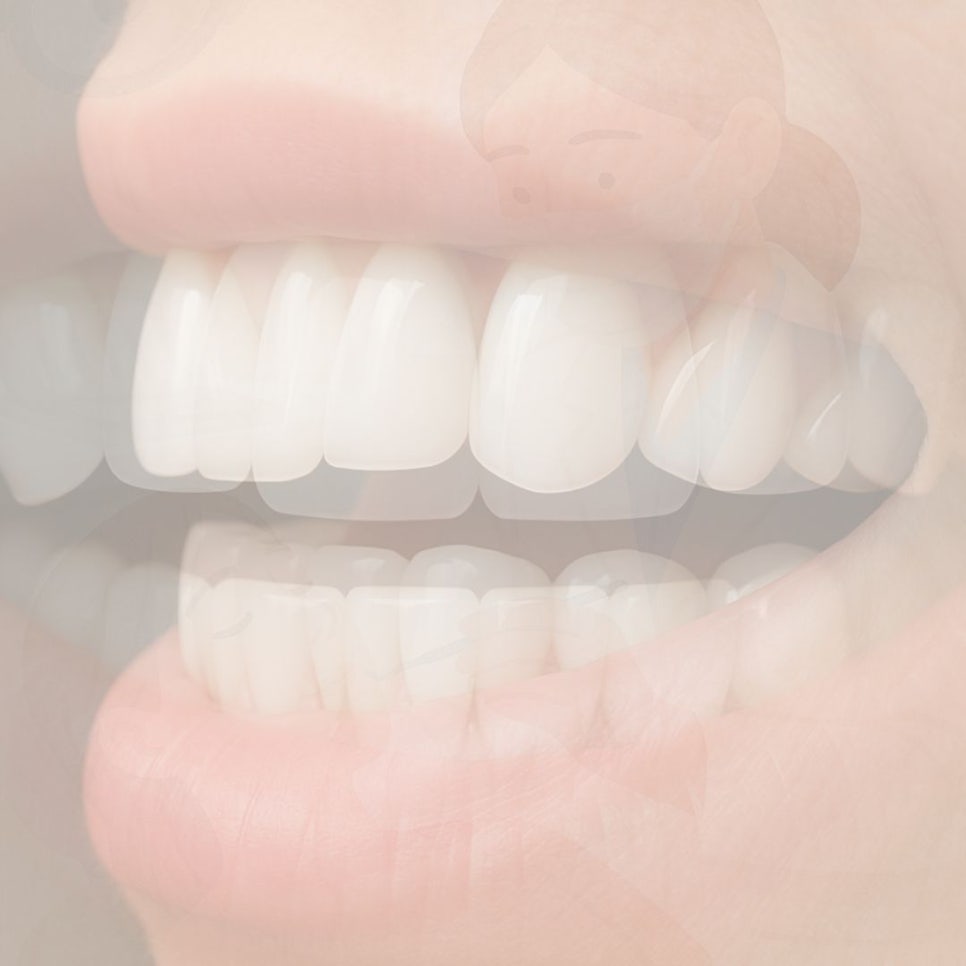
Recently, the number of people looking for no-prep laminate procedures has noticeably increased.
As the limits of repeated whitening, the burden of orthodontic treatment, and the desire for faster aesthetic improvement have grown,
interest in “ceramic procedures that minimize tooth reduction” has naturally increased as well.
However, since this is a procedure with very large individual differences, it is difficult to decide based on reviews alone,
so I organized the information based on what was commonly confirmed during actual consultations.
- Why no-prep laminates are gaining attention these days
Looking at real cases, the common concerns among visitors were similar to the following.
-
In cases where whitening was repeated several times but staining returned quickly
-
In cases where the color and shape of the front teeth were unbalanced, causing stress when taking photos
-
In cases where orthodontic treatment is difficult to choose due to the time burden
-
In cases where they want to clearly understand the differences in minimally invasive treatment methods
Two questions that came up especially often were these.
“Is the reduction really 0%?”
“Won’t it look thick?”
In reality, there were also cases that required about 0.1 to 0.3 mm of surface polishing.
(※ This varies depending on tooth protrusion, bite, and shape.)
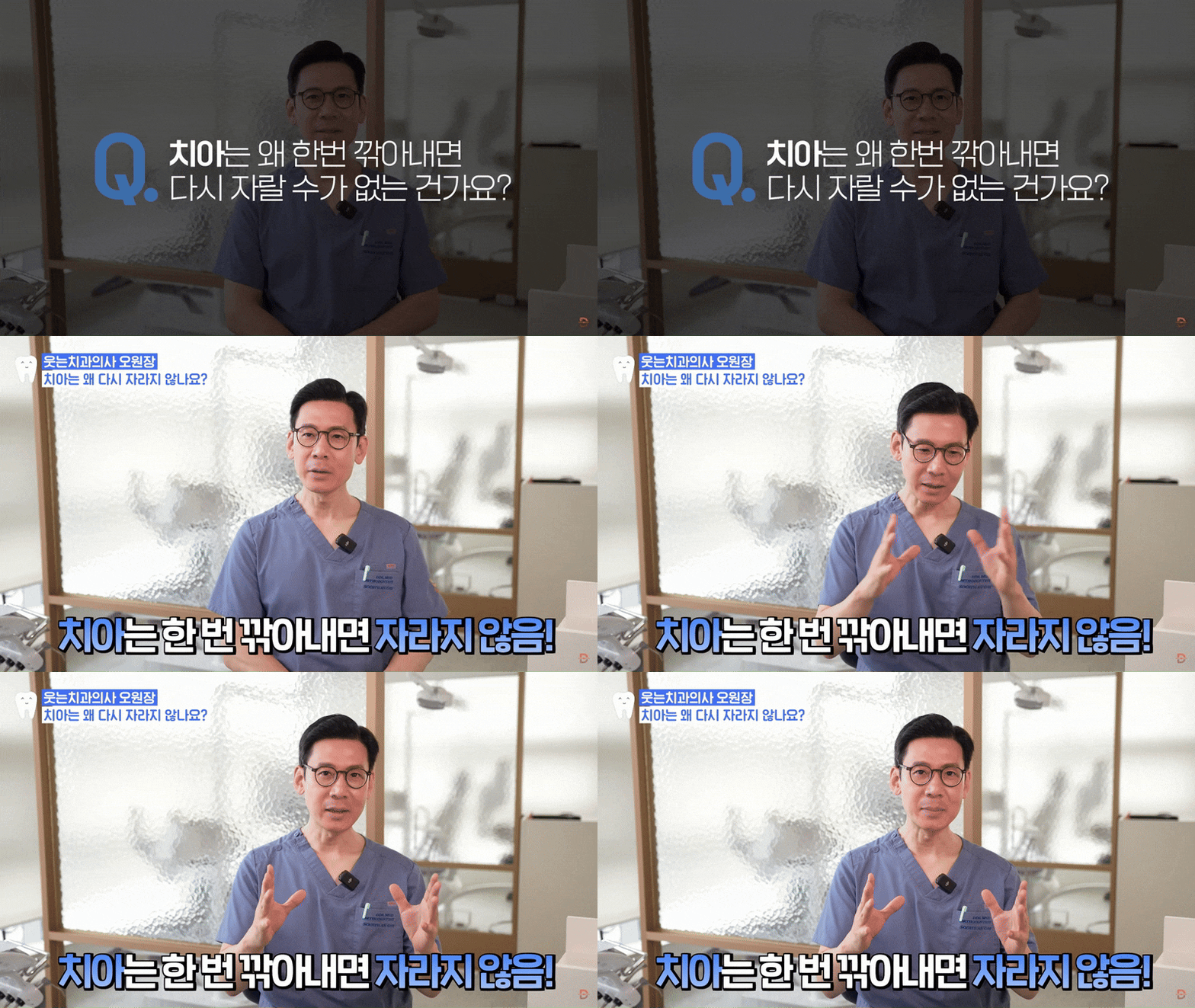
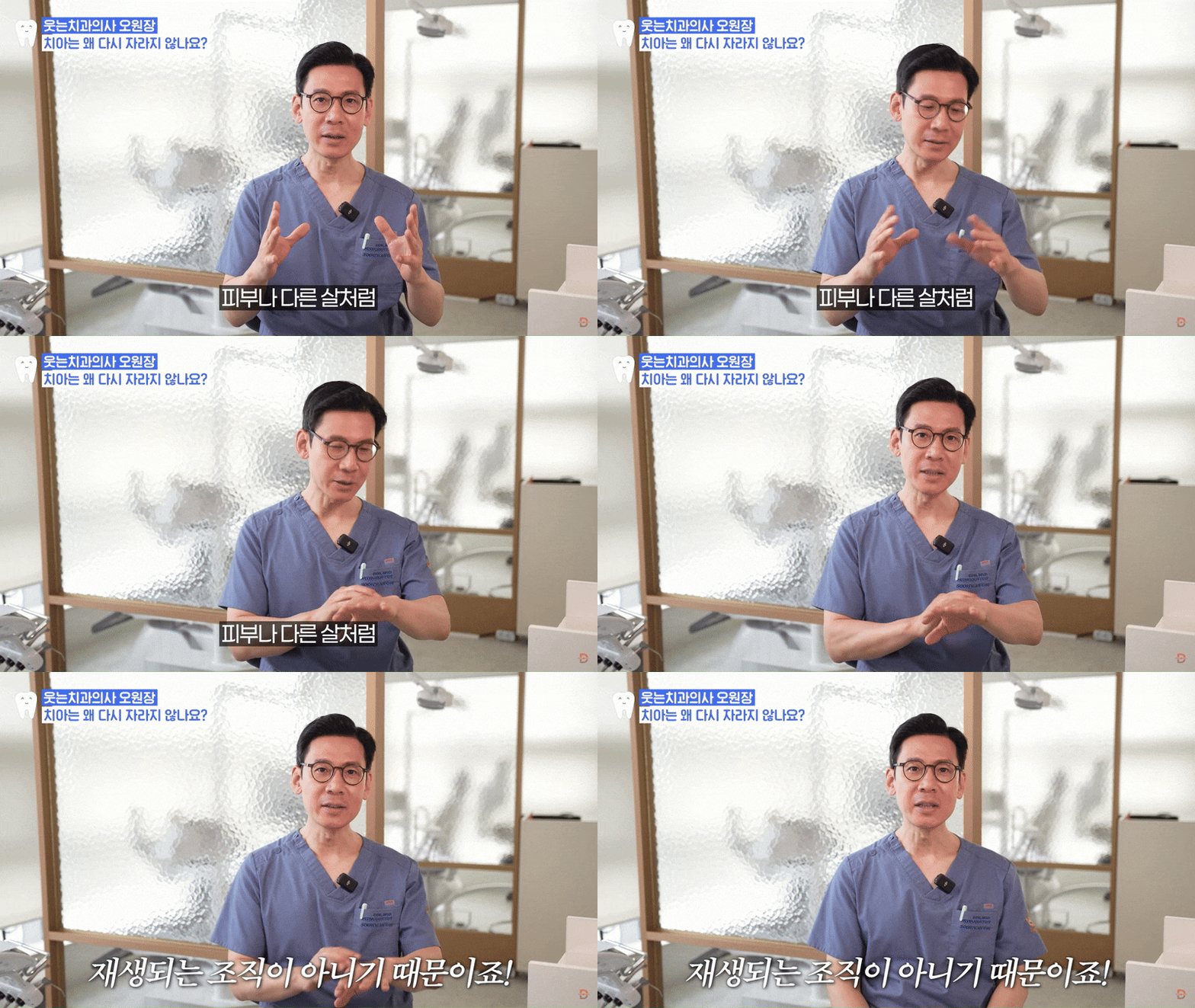
Once teeth are shaved down, they do not grow back
- Criteria to check during consultation and diagnosis
Because each clinic’s guidance standards differ slightly,
comparison consultations tended to make the differences clear.
The diagnostic factors commonly confirmed during actual consultations were as follows.
Checking tooth data through a 3D scan (such as iTero)
Digital simulation
Checking the gum line and bite
Whether the amount of reduction is possible based on tooth shape and degree of protrusion
Calculating the required number of units (be cautious of recommendations that are too many or too few)
Because of this process, most people shared the opinion that comparison consultations at 2 to 3 places were necessary.
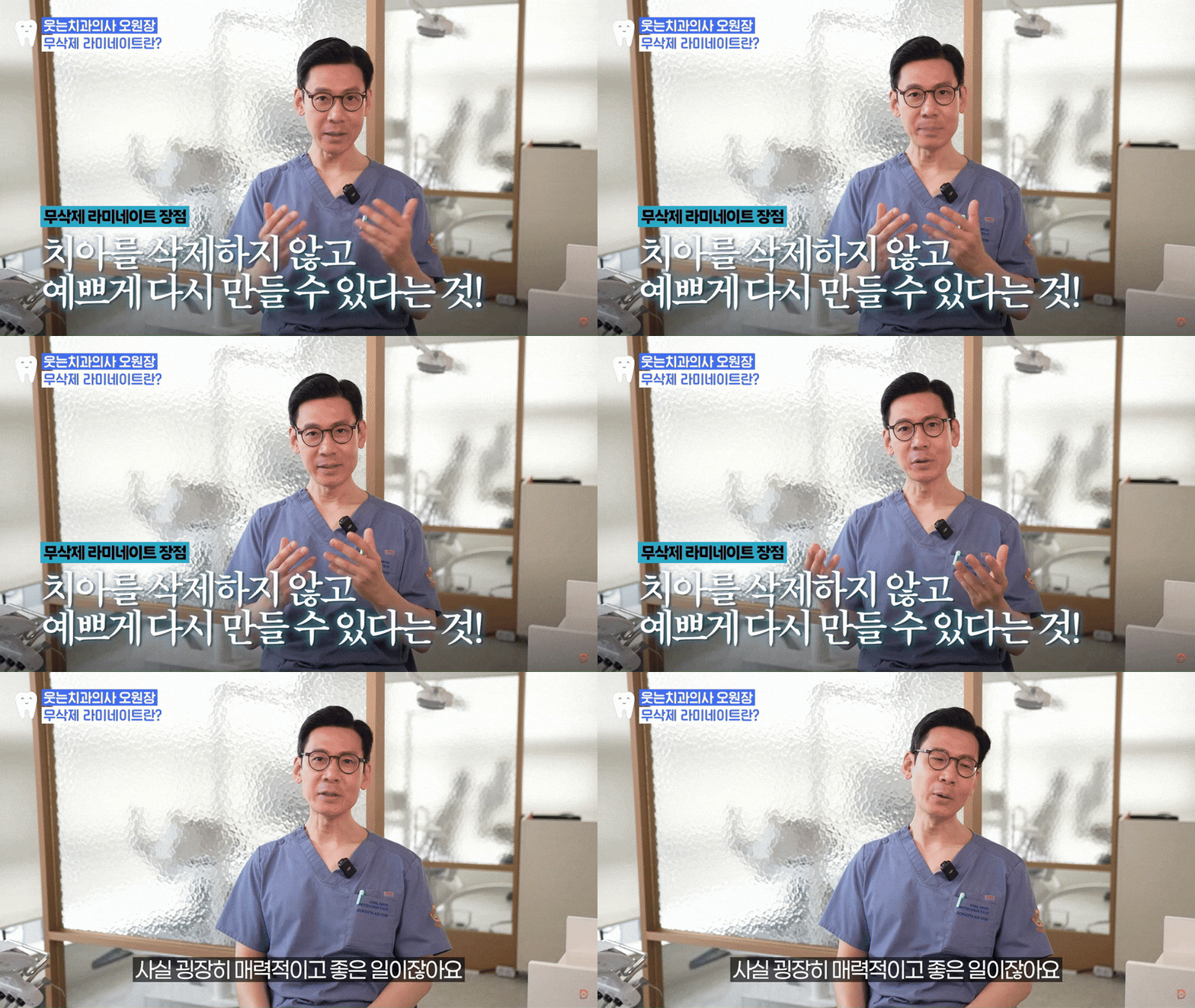
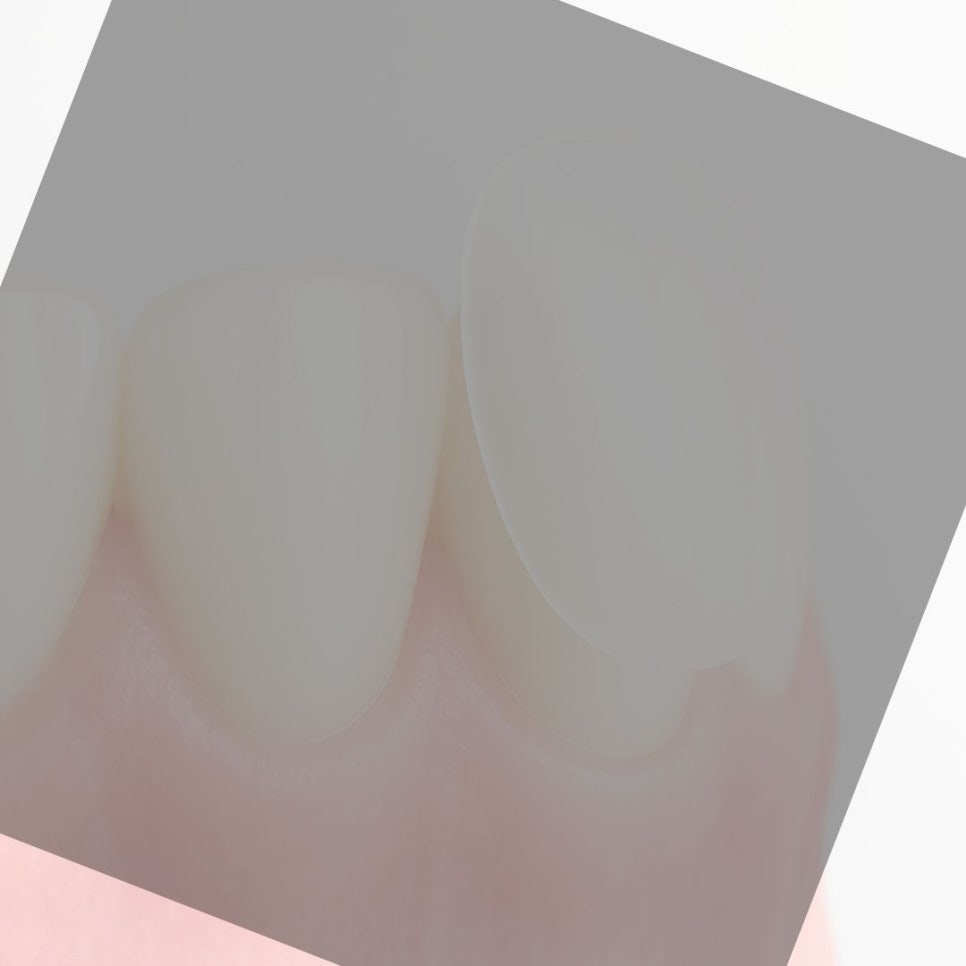
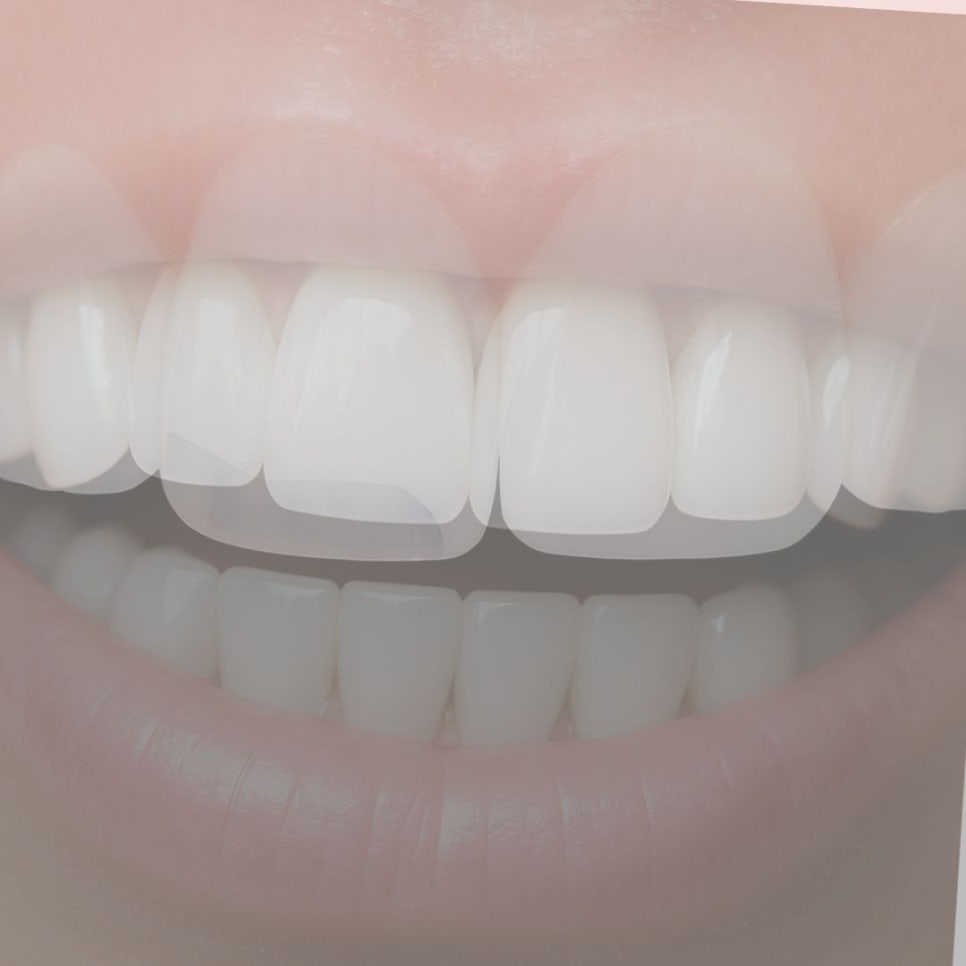
The advantage of no-prep laminates is that they can make teeth look better again without reducing the teeth
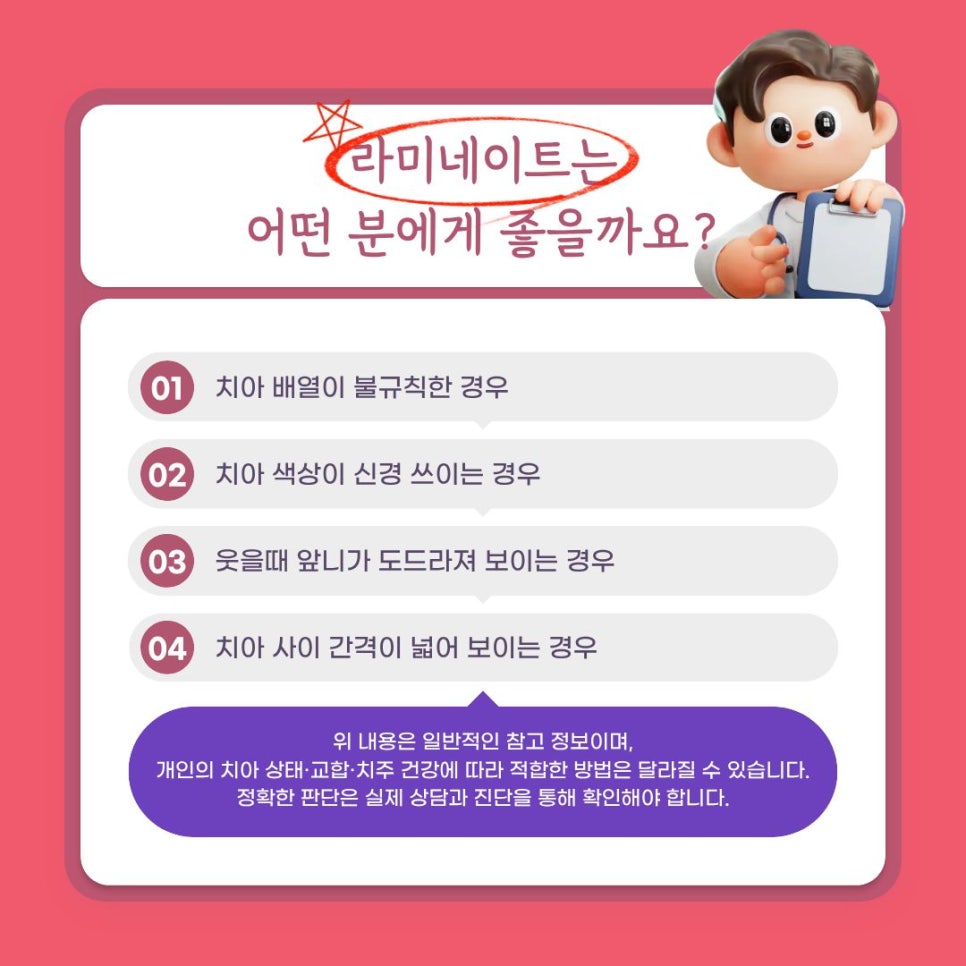
Recommended for these people
- Common patterns that often appeared in the no-prep laminate procedure flow?
Most no-prep laminate reviews showed a similar process flow.
Minimal polishing only where needed
-> Design created based on 3D data
-> Ceramic fabricated to match the individual teeth
-> Color, tone, and bite checked after placement
In many reviews, reactions such as “Anesthesia was often not needed”
and “There was almost no pain during the procedure” continued to appear.
Written in compliance with the Medical Service Act.
I organized the changes that were mentioned most often in real no-prep laminate reviews.
Temporary changes in pronunciation
A slight foreign-body sensation in the tongue and lips
Food getting stuck between teeth
Sensitivity to cold
Changes in initial sensitivity
Most people showed a pattern of naturally adapting within 3 to 14 days.
I also organized the parts that helped with early care.
Avoid hard foods
Be careful with staining foods
Use interdental brushes and a water flosser
Maintain a regular brushing routine
Dental clinic introduction image
- Maintenance care is the key that determines long-term results
The part that was commonly emphasized across many cases was “care.”
Even with this method, the level of difficulty in maintaining no-prep laminates was not low.
📌 Care factors often mentioned for long-term maintenance
Use toothpaste with fewer abrasives
Scaling every 3 months
Interdental brushes and a water flosser
Night guard
Care after consuming staining foods
Regular checkups
There were also opinions that some cases had been maintained for over 10 years with consistent care.
It is not a tissue that regenerates like skin or other flesh

Smilenate comparison
- These people chose it especially often
Color concerns that cannot be solved with whitening
Cases where the shape and proportions of the front teeth are irregular
Cases where a quick aesthetic improvement is desired without orthodontics
People who prioritize minimal reduction
People who prefer a natural-looking ceramic expression
However, since it is not the right answer for everyone,
it was necessary to have a diagnosis based on the individual condition → design simulation → comparison consultation.

Specialist collaboration system by department




Previous image
Next image







Previous image
Next image



Previous image
Next image