

From the start to the decision


I organized it carefully
- The first step that led to interest in no-prep laminate recommendation
The path to looking up information about no-prep laminate recommendation usually begins with an experience where a certain area looked unnatural when smiling. When you repeatedly feel that people’s eyes are drawn to you in photos or in everyday conversations, you end up comparing ways to improve it. There seem to be many options, but in reality you have to consider surface preservation, overall changes in appearance, and whether it can be adapted to daily life, so many people said it was not easy to decide. Various stories heard from people around them also made judgment more complicated, and the search for a direction that could reduce procedural burden while still promising a natural balance continued steadily. In many accounts, it was repeatedly mentioned that an approach is needed that first understands structural characteristics and individual conditions. Based on these early concerns, a full comparison review was often carried out.
Your front teeth may be bothering you
We complied with medical law
- Common flow in consultations
Looking at cases where people experienced consultations at multiple institutions, there were many stories that the criteria for adjusting brightness, the way shape adjustments were handled, and the explanation of the fabrication process were slightly different. At one place, they focused on aesthetic factors, while at another they guided based on functional stability, making it hard to establish comparison criteria. In no-prep laminate recommendation consultations, the importance of a design direction suited to individual structure and harmony in overall proportions was emphasized in common. Many said that the depth of the explanation and the way it was delivered differed by institution, so it was important to check whether enough explanation was provided. As people gained more consultation experiences, the flow of information became more organized, and in the end the decision-making criteria became clearer. There were also cases where direct comparison helped because each institution emphasized different points for the same items.
Points to watch during the procedure
- Factors considered in the decision process?
In the process of finalizing the direction, the scope of surface preservation, the delicacy of the adjustment stage, and the transparency of the fabrication procedure were reviewed as key factors. Through explanations that the applicable range may vary depending on individual conditions, it was emphasized that accurately understanding the actual condition is necessary. Many also said that whether step-by-step adjustments are carried out precisely has a major effect on overall stability and natural appearance. Cases were continually mentioned in which checking whether the guidance system is sufficiently prepared, and whether the necessary information is conveyed clearly and in an easy-to-understand way, was linked to a stable choice. The more transparently the procedure was explained, the less pressure people felt during the decision-making process. In particular, there was also analysis that the consistency and specificity of the explanation had a significant influence on the choice.
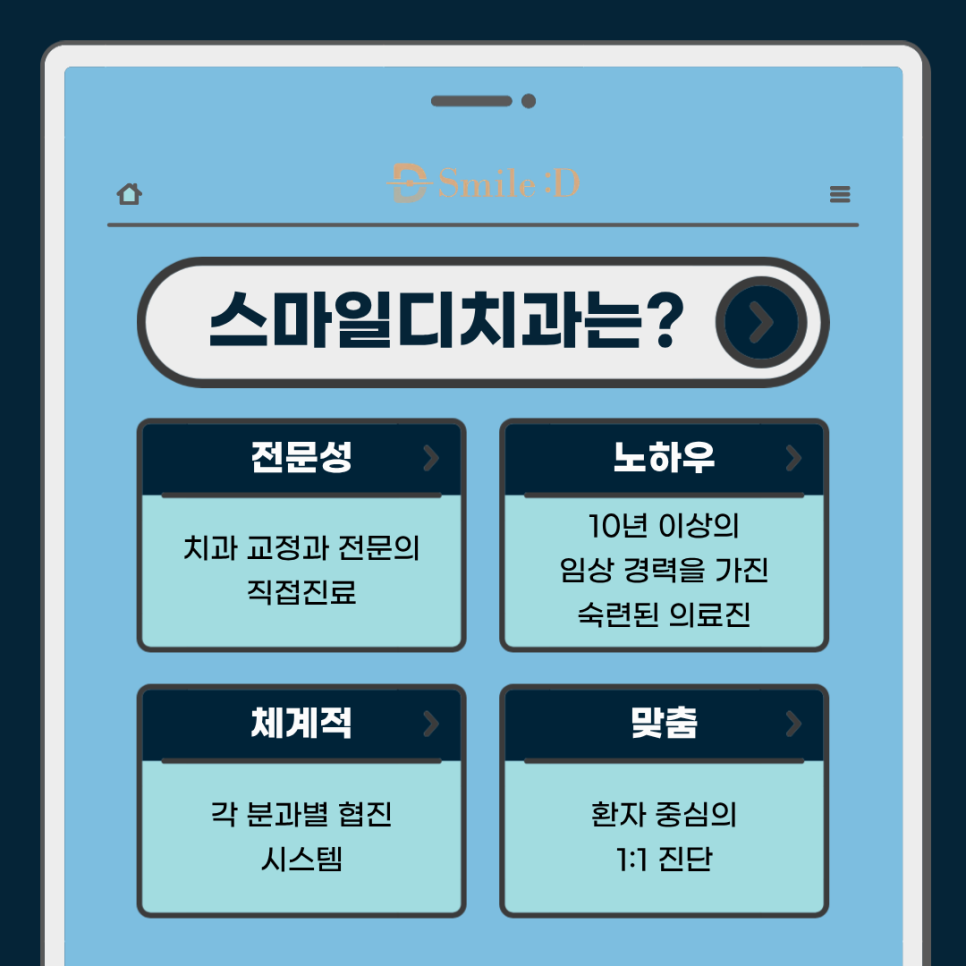
Introduction to SmileD
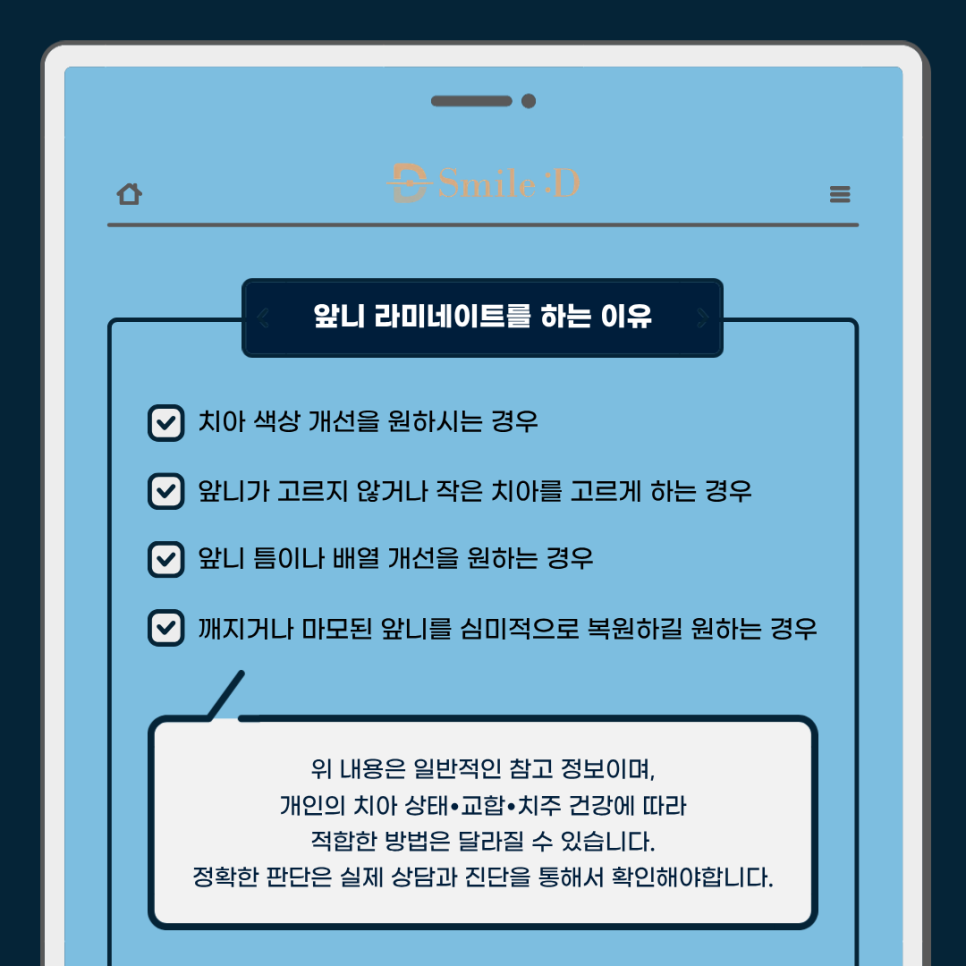
Why the front teeth are treated
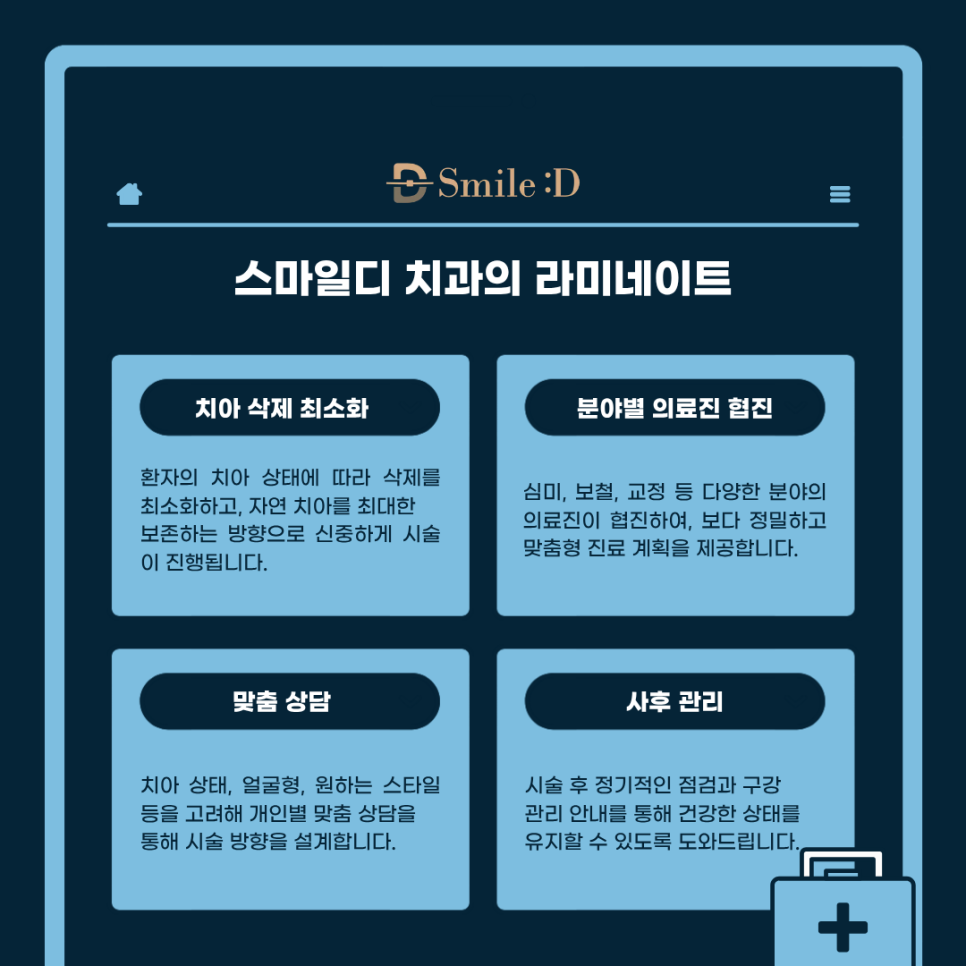
Personalized consultation
- Impressions left on the day of the procedure
Looking at the experience on the day of the procedure, many said that the preparation process was relatively simple, which reduced their tension a little. The procedure itself was generally not long, and when they checked the initial shape in the mirror, evaluations repeatedly appeared that it naturally connected with their everyday appearance. In cases related to no-prep laminate recommendation, many also explained that during the early adaptation period they experienced slight awkwardness in pronunciation or while eating. However, these changes tended to ease over time, so the initial discomfort quickly decreased. As facial expression use gradually stabilized, the initial unfamiliar feeling also naturally diminished, and the speed of getting used again to daily activities was faster than expected. Many also expressed that the visual change immediately after the procedure felt natural.
In a direction that minimizes damage to the teeth
Regain confidence when you smile
- Changes felt during the adaptation process
The adaptation process varies from person to person, but many cases said it stabilized in about two weeks. Discomfort in facial expressions and everyday movements decreased, and the initial concern about brightness choices was naturally accepted over time. There were also opinions that the adaptation flow they had encountered while looking for no-prep laminate recommendation information was almost identical to the actual experiences shared. Repeatedly, people said that the sensations in daily activities gradually became smoother and their lifestyle patterns naturally recovered. Overall, as time passed, the initial unfamiliarity decreased and stability increased, which appeared as a common trend. In particular, the fact that the discomfort with pronunciation and eating gradually decreased was mentioned in many cases. The overall adaptation speed was often also evaluated as faster than expected.
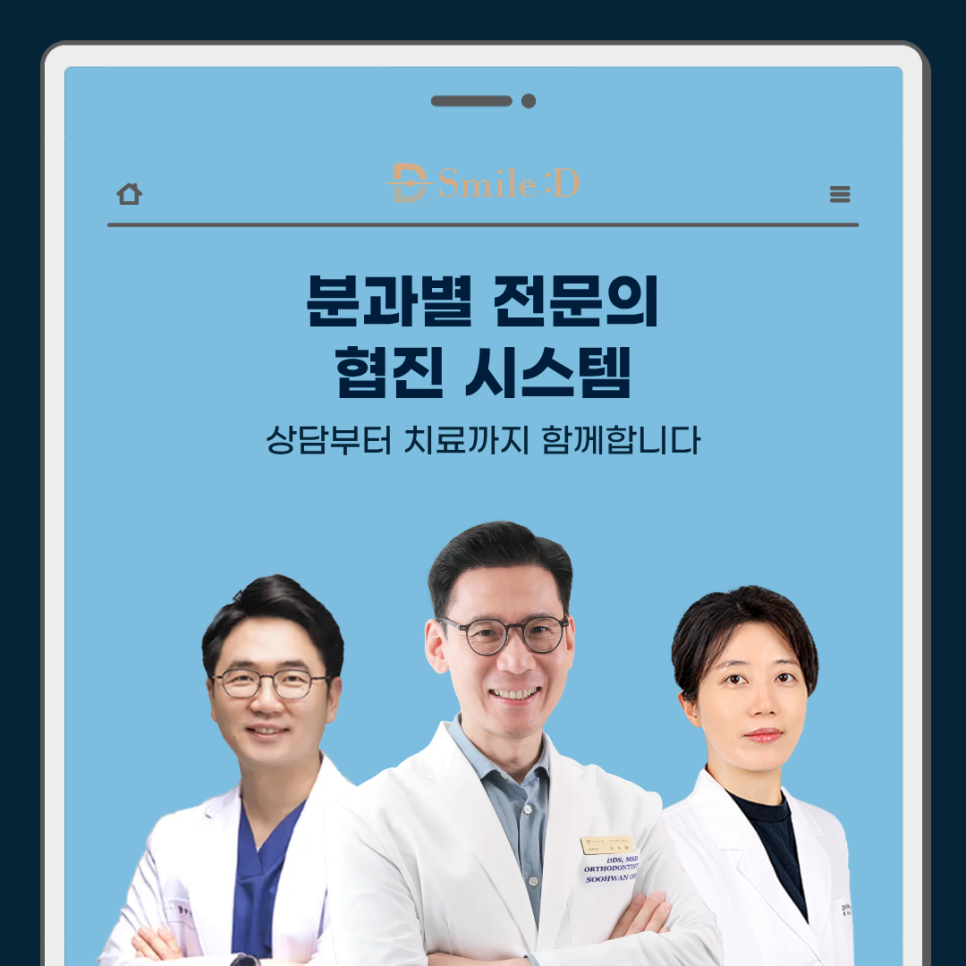
We are with you from consultation to treatment

Designing a beautiful smile
- Long-term management and advice
In many cases, the opinion that management is especially important for long-term satisfaction was repeated. Receiving regular checkups was a common approach to keeping the surface stable, and many people also reported being careful when eating foods that are likely to stain. Although management methods felt unfamiliar at first, over time they naturally became a habit. When considering the no-prep laminate recommendation direction, it was emphasized that not only short-term changes but also the possibility of long-term maintenance should be examined together. Evaluations that satisfaction was higher when decisions were made after comprehensively reviewing individual structure and lifestyle patterns were also frequently mentioned. There were many cases suggesting that the more the approach was based on realistic expectations, the more it led to positive long-term experiences. Analyses also continued to indicate that consistent management greatly contributed to maintaining stability.
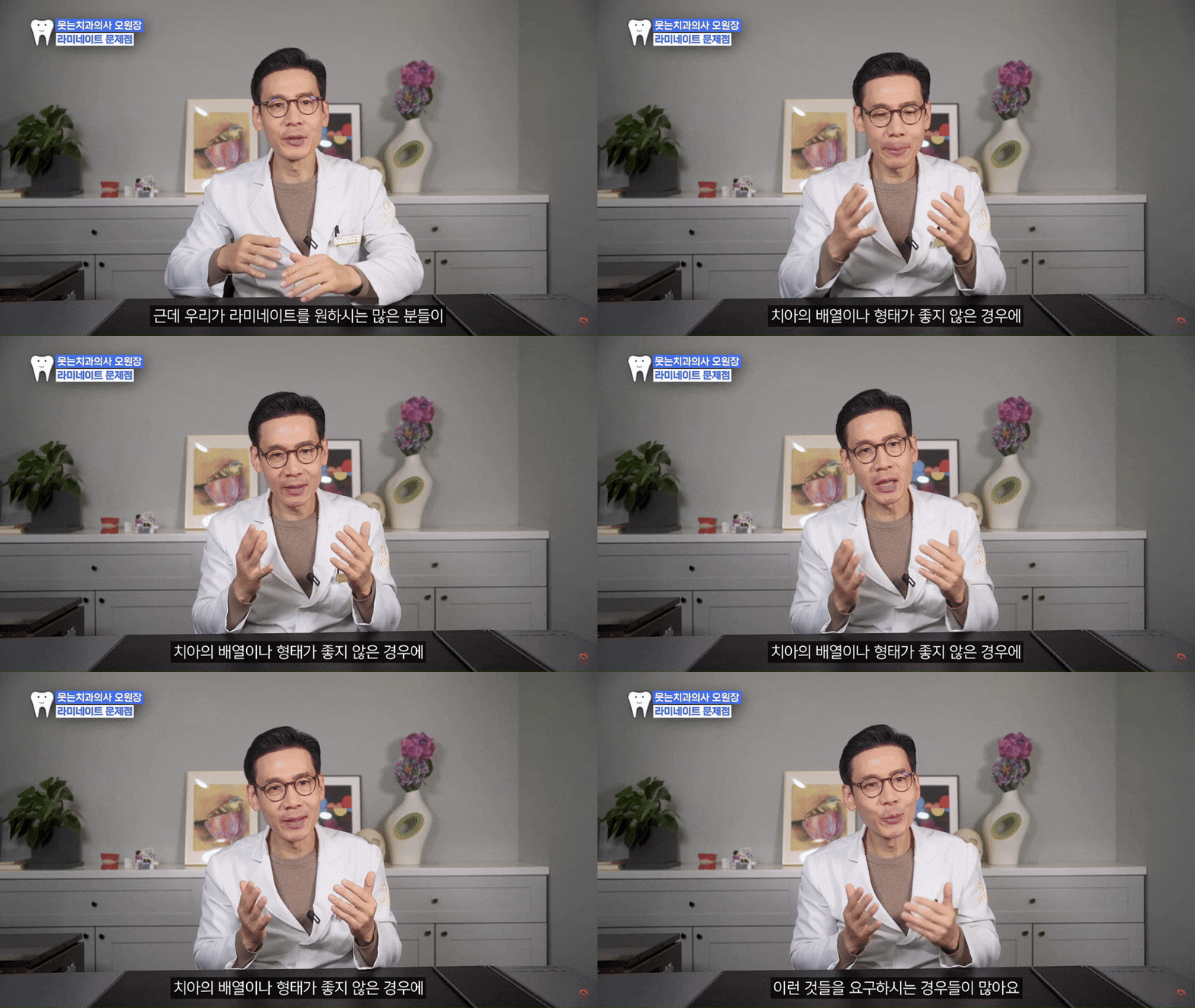
These are the things they mainly talk about










Previous image
Next image










Previous image
Next image








Previous image
Next image