



Previous image
Next image
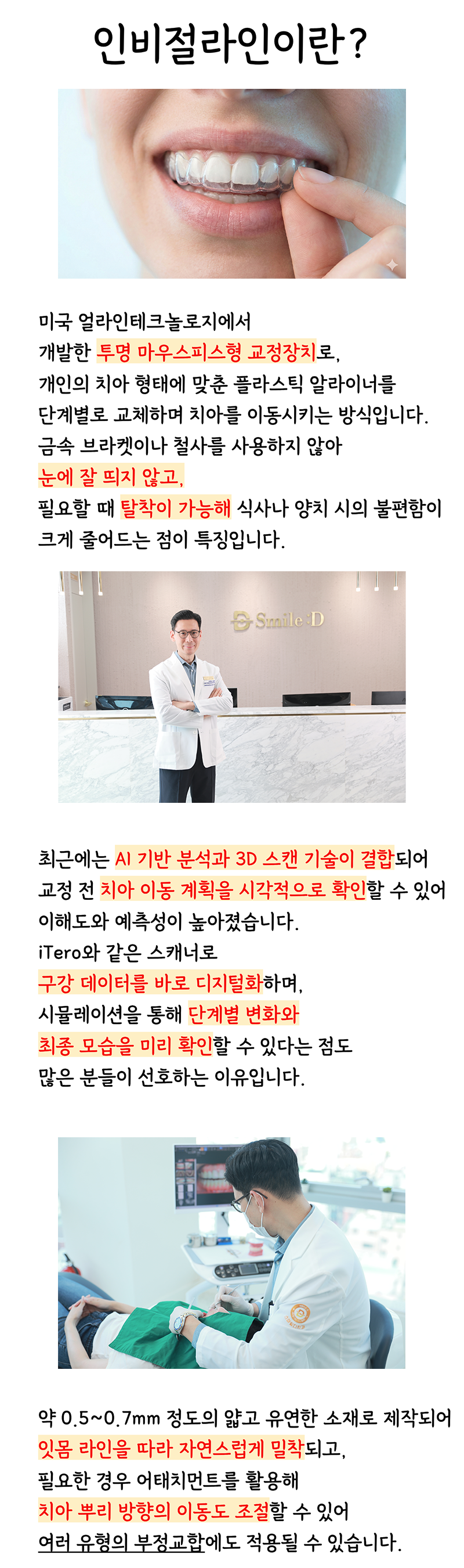
- Questions and the need that arise during Invisalign retainer wear
After orthodontic treatment, you are told that regular care is needed so the teeth do not shift back out of alignment.
At first, you may feel that there are no major changes,
but as time passes, small shifts can accumulate, and some people experience a different feeling of use than before.
In various situations like these, people become curious about what standards should be used for retention care,
look for information, and naturally become interested in how to manage it.
For this background, many people start looking into Invisalign retainers.
- Why a detailed diagnosis is the foundation of a retention plan for Invisalign retainers
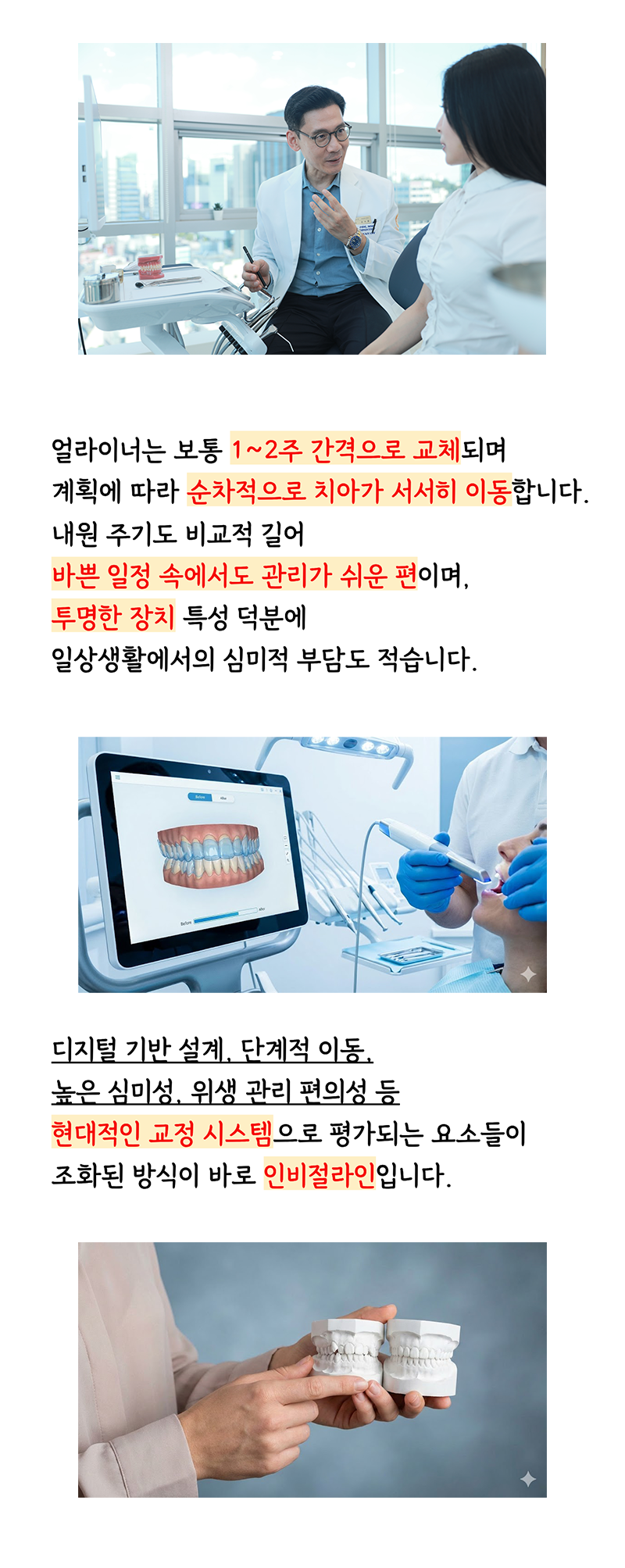
During the retention stage, there are many factors that cannot be seen, so it is difficult to judge the condition from appearance alone.
Imaging data and scanning processes are used to accurately check alignment flow, spacing changes, and the balance of surrounding structures.
This information is an important basis for predicting future changes and helps organize the necessary care direction.
By confirming the structures around the teeth through a detailed analysis, it becomes possible to determine what flow the retention method should follow.
Even with the same process, the depth of care needed differs depending on the individual's condition,
and the 기준 for which method is appropriate may also change.
Understanding this point shows that Invisalign retainers are not simply a matter of choosing a device,
but a process determined through analysis.
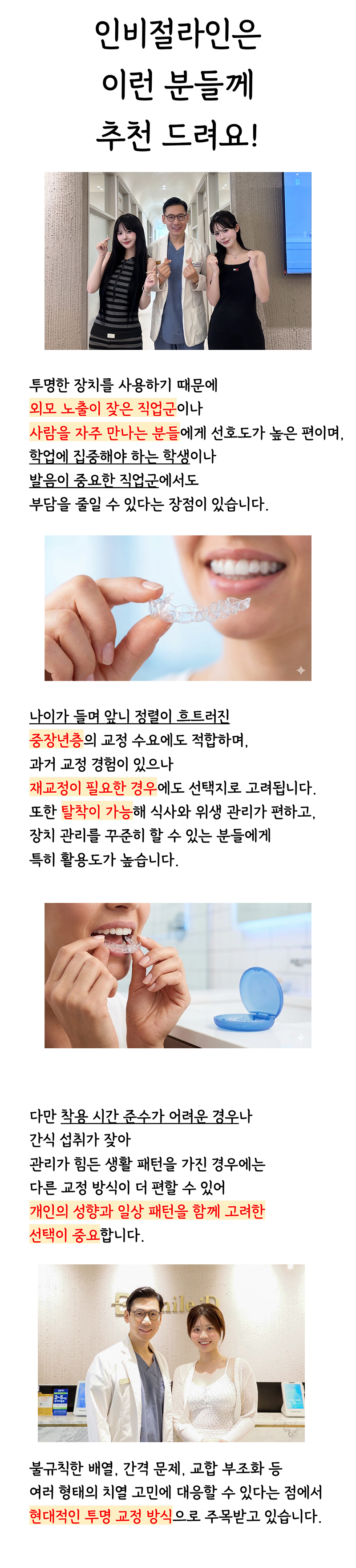
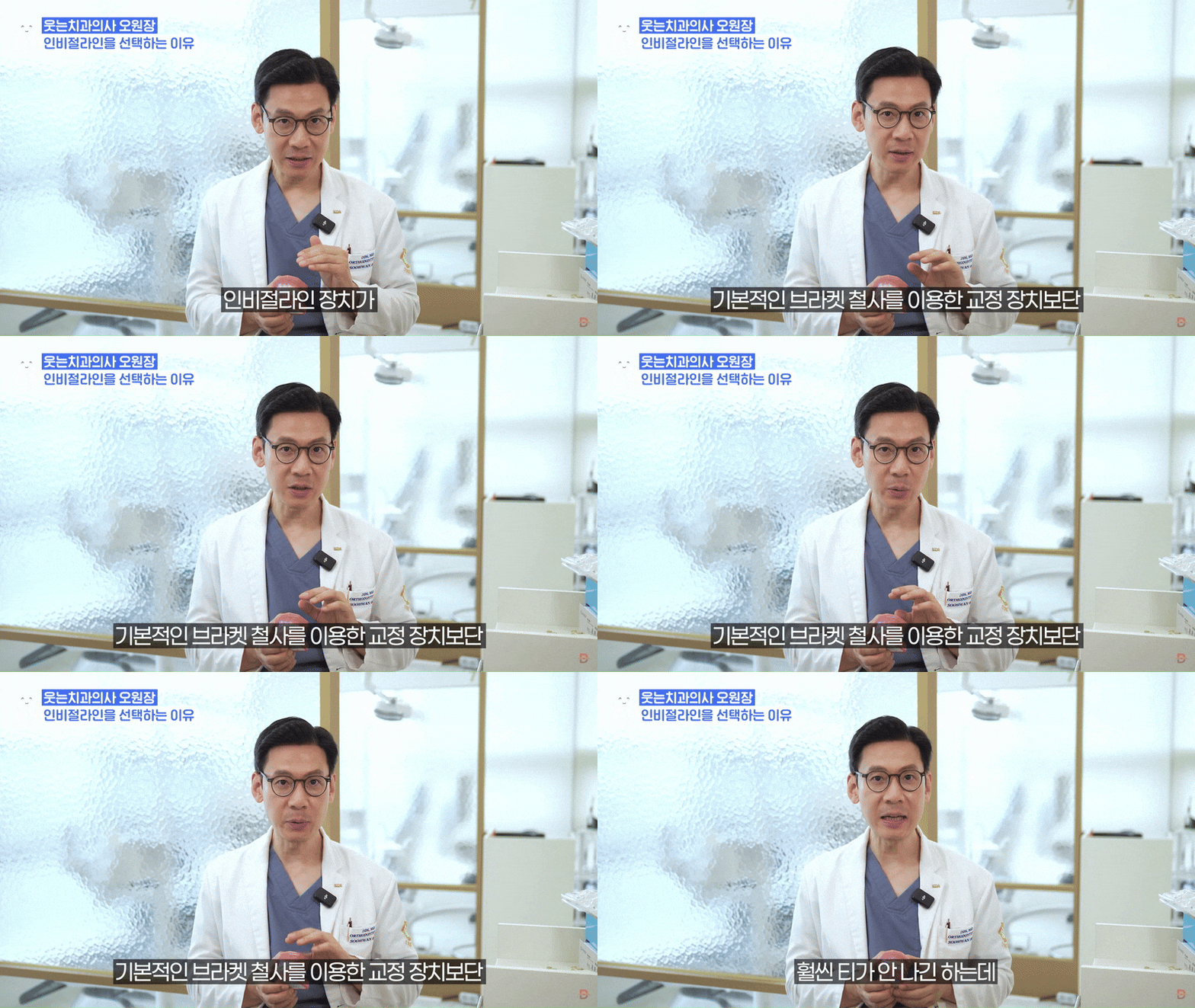
- Differences in the various retention methods and selection criteria for Invisalign retainers
To stably maintain alignment after orthodontic treatment, several methods may be used.
Depending on how they are used, they are divided into fixed and removable types, and each has different characteristics and roles.
A fixed type is explained as a structure that supports alignment by dispersing force at a set position,
and its advantage is that you do not have to worry about whether it is being worn. On the other hand, surrounding care may be needed, so some caution is required.
A removable type is introduced as a structure that maintains alignment by being worn for a certain period of time,
and while it places less burden on appearance and makes it easier to adjust the use flow, the wearing time must be consistent, which is considered important.
Because these two methods each have different advantages depending on the situation,
lifestyle patterns, usage habits, and occlusion flow are considered together to determine the most suitable direction.
There is no concept that one method is absolutely superior; a combination that fits the individual's conditions is needed.
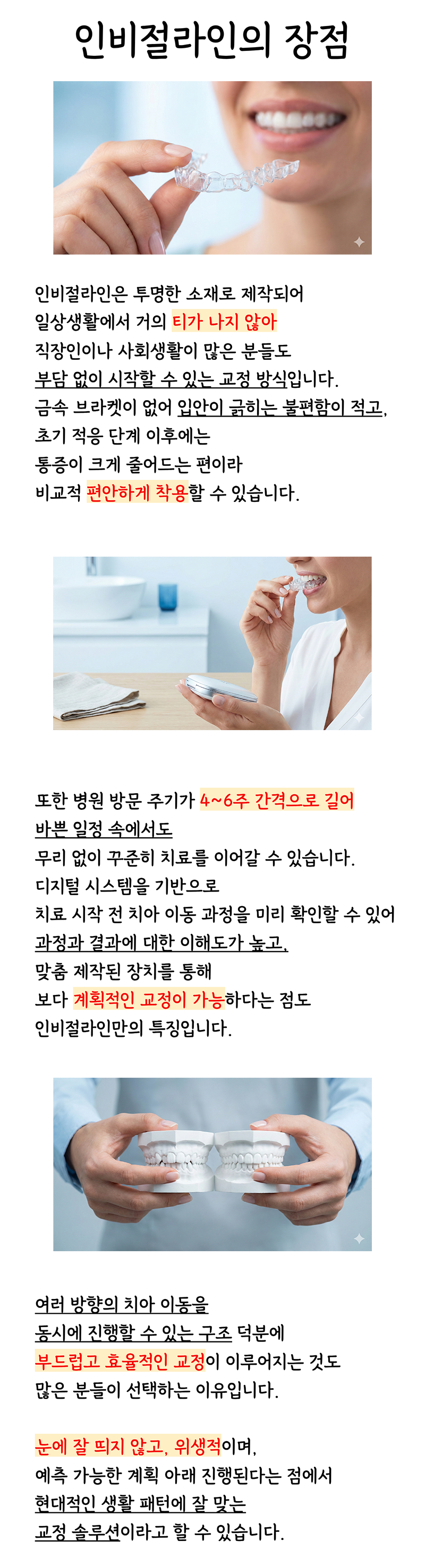

- Step-by-step explanation to understand the actual application flow
Retention care is much easier to understand when organized into several steps.
The first step is to check whether there are any changes in alignment or spacing.
If even a slight change is detected at this stage, it becomes the 기준 for adjusting the later flow.
In the second step, the usage type and lifestyle pattern are organized to set the necessary scope of care.
In the third step, changes are checked over a certain period and adjustments are made so that the overall flow can remain stable.
These steps are a general flow that anyone may go through,
and there is no need to feel that they are exceptional.
It is also common for wearing time to differ when lifestyle patterns are not consistent,
and situations in which small spacing changes repeat may also occur.
These changes are explained as a natural process,
and the necessary adjustments are made based on them.
When you understand this process, you naturally come to see that retention care is not simply about wearing a device,
but a process of controlling the flow of change.
- Invisalign retainers: care elements to pay attention to during the duration
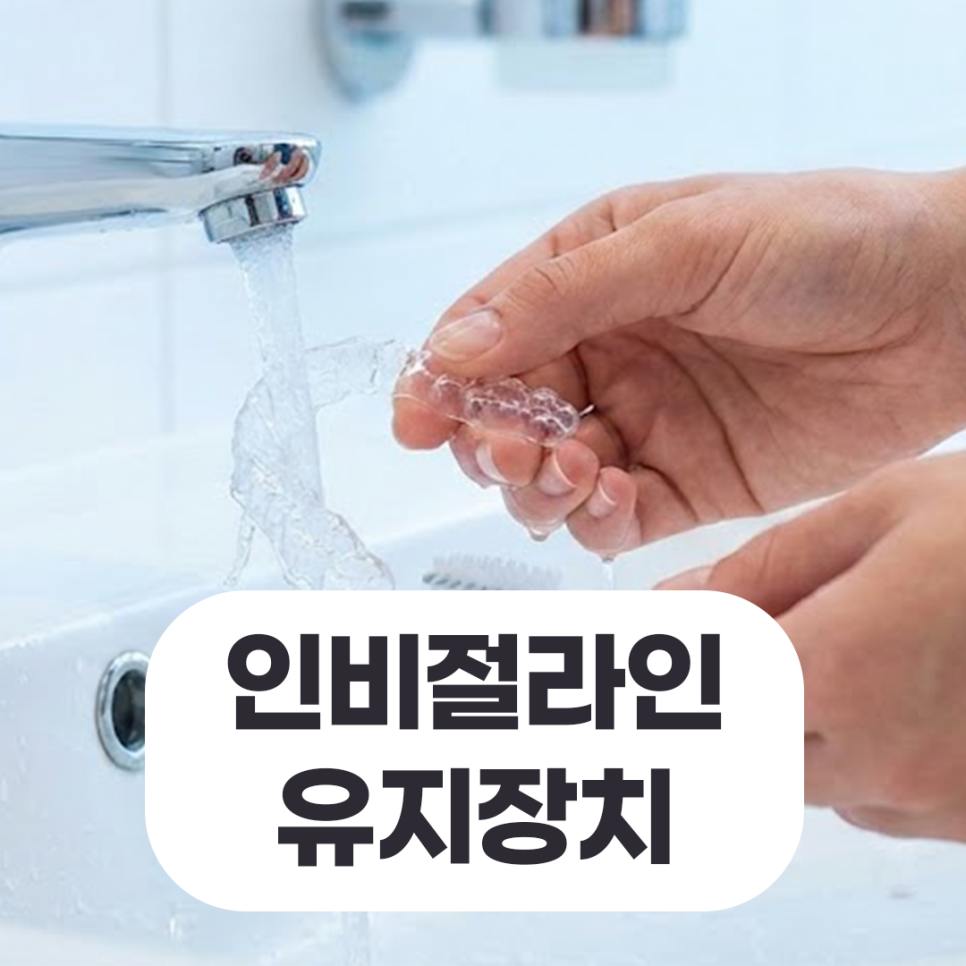
During the use of retainers, there are basic guidelines to follow in daily life.
These include wearing them at the designated time, storage methods to maintain functionality,
and cleaning procedures according to the instructions.
These steps are general standards for maintaining structural stability and
are not procedures that guarantee a specific outcome.
Lifestyle habits are also important. Changes in food temperature, storage mistakes, or device deformation can
have unexpected effects, so caution is needed.
In particular, periodic checkups are very helpful for confirming whether changes have occurred,
and they play a role in making long-term retention flow more stable.
When this care is carried out consistently, it helps in understanding the balance of alignment and
also serves as an important reference when deciding the next direction.
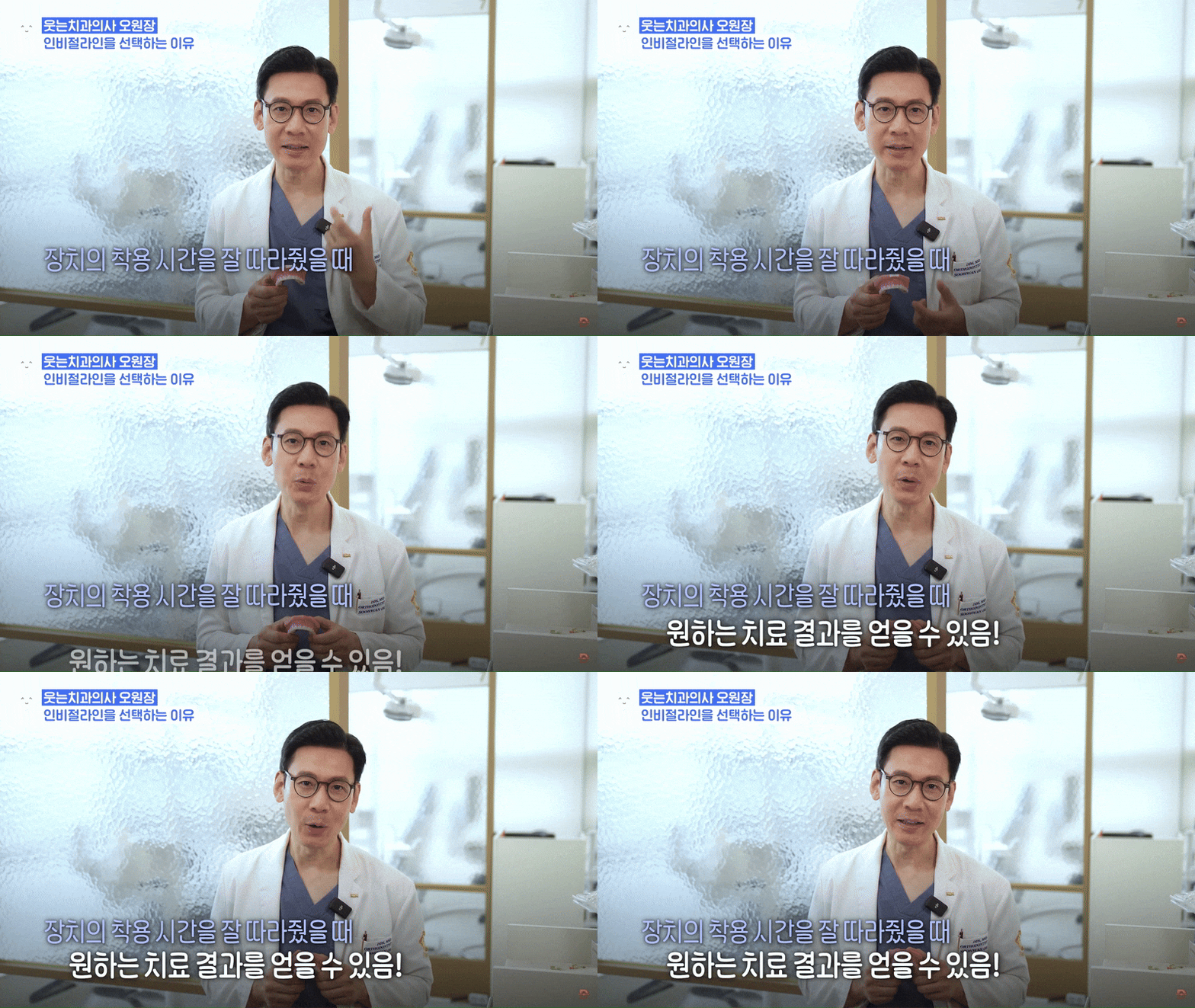
- Basic criteria for understanding applicability and cost factors
Because cost is made up of various components, it is difficult to judge it by a simple number.
Imaging, device fabrication methods, management period, difficulty level, and other factors
all work together, and the range varies depending on the individual's conditions.
Therefore, the 기준 for determining cost is not fixed and may change depending on the situation.
In addition, the applicability of retainers depends on an individual's structural characteristics and lifestyle pattern.
Even with the same method, it does not follow the same flow for everyone,
and in certain conditions, another method may be more suitable.
For this reason, the final decision is made based on a detailed review,
and it is common for the direction to be organized through consultation.










Previous image
Next image










Previous image
Next image



Previous image
Next image