




Previous image
Next image

- The value of a harmonious smile pursued in modern esthetic dentistry
In modern society, the role of a smile in creating a positive impression in interpersonal relationships had been increasingly emphasized. The arrangement and shape of permanent teeth were regarded as key elements that determine the overall mood of the face. Rather than simply having a bright color, natural harmony with the facial shape was treated as more important. In the past, attention had been focused only on outward changes, but recently the trend has been to consider the original structural health as well. This shift became an opportunity to change the philosophy of prosthetic treatment itself. A method that reduces an artificial look and preserves the original texture gained attention.
To improve aesthetic completeness, the proportions of each person's oral curves and gum line had to be examined carefully. Work that quantified and analyzed even the degree of exposure revealed through lip movement was also involved. Beyond the simple idea of layering on top, a precise design process to achieve sculptural balance was necessary. For this purpose, multi-angle measurement methods using digital equipment became commonplace. Research aimed at creating a harmonious facial appearance was continuing steadily. The ultimate goal was to secure aesthetics while maintaining structural stability.

- The principle of minimal-preparation laminate, which emphasizes preserving natural tooth structure
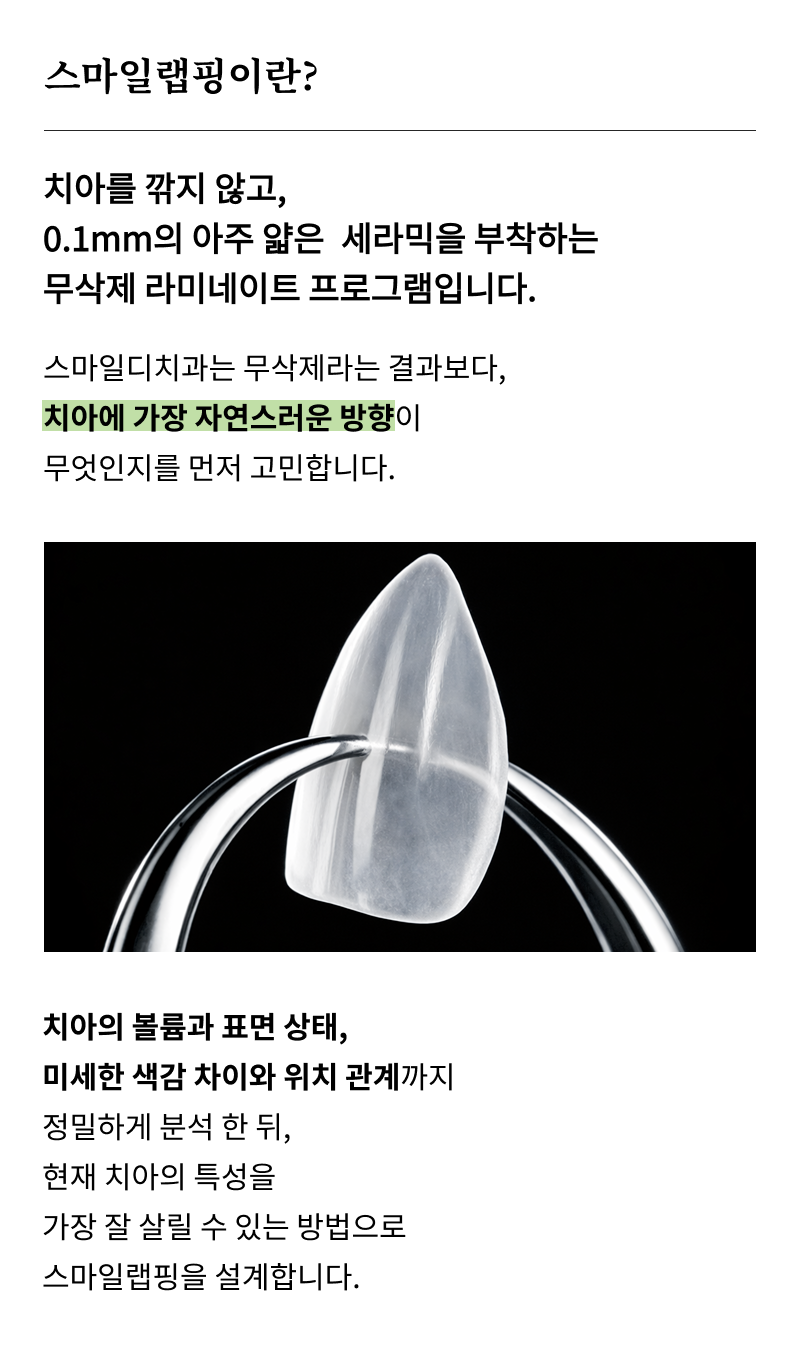
This method emerged as an alternative for meeting aesthetic needs while reducing damage to enamel. The core principle of minimal-preparation laminate was to improve aesthetics by very finely refining the outer surface of permanent teeth. Because the surface was polished only enough to avoid stimulating the inner layer where nerves are distributed, sensitivity symptoms could be prevented. This became a highly favorable condition for maintaining the long-term vitality of the chewing system. Technical skill was required to secure space for attaching the artificial prosthesis without compromising the original strength.
Its precision stood out in that the processed thickness was finely adjusted in 0.1 mm units before placement. A special adhesive system was sometimes used to increase bonding with the original enamel. There were also research findings showing that the less tooth reduction there was, the lower the possibility of the restoration coming loose. Thanks to these structural advantages, it was evaluated as a suitable option for patients who prefer conservative treatment. To create a natural translucency, the material's refractive index was also calculated during fabrication. It was the result of reflecting the needs of modern people who want to maintain a healthy smile for a long time.

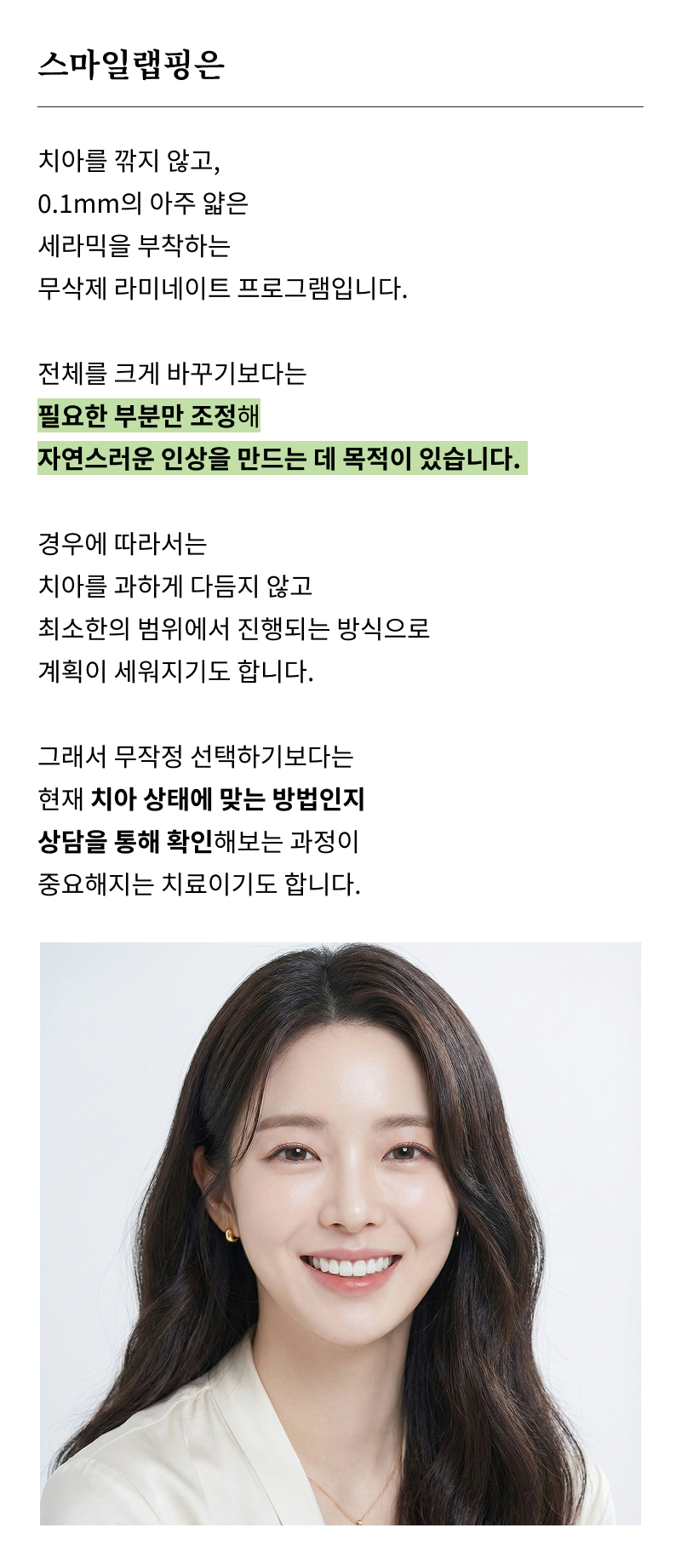
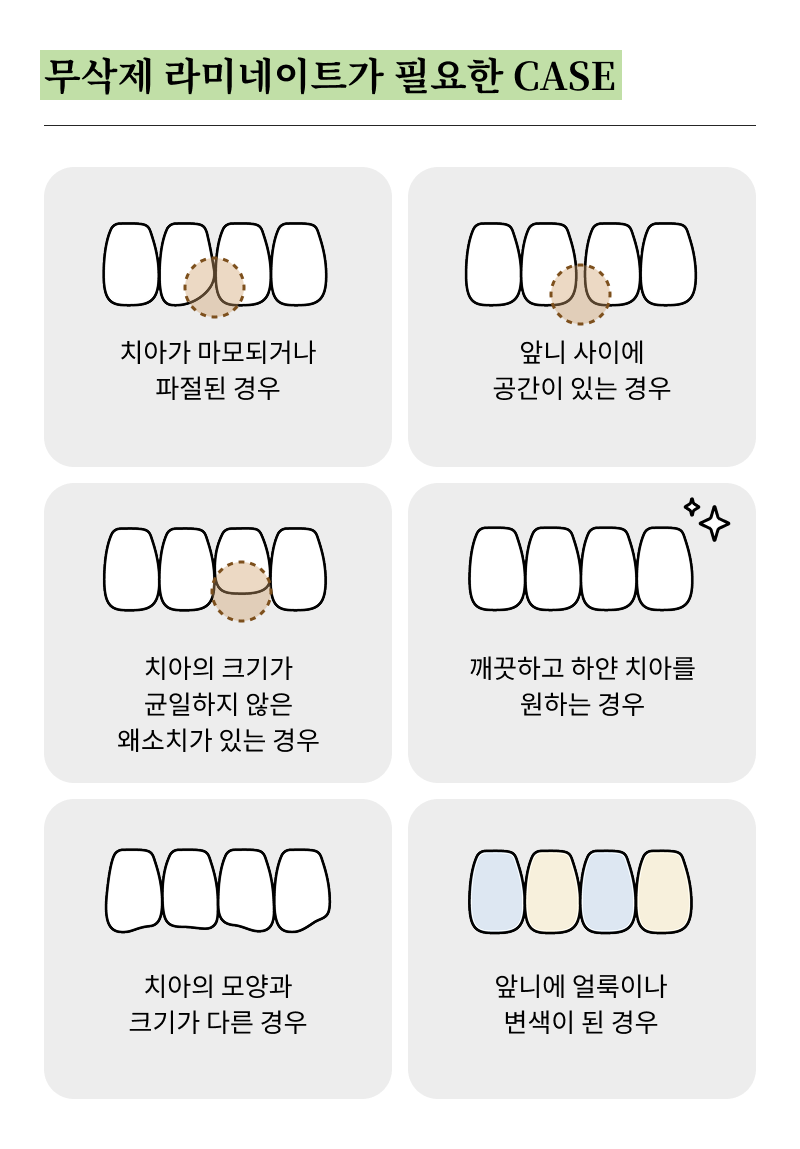

- Confirming indications and performing precise analysis according to the oral environment
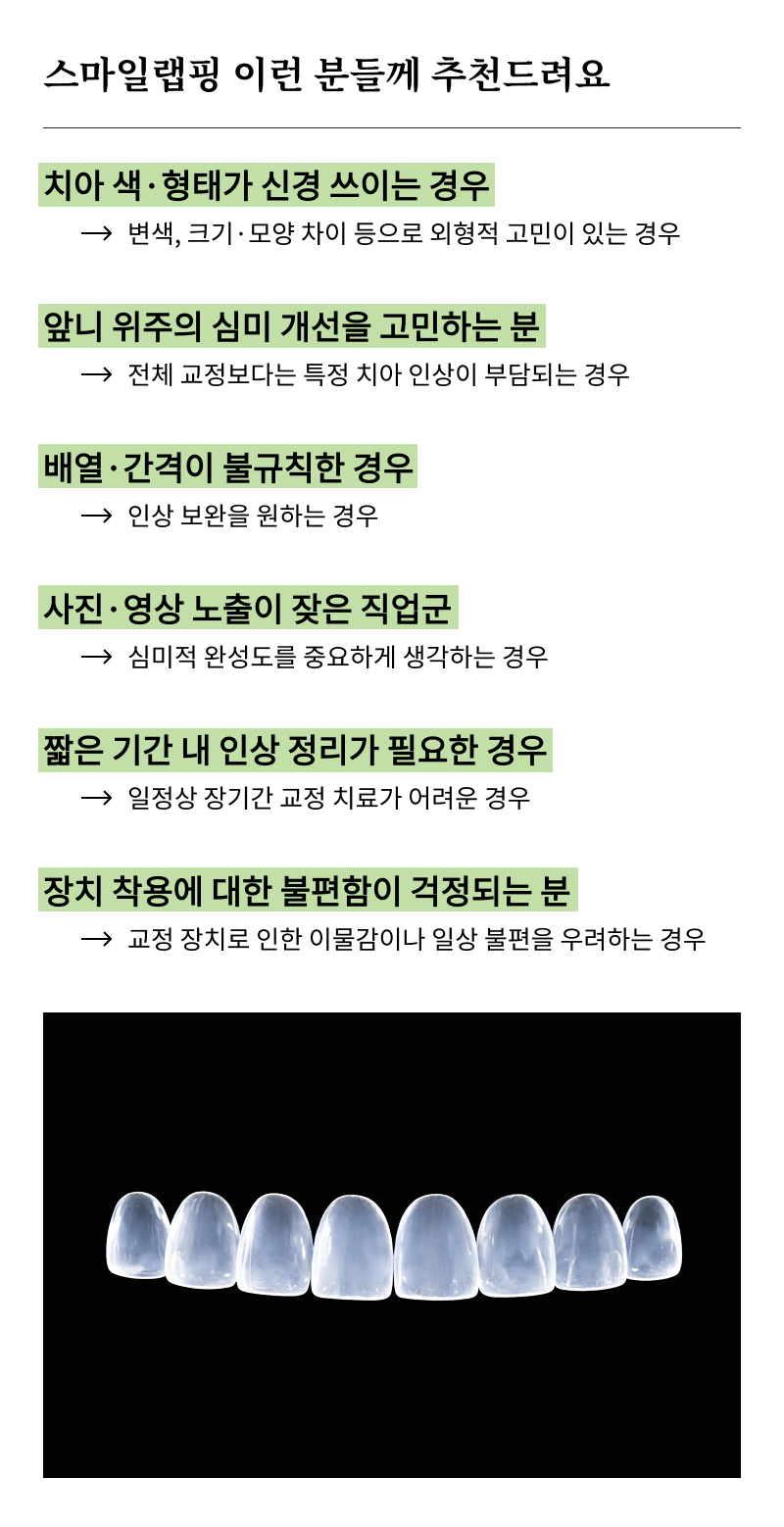
Because it is difficult to expect the same effect under every oral condition, a prior diagnosis had to come first. Minimal-preparation laminate could be considered in cases where the front teeth were spaced apart or where discoloration was severe enough that whitening had limitations. It was also applicable when tooth size was abnormally small or when irregular wear had progressed. However, careful judgment was needed for people with excessive bite force or a bruxism habit. It was desirable to decide whether to proceed by reflecting the characteristics of each person's oral structure.
A process was carried out to visualize and check how the upper and lower jaws fit together in three dimensions. Continuity with the surrounding tissues was confirmed, and interference with adjacent chewing structures was checked. Based on digital scan data, an actual simulation was performed to narrow the margin of error. Forcing the procedure in cases that do not meet the indications could instead create a risk of discomfort. Therefore, it was important to receive a precise examination at a place equipped with a detailed diagnostic system. A system needed to be in place to establish the optimal direction for improvement based on the analysis results.
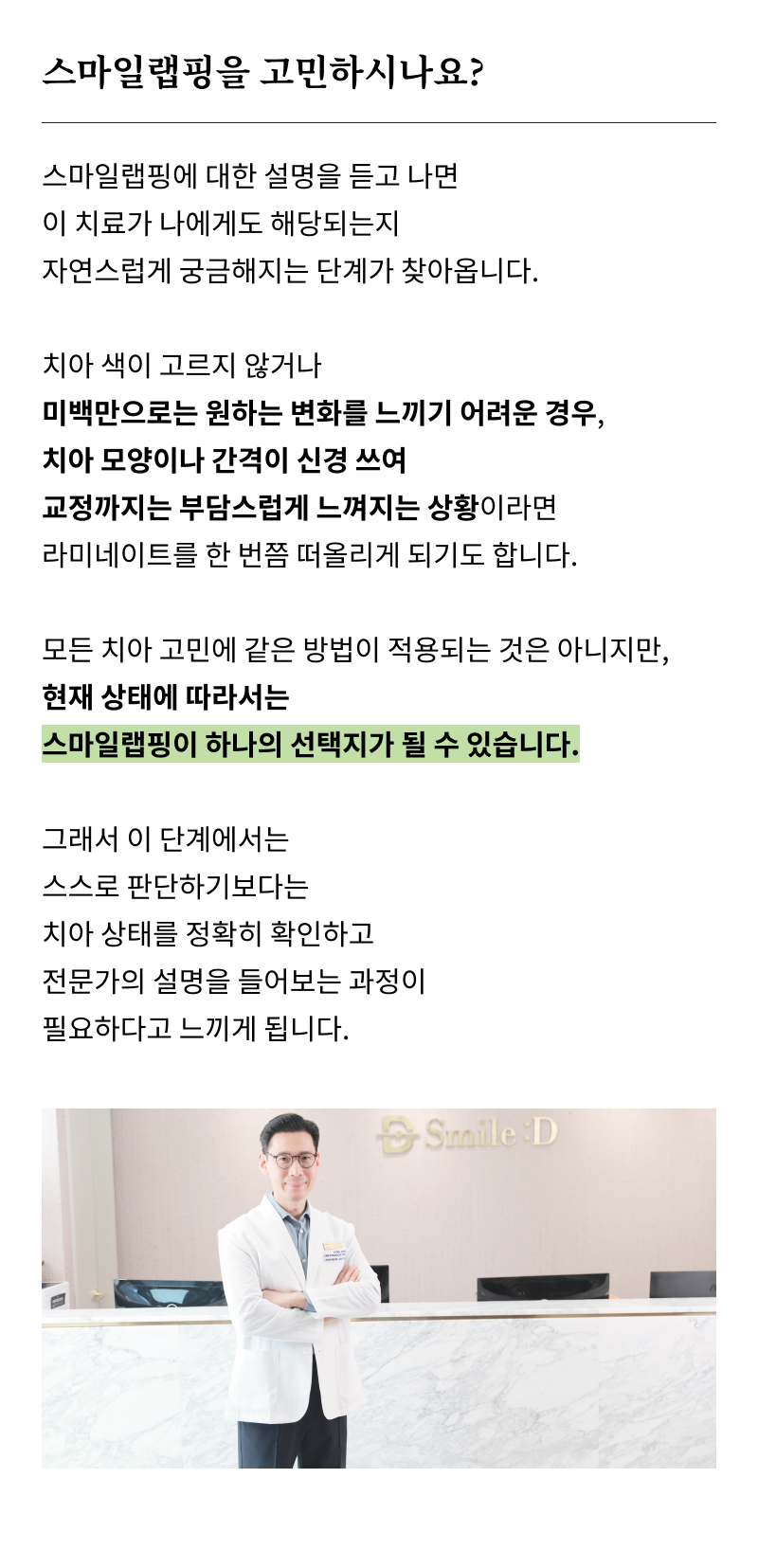


- Features of reinforced ceramic materials and the precision of the fabrication process
One of the factors that determines the lifespan and aesthetics of a prosthesis is the properties of the material used. Reinforced ceramic, which has a natural milky-white tone while maintaining high strength, was mainly used. It had wear characteristics similar to those of real permanent teeth, so its resistance was relatively good. Technology was applied to precisely control the light transmittance and remove the artificial feel. In the fabrication process, the harmony between a skilled artisan's touch and advanced processing equipment created a synergistic effect. Even though it was an extremely thin plate-like form, enough resistance to breakage was secured.
A treatment was carried out to reproduce even the surface roughness and tiny contours to prevent staining from saliva. An additional process was added to refine the finished result so that it transitions smoothly into the gum line. This helped suppress inflammation and maintain a clean, hygienic state. Through the complex fabrication procedure, customized pieces made only for each individual were completed. They were produced to reflect even subtle differences in shade so that there would be no sense of mismatch with the surrounding area. The fabrication process, which required a high level of concentration, formed the foundation of aesthetic completeness.
[Smile:D More]
[Smile:D Directions]



- Step-by-step process involved in minimal-preparation laminate treatment
First, the current oral condition was checked and then a detailed design plan was established. The placement position for the minimal-preparation laminate was set by considering the gum height and the long axis direction of the permanent teeth. The next steps were to finely refine only the necessary areas and take impressions. Protective measures were implemented so that daily life would not be inconvenient until the fabricated restoration arrived. Once fabrication was completed, the process finished with a step that firmly bonded it using a dedicated adhesive. During placement, careful attention was paid to ensure that even the smallest air bubbles did not form.
After bonding, the movement of the upper and lower jaws was checked and occlusal adjustment was performed precisely. The load generated when chewing food was checked so that it would be evenly distributed across the prosthesis. Refinement work was also carried out while checking with the tongue to see whether the treated area felt smooth. The entire process typically concluded over several visits. Rather than a sudden change, it aimed for gradual and stable settling. The focus was on improving completeness through careful feedback at each stage. Proceeding according to a thorough protocol increased confidence in the treatment.
- Systematic aftercare plan to extend prosthesis lifespan
Even after stable settling, continuous care was essential to maintain the result. Care had to be taken to prevent excessive impact on the area where the minimal-preparation laminate was attached. It was best to avoid using the front teeth to tear hard nuts or tough meat. Daily oral hygiene products were actively used to keep food debris from remaining at the margins. It was necessary to make a habit of visiting the clinic periodically to monitor the bonding state. Regular checks were also needed to confirm whether the tissue around the restoration remained healthy.
When consuming foods with sudden temperature changes, microcracks caused by differences in expansion rates had to be watched for. After drinking beverages that can cause staining, immediate rinsing was added to help prevent discoloration. Because it had to withstand chewing pressure day and night, scaling through regular checkups was also recommended. If any abnormal signs were found, quick response was key to preventing additional loss. Building proper habits was the shortcut to preserving the value of the prosthesis for a long time. A systematic aftercare system became a force that sustained patient satisfaction.









Previous image
Next image







Previous image
Next image
�