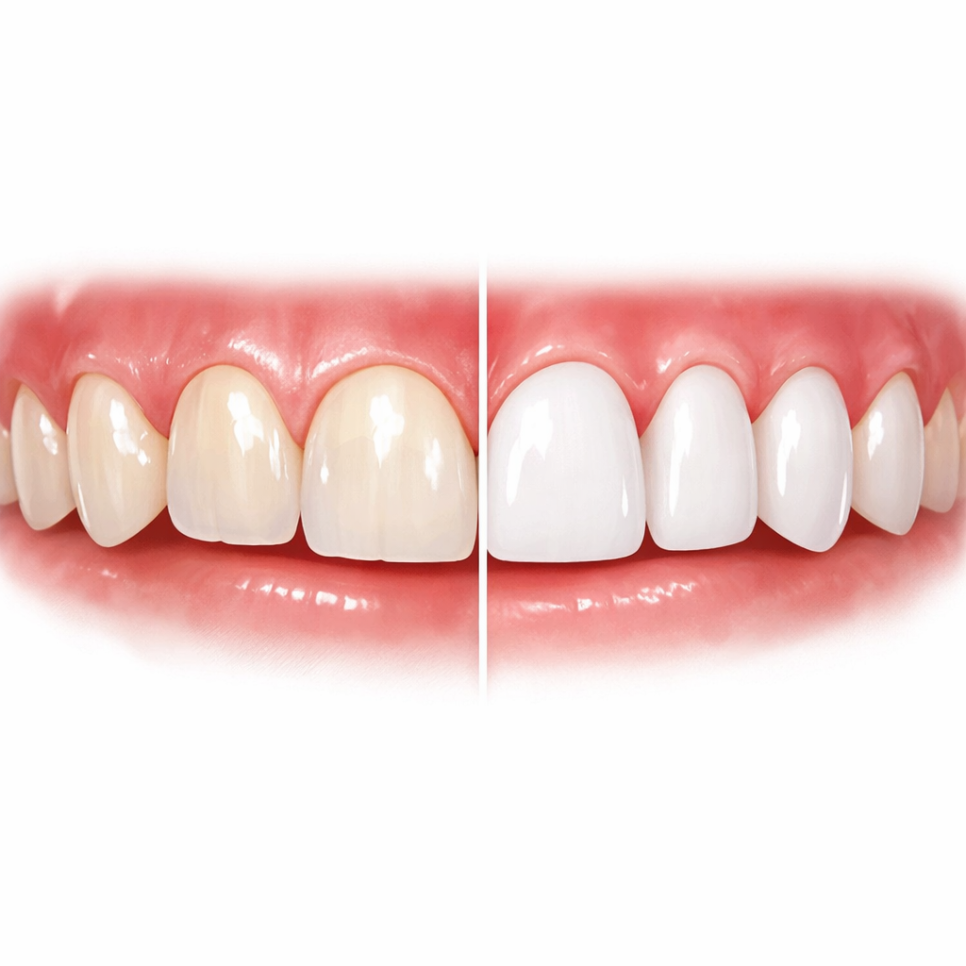
When considering tooth shaping,
two methods are usually the first to come up.
They are Resin and
Laminate.
At first glance, they may look similar,
but there are clear differences in the materials used, how long they last, how they are maintained,
and which dental conditions they are suitable for.
Today, we’ll summarize the differences between resin and laminate,
and look at what criteria can help you choose.
────────────────
What Is Resin?
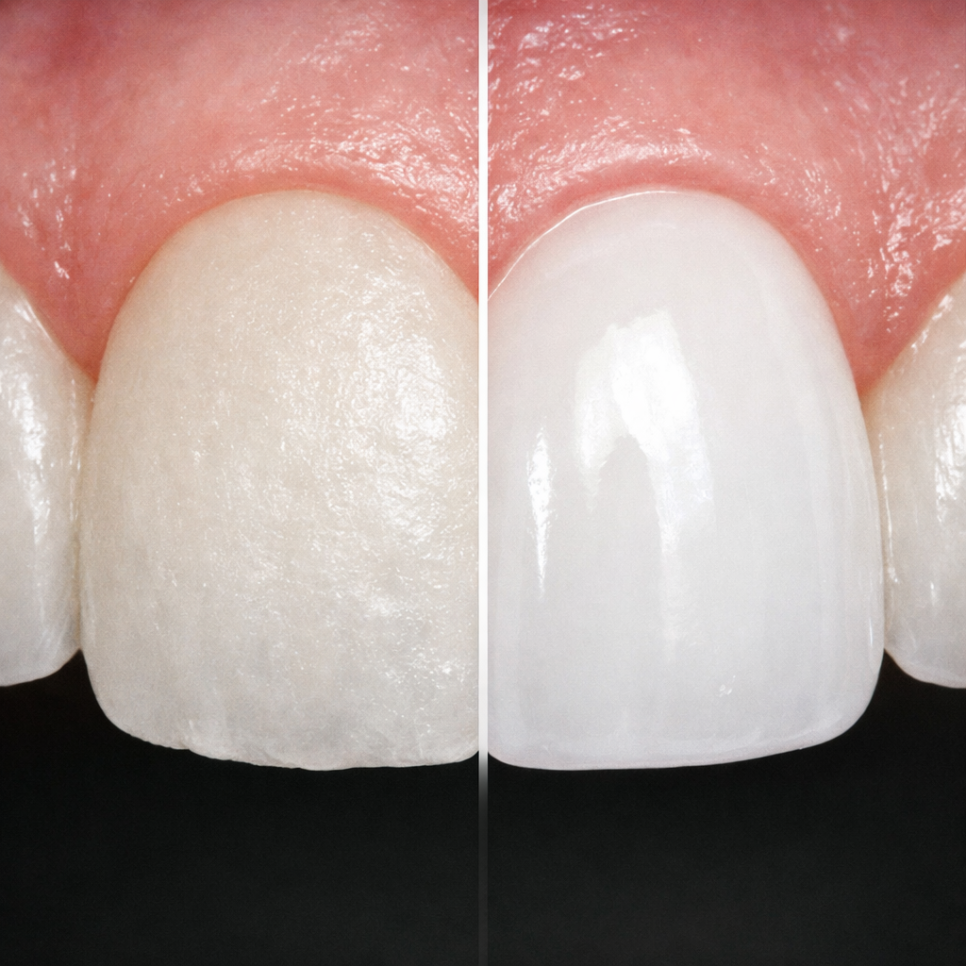
Resin is a treatment method in which a tooth-colored composite resin material is
applied directly and shaped.
Advantages of Resin
The cost burden is relatively low, and because no separate lab process is needed, same-day treatment is often possible.
Because the tooth is barely shaved down, or only minimally adjusted, it also has an advantage in terms of preserving the tooth.
Disadvantages of Resin
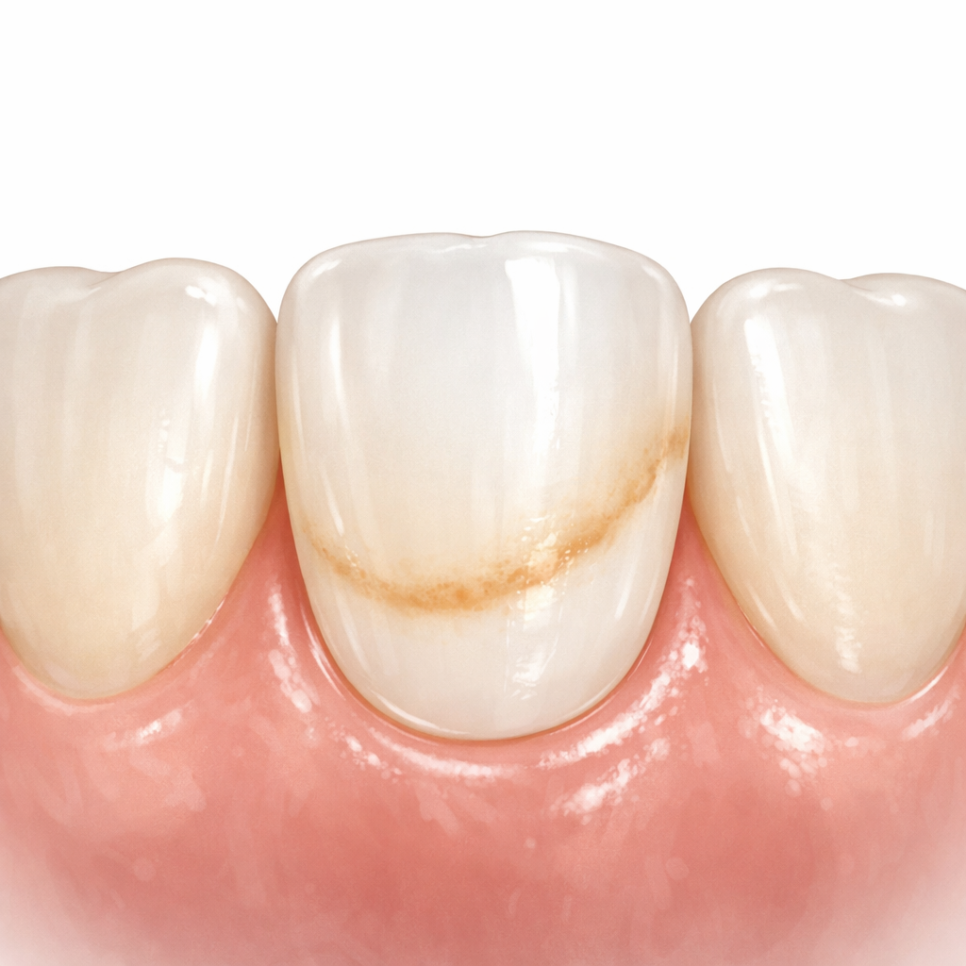
Over time, discoloration can occur due to coffee, wine, smoking, and similar factors.
If strong force is applied, it may crack or come off, and its durability is relatively weaker than ceramic.
When Resin Is Suitable
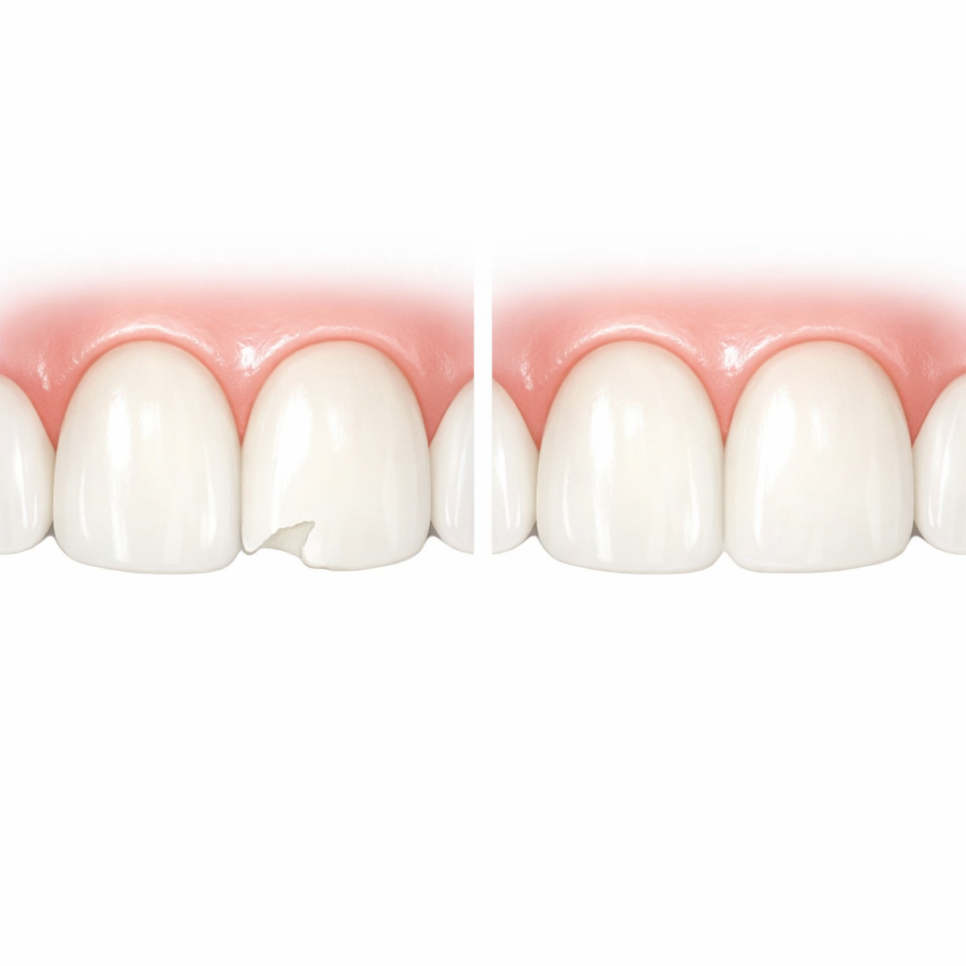
It is suitable when a front tooth is slightly chipped or has a small gap,
or when partial correction is needed without a major change in shape.
────────────────
What Is Laminate?
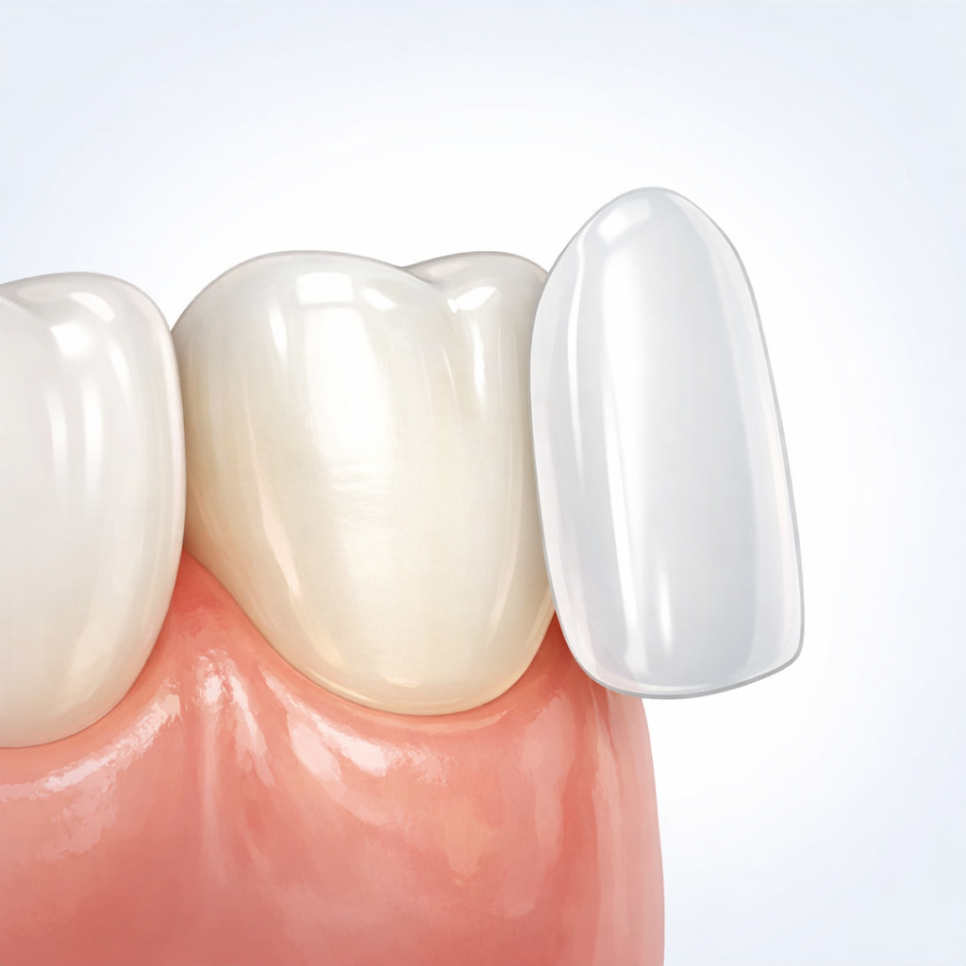
Laminate is an aesthetic prosthetic treatment in which the front surface of the tooth is shaved down thinly, or in some cases not shaved at all,
and a thin ceramic shell is fabricated and attached.
Advantages of Laminate
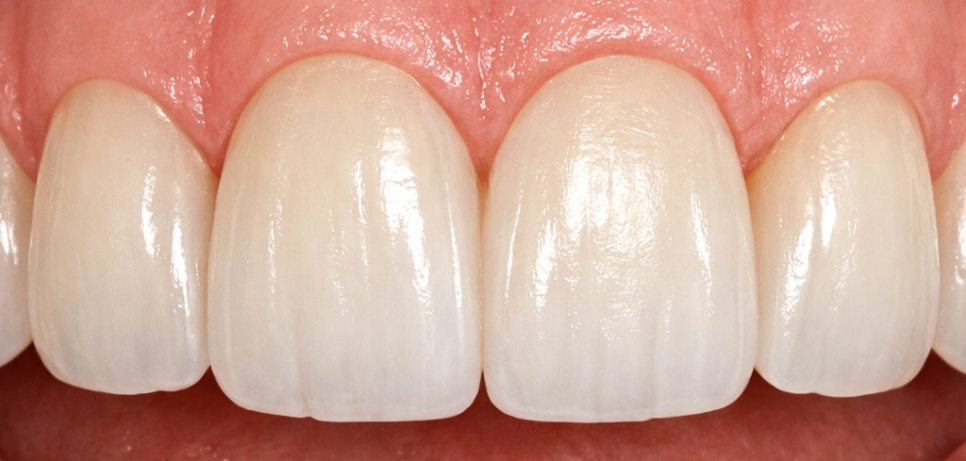
Because of the characteristics of ceramic materials, color expression is natural and discoloration is rare.
With good care, it can last more than 5 years, and in some cases more than 10 years.
It can create relatively large changes not only in tooth color, but also in shape, length, and proportion.
Disadvantages of Laminate
Depending on the condition of the tooth, some reduction may be necessary,
and because a lab process is involved, the treatment time and cost burden are generally greater than with resin.
When Laminate Is Suitable
It is suitable when an overall improvement in tooth color is needed,
or when a broad range of aesthetic improvements such as shape, size, and alignment is desired.
It is often chosen by people who value long-term aesthetic results.
────────────────
Resin vs. Laminate Summary
Resin can be treated on the same day and requires almost no tooth reduction,
but its lifespan and potential for discoloration need to be considered.
Laminate involves a relatively more complex treatment process and a greater cost burden,
but it has advantages in color stability and long-term durability.
Rather than saying one is absolutely better than the other,
it is a treatment choice that varies depending on the condition of the teeth and the purpose.
────────────────
Important Points for Post-Treatment Care
Neither resin nor laminate itself develops cavities.
But if care of the boundary area between the prosthetic and the natural tooth is neglected,
the natural tooth may develop cavities or gum disease.
Therefore, after treatment,
careful brushing habits and regular dental checkups are important.
────────────────
What Criteria Should You Use to Choose?
Tooth shaping should not be decided based only on cost or trends,
but should take into account the current condition of the teeth,
the degree of change desired,
expectations for how long it will last,
and your budget and ability to maintain it.
Above all,
through 충분한 상담 with the dental team,
it is most important to choose the treatment method that is right for you.
────────────────
In Closing
Tooth shaping is not simply a treatment to make teeth look whiter,
but a choice about how to keep your teeth healthy and for as long as possible.
Please take a more careful look at the information,
and find the direction that fits your own dental condition.