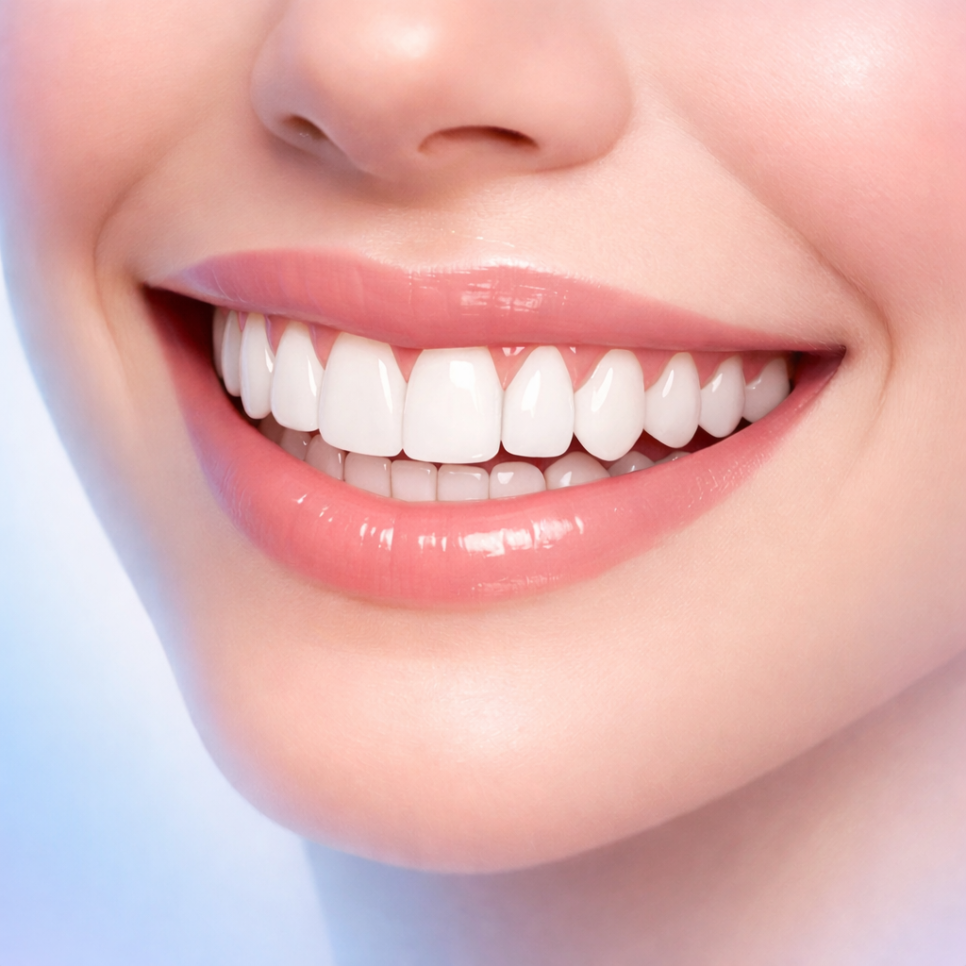
- The role and definition of gingiva in achieving aesthetic harmony
In everyday conversation, first impressions carry a very important weight. The shape of the smile revealed in the center of the face determines a person’s image. Oral soft tissue with appropriate proportions conveys a bright and clean impression. Conversely, when certain areas are overly exposed, people may feel psychologically withdrawn. The process of medically refining this is commonly referred to as gum contouring.
It is not simply a procedure pursued for cosmetic purposes. It also serves as an auxiliary method that helps create harmonious facial contours. By tidying the gingival line, it can create a neat impression. This process restores aesthetics while also boosting confidence. Therefore, satisfaction will be higher when an accurate understanding is established first.
The height and thickness of soft tissue vary uniquely from person to person. Its shape changes depending on genetic factors and environmental influences. A natural smile is completed only when the pink tissue is in harmony. This is an area many modern people worry about, and a precise approach is essential. Through acquiring the right information, you should objectively understand your own condition.
- Analysis of biological factors that cause excessive exposure
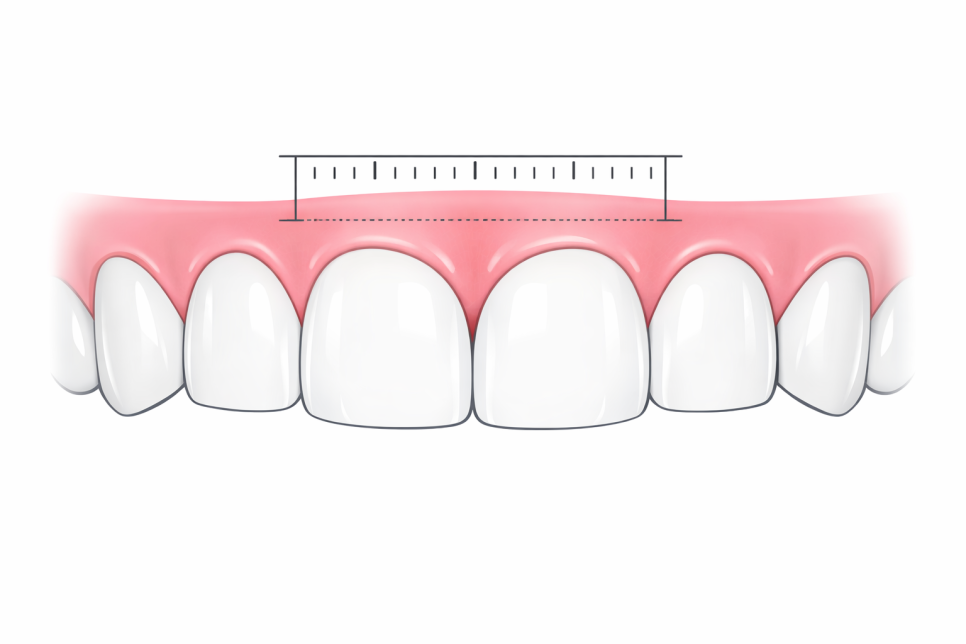
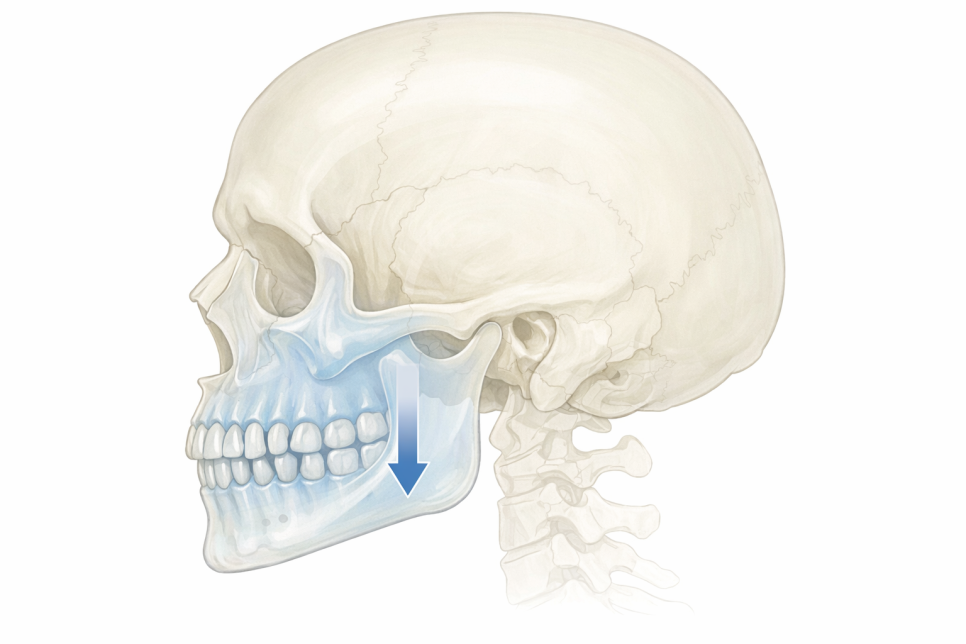
The phenomenon in which the crimson-colored area is widely visible when smiling is called a gummy smile. There are several reasons behind this phenomenon. First, there are cases in which the upper jawbone has developed downward from birth. When the maxillary skeleton grows longer, the overall oral position drops. As a result, more area is exposed when the lips lift.
The second factor is caused by excessive movement of the muscles around the lips. If the levator labii superioris has strong force, the lips rise high when making facial expressions. This is a major cause of increased visual exposure even when there is no skeletal defect. Depending on the direction of muscle action, asymmetrical patterns may also be observed. This mechanism can only be identified accurately through a precise analysis.
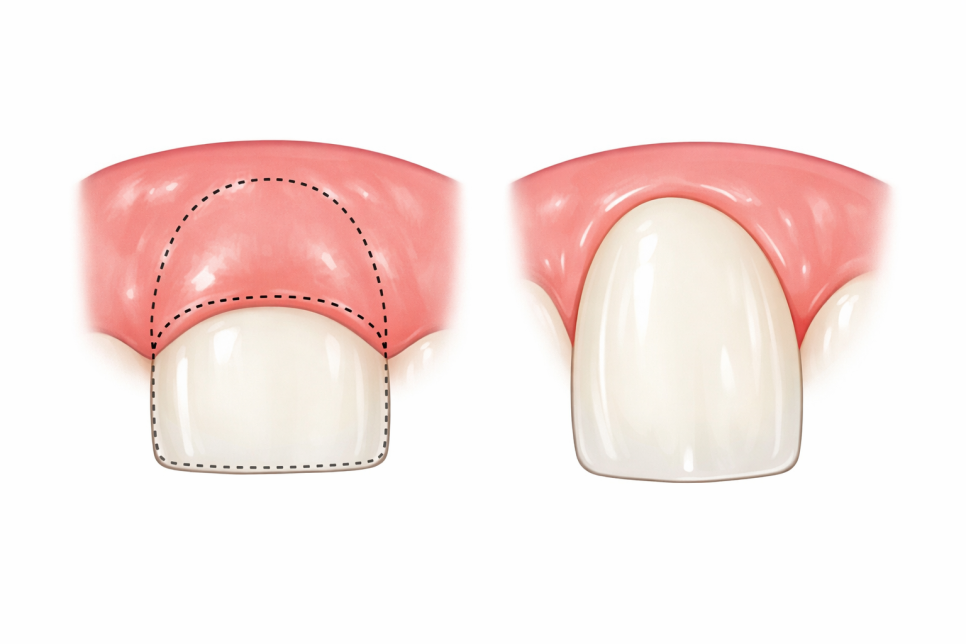
The third case is when the gingival tissue covers the enamel too much. The original length of the structure is normal, but it appears short because it is hidden by soft tissue. In this case, the white portion looks cramped and the overall arrangement is irregular. Finally, there are cases in which the tissue has enlarged due to inflammation or medication side effects. Because various causes act in combination, careful review is necessary.
- The golden ratio standard considering aesthetics and function
A beautiful smile reflects a certain degree of mathematical order. Generally, when the upper lip rises, 1 to 2 mm of tissue is considered appropriate. If this exceeds 3 mm, attention tends to focus on that area. To reduce visual burden, an appropriate boundary must be maintained. A process of measuring this with professional diagnostic equipment is essential.
The width-to-height ratio of the white structures also greatly affects aesthetics. Usually, a shape in which the vertical length is slightly longer than the horizontal length is considered ideal. When soft tissue covers the white area, it becomes closer to a square shape. This makes the impression look dull and gives an untidy feeling. Therefore, balancing the overall proportions can be considered the key task.
Left-right symmetry is also one of the important evaluation criteria that cannot be ignored. If only one side of the gingival line is higher or lower, the entire face looks crooked. When both sides are symmetrical relative to the midline, a sense of stability is created. This is not simply a task of reducing length, but a technique for adjusting angles. It is important to create a smile line in which the lip line and lower curve match.
- Precise line readjustment using advanced equipment
In the past, surgical resection was the main method, which created a significant burden. However, in recent years, laser-based improvement has been actively performed. A high-precision beam can be controlled down to minute units. It has the advantage of reducing bleeding and lowering concerns about pain. The fact that return to daily life is quick is a major benefit for modern people.
This procedure takes a short time of about 10 to 20 minutes. It can proceed stably with only local anesthesia. Because the tissue is vaporized in fine detail, damage to surrounding areas is minimized. Recovery is fast, and the risk of infection is also significantly lower. Through the delicate shaping process, immediate changes can be confirmed.
However, indiscriminate removal can cause side effects such as root exposure. The design must take into account the position of the alveolar bone, which supports the teeth. Securing the medical safety distance known as the biologic width is the key. If this is ignored, the likelihood of regrowth or inflammation increases. The judgment of specialists with extensive clinical experience plays a decisive role.

- Medical benefits and functions that help oral hygiene management
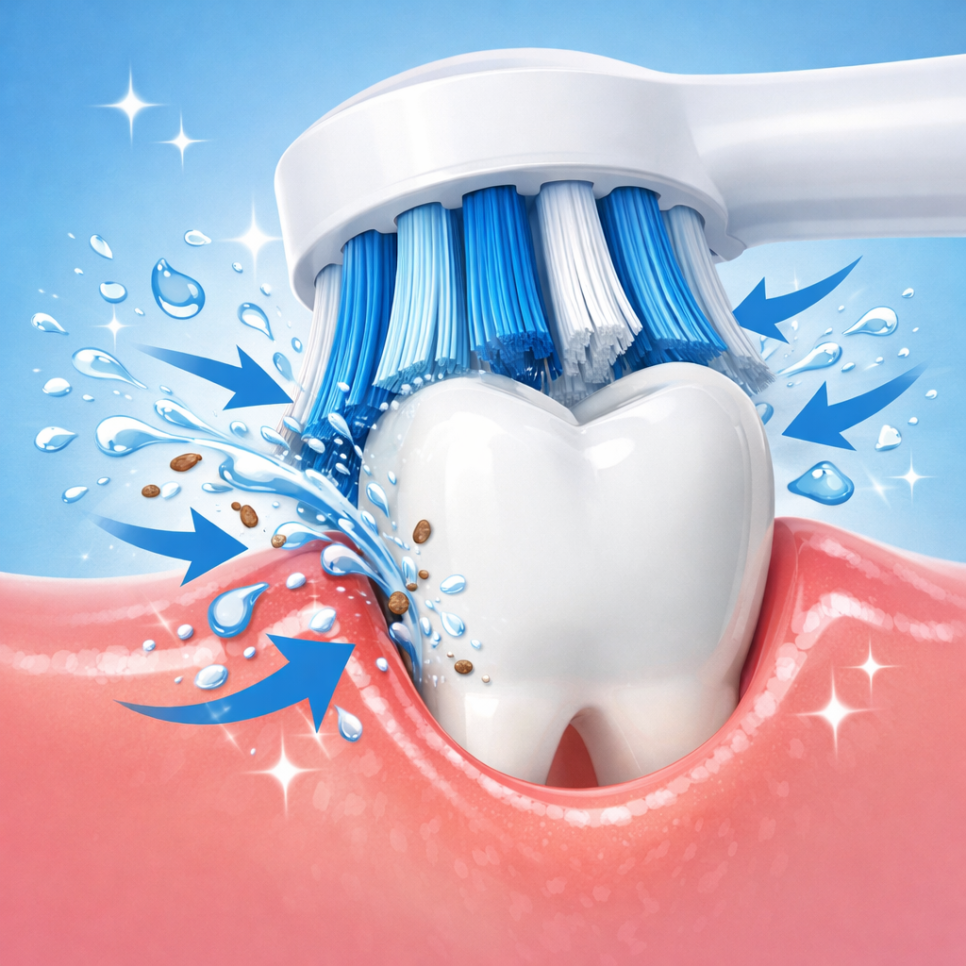
It does not stop at simply improving appearance; there are also health benefits. Food tends to get trapped in areas that are asymmetrical or highly curved. Blind spots that toothbrushes cannot reach are formed, making it easy for bacteria to multiply. Over time, this can act as a cause of chronic periodontitis. By rearranging the space, an environment that is easier to clean is created.
Tidying swollen soft tissue has the effect of removing pseudoperiodontal pockets. When pocket-like spaces disappear, the deposition of plaque and calculus decreases. This is a very positive sign for protecting the health of the alveolar bone. It improves cleanliness inside the mouth and reduces the possibility of bad breath. Therefore, it is also a valuable choice from the perspective of functional reconstruction.
It is especially used to improve black triangles that remain after orthodontic treatment. By compensating for narrowed gaps, it is possible to achieve both aesthetics and hygiene. Healthy pink tissue protects the inside from external stimuli. It helps extend tooth lifespan by strengthening the protective barrier function. From a medical perspective, the approach is aimed at long-term preservation.
- Systematic diagnosis and precautions for stable recovery
The duration of the results of all medical procedures varies depending on post-treatment care. It is advisable to avoid consuming irritating foods immediately after the procedure. Foods that are too hot or spicy can irritate the wound area. Alcohol and smoking are contraindicated because they dilate blood vessels and interfere with hemostasis. Special care should be taken for about a week to ensure stability.
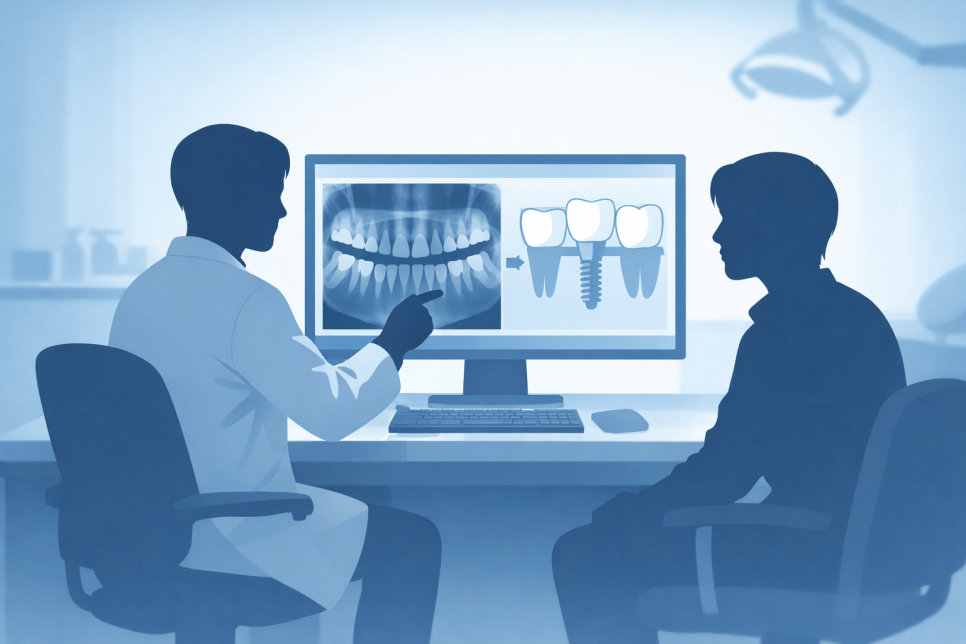
It is also recommended to monitor the condition through regular checkups. Minor changes may occur during the tissue recovery process. These must be detected and addressed early to prevent recurrence. Because regeneration speed differs according to each person’s constitution, tailored guidance is necessary. Systematic aftercare in a professional setting is a measure of trust.
The most important point is finding the solution that suits you best. You need to distinguish whether Botox treatment is advantageous or whether a procedure is necessary. If the skeletal problem is severe, other medical alternatives are required. A plan should be established after sufficient consultation with experienced medical staff. Only a careful decision will promise a healthy smile without side effects.