



AI-translated archive post

Considering Teeth Straightening in Your 40s? How to Choose a Low-Burden, High-Efficiency Option

Smile D Dental Clinic · 19년 경력 교정과 전문의✅환자 중심 스마일디치과 · January 27, 2026

Previous image Next image ​ ​ ​ The Key to Oral Health Management in Middle Age: The Need for and Considerations of Teeth Straightening in Your 40s As the body ages, various change...

AI translation notice

This page is an English translation of a Korean Naver Blog archive entry. For exact wording and source context, verify against the Korean archive original and the original Naver post.

Clinic: Smile D Dental Clinic

Original post date: January 27, 2026

Translated at: April 20, 2026 at 6:19 AM

Medical note: This translation does not guarantee medical accuracy or suitability for treatment decisions.

Considering Teeth Straightening in Your 40s? How to Choose a Low-Burden, High-Efficiency Option image 1

Considering Teeth Straightening in Your 40s? How to Choose a Low-Burden, High-Efficiency Option image 2

Considering Teeth Straightening in Your 40s? How to Choose a Low-Burden, High-Efficiency Option image 3

Considering Teeth Straightening in Your 40s? How to Choose a Low-Burden, High-Efficiency Option image 4

Considering Teeth Straightening in Your 40s? How to Choose a Low-Burden, High-Efficiency Option image 5

Previous image Next image
Considering Teeth Straightening in Your 40s? How to Choose a Low-Burden, High-Efficiency Option image 6

Considering Teeth Straightening in Your 40s? How to Choose a Low-Burden, High-Efficiency Option image 7

  1. The Key to Oral Health Management in Middle Age: The Need for and Considerations of Teeth Straightening in Your 40s

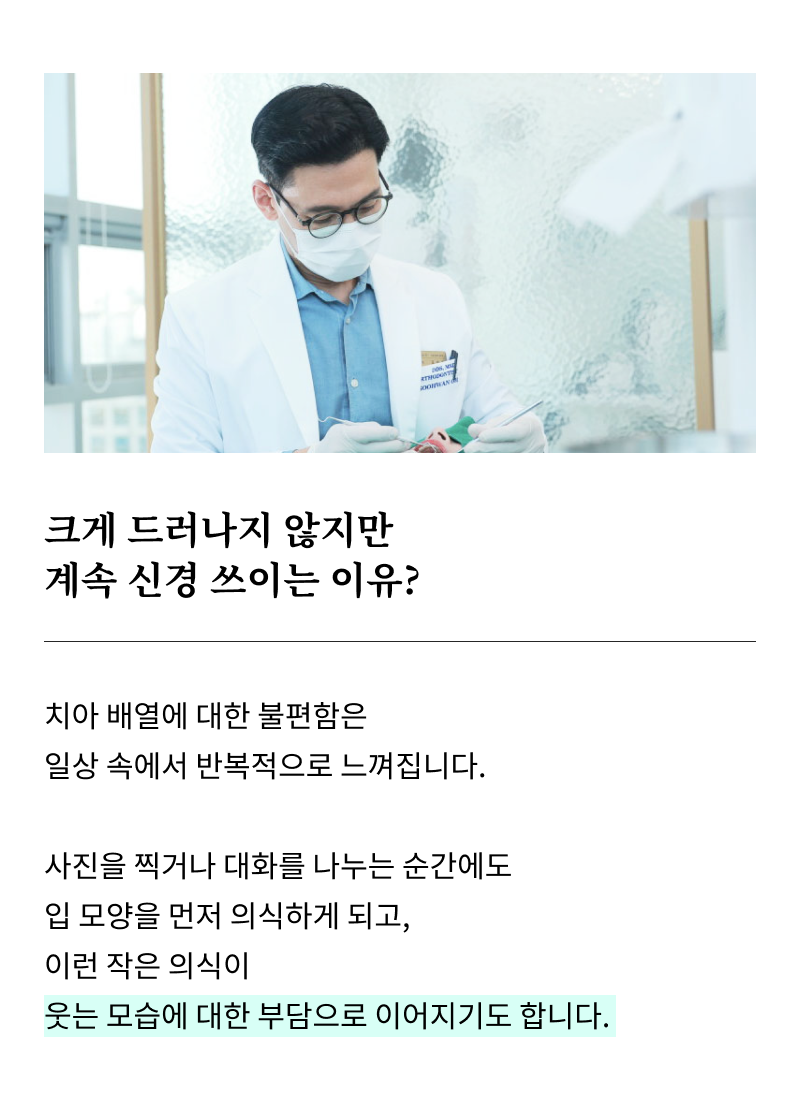
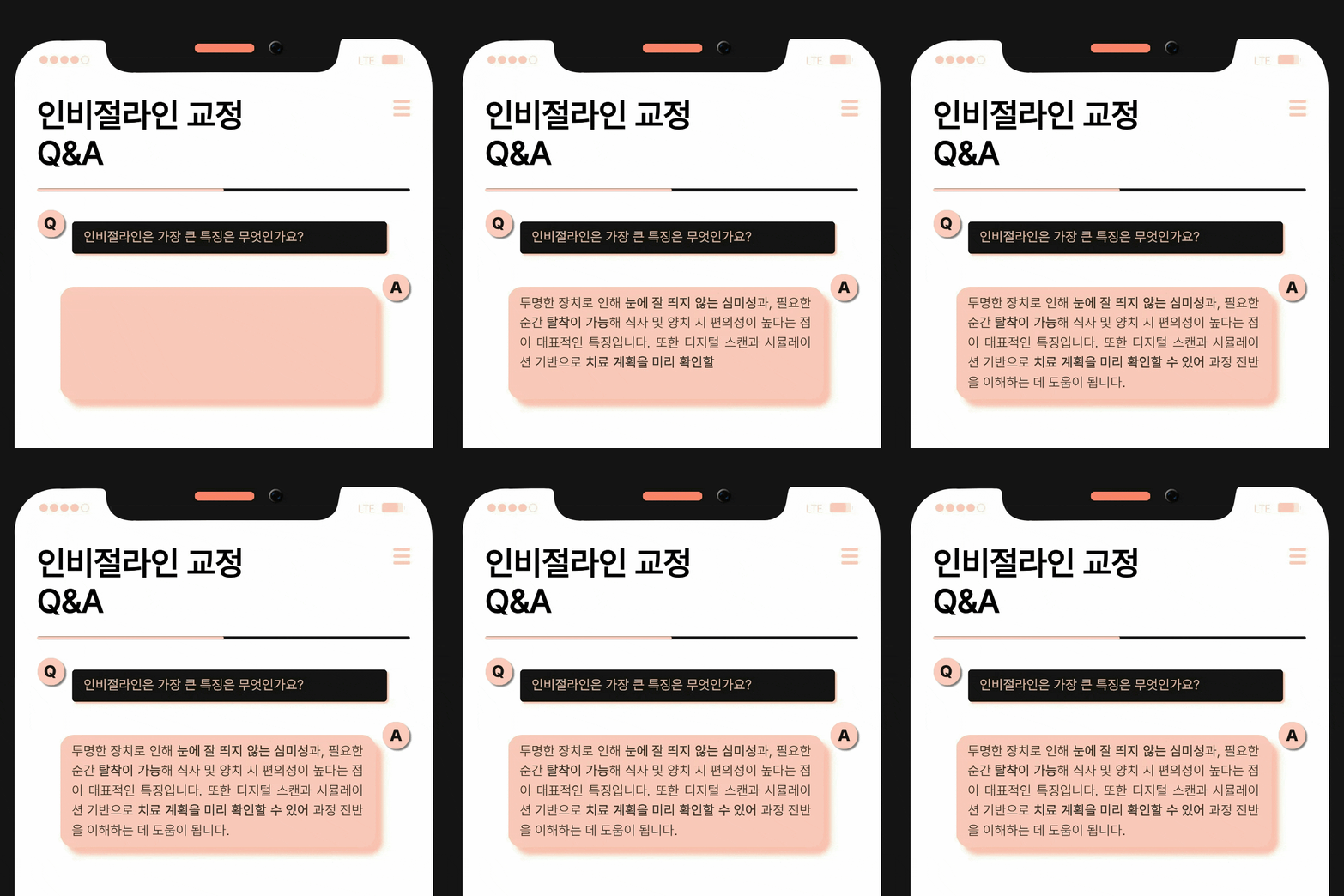
As the body ages, various changes occur in the structure of the mouth as well. In particular, when people enter middle age, they often experience teeth that were once aligned gradually shifting out of place or gaps opening between the front teeth. This is a natural process caused by a combination of mesial movement, in which teeth are pulled forward by aging-related forces, and weakened periodontal support. Recently, more and more people have been looking for teeth straightening solutions in their 40s to help prevent this functional decline and maintain a healthy oral environment.
Considering Teeth Straightening in Your 40s? How to Choose a Low-Burden, High-Efficiency Option image 8

Considering Teeth Straightening in Your 40s? How to Choose a Low-Burden, High-Efficiency Option image 9

Considering Teeth Straightening in Your 40s? How to Choose a Low-Burden, High-Efficiency Option image 10

  1. Age-Related Changes in Tooth Alignment and a Preventive Approach

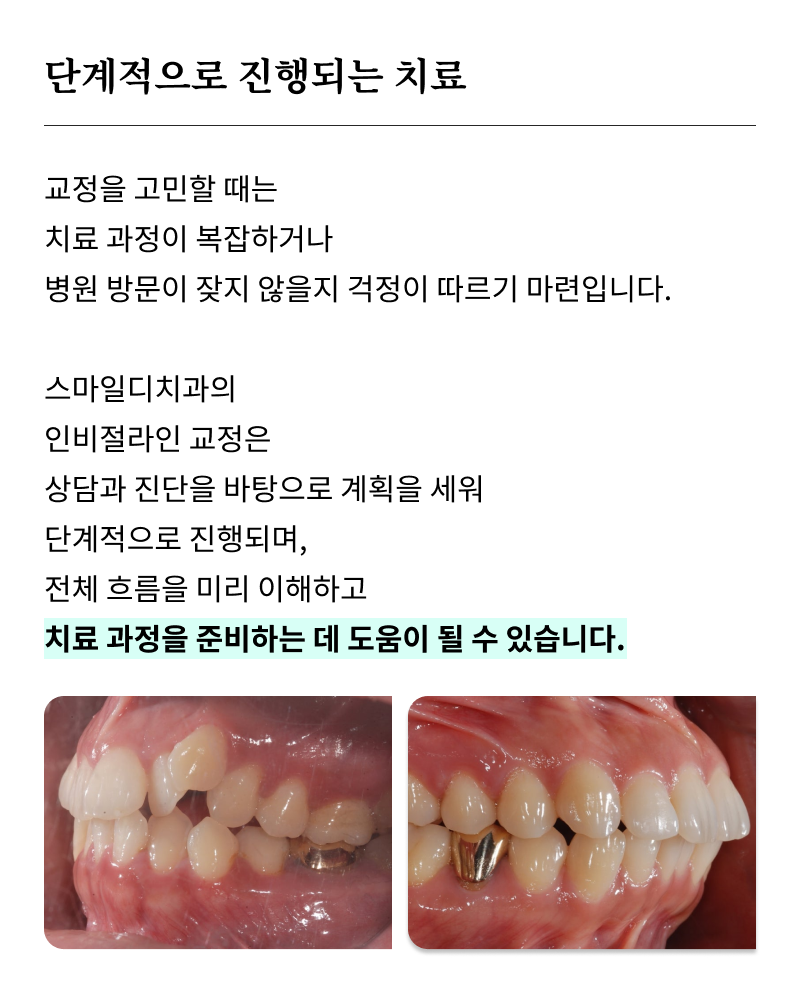
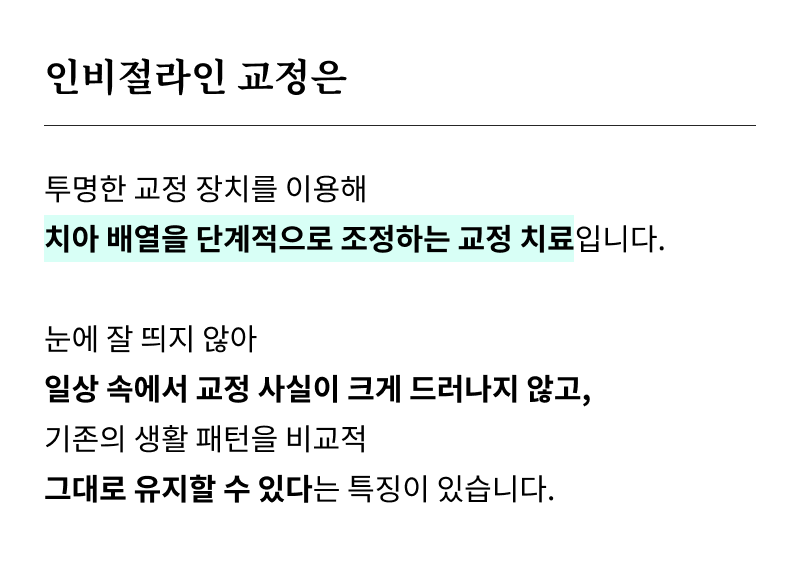
Tooth alignment changes that occur in middle age go beyond appearance and directly create difficulties in oral hygiene management. When teeth overlap or twist, areas that the toothbrush cannot properly reach are formed, which leads to tartar buildup and periodontal disease. The purpose of teeth straightening in your 40s is to remove these malocclusion factors, restore chewing function, and preserve gum health over the long term. It can also help prevent abnormal tooth wear, making it meaningful from a preventive medicine perspective.
Considering Teeth Straightening in Your 40s? How to Choose a Low-Burden, High-Efficiency Option image 11

Considering Teeth Straightening in Your 40s? How to Choose a Low-Burden, High-Efficiency Option image 12

Considering Teeth Straightening in Your 40s? How to Choose a Low-Burden, High-Efficiency Option image 13

Considering Teeth Straightening in Your 40s? How to Choose a Low-Burden, High-Efficiency Option image 14

  1. Creating a Customized Treatment Plan for Middle-Aged Patients

Unlike adolescence, adulthood is characterized by higher bone density and a relatively slower rate of gum tissue recovery. Therefore, it is essential to carefully analyze each patient’s periodontal condition and develop a precise plan that does not place undue strain on the mouth. During teeth straightening in your 40s, techniques are needed to appropriately control tooth movement distance and distribute the pressure applied to the jawbone. Rather than forcing movement, a stability-focused diagnosis that finds the optimal functional position within the current oral structure is a key factor in determining the success of treatment.

[Smile:D Learn More]

[Smile:D Location]
Considering Teeth Straightening in Your 40s? How to Choose a Low-Burden, High-Efficiency Option image 15

Considering Teeth Straightening in Your 40s? How to Choose a Low-Burden, High-Efficiency Option image 16

Considering Teeth Straightening in Your 40s? How to Choose a Low-Burden, High-Efficiency Option image 17

Considering Teeth Straightening in Your 40s? How to Choose a Low-Burden, High-Efficiency Option image 18

  1. Features of an Efficient Treatment Method Using Partial Appliances

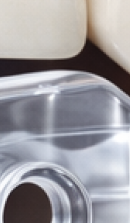
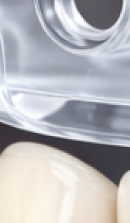
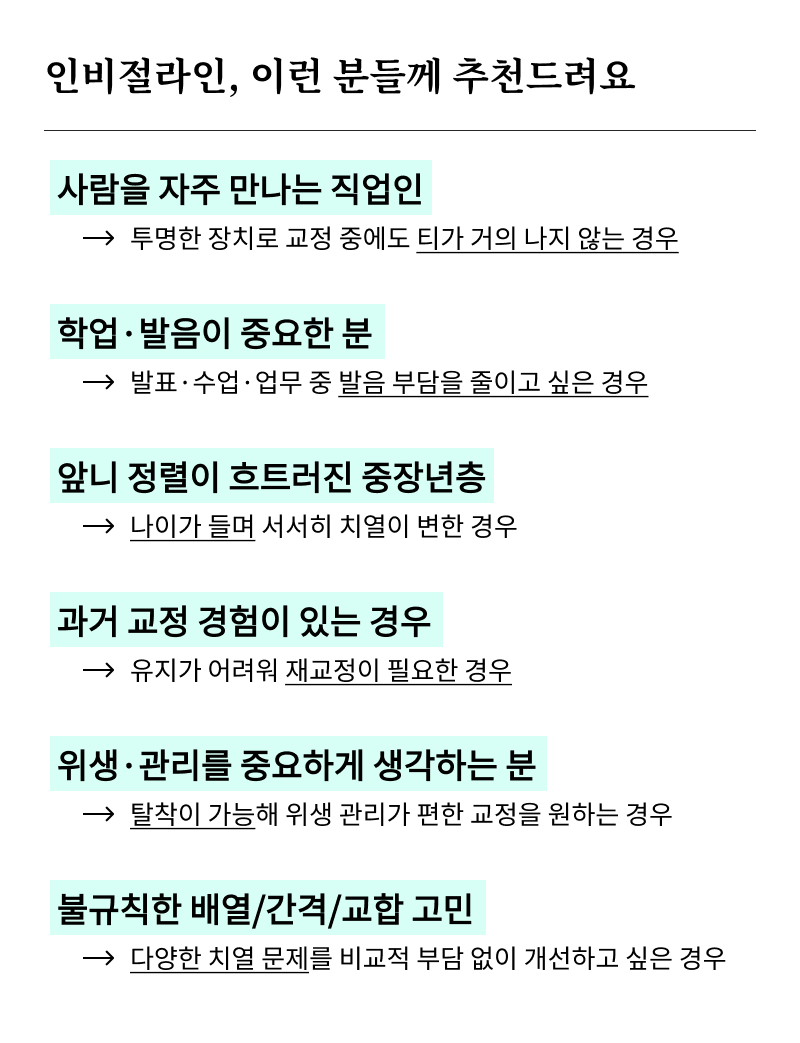
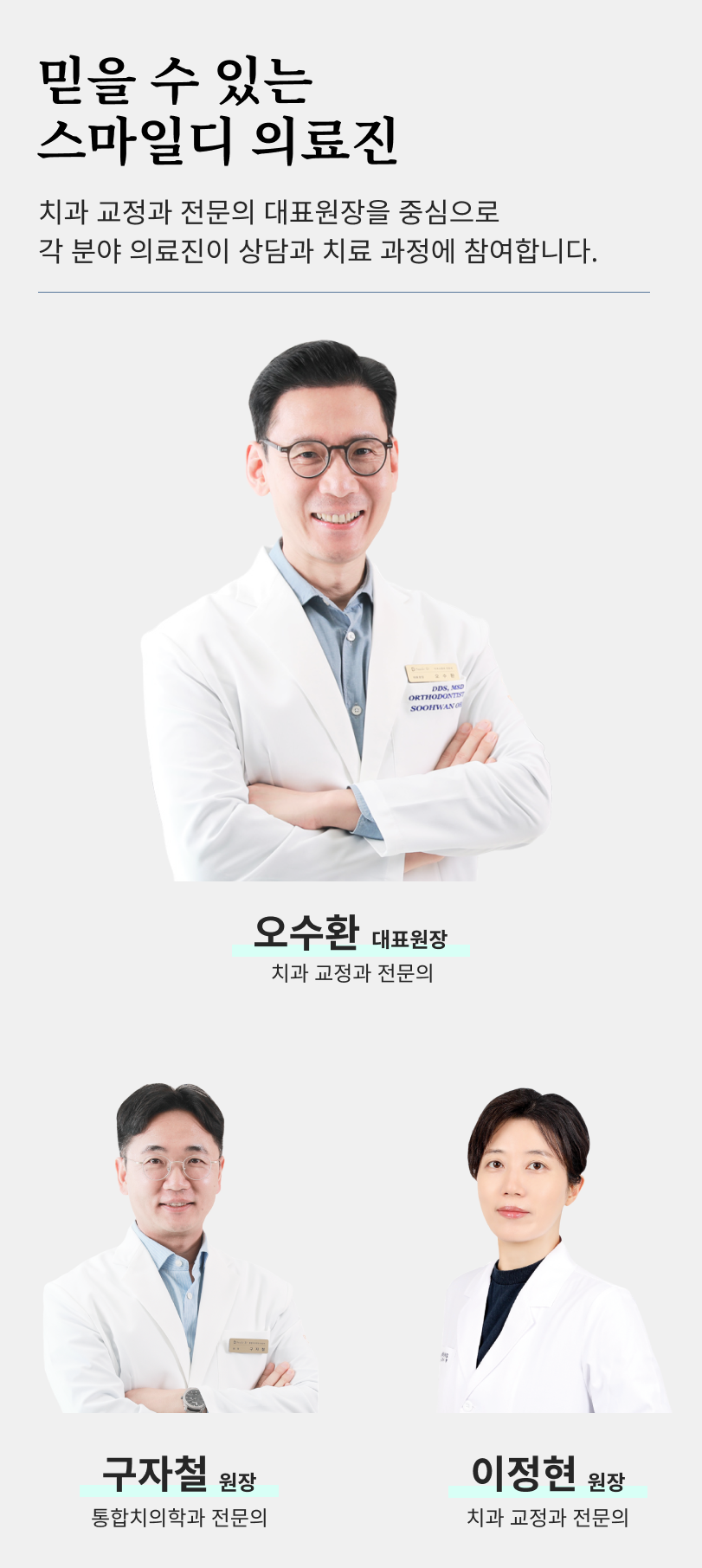
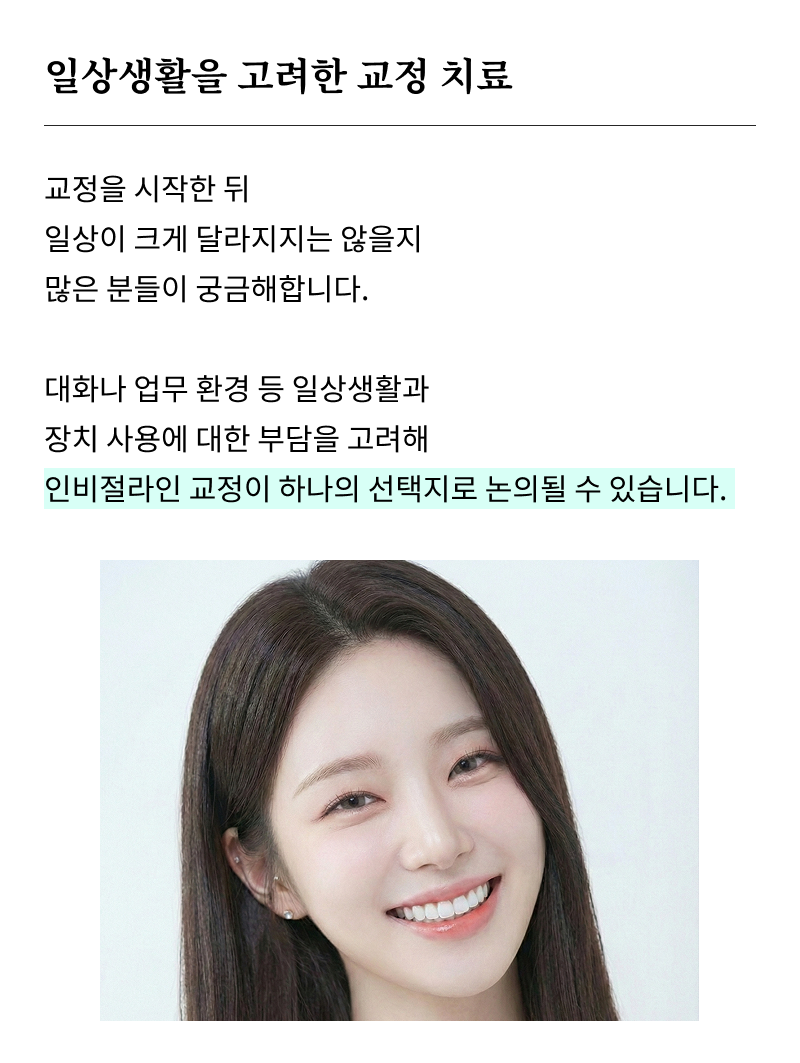
If moving the entire set of teeth feels burdensome, improving only specific areas such as the front teeth can be a viable alternative. When only the front tooth alignment is corrected while the molars remain stable in their bite, it is possible to shorten the overall treatment period and reduce the feeling of a foreign object in the mouth. In teeth straightening in your 40s, choosing partial appliance attachment can minimize inconvenience in daily life while still improving the targeted area. This is considered an efficient option in both economic and time terms for middle-aged adults with active social lives.
Considering Teeth Straightening in Your 40s? How to Choose a Low-Burden, High-Efficiency Option image 19

Considering Teeth Straightening in Your 40s? How to Choose a Low-Burden, High-Efficiency Option image 20

Considering Teeth Straightening in Your 40s? How to Choose a Low-Burden, High-Efficiency Option image 21

  1. The Principle of Safe Tooth Movement Through Combined Periodontal Care

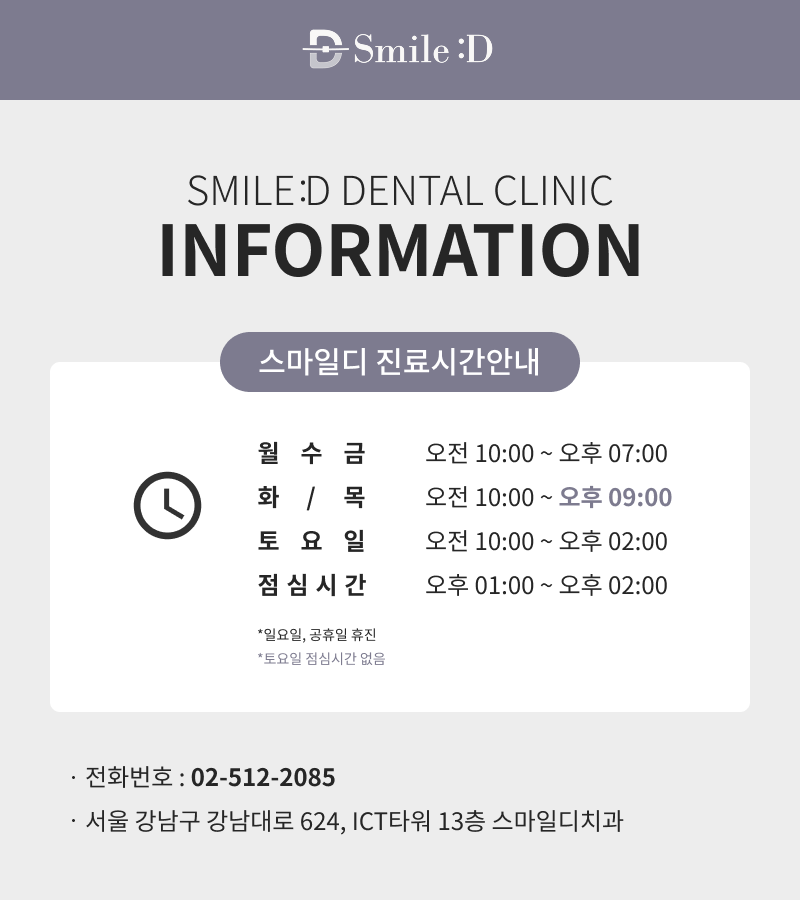
The process of moving teeth involves a biological response in which resorption and regeneration of the jawbone repeatedly occur. Because this is an age group in which gum health may become more fragile, systematic periodontal care before and after treatment is necessary to prevent side effects. During teeth straightening in your 40s, regular checkups should be used to continuously monitor for inflammation, and if necessary, basic treatment such as tartar removal should be performed in advance to strengthen the foundation supporting the teeth. Movement carried out on a healthy gum base leads to positive results, including improved retention afterward.
Considering Teeth Straightening in Your 40s? How to Choose a Low-Burden, High-Efficiency Option image 22

Considering Teeth Straightening in Your 40s? How to Choose a Low-Burden, High-Efficiency Option image 23

  1. The Importance of Retainers for Sustainable Oral Health

After the entire process is completed, aftercare to maintain the aligned result is very important. Because teeth strongly tend to return to their original position, retainers must be worn faithfully according to the provided instructions. Ongoing care is not simply about preserving tooth alignment; it is a long-term investment in keeping your natural teeth healthy into old age. If you check your bite through regular visits and maintain oral cleanliness, you will be able to enjoy strengthened function and aesthetic satisfaction for a long time.
Considering Teeth Straightening in Your 40s? How to Choose a Low-Burden, High-Efficiency Option image 24

Considering Teeth Straightening in Your 40s? How to Choose a Low-Burden, High-Efficiency Option image 25

Considering Teeth Straightening in Your 40s? How to Choose a Low-Burden, High-Efficiency Option image 26

Considering Teeth Straightening in Your 40s? How to Choose a Low-Burden, High-Efficiency Option image 27

Considering Teeth Straightening in Your 40s? How to Choose a Low-Burden, High-Efficiency Option image 28

Considering Teeth Straightening in Your 40s? How to Choose a Low-Burden, High-Efficiency Option image 29

Considering Teeth Straightening in Your 40s? How to Choose a Low-Burden, High-Efficiency Option image 30

Considering Teeth Straightening in Your 40s? How to Choose a Low-Burden, High-Efficiency Option image 31

Considering Teeth Straightening in Your 40s? How to Choose a Low-Burden, High-Efficiency Option image 32

Previous image Next image

Considering Teeth Straightening in Your 40s? How to Choose a Low-Burden, High-Efficiency Option image 33

Considering Teeth Straightening in Your 40s? How to Choose a Low-Burden, High-Efficiency Option image 34

Considering Teeth Straightening in Your 40s? How to Choose a Low-Burden, High-Efficiency Option image 35

Considering Teeth Straightening in Your 40s? How to Choose a Low-Burden, High-Efficiency Option image 36

Considering Teeth Straightening in Your 40s? How to Choose a Low-Burden, High-Efficiency Option image 37

Considering Teeth Straightening in Your 40s? How to Choose a Low-Burden, High-Efficiency Option image 38

Considering Teeth Straightening in Your 40s? How to Choose a Low-Burden, High-Efficiency Option image 39

Considering Teeth Straightening in Your 40s? How to Choose a Low-Burden, High-Efficiency Option image 40

Previous image Next image

Continue browsing

Keep exploring this clinic's public source trail

Return to the source archive for more translated posts, or open the Korean clinic profile to compare other public channels.