



Previous image
Next image

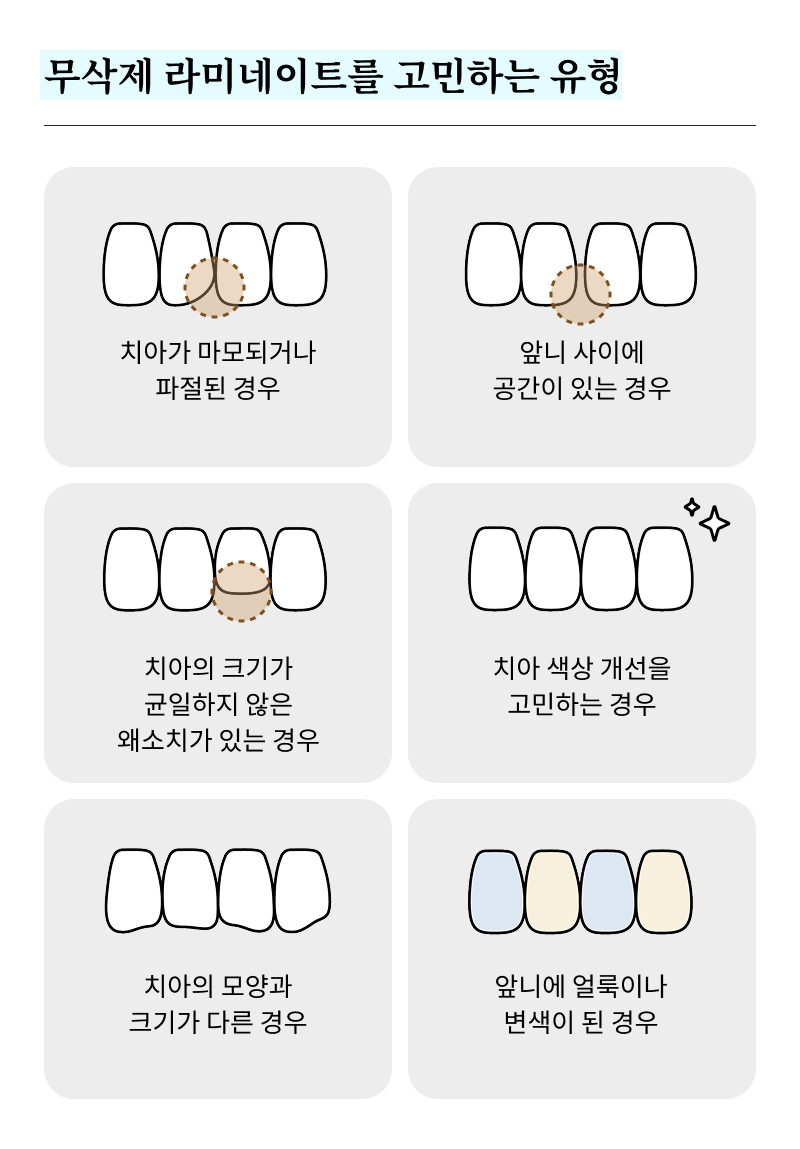
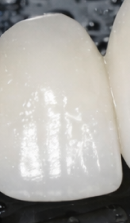
As interest in appearance grows, demand for improving the shape and color of teeth continues to increase. In particular, people looking for information on Sinsa Station laminate dentistry have a clear goal: to enhance the aesthetic finish of their front teeth while still achieving a natural-looking result. This procedure works by finely refining the enamel surface and then bonding ceramic restorations, addressing both alignment and discoloration at the same time. However, because each person’s oral structure and enamel thickness differ, a systematic diagnosis must come first.
- Diagnostic systems to consider when choosing Sinsa Station laminate dentistry
Before attaching artificial restorations, each person’s facial proportions and oral condition must be carefully analyzed. Recently, the process has included using 3D scanners and digital equipment to predict the outcome after treatment in advance. This precise diagnosis helps secure space for the restoration and adjust the angle relative to the surrounding teeth. It is also important to check whether the height and depth of the gum line, as well as the amount visible when smiling, are quantified and reflected in the design.


- The relationship between restoration thickness and the amount of tooth reduction in Sinsa Station laminate dentistry
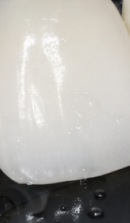
To reduce concern about damage to the teeth, controlling the amount of reduction is key. Unlike in the past, recent methods can secure sufficient bonding strength with only minimal refinement of 0.1 mm to 0.3 mm. High-strength ceramics such as e.max, a restoration material, lower the risk of breakage even at thin thicknesses and have high translucency, making it possible to recreate a texture similar to natural teeth. Preserving enamel directly affects the prevention of side effects such as sensitivity, so it is important to check whether this principle is being followed.



- Checking the precision of the laboratory process at Sinsa Station laminate dentistry
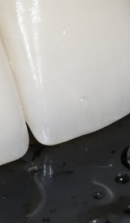
The completeness of aesthetic treatment is determined by close collaboration between the medical team and the dental laboratory. If the clinic has its own in-house laboratory, color and shape adjustments can be made in real time, which helps reduce errors. Whether the edge of the tooth is finished transparently and whether the area near the gum line transitions smoothly without lifting can vary depending on the technician’s skill. Detailed fabrication methods such as multi-layer layering contribute to avoiding an artificial appearance and preserving unique texture.
[ When visiting Smile D Dental Clinic ]
[ Smile D Dental Clinic introduction ]
| 📞 Smile D Dental Clinic phone |
|---|
| 0507-1449-2087 |

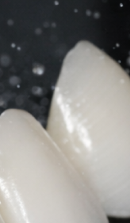
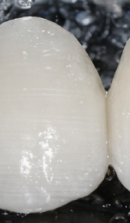
- The bonding principle that determines the durability of Sinsa Station laminate dentistry
The lifespan of a restoration is maintained by strong adhesion. An adhesive system that induces chemical bonding, rather than simple attachment, protects the restoration from external impact and pressure during chewing. A tight fit also serves as a protective barrier that helps prevent bacteria from entering between the restoration and the natural tooth and causing internal decay later on. Therefore, in addition to using high-performance bonding materials, a precise finishing process that prevents tiny ledges from forming must be included to secure long-term stability.


- The importance of aftercare and regular checkups in Sinsa Station laminate dentistry
Even after the procedure is completed, systematic care is essential to maintain the condition of the restoration. Ceramic is resistant to discoloration, but if excessive force is applied, there is still a possibility of fracture, so proper dietary guidance and regular checkups should follow. Depending on oral hygiene, the likelihood of gum inflammation may change, and this is directly connected to maintaining the restoration’s aesthetics. Periodic checkups to see whether any changes have occurred in the individual’s bite are a general principle for maintaining stable results.


All medical procedures should be understood to carry differences in pain, sensitivity, or restoration loss depending on the individual’s condition. Therefore, rather than relying on online information, it is advisable to establish a plan suited to your oral environment through an in-person consultation with an experienced medical professional. Please note that the exact scope and method of treatment are determined based on detailed examination data.









Previous image
Next image




Previous image
Next image