




Previous image
Next image

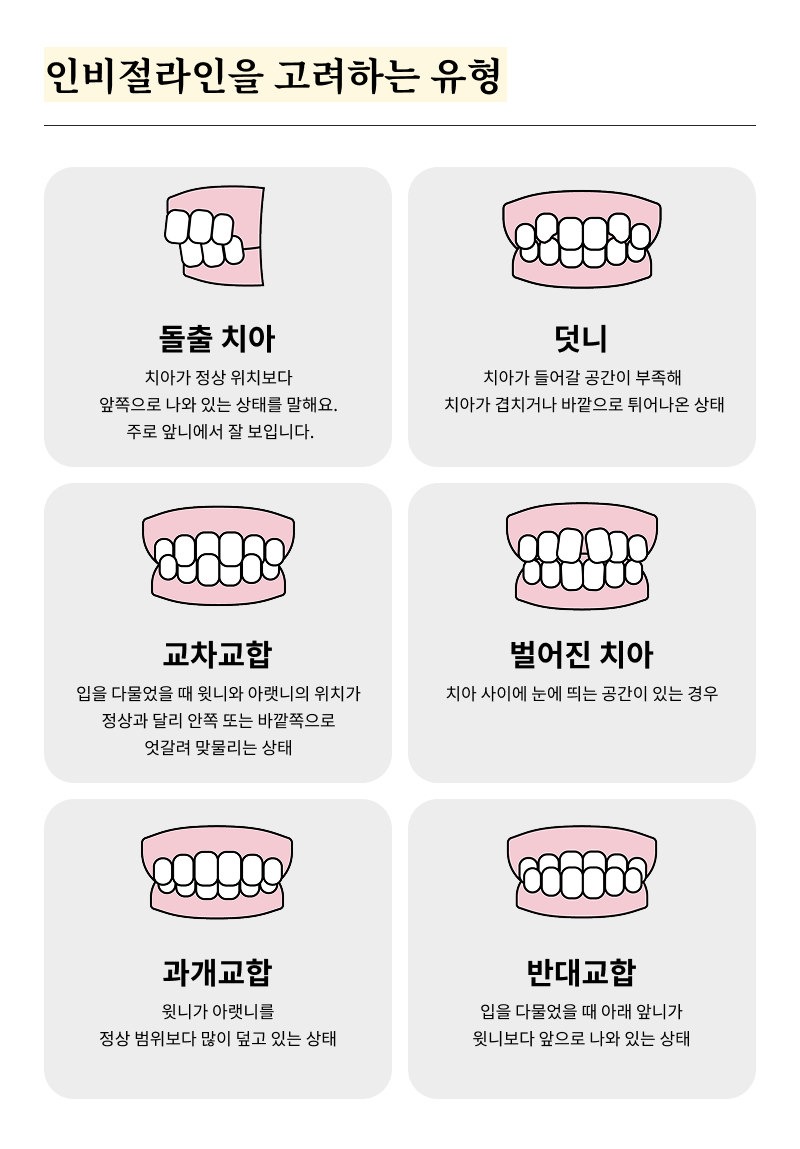
If tooth alignment is irregular, it can cause not only aesthetic concerns but also functional discomfort, such as reduced efficiency when eating or unclear speech. The time to consider visiting an orthodontic clinic in Gangnam is usually when these physical limitations become noticeable, and this becomes a criterion for preserving oral health over the long term. An uneven bite can place excessive pressure on specific teeth, potentially straining the temporomandibular joint area or increasing the likelihood of periodontal disease. Therefore, a process that accurately identifies each person’s structural characteristics through a detailed diagnosis and establishes an appropriate direction is required.
- Detailed diagnosis and initial treatment planning at a Gangnam orthodontic clinic
The first step in treatment is an examination phase that objectively assesses the current oral condition. Since visual inspection alone has limitations, 3D digital equipment or X-ray imaging is used to closely analyze the position of the tooth roots and the skeletal structure. At this stage, the degree of upper and lower jaw occlusion and the density of the alveolar bone are checked, and the movement path is predicted to determine the overall treatment period and specific plan. Because anatomical differences vary greatly from person to person, a data-based design must come first, and whether tooth extraction is necessary is also decided during this process.


- Appliance selection and material characteristics at a Gangnam orthodontic clinic
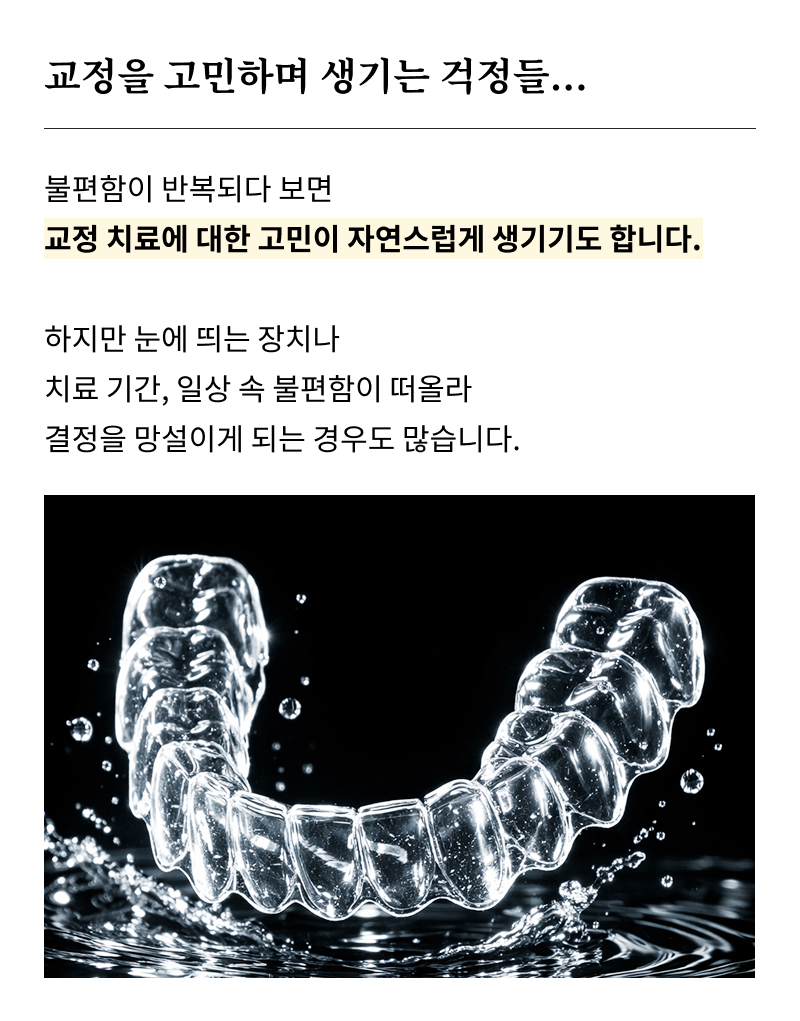
Once the diagnosis is complete, the appliance to be attached inside the mouth is selected, based on the patient’s daily environment and preferences. Metal materials provide stable transmission of physical force, while ceramic types are similar in color to teeth and help reduce visual exposure. Recently, removable clear materials have also been used, but whether they can be applied may vary depending on the difficulty of tooth movement. Since each appliance differs in maintenance method and the degree of foreign-body sensation, it is advisable to receive a full explanation and decide on the material that suits you best.


- Adjustment after appliance placement and hygiene management
In the early stage after the appliance is attached, you may feel a foreign-body sensation or mild pressure, but this is a normal response as the tissues move. During the movement process, food debris can easily remain between the appliance and the teeth, so careful cleaning using a special toothbrush and interdental aids is emphasized to prevent cavities or periodontal inflammation. In particular, hard or sticky foods can cause deformation of the appliance, so caution is needed when eating them. Efforts to maintain a clean oral environment must be carried out in parallel in order to complete the process on schedule without setbacks.
[ Smile:D Want to know more? ]
[ Smile:D Directions ]




- Regular visits and step-by-step adjustments at a Gangnam orthodontic clinic
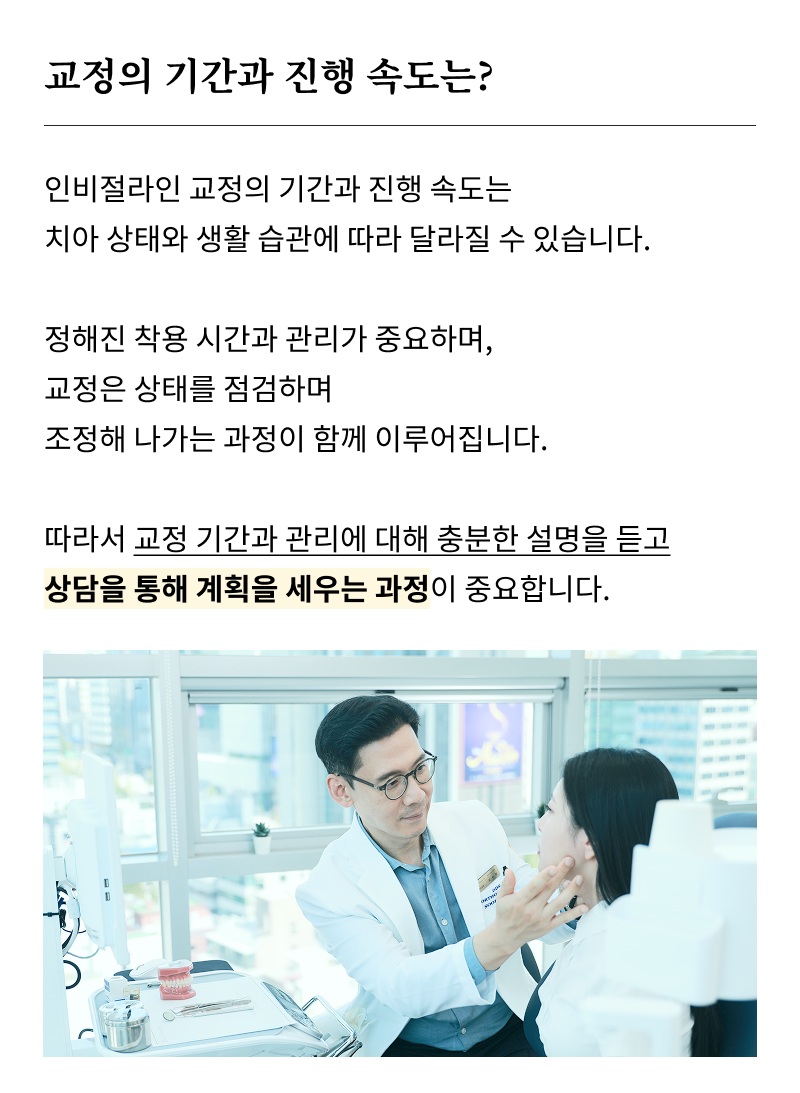
Every 4 to 6 weeks, you visit the clinic to adjust the appliance’s elasticity and check the movement speed. At each stage, the teeth gradually settle into place, and during this time the medical staff continuously monitors the overall balance and changes in the bite. Keeping scheduled visits is a key factor in improving treatment efficiency, and it is important to respond immediately if an unexpected appliance detachment or discomfort occurs. Receiving periodic checkups with patience becomes the foundation for completing functional recovery.

- The importance of wearing a retainer at a Gangnam orthodontic clinic
Even after all tooth movement is complete and the appliance is removed, teeth have a tendency to return to their original position. To prevent this, a period of wearing a fixed or removable retainer is necessary to stabilize the changed position. If retainer use is neglected, there is a risk that the alignment will become crooked again, so it is necessary to make a habit of wearing it for the instructed amount of time. Diligent management through the final stabilization stage is the last factor that determines long-term satisfaction.


In conclusion, the process of correcting tooth alignment goes beyond a simple change in appearance and involves comprehensive care that normalizes oral chewing function and protects periodontal health. Because there are differences at each stage depending on an individual’s skeletal characteristics and gum condition, it is necessary to follow the results of a detailed diagnosis rather than rely on one-size-fits-all information. Since this is a process based on a long-term plan, it is recommended to maintain a healthy oral environment through regular examinations and thorough self-care.









Previous image
Next image








Previous image
Next image