



Previous image
Next image

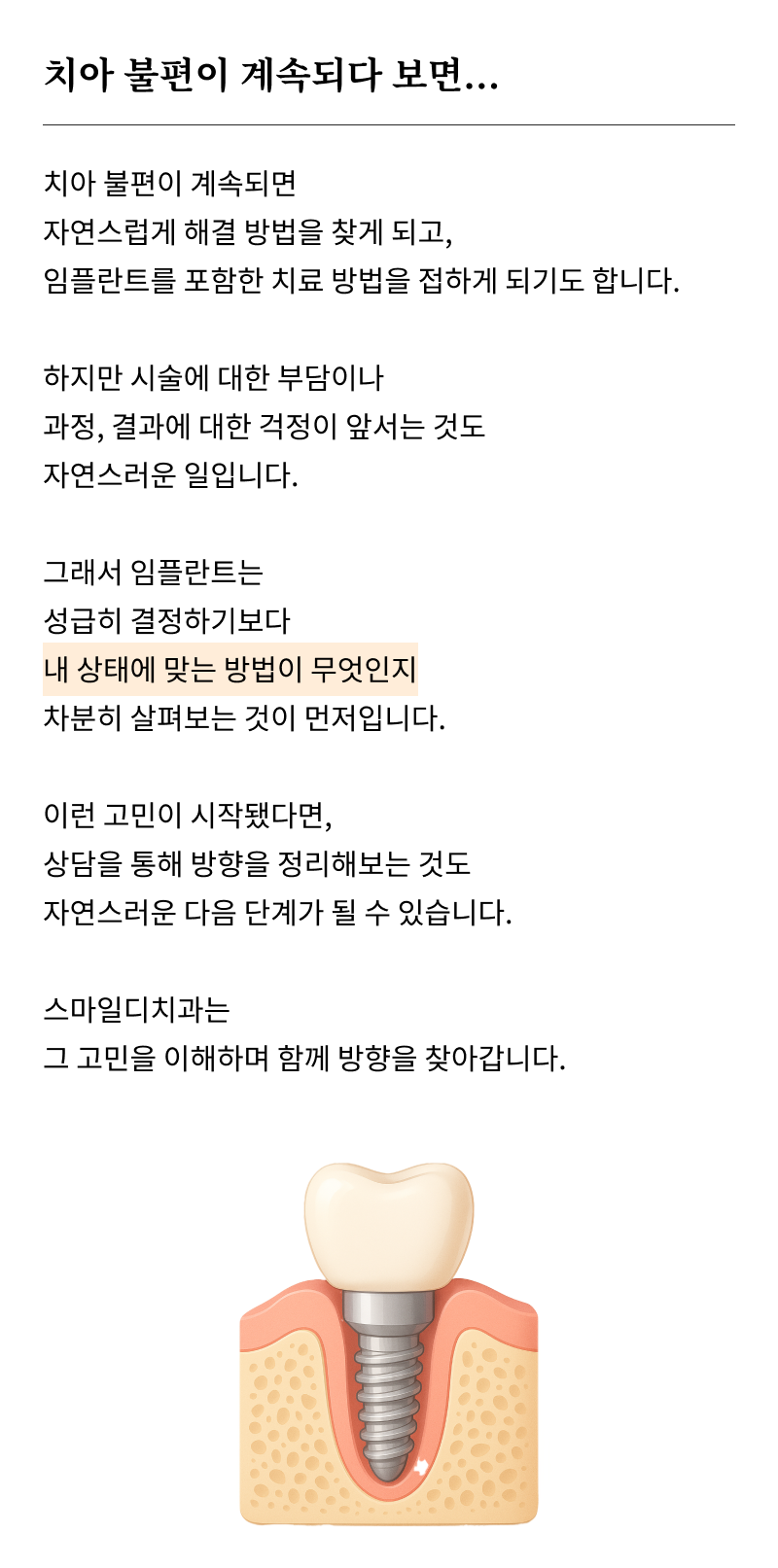
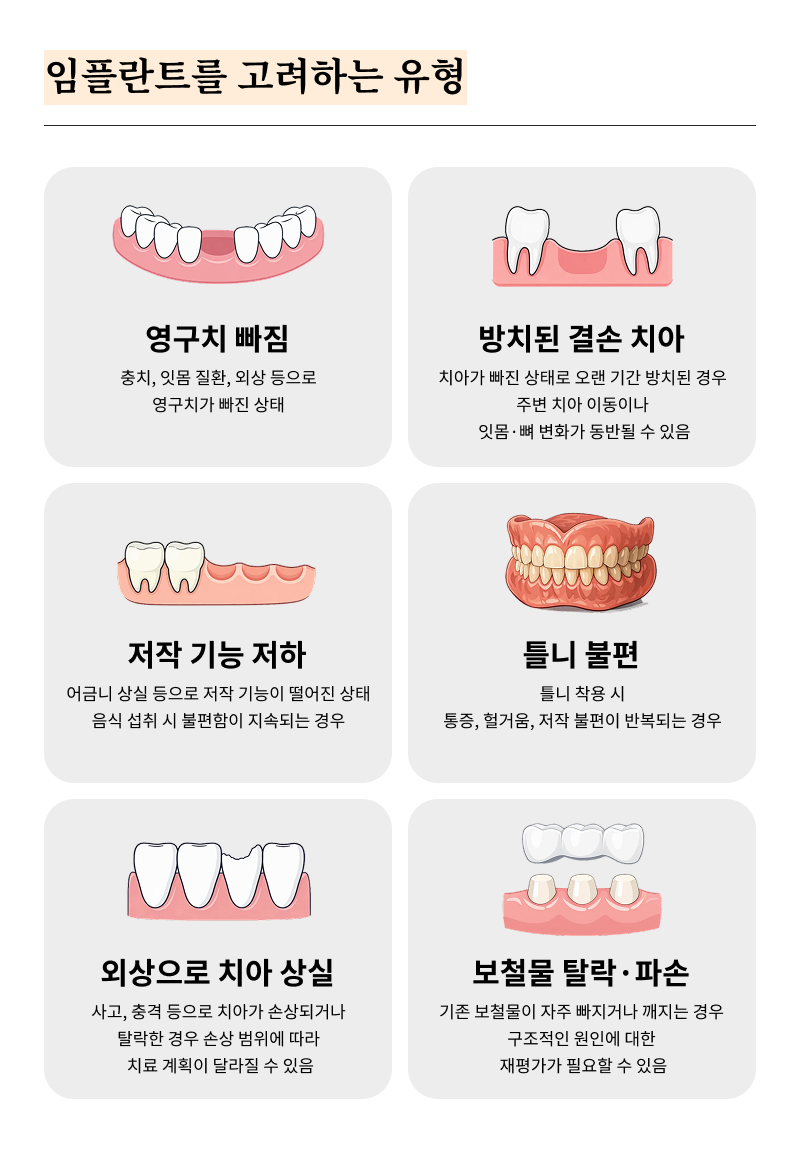
As more people lose multiple teeth, more are considering the full-mouth implant approach in Gangnam to rebuild chewing function. It is reviewed as an alternative for cases where alveolar bone loss inside the mouth is extensive or existing appliances have limitations. This is not simply a process of filling empty spaces, but a highly advanced procedure that resets the overall occlusal plane and secures lower facial support. A systematic approach that takes into account each person’s oral environment and differences in bone density is required, and a precise analysis of implant position and angle must come first for long-term preservation.
- Analyzing the alveolar bone condition for full-mouth implant placement in Gangnam
For artificial roots to be stably fixed, there must be enough jawbone to support them. If a person has remained edentulous for a long time or bone resorption has progressed due to inflammation, a grafting procedure is needed to reinforce the foundation. In the upper jaw, technical judgment is required to secure enough vertical distance while considering the location of the maxillary sinus, which is air-filled. In the lower jaw, the fixture must be placed at an appropriate depth while avoiding the nerve canal to reduce the possibility of sensory disturbances. Therefore, three-dimensional analysis using precision imaging equipment serves as the first step in assessing bone quality and bone volume.

- Full-mouth implant occlusal design and the principle of force distribution
When restoring the full mouth, a more complex mechanical structure must be calculated than when placing a single tooth. Because the entire prosthesis must be supported by a small number of pillars, the key is a design that distributes the load so that chewing forces do not concentrate in a specific area. If the upper and lower jaws are not carefully coordinated, the prosthesis may break or the pillars may loosen. A prosthetic restoration plan should be established that balances the upper, lower, left, and right sides while considering the range of temporomandibular joint movement. This concept includes not only chewing function, but also improved speech accuracy and restoration of the aesthetic lip line.


- The mechanism of using a digital guided device for full-mouth implants in Gangnam
Recently, digital guided methods that undergo computer simulation have been mainly adopted to reduce the margin of error. Based on 3D data, the implant path is set in advance to reduce the extent of soft tissue incision and increase accuracy. Using the established guide makes it possible to insert the fixture at the planned position, which is advantageous for minimizing the amount of bone grafting or managing the risk of nerve damage. This method also broadens the possibilities for older adults or those with physical limitations. Because the procedure is carried out along a preplanned path, it shortens the time required and helps support faster recovery.
[ If you want to know more about Smile:D ]
[ If you want to know the location of Smile:D ]


- Management system for full-mouth implants in Gangnam and precautions to prevent peri-implantitis
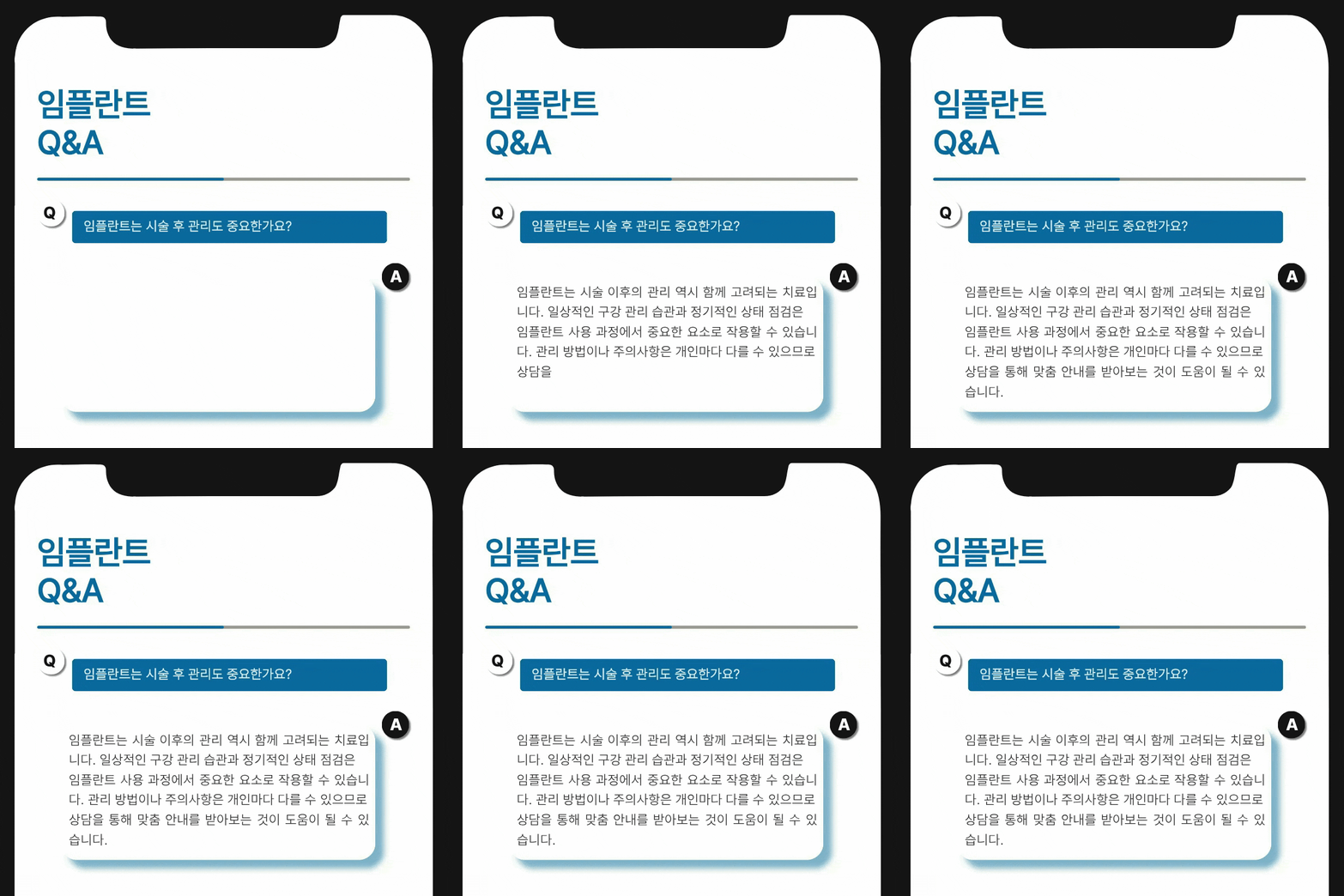
After placement, it is necessary to maintain thorough hygiene management, understanding that artificial structures are more vulnerable to external irritation than natural teeth. Because there are no nerves, it is difficult to notice inflammation when it occurs, so peri-implantitis around the surrounding tissue must be watched for. To prevent the phenomenon of jawbone loss, regular checkups and scaling are essential to remove bacterial biofilm. It is important to maintain cleanliness at the underside of the prosthesis and along the gum margin using an oral irrigator or a special toothbrush. Regular examinations to detect screw loosening or occlusal changes early are a factor that determines the lifespan of the device.
- Criteria for judging full-mouth implants in Gangnam and the direction of medical selection
For successful functional restoration, structural stability should be the top priority rather than relying only on cost or treatment time. Allowing sufficient waiting time for osseointegration, rather than forcing an aggressive placement schedule, has a positive effect on prognosis. The scope and sequence of the procedure may be adjusted depending on whether the person has systemic diseases or the types of medications they are taking, so detailed information should be shared in advance. The final decision is derived after a comprehensive diagnosis of anatomical structure and health status. Since individual differences exist, it is advisable to establish a plan that suits the individual within standardized guidelines.


The process of rebuilding lost tooth function should be performed based on careful diagnosis and scientific evidence. Please closely review the current condition of the remaining bone in the mouth and systemic health indicators to establish a stable management direction.









Previous image
Next image








Previous image
Next image