



Previous image
Next image
When improving the protrusion of the teeth or facial profile after growth has been completed, an individualized analysis of the anatomical structure must come first. In the course of adult protruding mouth orthodontic treatment, it is a basic principle to set the movement range by comprehensively reviewing skeletal maturity and periodontal condition. Rather than simply pushing the teeth backward, a precise approach that considers the relationship between the maxilla and mandible, as well as the thickness of the soft tissue, is required. Since this is a period in which skeletal change is limited, the physiological responses that may occur during the process of achieving facial harmony through tooth movement itself must be sufficiently reviewed in advance. Because adult alveolar bone has a slower metabolic rate, delicate force control is necessary so that bone remodeling can occur stably along the path of root movement.
1. Anatomical features and differences considered in adult protruding mouth orthodontic treatment
Unlike children in the growth period, adults have completed skeletal growth, so the density of the gum bone that holds the teeth is higher and its adaptability is different. At this stage, the response of the surrounding tissues to tooth movement must be closely observed, and the pace of treatment adjusted accordingly. When the skeletal discrepancy is minor and dental protrusion is the main cause, the inclination of the dental arch is corrected to induce changes in the facial profile. However, if the gum bone itself is protruded, it is important to more strictly limit the path of root movement to prevent damage to the surrounding tissues. Because adults have a relatively slow rate of bone remodeling, rather than applying excessive pressure, precise control that delivers continuous and steady force is needed to minimize phenomena such as root resorption. In addition, because the possible range of movement is determined by the health of the periodontal ligament, the presence of gingivitis or periodontitis is checked in advance, and management of these conditions comes first. In particular, if there is a loss of periodontal supporting tissue, the amount and direction of movement are set more conservatively in order to preserve the teeth for as long as possible.
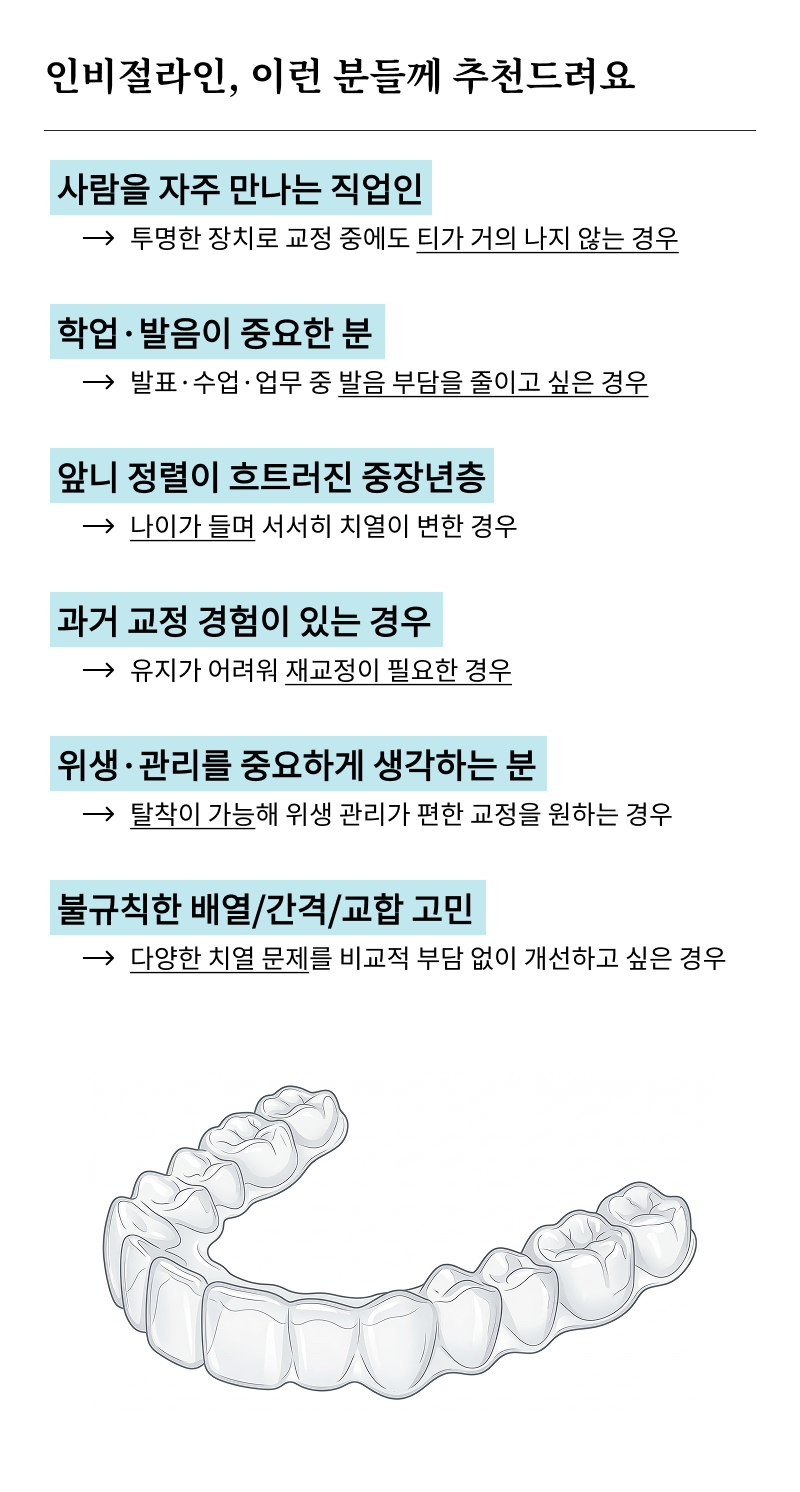
2. Criteria for deciding between extraction and non-extraction to secure space in adult protruding mouth orthodontic treatment
Creating space to move the teeth backward is considered a key stage of treatment. During the initial diagnosis, the degree of crowding in the dental arch and lip tension are measured to determine whether extraction is needed. When the arch width is sufficient or the amount of movement is small, non-extraction methods such as interproximal reduction or arch expansion are first considered. On the other hand, if excessive force is placed on the chin muscle when closing the lips, or if the teeth are outside the range of the alveolar bone, it is medically reasonable to secure enough retraction distance through extraction. In such cases, premolars are mainly used, and the mechanism of pulling the six front teeth backward through the created space is applied. Because the degree of facial change is determined during the process of closing the extraction space, numerical simulations that predict lip protrusion and changes in soft-tissue thickness are sometimes used through analysis of lateral radiographs. These decisions are made not based on subjective preference, but within anatomical limits. If the alveolar bone width is narrow, careful angle control must also be carried out after extraction so that the roots do not move outside the outer bone wall.
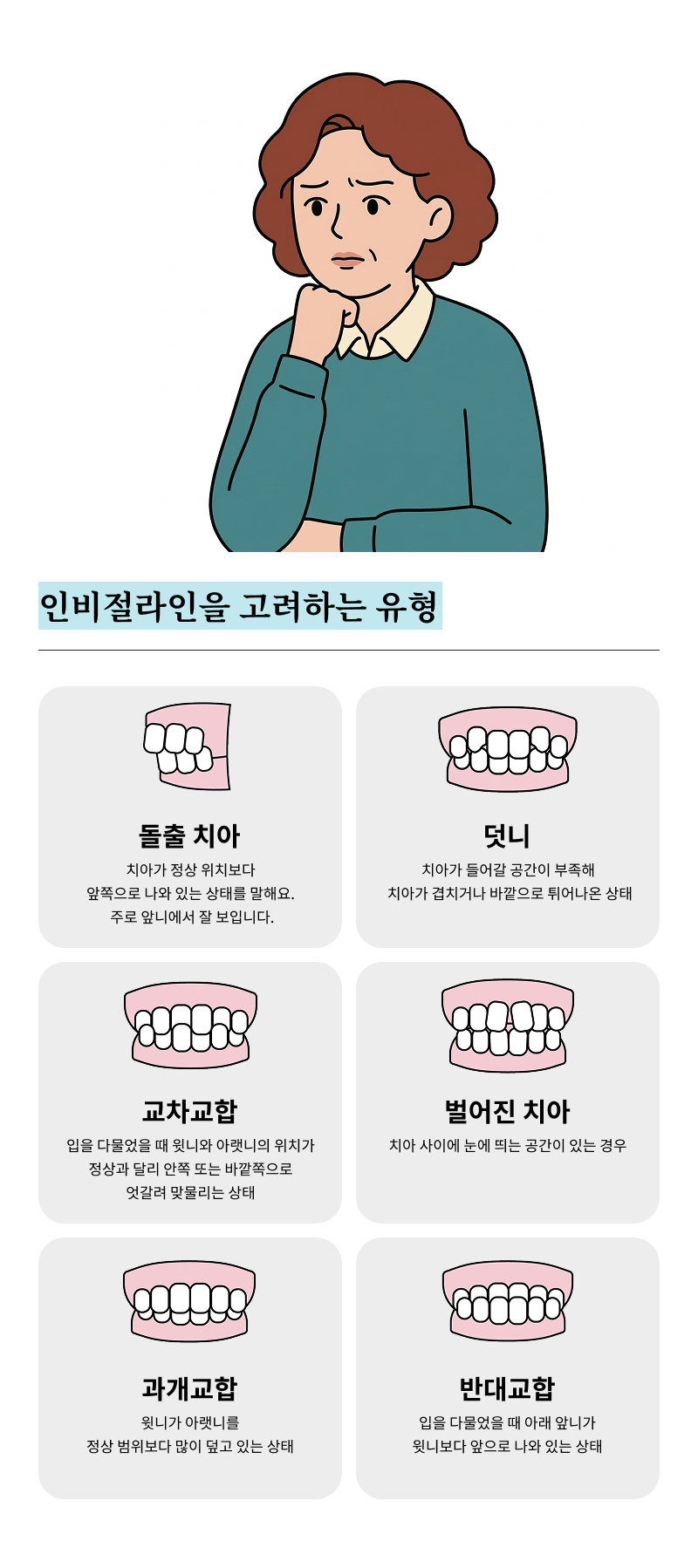
3. Principles of oral hygiene management and side-effect prevention during adult protruding mouth orthodontic treatment
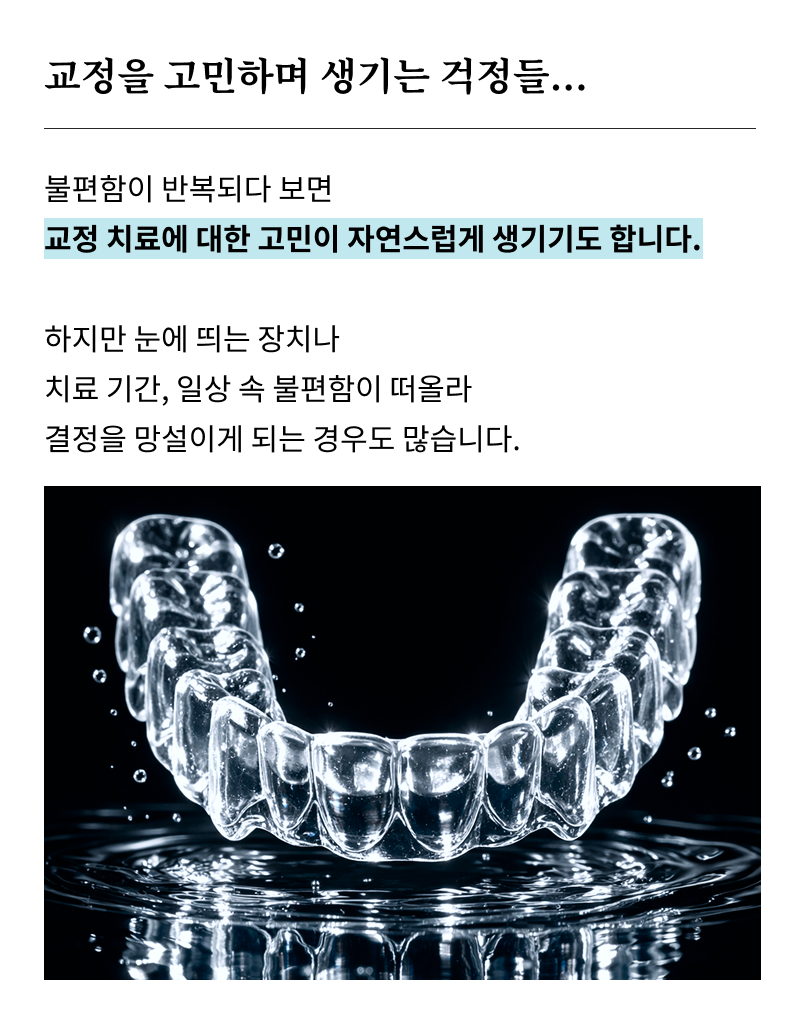
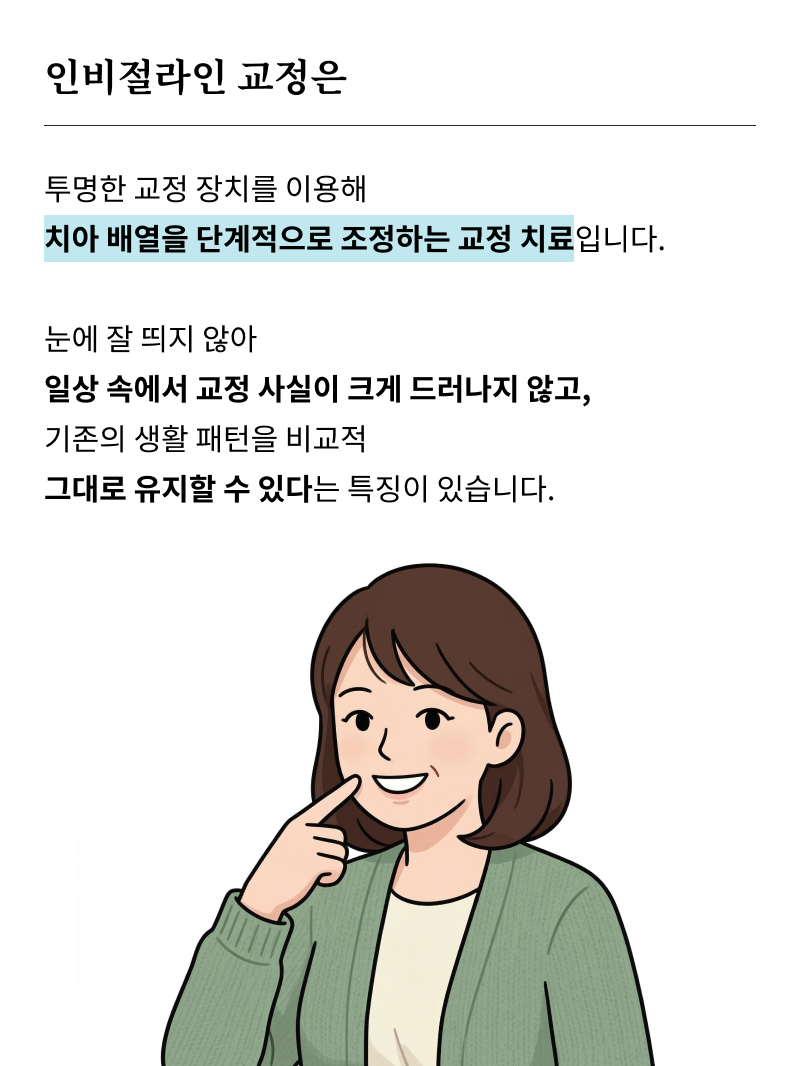
When appliances are attached, food debris can remain easily, creating a risk of demineralization or inflammation on the tooth surface. Regular checkups to remove plaque and maintain oral cleanliness are essential. In particular, adults may experience phenomena such as gingival recession or root resorption, so care must be taken not to apply excessive orthodontic force. To prevent discoloration on the tooth surface, known as white spot lesions, auxiliary management methods such as fluoride application may also be used. Bacterial growth around the appliance can lead to loss of gum bone, so thorough physical cleaning with orthodontic toothbrushes and interdental brushes is necessary. If occlusal interference occurs during tooth movement, the temporomandibular joint may be strained, so careful observation to check contact conditions at each stage and adjust premature contacts must continue. This is a basic guideline not only for aesthetic improvement but also for maintaining the biological stability of the oral tissues. Because adults have lower metabolic capacity than adolescents, the intensity of monitoring for gum overgrowth or recession is increased in response.
[ Smile:D Information ]
[ Smile:D Location ]
4. How auxiliary appliances are used to enhance the effect of adult protruding mouth orthodontic treatment
To precisely move the teeth in the desired direction, absolute anchorage devices such as mini-screws may be used. In this case, mini-screws are temporarily placed in the gum bone to prevent the molars from being pushed forward as a reaction when the front teeth are pulled back. These devices make it possible to rotate the entire dental arch upward and backward, helping to improve the facial profile even in cases accompanied by a receding chin. The placement procedure is performed under local treatment, and it is generally removed without leaving a trace after completion. The stronger the anchorage, the more the distance the front teeth can be moved backward, contributing to a broader range of facial change. However, anchorage strength may vary depending on the condition of the bone, so the process of identifying bone density at the placement site through computed tomography and similar methods is also involved. The use of auxiliary appliances plays a central role in shortening treatment time and preventing unintended tooth movement, thereby improving the overall precision of treatment. In cases accompanied by skeletal protrusion, these additional devices become a tool that compensates for the positional limitations of the maxilla.

5. Bite stabilization and retention appliances in the final stage of adult protruding mouth orthodontic treatment
After tooth movement is completed, the process continues with detailed adjustments so that the upper and lower jaws fit together closely in occlusion. In the final stage, both chewing efficiency and comfort of the temporomandibular joint must be secured at the same time. After the appliance is removed, a retention device must be worn for a certain period to prevent the teeth from returning to their original positions. This is an essential measure to prevent relapse and preserve the improved dental arch over the long term, and the wearing period is set differently depending on each person’s oral environment. Fixed retainers attach a thin wire to the inside of the front teeth to prevent shifting, while removable retainers help maintain the overall shape of the arch. Because adults reconfigure periodontal elastic fibers more slowly, compliance with retainer use becomes a key variable that determines the durability of the result. The final conclusion is to promote long-term oral health by monitoring appliance damage and changes in occlusion through regular follow-up visits. Stable occlusal formation is an essential condition for relieving tension in the masticatory muscles and helping periodontal tissues adapt to their new position.










Previous image
Next image





Previous image
Next image