



Previous image
Next image


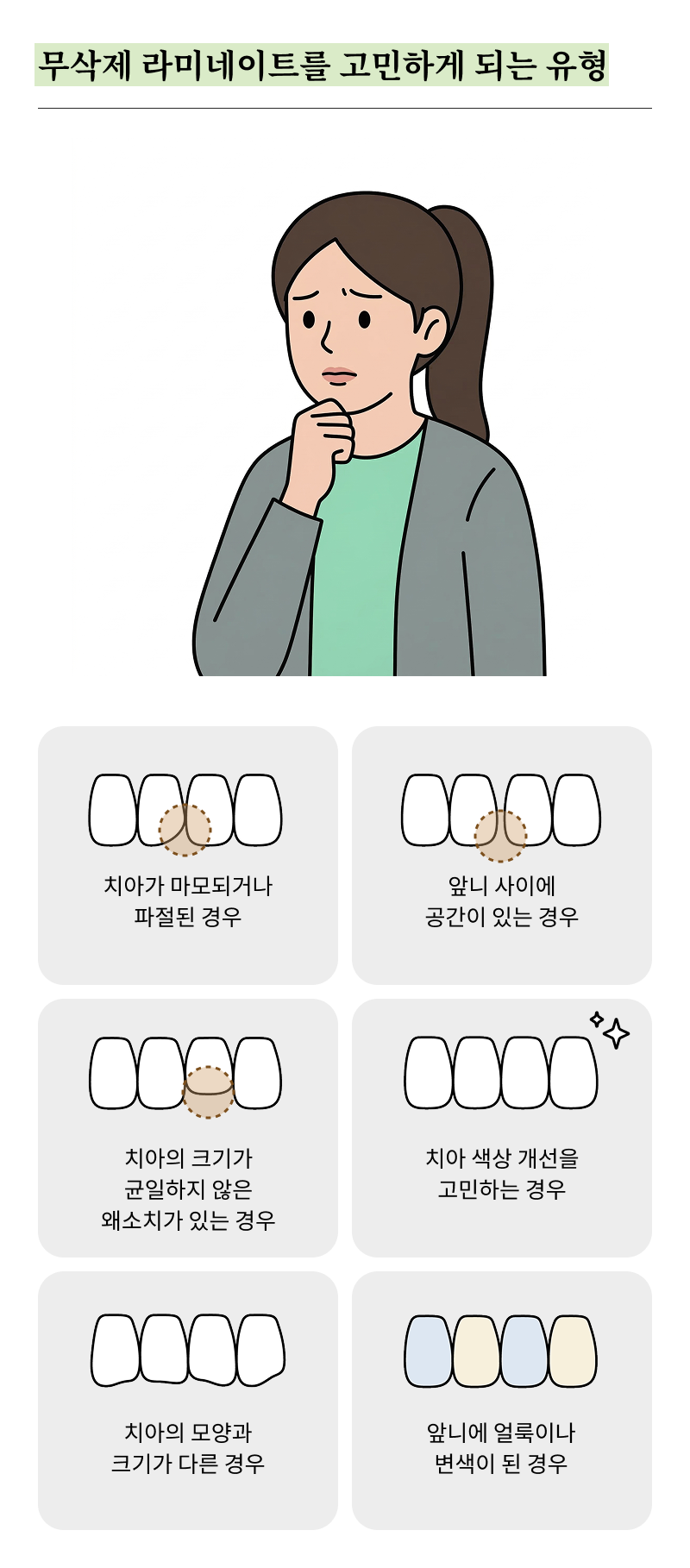
Laminate veneers are performed for aesthetic improvement of the tooth surface or for shape correction. After minimally refining the enamel, a thin ceramic restoration is bonded to the tooth. In cases of irregular alignment or severe discoloration, many people look for information through Seoul dental clinic recommendation channels to achieve a more balanced appearance. This is a delicate process that must consider both functional preservation of the teeth and visual satisfaction. In particular, because the amount of tooth reduction affects dental health differently, an approach based on objective criteria is necessary. To compensate for structural defects and reproduce a natural shape, the following principles must be followed.
- Seoul dental clinic recommendation: principle of minimizing tooth reduction
The most important factor in the veneer process is a design that preserves natural tooth structure as much as possible. Because enamel is a tissue that does not regenerate, unnecessary reduction always carries the risk of sensitivity or damage to the inner nerve. Recently, with advances in technology, techniques that limit the reduction range to around 0.3 mm or perform the procedure without reduction have also been introduced. Such numerical precision helps increase the bonding strength between the restoration and the tooth. Therefore, it is important to check whether the clinic clearly distinguishes the areas where reduction is actually needed through a precise diagnosis.
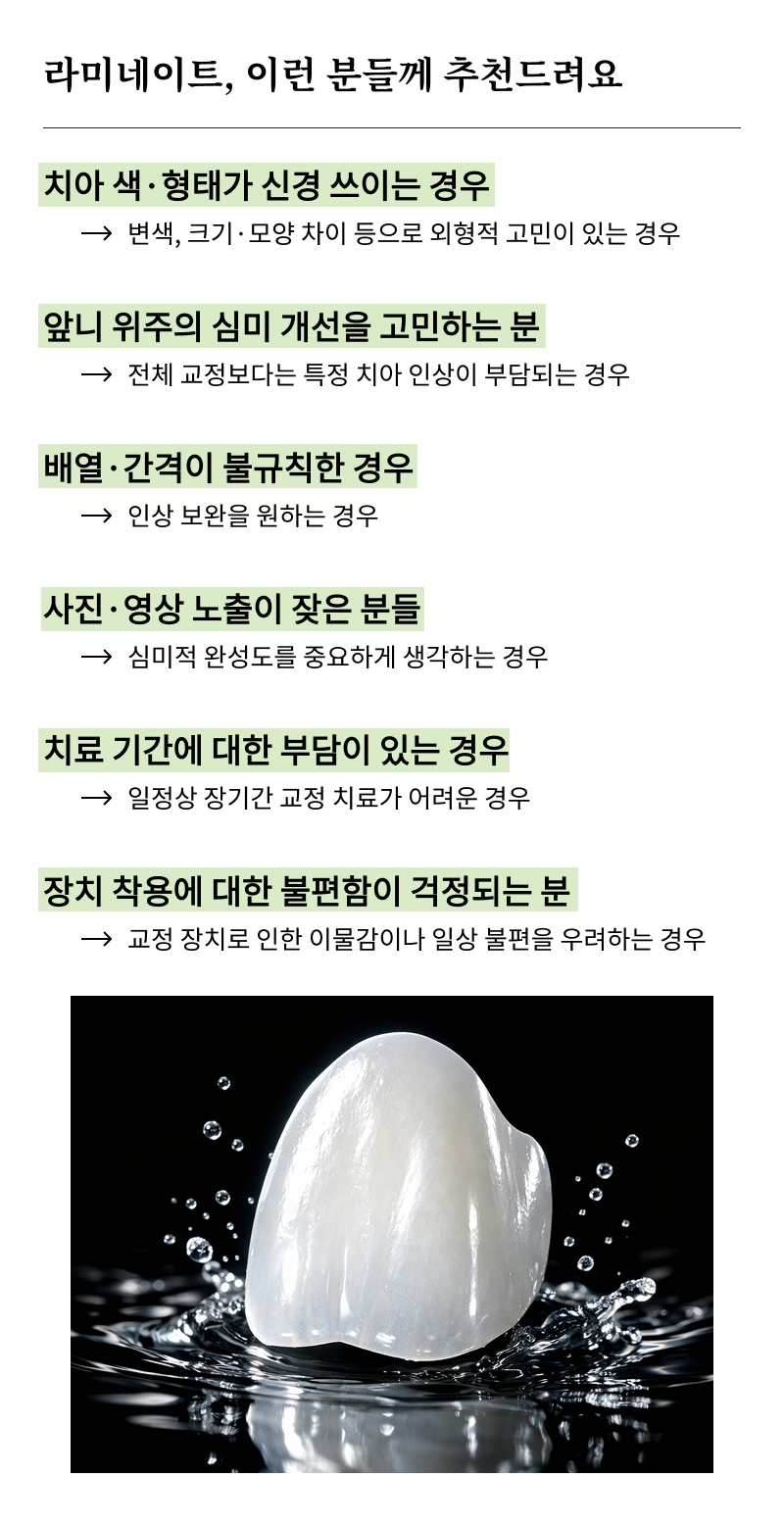
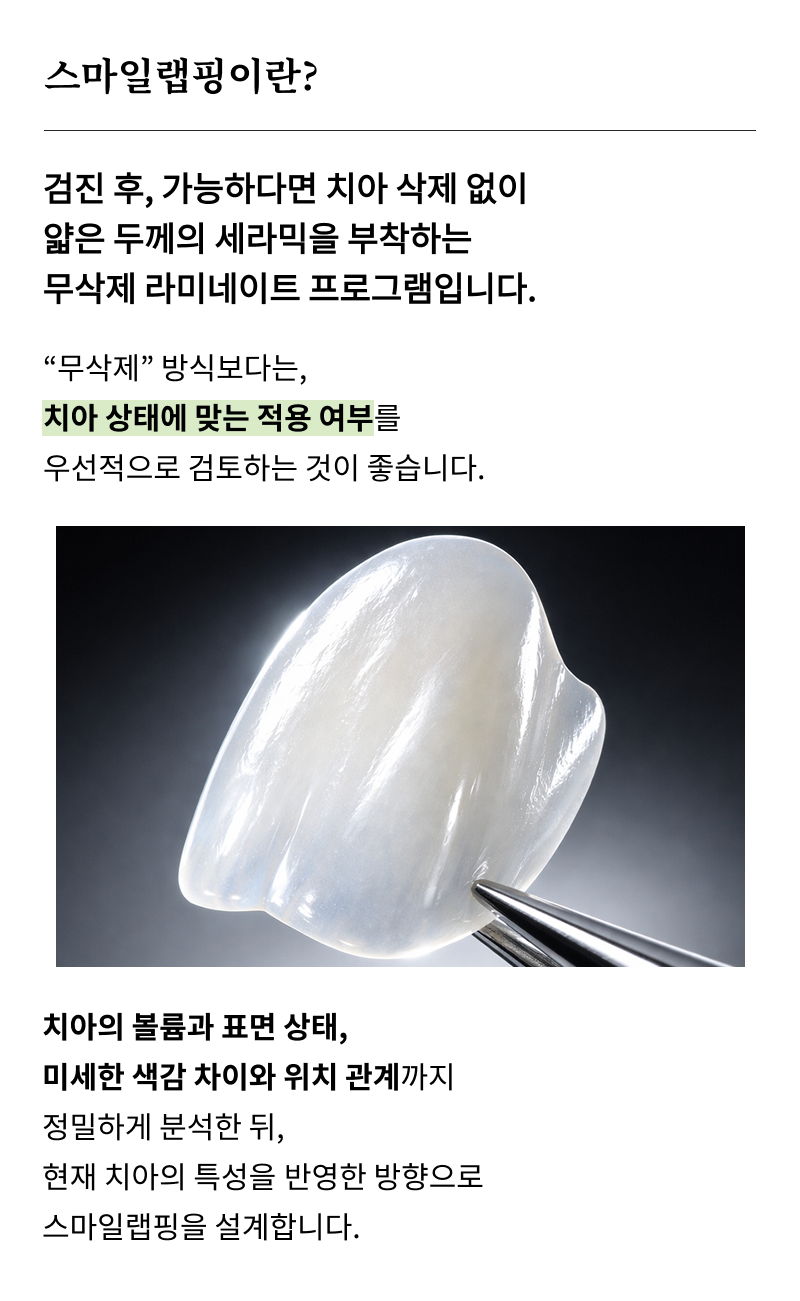
- Seoul dental clinic recommendation: strength and translucency of ceramic restorations
The ceramic material used should have a light reflectance and translucency similar to natural teeth in order to minimize aesthetic differences. Materials such as reinforced ceramics or lithium disilicate are known to maintain high fracture strength even at thin thicknesses. If the material cannot withstand the pressure applied during chewing, it may come loose or break, so it is advisable to review its physical properties. A custom fabrication system tailored to each person's facial structure and gum line is a key indicator of the finished result's quality. It is important to determine whether the restoration is made in an environment where the material quality has been verified.


- Seoul dental clinic recommendation: precise impression taking and bite analysis
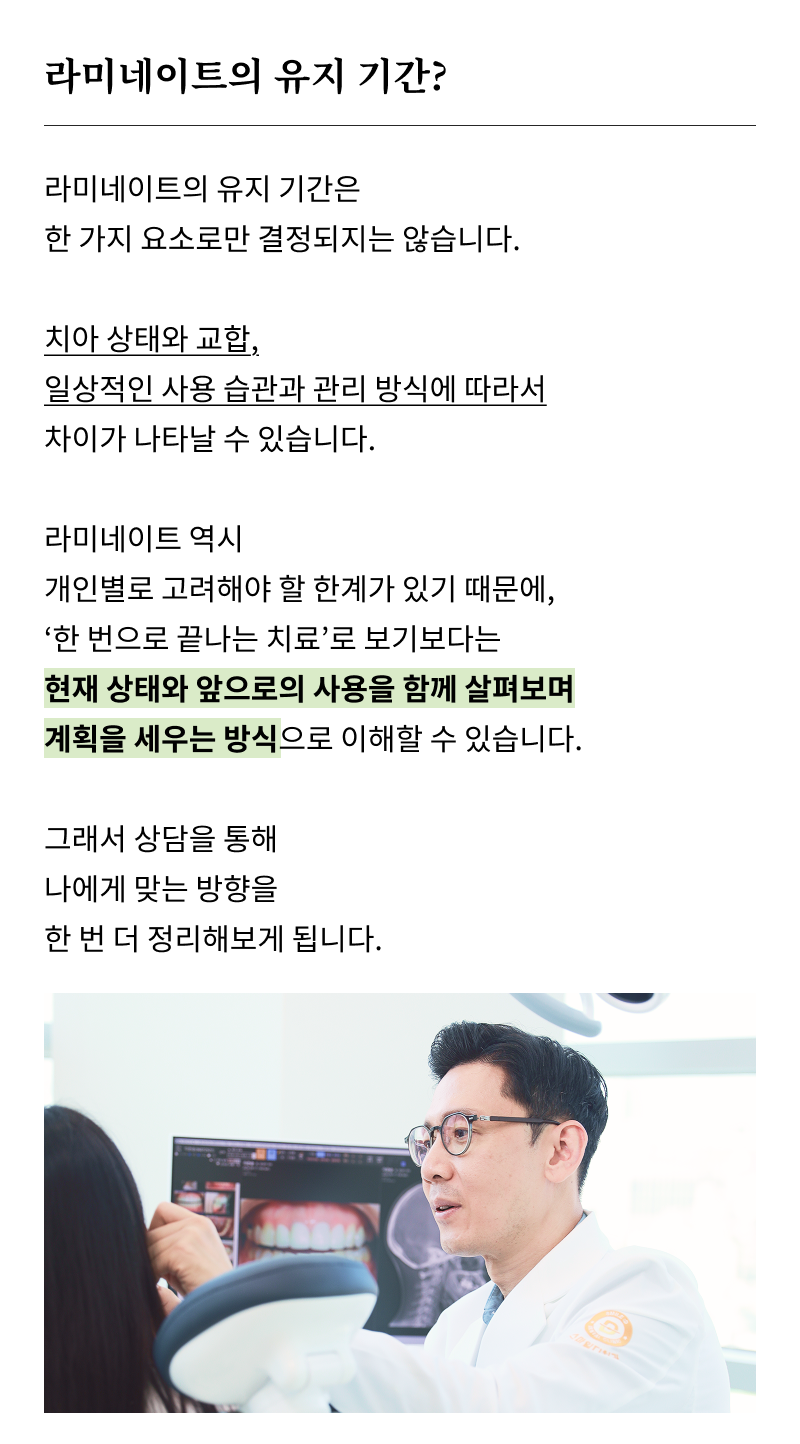
If the restoration bonded to the tooth surface lifts or develops gaps, bacteria can enter those spaces and likely cause secondary cavities. Using a digital scanner to create a three-dimensional representation of the inside of the mouth helps reduce errors in impression taking. In addition, if the bite relationship between the upper and lower jaws is not considered, excessive force may concentrate on certain areas and shorten the lifespan. A design that achieves functional harmony is the foundation for securing long-term durability. It is necessary to check whether a system is in place to manage the risk of detachment through a careful analysis process.
[ Smile D More ]
[ Smile D Directions ]



- Seoul dental clinic recommendation: biocompatibility at the gum margin
The boundary where the restoration meets the gums is vulnerable to inflammation, so it is important to create a smooth transition surface. If the margin is rough or pressure is applied, there is a risk of gum swelling or discoloration. Precise bonding techniques that improve compatibility with the tissue are essential for maintaining oral health. It is necessary to check whether a design that minimizes the sensation of a foreign body is applied while considering the shape of each person's gum line. This not only contributes to visual completion but also acts as a mechanism for preventing periodontal disease. A careful adjustment process by skilled personnel must be involved.


- Seoul dental clinic recommendation: aftercare and proper usage habits
Right after the procedure, caution is needed to avoid excessive temperature changes or impact until the adhesive has fully cured. Biting hard or chewy foods with the front teeth is a factor that can reduce the lifespan of the restoration, so care is required. A system that continuously monitors the bonding state and the health of the surrounding teeth through regular checkups helps prevent side effects. Some also suggest improving retention through a regular maintenance program. It is recommended to protect oral function by choosing a place where these principles are clearly established.
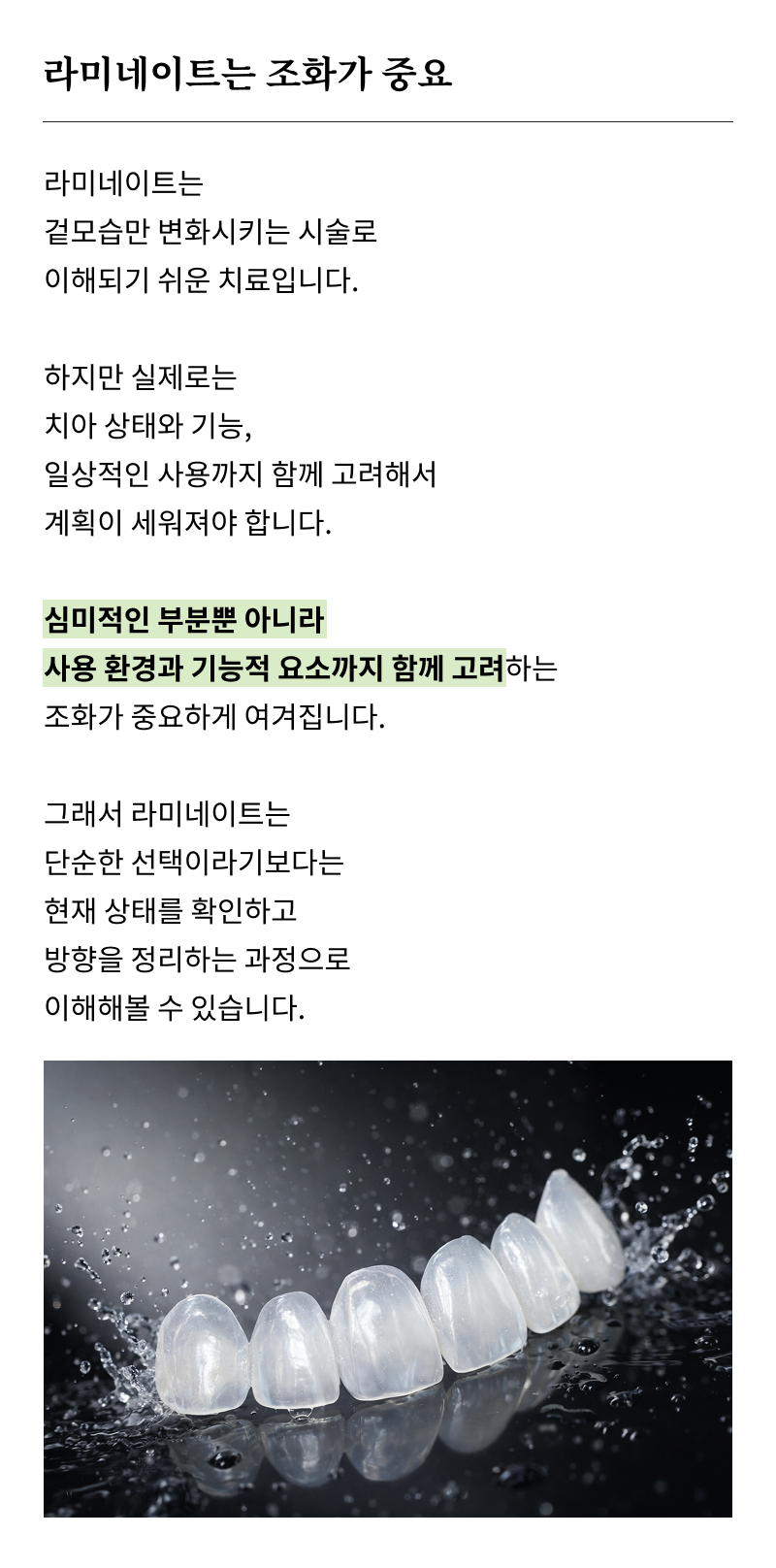
In conclusion, tooth reshaping is not simply about changing appearance; it is a process of finding balance while maintaining tooth health. Because the applicable range varies depending on each person's oral condition, a precise examination through in-person treatment must come first. Please note that the final method is determined based on the results of individual data analysis.









Previous image
Next image







Previous image
Next image