Does orthodontic treatment cause nasolabial folds and hollow cheeks?
I’ll answer honestly
What if I lose cheek fat and end up looking like a skeleton?
Won’t the nasolabial folds get deeper?
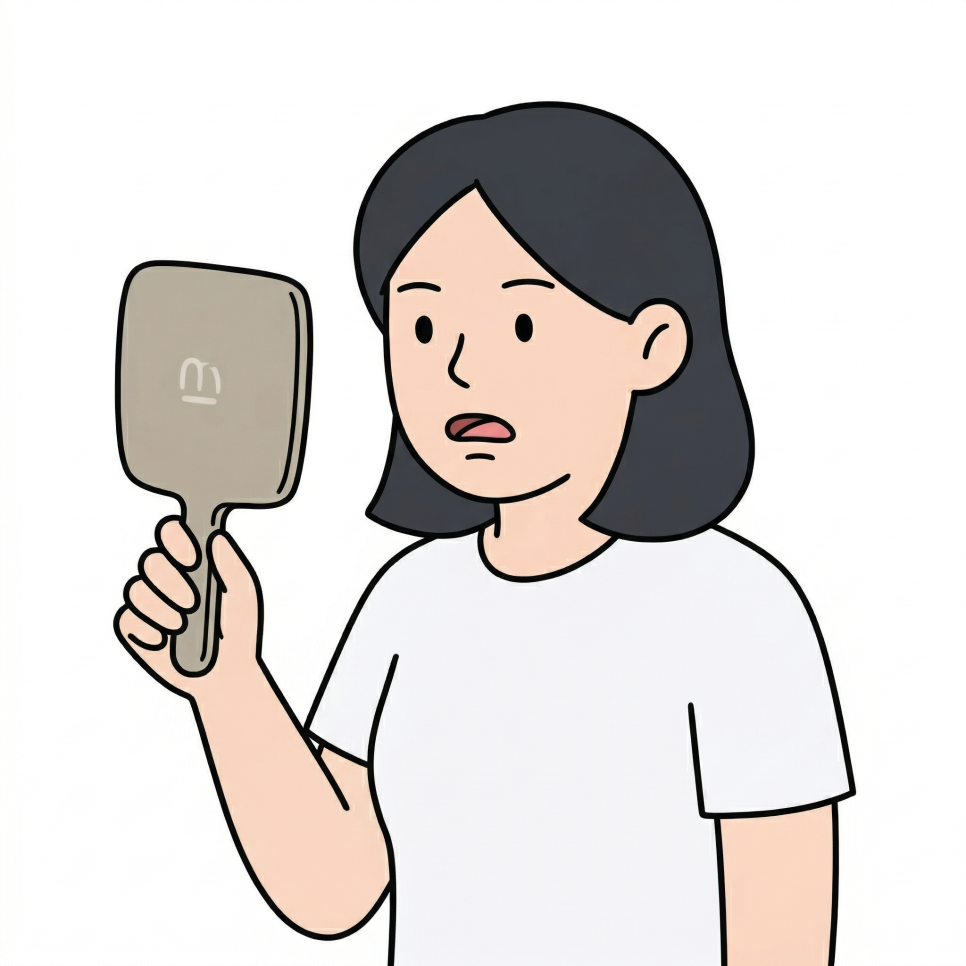
A lot of people worry that their cheeks will look hollow after orthodontic treatment,
and that they might look older.
In fact, when I consult with patients,
many of them are concerned about changes in their face.
If you only look at online reviews,
it is easy to become even more anxious because there are stories saying the face looked much older after treatment.
However, this is not something that can simply be concluded as,
“Orthodontic treatment always causes that.”
In most cases,
👉 it is a temporary change, or
👉 something that appears during the adjustment process.
Today,
I’ll realistically organize the topics of hollow cheeks, nasolabial folds, and facial changes after orthodontic treatment:
✔ Why these changes actually happen
✔ When they are temporary and when caution is needed
✔ In what cases the changes are felt more strongly
If you read to the end,
it will help you sort out your concerns before orthodontic treatment 😊
Hello.
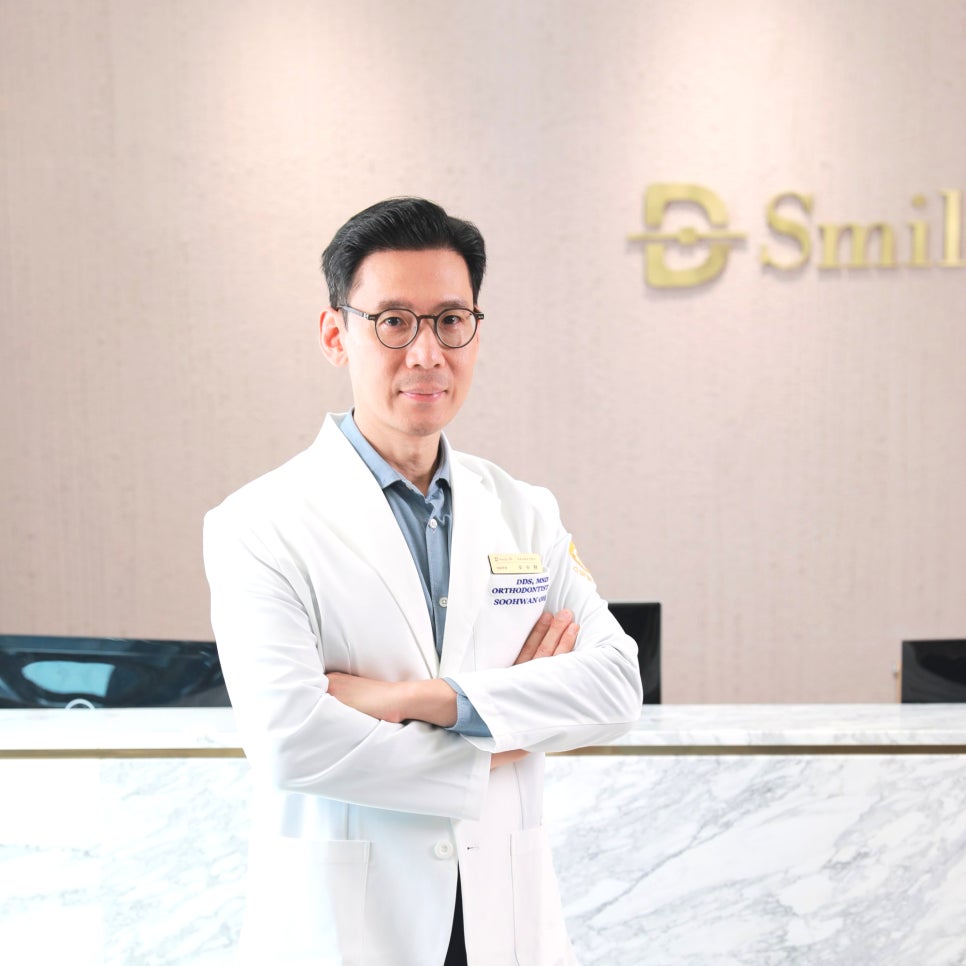
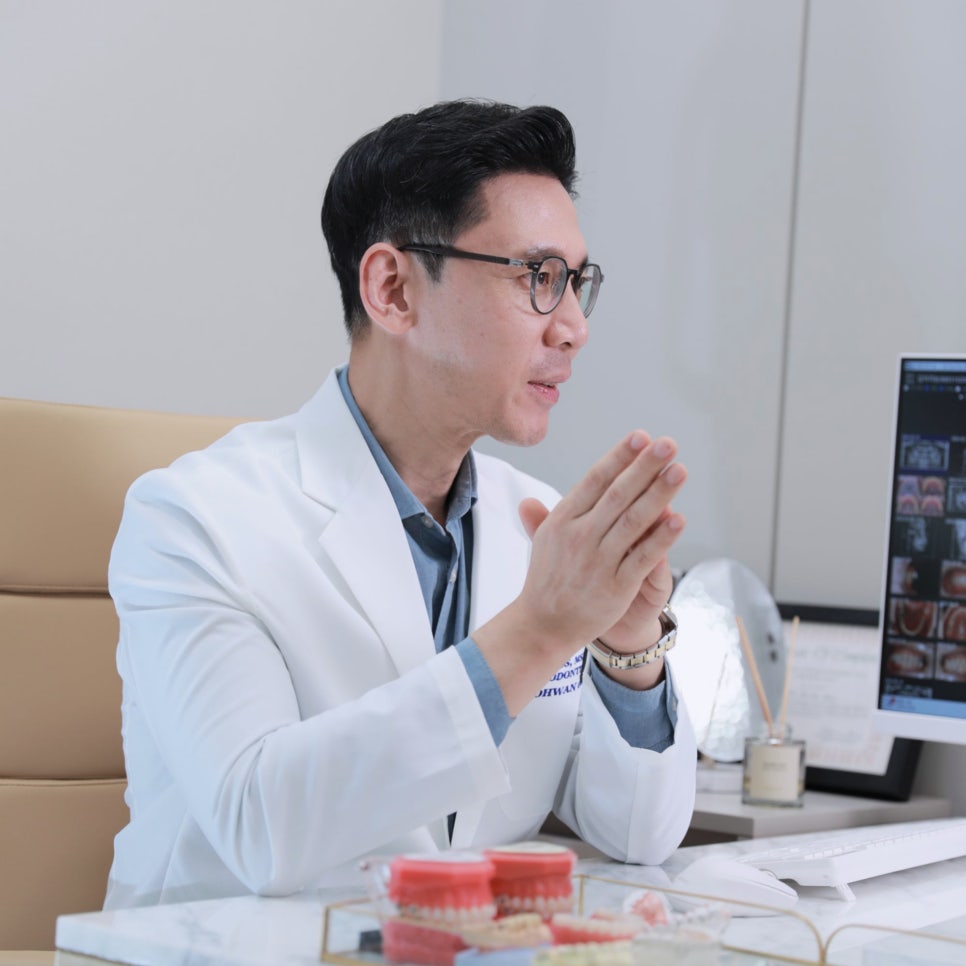
I’m Oh Su-hwan, a 19-year orthodontic specialist certified by the Ministry of Health and Welfare,
and the chief director of SmileD Dental Clinic.
Why do hollow cheeks happen?
The key is “reduced muscle use.”
In the early stage of orthodontic treatment,
because there is tooth pain and discomfort when chewing,
it is natural to reduce eating hard foods
and to eat less overall.
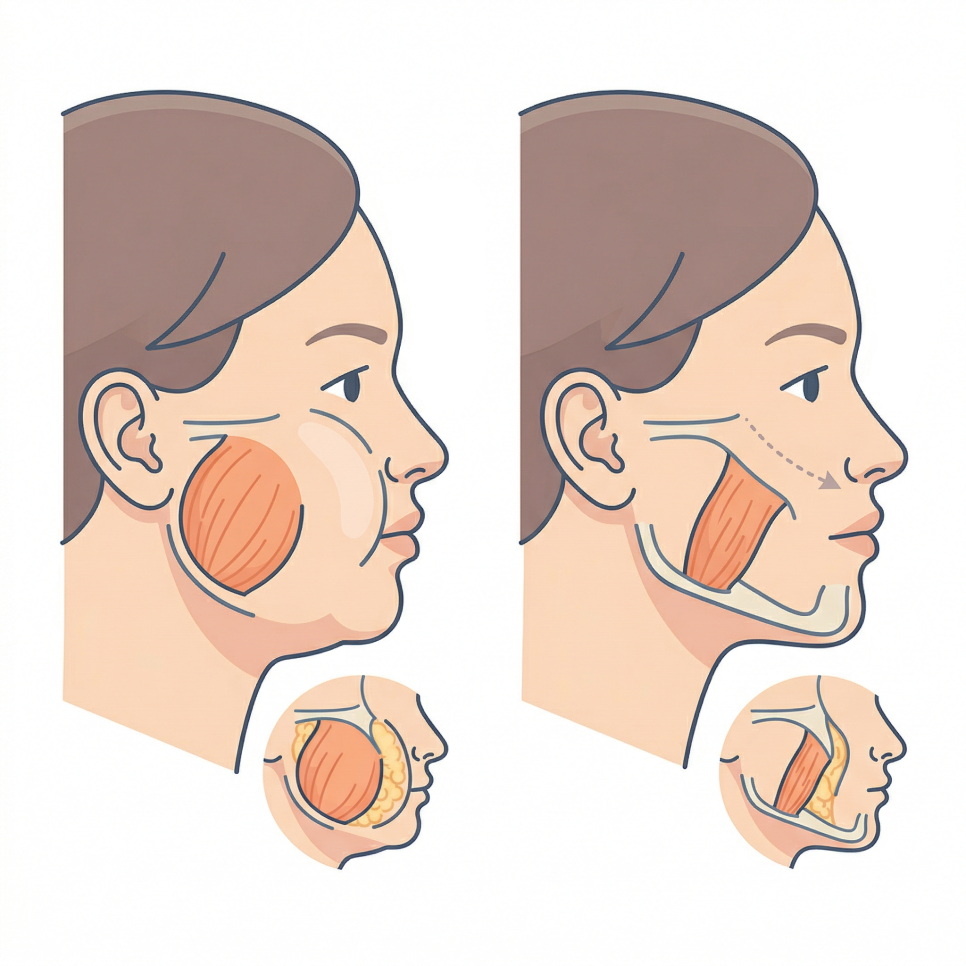
At this time, the important muscles are the
chewing muscles (masticatory muscles).
When these muscles are used less,
muscle mass decreases and facial volume decreases,
which can make the area below the cheekbones look hollow.
Will this state continue?
In most cases, no.
As orthodontic treatment progresses,
pain decreases and chewing function recovers,
so the muscles often recover as well.
In other words,
it is more often a
“temporary process”
than a “permanent change.”
However, there are cases that require caution.
The following cases may make the change feel more noticeable:
✔ When there is naturally little cheek fat
✔ A face shape with prominent cheekbones
✔ A large decrease in body weight
Also,
because natural aging progresses during the orthodontic period,
cheek fullness may not return 100% to its previous state.
There are individual differences in this part.
[SmileD Dental Clinic Information]
| ☎️ SmileD Dental Clinic Phone Number |
|---|
| 0507-1449-2087 |
| ℹ️ SmileD Dental Clinic Website |
|---|
| Official website |
| 🎥 SmileD Dental Clinic YouTube |
|---|
| YouTube |
Will the nasolabial folds get deeper?
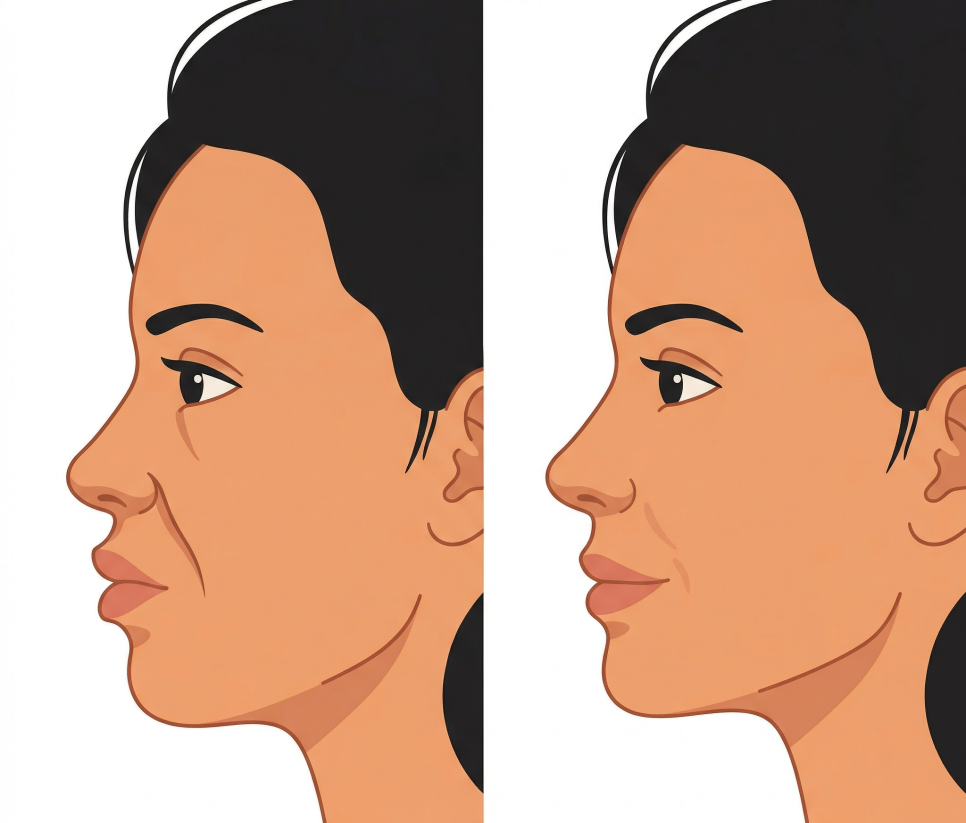
You can think of this as “it depends.”
< Cases where nasolabial folds improve >
✔ When there is protruding mouth/lips
After treatment, as the mouth/lips move inward,
the bulging area beside the nose is often softened
and the nasolabial folds become less noticeable.

SmileD Dental Clinic
< Cases where they may deepen instead >
✔ When the mouth/lips are moved too far back
In this case,
the lips may become thinner
and the face may look flatter,
which can create a more aged appearance.
This state is often described as a “buck teeth-like feeling.”
Of course, there are individual differences here as well.
The key point here is one thing.
It is not about “how much” you move it back,
but “how far” you move it back.
In other words,
✔ overall facial proportions
✔ lip thickness
✔ philtrum length
✔ balance of the side profile
These factors should all be considered together
when setting the treatment range.
Many people think,
“Please move my mouth as far back as possible,”
but that is not the correct approach.
What matters in orthodontics is
stopping at the appropriate point.
That is because excessive movement
can affect both functional issues and aesthetic issues.
Summary
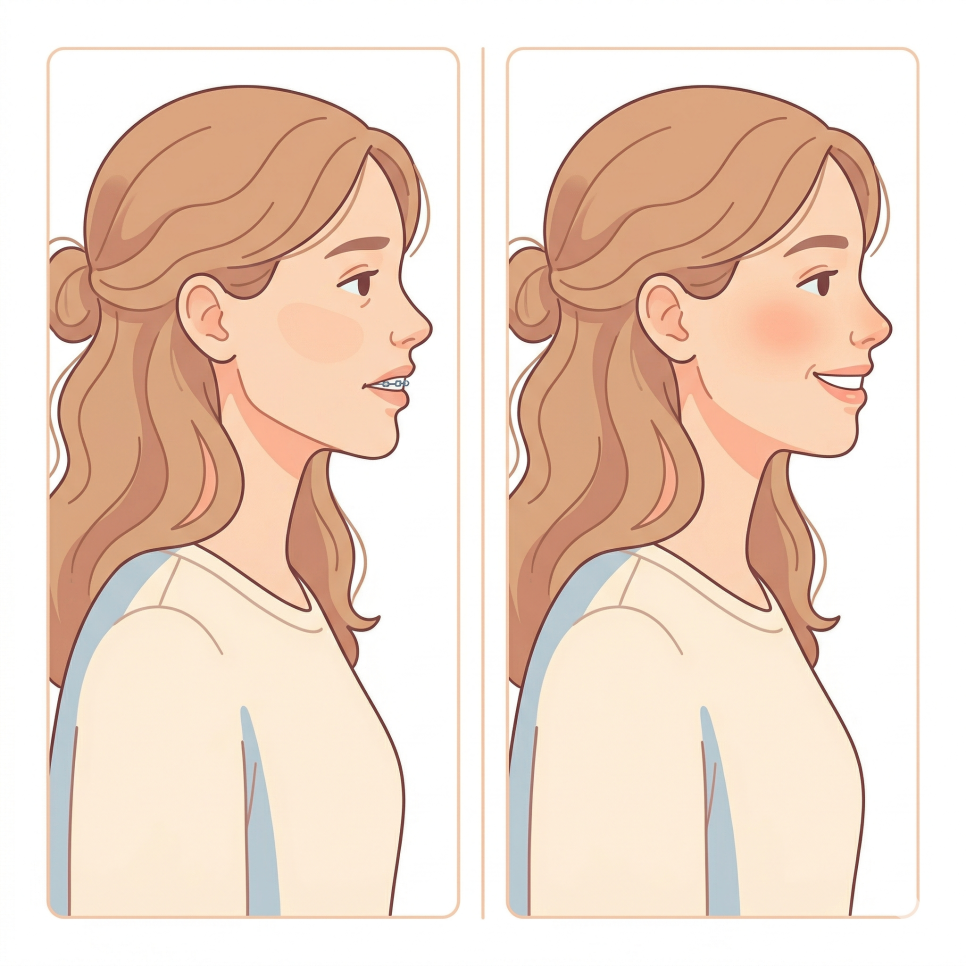
If we summarize today’s content,
✔ Hollow cheeks → mostly a temporary change
✔ Nasolabial folds → may improve or worsen depending on the case
✔ Excessive movement → may lead to unnatural results
In other words, with orthodontic treatment, what matters is not “doing a lot,”
but “doing it appropriately.”
If you are considering orthodontic treatment,
it is difficult to judge on your own whether you will change or not.
That is because
facial structure, tooth position, and bone shape are all different.
So what matters most is an accurate diagnosis.
How protruded are the teeth?
How far can they be moved?
What point is the most natural?
This is not something judged by appearance alone,
but an area that should be determined based on data.
Orthodontic treatment
is a treatment that takes time and money.
So,
rather than a vague expectation that “I think I’ll look better,”
it is important to understand exactly the range of changes orthodontic treatment can create for your face before starting.
I hope today’s post
was helpful for those considering orthodontic treatment.
Thank you for reading.