


Previous image
Next image
Many people consider orthodontic treatment to straighten their teeth and protect their oral health. In particular, methods that use clear appliances are highly preferred by adults because they are less noticeable in appearance. However, if the characteristics of the appliance and the individual oral condition are not carefully analyzed, it becomes difficult to achieve the desired direction of treatment. If you are planning to visit a Seoul Invisalign dental clinic, you need to first understand the technical principles and objective evaluation factors. It is essential to identify the three-dimensional characteristics of the oral structure and precisely calculate the amount of tooth movement. In addition, the application method may vary depending on each person’s gum and bone condition and root length.
- Operating principles and characteristics of appliances at a Seoul Invisalign dental clinic
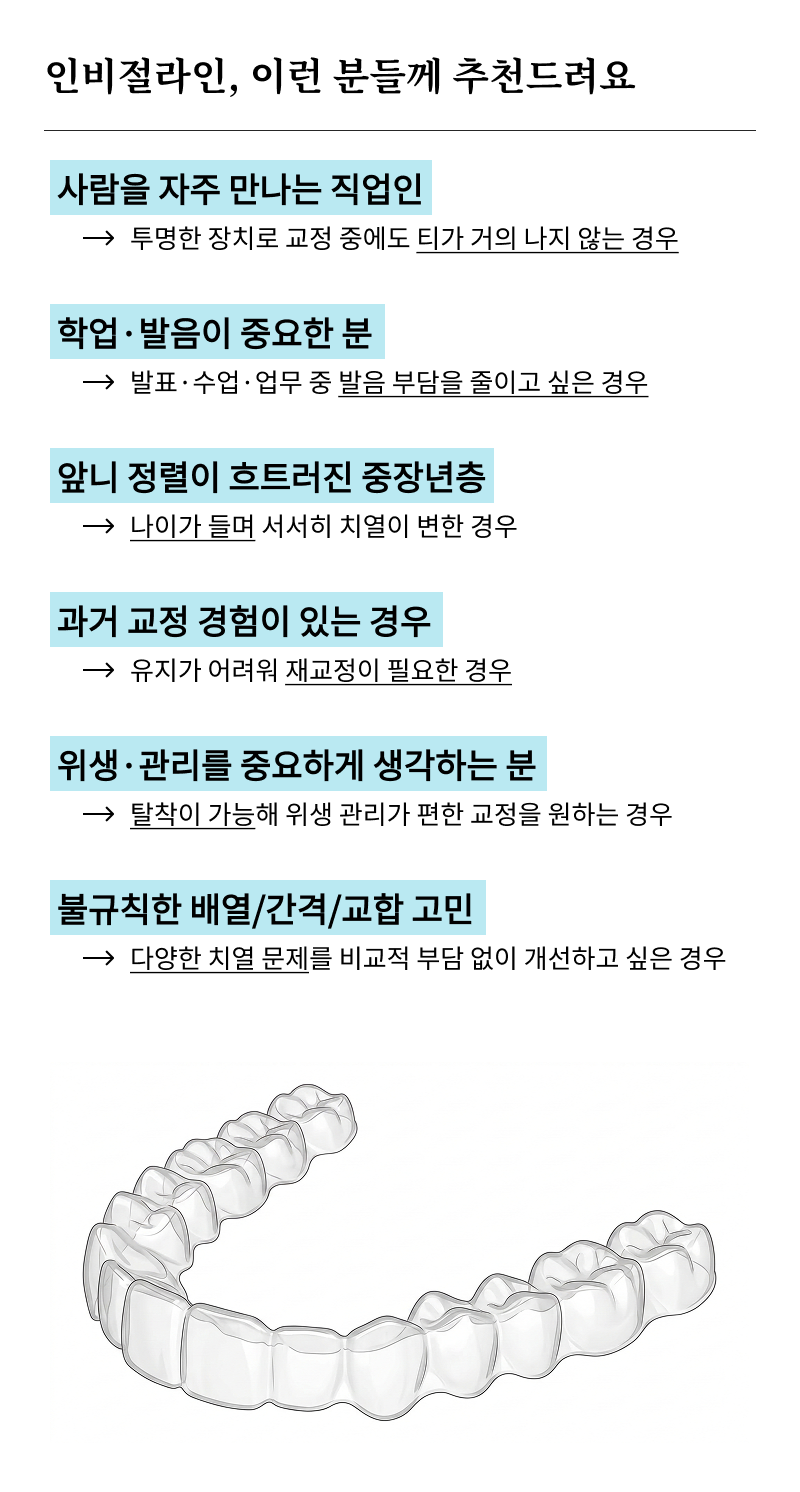
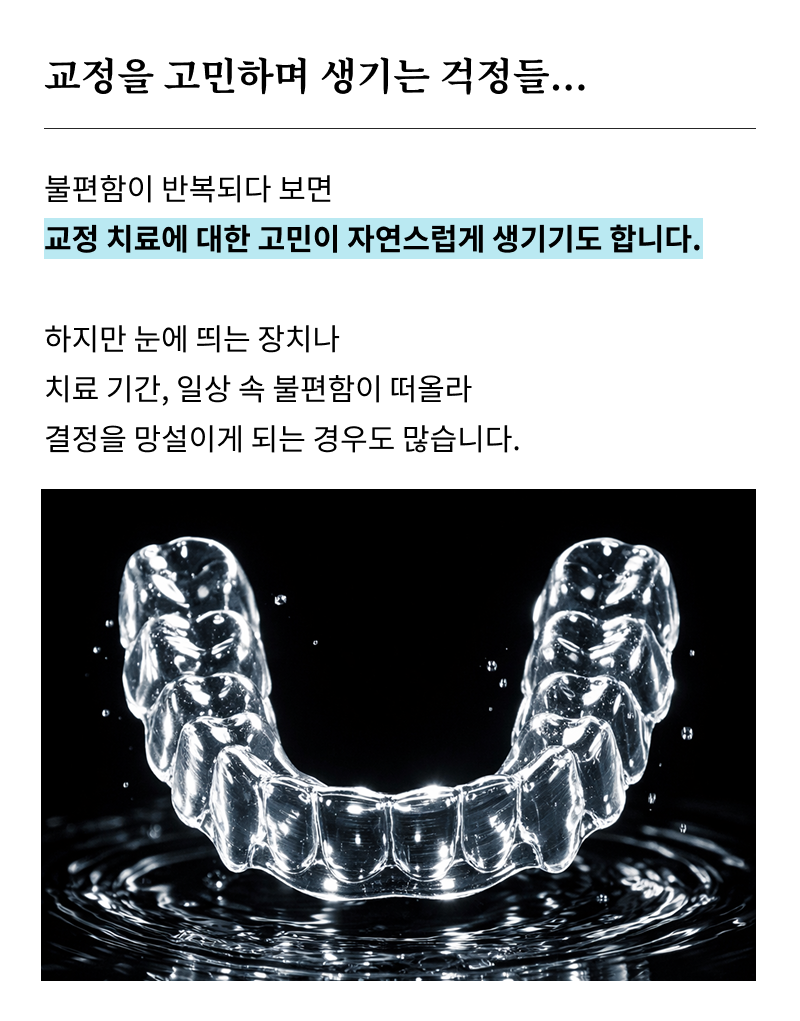
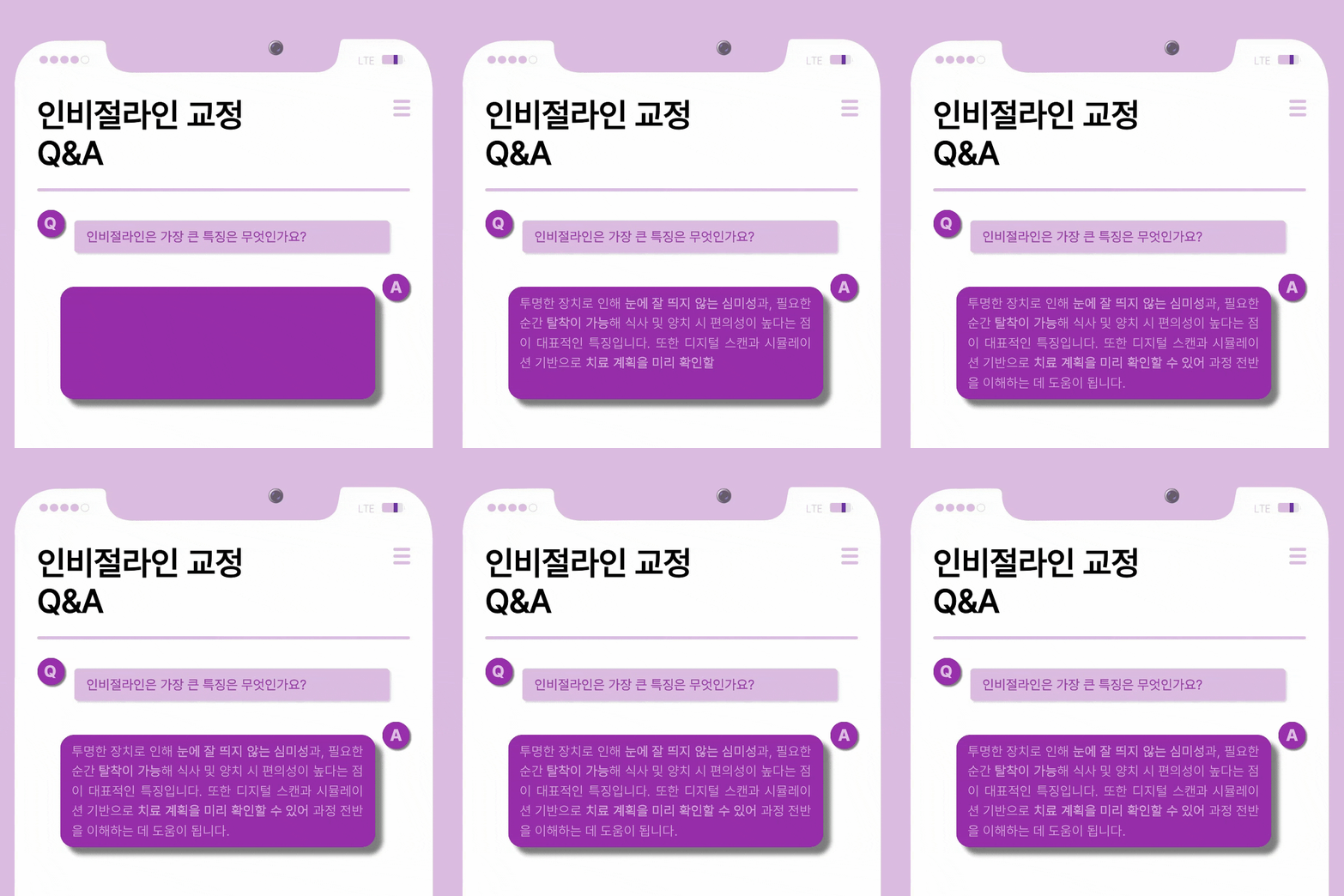
Clear orthodontic appliances work by using a special material to continuously apply slight pressure to the teeth. Unlike conventional bracket methods, they are removable by the user, which is a major feature. This autonomy makes oral hygiene management easier, but on the other hand, wearing time directly affects the results. The recommended daily wearing time must be followed in order to proceed along the planned movement path. The core process is to analyze tooth position three-dimensionally through a digital scanner and manufacture step-by-step appliances. Technical skill is required to properly combine the elasticity and strength of the material so that it fits closely to the tooth surface. The appliance induces subtle changes at each stage and promotes the activity of osteoclasts and osteoblasts within the alveolar bone.
- The importance of a precise diagnostic system at a Seoul Invisalign dental clinic
To determine the angle of the roots and the density of the jawbone, which are difficult to confirm with the naked eye, the use of 3D digital equipment is essential. Through three-dimensional imaging, space for tooth movement must be secured and the possibility of collision with adjacent teeth predicted. Excessive movement may cause root resorption or gum recession, so the plan must be established within biological limits. The process of predicting the final result in advance through computer simulation helps reduce errors. A procedure that analyzes the occlusal relationship, which is the way the upper and lower jaws fit together, from multiple angles should also be included. It is important to secure functional stability by identifying facial asymmetry and the range of motion of the jaw joint in advance. Precise diagnosis becomes the foundation for designing not only outward changes but also the efficiency of chewing function.
- Scope of application and limitations at a Seoul Invisalign dental clinic
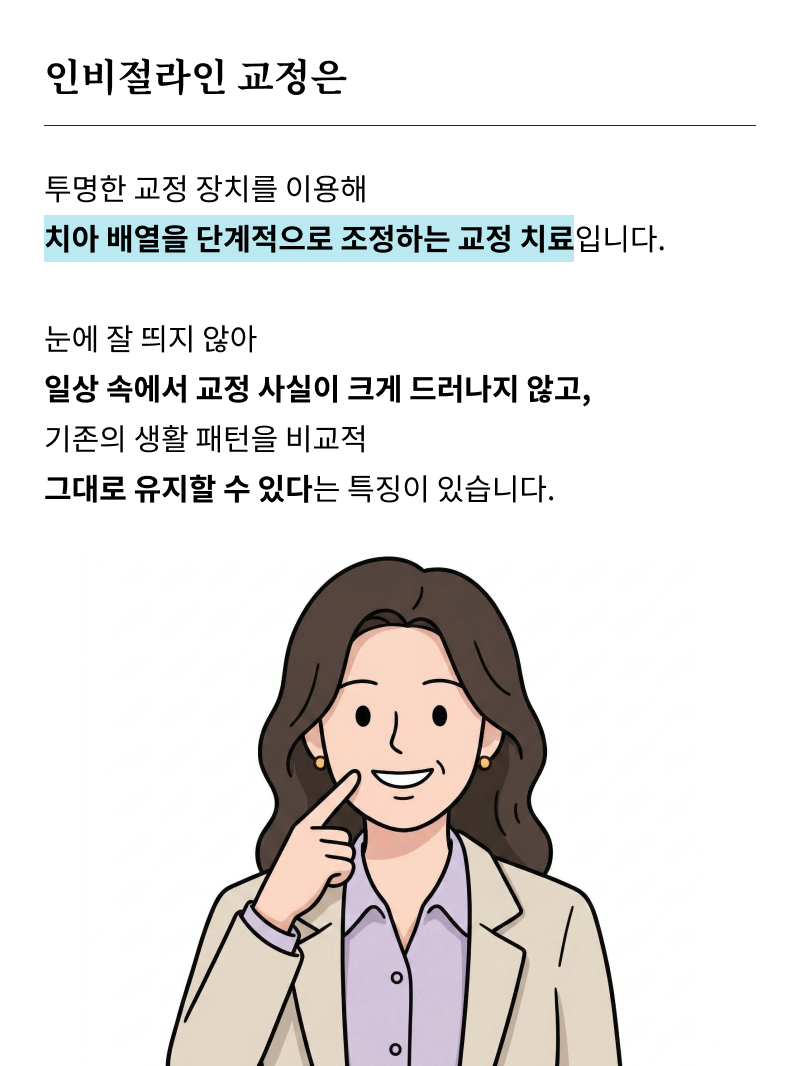
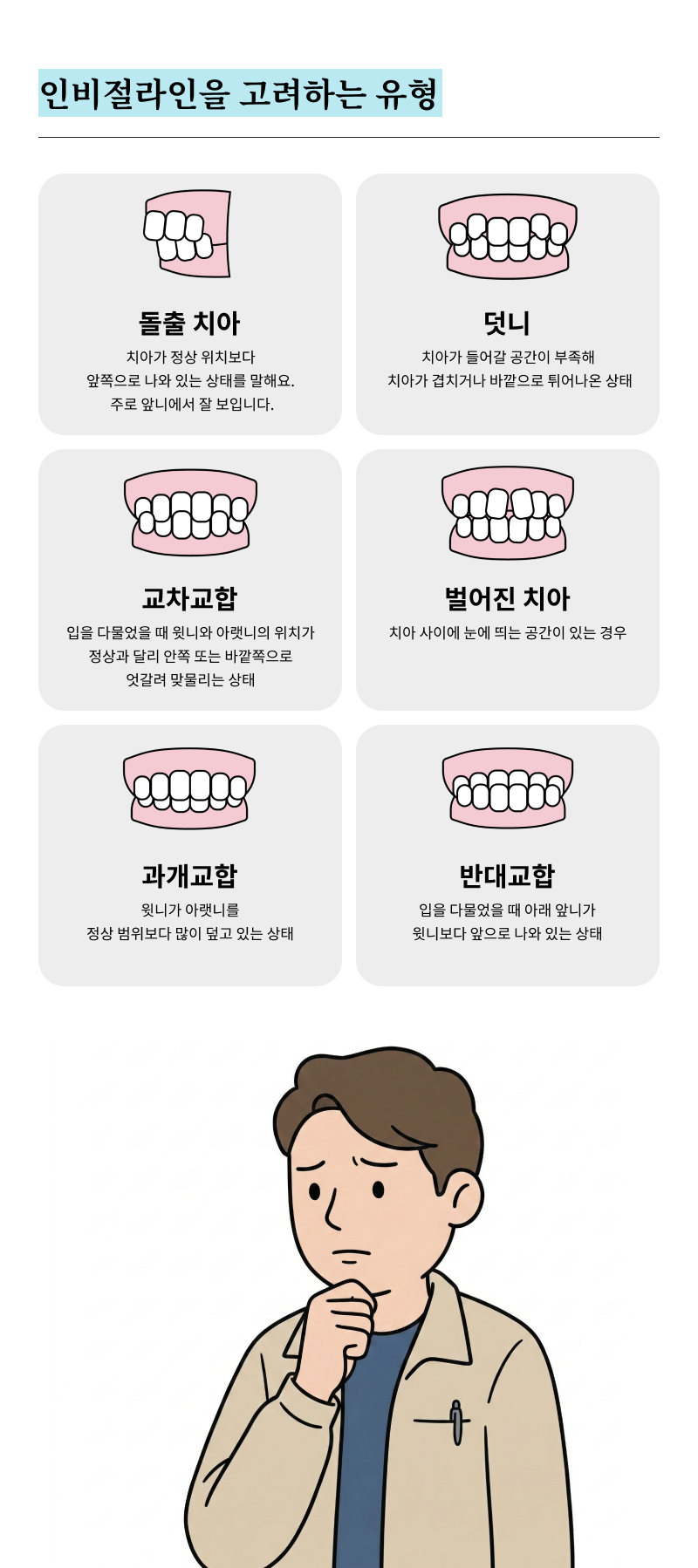
In the past, it was limited to simple tooth irregularities, but with technological advances, its scope of application has expanded. It is now used in various cases such as severe protruding teeth, protruding mouths, and malocclusion. However, if the skeletal discrepancy is severe or the angle of tooth rotation is large, auxiliary attachments may be used together. Since the appropriate type of appliance varies depending on an individual’s skeletal structure and the amount of tooth movement, a precise examination must come first. It is not uniformly applicable to all cases, and differences exist according to anatomical structure. The criteria for deciding whether interproximal reduction is needed or whether arch expansion would be advantageous are established individually. A customized strategy that reflects differences in bone density between growing children and adults must be established to reduce the possibility of side effects.
[ Smile D Dental Clinic Information ]
[ Introduce Smile D Dental Clinic ]
| 📞 Smile D Tel |
|---|
| 0507-1449-2087 |
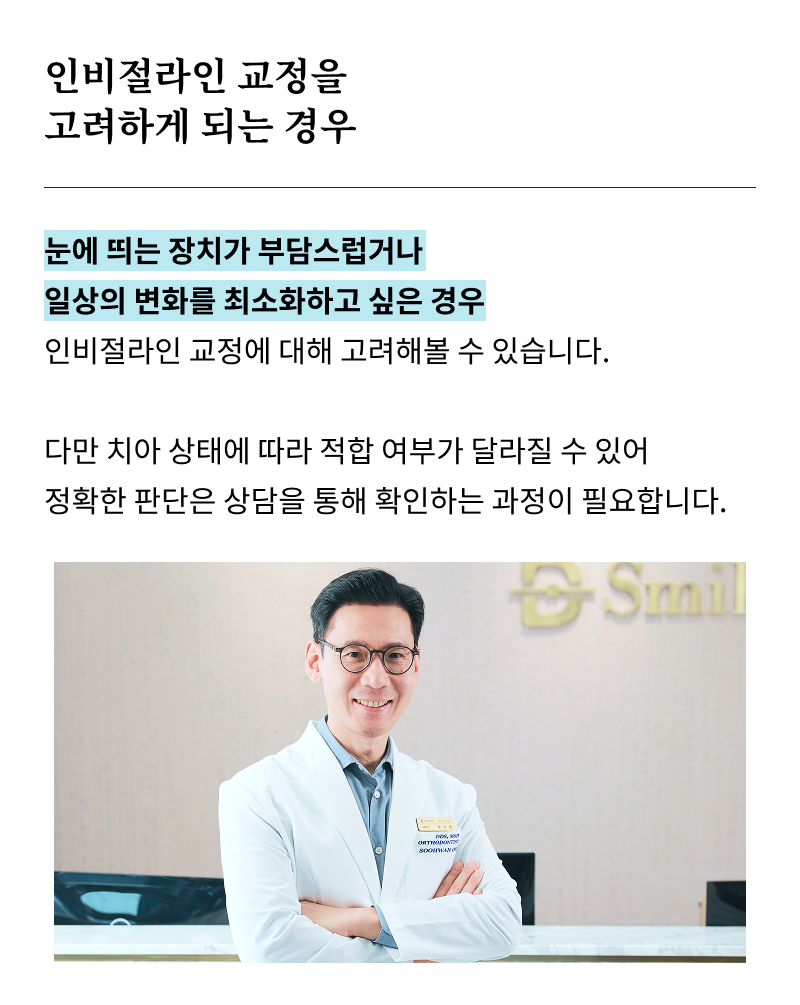
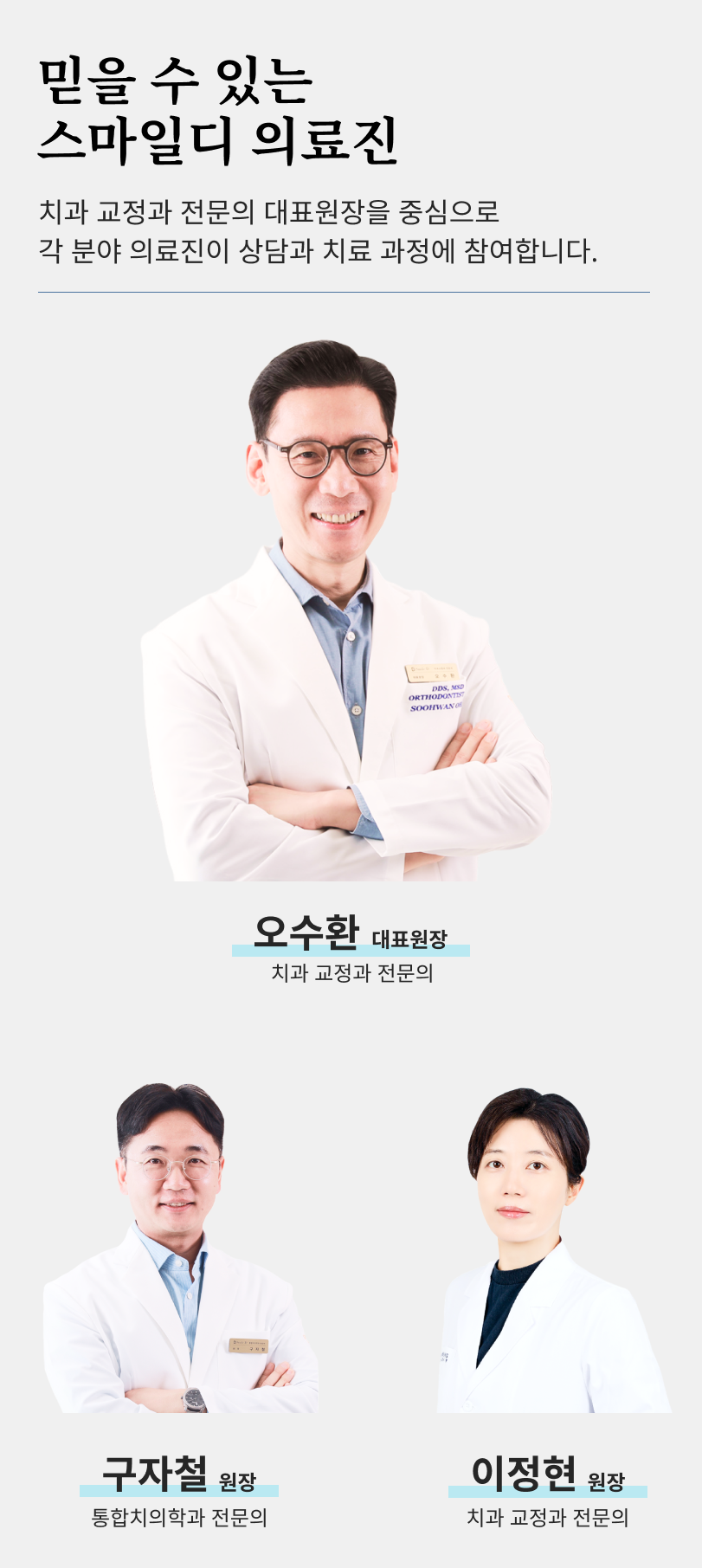
- Analysis of the clinical experience of the medical staff at a Seoul Invisalign dental clinic
The appliance is made based on digital data, but designing the actual movement path and responding to unexpected situations are the responsibility of the medical staff. Based on orthodontic knowledge, the sequence and speed of tooth movement must be carefully adjusted to achieve stable results. It is necessary to check subtle occlusal changes that occur while wearing the appliance and to judge the right time to attach attachments. It is recommended to check whether the clinic has a wealth of clinical cases and whether it provides a systematic management environment. The position and shape of the attachment are precise variables that determine the direction of the force applied to the teeth. When unexpected tooth extrusion or intrusion occurs, the ability to correct it clinically can determine success or failure.
- Principles of systematic post-treatment care at a Seoul Invisalign dental clinic
Even after orthodontic treatment ends, teeth have a strong tendency to return to their original position. To prevent this, the habit of faithfully wearing a retainer determines how well the results are maintained. Through regular visits, the presence of relapse should be monitored and basic oral care such as tartar removal should be carried out as well. To maintain oral health from a long-term perspective, a thorough aftercare system must be in place. Neglecting management can become a cause of retreatment, so it is important to strictly follow the medical staff’s instructions. The retainer should be regularly checked for deformation or damage to confirm the fixed position of the teeth. Stability of the result is secured when long-term monitoring is accompanied, taking into account natural tooth movement due to aging.
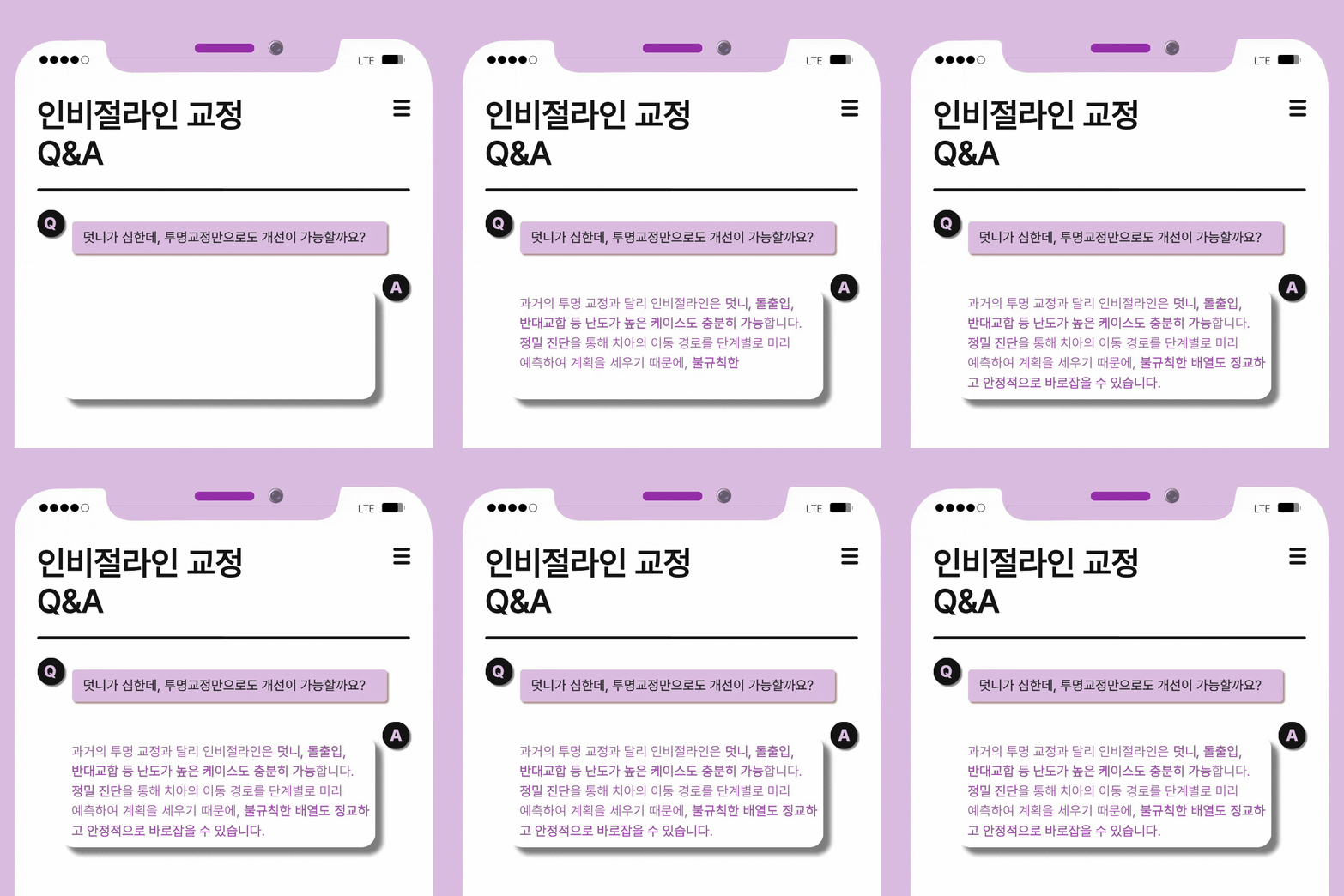
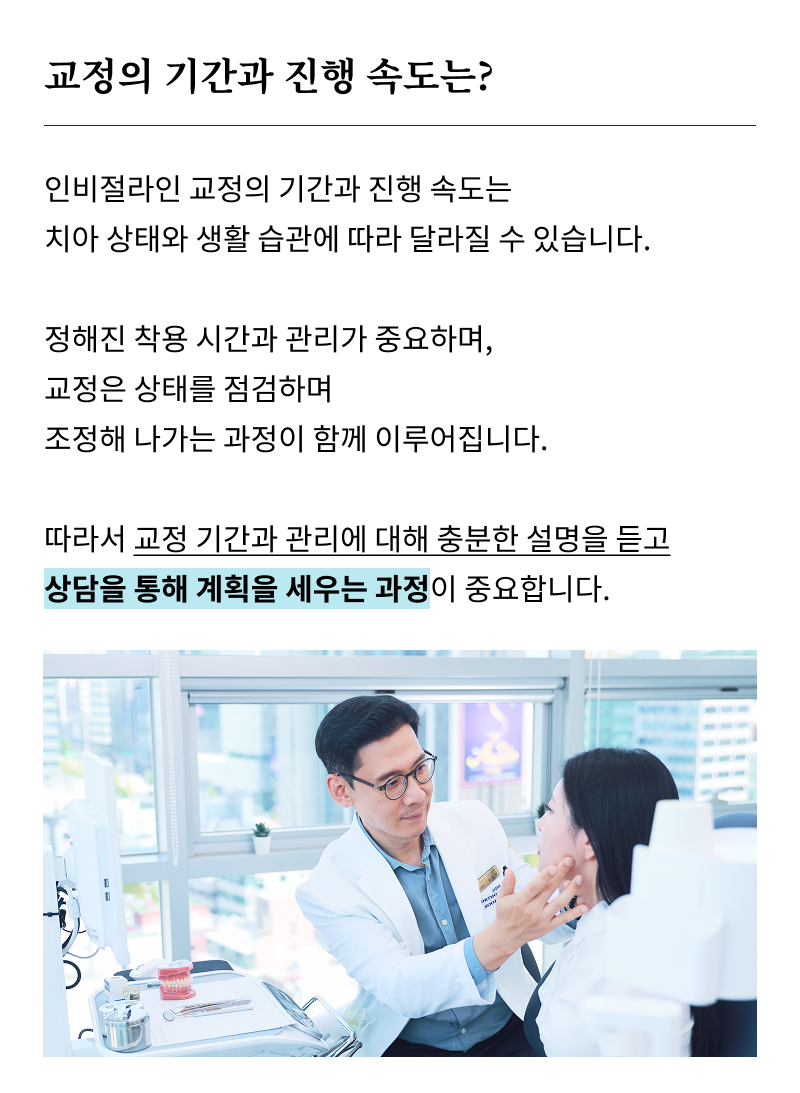
In conclusion, for a satisfying change in tooth alignment, not only the aesthetics of the appliance but also precise diagnosis and a systematic treatment plan must be in place. Since each person differs in tooth movement speed and gum condition, an accurate judgment is determined through a skilled diagnostic process.








Previous image
Next image


Previous image
Next image