



Previous image
Next image
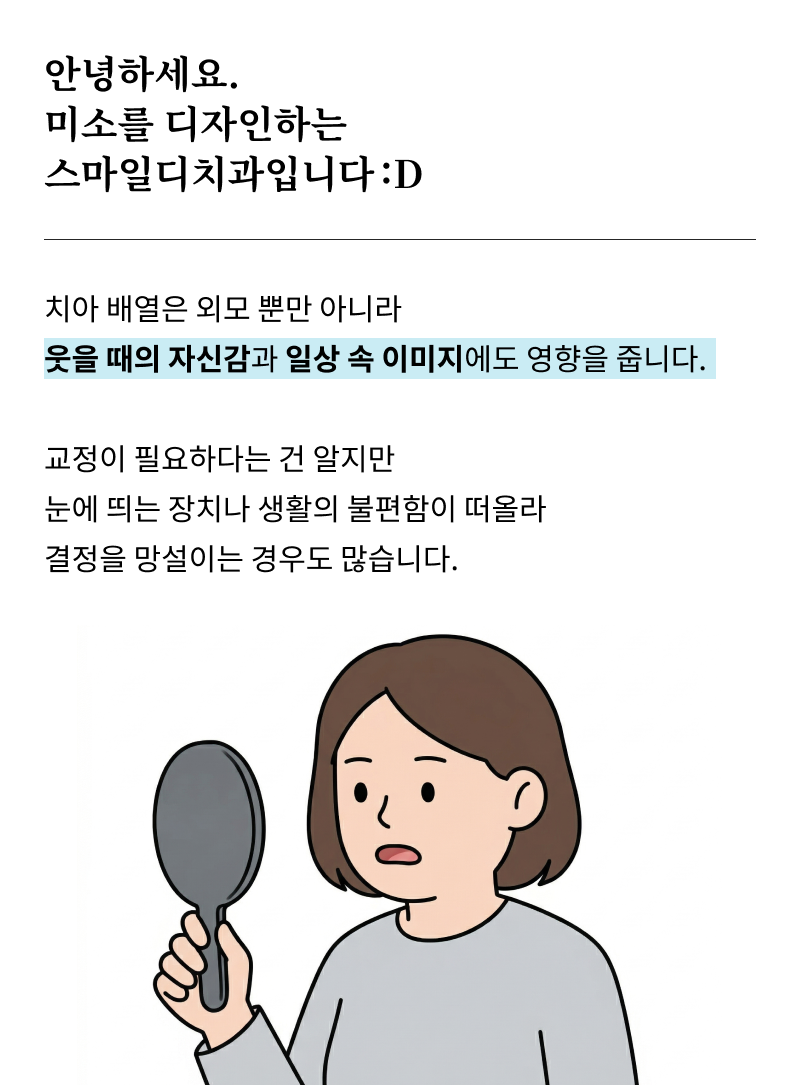
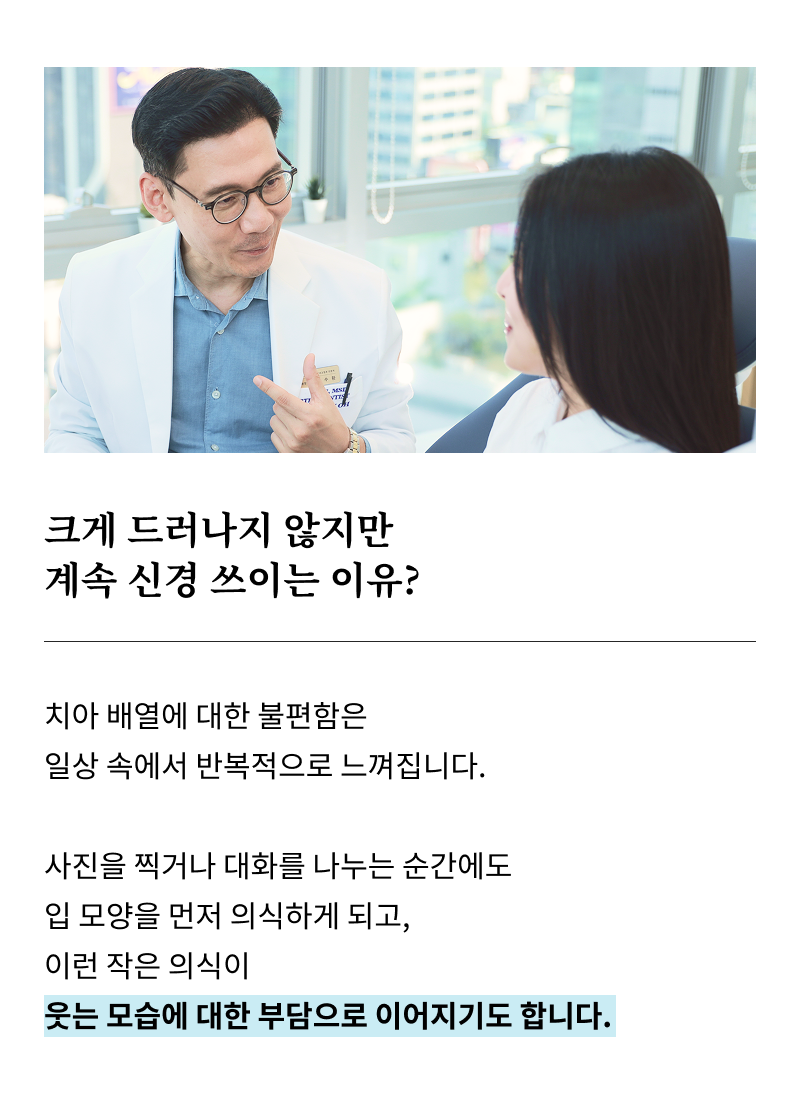
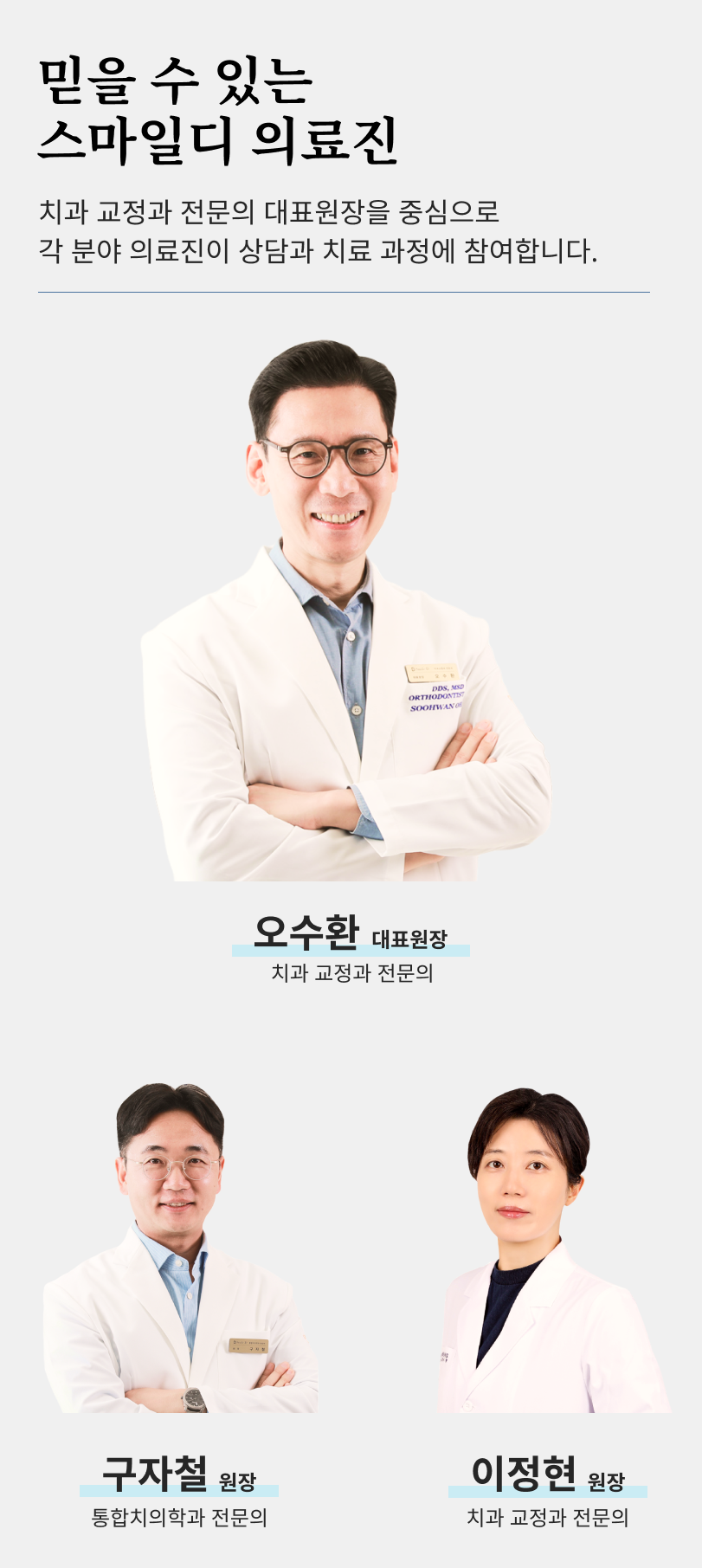
If tooth alignment is irregular, not only does chewing ability decline, but oral hygiene management also becomes difficult, which can lead to cavities and gum disease. Orthodontic treatment, performed to correct this, uses a biological principle that applies subtle force to the teeth and moves them into the desired position. Because it involves cellular metabolism inside the jawbone and the remodeling process of bone tissue, sufficient time and precise planning are required. Recently, advances in technology have introduced various methods, broadening the range of options. For those exploring information about an Apgujeong dental clinic and considering which appliance is right for them, I will objectively explain the step-by-step criteria for decision-making and directions for care. Understanding the dynamic changes inside the alveolar bone and choosing the proper appliance becomes an important first step in laying the foundation for long-term oral health.
- Biological mechanisms that induce tooth movement at an Apgujeong dental clinic
The core of orthodontic treatment lies in bone remodeling in response to pressure applied to the periodontal ligament. Bone on the side where the tooth is moving is resorbed, while new bone fills in on the opposite side, allowing the tooth to settle into place. This reaction takes roughly about a month, so the appliance is adjusted regularly to bring about gradual changes. Excessive physical force can instead strain the tooth roots, so precise adjustments matched to each person's bone metabolism rate are the rule. Therefore, a detailed analysis of the density of the gum bone and the condition of the roots must come first during the initial diagnostic stage for stable movement to be possible. To prevent variables such as root resorption, technical skill is needed to avoid excessive pressure and continuously maintain a steady force that matches the cellular activation cycle.
- Structural characteristics of metal and ceramic appliances at an Apgujeong dental clinic
The most commonly used method involves attaching brackets to the tooth surface and connecting them with wires. Metal materials are highly durable and advantageous for delivering precise force, so they are often used in complex malocclusion cases. However, because the metallic color is visible externally, ceramic materials similar in color to teeth are used as an alternative to address this. Ceramic appliances are resistant to discoloration and create less visual burden, so they are highly preferred among adults with active social lives. Since each material differs in strength and coefficient of friction, it is desirable to make a decision by comprehensively considering one's oral condition and aesthetic needs. The degree of pain and the interval between visits may also vary depending on the ligation method between the wire and the bracket, so it is important to understand in advance the physical limitations and efficiency of each material.
- Efficiency and convenience of self-ligating appliances at an Apgujeong dental clinic
Recently, self-ligating appliances, which have a sliding-door type cover on the bracket itself, have become widely used. Because there is no need to tie the wire with separate ligatures or rubber rings, friction is significantly reduced. This helps increase the speed of tooth movement and also causes relatively less discomfort from the appliance irritating the oral mucosa. In addition, the simpler structure reduces food buildup, making hygiene management easier during oral cleaning. The ability to flexibly adjust visit intervals can make it an efficient option for modern people with busy lives, and it also has a positive effect on shortening the overall treatment period. This system reduces frictional resistance that occurs during the initial tooth alignment stage, allowing teeth to move efficiently even with relatively mild force thanks to its geometric design.
< When visiting Smile D Dental Clinic >
< Introducing Smile D Dental Clinic >
| 📞 Smile D Dental Clinic |
|---|
| 0507-1449-2087 |
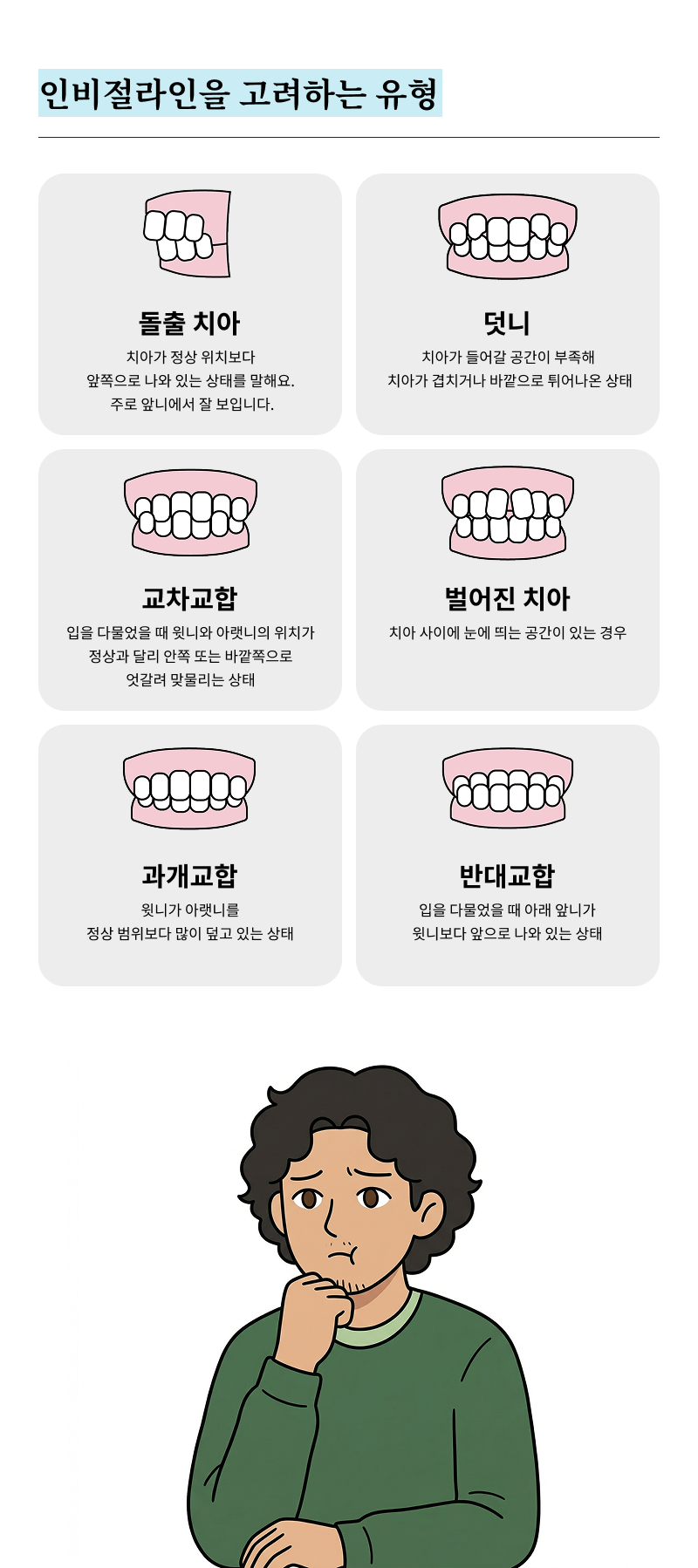
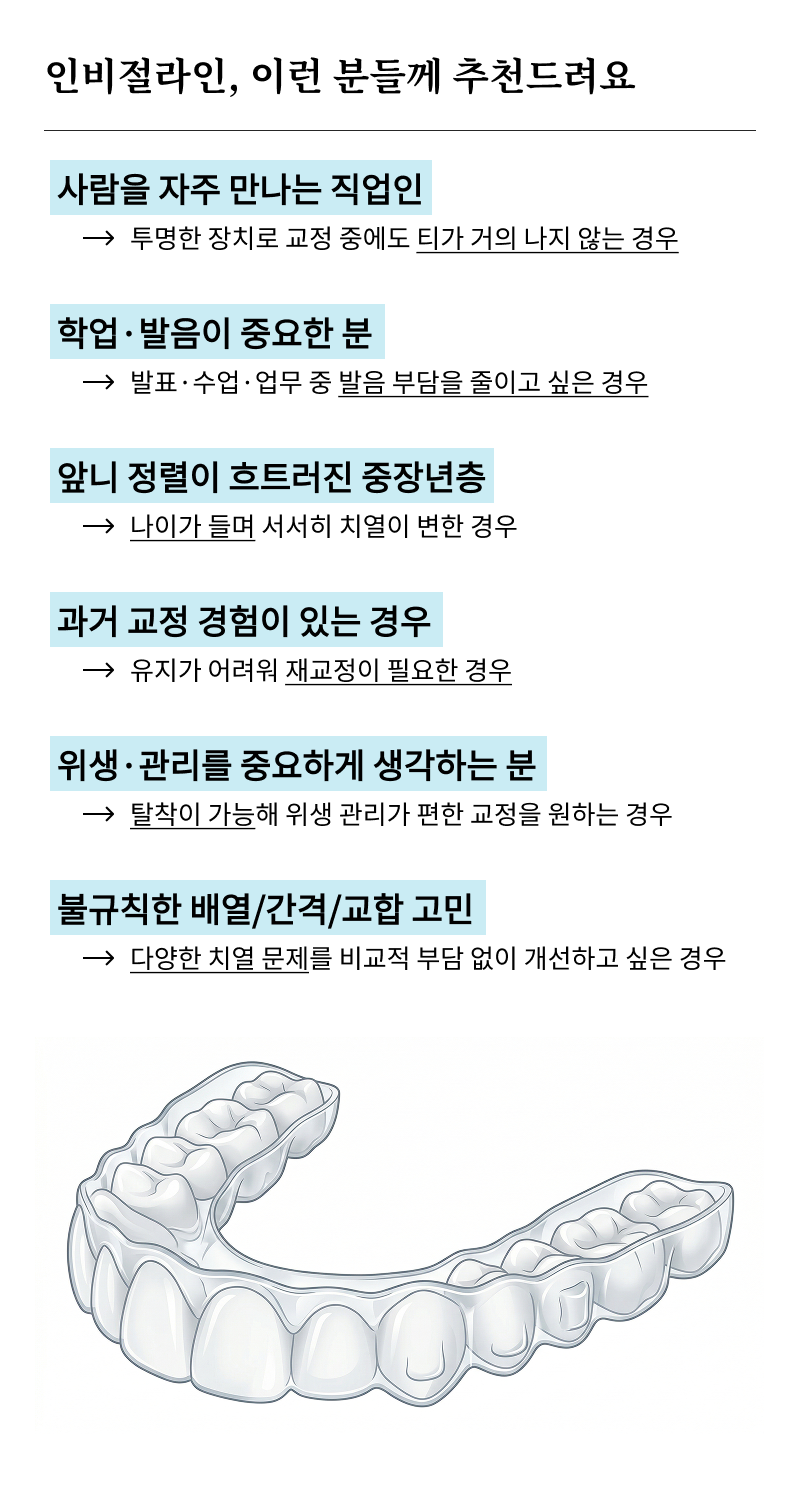
- Direction for aesthetic management using clear appliances at an Apgujeong dental clinic
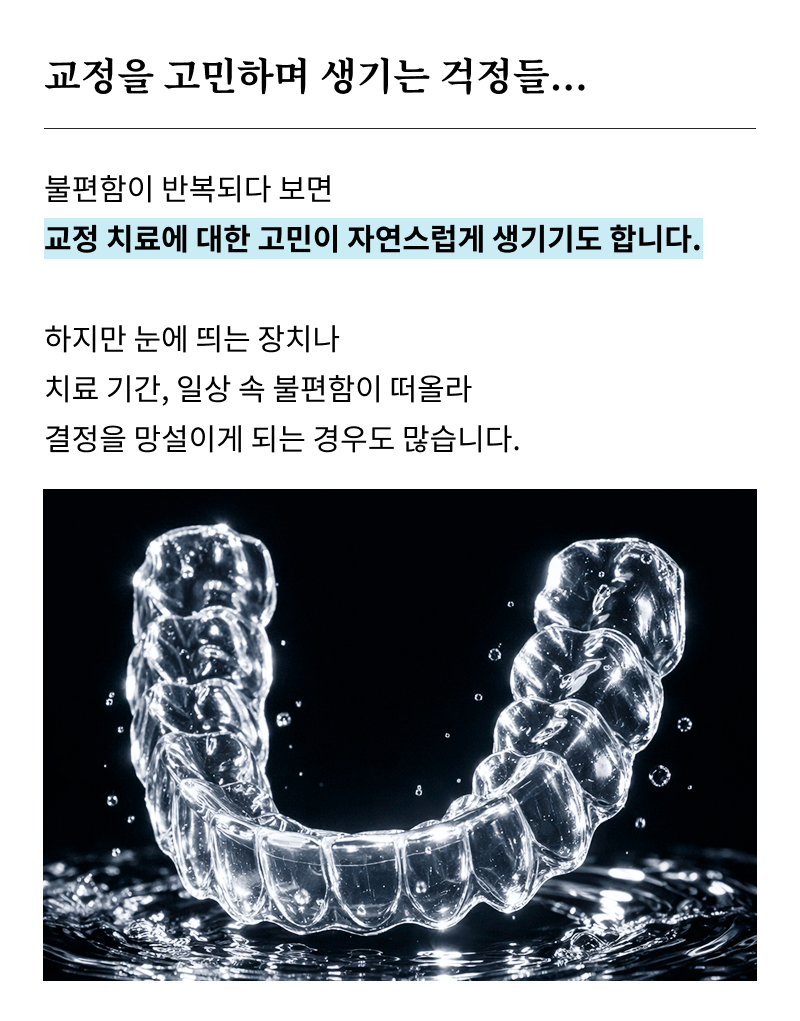
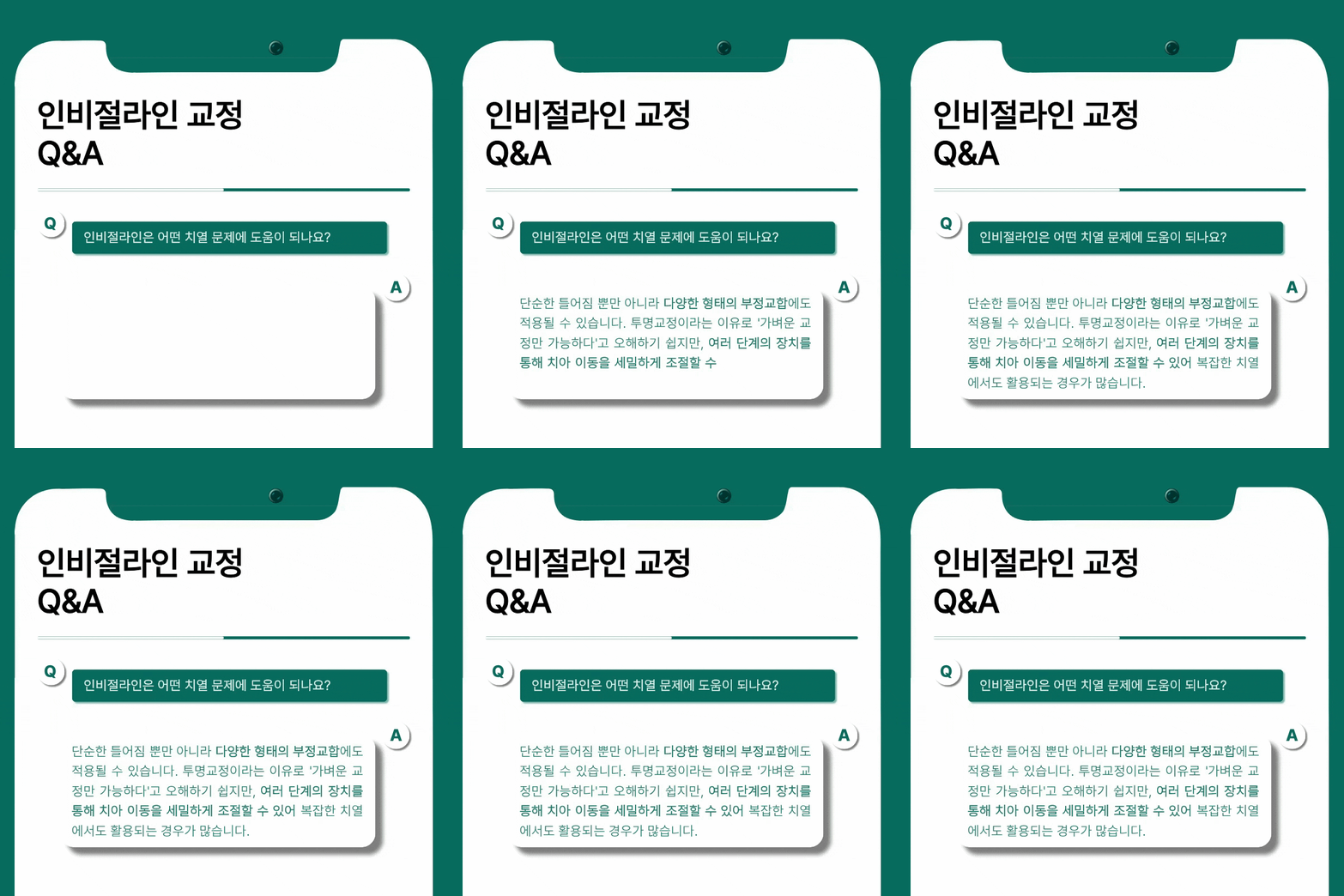
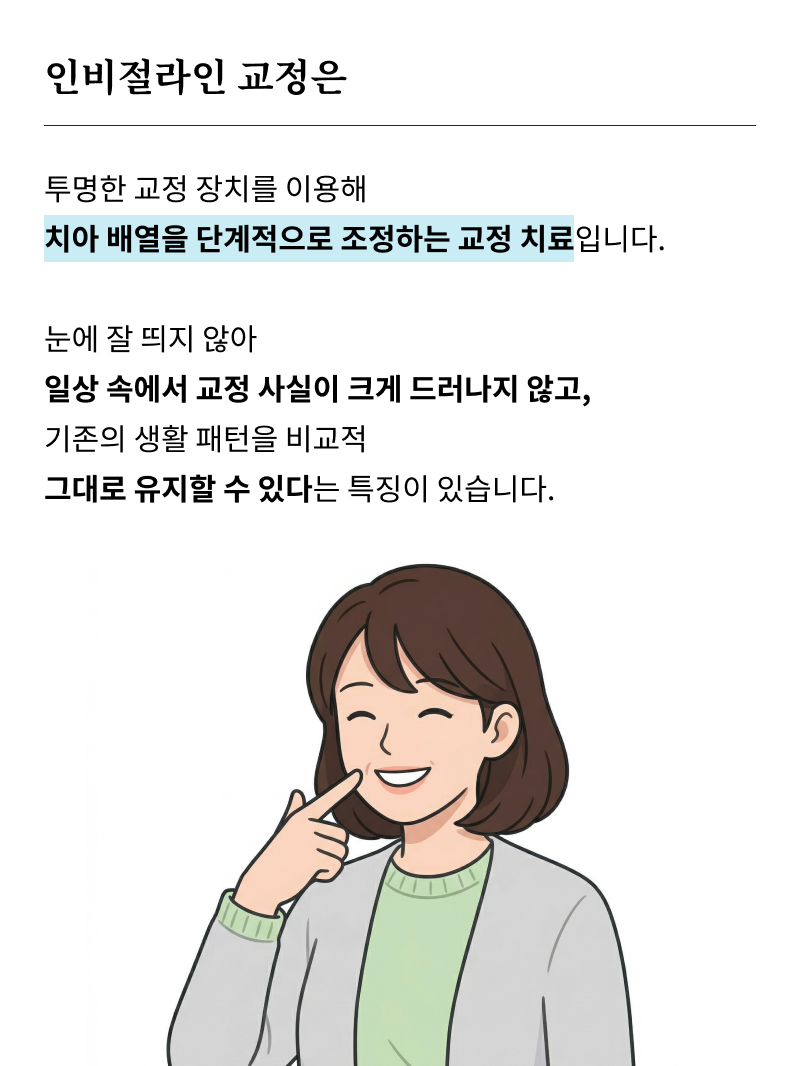
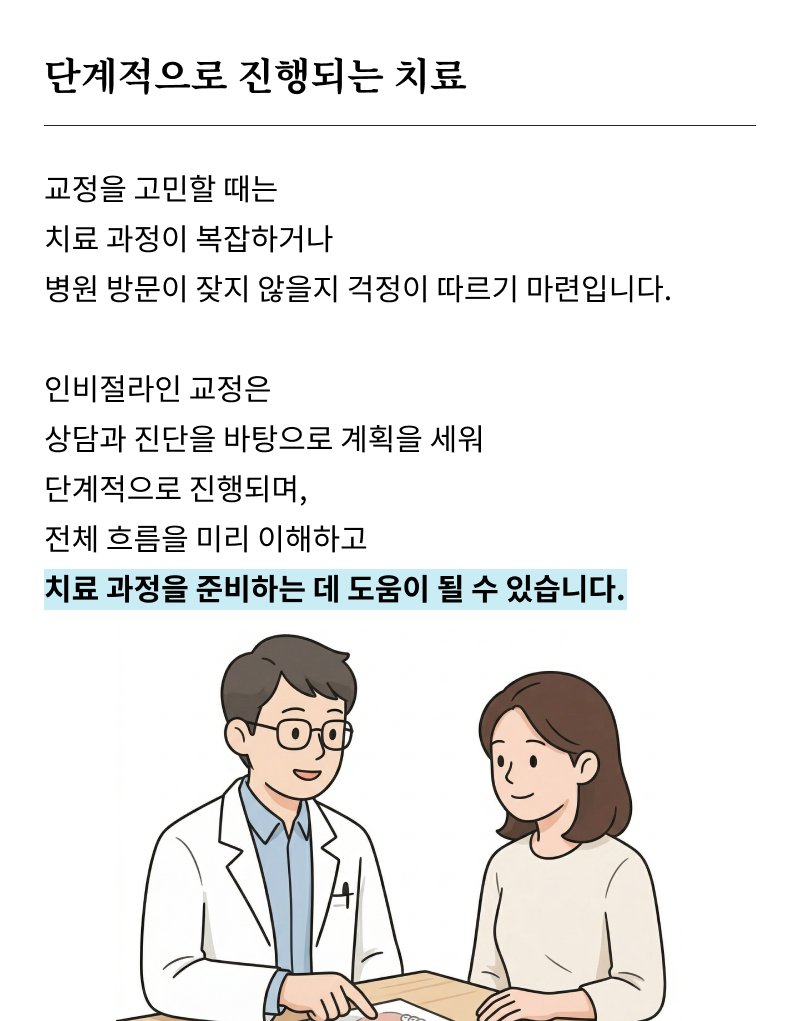
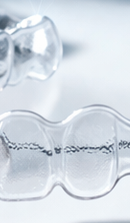
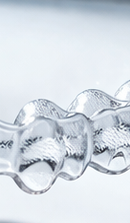
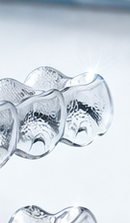
If you are sensitive to visible appliances, you can use clear aligners made from a special plastic material. This method, similar in shape to a mouthguard, is removable and has the major advantage of causing no restrictions during eating or brushing. However, the key point is that the planned results can only be achieved if the patient strictly follows the recommended daily wear time. It is mainly suitable for mild misalignment or cases requiring partial correction, and its use may be limited in more difficult cases. Because it is made based on 3D digital scan data, the movement process can be predicted in advance, allowing systematic step-by-step responses. This method makes it easier to keep the inside of the mouth clean, contributing to a lower likelihood of periodontal disease, but in cases of severe skeletal disharmony, whether it should be used in combination should be considered under precise diagnosis.
- Importance of wearing a retainer and post-treatment checkups at an Apgujeong dental clinic
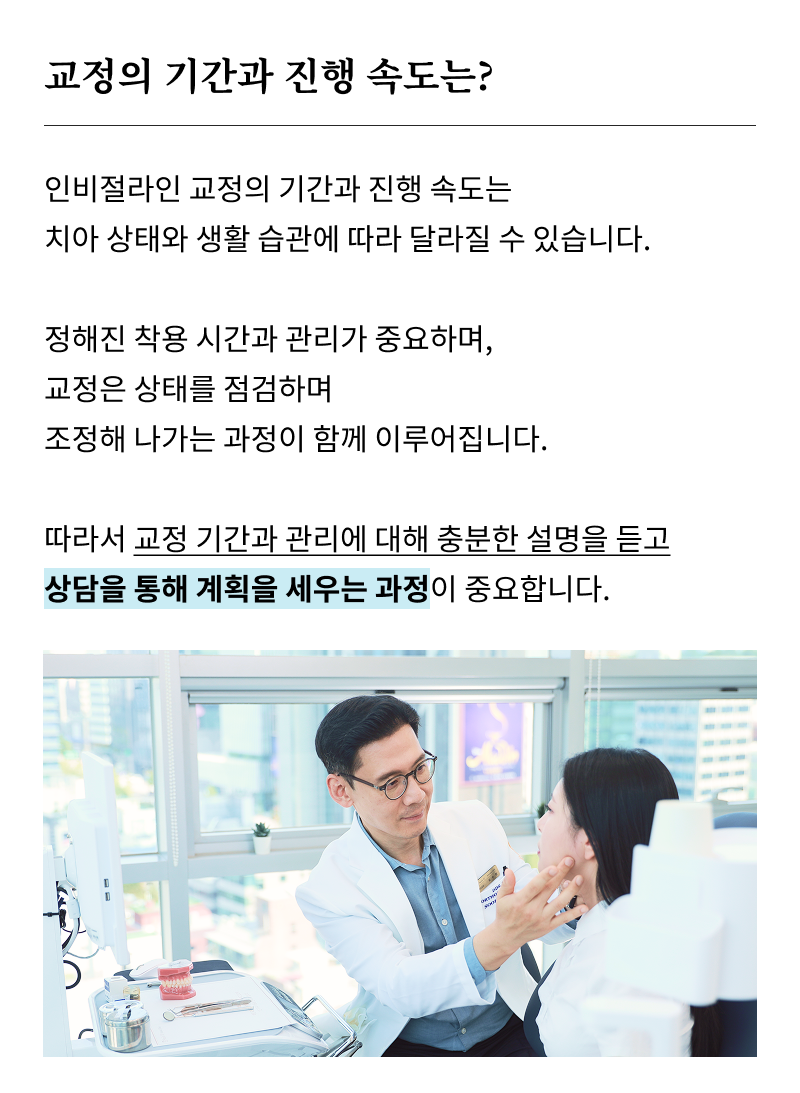
Even after all appliances are removed, teeth strongly tend to return to their original position. Wearing a retainer faithfully until the bone in the moved position hardens and the tissues stabilize is essential. If this stage is neglected, the alignment may become crooked again, so careful attention is needed until the very end. In addition, regular checkups are necessary to monitor the bite and remove tartar to maintain periodontal health. Only when proper habits and continuous observation are combined can the completed alignment be preserved for a long time, which in turn leads to improved overall oral function. A retainer serves as a physical support until the collagen fibers around the teeth adapt to their new position, so it should not be discontinued arbitrarily, and the management schedule must be followed according to the stated guidelines.
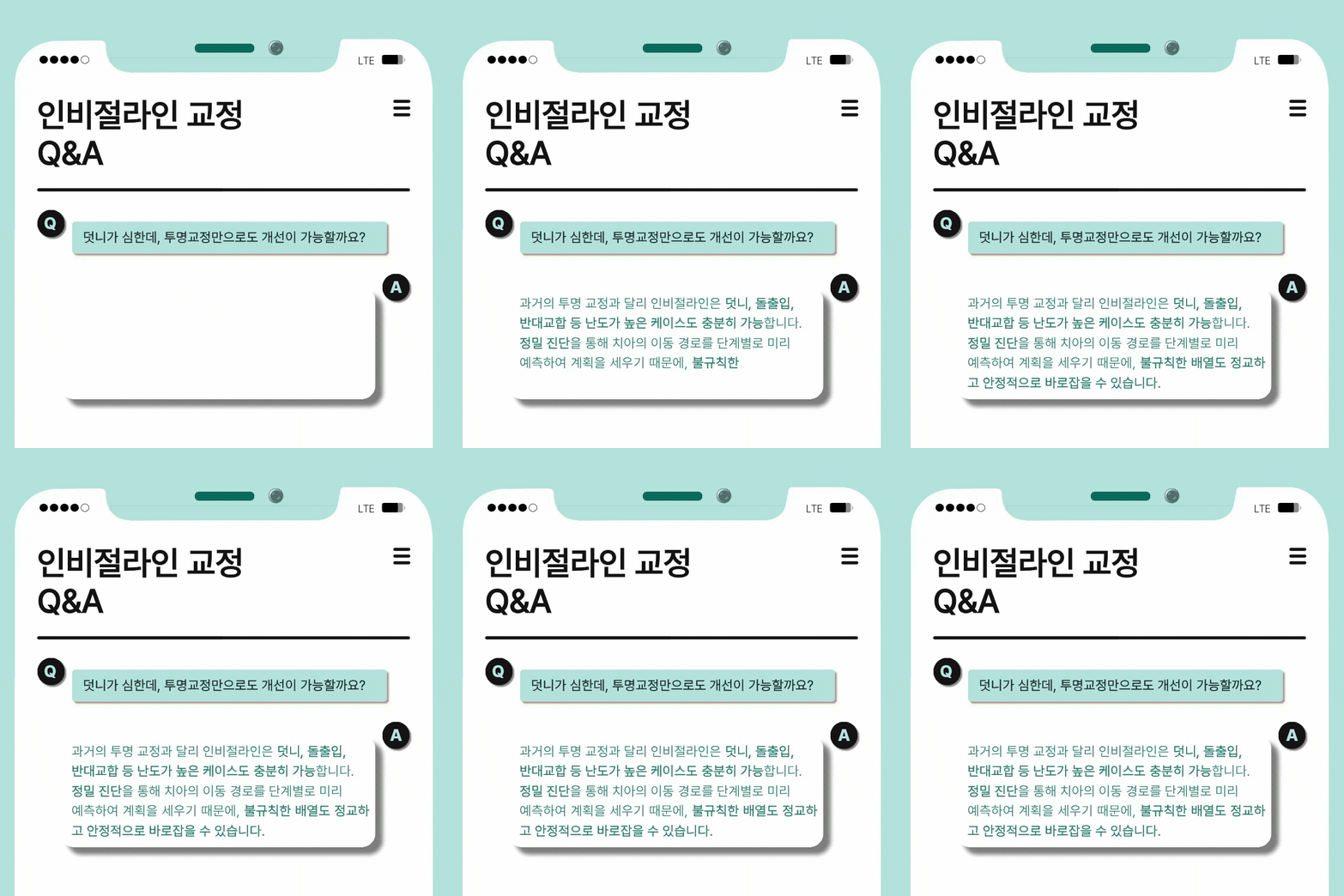
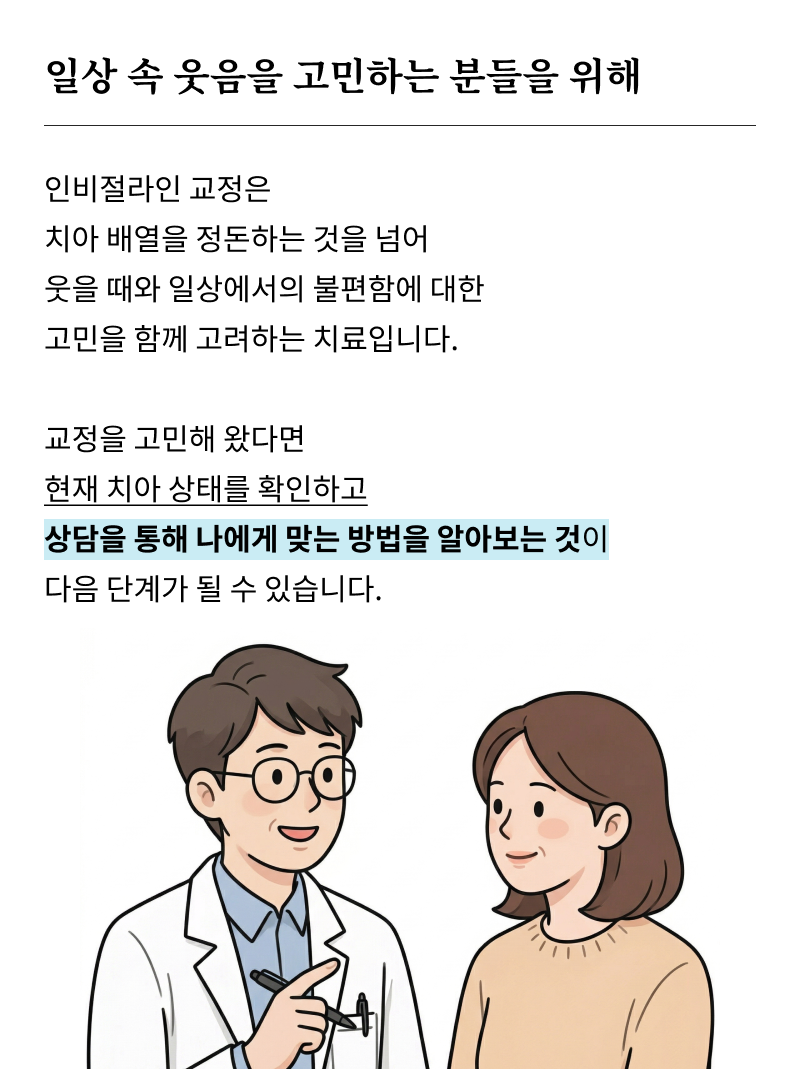
In conclusion, orthodontic treatment is a long-term process whose path varies depending on an individual's skeletal structure and dental condition. Rather than basing the decision solely on the popularity or cost of a particular appliance, it is wise to find the solution optimized for you based on precise analysis data. Since the soft tissues surrounding the teeth and the harmony of the temporomandibular joint must also be considered, a multifaceted diagnosis is necessary. Accurate judgment is determined through a systematic diagnostic process, so please receive detailed guidance and set your direction accordingly. You must also respond flexibly to variables that arise during treatment and strictly follow the provided precautions. Because the necessary techniques may differ depending on the condition of the gums and the maturity of the skeleton, a careful approach based on objective information is needed. Proper bite formation maximizes chewing efficiency, reduces the burden on the digestive process, and has a positive ripple effect on overall health. If you patiently follow the management guidelines through to the final stage, you will be able to maintain a stable and harmonious oral environment.









Previous image
Next image




Previous image
Next image