



Previous image
Next image
In modern society, a neat and well-organized impression has become a positive factor in interpersonal relationships. When the front teeth are unevenly aligned or severely discolored, efforts to improve them have been on the rise. Even while looking for information related to a Gangnam laminate dental clinic, the balance between aesthetic improvement and functional preservation was regarded as a key value. This method, which involves attaching a thin ceramic shell to the outer surface of the teeth, had the 특징 of enabling visible changes in a short period of time. However, because it involves artificial intervention, a careful review of oral conditions beforehand had to be the foundation. For the restoration to harmonize with the natural teeth, an accurate diagnosis and design were essential. Since even a small error could create a sense of mismatch in the result, this was an area that required meticulous calculation.
- The importance of the examination stage at a Gangnam laminate dental clinic
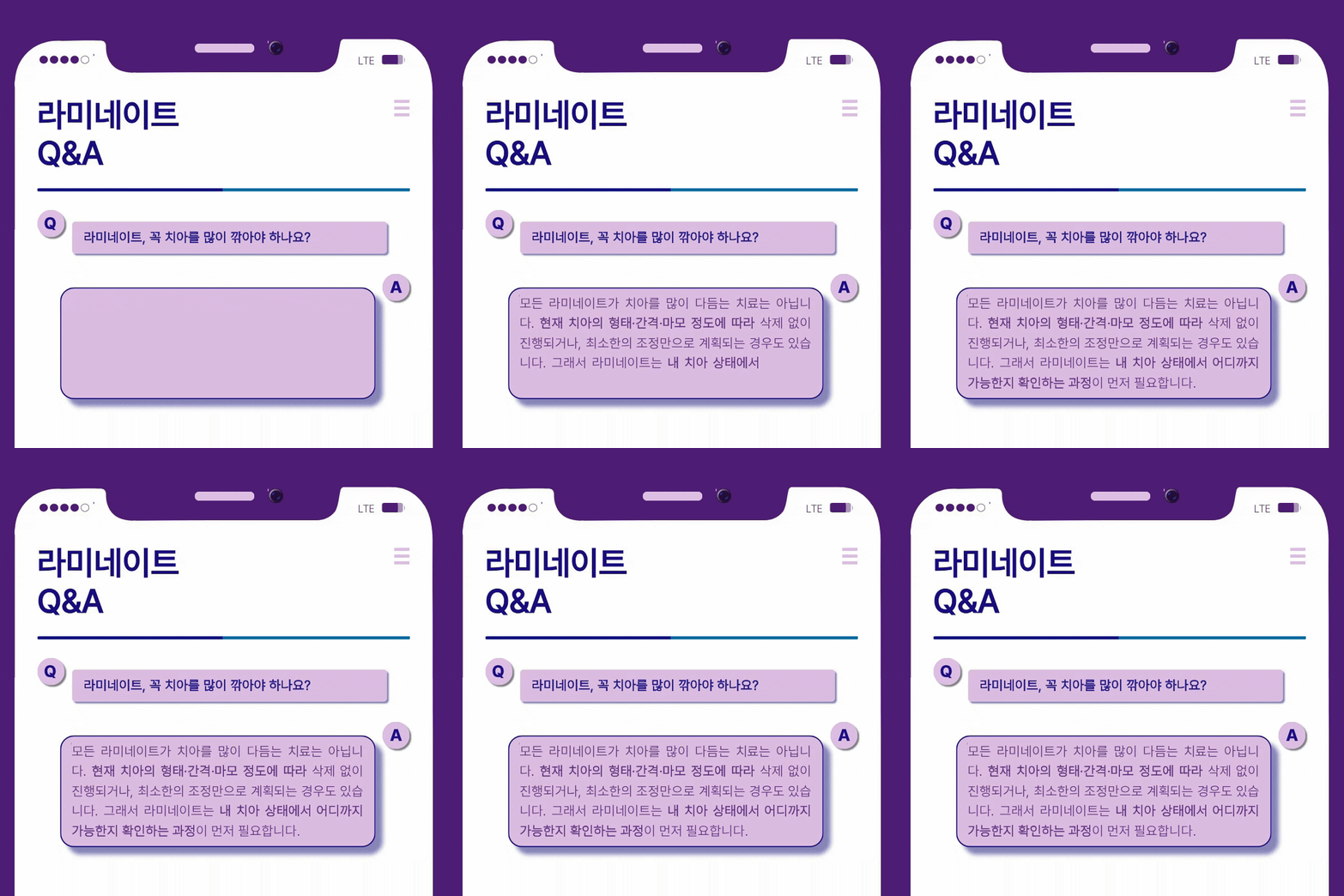
Because every person’s oral structure is different, the first priority was to identify the current condition through a precise examination. The presence of cavities and the health of the gums had to be checked to determine suitability for prosthetic treatment. Designs that did not take enamel thickness or occlusion into account could cause tooth sensitivity or breakage. The process was accompanied by the use of digital equipment to three-dimensionally analyze tooth size and proportions. A detailed diagnosis was carried out with consideration for overall facial harmony and the smile line when determining the shape of the restoration. The golden ratio of the restoration could vary depending on each person’s lip angle and the position of the maxilla. Based on these analysis data, guides were made to reduce the margin of error. It was a point at which an anatomical approach beyond simple alignment correction was needed.
- Suitable candidates and the principle of Gangnam laminate treatment
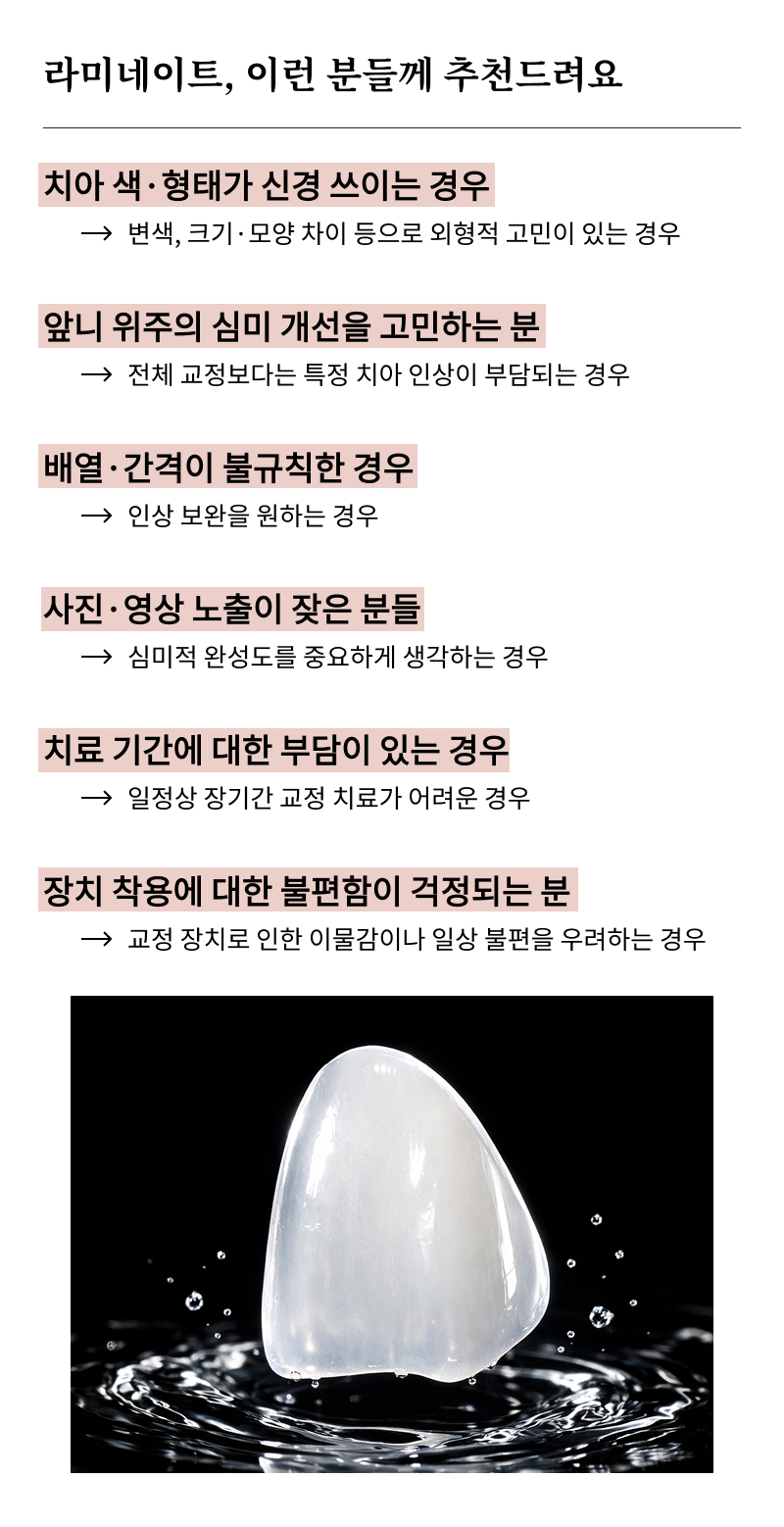
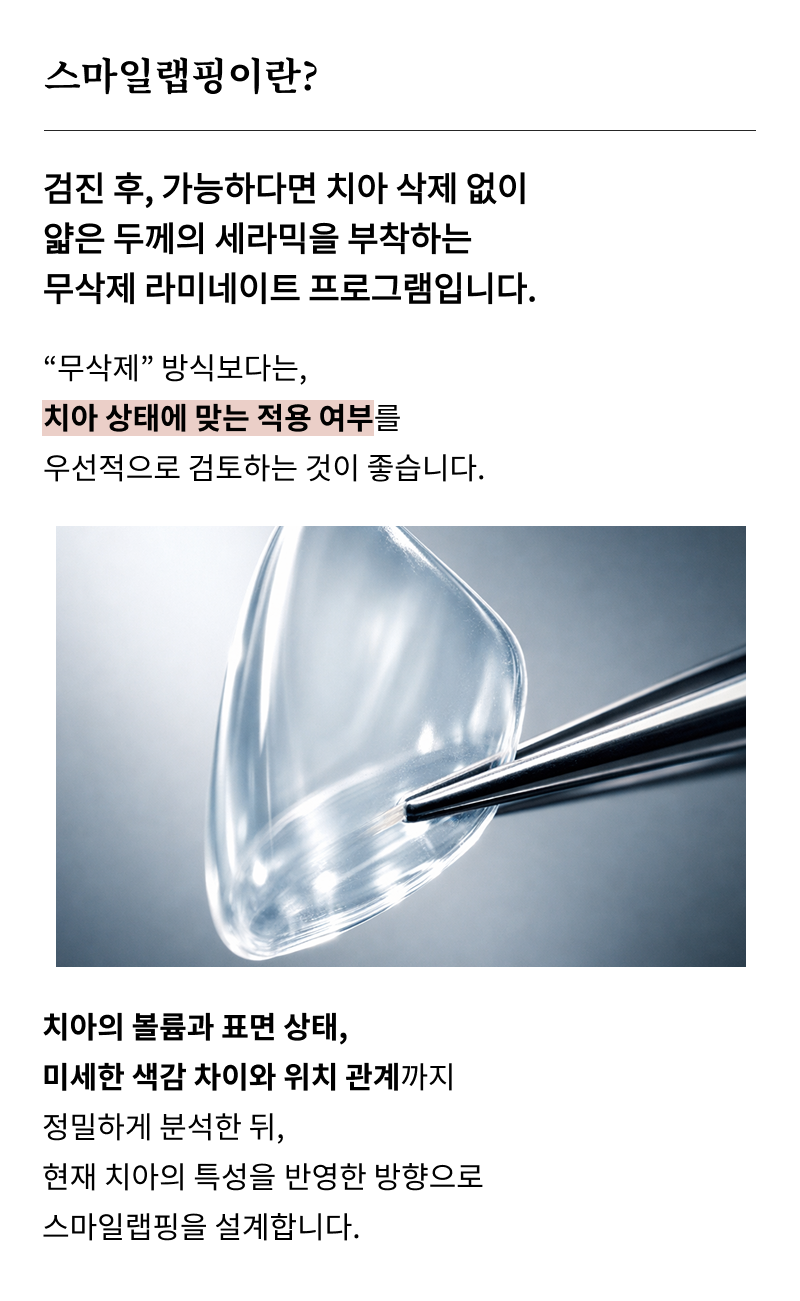
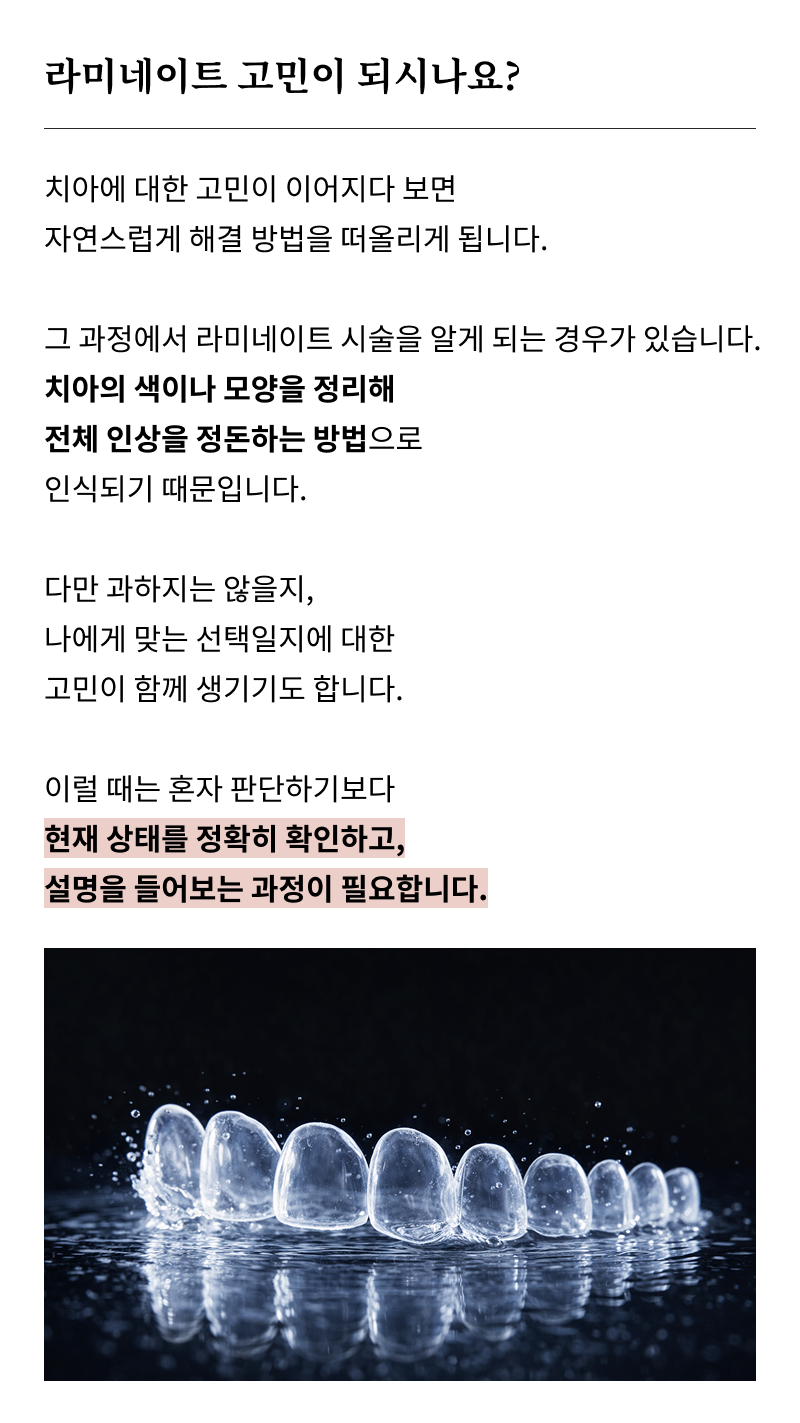
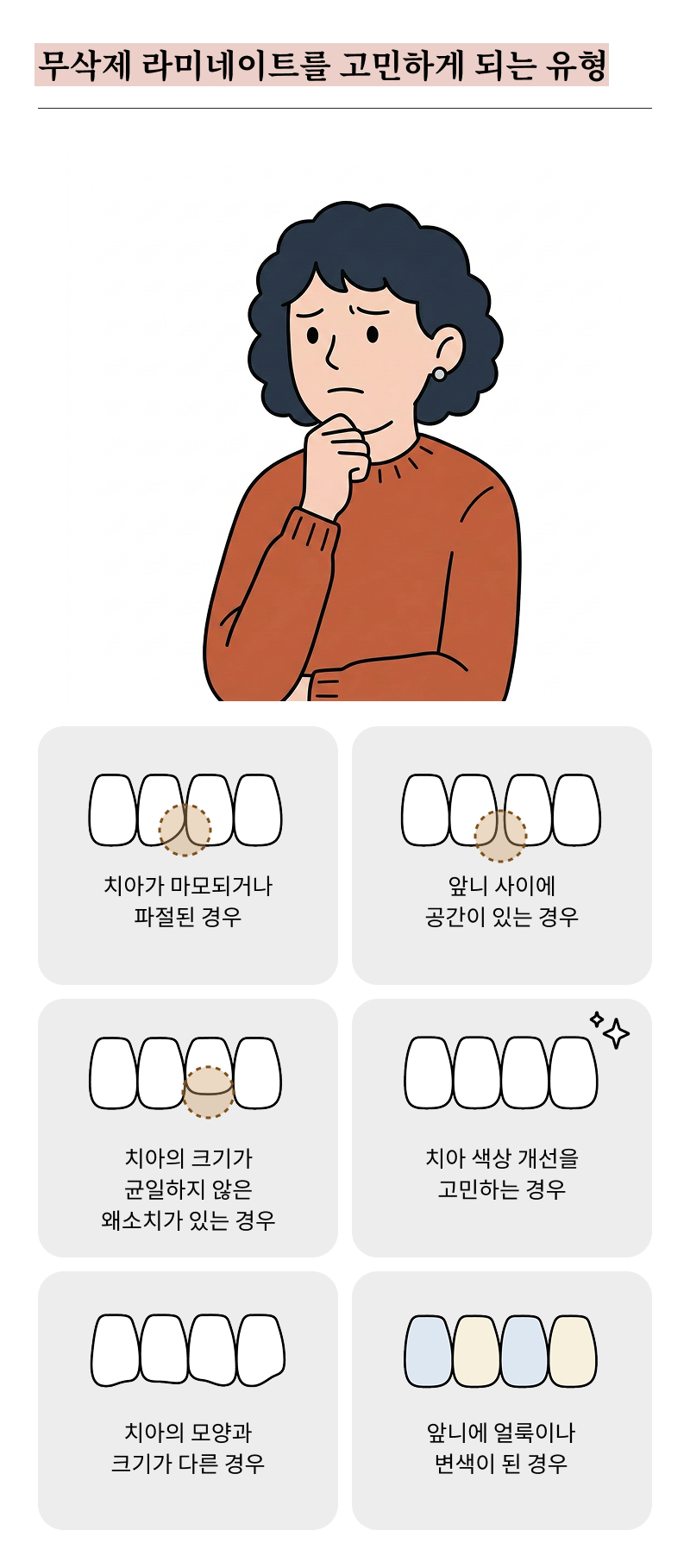
It was mainly used to close gaps between teeth or adjust the size of small teeth. It could also be an option in cases of severe discoloration that could not be resolved with ordinary whitening. The procedure was carried out by finely reshaping the tooth surface and then bonding ceramic restorations. A minimally invasive approach was sometimes discussed to reduce damage to the natural teeth. To reduce the feeling of a foreign body, the boundary between the restoration and the natural tooth had to blend smoothly. It was necessary to understand in advance the light transmittance and color reproduction achievable according to the material’s characteristics. Ceramic has high translucency and excellent strength, making it advantageous for creating a texture similar to natural teeth. If a high-temperature pressing method was used during fabrication, durability could be improved and the risk of fracture reduced. The next step was to compare the patient’s needs with the actual range of application and finalize a practical roadmap.
- Functional occlusion considerations in a laminate dental clinic
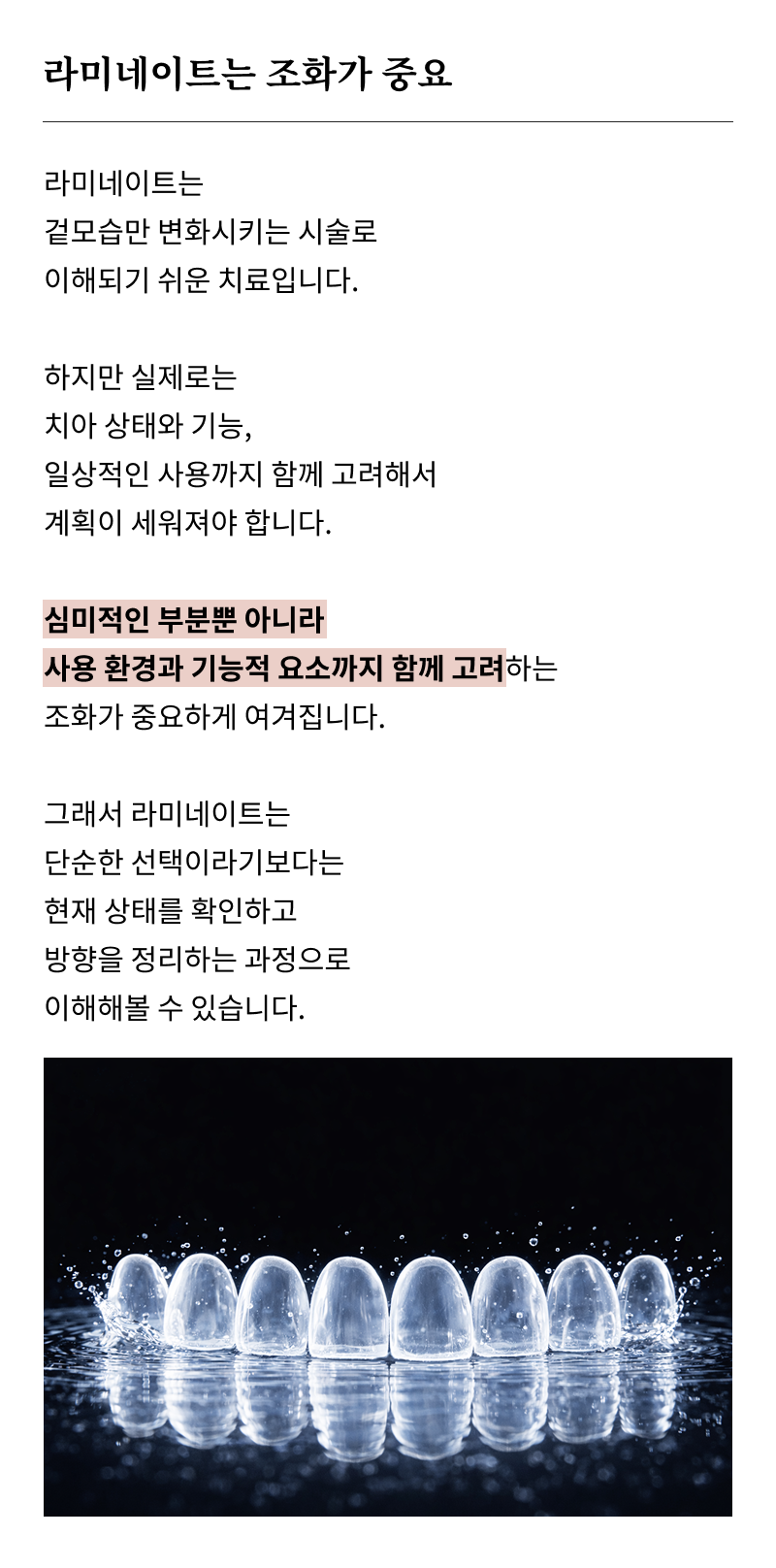
As much as external changes, securing stable chewing function for food was treated as important. If the occlusal balance between the upper and lower teeth was off, excessive pressure was placed on the restoration. This could weaken the bond or cause it to come off, so a precise adjustment process was carried out. A method of designing the shape by analyzing jaw joint movement and everyday oral habits was introduced. Long-term stability could only be expected when both aesthetics and functionality were satisfied at the same time. Technical factors were applied to adjust the thickness of the restoration appropriately so that speech would not be affected. In particular, since the front teeth handle the cutting function, careful checks were made to see whether interference occurred during lateral movement. Because even a slight difference in height could cause headaches or jaw muscle fatigue, a balanced arrangement was essential. An appearance that was not supported by function could easily lose its original value.
< SmileD Dental Clinic Information >
< SmileD Dental Clinic Content >
| 📞CALL SmileD Dental Clinic |
|---|
| 0507-1449-2087 |
- Habits to be careful about after a Gangnam laminate procedure
To keep the completed restoration in place for a long time, the patient’s own lifestyle habits also had to be managed. It was advisable to avoid biting hard or chewy foods forcefully with the front teeth. Chewing ice or opening bottle caps with the teeth was a factor that increased the risk of breakage. If there was a habit of grinding teeth during sleep, using a device to protect the teeth was considered. After consuming strongly staining drinks or foods, it was recommended to rinse the mouth immediately. Oral hygiene rules had to be strictly followed to prevent tiny cracks or deformation. Even the small habit of biting nails could shorten the lifespan by giving the ceramic surface minor impacts. Using oral aids to keep the spaces between adjacent surfaces clean was also a way to extend the restoration’s lifespan. It had to be recognized that the prognosis depended on how much effort the individual made.
- Regular checkups and maintenance period at a Gangnam laminate dental clinic
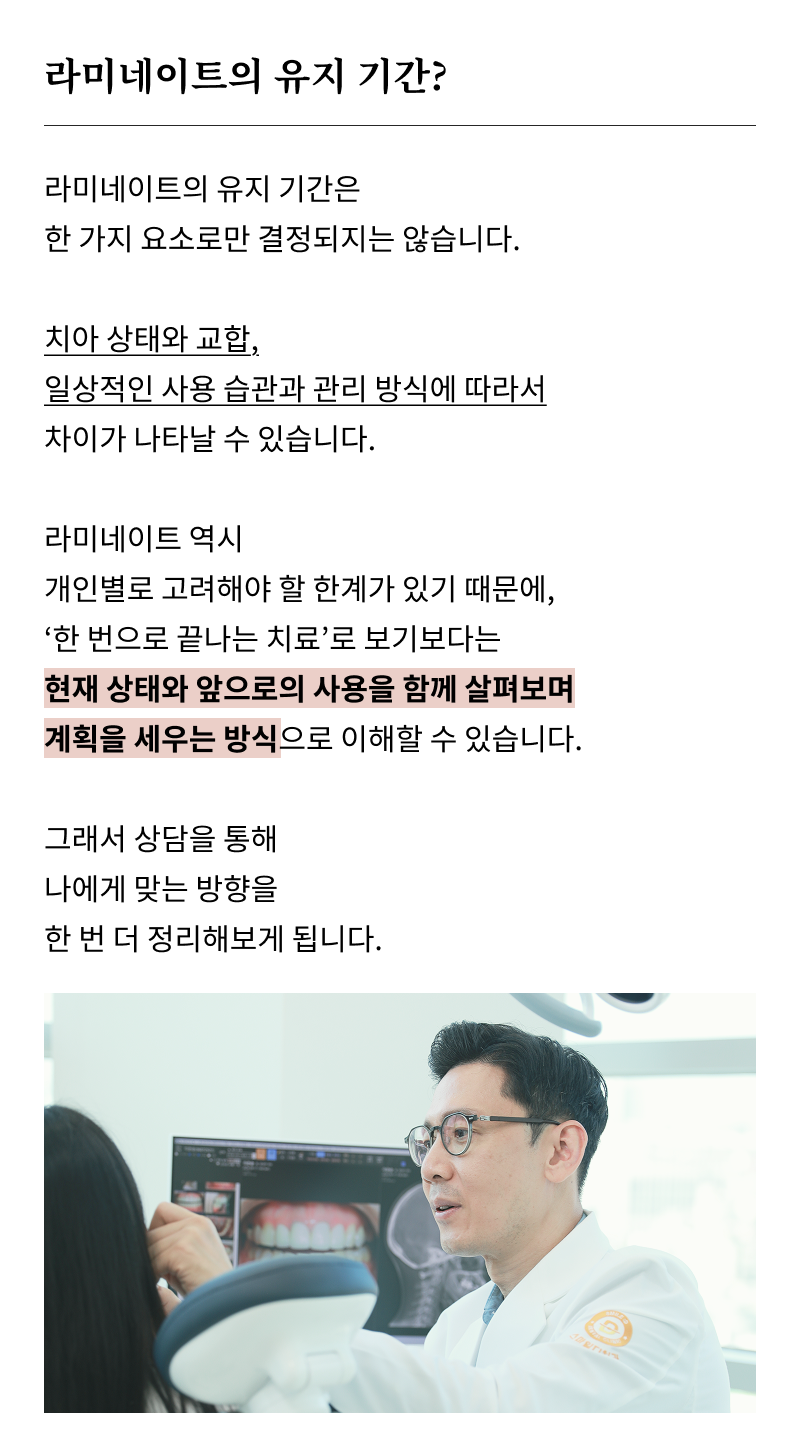
Even after the procedure was completed, it was necessary to periodically check the condition and confirm the bonding state. Regular scaling helped prevent cavities from developing inside the restoration or in the gaps. In general, the lifespan of a restoration varied depending on the individual’s management ability and oral environment. If the adhesive wore down or the gum line changed, appropriate corrective treatment had to be provided. Continuous communication with the medical team was economical because it made it possible to detect abnormalities early. Regular checkups were a way to preserve the initial aesthetic condition. If gum recession occurred, the margins of the restoration could become exposed and affect appearance, so prevention of gum disease was also carried out in parallel. To maintain stable bonding strength, the state of saliva secretion and whether dry mouth was present were also points of inspection. Systematic follow-up care based on scientific evidence determined the quality of the outcome.
Because teeth are an important part of the body that do not regenerate, a careful approach was required. It had to be understood that all medical procedures can produce side effects or different results depending on the individual. Accurate judgment is determined through precise diagnosis, so general information should be used only as a reference. Only when an appropriate method and post-treatment care plan suited to one’s oral environment are established can healthy change truly be achieved. Rather than excessive desire, it is wise to pursue change within a range that does not harm the original function. This is because the value of a smile shines more brightly when supported by healthy teeth and gums. Continuous attention and regular visits are needed to carefully catch even small changes in the mouth. In order for it to become a choice that improves quality of life, one must not forget that a process faithful to the principles must come first.

Previous image
Next image

Previous image
Next image