Hello.
I am Director Oh Su-hwan of Smile D Dental Clinic, Sinchon Station.
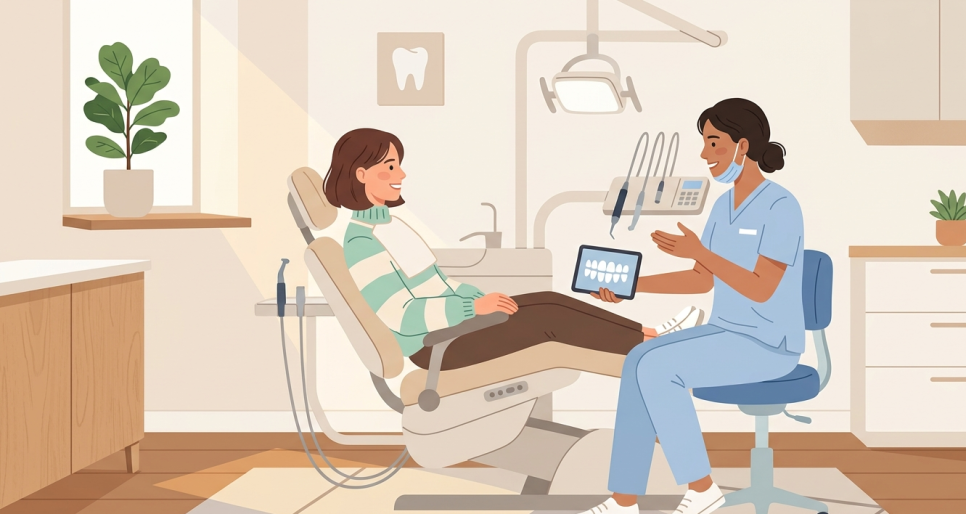
When people go to the dentist, many first worry, “Do I need root canal treatment?”
There is also fear of pain, and hearing that once it is done, it cannot be reversed makes them hesitate even more.
In actual consultations as well,
“Do I need root canal treatment right now?”
this is one of the questions I hear most often.
But surprisingly, in dental clinics,
rather than proceeding with root canal treatment right away,
there are not a few cases where we say, “Let’s observe it first.”
Why do we make this choice?
Why root canal treatment is not done right away at the dentist
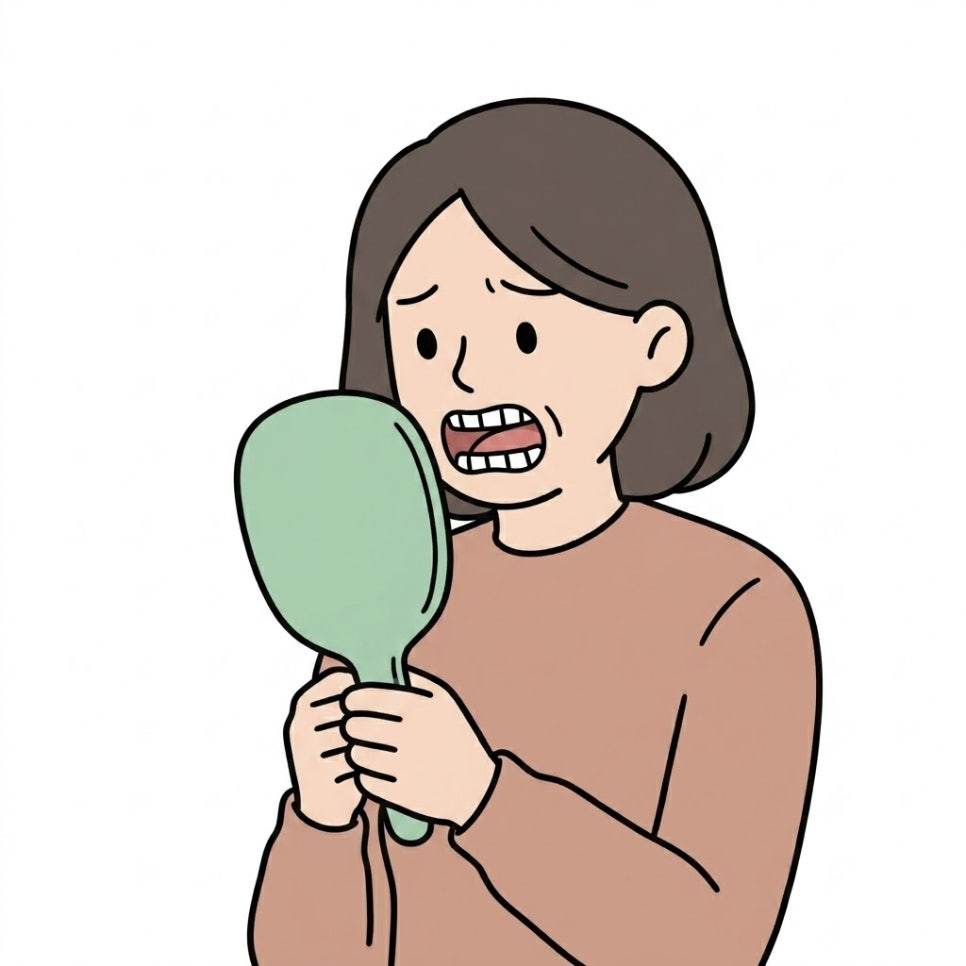
Root canal treatment literally means
a treatment that removes the nerve tissue inside the tooth.
Because once a nerve is removed, it cannot be restored,
dentists try to approach it as carefully as possible.
The nerve of a natural tooth is not just tissue that senses pain;
it also supplies nutrients to the tooth and detects external stimuli.
If this nerve is still alive,
the tooth can be maintained relatively more firmly,
and sensitivity to temperature or pressure can be felt normally.
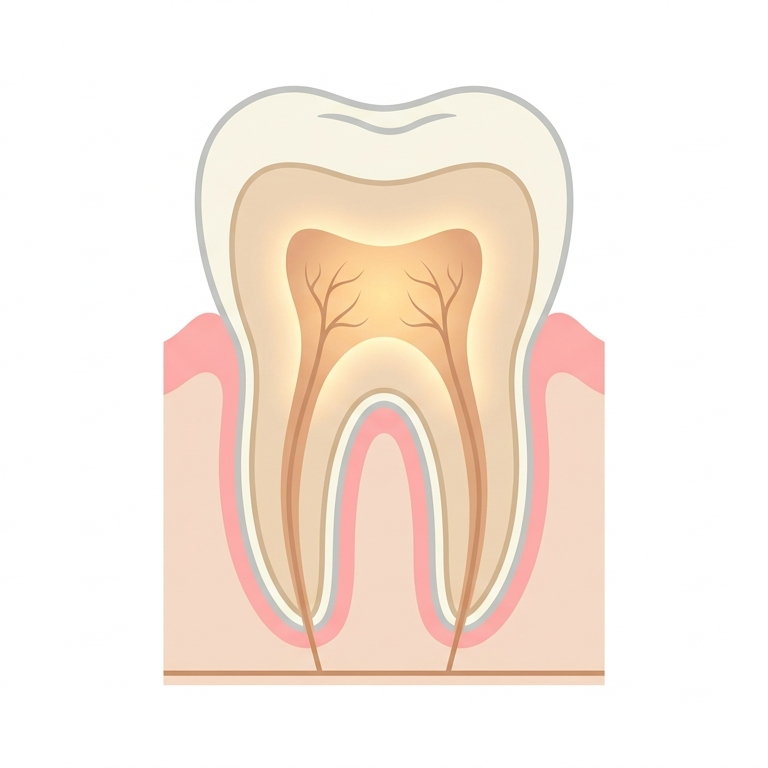
So even if a cavity looks deep,
if the nerve has not been completely damaged,
we may choose to remove only the decay and then monitor the progress.
If there is even a little possibility of saving the nerve,
giving that chance first can help preserve the tooth in the long term.
But there are also times when root canal treatment is necessary
Not every case can be watched and waited on.
In the following situations, root canal treatment may be necessary.
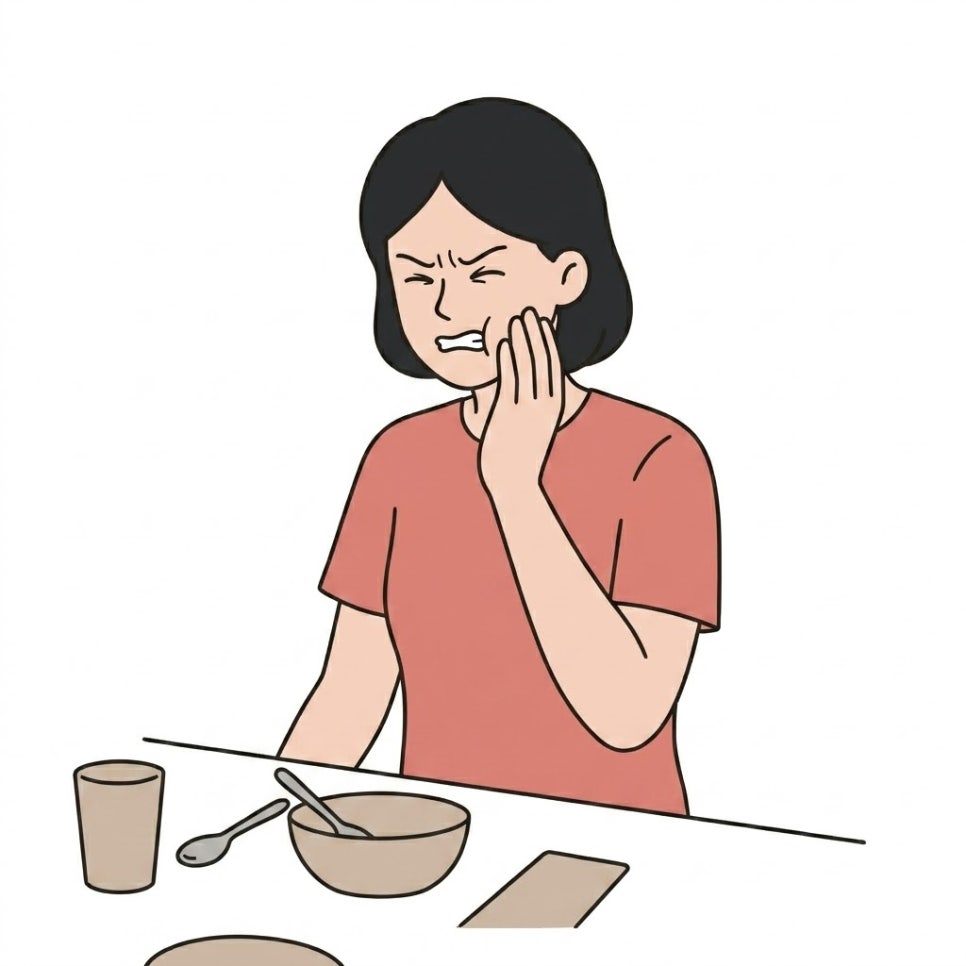
If the pain is getting worse and
is affecting daily life or sleep,
we consider the possibility that inflammation is progressing inside the nerve.
Also, if the tooth color has gradually become darker,
the nerve tissue may already be damaged or have lost its function.
If the tooth is badly fractured from trauma
or has become structurally very weak due to deep decay,
root canal treatment may be considered as a way to preserve the tooth.
In this way, root canal treatment is not a treatment “to remove the tooth,”
but is often chosen as a process to keep the tooth.

Is root canal treatment very painful?
When you think of root canal treatment,
it is natural to first worry about pain.
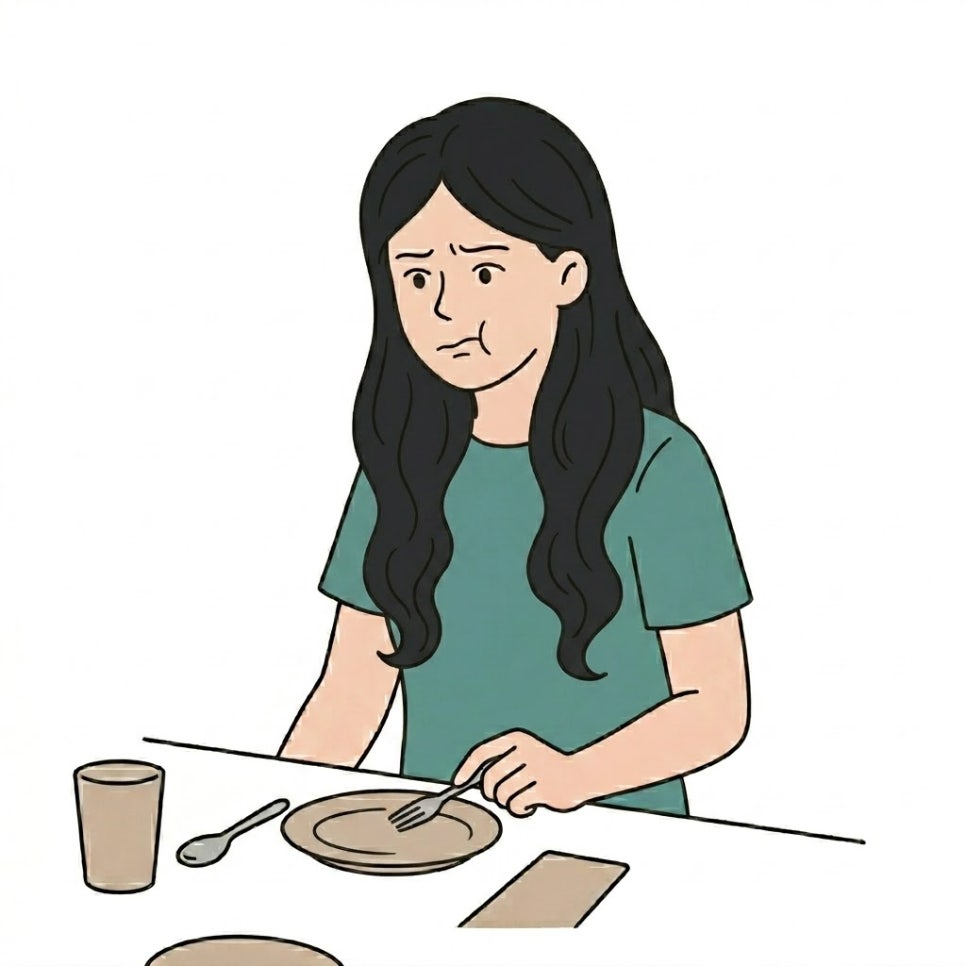
However, with the great advances in anesthesia techniques and equipment,
pain during treatment can now be controlled to a considerable degree.
If anesthesia is sufficient,
many people do not feel much discomfort during treatment,
and various methods to reduce pain are also used these days.
Of course, depending on the individual’s condition and the degree of inflammation,
the level of discomfort may vary.
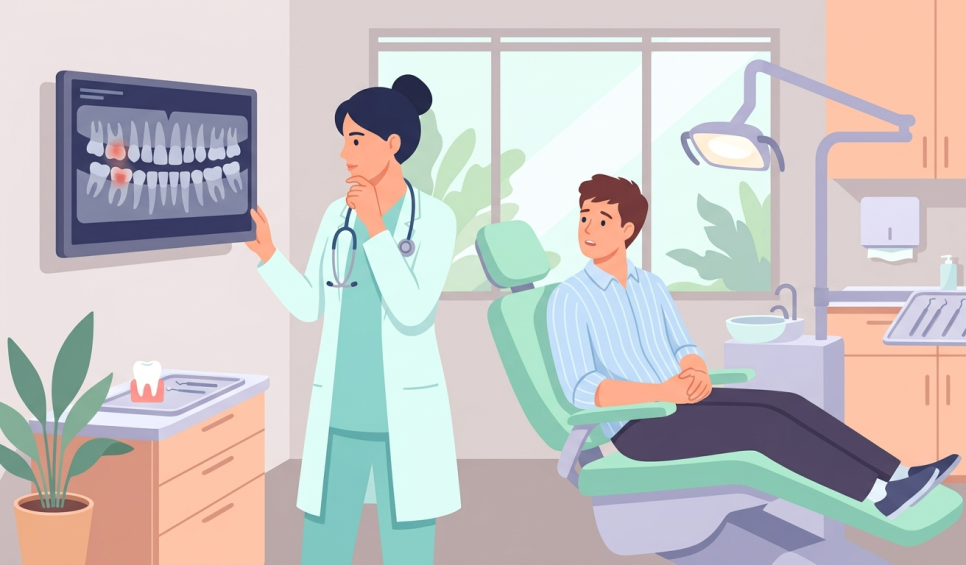
Cavity treatment followed by root canal treatment: double the cost?
If you first only treat the cavity and later need root canal treatment,
won’t the cost end up being higher?
You may certainly have such concerns.
But this process is not simply about cost;
it can be seen as a choice that first considers the possibility of saving the natural tooth.
Rather than removing the nerve from the start,
confirming one more time whether it can be saved
can be more helpful for long-term dental health.

Check once more in these cases
If you are confused about your current condition,
it may help to think about the following points.
< Do I need root canal treatment? Self-check test >
- Does the pain continue even when you are doing nothing?
- Are you overly sensitive to cold or hot foods?
- Does a specific area hurt sharply when chewing?
- Has the tooth color become darker than before?
If you notice these changes,
it may be necessary to check more accurately whether it is just the stage of decay
or a stage that requires root canal treatment.
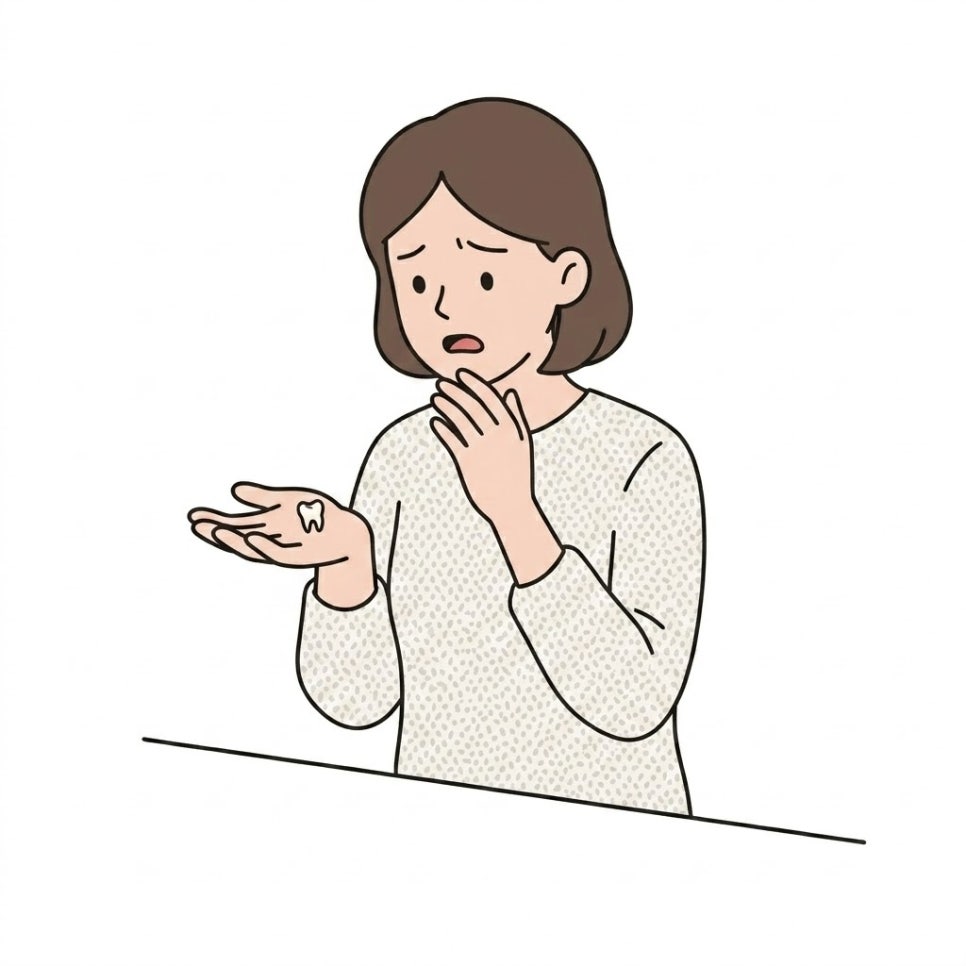
 Treatment decisions depend on the condition
Root canal treatment is not something that must always be done quickly,
and on the other hand, it is not something that must always be delayed.
What matters is
in the current condition of the tooth,
whether it is at a stage where the nerve can be saved,
or whether it is already at a stage where treatment is necessary,
and accurately determining that process.

Because it is often difficult to tell from visible symptoms alone,
it can help to confirm through examination and diagnosis.
Since a tooth is difficult to restore once damaged,
it is important to choose the option that can preserve it within the possible range.

If you are facing a similar concern right now,
simply checking your current condition accurately once
can help you decide the direction of treatment.
Because treatment methods and the need for treatment may vary depending on each person’s oral condition,
a more accurate judgment can be made through an in-person examination.