



Previous image
Next image

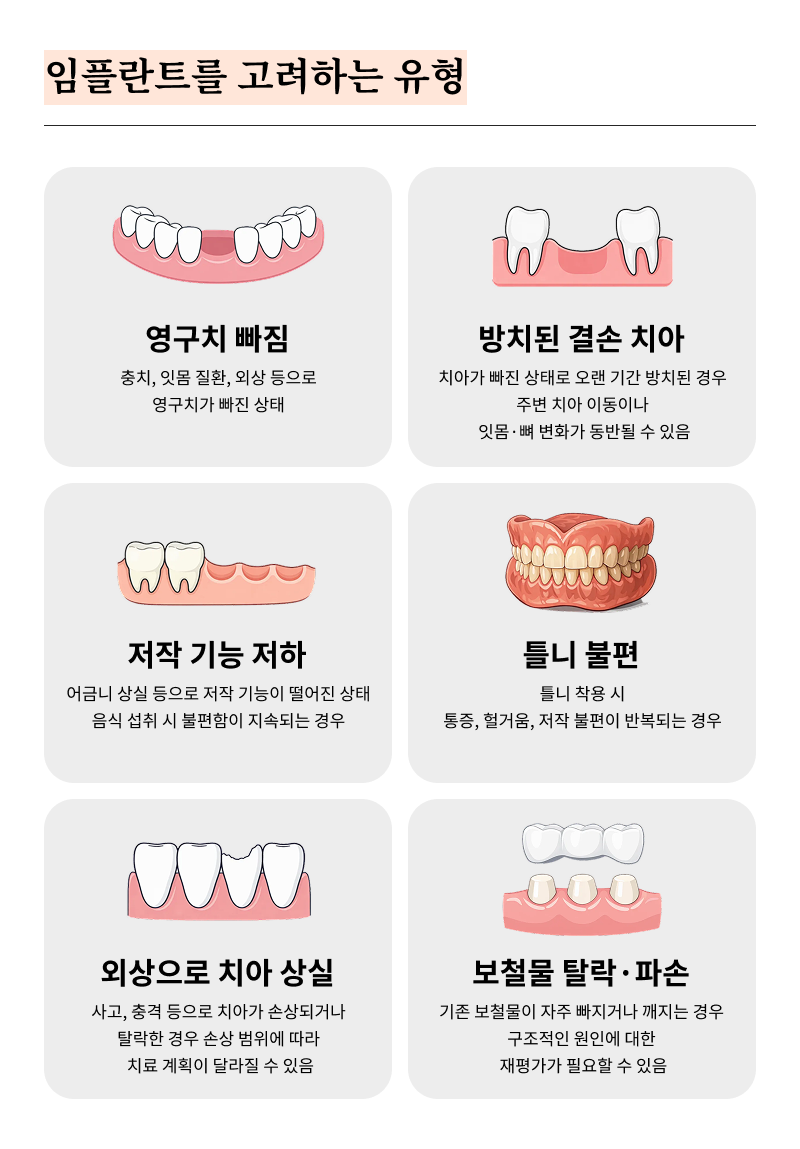
The process of placing artificial teeth is an important medical procedure that restores function to the area where teeth have been lost. When looking for information related to a Seoul implant dental clinic, rather than simply focusing on geographic convenience or external factors, the first step should be to determine whether there is a precise diagnostic system suited to each individual oral environment. Because the amount and density of the alveolar bone and the position of the nerve canal differ from person to person, whether digital equipment is available to analyze these factors becomes a key indicator in deciding the treatment direction. In addition, since the surgical plan may change depending on whether the patient has systemic diseases or is taking medication, a careful approach is necessary.
- The Role of a Digital Diagnostic System at a Seoul Implant Dental Clinic
When establishing a treatment plan, 3D CT and an intraoral scanner are used to analyze the bone tissue and the arrangement of surrounding teeth in three dimensions, including areas that are difficult to confirm with the naked eye. This data is used as basic material for pre-setting the implant angle and depth, helping to reduce the margin of error. The method of creating and performing treatment with a computer-generated guide helps minimize tissue damage by reducing unnecessary incision. This can be an alternative that lessens the physical burden on older adults or those whose recovery is slower. Collecting precise data compensates for the limitations of visual inspection and forms the basis for preventing interference with anatomical structures inside the mouth. The extent to which digital equipment is used is considered an important factor that determines the precision of the surgery.
- Treatment Approach According to the Condition of the Jawbone at a Seoul Implant Dental Clinic
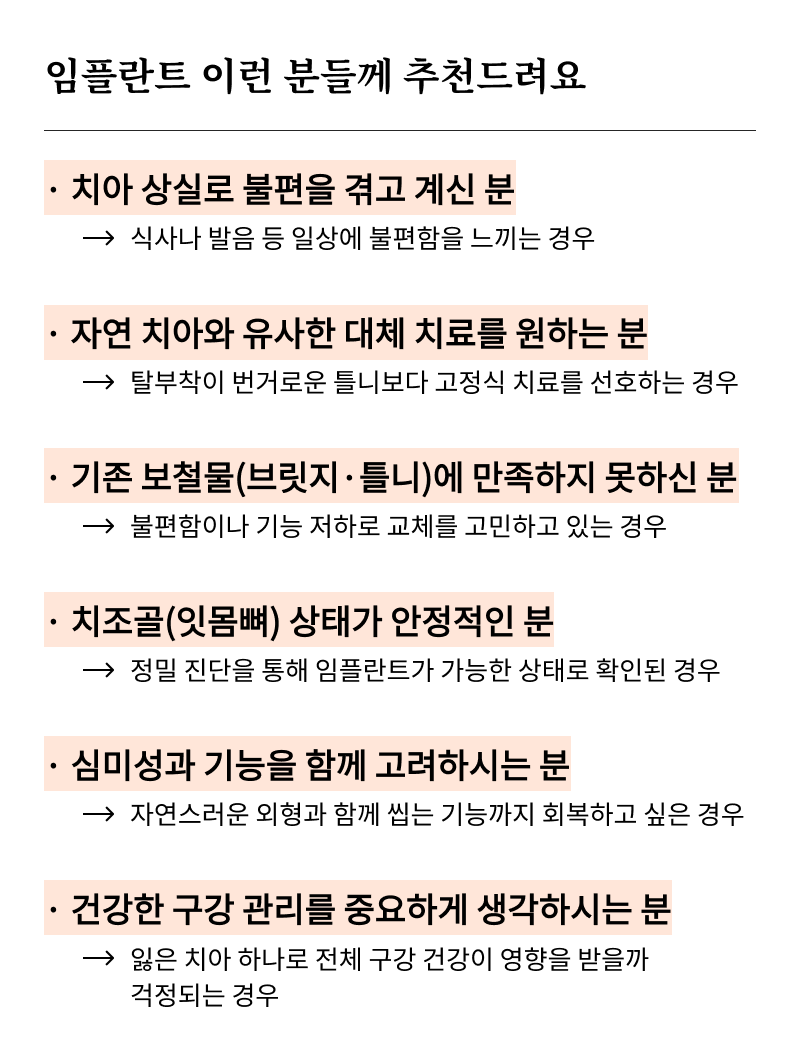
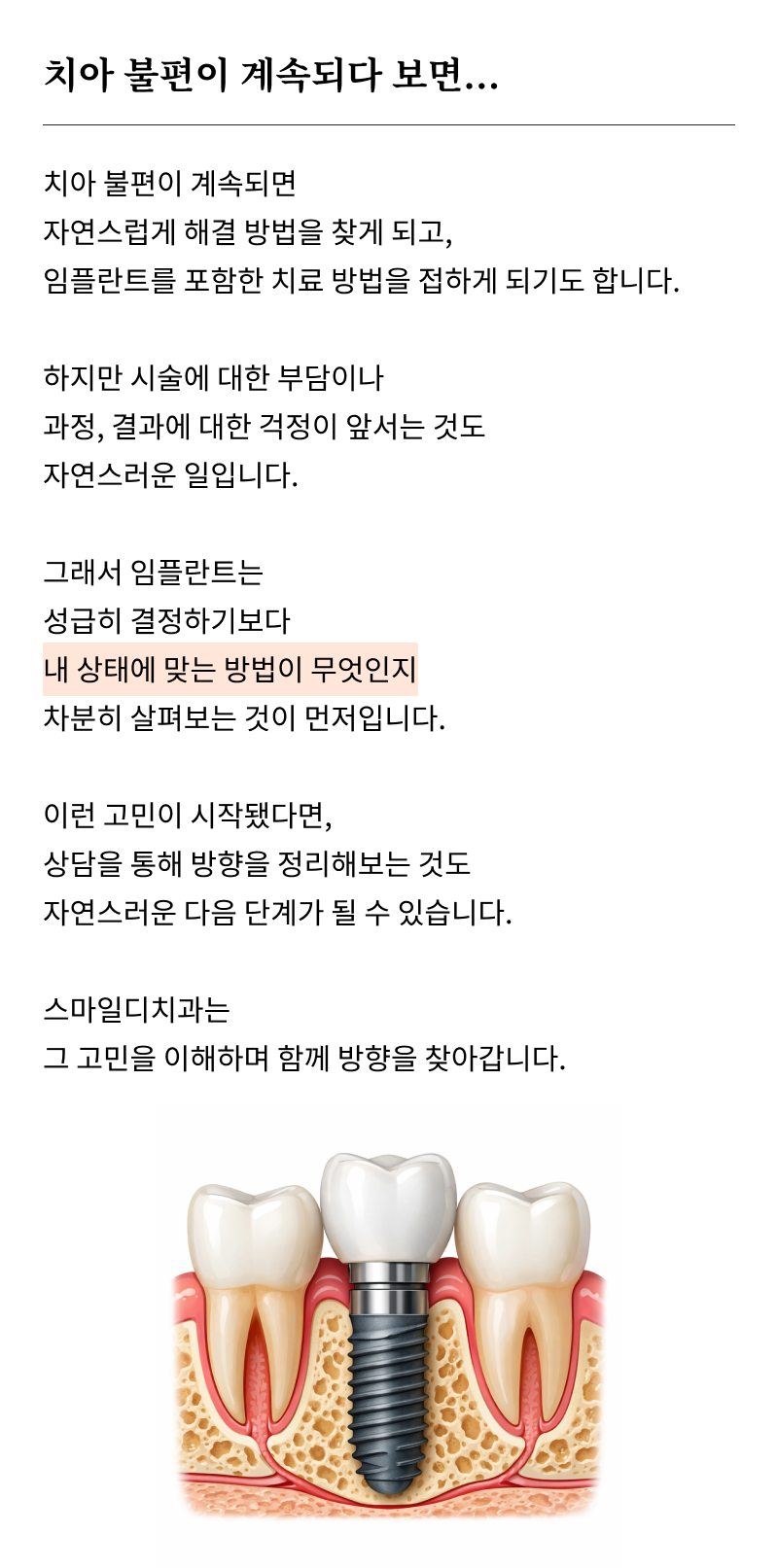
If a long time has passed since the tooth was lost, the gum bone in that area may be resorbed, causing the width to narrow or the height to decrease. If placement is forced when support is insufficient, fixation may weaken and there is a risk of failure, so there are cases in which bone grafting is performed together. Materials such as autogenous bone, allograft, or synthetic bone are used to fill the 부족한 amount of bone, and a waiting period is required until sufficient osseointegration occurs. This is an essential foundational step for ensuring that the artificial root can be stably established. For older adults whose bone-forming ability has declined, the selection of graft material and the setting of the healing period must be handled even more carefully. The time spent waiting for firm fixation acts as a key procedure that improves long-term success rates.


- How to Respond When Multiple Teeth Have Been Lost at a Seoul Implant Dental Clinic
If the patient is in an edentulous state with all teeth missing in the upper or lower jaw, both financial circumstances and physical condition must be considered. In the past, dentures were mainly used, but there were cases where people experienced discomfort due to reduced retention or pressure on the gums. Recently, chewing function has also been reinforced by methods that place only a small number of artificial roots and then connect a full prosthesis, or by forms that combine dentures and implants. The aim of these structures is to reduce surgical burden by adjusting the number of implants while also improving functional convenience in daily life. Full-arch restoration is a highly complex area that must also consider the height of the bite and the balance of the face. The wider the area of loss, the more important load-distribution design becomes, and this is determined by a precise evaluation of the remaining bone structure.
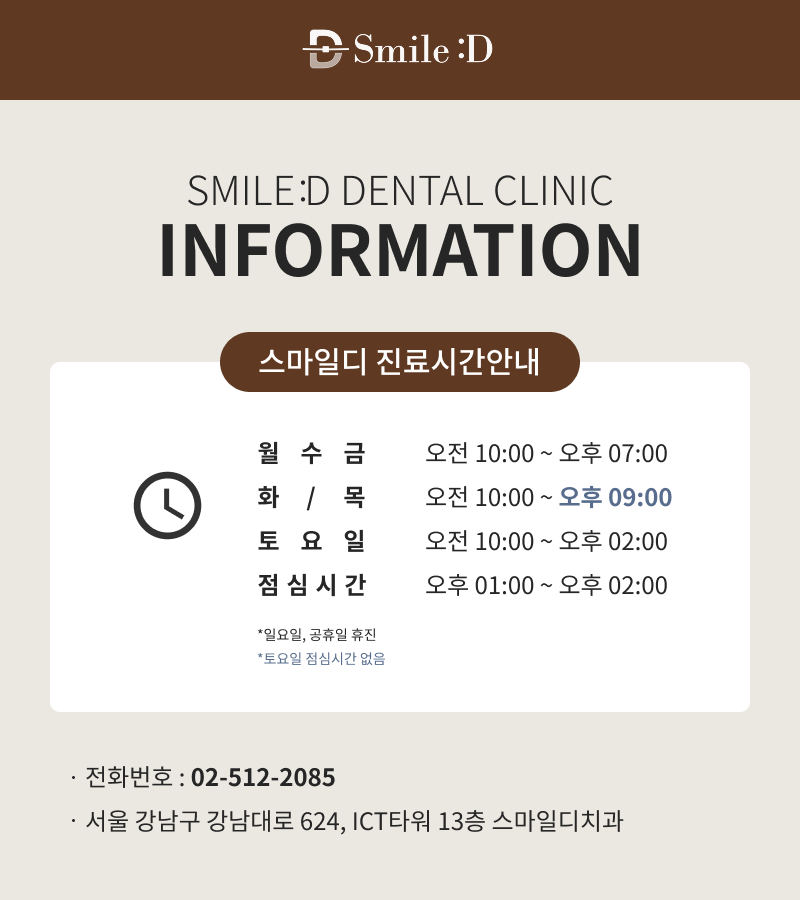
< SmileD Address >
< See More from SmileD >
| 📞 SmileD Number |
|---|
| 0507-1449-2087 |

- Post-Treatment Care and Principles for Preventing Peri-Implantitis at a Seoul Implant Dental Clinic
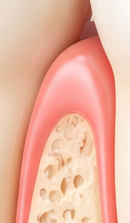
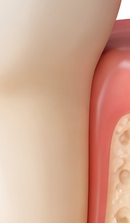
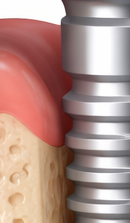
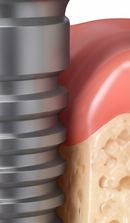
Even after the implant has been successfully completed, ongoing checkups are key to long-term maintenance. Unlike natural teeth, artificial teeth do not have periodontal ligaments, making them vulnerable to bacterial infection, and in many cases inflammation may occur without pain being felt. Peri-implantitis is a major cause of bone loss around the implant and loosening of the structure, so tartar should be removed through regular scaling. Oral hygiene habits such as using interdental brushes or dental floss positively affect the maintenance of cleanliness in the mouth and help lower the likelihood of inflammation. Because artificial devices have less vascular supply, it should be recognized that inflammation may progress quickly. Therefore, if even minor swelling or bleeding is detected, prompt action is required to confirm the condition of the tissue through an immediate examination.
- Securing Stability Through Regular Checkups at a Seoul Implant Dental Clinic
Regular in-office visits help detect prosthetic screw loosening or changes in the bite early. If the load generated while chewing is not evenly distributed, certain areas can be overstrained, which may lead to damage or gum inflammation. Confirming whether the medical institution’s aftercare system is operated systematically becomes a practical way to extend the lifespan of the device. In addition, individual efforts such as avoiding the excessive consumption of hard or chewy foods must be carried out together in order to maintain a stable condition. Smoking is a major factor that reduces blood flow, interferes with osseointegration, and worsens peri-implantitis, so quitting smoking is advisable. Following a systematic checkup schedule is an essential commitment for long-term oral health.


The process of restoring missing teeth is more than simply filling an empty space; it is a precise process of balancing the entire mouth. Since each person’s jawbone condition and health indicators differ, it is important to decide on the appropriate method for yourself based on objective diagnostic data. The expected lifespan of artificial teeth may vary depending on the level of care, and whether implantation is possible, along with the specific procedure, will be determined by the medical team after a thorough examination. It should be understood that diligent daily hygiene management and regular checkups are the basic principles for maintaining a healthy oral environment. When a procedure based on medical principles is combined with the patient’s sincere cooperation, more positive results and a longer period of use can be expected. Accurately understanding your own condition with the help of precise analysis tools is the starting point for successful treatment.


Previous image
Next image



Previous image
Next image