Hello.
I’m Oh Soo-hwan, the chief director of Smile D Dental Clinic, a recommended dentist in Gangnam.

You brush thoroughly… do you still really need scaling?
This is a question I hear very often in the treatment room.
Even if you brush well more than three times a day,
if a dentist recommends scaling,
you may wonder, “Am I not taking good enough care of my teeth?”
But in reality,
there are clearly areas that brushing alone cannot manage 😊
Why do you still need to visit the dentist even if you brush well?
Brushing is very important for removing food debris and plaque from the tooth surface.
However, over time, some of it may remain and not be completely removed,
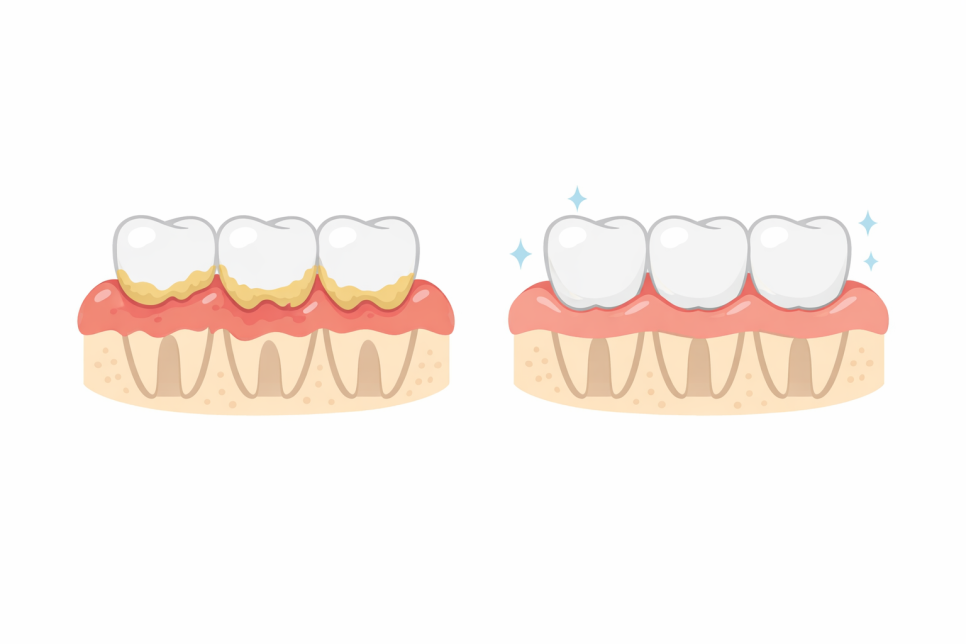
and as it gradually hardens, it can turn into tartar.
Because tartar becomes difficult to remove with a toothbrush,
professional scaling is often necessary.
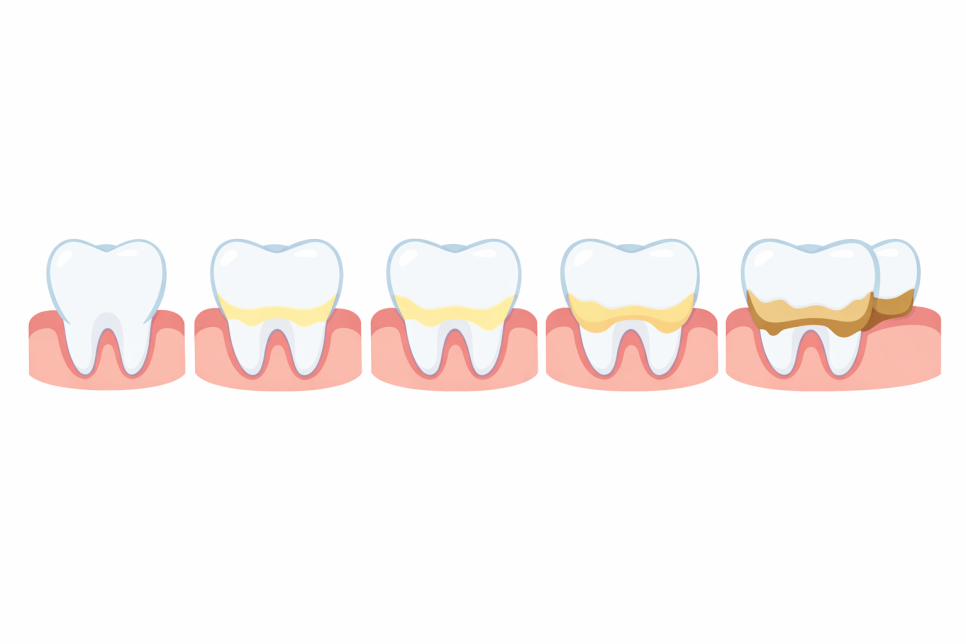 The effect of tartar on gum health
Tartar is not just a hard deposit;
because it is an environment where bacteria gather, it can continuously irritate the gums.
The effect of tartar on gum health
Tartar is not just a hard deposit;
because it is an environment where bacteria gather, it can continuously irritate the gums.
When this process repeats,
flammation may occur, causing the gums to swell or bleed,
and in some cases, it can even affect the jawbone around the teeth (alveolar bone).
At first, it may look like a mild gum inflammation,
but if care is delayed, the condition can gradually progress,
so early management is important.
 Why do you bleed after scaling and why do the spaces between teeth look wider?
After scaling,
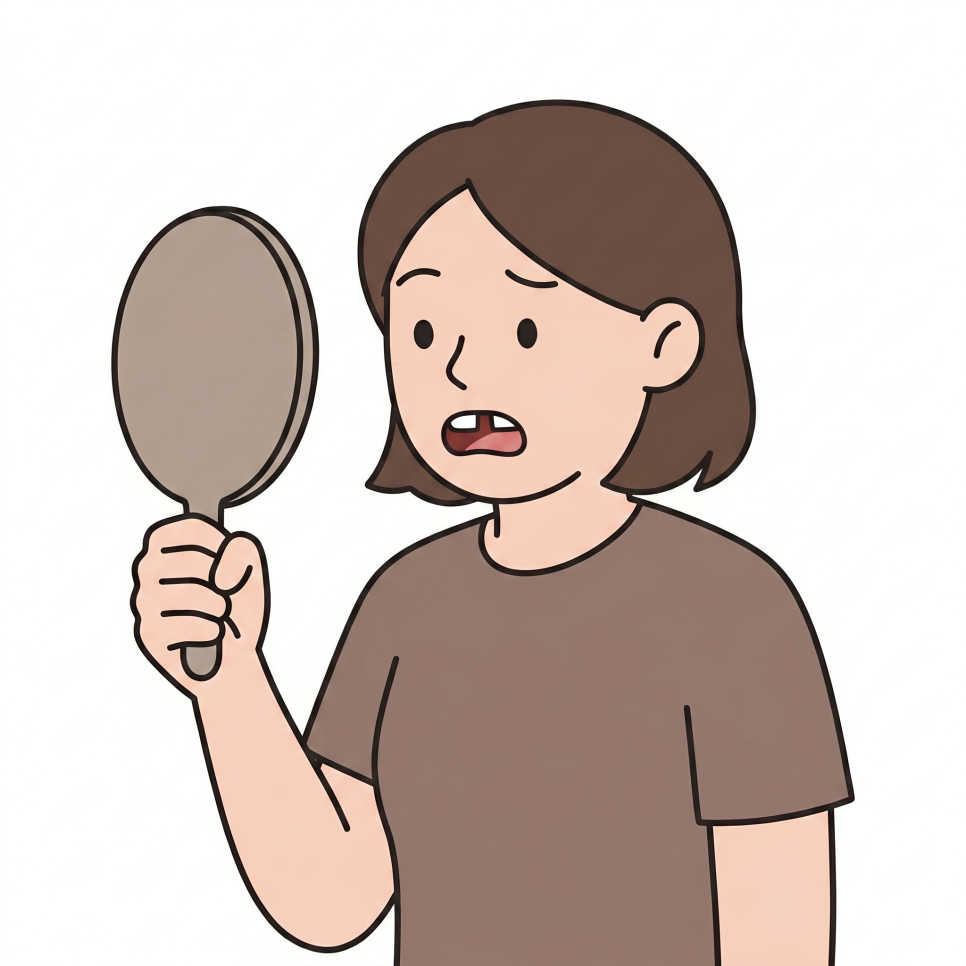
some people say, “I’m bleeding,” or “It feels like the spaces between my teeth have widened.”
Why do you bleed after scaling and why do the spaces between teeth look wider?
After scaling,
some people say, “I’m bleeding,” or “It feels like the spaces between my teeth have widened.”
In most cases, this can be part of the process of swollen gums from inflammation going down
and returning to their original state.
In other words, it does not mean the spaces between the teeth have actually widened;
it means the swollen gums are recovering normally,
revealing the space that had been hidden.
[ Introducing Smile D Dental Clinic ]
| ☎️ Smile D Dental Clinic Phone Number |
|---|
| 0507-1449-2087 |
| ℹ️ Smile D Dental Clinic Website |
|---|
| Official Website |
| 🎥 Smile D Dental Clinic YouTube |
|---|
| YouTube |
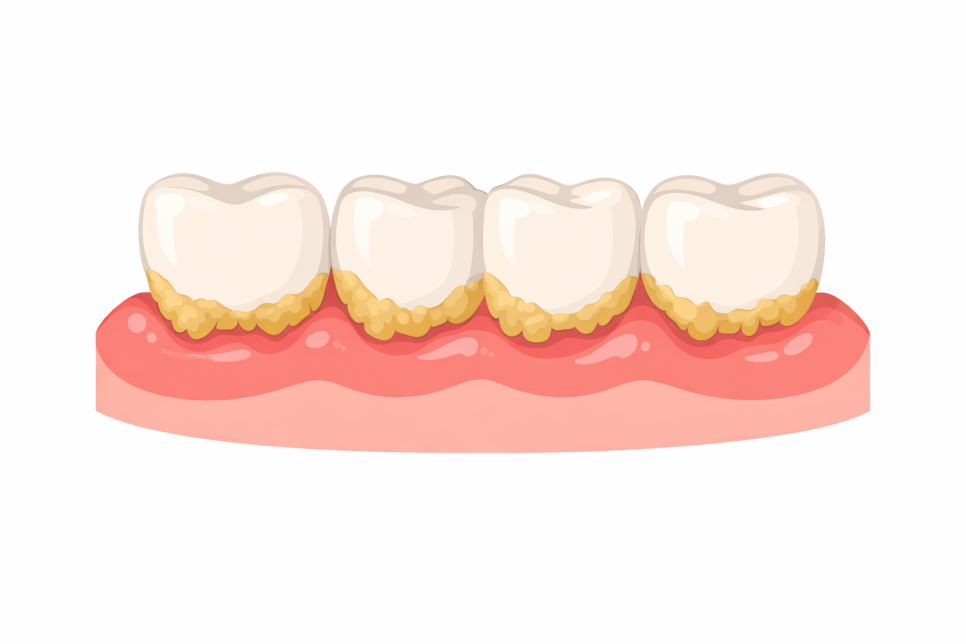
Misconceptions and facts about sensitivity and tooth wear
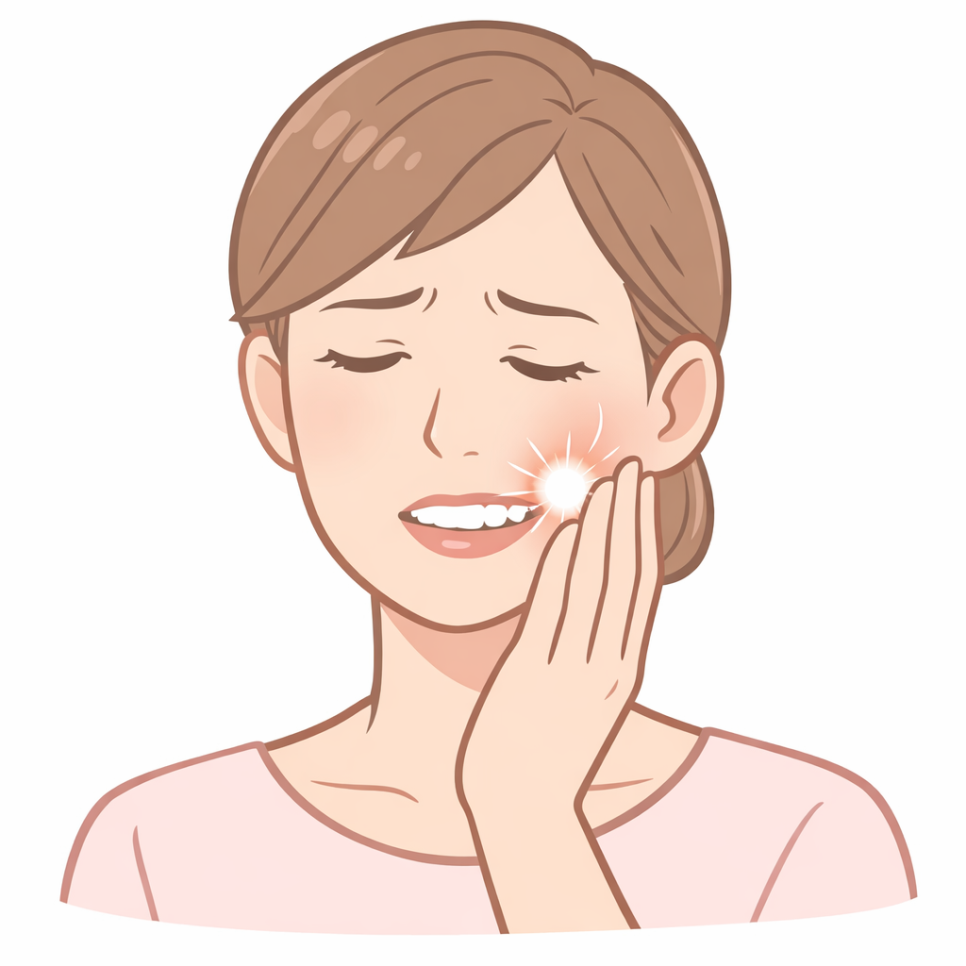
Some people also experience a temporary sensitive feeling after scaling.
This, too, may be a temporary sensitivity caused by areas that were covered by tartar becoming exposed,
and in most cases, it gradually eases over time.
Another common misconception is
that “scaling wears down teeth.”
However, during a typical scaling procedure,
damage to the tooth structure itself is rare.
The right scaling interval and care method for you
The scaling interval is not the same for everyone.
If your gums are healthy and well managed,
maintenance may be possible at 6-month to 1-year intervals,
and if you smoke, have gum inflammation, or are prone to tartar buildup,
you may need care at shorter intervals.
What matters is
not assuming, “I’ll probably be fine,”
but checking the standard that fits your current condition.
 Receive regular checkups without 부담 through National Health Insurance benefits
At present, adults can receive scaling
once a year under National Health Insurance coverage.
Receive regular checkups without 부담 through National Health Insurance benefits
At present, adults can receive scaling
once a year under National Health Insurance coverage.
Because the cost burden is relatively low,
many people use it as a starting point for regular oral care.
By taking advantage of this opportunity,
it is a good idea to check the condition of your gums as well as simply remove tartar.
The easiest and most reliable habit for protecting gum health!
In the end, what matters most is
not special treatment,
but consistent care.

Regular scaling and checkups
can be the most basic way to
check and manage your condition before bigger problems arise.
Think of it as a process that complements what brushing alone cannot manage
and checks the condition of your gums.
If your gums have been bleeding lately,
or if your teeth feel different between the teeth than before,
it may help to check whether it is just a temporary change or a condition that needs care.
Because the condition inside the mouth can sometimes be different from what appears on the surface,
accurate judgment may change depending on an in-person examination.
Thank you for reading today.
※ This post is an informational article prepared by a medical institution in compliance with Articles 56 and 57 of the Medical Service Act and related regulations.
It was written based only on informational content exempt from medical advertising review.
These images are explanatory materials to help understanding, and actual treatment is determined after consultation with the medical staff.