




Previous image
Next image
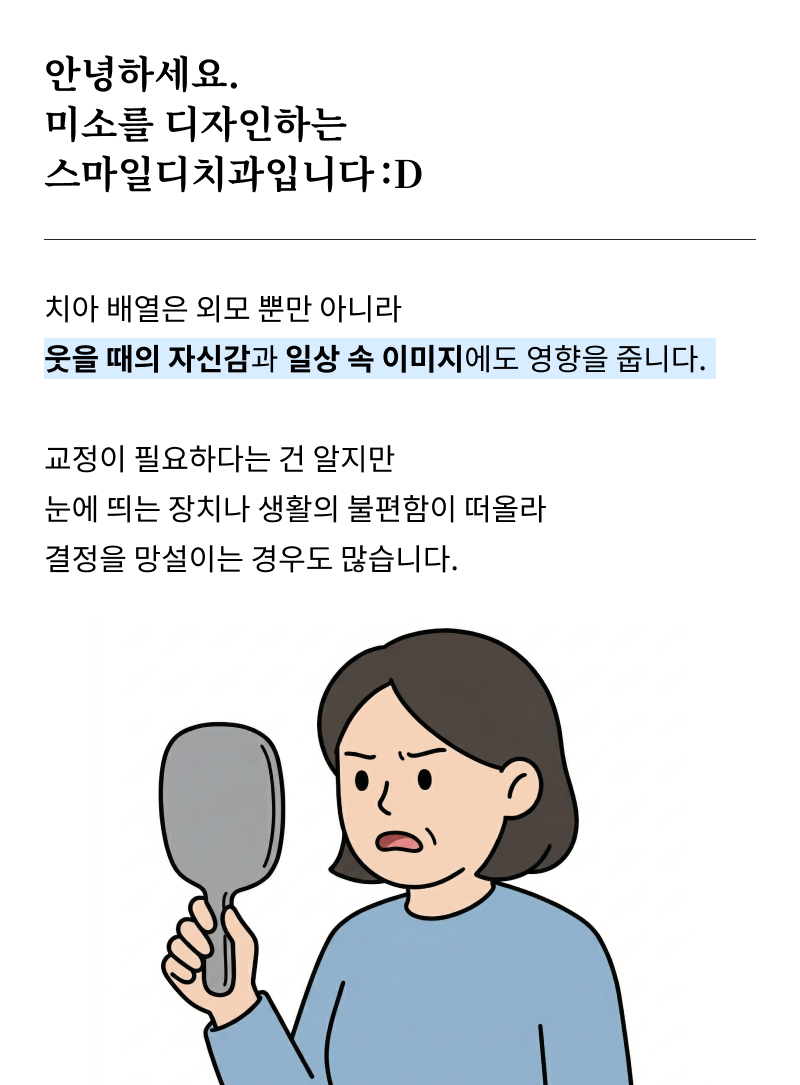
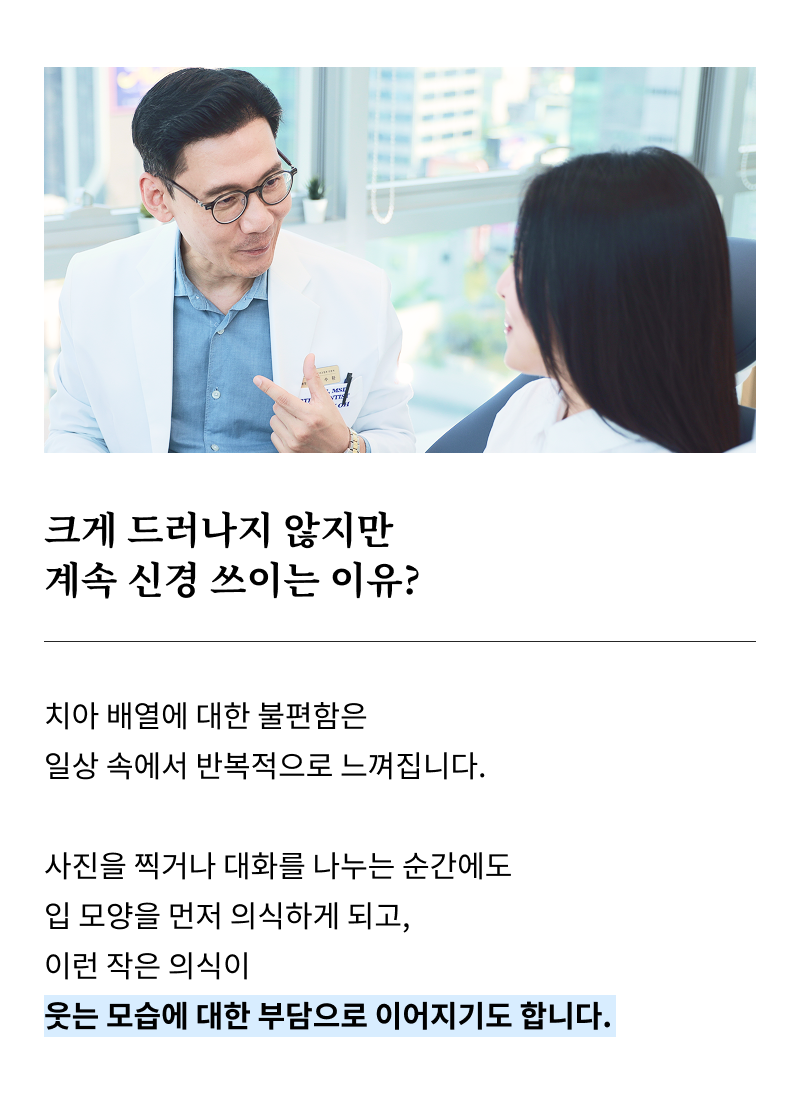
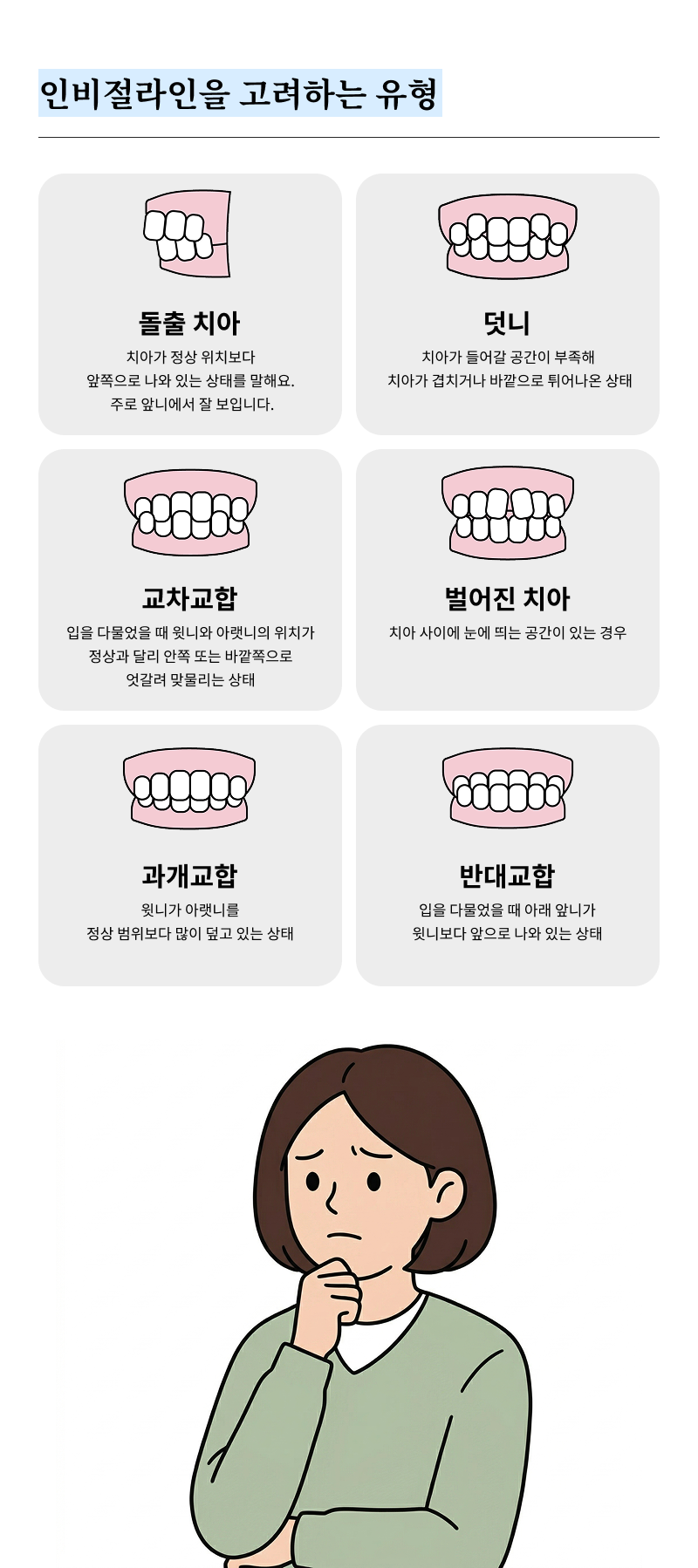
If uneven teeth alignment or an upper and lower jaw bite that is out of alignment is left untreated, chewing efficiency decreases and structural difficulties arise in maintaining oral hygiene. In particular, malocclusion can place uneven pressure on periodontal tissues, which may lead to gum disease or increase stress on the temporomandibular joint. To address these issues, it is necessary to carefully review the characteristics and suitability of Invisalign, a clear aligner system, through information on recommended Gangnam dental clinics.
- Recommended Gangnam Dental Clinic: Invisalign Operating Principle and Technical Features
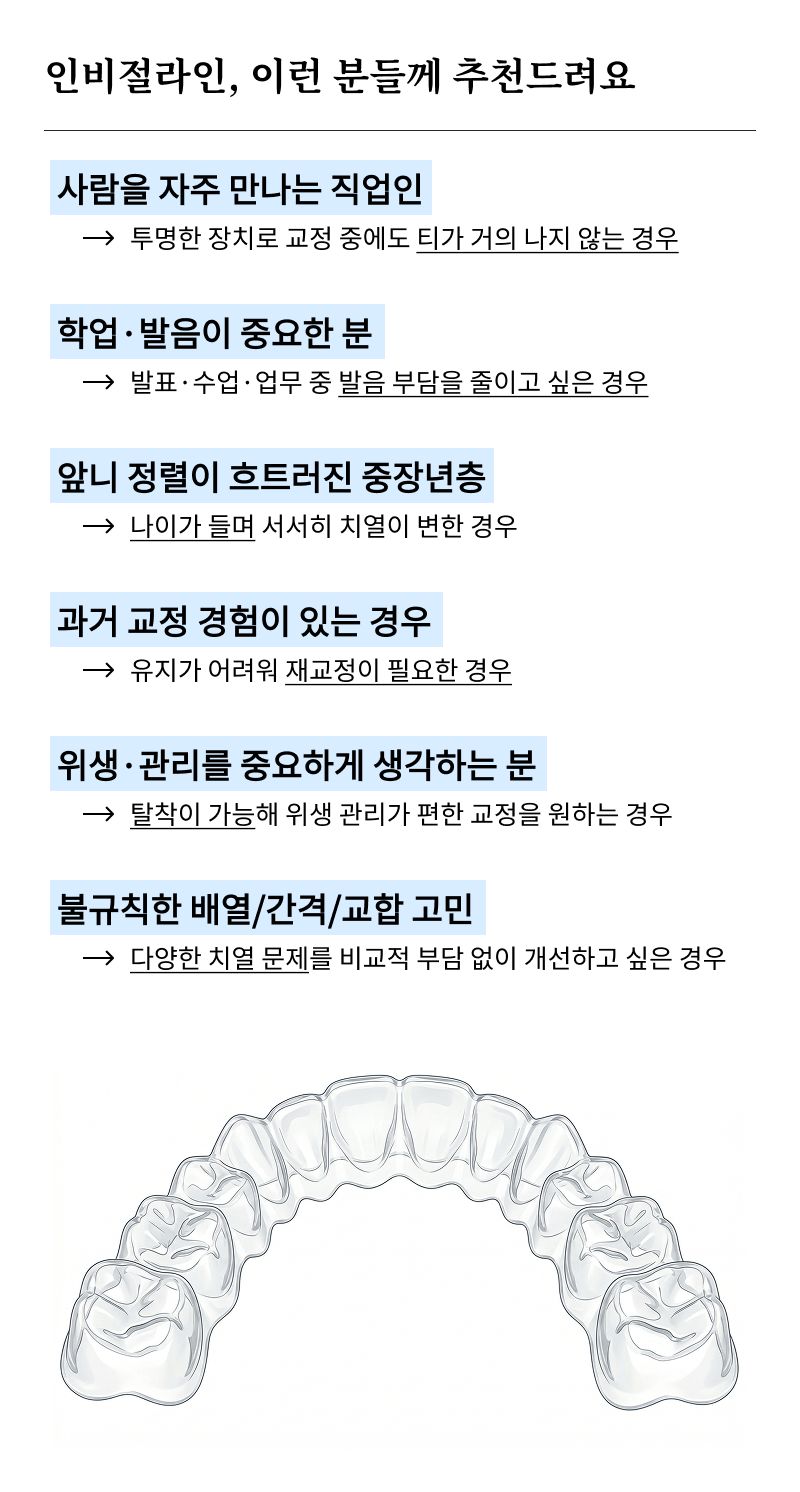
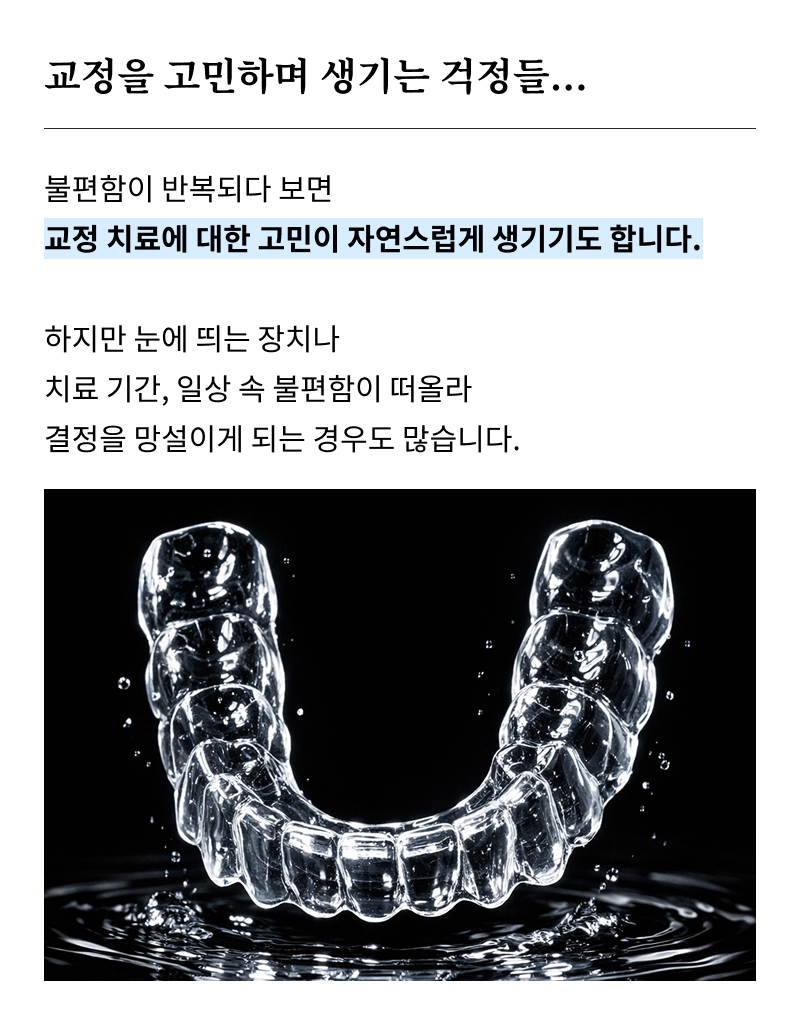
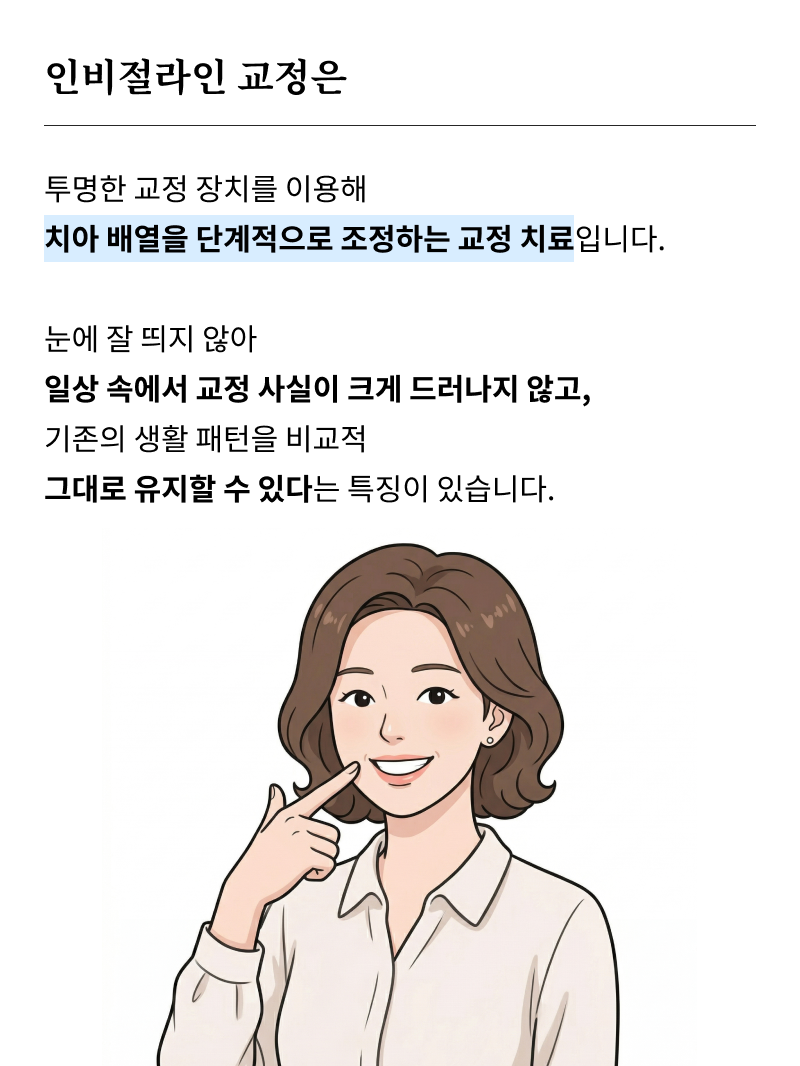
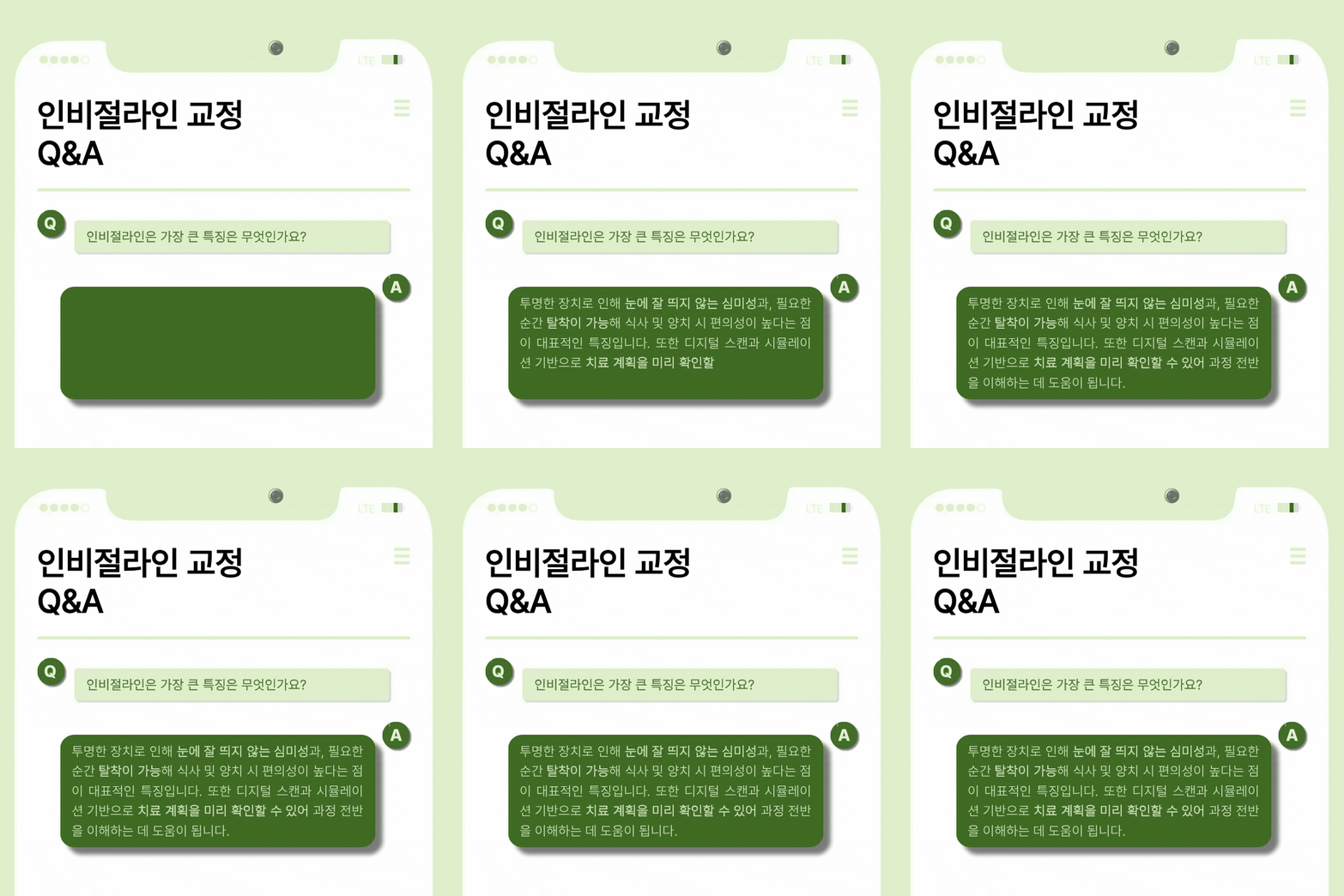
This method works on a precise principle that gradually guides minute tooth movement using special materials. Compared with conventional metal bracket appliances, it has a transparent appearance that is less noticeable, making it popular among adults with active social lives. Based on three-dimensional data obtained through a digital scanner, the tooth movement path is predicted in advance, and each stage uses a separately manufactured aligner that is replaced and worn in sequence. This design method goes beyond simply aligning the teeth and serves as a basis for promoting positional changes that consider overall harmony within the mouth. The aligner, smoothly trimmed along the gum line, reduces discomfort when worn and tends to be relatively easy to adapt to in speech and everyday conversation.
- Recommended Gangnam Dental Clinic: Precision Diagnostic System and Predictability Analysis
To produce successful alignment changes, a process that objectively analyzes even the deeper structures of the mouth that are difficult to confirm with the naked eye must come first. A high-resolution oral scanner is used to convert the shape of the teeth and the height differences of the gums into digital data, and simulation software is used to compare the results after movement. The angle of the roots, the thickness of the alveolar bone, and the spacing between adjacent teeth are quantified to suppress side effects caused by excessive movement. This data-based diagnosis not only greatly improves appliance fit but also serves as important evidence for predicting the overall treatment period and visually confirming changes at each stage. In addition, by considering harmony with facial structure, the midlines of the upper and lower jaws can be aligned and the degree of improvement in protruding teeth can be estimated in advance, ensuring greater precision in the treatment plan.
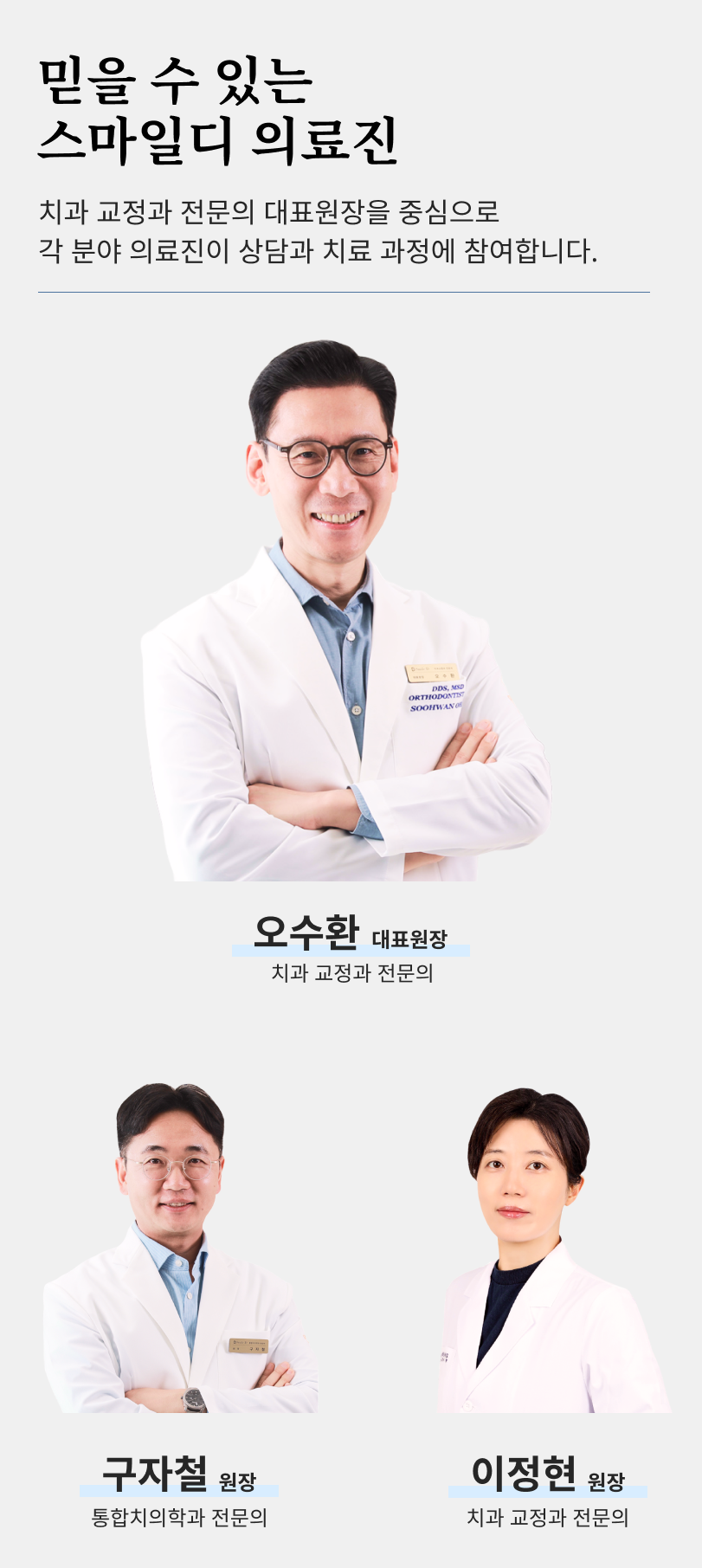
SmileD Dental Clinic
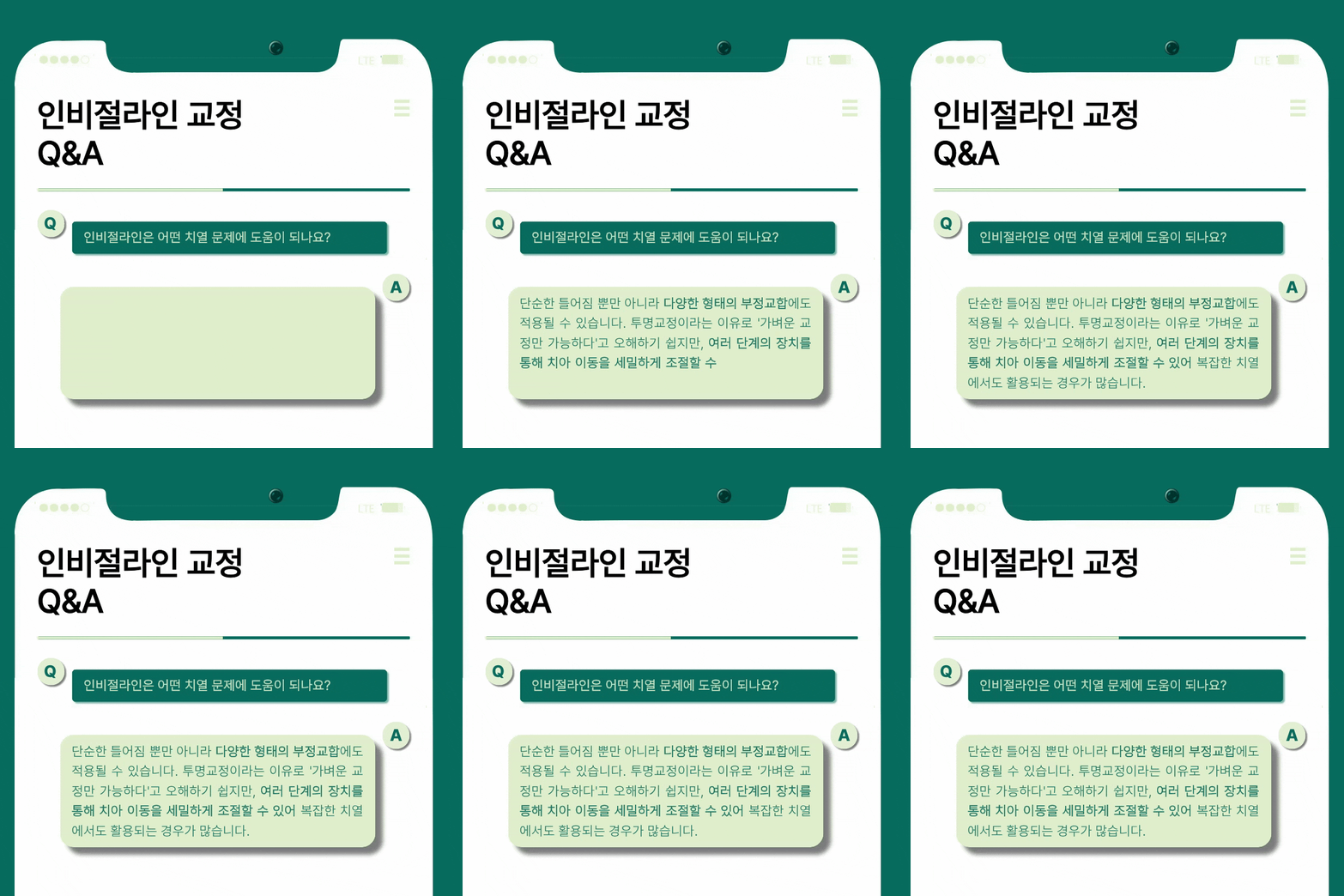
- Recommended Gangnam Dental Clinic: Wearing-Time Compliance and Self-Care Principles
Invisalign is classified as a self-managed procedure in which the user's active cooperation, just as much as the medical team's design, determines the quality of the outcome. To achieve the movement target assigned to each aligner, wearing time of 20 to 22 hours per day must be strictly observed so that the teeth continue to respond. The fact that it can be removed provides convenience during meals or brushing, but if wear time is insufficient, the overall schedule may be delayed or the manufactured aligners may no longer fit properly. Therefore, it is especially important to follow the designated replacement schedule precisely and maintain the aligners in place throughout daily life. If wear time falls short, the teeth may not move to the intended position, reducing compatibility with the next aligner and lowering overall orthodontic efficiency.
< When visiting SmileD >
< SmileD content >
| 📞 SmileD contact |
|---|
| 0507-1449-2087 |
- Recommended Gangnam Dental Clinic: Oral Hygiene Maintenance and Precautions During Use
Compared with fixed appliances, clear aligners have a structurally favorable condition for maintaining oral cleanliness because food is less likely to remain around the appliance. Since normal brushing and flossing are possible with the aligners removed, the risk of cavities and gingivitis, which commonly occur during orthodontic treatment, can be relatively reduced. However, hygiene management of the aligners themselves is also important, and because exposure to high heat can deform the material, they must be cleaned with room-temperature water. While wearing them, lifestyle habits should also include avoiding strongly colored drinks or liquids containing sugar so that contaminants do not enter the inside of the aligners. When cleaning the aligners, use a dedicated cleanser or a soft toothbrush, and be careful with toothpaste containing abrasive agents, as it may damage the surface.
- Recommended Gangnam Dental Clinic: Follow-Up Care System and Prevention of Relapse
Even after the teeth have reached the intended position, a stabilization phase is essential so that the tissues can adapt to and settle into the new position. The ligaments around the teeth have a natural tendency to return to their original position, so retainers should be used for a certain period to maintain the alignment. A fixed wire may be attached to the inner side of the teeth, or a removable retainer may be worn separately, helping the roots settle firmly within the alveolar bone. Regular visits to check bite stability and continuously monitor gum health are key measures for maintaining the carefully improved alignment over the long term. Failure to wear the retainer as instructed can lead to retreatment, so it is necessary to strictly follow the period and method guided by the medical team and observe changes in the oral environment.
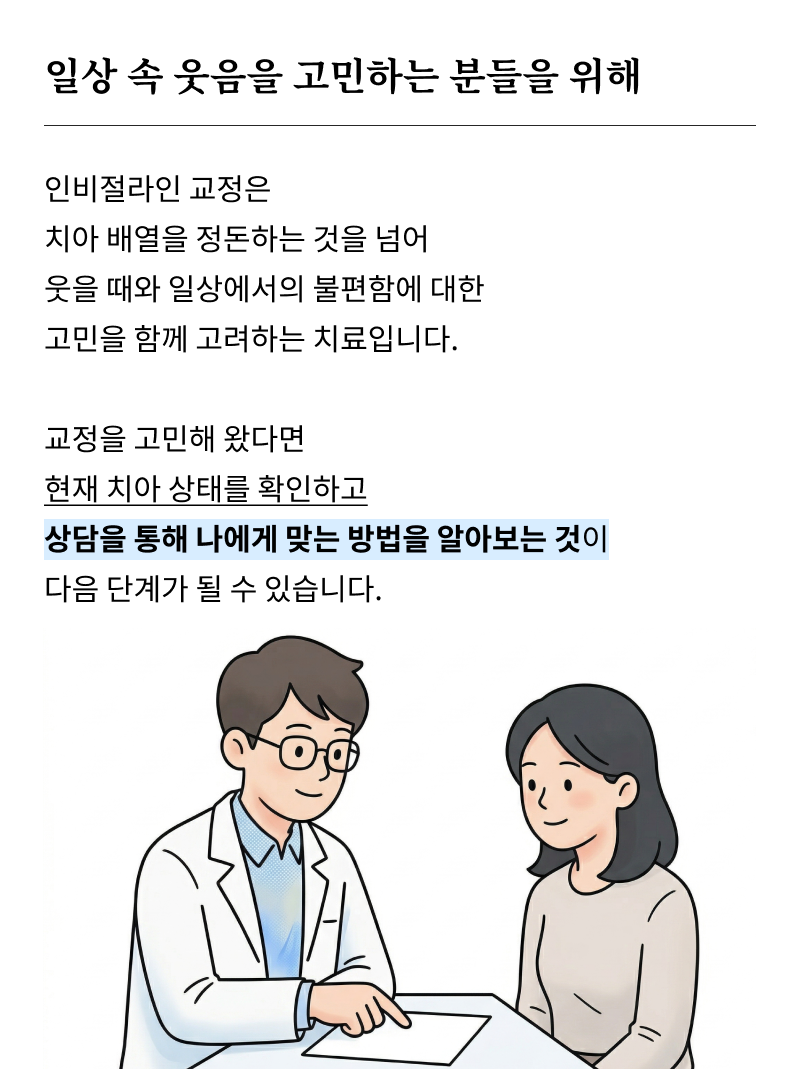
The process of changing tooth position may vary depending on an individual’s bone density, movement speed, and overall health status. Rather than generalizing from specific cases, the first priority is to determine objectively through a detailed examination whether your oral environment is suitable for the Invisalign system. Detailed strategies such as whether extraction is needed or whether arch expansion is necessary are set based on precise data, and the method of treatment may differ depending on the individual condition of the alveolar bone. The final methodology and appliance design are determined according to experienced diagnostic data, and detailed precautions must be confirmed individually through the treatment process. Rather than prompting immediate action, it is desirable to approach the matter carefully according to established principles, and it is important to manage overall oral health through regular checkups. Also, even when a data analysis method incorporating artificial intelligence algorithms is used, it should be recognized that the actual amount of tooth movement may vary according to biological responses. Personalized plans are established by taking these variables into account and aim for stable results through continuous feedback.








Previous image
Next image






Previous image
Next image