




Previous image
Next image

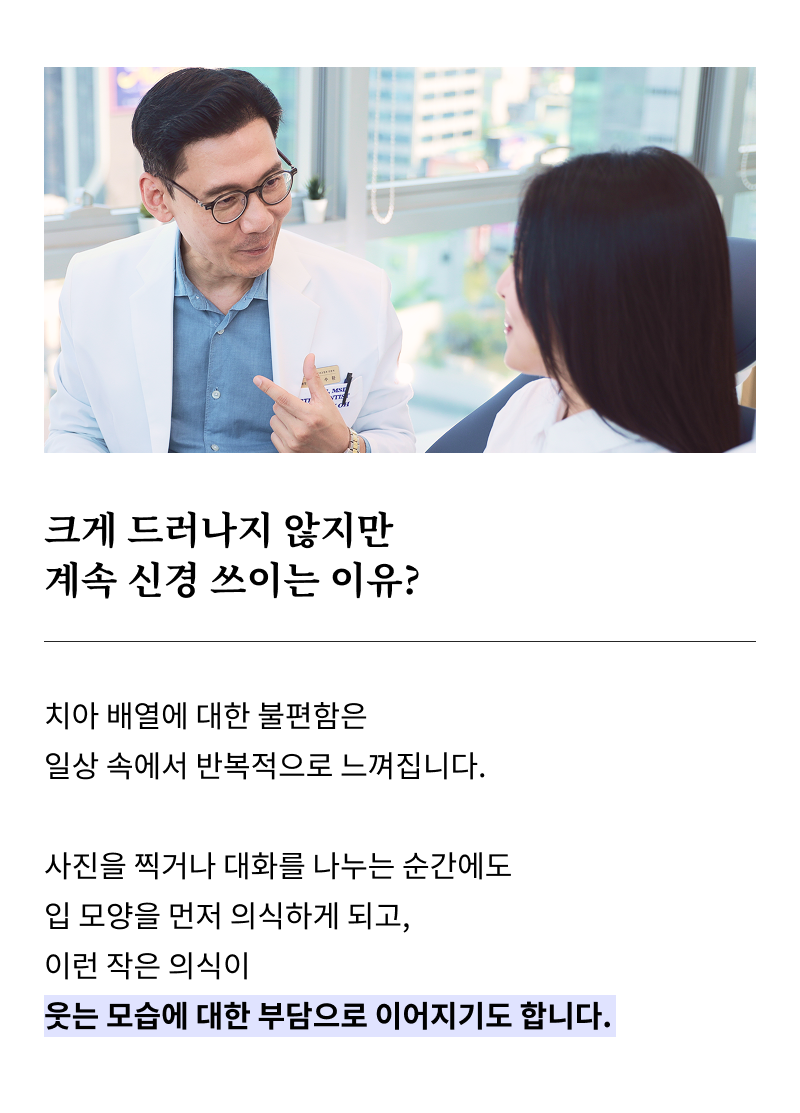
Misalignment of the teeth is more than just an appearance issue; it directly affects the efficiency of chewing function and the difficulty of oral hygiene management. In particular, when the occlusion between the upper and lower jaws is incomplete, excessive load may be placed on certain teeth, creating the possibility of weakening periodontal tissues. As a way to address these functional inconveniences, orthodontic treatment using transparent materials is being considered, and it has a systematic mechanism that analyzes each person’s oral environment based on digital data and sets a step-by-step movement path. In this article, we will examine the material characteristics of the appliance and the significance of the precision of the data extraction process from a technical perspective.
- Gangnam Invisalign dentist digital data collection system and the mechanism of oral scanning
To induce changes in the position of the teeth, precise measurement of the current condition must come first. A 3D oral scanner is a device that uses optical technology to convert the shape of the teeth and the gum line into high-resolution numerical data. Unlike conventional analog methods, it has a low risk of distortion and features the ability to turn even minute irregularities into data and reproduce them in software. The collected information serves as the basic data for calculating the range and speed of tooth movement, and this is a key part of the design that helps the appliance fit closely to each individual’s oral structure. Accurate numerical calculations are an important procedure that reduces errors between the appliance and the tooth surface, helping physical force be transmitted in the planned direction.
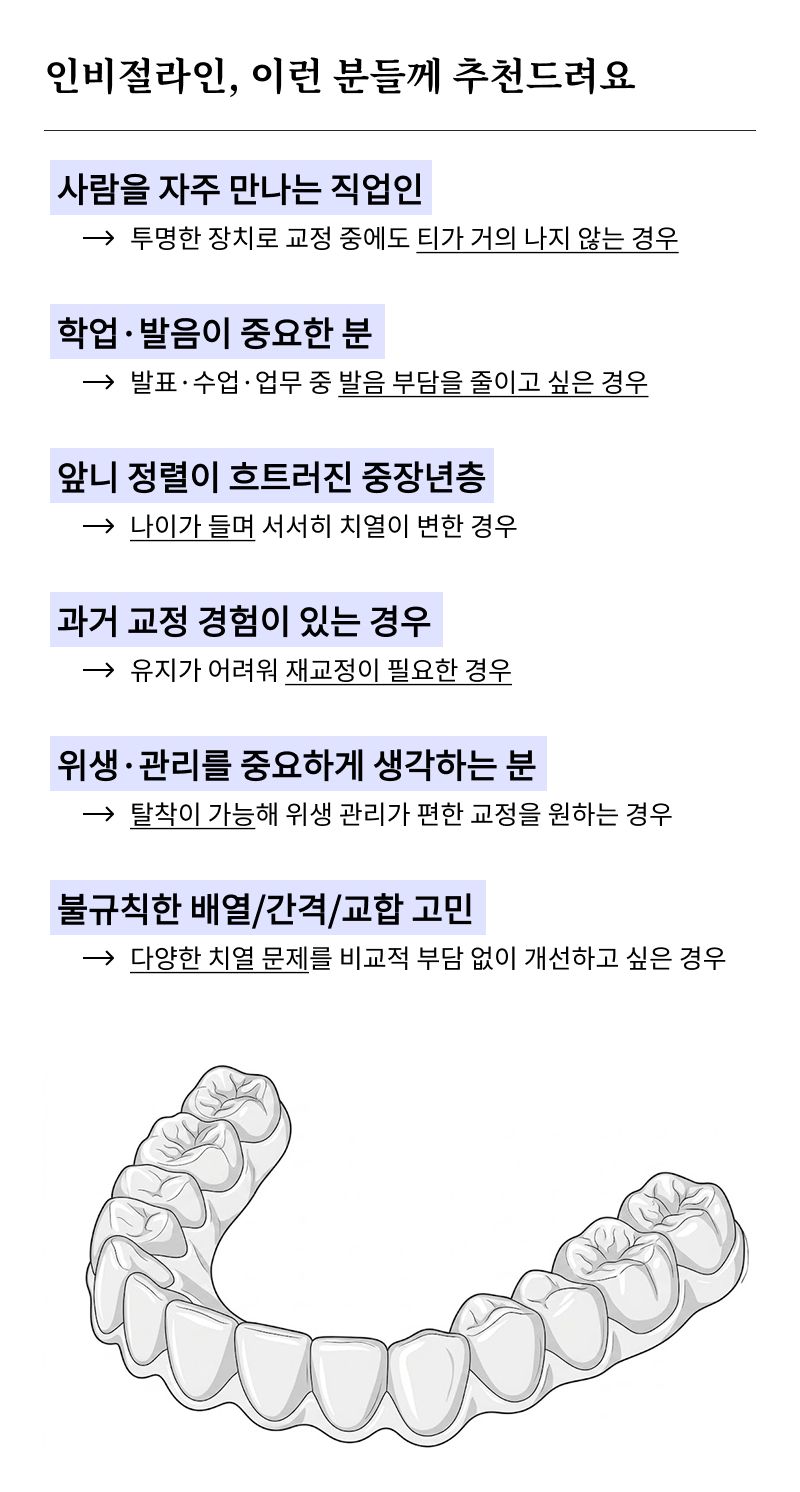
Gangnam Invisalign dentist
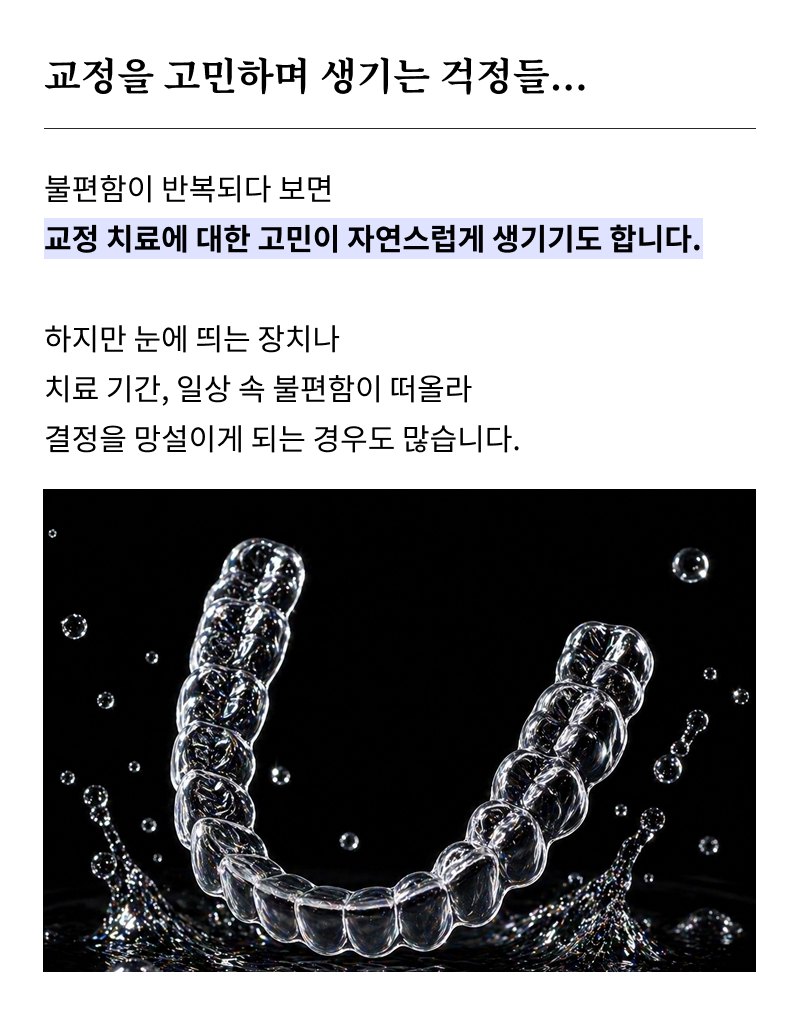
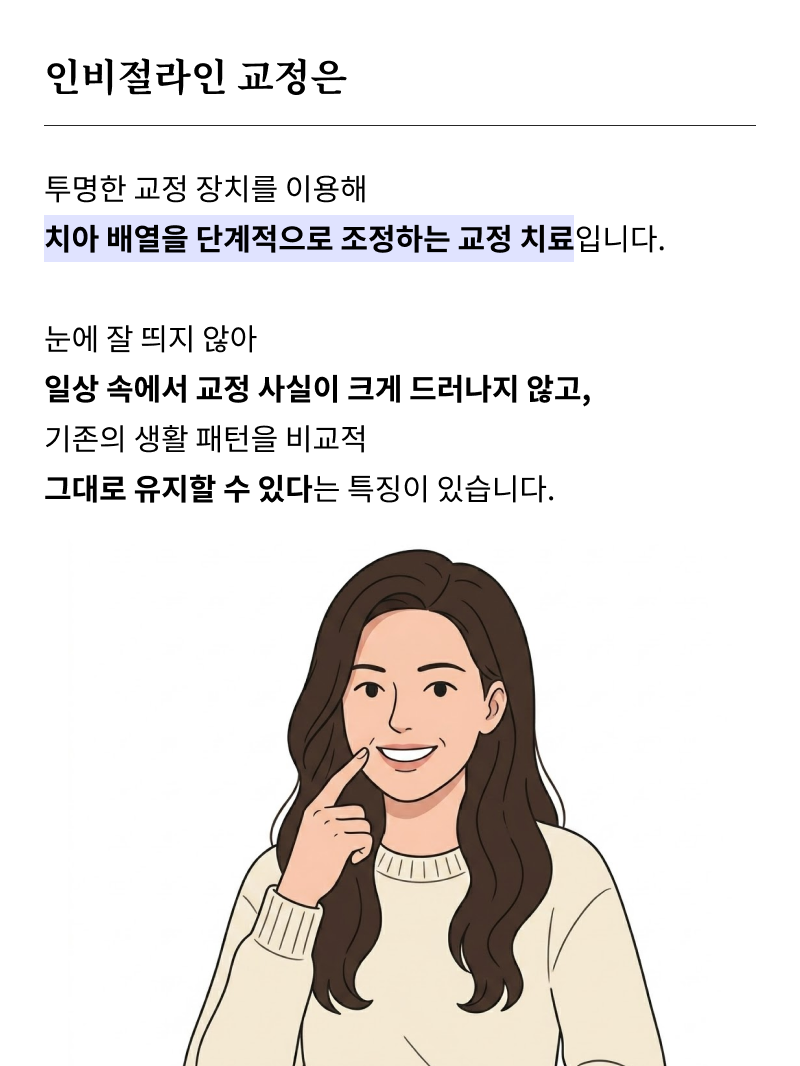
- Gangnam Invisalign dentist: the elastic modulus of special materials and the physical principle of gradual movement
The polymer material used in transparent orthodontic appliances has elasticity that responds to external pressure while trying to maintain its original shape. This physical property acts as a force that applies a constant load to the tooth surface and promotes bone remodeling around the root. The appliance is manufactured by dividing the entire process into multiple stages, and each step includes slightly adjusted angle values. Each time the patient wears a new stage of the appliance, the teeth gradually move into position to match the internal shape of the appliance. The flexibility of the material reduces friction against soft tissues, which provides a functional advantage by reducing physical irritation such as oral ulcers that can occur with metal appliances.

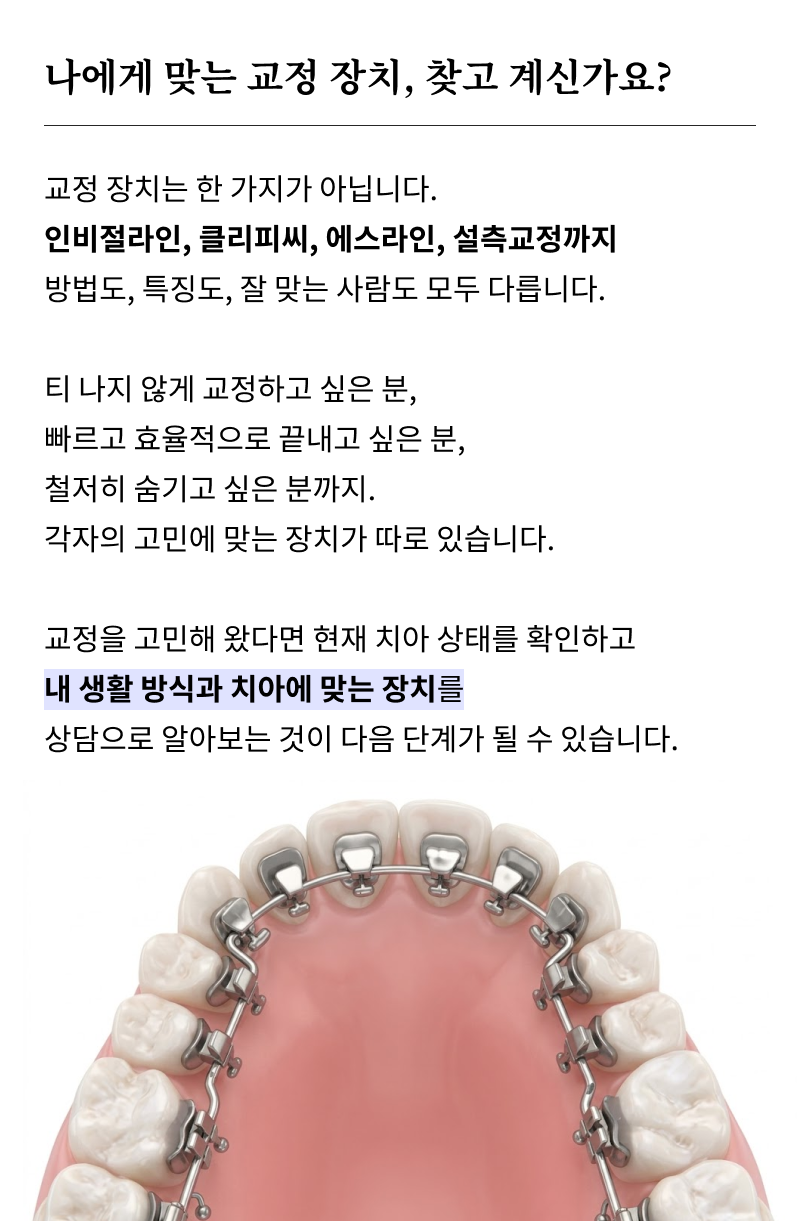
Smile D Dental Clinic
- Gangnam Invisalign dentist: analyzing the applicable scope and structural limitations by malocclusion type
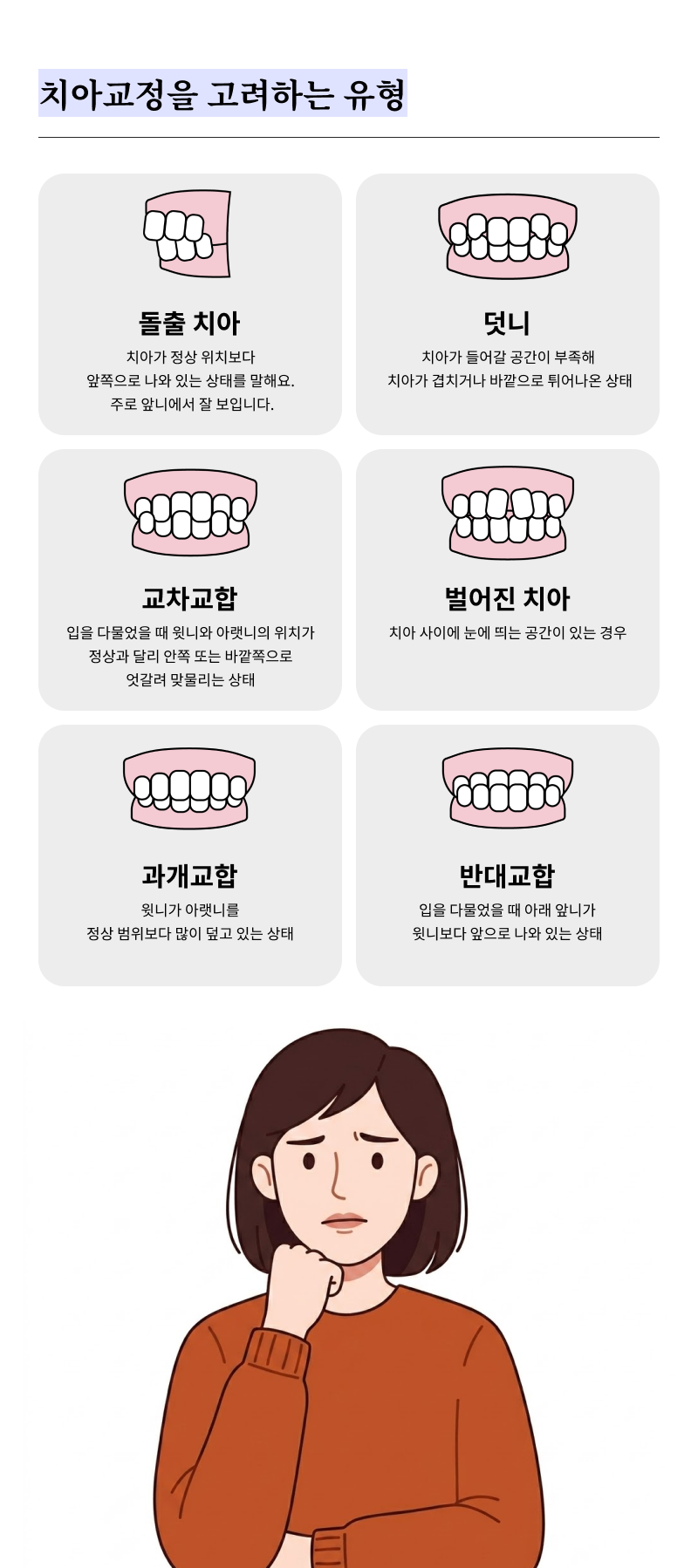
Digital orthodontics can be used for a wide range of tooth misalignment cases, but the detailed strategy applied varies depending on each person’s anatomical characteristics. In cases where the degree of crowding is severe or skeletal asymmetry of the upper and lower jaws is present, it may be difficult to achieve the necessary amount of movement with the appliance alone. In such cases, small protrusions called attachments are bonded to the tooth surface to improve retention of the appliance, or auxiliary devices may be used together to increase movement efficiency. The length of the root and the density of the jawbone are also important variables when setting the movement path, so assessing the condition of the bone tissue through imaging diagnosis is essential. Recognizing structural limitations in advance and setting a feasible range becomes the basis for making decisions that support a stable process.
< When visiting Smile D Dental Clinic >
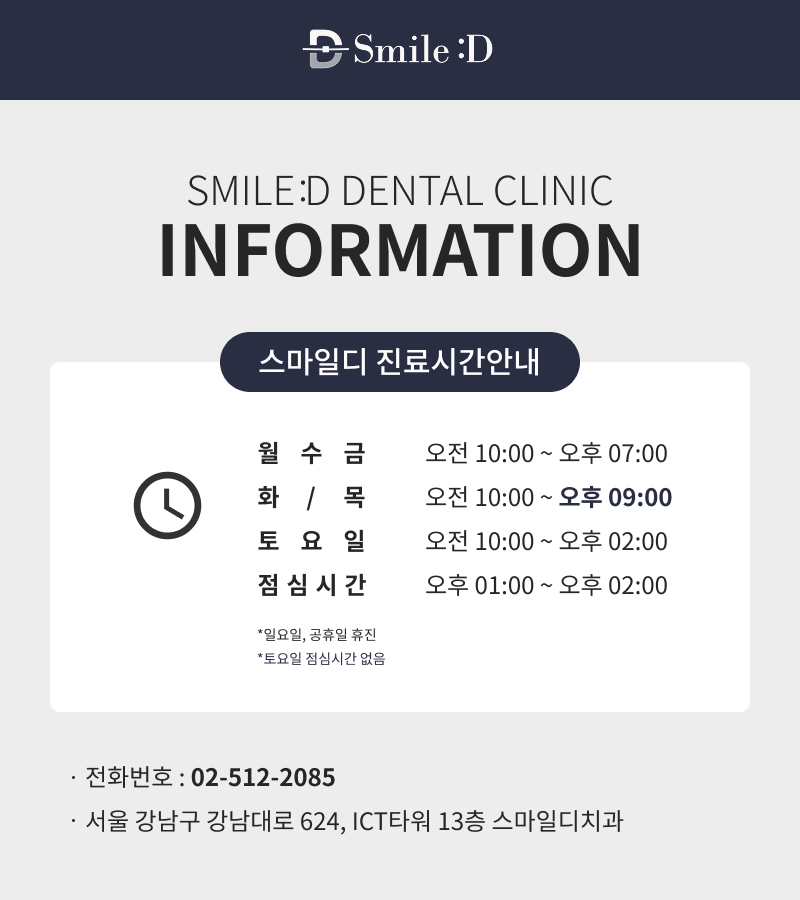
< Introducing Smile D Dental Clinic >
| 📞 Smile D Dental Clinic |
|---|
| 0507-1449-2087 |

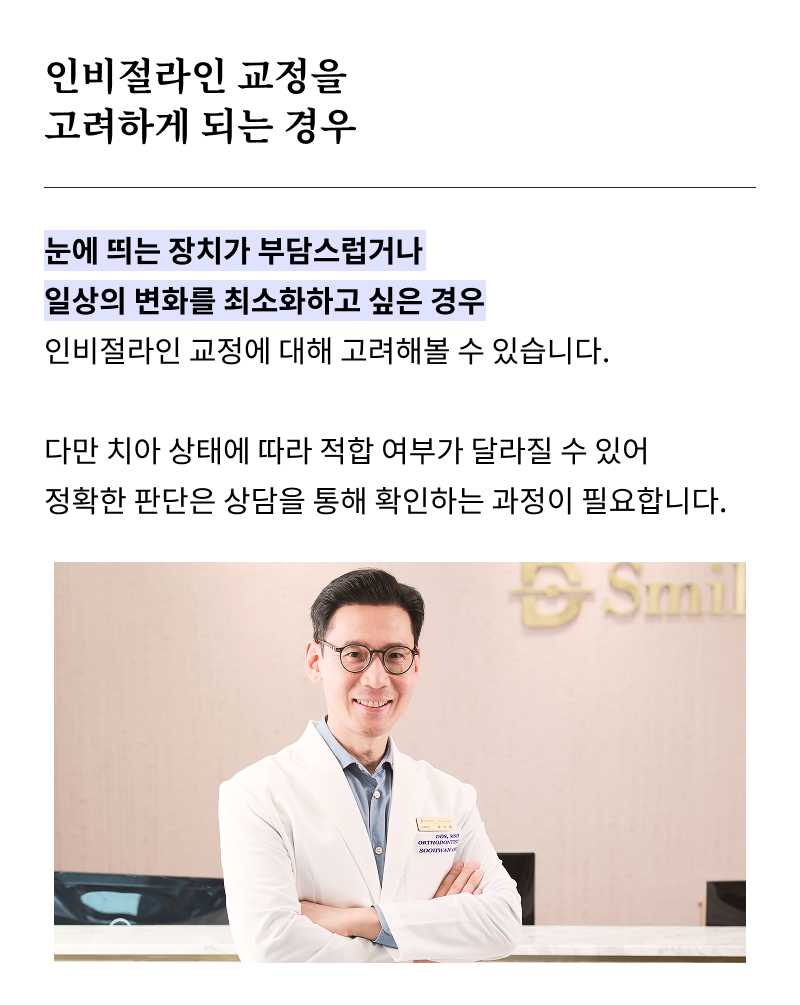
- Gangnam Invisalign dentist: the relationship between the self-management system and compliance with appliance wearing time
Because removable appliances can be taken on and off by the patient, the patient’s own management becomes a significant variable affecting the outcome. If the appliance is not worn for the prescribed amount of time, the pressure applied to the teeth is interrupted, which may slow the rate of bone remodeling or cause the teeth to shift back. Except during meals, the appliance should be worn most of the time, and when cleaning it, room-temperature water should be used to prevent deformation of the material. If foreign substances remain inside the appliance, they can cause tooth decay or inflammation, so cleanliness must be maintained. Continuous wear is a decisive factor in narrowing the gap between the planned simulation results and the actual movement status.
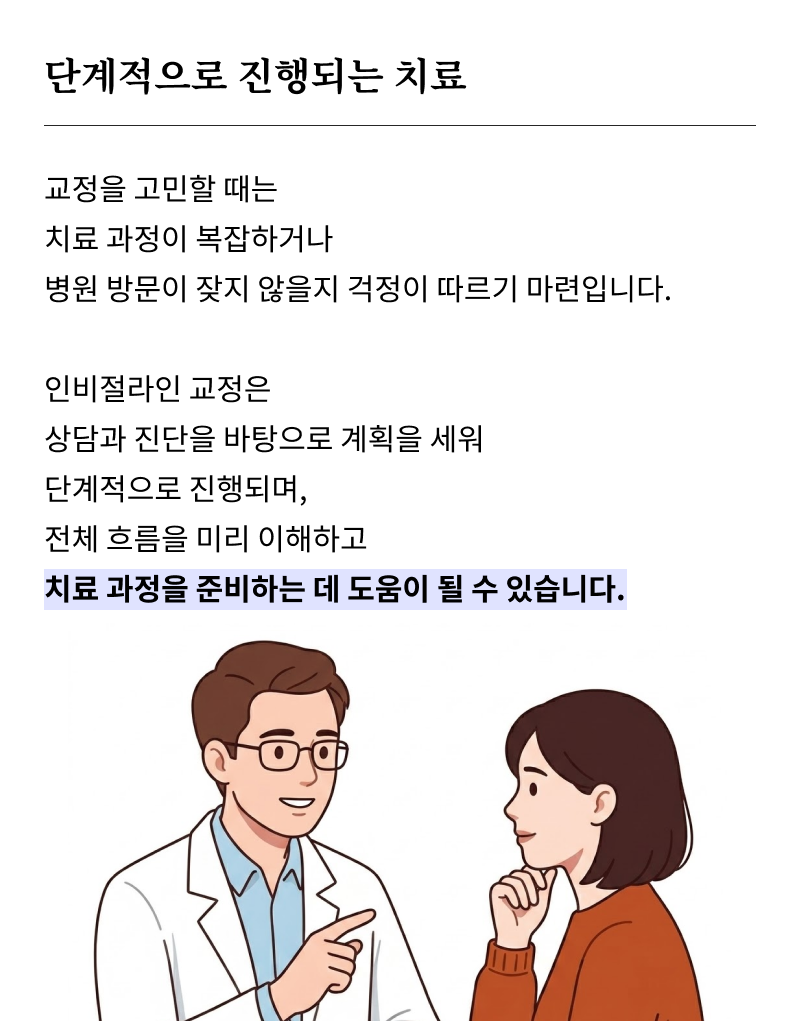
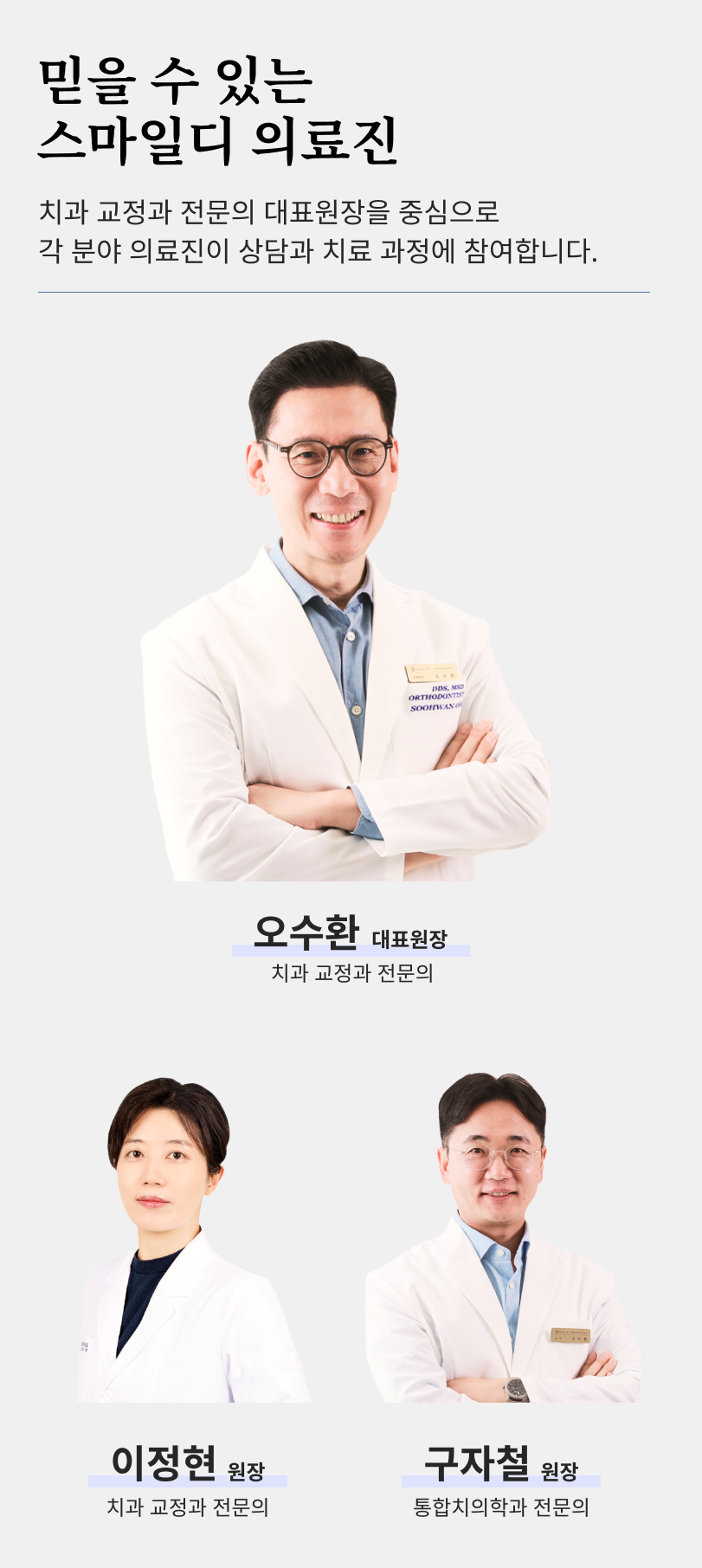
- Gangnam Invisalign dentist: use of retainers and regular checkups during the stabilization phase of tooth alignment
After tooth movement is completed, a stabilization period is needed for the bone tissue in the moved area to harden. The periodontal ligaments around the teeth have a tendency to revert, so if proper retention is not provided immediately after appliance use ends, the alignment may become disrupted again. Fixed or removable retainers are used to preserve tooth position, and regular checkups are needed to confirm the tightness of the bite and the stability of the roots. The retention period varies depending on the individual’s biological response, and this is an essential step for long-term preservation of the teeth. Systematic follow-up examinations have meaning as a preventive measure that helps maintain the improved oral environment.

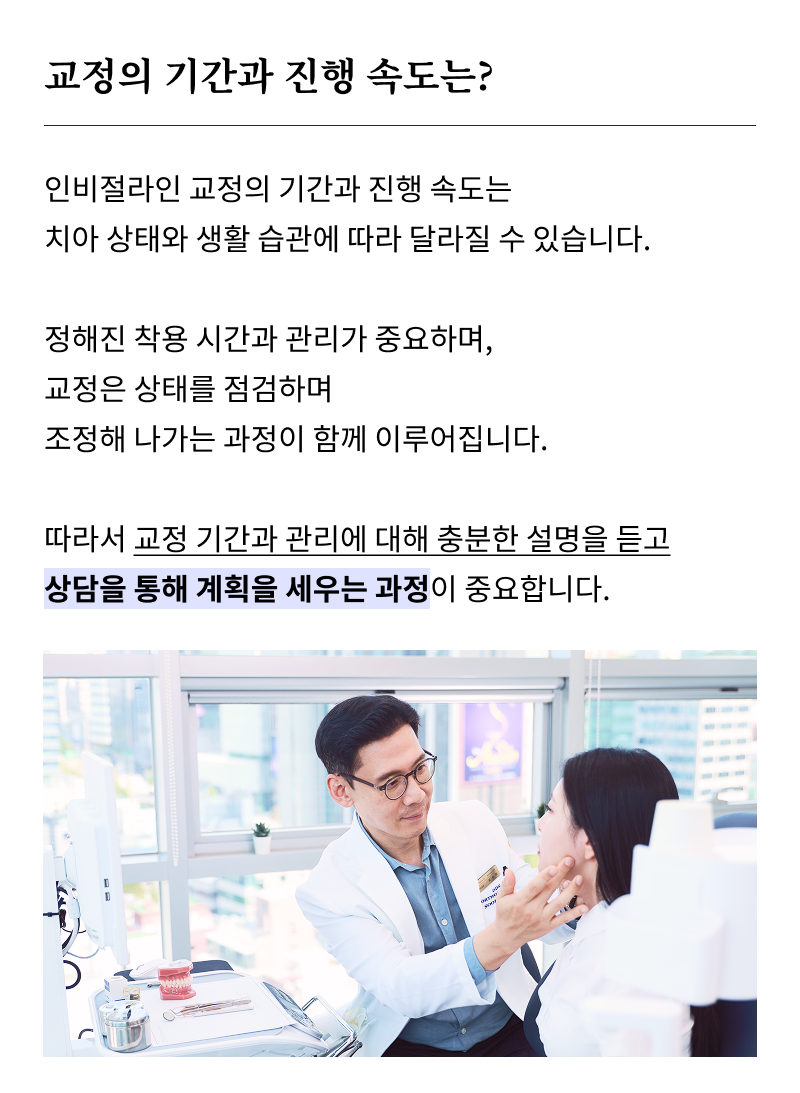
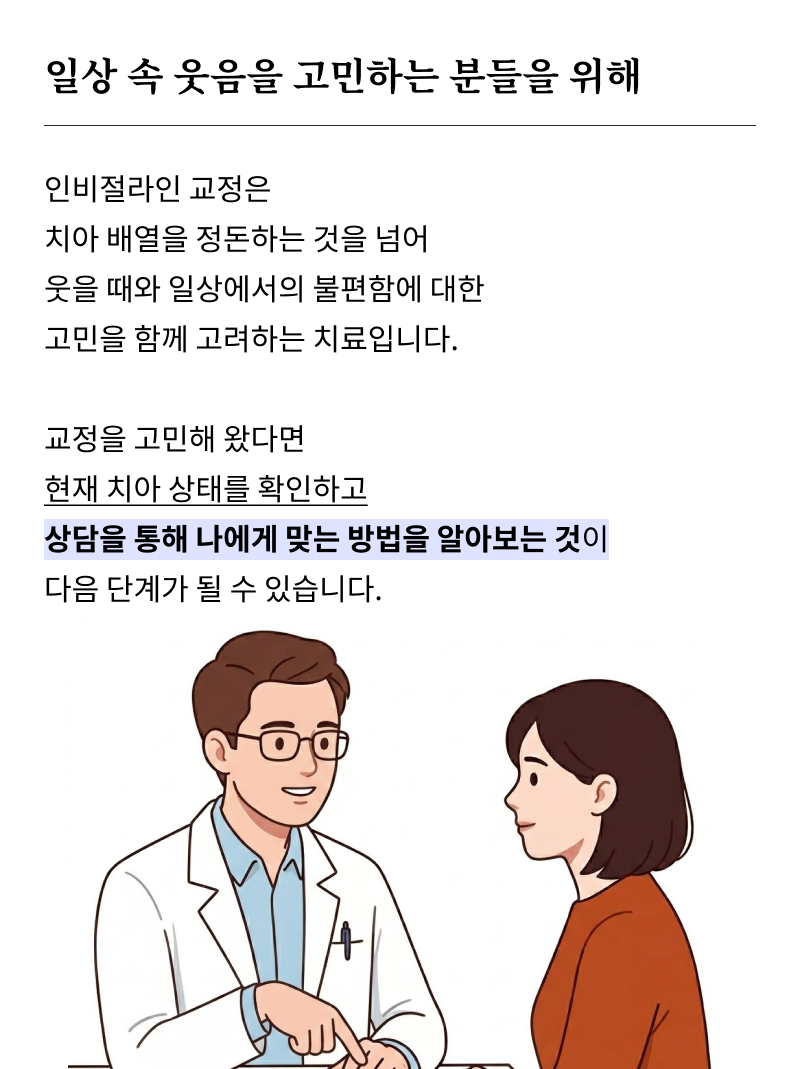
In conclusion, orthodontic treatment is a process in which precise data analysis, the engineering characteristics of the material, and the patient’s diligent management must work together in harmony. By incorporating digital technology, the system has improved predictability, but the physiological response of the teeth and surrounding tissues can differ from person to person. Therefore, rather than making decisions based only on general information, it is necessary to establish a plan that matches one’s own oral condition based on objective examination results. The final direction is determined through a detailed diagnostic process, and for the improvement of oral health, a long-term approach is recommended. Since individual differences exist, it should be kept in mind that a detailed confirmation process is necessary to accurately understand the condition.









Previous image
Next image








Previous image
Next image