




Previous image
Next image
Adjusting the alignment of permanent teeth is a complex field that deals with skeletal structure and the response of facial tissues. When designing the direction of tooth movement, a process of understanding the temporomandibular joint condition and the upper-lower jaw occlusal relationship must come first before simple cosmetic changes, so that long-term stability can be expected. Because each person has different skeletal structures and oral characteristics, a multifaceted set of analysis criteria is required. A dental approach that takes the physiological response of human tissue into account begins with carefully checking each individual’s condition in detail. This collected information becomes the core foundation for identifying the cause of malocclusion.
- The effectiveness of three-dimensional analysis through digital equipment at the best place for orthodontic treatment in Gangnam
When planning tooth movement, precision equipment that can measure the condition of the soft tissues inside the mouth without error plays a major role. Three-dimensional imaging equipment and oral scanners help closely assess root length and the thickness of the jawbone. Digital data collection, which moves away from older analog methods, reduces the margin of error by allowing detailed prediction of the movement path. Introducing precision equipment is considered an essential element in detecting even subtle skeletal asymmetry and establishing an appropriate treatment plan. Reconstructing complex oral structures in three dimensions makes it possible to precisely calculate the position of the nerve canal or the amount of alveolar bone, which are difficult to confirm with the naked eye.
As the objectivity of the data improves, genetic factors and environmental factors in each case of malocclusion can be more clearly distinguished. In particular, bone tissue after the growth period responds more slowly to tooth movement, so the density of the bone and its possible resorption should be predicted in advance at the initial diagnostic stage. Digital analysis programs visualize the step-by-step process of gradual changes after appliance placement through virtual tooth movement simulations. Such prediction systems help the medical team establish the treatment direction and act as a protective mechanism that prevents unnecessary course corrections in advance.

- Physiological criteria for deciding between extraction and non-extraction to secure space at the best place for orthodontic treatment in Gangnam
When there is not enough space for permanent teeth to move, non-extraction methods such as arch expansion or interproximal reduction may be considered, but if skeletal protrusion is severe, premolar extraction may be necessary. Whether or not to extract is not decided by preference; it is determined based on the capacity within the alveolar bone and the angle of the teeth. Forcing permanent teeth to move can cause phenomena such as gum recession or root resorption, so caution is needed. Choosing the optimal procedure to secure internal space becomes an indicator that determines the stability of the plan. Mechanisms that widen the arch width or create tiny gaps between teeth must be carried out in a coordinated way within a range that does not harm the health of the periodontal tissues.
If the teeth are pushed backward too aggressively beyond skeletal limits, serious side effects can occur, causing the teeth to move outside the jawbone. Therefore, through analysis of a lateral cephalometric X-ray, the positional relationship of the lips to the reference line connecting the tip of the nose and the tip of the chin must be measured mathematically. The thickness of the soft tissue and the tension of the lip muscles are also variables that must be included when establishing a space-gaining strategy. When planning extractions, symmetry is usually considered and the four premolars in the upper and lower jaws are typically selected, but depending on the individual occlusal condition, modified procedures such as asymmetric extraction or one-jaw extraction may also be applied.

- The organic connection between the mechanism of each appliance and an individual’s lifestyle at the best place for orthodontic treatment in Gangnam
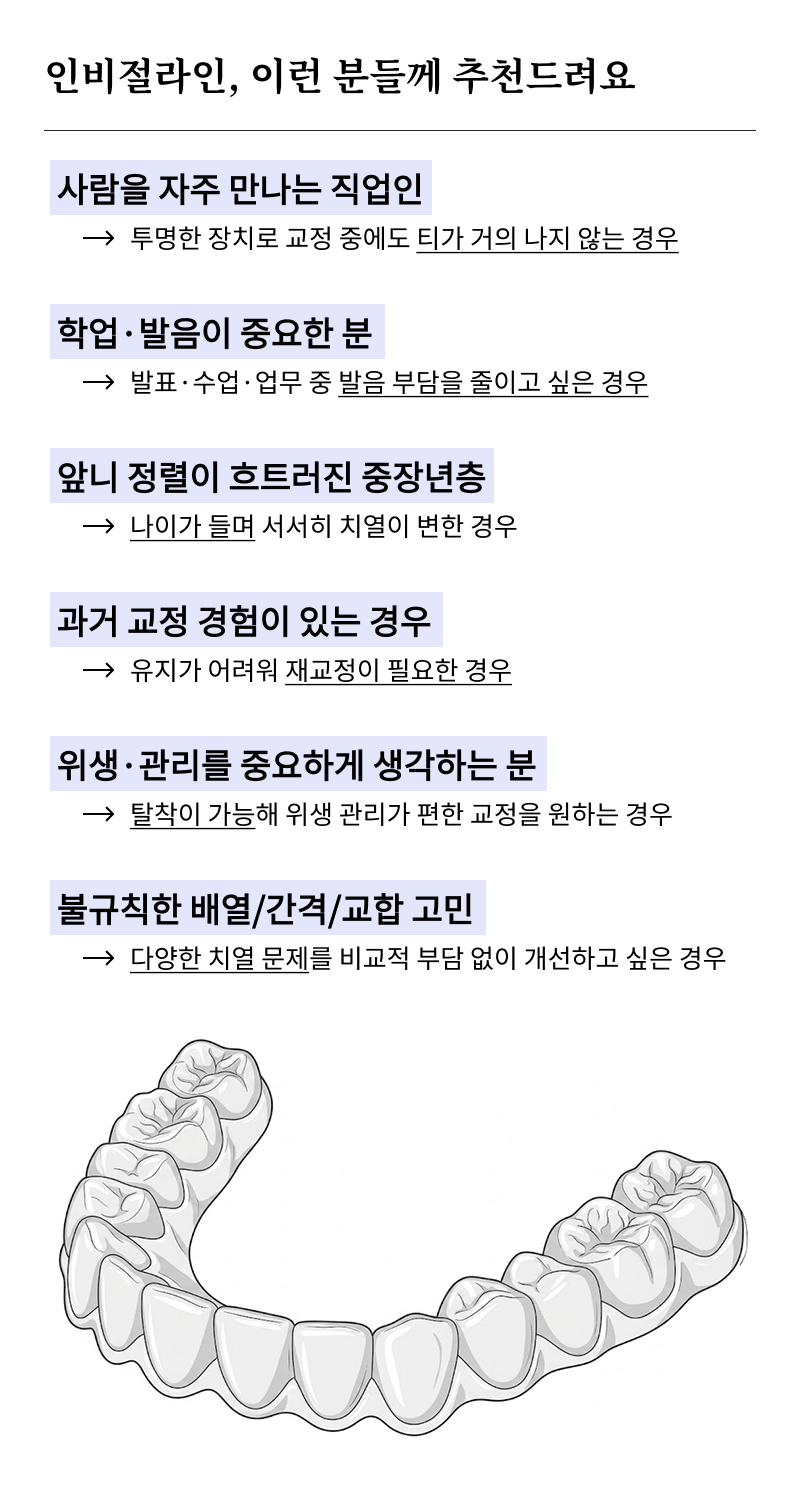
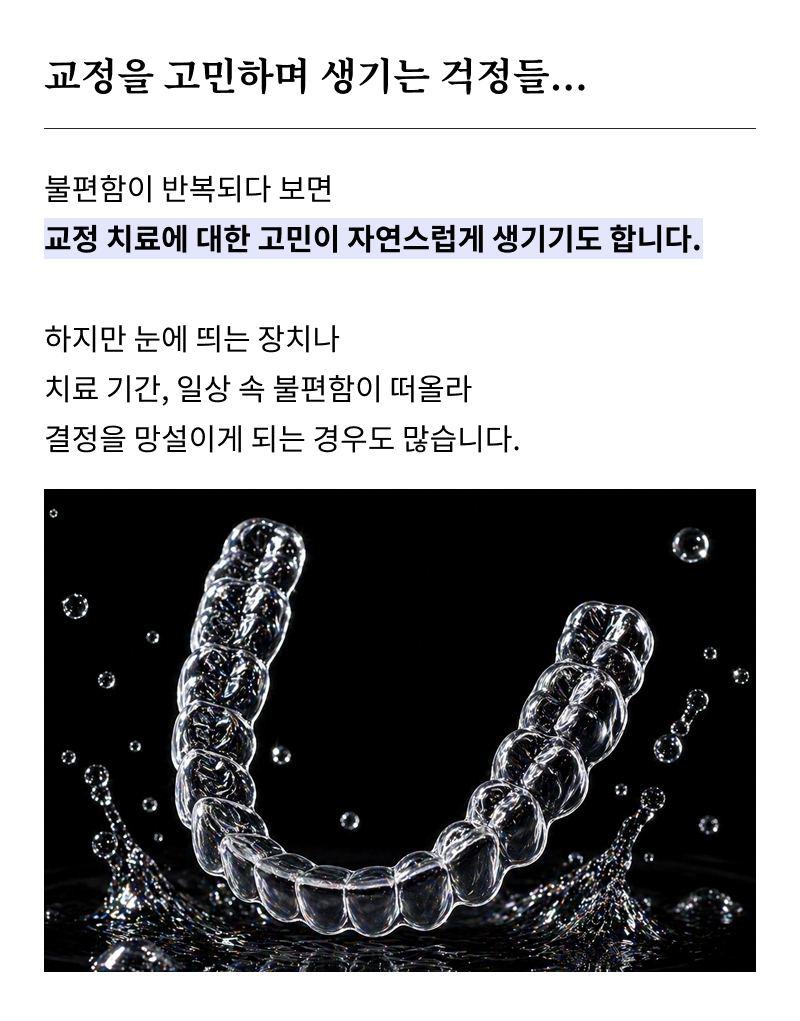
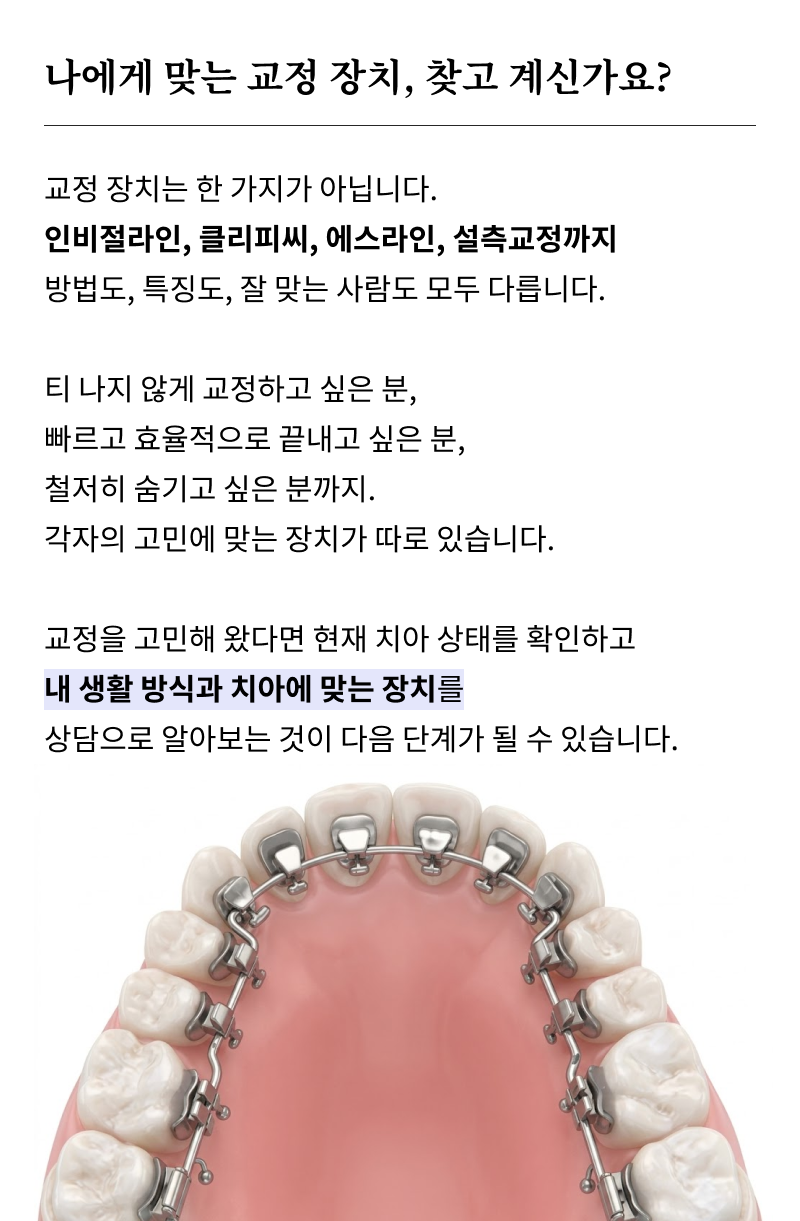
Different types of appliances each have their own physical mechanisms and aesthetic characteristics, so they are chosen to match a person’s daily routine. Self-ligating brackets maintain a consistent level of friction, which helps improve movement efficiency and reduce initial discomfort. On the other hand, transparent special polymer appliances are removable, making hygiene management easier, but the recommended wearing time must be strictly observed to achieve the planned movement. Understanding the physical characteristics of the appliance and deciding while considering oral hygiene can reduce the fatigue experienced during long-term treatment. The magnitude and direction of the force applied by each appliance are key variables that control the compressive and tensile forces placed on the periodontal ligament.
In the case of lingual appliances, there is the aesthetic advantage that the appliance is not exposed externally, but because they limit tongue mobility, an additional period of adaptation for pronunciation is required at the beginning. By contrast, ceramic or resin brackets are attached to the front surfaces of the teeth while still resembling tooth color, so they are used as an option for office workers who have many face-to-face activities. The transparent appliance systems drawing attention recently are based on advanced computer manufacturing technology and use a method of producing and replacing a series of removable appliances in sequence. Compared with fixed appliances, this method has the advantage of imposing fewer restrictions when eating and making management of the alveolar bone septum easier, but if the patient lacks voluntary cooperation, treatment may be delayed beyond the planned period.
< Smile D Dental Clinic Place >
< Smile D Dental Clinic Content >
| 📞 Smile D Dental Clinic |
|---|
| 0507-1449-2087 |

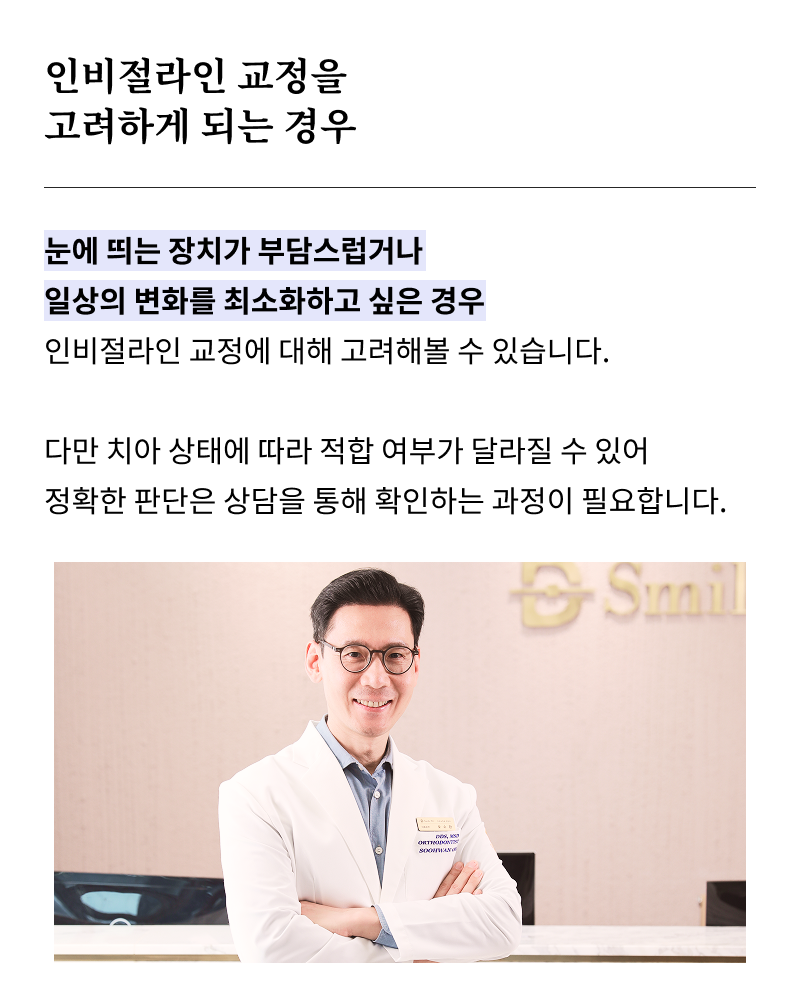
- The principle of post-treatment retention management systems to prevent relapse at the best place for orthodontic treatment in Gangnam
Oral tissues have a strong tendency to return to their original position, so management after appliance removal determines the final outcome. It is unavoidable that a certain amount of time is needed before the periodontal ligament and the surrounding bone tissue fully adapt to and stabilize in the new position. To prevent the teeth from becoming misaligned again, fixed or removable retainers must be worn continuously according to instructions. Monitoring through regular checkups to inspect the condition of the appliance is key to securing long-term stability. The fibroblasts and collagen tissue around the teeth have elastic properties that remember their original arrangement, so they most actively encourage relapse immediately after the appliance is removed.
Fixed retainers mainly function by bonding a thin wire to the inner side of the lower and upper front teeth with adhesive, blocking even minor movement. Removable retainers are used for the purpose of stabilizing the overall arch form and the occlusion of the posterior teeth, and they are designed to be easy to clean and store. During the retention period, situations may occur in which the wire is deformed by chewing pressure or the adhesive comes off, so retention status should be checked through regular visits every three or six months. If this step is neglected, the arch width may narrow again or twisting and crowding of the front teeth may occur, which could require retreatment.
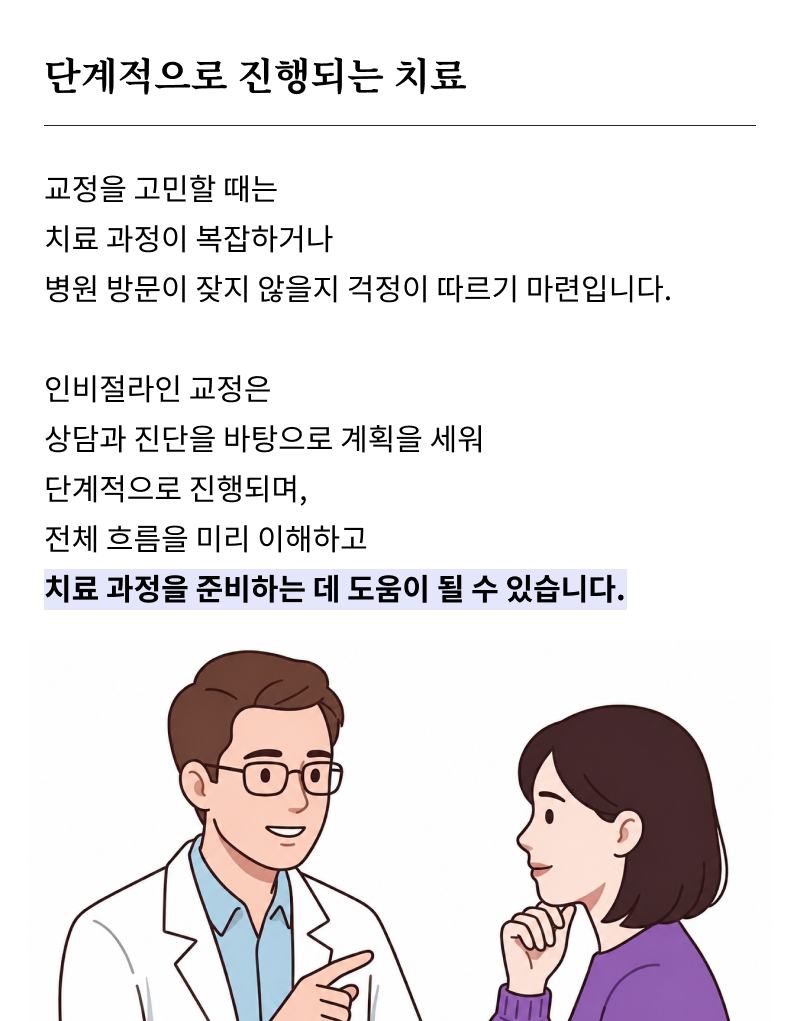
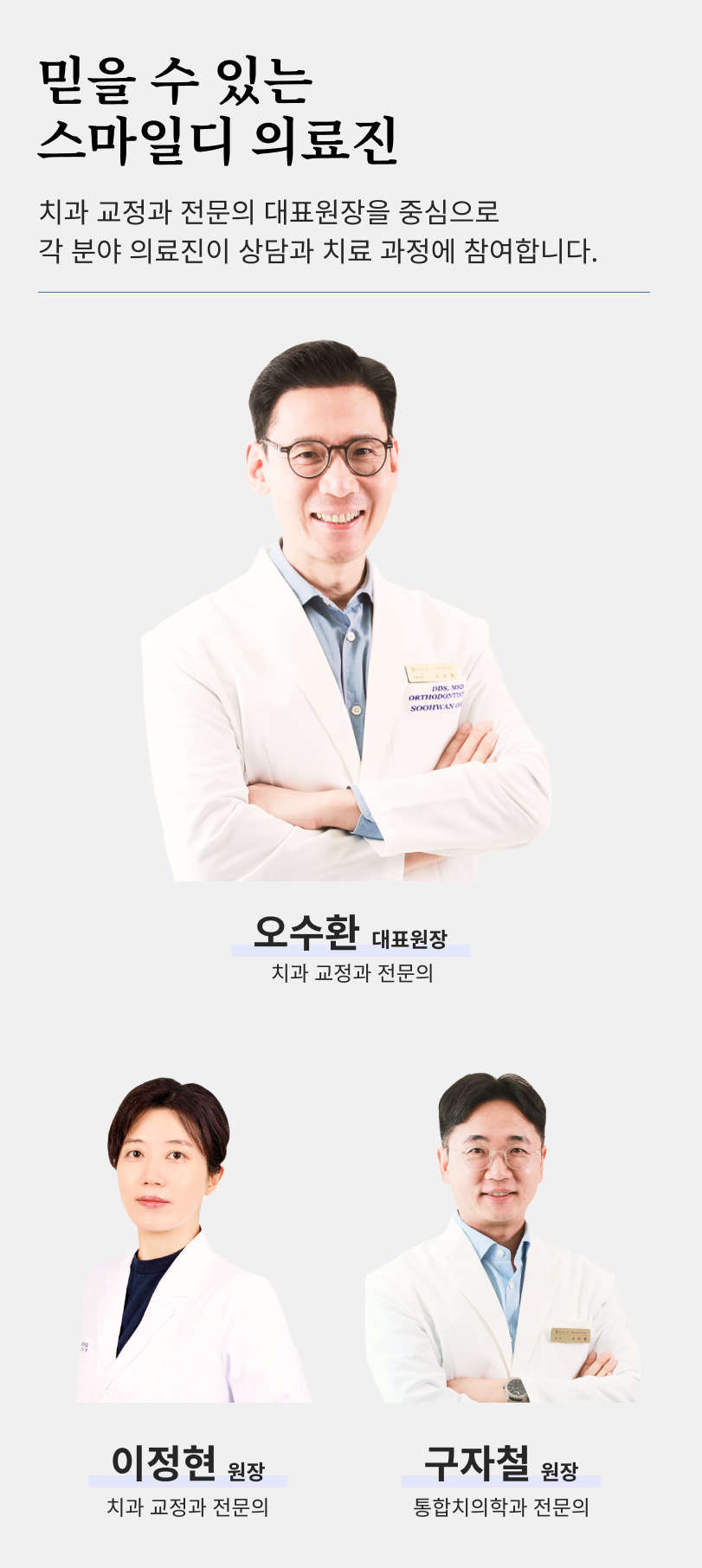
- The interrelationship between functional occlusion formation and facial skeletal balance at the best place for orthodontic treatment in Gangnam
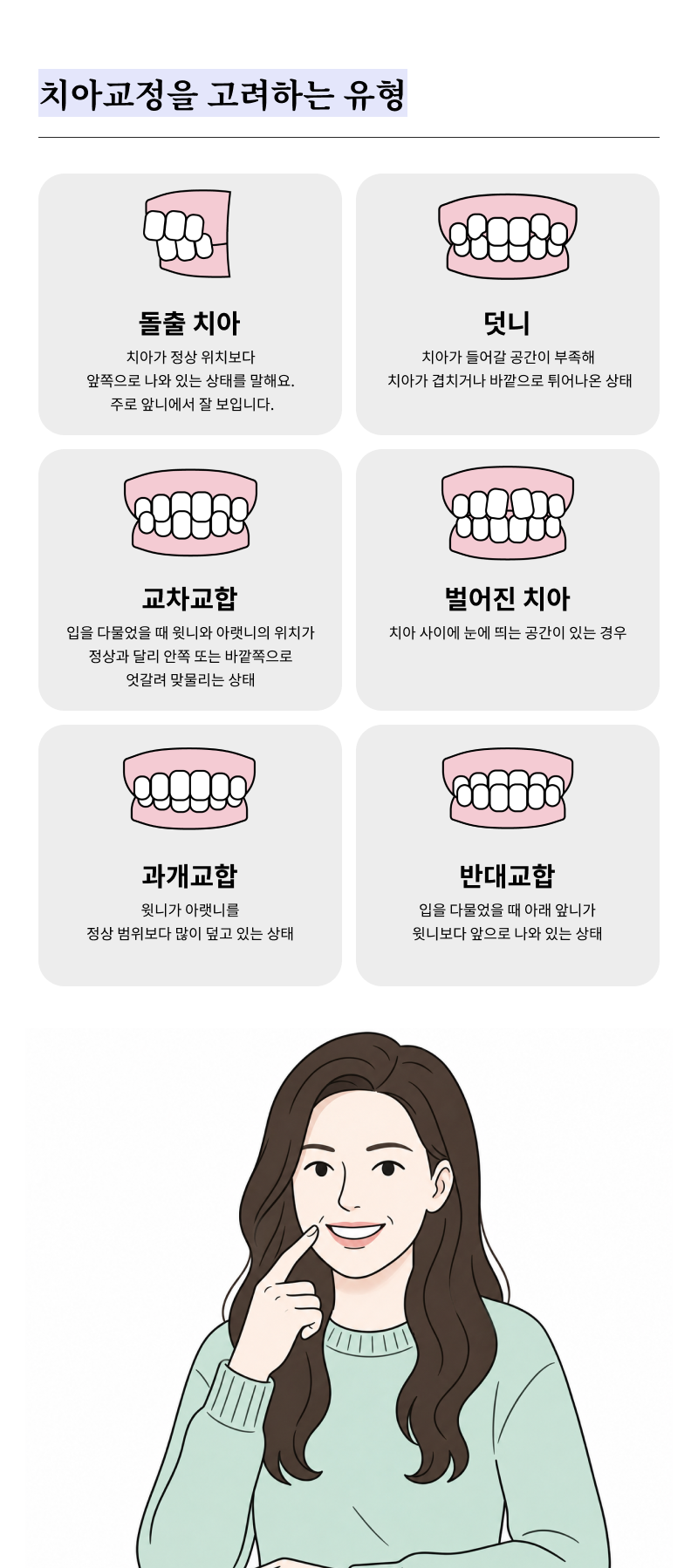
The ultimate purpose of treatment goes beyond simple alignment and lies in improving chewing function for food intake and securing a comfortable range of motion for the temporomandibular joint. If the relationship between the upper and lower jaws is not sufficiently well aligned, it can affect overall health, such as tooth wear or indigestion. The analysis must also reflect tissue response speed by age and habitual facial muscle movement patterns in order to produce natural results. For long-term oral health, a balance between function and aesthetics must be achieved. If the position of the mandibular condyle does not match the centric occlusion, excessive load concentrates on certain teeth during chewing, which becomes a cause of periodontal disease.

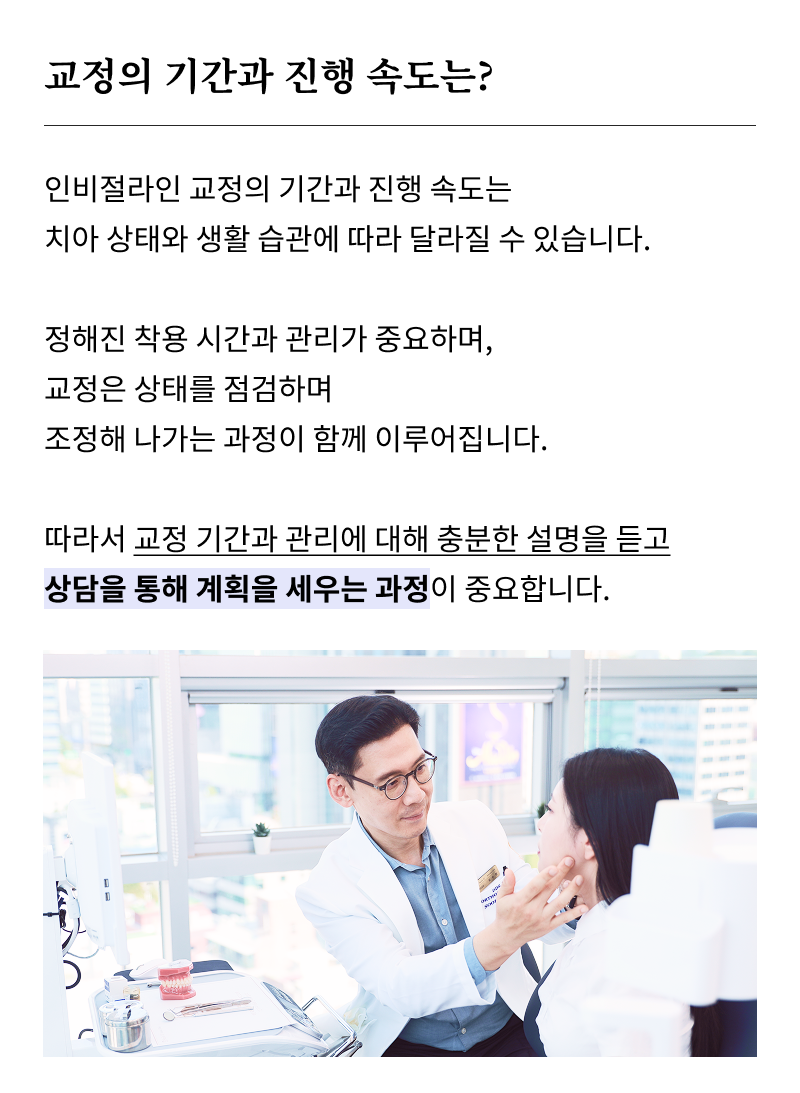
In cases of malocclusion accompanied by facial asymmetry, the degree of skeletal disharmony must be evaluated quantitatively to clearly determine whether appliance treatment alone is sufficient or whether surgical osteotomy must also be performed. In adults, since skeletal growth has already been completed, plans are mainly based on compensatory treatment that adjusts tooth angles within the limits of alveolar bone movement. By contrast, growing children still have room to control the growth of the upper and lower jaws using orthopedic appliances, so a differentiated biological approach by age group is required. Carrying out myofunctional training at the same time to improve bad habits such as mouth breathing or tongue thrusting is also an essential measure for forming a balanced skeletal structure.









Previous image
Next image






Previous image
Next image