Hello.
I am Oh Su-hwan, the chief director of Smile D Dental Clinic near Sinsa Station.
Once you start Invisalign, one of the things you end up paying the most attention to is this:
“How many hours do I need to wear it?”

Especially for first-time users,
many people find themselves calculating the hours all day long,
wondering,
“Is 20 hours enough?”
“Will treatment fail if I don’t reach 22 hours?”
But in reality, there are standards that are more important than just one number.
Today, let’s go over the often-confusing points about Invisalign wearing time in a practical way.
Why is 22 hours of wear usually mentioned?
Invisalign is a method that moves teeth little by little in stages.
In other words, the aligner needs to deliver force consistently for a certain amount of time for tooth movement to proceed as planned.
So in general, wearing it for about 20 to 22 hours a day is often recommended.
What matters here, however, is not simply whether you reached “22 hours,”
but how consistently that wearing pattern is maintained.
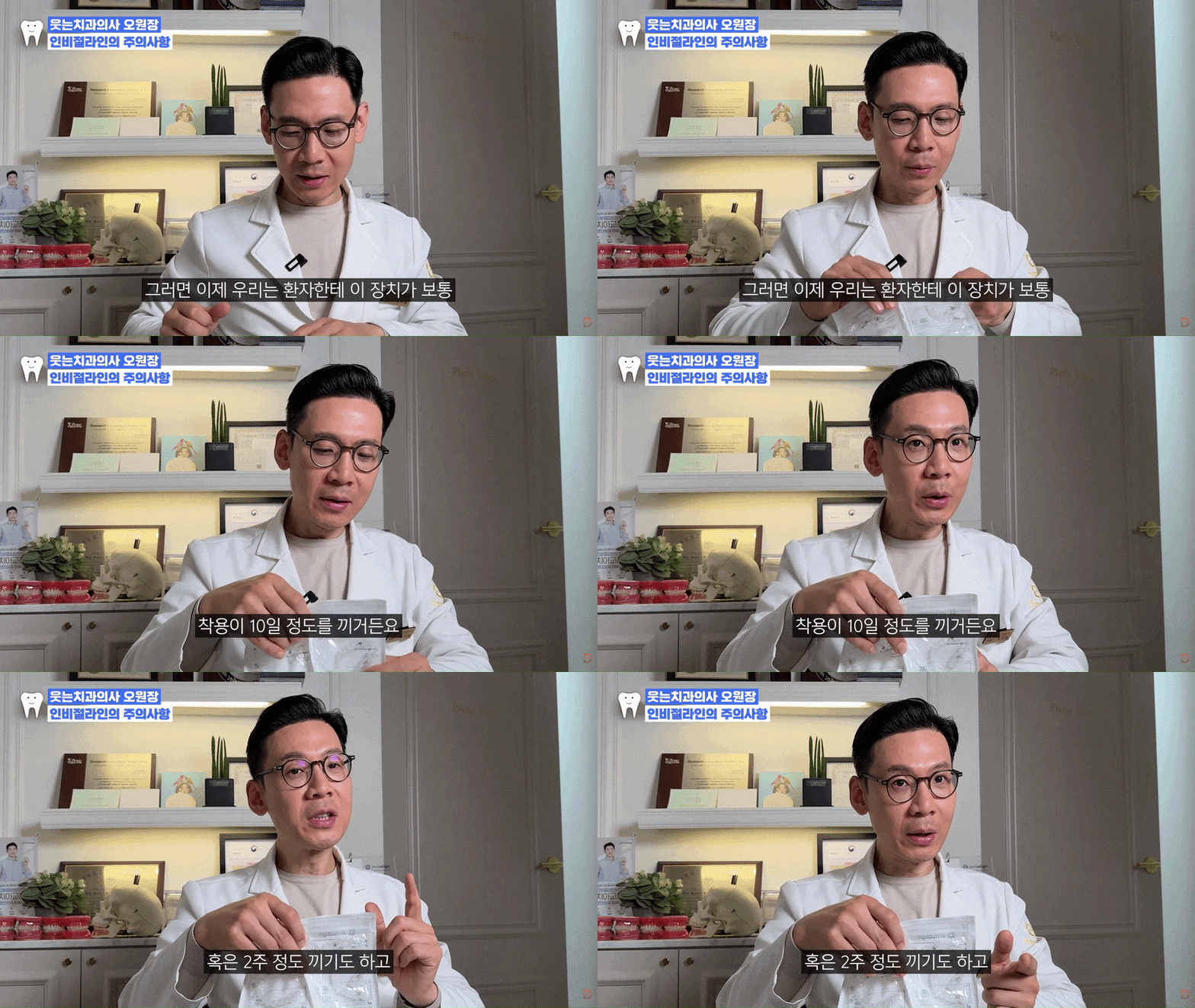
For example, if one day you wear it for 23 hours,
and the next day you leave it out for almost half a day,
that kind of pattern may actually make adaptation to the aligner less stable.
In the end, the key is closer to “Is it maintained at a similar rhythm every day?”
 I take it out every time I eat... is that okay?
But Invisalign is originally designed to be removable for meals and brushing.
In fact, continuing to consume hot food or drinks while wearing it may require more caution because of the possibility of deformation.
The problem is less about the number of times you take it out
and more about situations where it stays out for a long time.
Especially with a lifestyle that involves drinking coffee for long periods
or frequently eating snacks and drinking beverages,
many people end up with much more cumulative time than they realize.
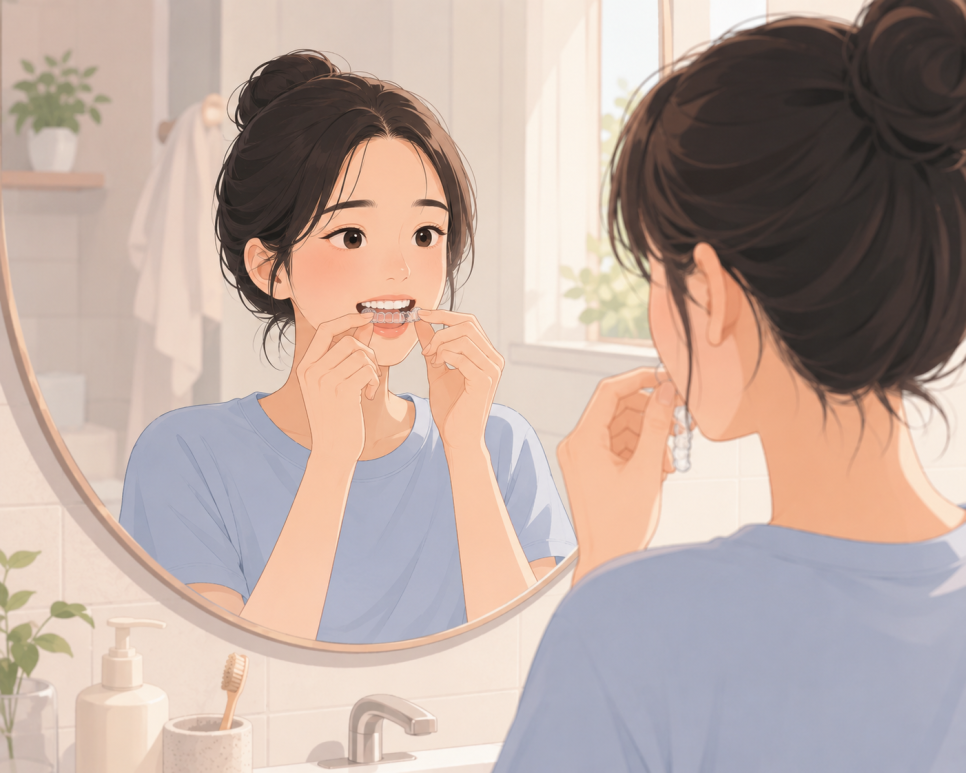
That is also why, when “I’ll just take it out for a moment and put it back in” keeps repeating,
the total wearing time for the day ends up dropping much more than expected.

What happens first if wearing time is insufficient?
Many people first worry, “Will the treatment not work at all?”
but in reality, there are earlier signs that appear first.
Typical signs include the aligner feeling slightly lifted,
an unusually tight feeling when changing to the next tray,
or the next stage of the appliance not fitting in well.

Of course, these symptoms cannot be attributed to wearing time alone without question.
That is because tooth movement speed and individual differences also play a role.
Still, if your wearing time has been unstable recently,
it is worth checking at least once.
In particular, rather than brushing it off with “It feels a little off, but I’ll just keep wearing it,”
it can sometimes be more helpful to check the condition early.
Can’t I just wear it only while sleeping?
This is one of the questions that comes up very often in communities.
To start with the conclusion:
for many people, sleeping hours alone are not enough.
That is because Invisalign is not just about wearing it for a long time,
but about maintaining force throughout the day.

For example, if you wear it only at night and leave it out for long periods during the day,
the force that tries to move the teeth back to their original position keeps repeating,
and the planned movement flow can become unstable.
Especially in the beginning, some people wear it less because it feels more uncomfortable than expected
or because their speech sounds awkward,
but for most people, once the adjustment period passes, their daily routine gradually becomes more stable.

Common traits of people who find it hard to keep up with wear time in real life?
Unexpectedly, it is not always busier office workers who struggle more.
People with the habit of eating small amounts frequently often have a harder time too.
If coffee, drinks, and simple snacks keep repeating,
the number of times you remove the aligner keeps increasing.
So in practice,
it may be more important to create a routine that fits your lifestyle
than to ask how perfectly you followed the rule.

For example, simply organizing meal times a little better,
or making the brushing-and-reinsertion flow simpler,
can make the wearing time much more stable.
On the other hand, if you spend too much time stressed and only keep calculating the hours,
it is not uncommon to burn out in the middle.
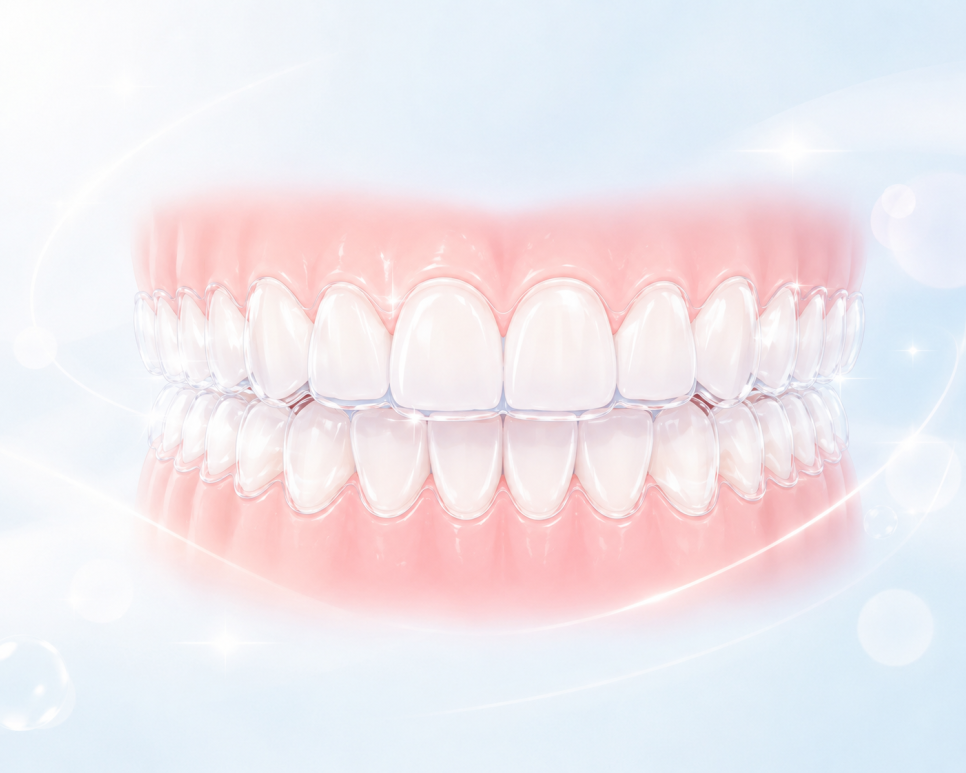 What matters more than numbers is a “sustainable wearing pattern”
When you start Invisalign, at first
you may feel strong pressure to “absolutely reach 22 hours.”
But in reality, depending on your lifestyle, eating habits, and dental condition,
the management method can vary a little.
What matters is not just a single number in your daily record,
but also whether the current appliance fits well
and whether the wearing routine is being maintained stably.

If you are considering Invisalign before starting orthodontic treatment,
visiting a nearby dental clinic
for a precise measurement and consultation may also be helpful.
If you have any questions, please feel free to contact Smile D Dental Clinic.
< Smile D Dental Clinic Location >
< More Stories from Smile D Dental Clinic >
| 📞 Smile D Dental Clinic |
|---|
| 0507-1449-2087 |