
With my wedding just two months away, I started looking into veneers because I was concerned about my front teeth.
The more I searched,
some dental clinics told me, "We can do it for you right away," while others said, "Don't do it," which only made me more anxious. Have you ever had a similar experience?

Especially if you have grown tired of repeatedly searching terms like “regretting veneers” and “side effects of no-prep veneers” late at night.
I completely understand. Not rushing into a decision is a perfectly reasonable choice.
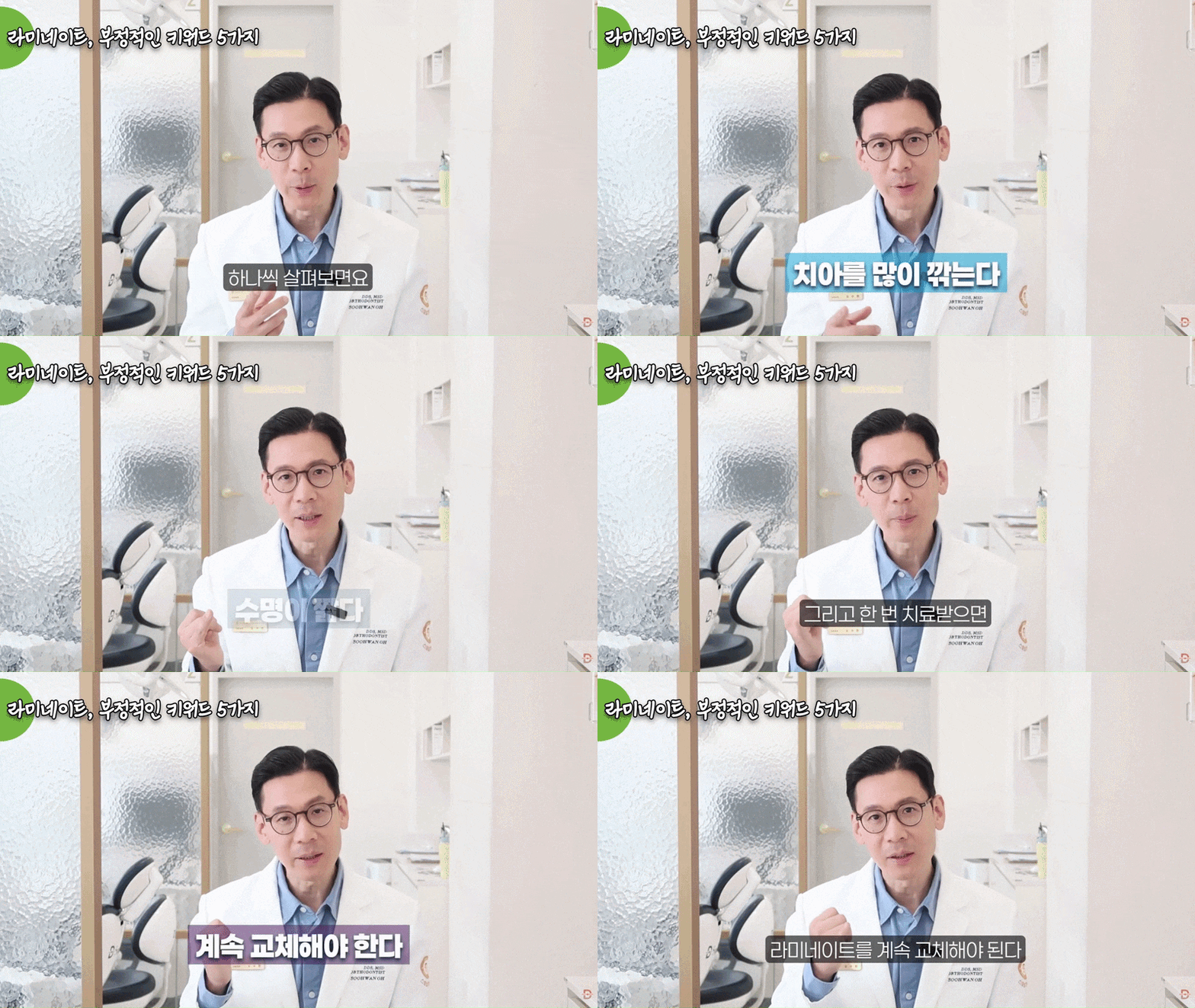
I am Oh Su-hwan, director of Smile D Dental Clinic, a veneer clinic in Gangnam.
As a Ministry of Health and Welfare-certified specialist,
I am writing this based on the conversations I have had with patients in the clinic over many years.
Much of the anxiety surrounding veneers tends to stem from inaccurate information
or from reviews that generalize without distinguishing between different cases.
Today, I would like to help organize that confusion, even if only a little.

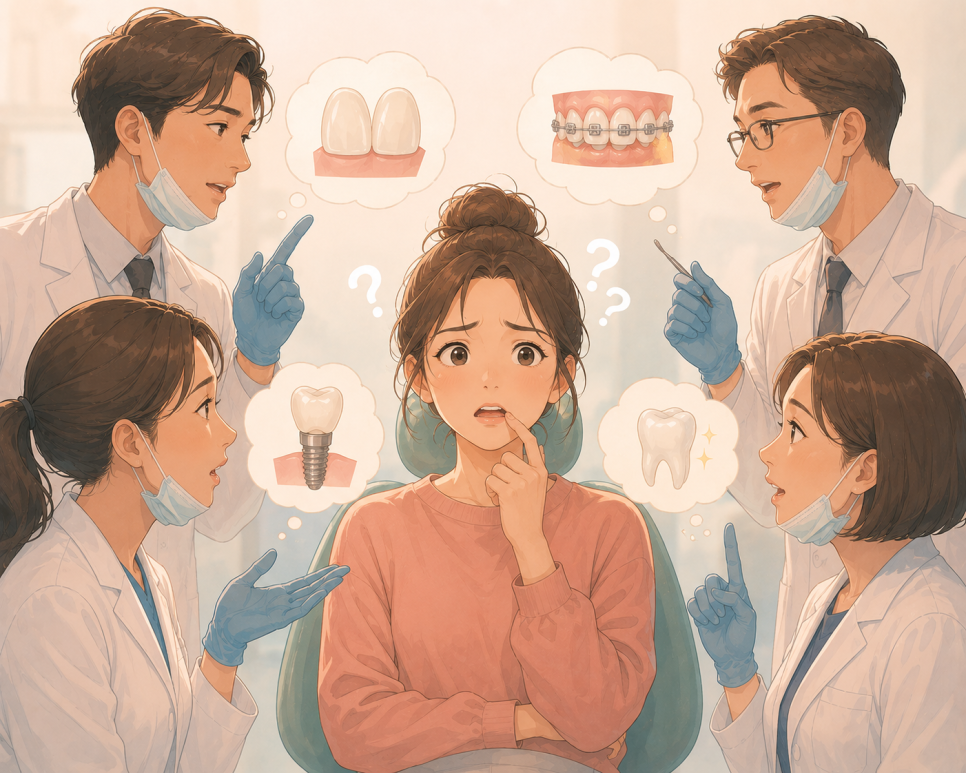
Why do different dental clinics give different opinions?
This is something I often hear in the clinic.
Another dental clinic said it was possible, so why do you say it is not possible here?
There is actually a structural reason behind this question.
Veneers can vary significantly depending on various factors, including
the amount of tooth reduction,
the bite,
and tooth alignment.
Even when looking at the same dental photographs,
judgments can differ depending on the criteria used for evaluation,
and the technology and bonding materials available at each dental clinic may also differ in quality.
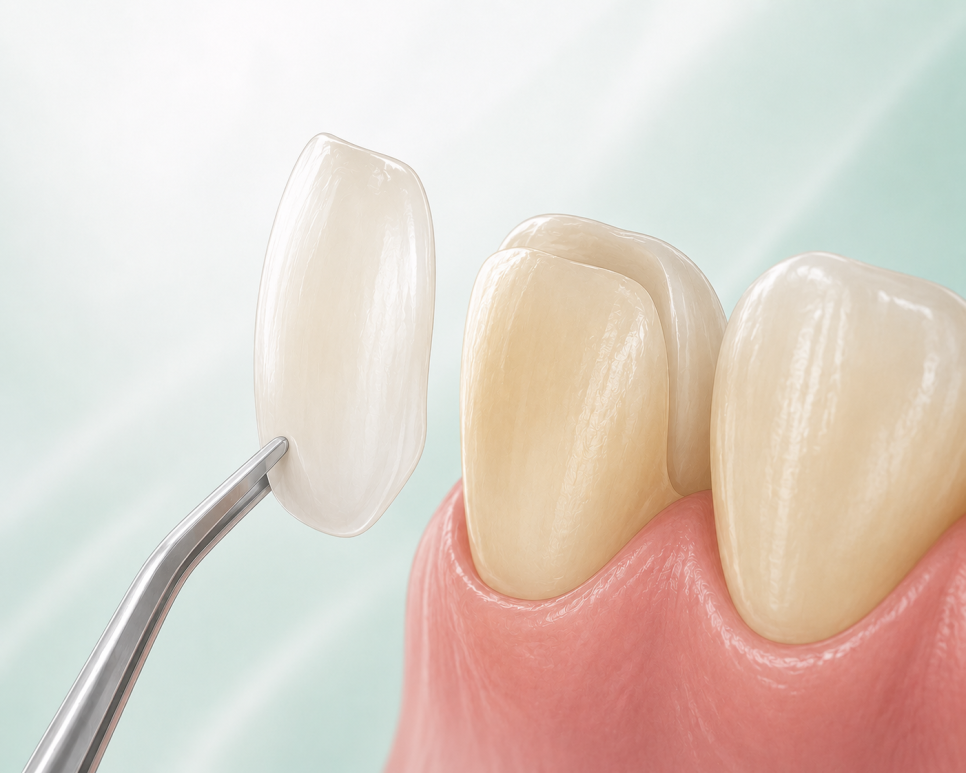
The statement “It is possible” does not necessarily mean “It is the best option for you right now,”
and hearing “Don’t do it” without context can create unnecessary fear.
If you have received conflicting consultations,
it is important to ask what evidence or reasoning led to each assessment.
Misconceptions and facts about veneers
Misconception ① “Veneers require removing a lot of tooth structure”
Veneers involve reshaping only part of the enamel on the front surface of the tooth.
The amount of reduction varies depending on the case and procedure,
and depending on the condition of the teeth, no-prep veneers, which involve little to no reduction, may be an option.
What matters is not whether any reduction is performed,
but whether only the necessary amount is handled precisely.
Misconception ② “Veneers naturally have a short lifespan”
The lifespan of front teeth veneers
is generally considered to be 10 years or longer as a clinical guideline.
Cases in which they lasted a shorter time
were usually affected by factors such as an unsuitable bite design,
teeth grinding, hard-food habits, or a combination of maintenance-related factors.
The material, bonding technique, and subsequent lifestyle habits
are the practical variables that determine their lifespan.
Misconception ③ “You will definitely regret it later”
Most cases of regret occur when the procedure is performed
on a case that does not suit the person’s dental condition.
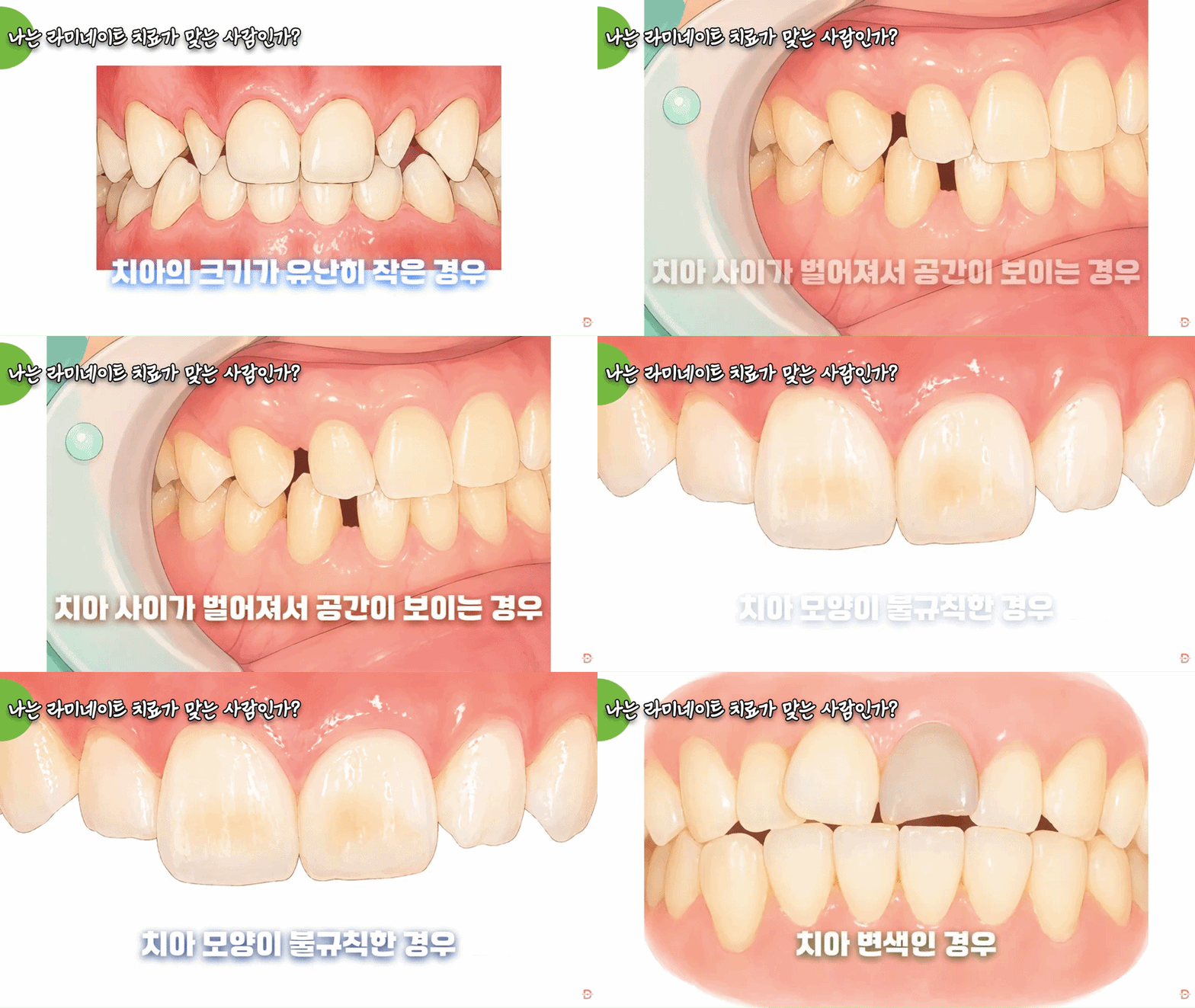
Small teeth,
spaces between the teeth,
discolored teeth,
and minor shape irregularities
are cases in which satisfaction tends to be high after veneer treatment.
It is not that “veneers themselves are the problem.”
As an orthodontic specialist, my view is that
“case selection is the key.”
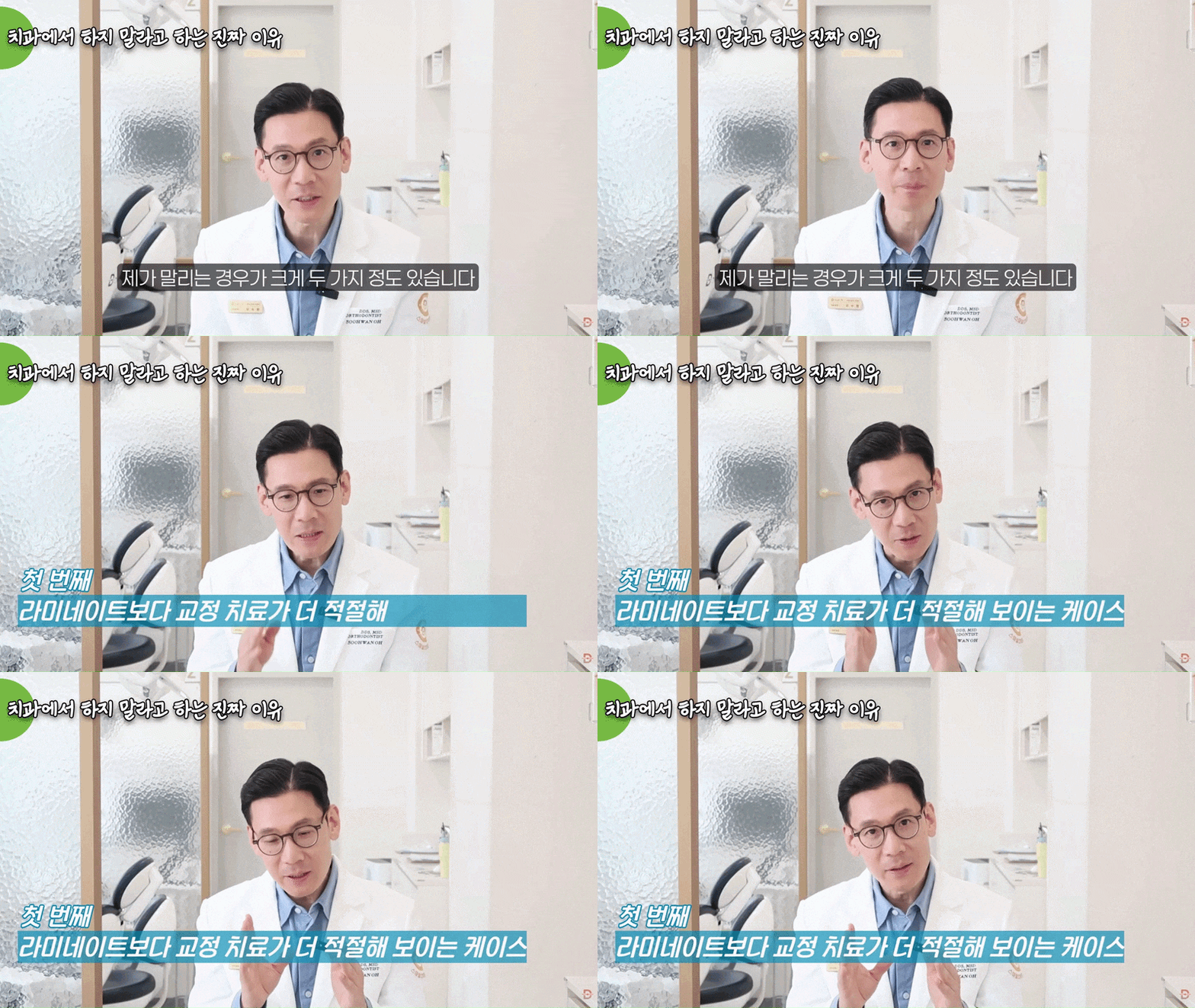
Which cases do dental clinics advise against?
Veneers require caution in cases involving
severely protruding teeth,
an accompanying bite problem,
or ongoing gum disease.
If veneers are performed first in these conditions,
there may be a higher risk of debonding, or the symptoms may instead worsen.
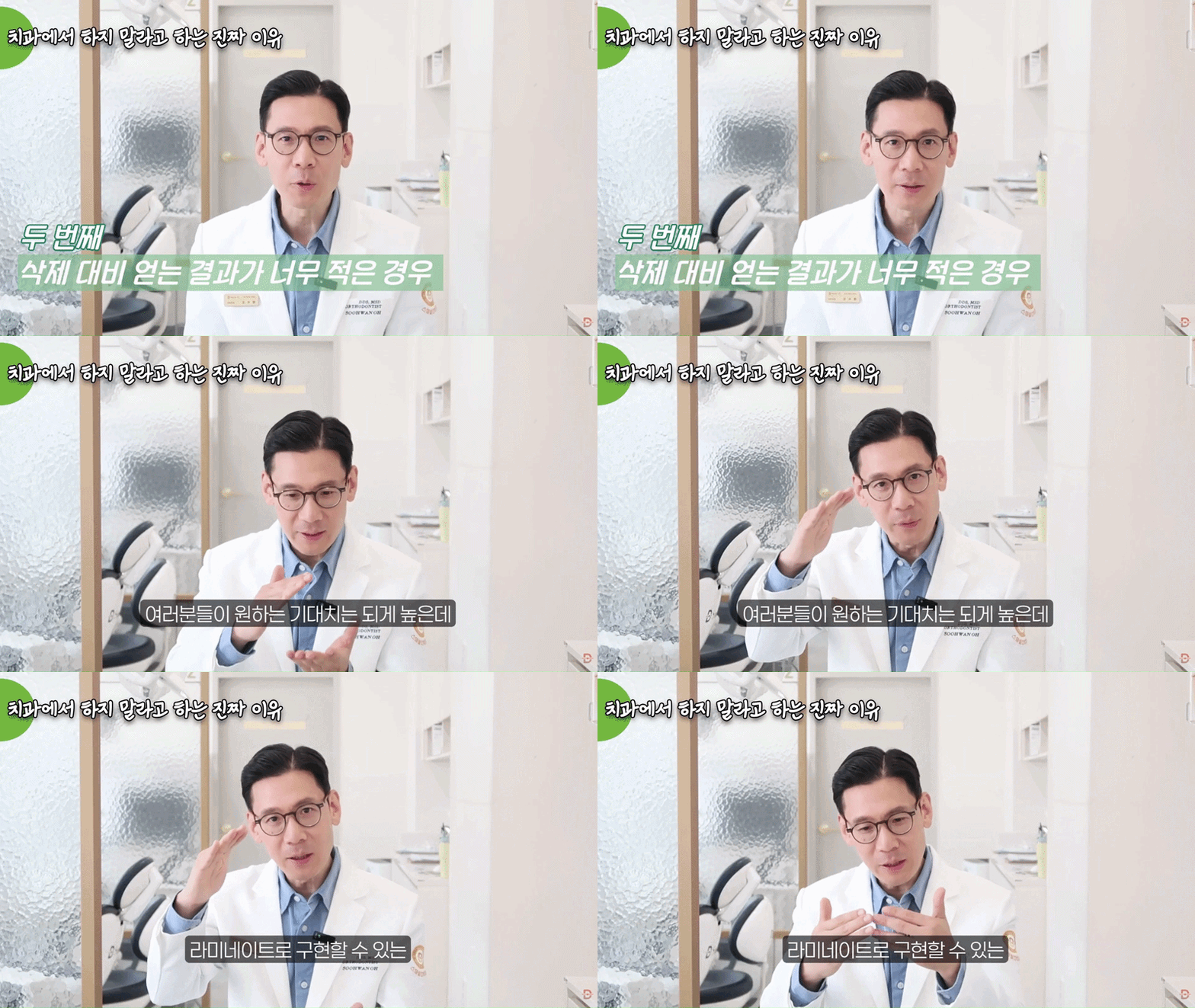
By contrast, the cases in which veneers may produce good results are different.
Small teeth,
wide spaces between the front teeth,
staining or discoloration,
or a desire to change the shape of the tooth edges
are cases in which veneers may be a reasonable option both aesthetically and functionally.
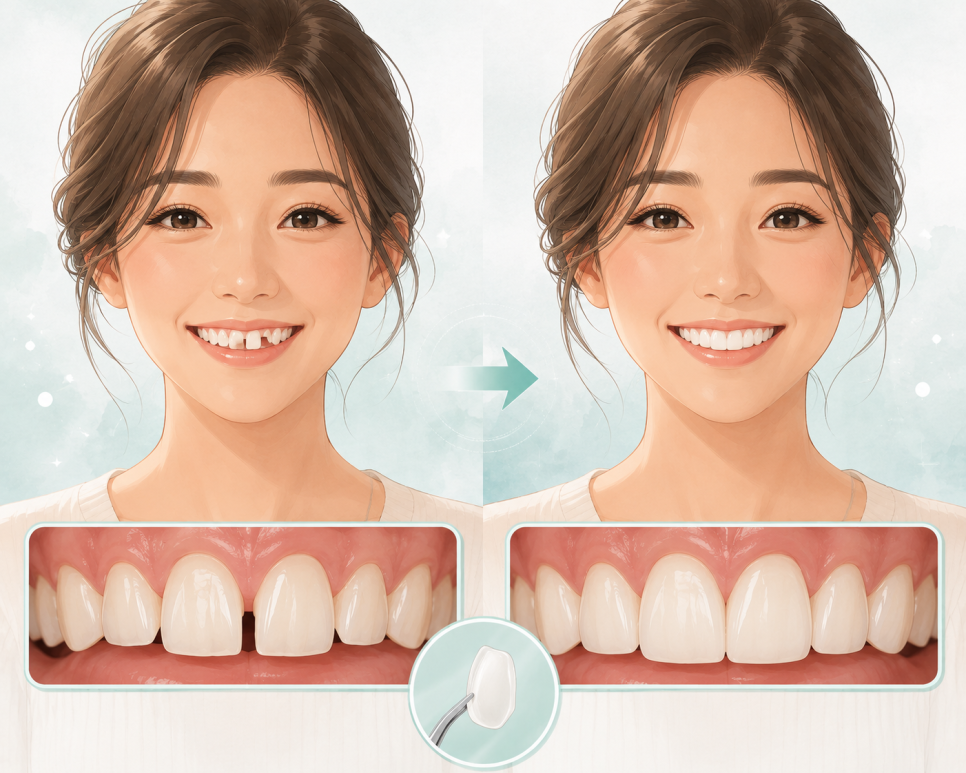
Which category do I fall into? Veneer Self-Check ✅
If your teeth are small or there are spaces between your front teeth,
veneers may be a suitable indication.
If you have discoloration but no history of root canal treatment,
it may be worth having the possibility checked.
On the other hand, if you grind your teeth or experience discomfort in the jaw joint,
an evaluation of your bite should come first before veneers.
If your front teeth are severely protruding or your condition is at a level that requires orthodontic treatment,
it is wiser to reconsider the treatment sequence from the perspective of an orthodontic specialist.
If even one of these items applies to you,
it is better to have your condition checked in person rather than trying to resolve it through online searches alone.

Factors that determine the lifespan of veneers
This is something I always emphasize during consultations: lifespan is not determined by the material alone.
One of the most important factors is bite design.
The direction in which chewing forces are applied after the veneers are bonded must be carefully planned to help prevent debonding.
Bonding technique is also a key variable.
Whether the veneers bond properly to the enamel directly affects long-term retention.
Lifestyle habits are important as well.
If you have a habit of biting hard foods directly with your front teeth
or grind your teeth at night,
wearing a protective appliance can be helpful.
When these three factors are properly addressed,
front teeth veneers can last for a sufficiently long time.
☎️ Smile D Dental Clinic | 0507-1449-2087
📍 13th Floor, ICT Tower, 624 Gangnam-daero, Gangnam-gu, Seoul (Sinsa Station)
Ultimately, what matters is “treatment suited to your case.”
Dividing veneers into “good treatment” or “bad treatment”
has no real meaning.
Based on my clinical experience,
most differences in outcomes come from case selection and treatment planning.
Even the same procedure may be the best option for one person,
while another approach may be more suitable for someone else.

I hope this post helps ease some of the vague anxiety you may have.
The answer ultimately requires checking the actual condition of your teeth in person.
If you have questions that have built up through online searches,
I recommend resolving them one by one through a consultation.
Smile D Dental Clinic can also help you comfortably check any questions you may have.
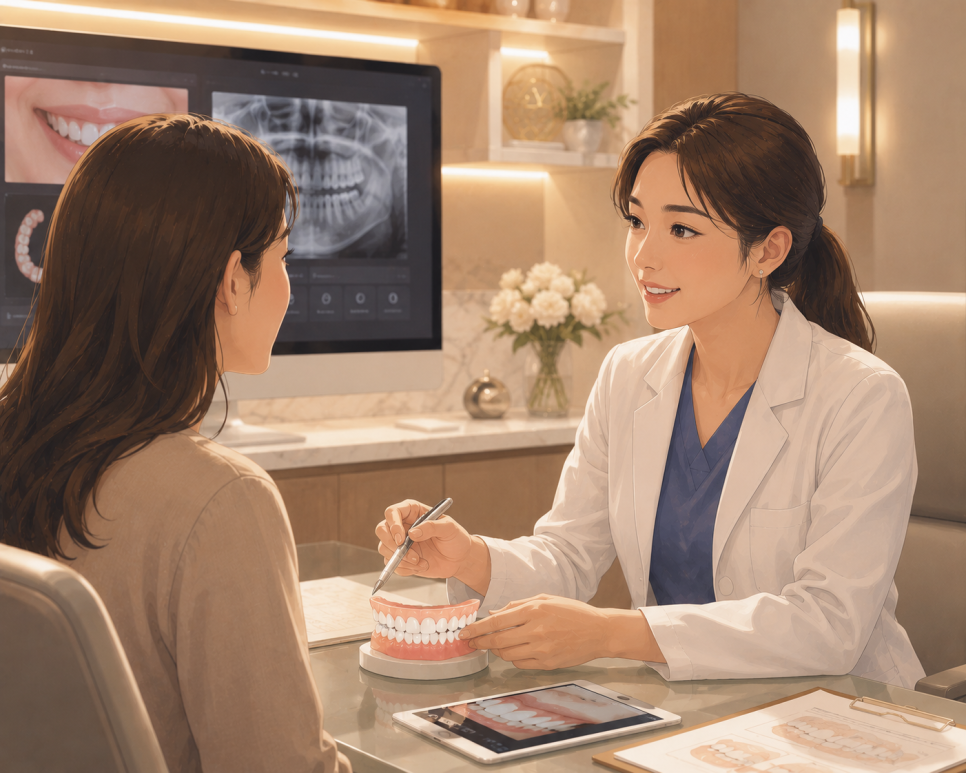
[Smile D Dental Clinic Information]
| ☎️ Smile D Dental Clinic Phone Number |
|---|
| 0507-1449-2087 |
| ℹ️ Smile D Dental Clinic Website |
|---|
| Official Website |
| 🎥 Smile D Dental Clinic YouTube |
|---|
| YouTube |
※ This post is an informational post prepared by a medical institution in compliance with Articles 56 and 57 of the Medical Service Act.
It was written solely on the basis of informational content exempt from review of medical advertising.
The images are explanatory materials intended to aid understanding, and actual treatment will be decided after consultation with a medical professional.