




Previous image
Next image
The number of people visiting medical institutions to correct imbalances in the internal oral skeletal structure continues to increase. The condition of the teeth is regarded as a key factor that affects not only chewing function but also speech formation and the health of gum tissue in various ways. In clinical practice, it is common for the treatment schedule initially anticipated to gradually become extended during the course of treatment. Objectively examining the specific mechanisms that cause delays and the appropriate management approach can be highly helpful for maintaining stable oral health.
- Nonhyeon Station Orthodontic Dental Clinic: Differences in Cellular Response Rates and the Biological Principles of Tooth Movement
Tooth movement is based on a complex biological metabolic process in which bone resorption and bone regeneration occur alternately within the jawbone. When physical force is applied to the periodontal ligament area, osteoclasts become active and resorb bone tissue on the pressure side, while callus formation begins in the space on the opposite side. The rate of this metabolic cycle varies considerably depending on an individual's bone density and age-related tissue activity. If tissue responses are inherently slow or the alveolar bone is particularly dense, there is a possibility that the remodeling stage will be delayed. Excessive mechanical pressure can cause side effects such as root resorption, so gradual application adjusted to each person's metabolic pattern is a reasonable approach.
- Nonhyeon Station Orthodontic Dental Clinic: The Effect of Failing to Follow Visit Intervals on Appliance Control
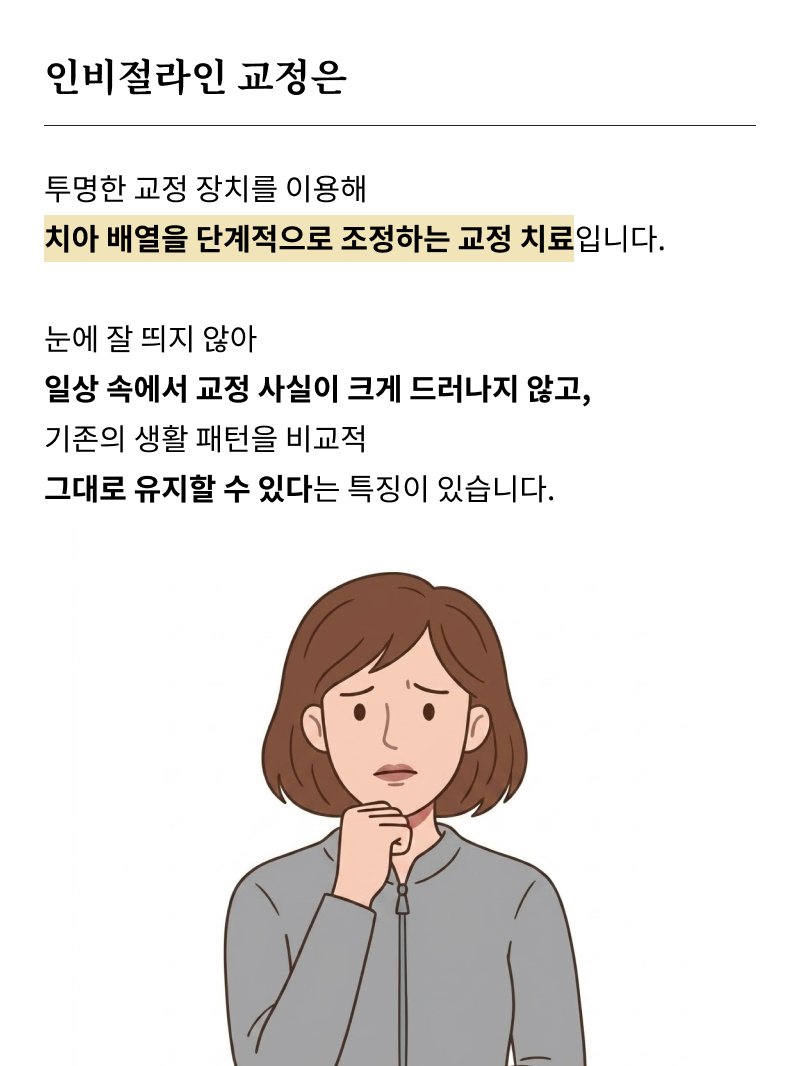
After an orthodontic appliance is attached, regular checkups are generally performed every four to six weeks, including adjustment of the internal wire's elastic force. The visit interval set by the dental professional is a calculated figure intended to maintain continuous control without damaging the periodontal tissue. If appointments are postponed because of personal schedules or circumstances, the oral structure may be left for an extended period without effective physical force being applied. The longer this force-free interval lasts, the more likely it is that the teeth will lose their anchorage or show relapse as they attempt to return to their original positions. Failing to follow the prescribed schedule is a major external factor that can delay the overall treatment timeline.

- Nonhyeon Station Orthodontic Dental Clinic: Appliance Detachment and Factors Causing Structural Changes
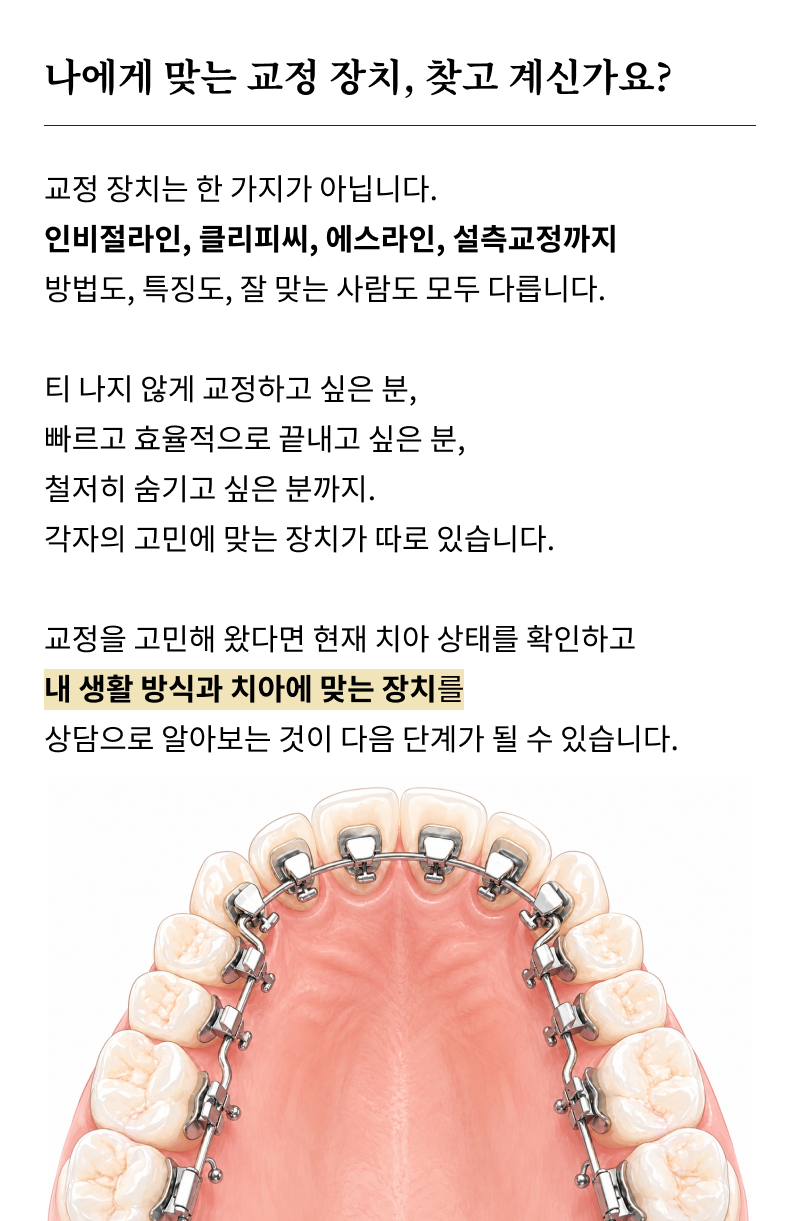
During chewing, consuming foods that are hard or sticky may cause an attached bracket to detach from the tooth surface. A distorted fine wire or a loosened ligature can also disrupt the balance of forces applied to a particular area. If an individual component becomes detached, effective tensile force may no longer reach the affected tooth, increasing the risk that it will begin to move independently from its intended position. If the abnormality goes unnoticed or is left unattended until the next checkup, reverse movement may occur during the lost period, disrupting the treatment process. Taking action as soon as a deformation or other problem is discovered and restoring the appliance to its original condition is necessary to prevent an interruption in progress.
< 스마일디치과의원 위치 >
< 스마일디치과의원 더보기 >
- Nonhyeon Station Orthodontic Dental Clinic: Patient Cooperation and Instructions for Wearing Auxiliary Appliances
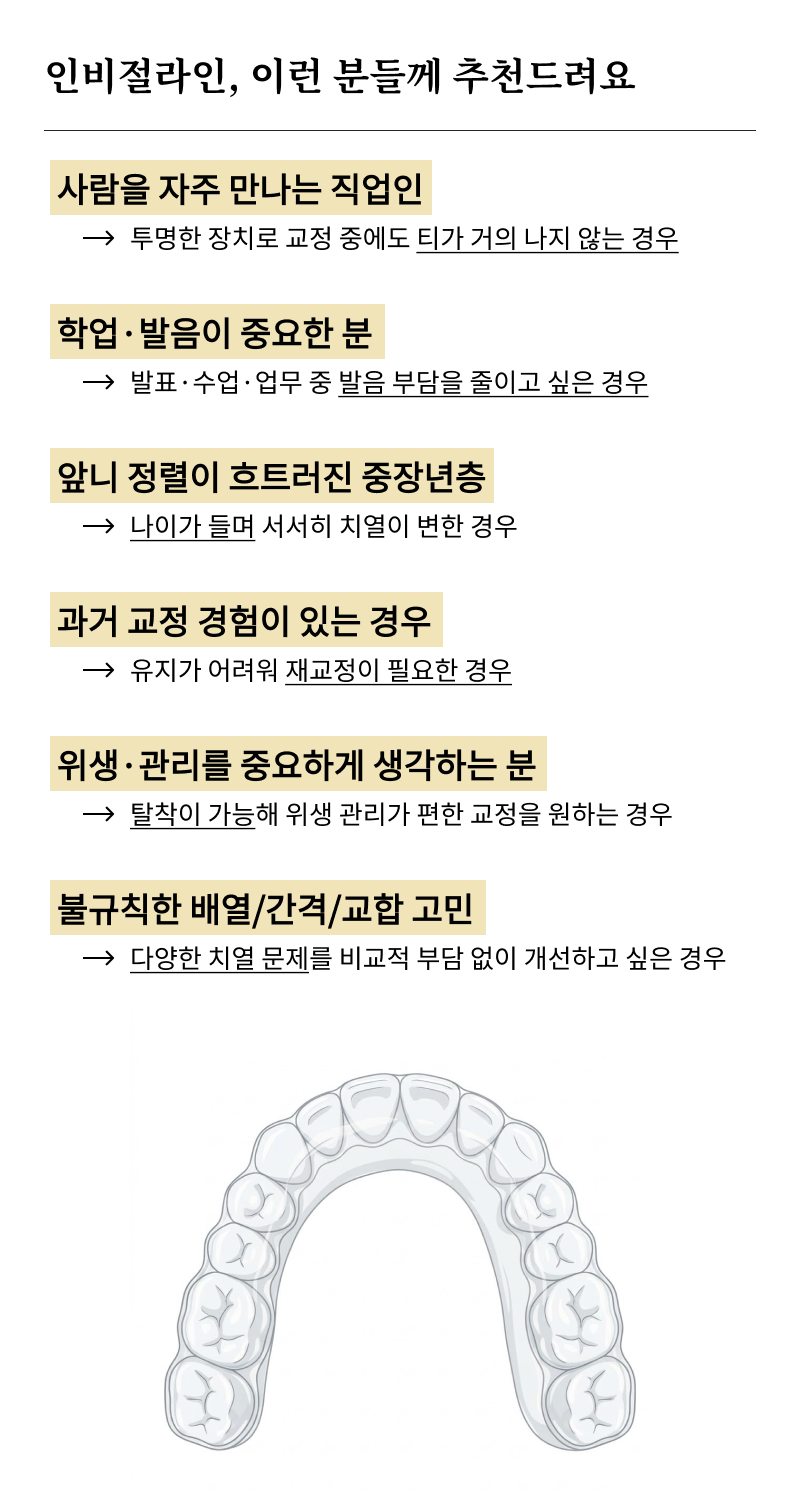
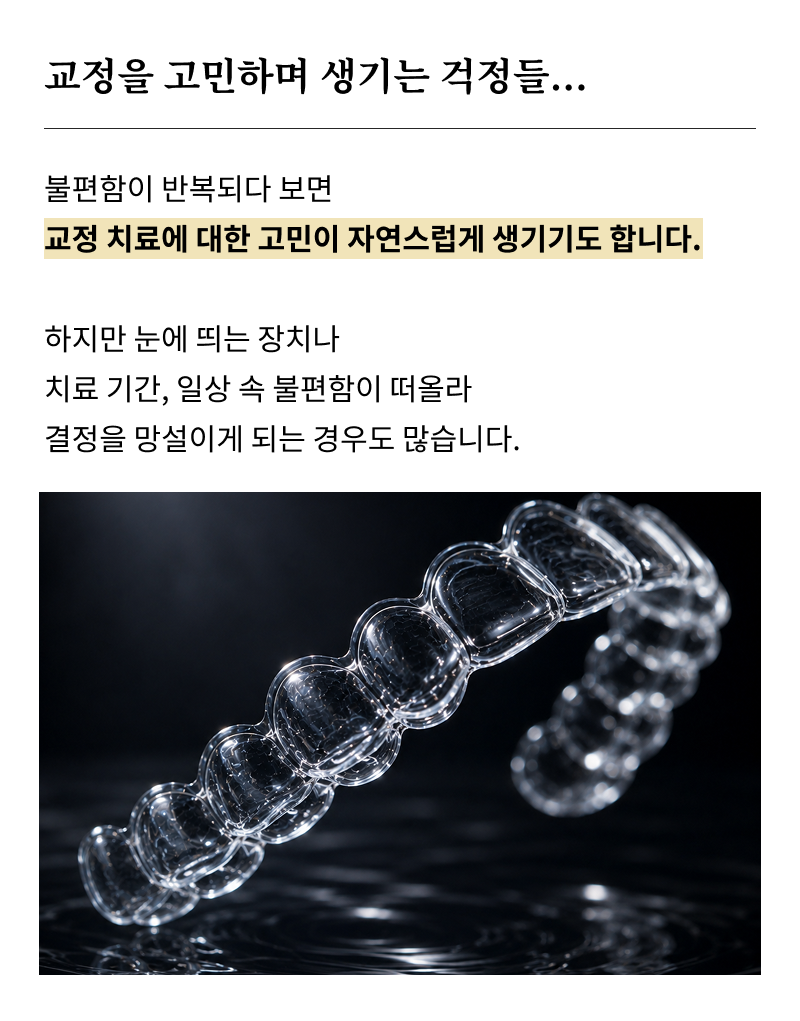
In the later stage, there comes a time when elastic bands must be attached directly to closely adjust the contact area between the upper and lower occlusal surfaces. Auxiliary appliances are considered a crucial part of treatment because patients must follow the instructions on their own in daily settings where professional intervention is not available. If the recommended wearing time of at least 20 hours per day is not met and the appliance is frequently removed at the patient's discretion, the adjustment process may be delayed. Clear appliances and removable retainers also have the characteristic that their final results depend on the rate of compliance with wearing instructions. It is important to remember that the time required to reach completion may be adjusted by several months or more depending on the effort made to follow the instructions independently.
- Nonhyeon Station Orthodontic Dental Clinic: Potential Oral Diseases and Responding to Unexpected Variables
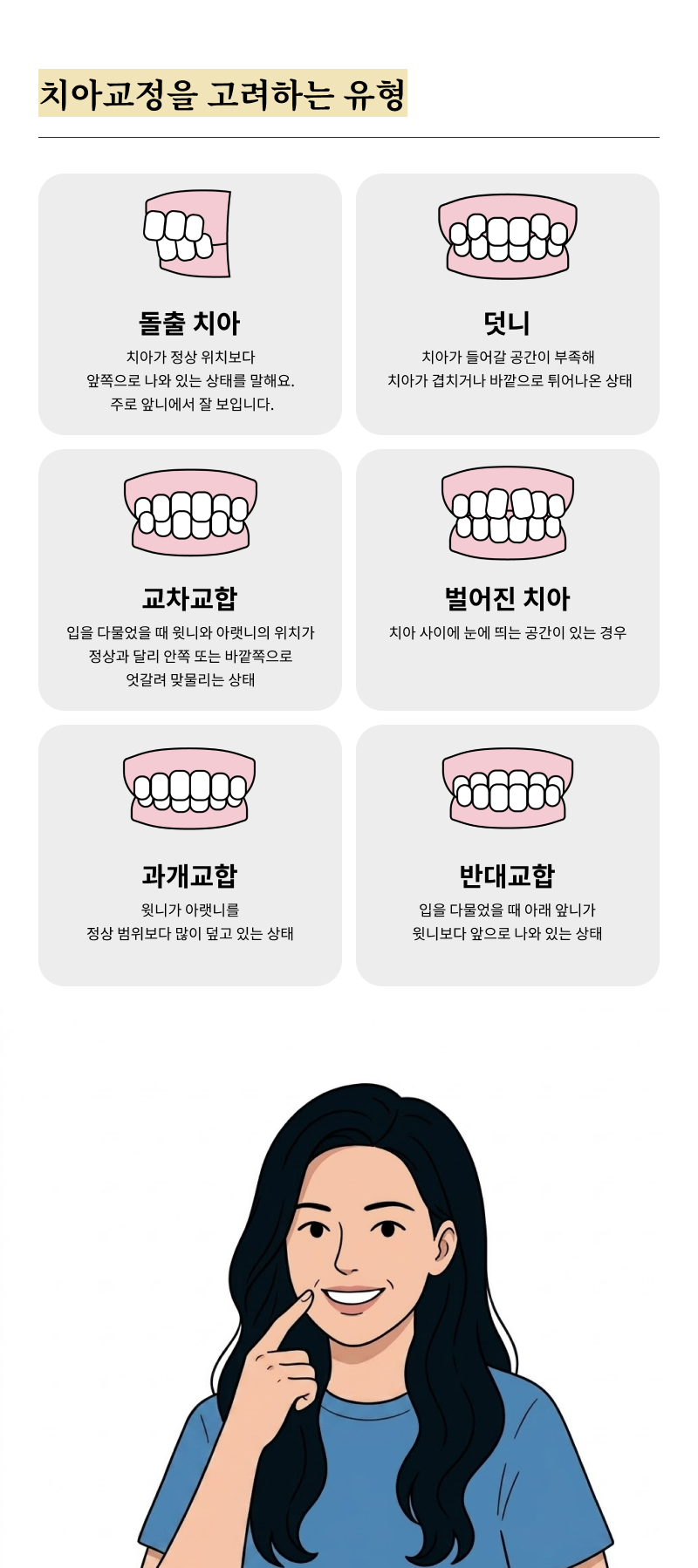
Even when the established plan is detailed, revisions may become unavoidable if unexpected anatomical variables or inflammatory diseases are observed during treatment. In some cases, an impacted tooth within the bone does not respond to traction, or ankylosis of the tooth root is discovered later. Because small particles of debris are more likely to accumulate while appliances are being worn, inadequate brushing can easily lead to severe gingivitis or periodontitis. If disease develops in the gum tissue, tooth movement must be suspended entirely and periodontal treatment must take priority, which extends the schedule. Thorough hygiene management and preliminary examinations are necessary to safely prevent these unexpected situations.

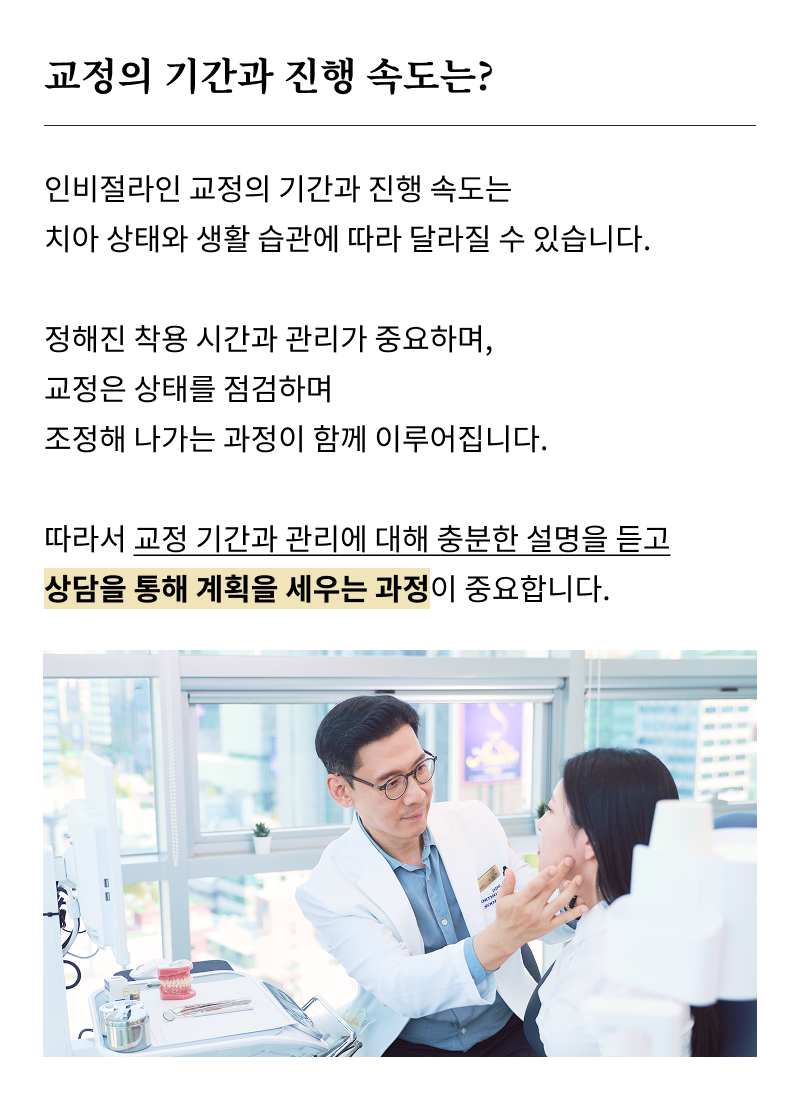
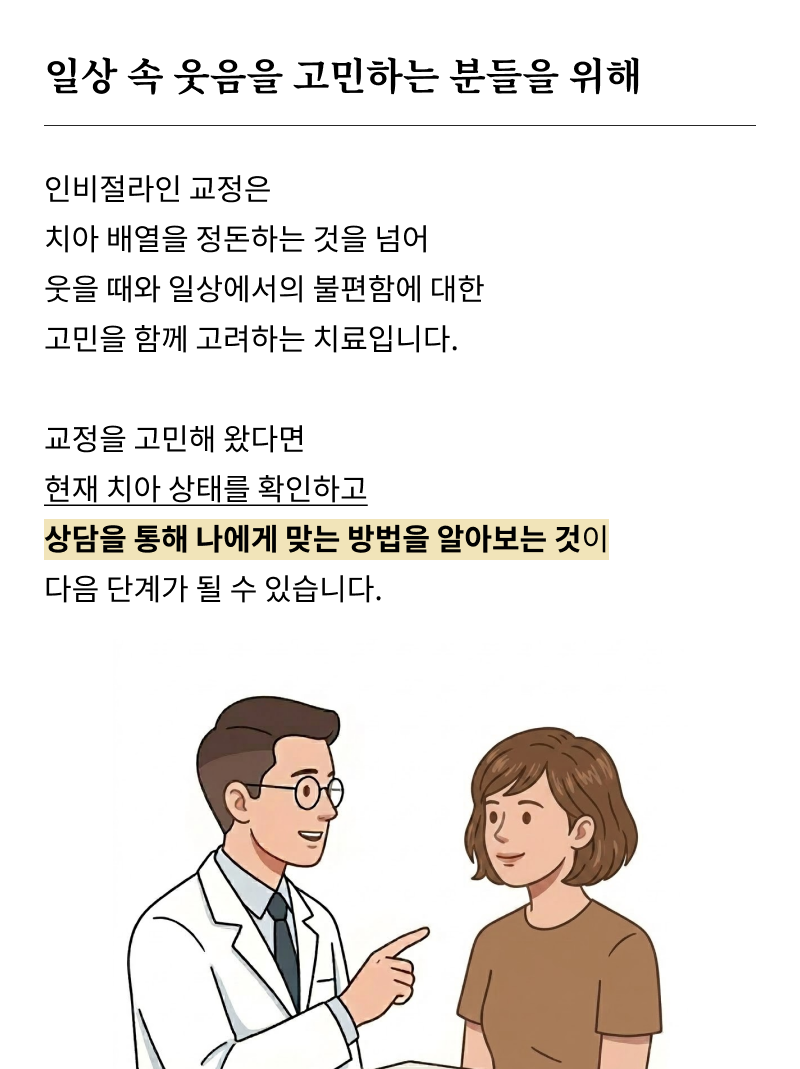
In conclusion, correcting structural imbalances in the oral cavity is not a process that can be completed in a short period; it requires continuous management. The actual time required may vary depending on each individual's physical condition and tissue metabolism. A clear assessment of the condition and detailed treatment plan can only be finalized after comprehensive radiographic analysis and precise diagnostic procedures. Clearly following the precautions provided in daily life and faithfully observing the instructions for regular checkups are reasonable ways to achieve stable preservation of oral health.









Previous image
Next image




Previous image
Next image