Have you ever felt that, while eating, force was concentrated on one particular side of your teeth?
If one side feels uncomfortable whenever you chew food,
or if food repeatedly fails to be cut properly because your front teeth do not come together,
it may not be just a matter of habit.
Today, we would like to introduce the actual case of a woman in her 20s who decided to undergo orthodontic treatment because of this kind of discomfort.
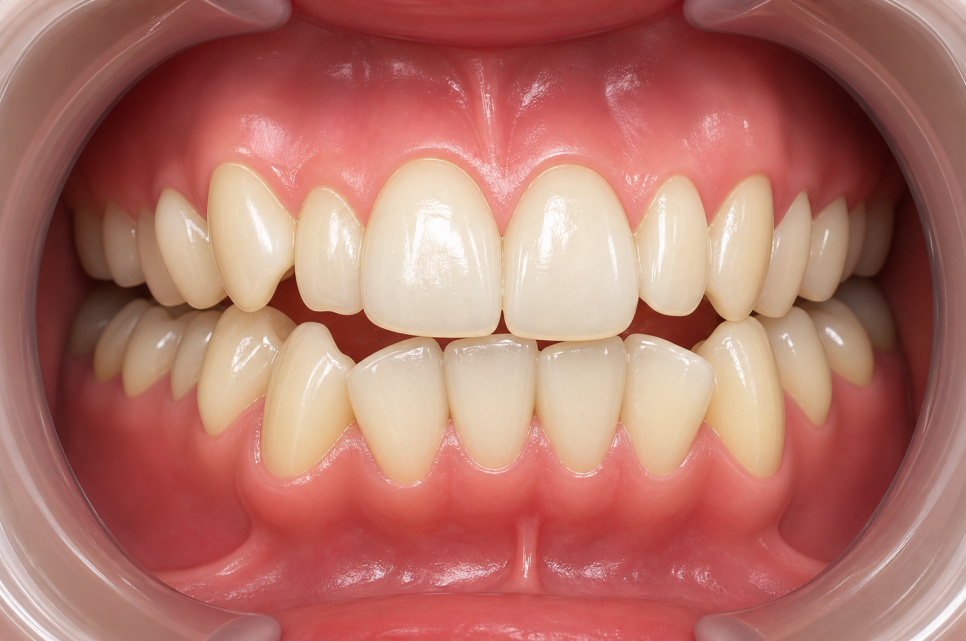
This image was staged for illustrative purposes.
She had been concerned since childhood that her front teeth protruded forward,
and, when viewed from the side, she also had a retruded-chin appearance in which the lower jaw looked relatively short.
Her greatest concern was an open bite, in which the front teeth did not meet when chewing food.
As a result, she continued to experience discomfort because the occlusal load was concentrated on certain molars.

Eventually, while searching online blogs for information about orthodontic treatment,
she came to 스마일디치과의원.
She said that the presence of an orthodontic specialist at the clinic,
along with reviews expressing confidence in the expertise of the clinic’s director, gave her peace of mind.
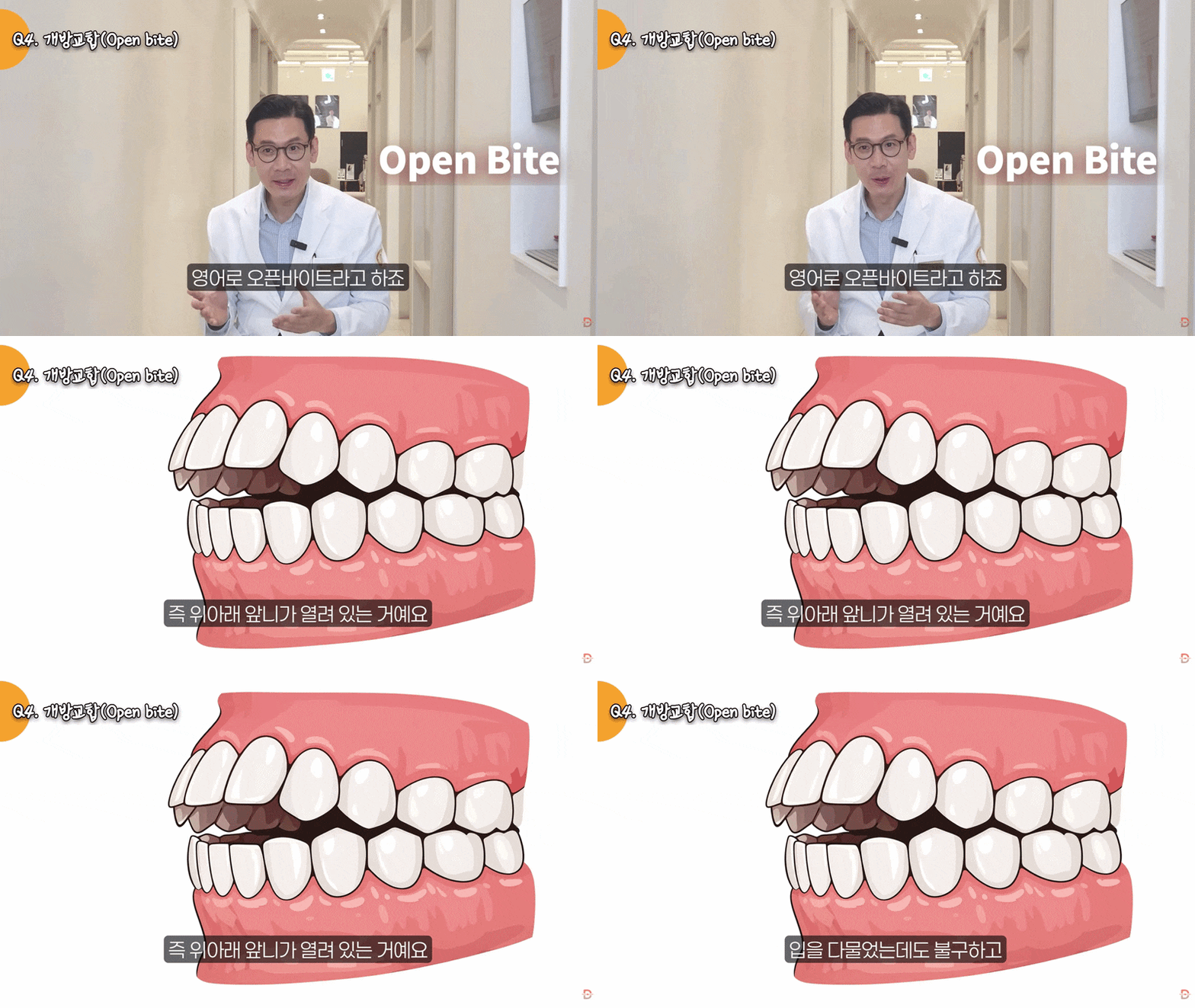
Why should an open bite not be left untreated?
When an open bite is present, the front teeth do not meet properly,
which can cause practical limitations when biting off or chewing food.
Because excessive occlusal force is concentrated on the molars,
tooth wear or cracks may also occur.
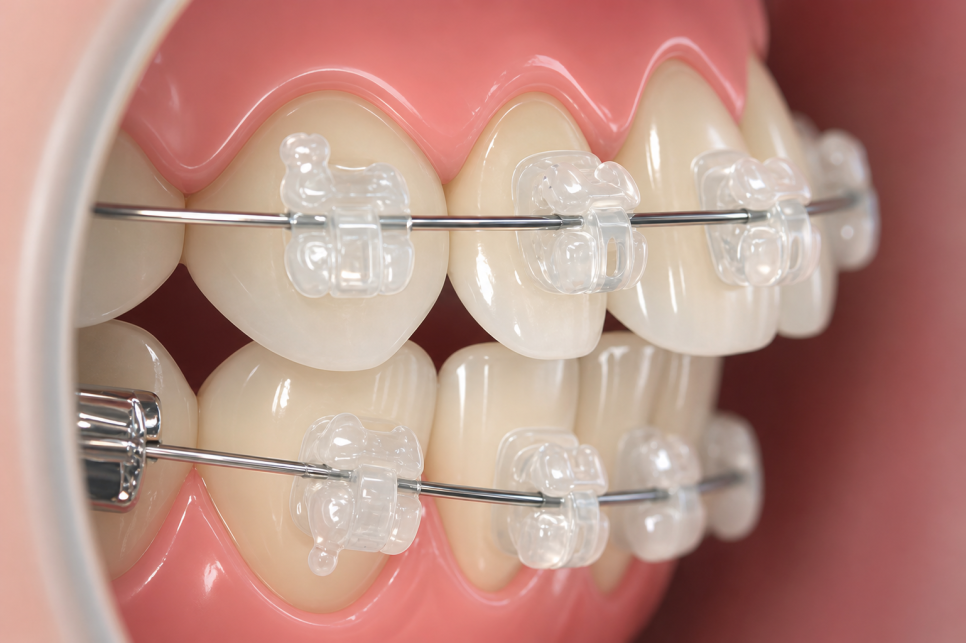
This image was staged for illustrative purposes.
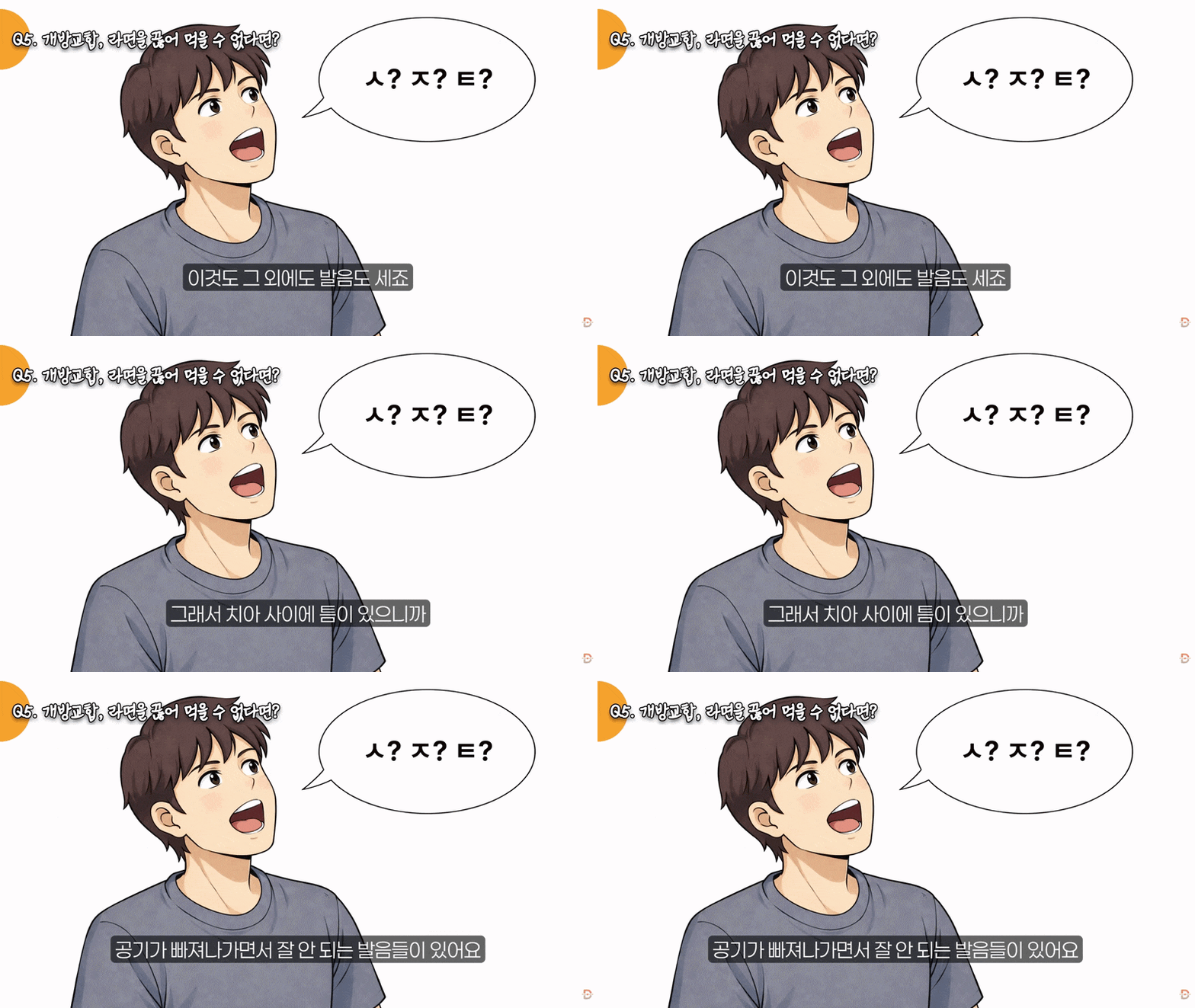
In addition, because a gap forms between the upper and lower front teeth,
air may escape during speech, often making sounds such as “s” and “j” inaccurate.
A structure in which the front teeth do not close properly
can make it difficult for the lips to close naturally and may make mouth breathing more likely.
This can also increase the risk of dry mouth and periodontal disease.
If anteroposterior occlusal imbalance continues,
asymmetric pressure may be placed on the temporomandibular joints,
which can lead to temporomandibular disorder (TMD).
Therefore, treatment before symptoms worsen is important.
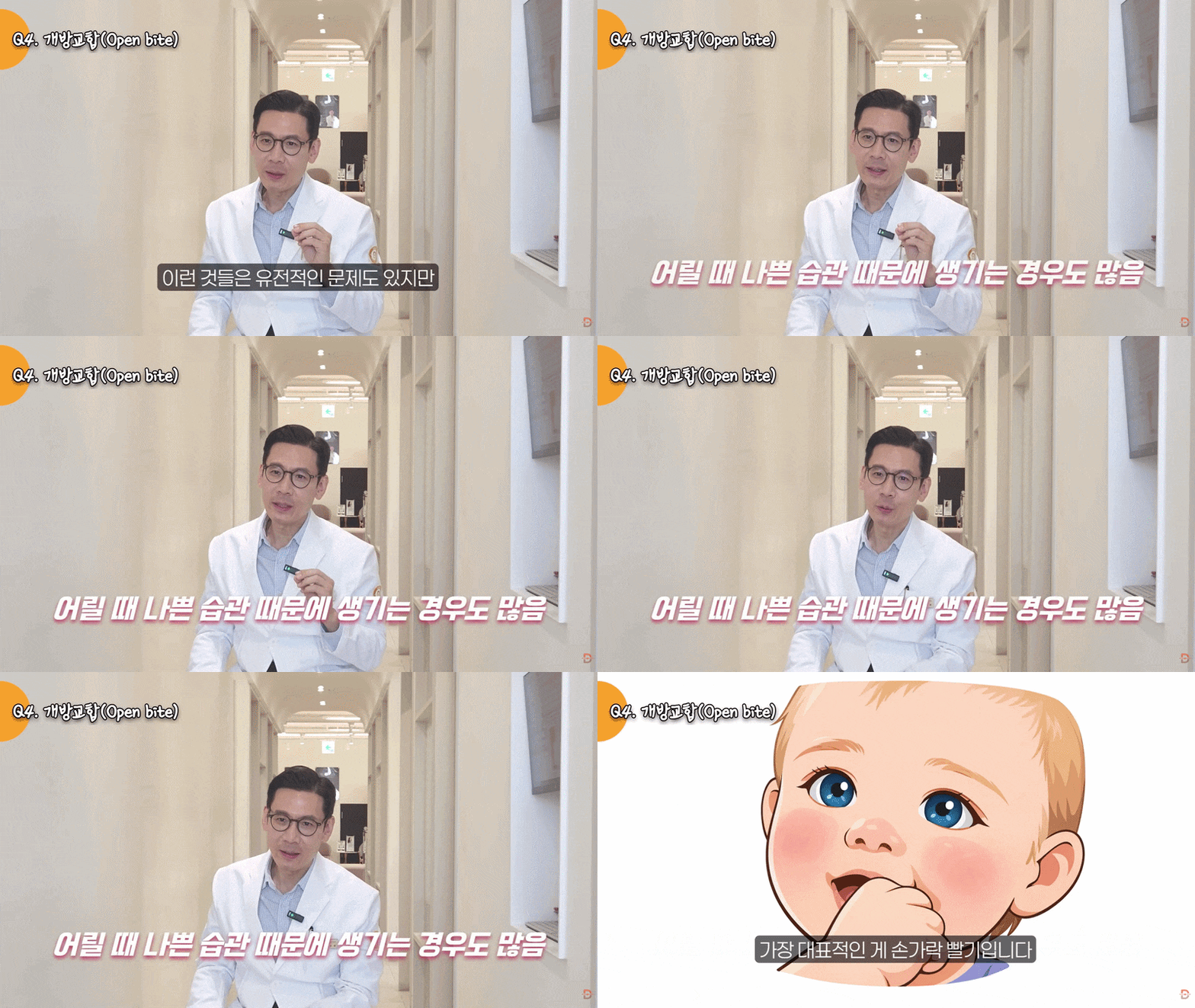
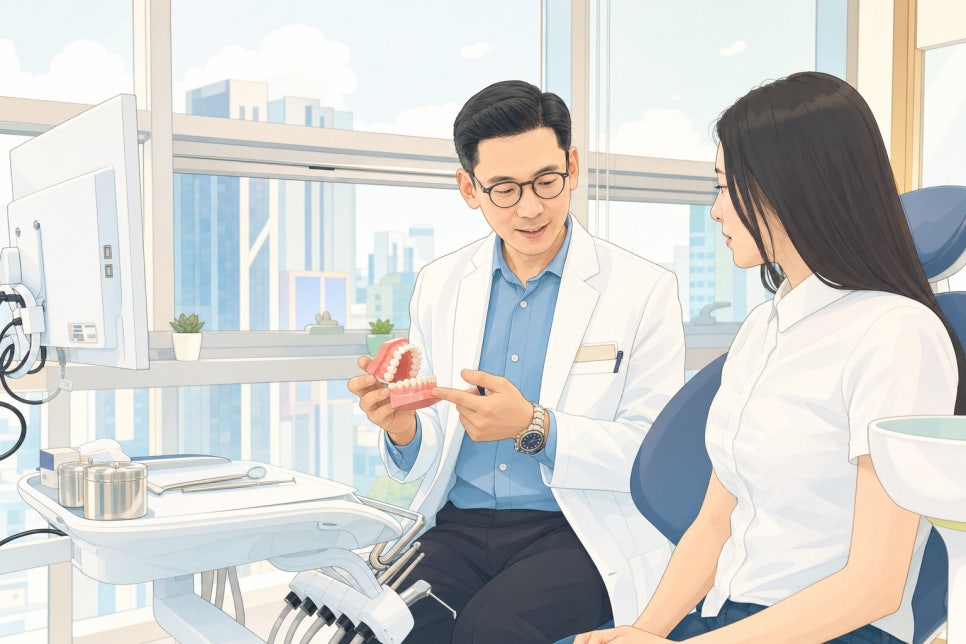
How is the decision between extraction and non-extraction made?
One of the questions most frequently asked during an orthodontic consultation is:
“Do I really need to have teeth extracted?”
The choice between extraction and non-extraction treatment
is not determined simply by whether there is enough space.
It is decided through a comprehensive analysis of various factors, including
the shape of the dental arch, skeletal structure, degree of protrusion, and tooth size.
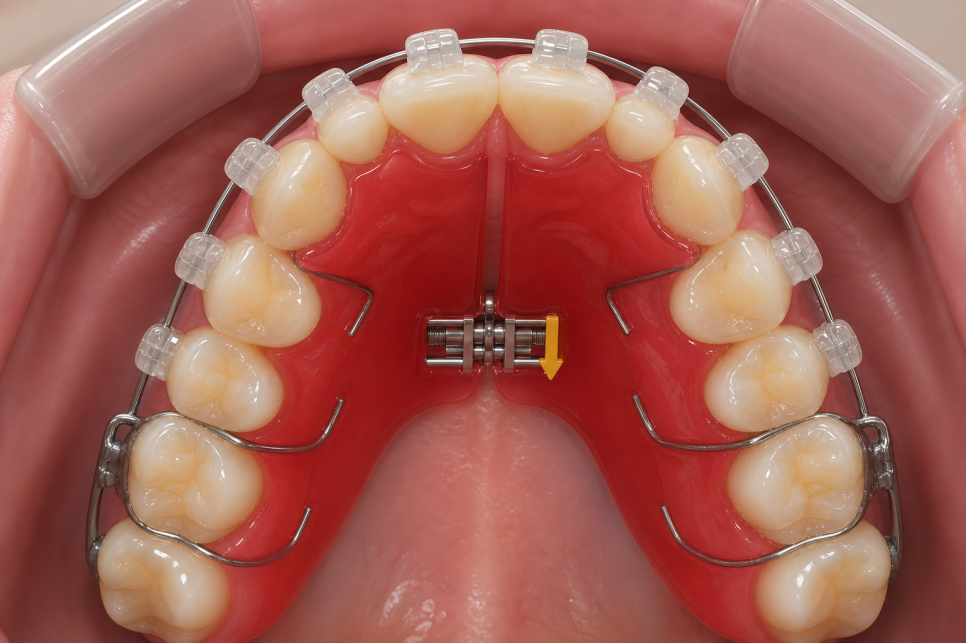
This image was staged for illustrative purposes.
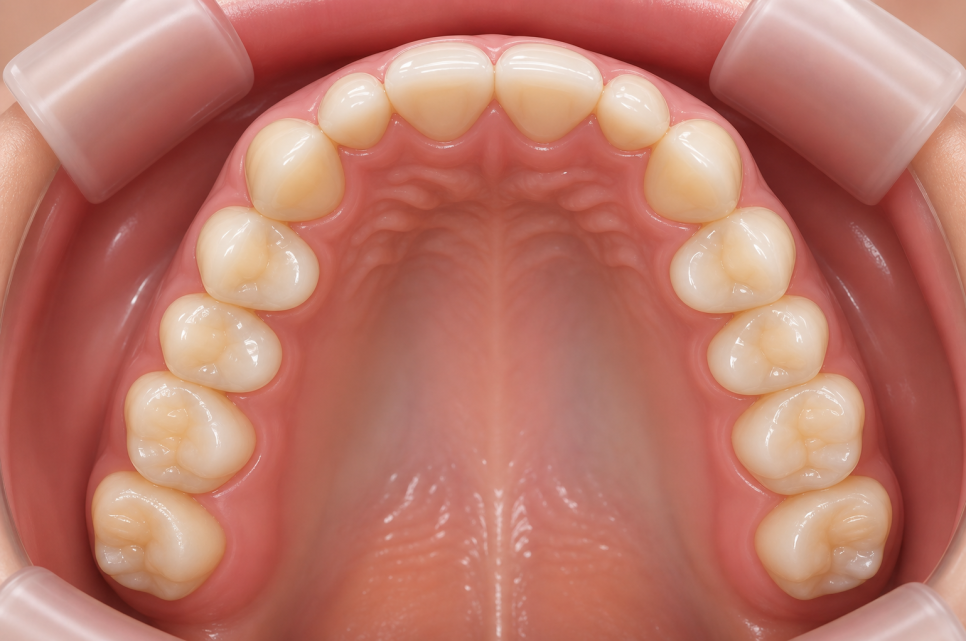
After a detailed examination, this patient was found to have
a structure that allowed sufficient expansion of the dental arches.
It was determined that sufficient space could be created without extraction
by combining this with interproximal reduction (IPR), which involves minimally reducing the surfaces between adjacent teeth.
Below is a summary of the differences between extraction and non-extraction orthodontic treatment.
| Comparison | Extraction orthodontic treatment | Non-extraction orthodontic treatment |
|---|
| Suitable cases | Insufficient space for tooth alignment; protruding mouth or prognathism; complex cases such as an underbite with crowding | Mild malocclusion where there is sufficient space for tooth alignment or only tooth inclination needs to be adjusted |
| Treatment duration | Typically 2 to 3 years (moving the teeth while closing the extraction spaces) | Typically within 1 year 6 months to 2 years (when the range of movement is limited) |
| Advantages | Sufficient space allows precise tooth movement; occlusion can be improved and changes in facial contours may be expected | No extractions means less psychological burden, and relatively quick results may be seen in simple cases |
| Precautions | Thorough appliance care, regular visits, and a precise treatment plan from a specialist are essential | If performed excessively, protrusion may worsen and the risk of relapse may increase |
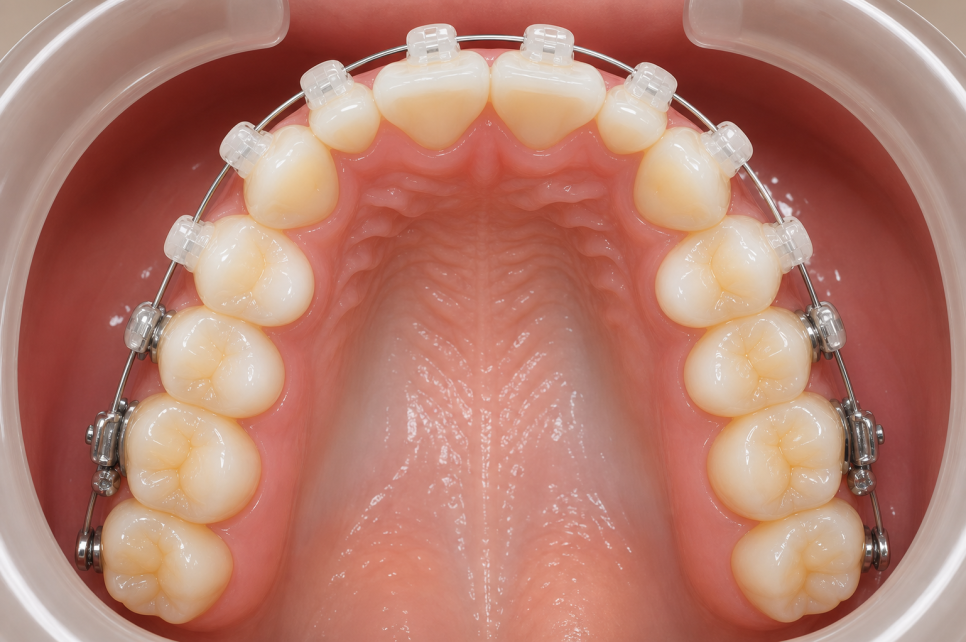
This image was staged for illustrative purposes.
Treatment plan and appliance selection
After a detailed diagnosis, an S-Line orthodontic appliance was selected for this patient.
The S-Line appliance has precisely designed bracket slots,
allowing delicate control of the direction of tooth movement and torque.
It is particularly useful for moving protruding front teeth backward while improving the bite.
It is also less noticeable than conventional metal braces, which can reduce the burden during social activities.
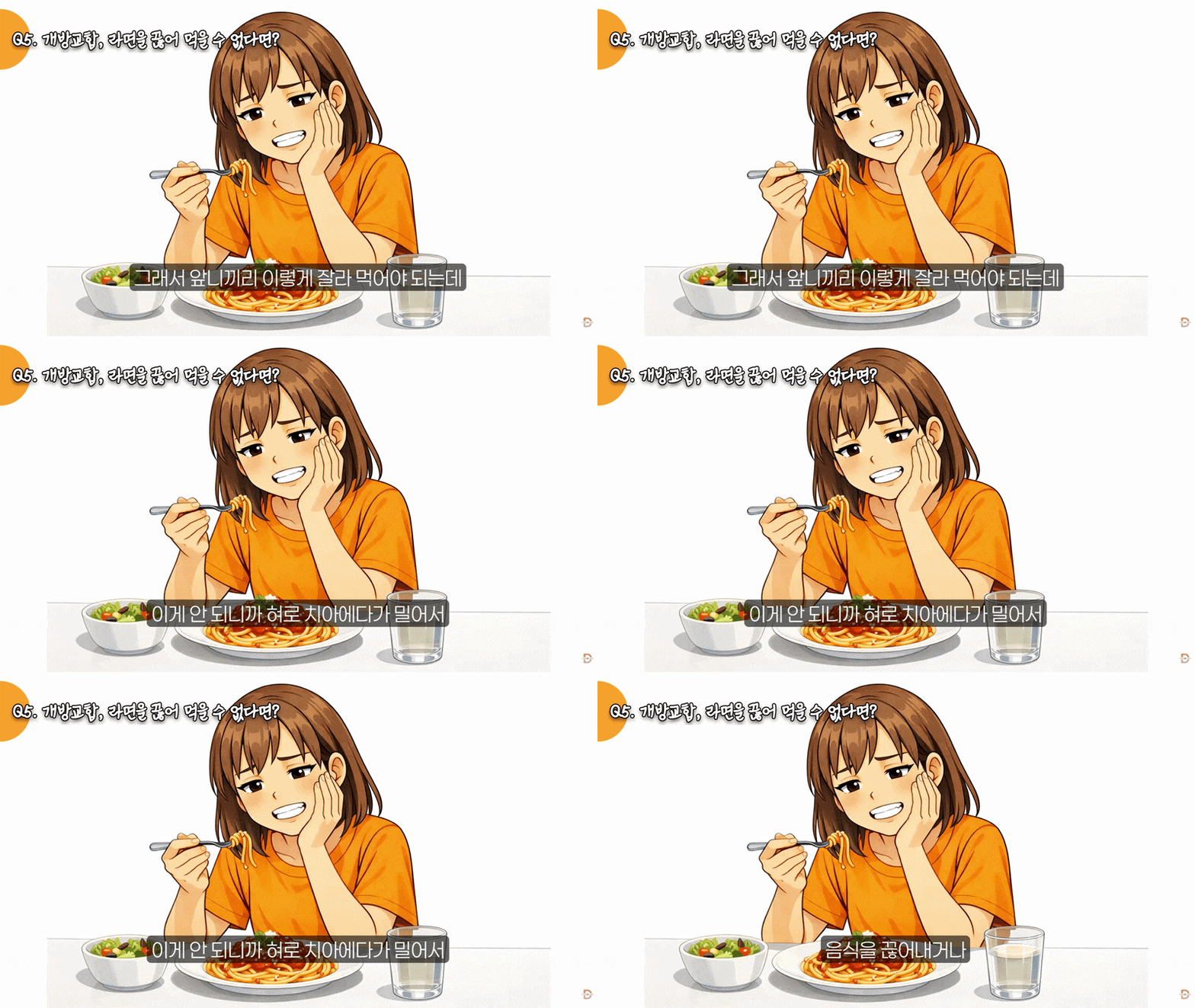
In addition, six mini-screws (temporary anchorage devices) were used.
Mini-screws are devices that secure small screws in the jawbone to create stable anchorage points.
They allow specific teeth to be moved precisely in the desired direction,
making them highly effective for improving anterior protrusion and controlling the vertical dimension of the bite.
In cases accompanied by an open bite, such as this one,
it may be difficult to achieve the desired result without mini-screws.
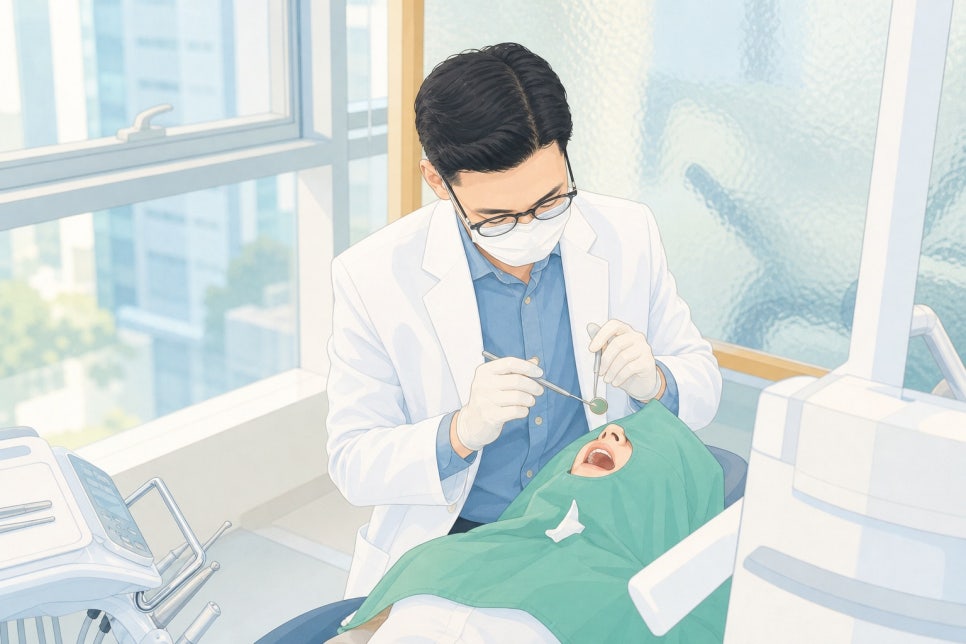
The reasons this patient chose 스마일디치과의원 were
that an orthodontic specialist was always available to directly manage the treatment from diagnosis through completion,
and that she trusted the clinic director’s orthodontic experience
and expertise in open-bite orthodontic cases.
Because orthodontic treatment takes place over an extended period,
this patient also understood that the treating specialist’s expertise can directly affect the outcome.
< 스마일디치과의원 Location >
< More about 스마일디치과의원 >
Sinsa Station Orthodontic Clinic: Open-Bite Treatment Process
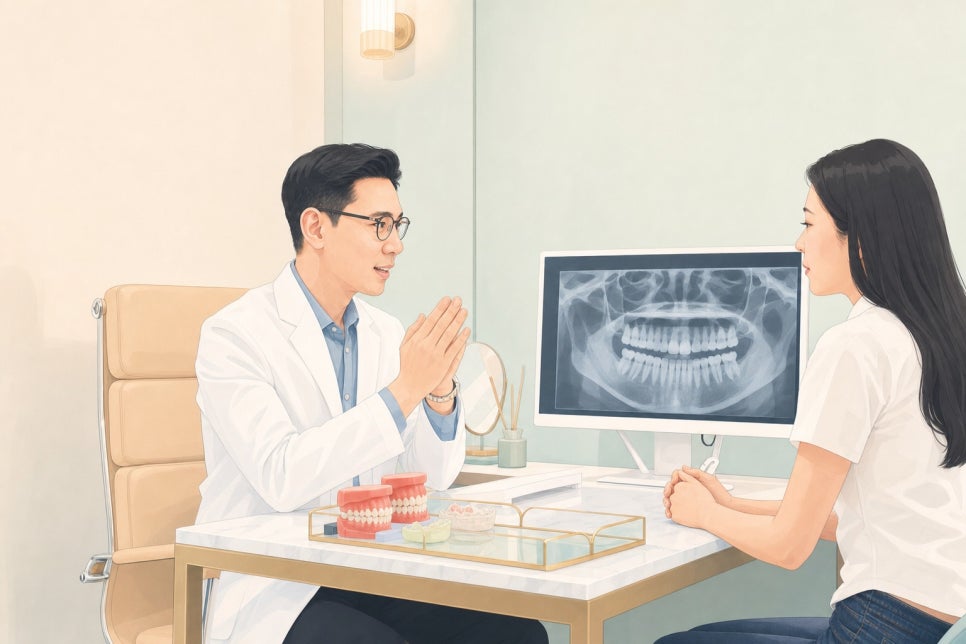
① Detailed diagnosis and treatment planning
Through panoramic imaging, lateral cephalometric photographs, and oral scans,
the skeletal structure and dental condition were analyzed in detail,
and a non-extraction plan involving expansion of the dental arches was established.
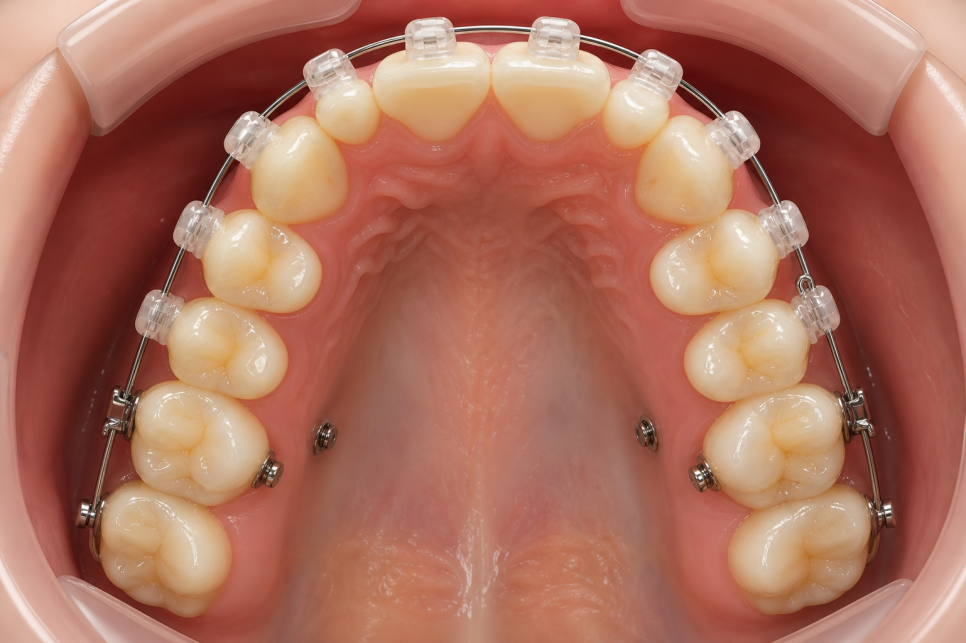
This image was staged for illustrative purposes.
② Initial stage (appliance placement and start of tooth movement)
The S-Line brackets were attached,
and tooth movement began after the initial wire was connected.
During this period, dental arch expansion was also carried out,
and the mini-screws were placed at this stage.
The first 1 to 3 months are the period during which the teeth and gums adjust to the new forces.
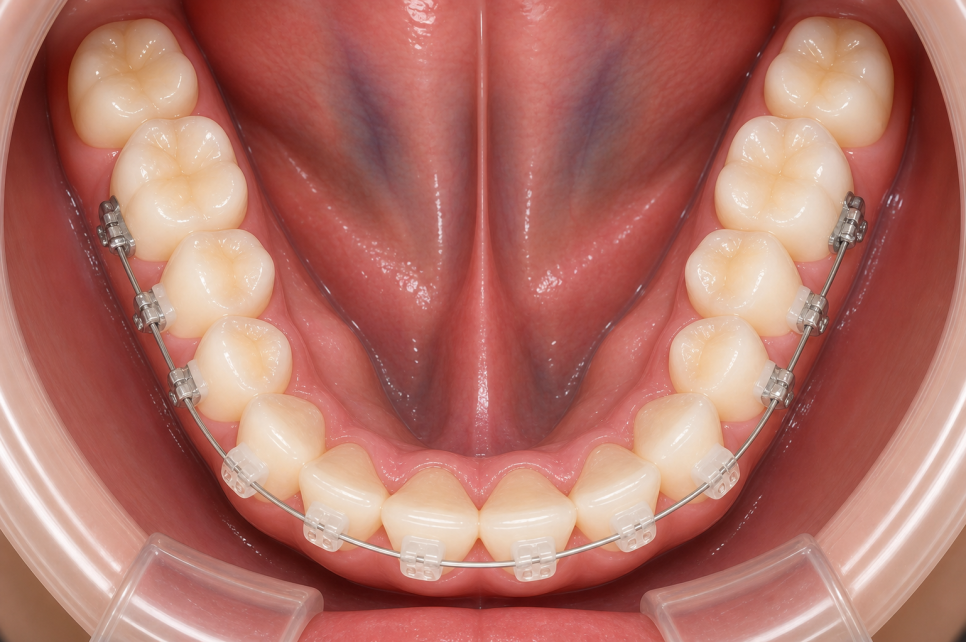
This image was staged for illustrative purposes.
③ Middle stage (detailed occlusal adjustment)
Between 6 months and 1 year into treatment, posterior movement of the front teeth
and correction of the open bite are carried out intensively.
Dental arch expansion is performed gradually during this period,
while the wire thickness and materials are changed to improve occlusal precision.
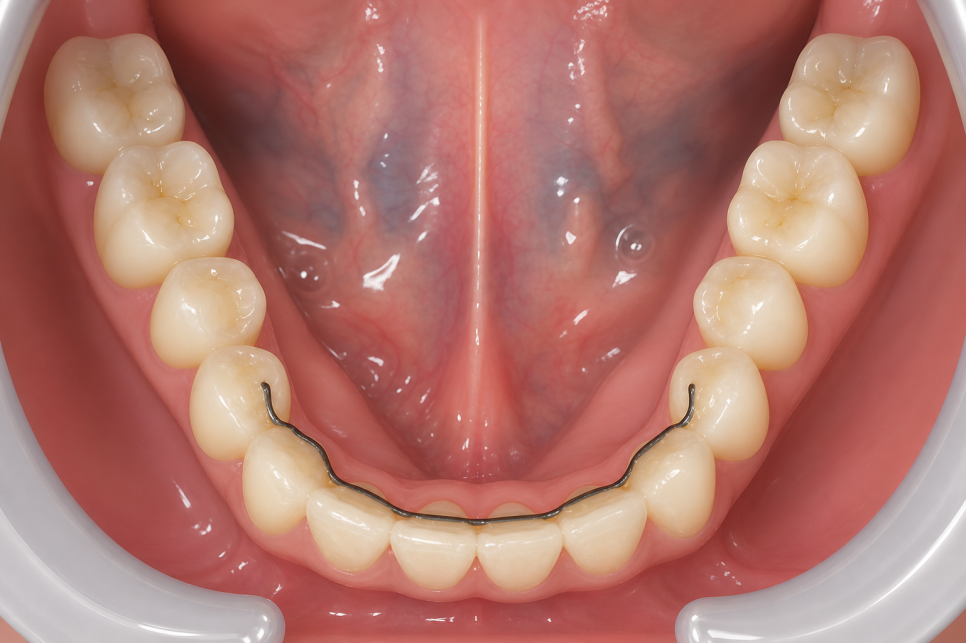
This image was staged for illustrative purposes.
④ Finishing and placement of retainers
After approximately 1 year and 8 months of treatment,
once the bite had stabilized, the brackets were removed.
Afterward, a fixed retainer and a clear retainer were worn together
to prevent the teeth from returning to their original positions,
with regular visits for retention maintenance.
Sinsa Station Orthodontic Clinic: What were the results of the open-bite treatment?
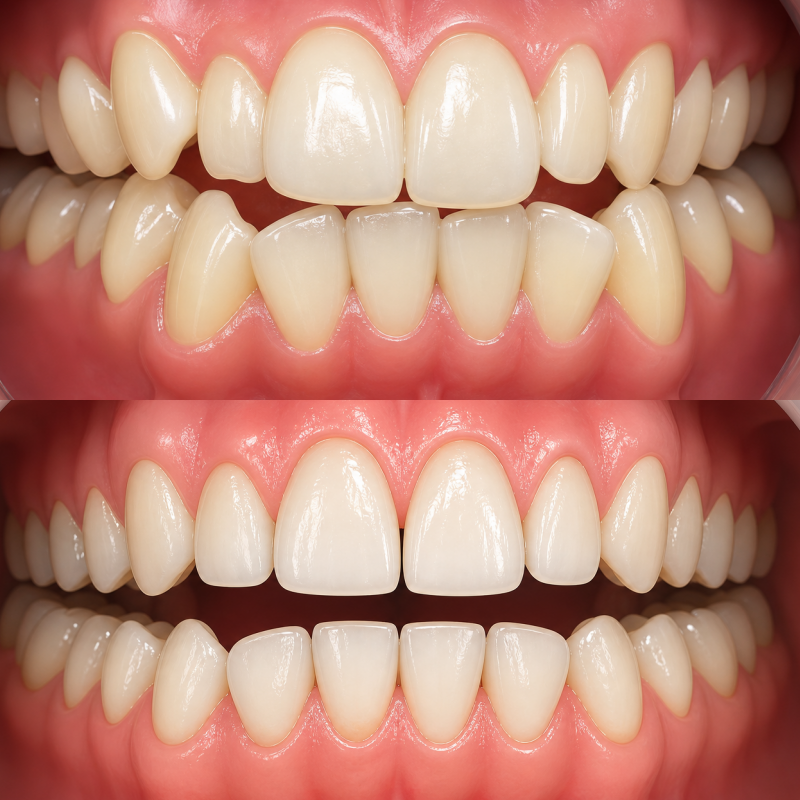
This image was staged for illustrative purposes.
The first change was in her profile.
The line of her upper lip, which had protruded forward, moved naturally inward,
and the silhouette of her lower jaw, which had appeared relatively short, also improved.
As a result, a much more balanced facial line was achieved from both the front and side.
The fact that her lips could close comfortably without effort
was another aspect that greatly satisfied the patient.
The second change was the recovery of chewing function.
As the open bite, in which the front teeth had not met, was corrected,
she could bite off food with her front teeth and chew more evenly.
The occlusal load that had been concentrated on certain molars was also distributed evenly across the entire dentition.
The patient’s honest impression was that eating had become much more comfortable.
The third change was that oral hygiene became easier to manage.
As the spaces between the teeth were organized and the dentition became straighter,
brushing could be performed more thoroughly,
and using dental floss and interdental brushes became easier.
The patient said that the areas that had been difficult to keep clean because of the malocclusion
were noticeably different after orthodontic treatment.
“I didn’t realize until after finishing orthodontic treatment
that eating could be this comfortable.
It’s nice that I look better,
but I found it even more surprising and satisfying
that my function improved first!”
If you are reading this and nodding, thinking, “I seem to have something similar,”
there is a good chance that your discomfort is not simply in your head.
A feeling that your front teeth do not meet or that force is concentrated on only one side when chewing
will not necessarily resolve on its own over time,
and may instead lead to tooth wear or temporomandibular joint problems.
At 스마일디치과의원, located in Sinsa Station, Gangnam,
an orthodontic specialist personally works with each patient from detailed diagnosis through completion of treatment,
and creates a customized orthodontic plan suited to each individual’s skeletal structure and dentition.
If you have been considering treatment for a long time,
we sincerely recommend starting with a consultation.
One small step may bring a long period of deliberation to an end.
Thank you for reading today.
< 스마일디치과의원 Location >
< More about 스마일디치과의원 >

※ This post is an informational post prepared by a medical institution in compliance with Articles 56 and 57 of the Medical Service Act and related medical legislation.
It was written based solely on informational content exempt from review of medical advertising.
The images are explanatory materials intended to aid understanding, and actual treatment is determined after consultation with medical professionals.