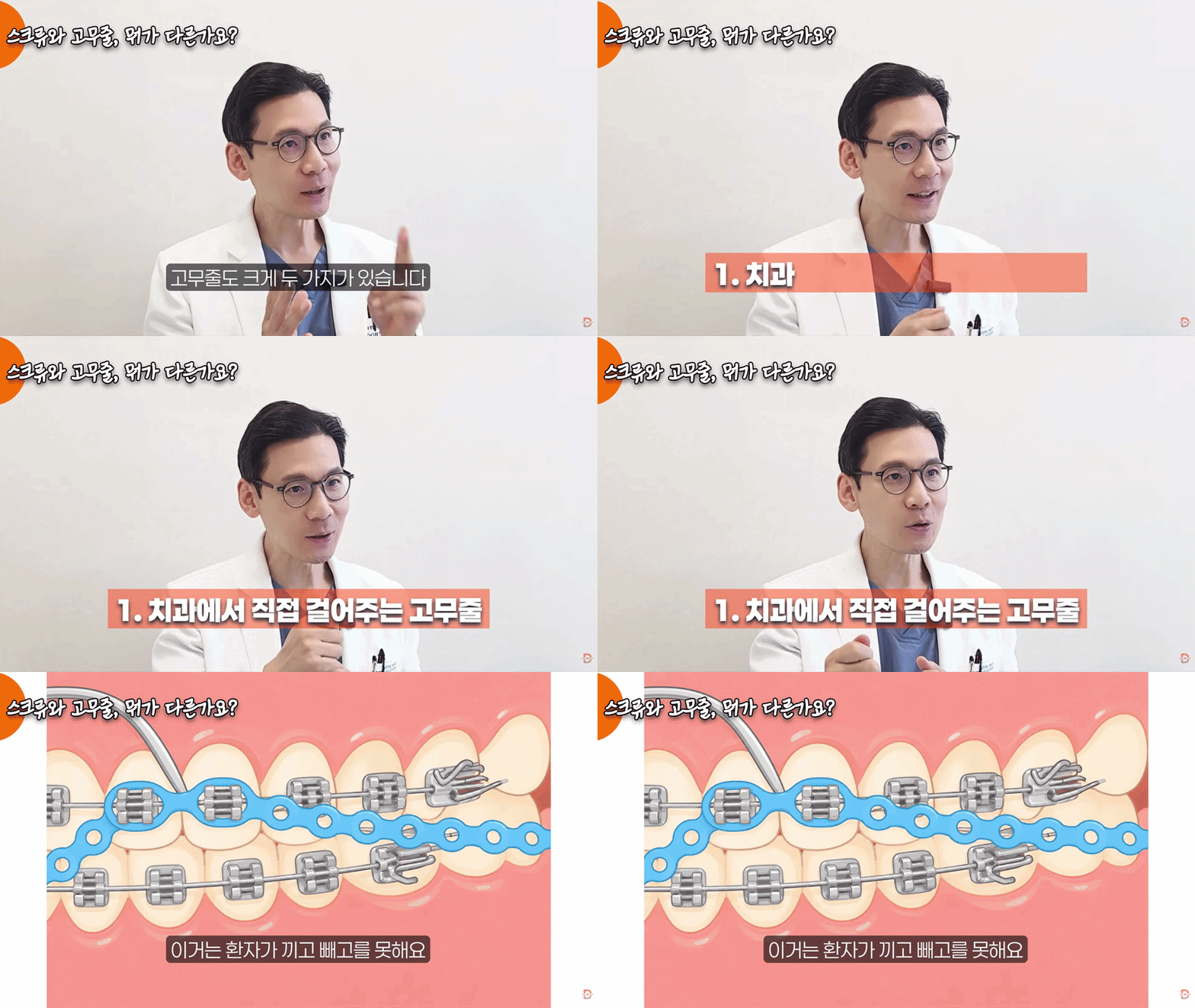
When your orthodontist suddenly hands you a small packet one day during orthodontic treatment and says,
> “From now on, you’ll need to wear elastics between your upper and lower teeth,”
most people feel confused.
> What effect could something this small possibly have...?
But did you know that this one small elastic can be a key factor affecting the duration of orthodontic treatment?
Today, we’ll summarize the essentials about the removable elastics that patients wear themselves: why orthodontic elastics are needed, how long they should be worn, why they cause pain, and how to manage it.
< Smile D Dental Clinic Location >
< Learn More About Smile D Dental Clinic >
| 📞 Smile D Dental Clinic |
|---|
| 0507-1449-2087 |
What Are Orthodontic Elastics?
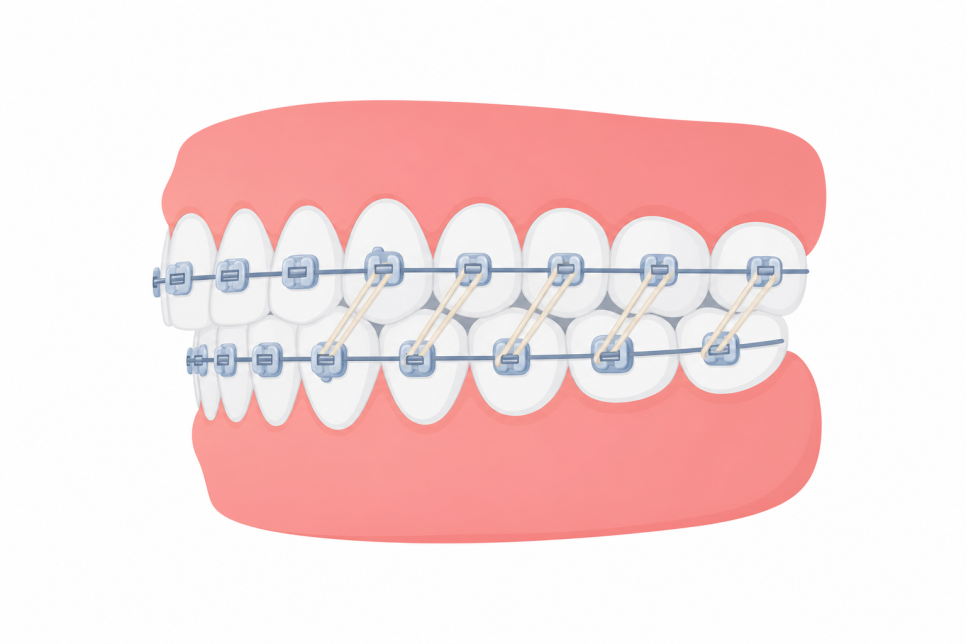
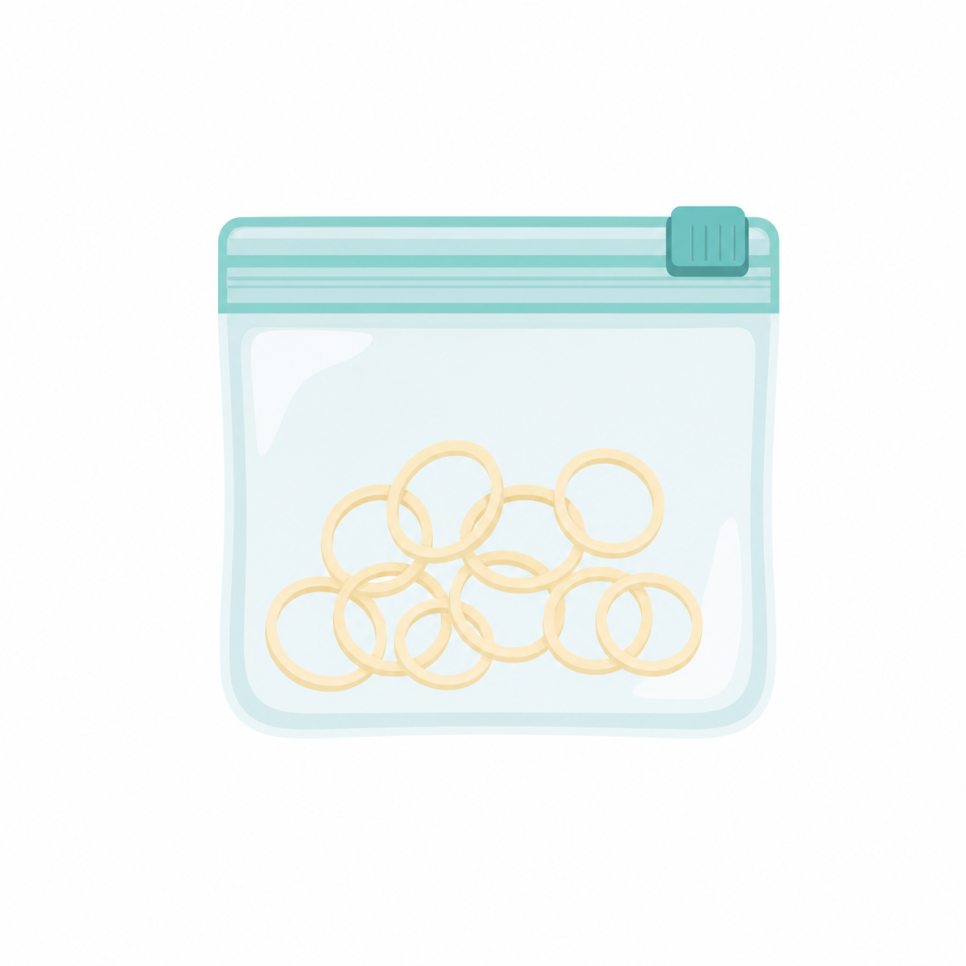
Orthodontic elastics are elastic materials attached between orthodontic appliances such as brackets or miniscrews to move teeth in the desired direction.
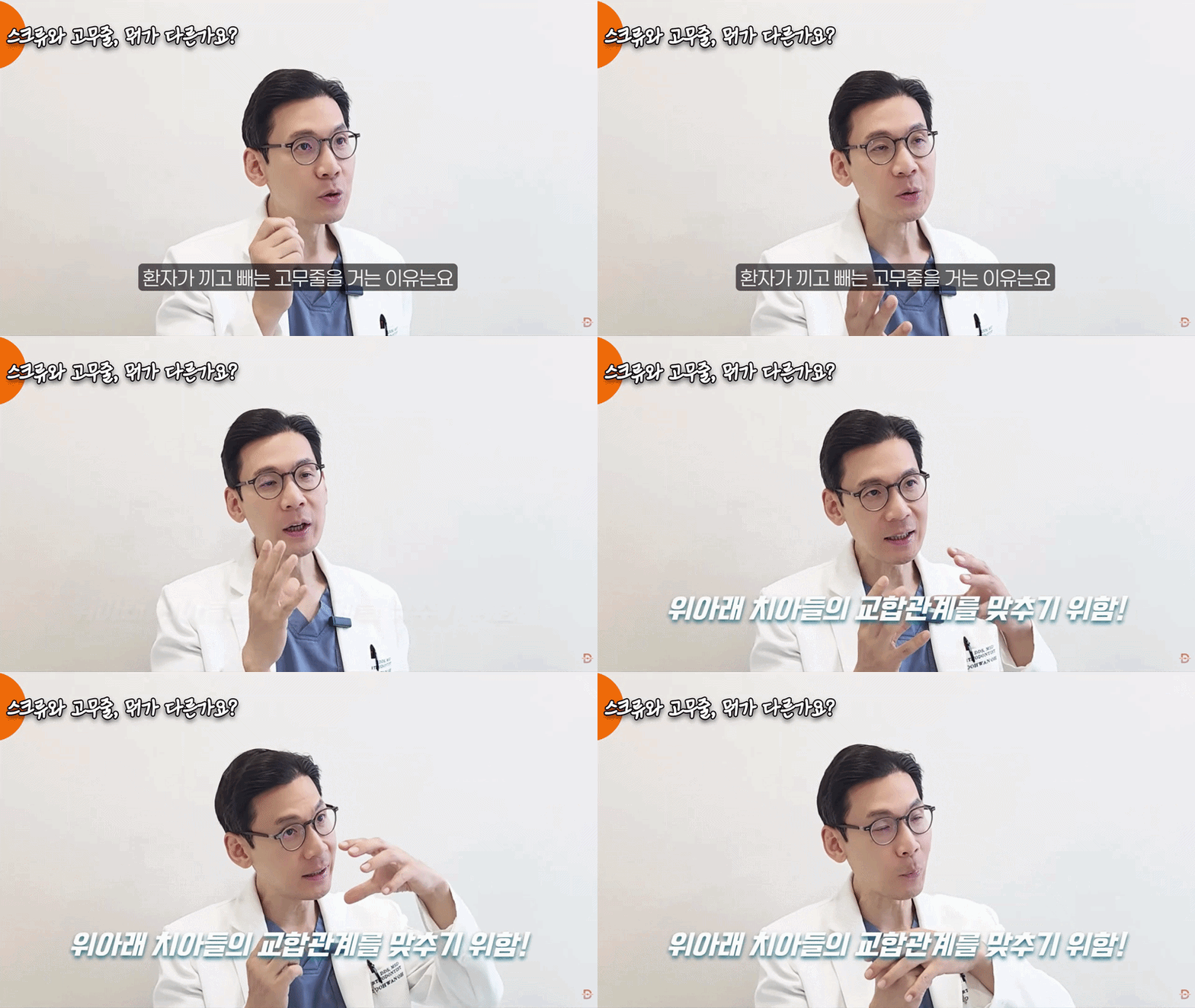
While wires align each tooth into position, elastics help the teeth in the upper and lower jaws fit together closely.
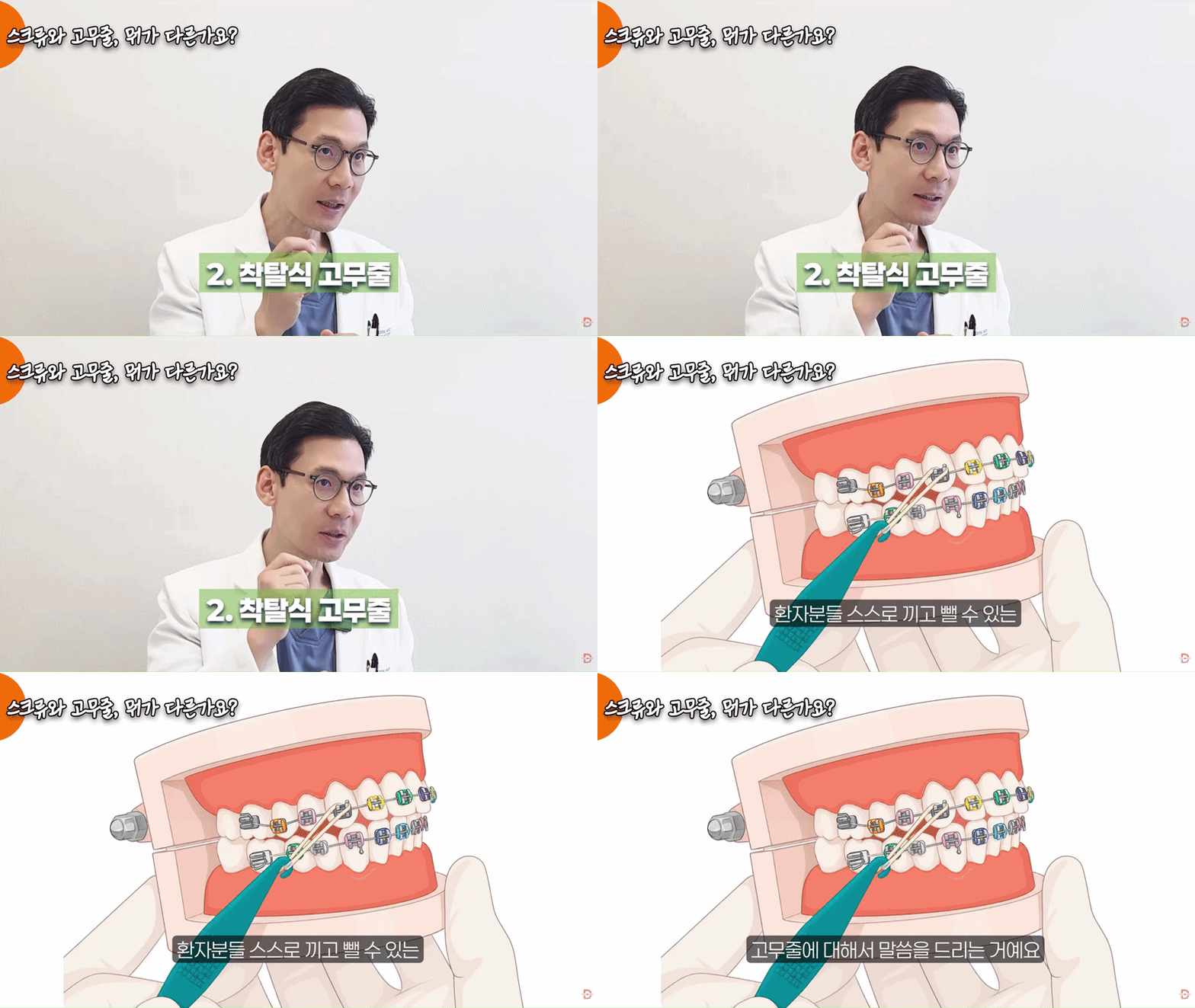
In other words, they supplement adjustments that are difficult to achieve with wires alone, such as fine tooth movement and improving the fit between the upper and lower dental arches.
Their most important characteristic is that patients must put them on and remove them themselves. Accordingly, the patient’s commitment directly affects the treatment result.

Why Do You Need to Wear Orthodontic Elastics? (Purpose of Wearing Them)
The effects of orthodontic elastics go beyond simply pulling the teeth. They are mainly used for the following purposes.
-
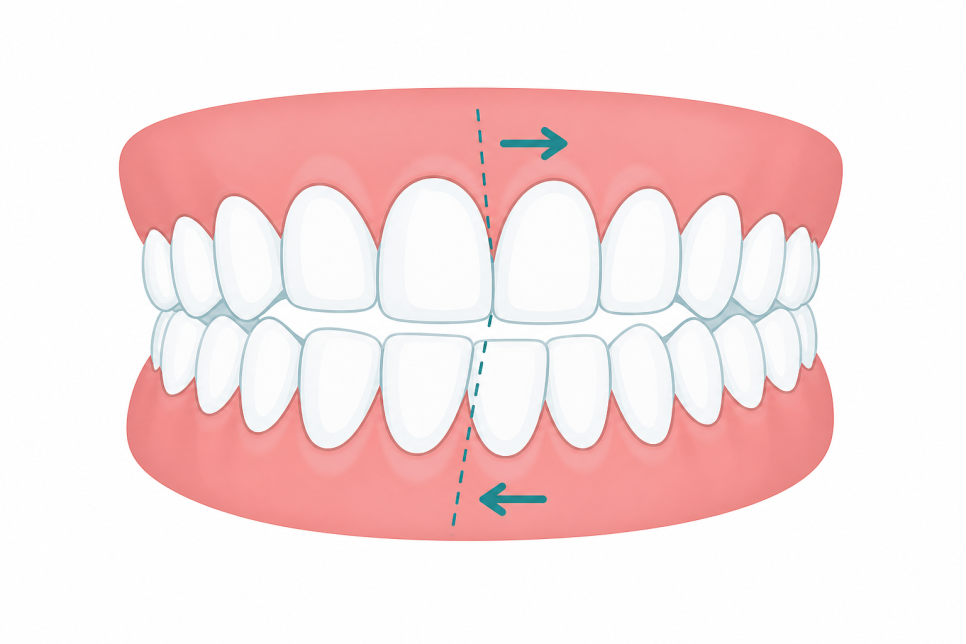
Aligning the dental midline (centerline):
When the centerlines of the upper and lower front teeth do not match, elastics pull them sideways to align them.
-
Improving the bite of the front teeth and molars:
When there is a tendency toward protruding teeth, a retruded lower jaw, or a prominent lower jaw, elastics correct the positional relationship between the upper and lower teeth.
-
Closing extraction spaces:
When orthodontic treatment involves tooth extraction, elastics provide additional force to help close the spaces efficiently.
-
Uprighting tilted molars and improving chewing efficiency:
Elastics upright molars that have tilted inward and bring gaps between the teeth closer together, improving chewing function.
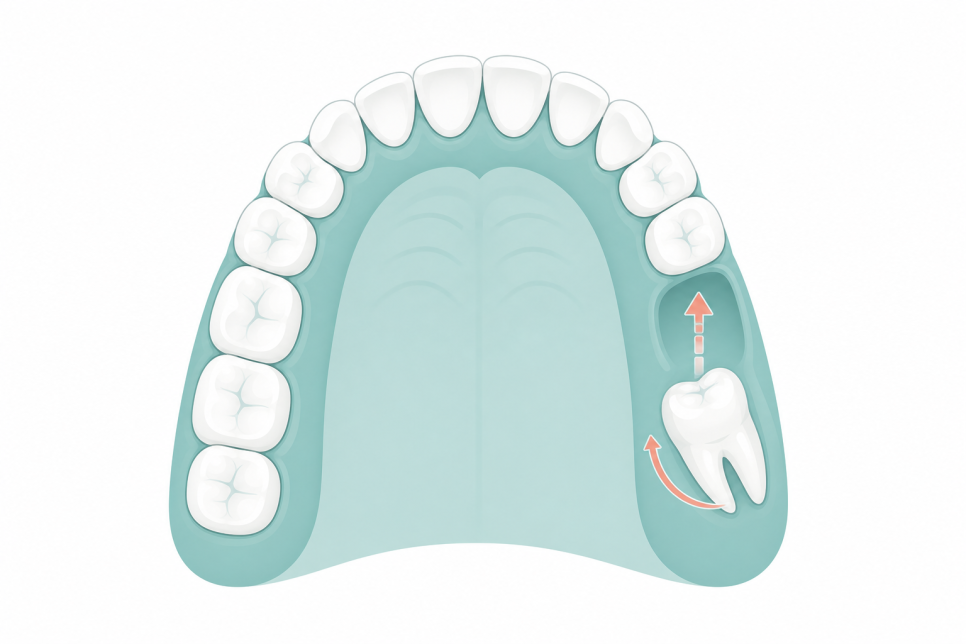
As these effects work together, the result goes beyond simply straightening the teeth and moves closer to a truly well-balanced bite in which the upper and lower teeth function harmoniously.
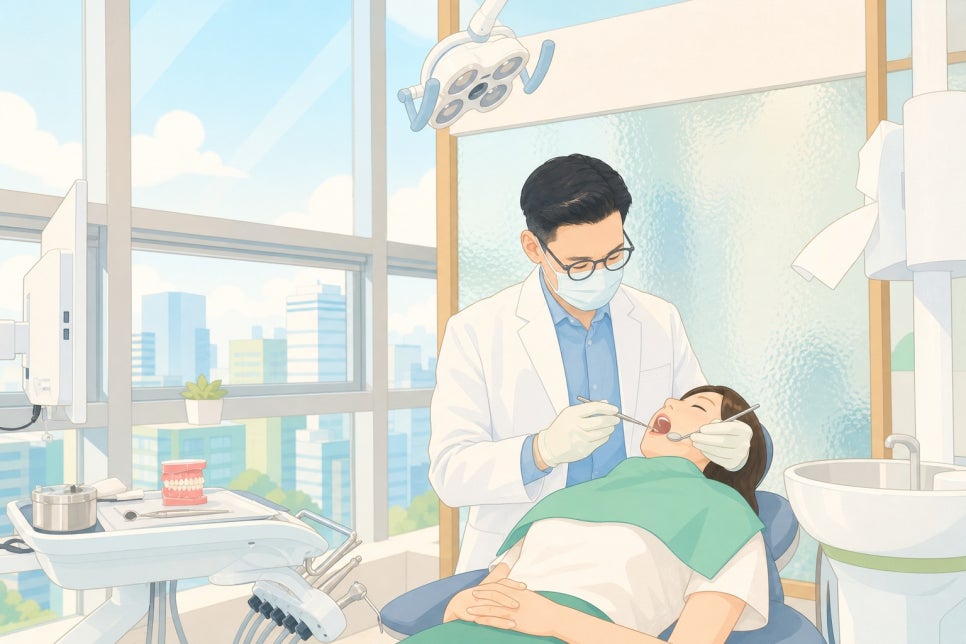
How Long Do You Need to Wear Orthodontic Elastics?
The average wearing period is often considered to be approximately 3 to 6 months.
However, this is not an absolute figure. It can vary considerably depending on the severity of the patient’s malocclusion and the number of hours the elastics are worn each day.
In general, elastics are often introduced after the middle stage of treatment or during the finishing stage.
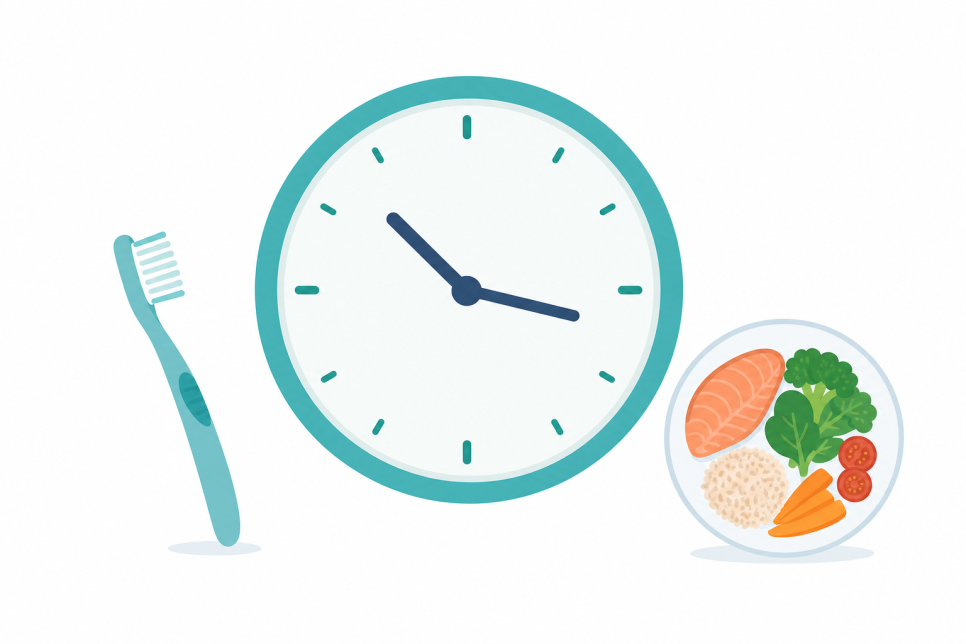
The problem arises when the recommended wearing time is not followed properly.
Teeth can move only when they receive continuous force. If elastics are worn intermittently only while sleeping, the teeth may tend to move back toward their original positions during the day, extending the elastic-wearing period to more than a year in some cases.
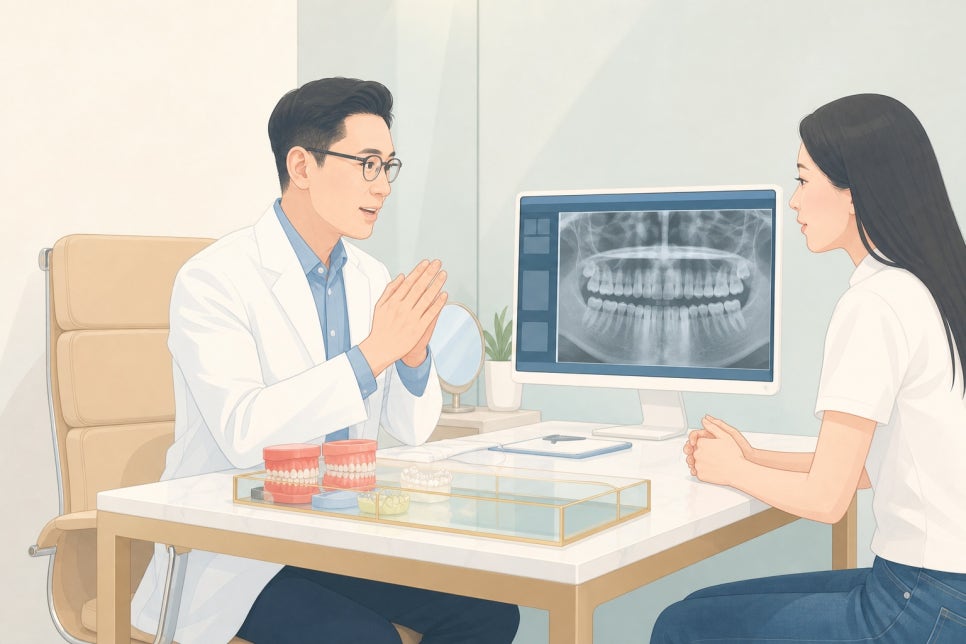
Conversely, following the instructions carefully may allow you to move on to the next stage sooner than expected.
Ultimately, how diligently you wear the elastics is the biggest factor determining the overall duration of orthodontic treatment.
★ Wearing Time Guide
The generally recommended wearing time is at least 20 to 22 hours per day.
Except when eating and brushing your teeth, you should keep them in at all times.
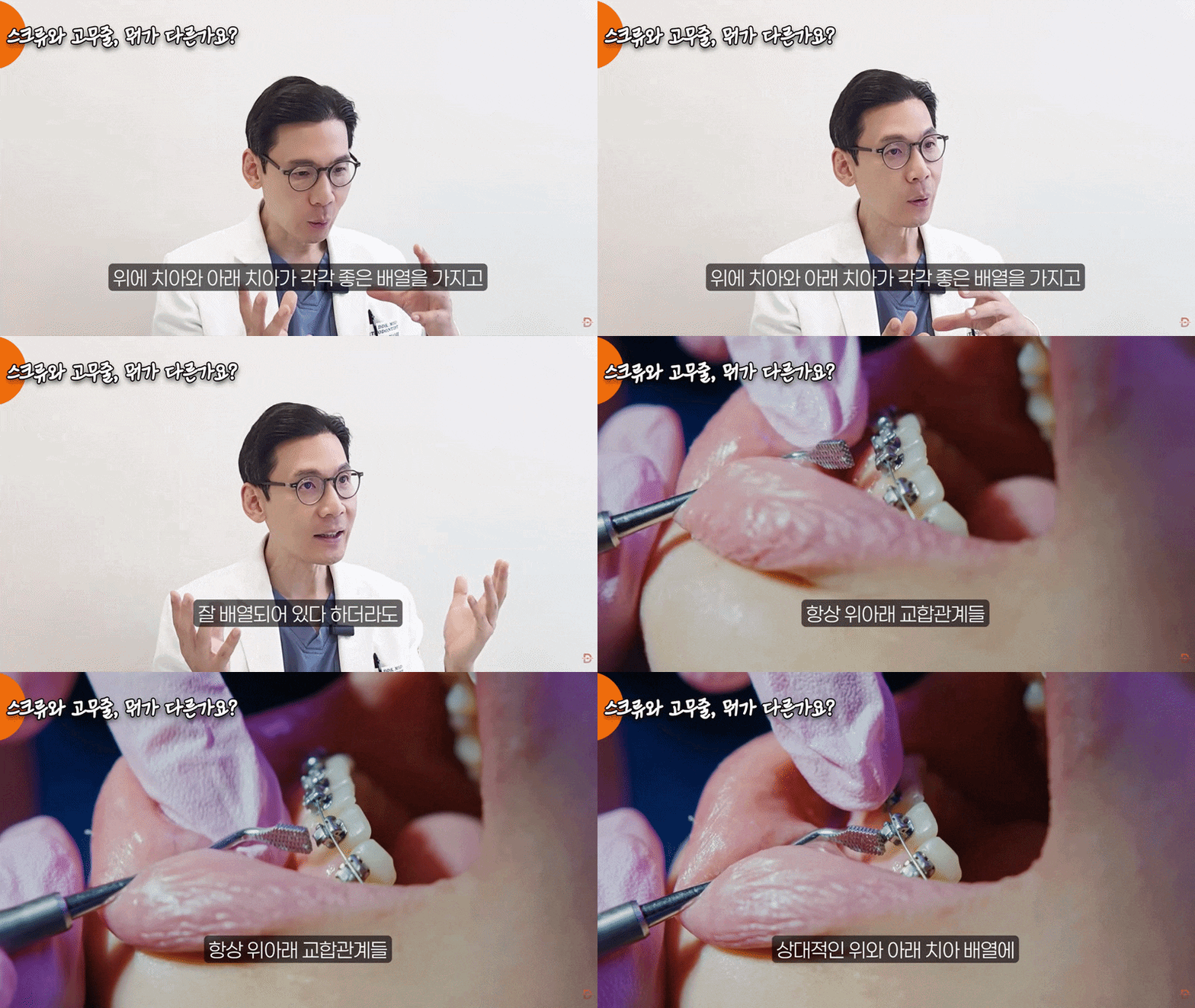
Elastics also lose their elasticity rapidly over time, so it is advisable to replace them with new ones once or twice a day.
Why Do Orthodontic Elastics Cause Pain, and How Long Does It Last?
It is natural to feel a throbbing or aching pain when you first put on elastics or replace them with a stronger type.
This is a normal response caused by the new elastics applying continuous pressure to the tissues around the teeth.
The pain is usually most noticeable on the second or third day after starting to wear them. It then tends to gradually subside as the fine nerves adapt to the stimulation.
[How to Manage the Pain]
If the pain interferes with your daily activities or sleep, taking a pain reliever such as Tylenol may help.
Drinking cold water or holding ice in your mouth may temporarily constrict the blood vessels and slightly relieve the feeling of pressure.
[What You Should Never Do]
Do not remove the elastics on your own simply because they hurt.
Although this may make you feel more comfortable temporarily, you will have to experience the same pain all over again when you put them back on.
This only prolongs the painful period. Even if they feel somewhat uncomfortable, wearing them consistently is the fastest way to bring the pain to an end.
Important Precautions When Wearing Orthodontic Elastics
-
Attach them accurately in the prescribed position:
Remember the locations indicated by your dental professionals and do not change them on your own.
-
Replace them with new ones once a day:
Continuing to use elastics that have lost their elasticity reduces their effectiveness.
-
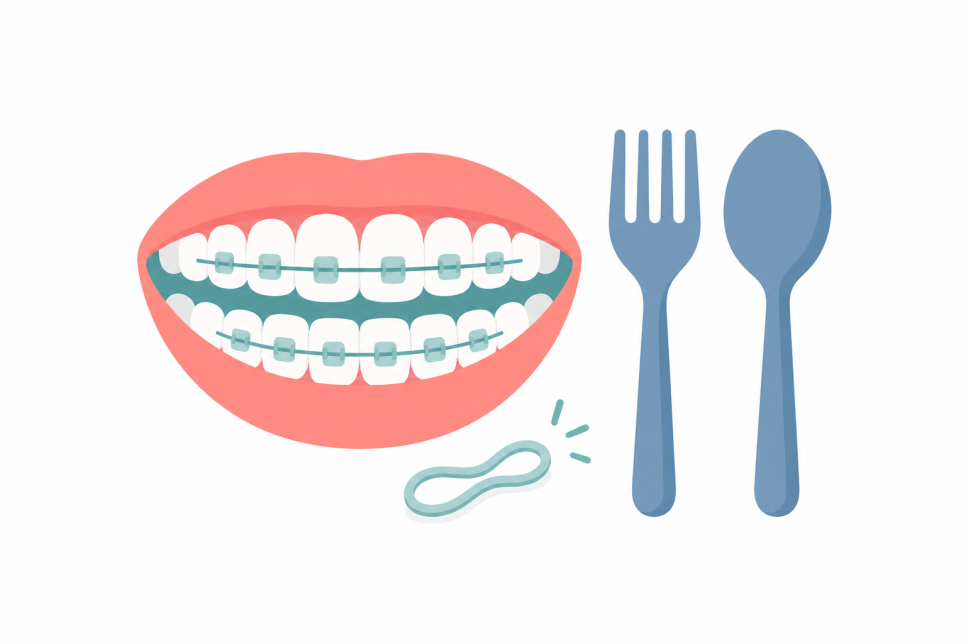
Always remove them when eating:
The elastics may break and be swallowed with food, and they can also interfere with chewing. After eating and brushing your teeth, replace them with new ones.
-
Do not double them up if you forgot to wear them:
Excessive force may increase the risk of shortened tooth roots or damage to the periodontal tissues. The basic rule is to attach one elastic accurately as usual.
-
Always carry spare elastics:
Take spare elastics with you when going out so that you can replace them immediately if they break or are lost.
Closing This Complete Guide to Orthodontic Elastics
Orthodontic elastics may look small and insignificant, but even if a dentist attaches the brackets with great precision, the upper and lower bite cannot be completed if the patient neglects to wear the elastics.
In other words, the most reliable way to shorten the overall orthodontic treatment period is none other than maintaining a consistent wearing habit.
At first, it may be difficult to put them on without a mirror, and the pain may feel unfamiliar, but you will quickly get used to them after a few days.
If you experience any discomfort or have questions, do not hesitate to contact your dental clinic at any time.
< Smile D Dental Clinic Location >
< Learn More About Smile D Dental Clinic >
| 📞 Smile D Dental Clinic |
|---|
| 0507-1449-2087 |

※ This post was prepared in compliance with applicable laws and regulations, including Articles 56 and 57 of the Medical Service Act.
It is intended to provide general medical information exempt from review of medical advertising and does not guarantee the effects of any specific procedure or treatment, nor does it replace a medical diagnosis.
The images and materials used in this post are examples intended to aid understanding. Actual diagnosis and treatment are determined through consultation and examination by medical professionals.
Treatment methods, prognosis, and treatment effects may vary depending on each individual’s health condition and the characteristics of their condition, and there is also a possibility of side effects.