Sometimes, the shape of your front teeth may subtly bother you whenever you look in the mirror.
They may stand out particularly when you smile,
or your teeth may look slightly uneven even though they are not severely misaligned.

In such cases, many people consider two treatment options—laminates and orthodontic treatment—and wonder which one to choose.
Orthodontic treatment can be burdensome because of the visibility of the appliances and the treatment period,
while laminates may cause hesitation because they involve removing some tooth structure.
However, the two treatments work on fundamentally different principles, so understanding them accurately can help you decide which approach may be more suitable for your condition.
Looking into these points first while searching for Seoul dental clinic recommendations may also make your consultation easier.
< 스마일디치과의원 위치 >
< 스마일디치과의원 더보기 >
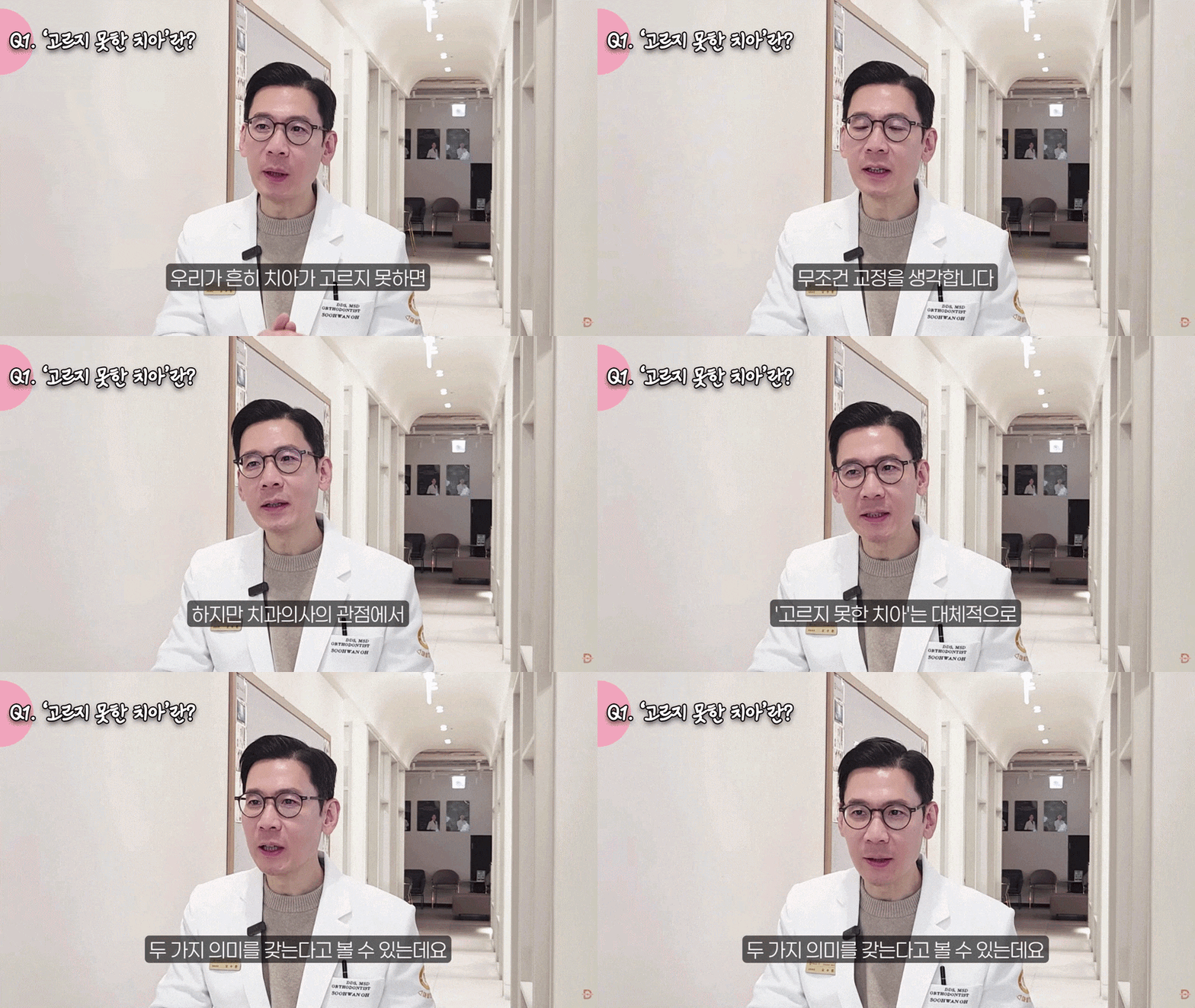
How Are Laminates and Orthodontic Treatment Different?
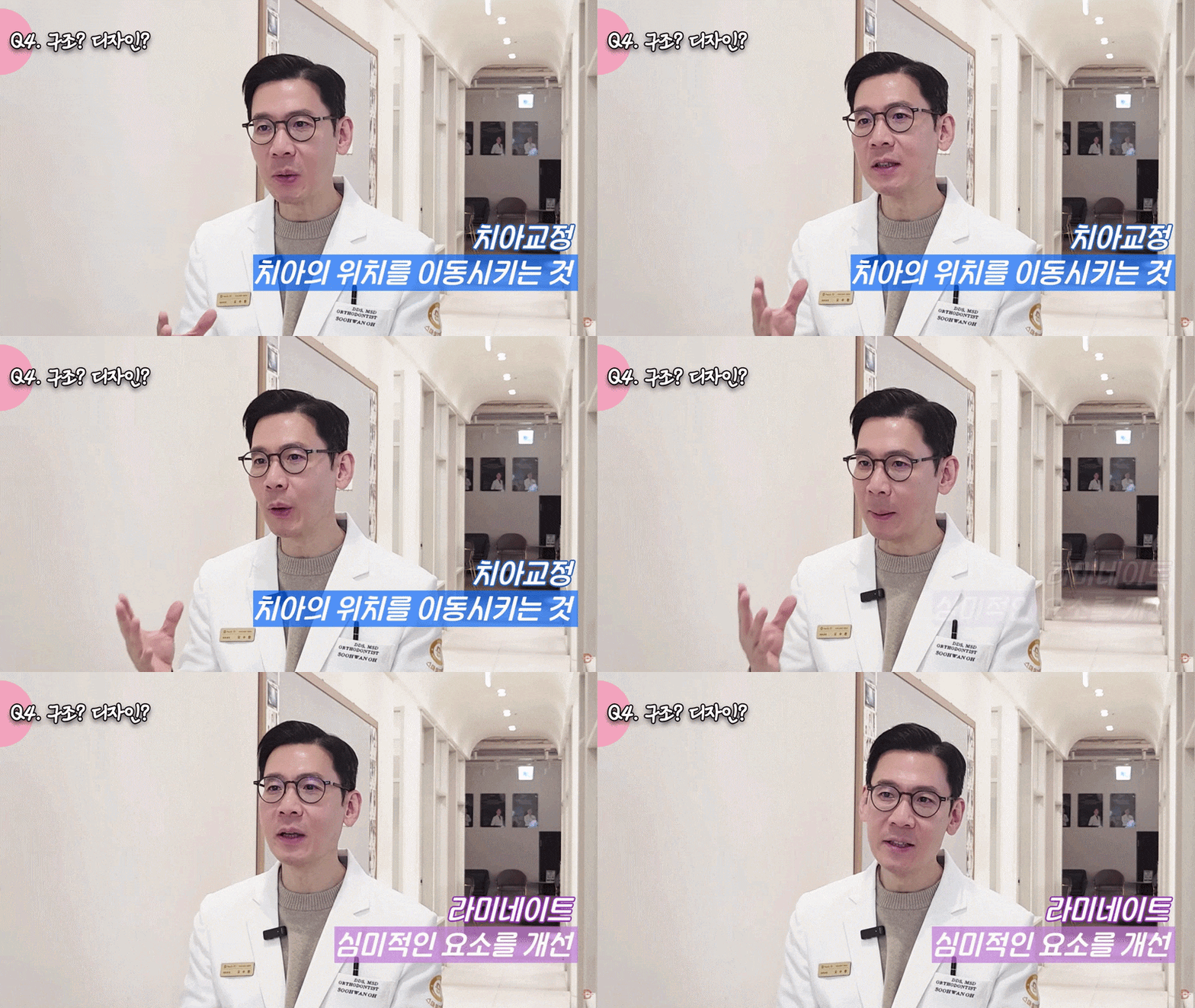
Orthodontic treatment physically moves the teeth to correct their alignment and bite.
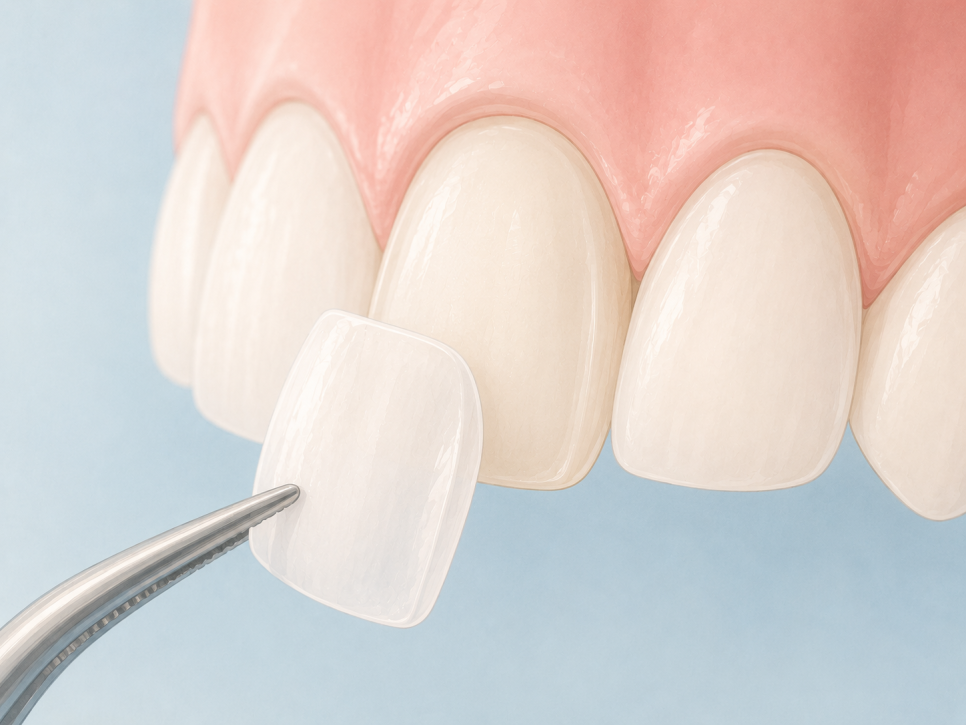
In contrast, laminates are closer to a cosmetic treatment in which the tooth surface is shaped before thin restorations are attached to improve the teeth’s shape, size, and color.
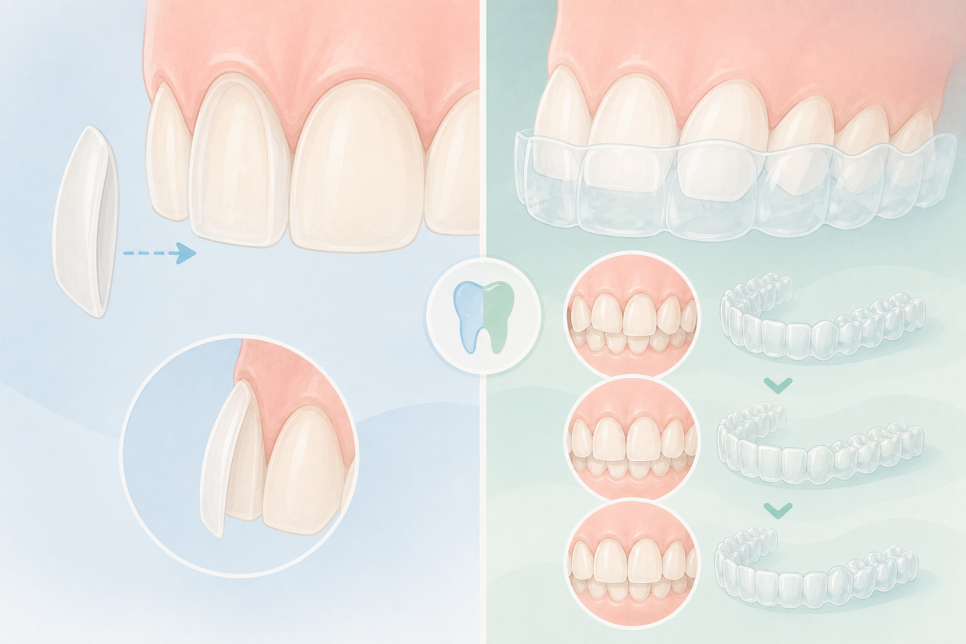
Although both treatments give the teeth a more orderly appearance, the way they address the issue is different.
Therefore, the appropriate treatment approach may vary depending on the cause of protruding or unevenly aligned front teeth.
When the teeth themselves need to be moved,
orthodontic treatment may be a fundamental approach,
while laminates may be considered when the misalignment is mild and the teeth look uneven because of differences in their shape or size.
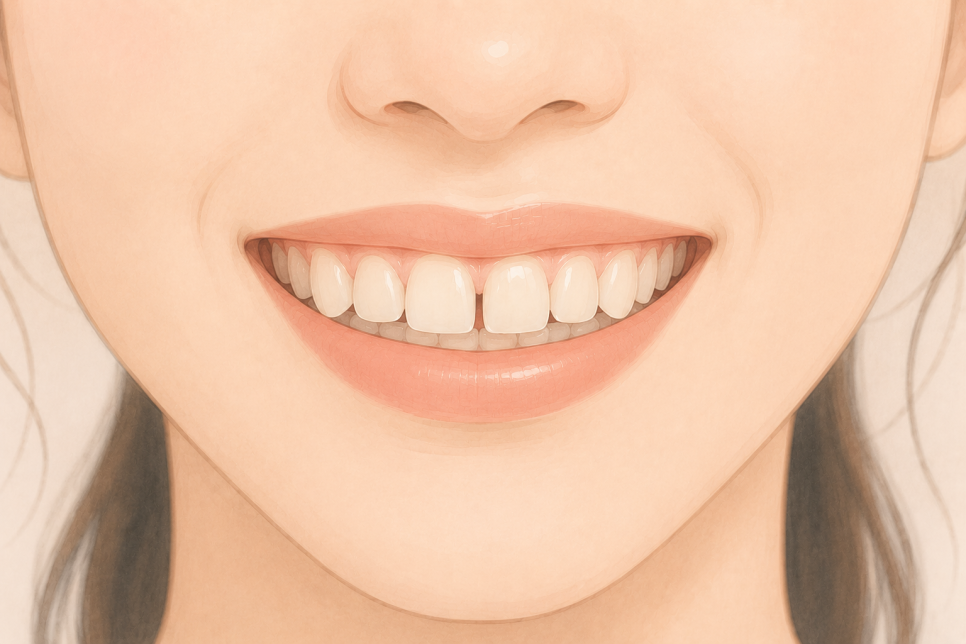
If the teeth are not severely misaligned and you are only slightly concerned about your front teeth when smiling,
laminates may be considered.
However, an accurate decision requires checking the degree of protrusion and the bite together.
Can a Laminate Be Reattached If It Breaks?
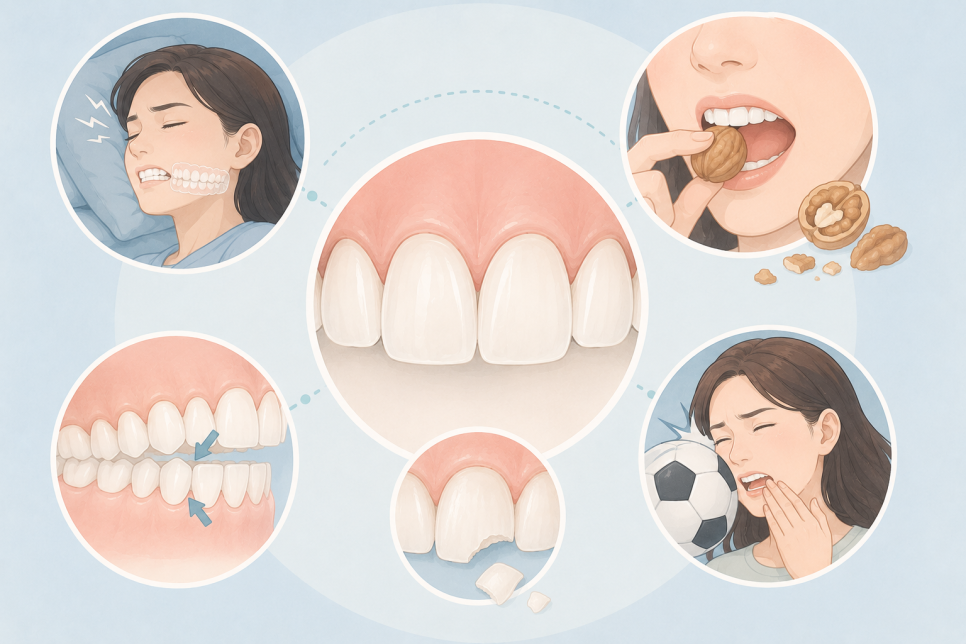
After laminate treatment, a laminate may break or partially come off over time.
Because the front teeth are used frequently and thin ceramic materials are used, damage may occur due to strong impact, teeth grinding, or hard foods.
Whether a broken laminate can be reattached depends on its current condition.
In particular, if it has broken into several pieces, if there is a crack inside the ceramic, or if the bonding surface or the tooth itself has been damaged, remaking it may be recommended instead of reattachment.
Additional removal of tooth structure may be necessary during reattachment or remaking, but in recent years, these procedures are often performed as minimally as possible within the appropriate limits.
However, because part of the tooth surface has already been shaped during the initial procedure, repeated retreatment may place a burden on the teeth, which should also be taken into consideration.
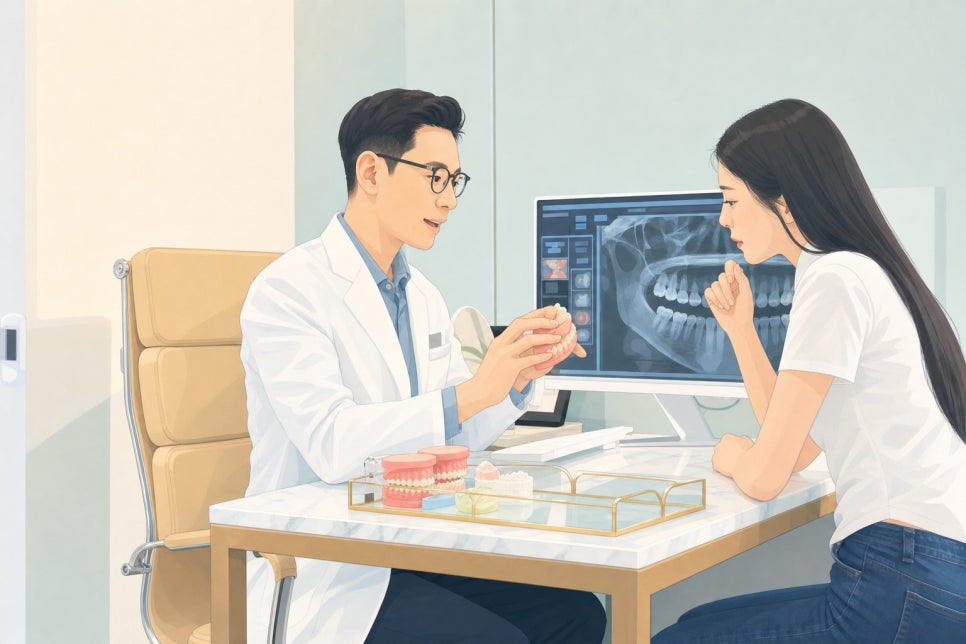
How to Use Laminates for a Long Time
Laminates are a cosmetic treatment that can naturally improve the color and shape of the teeth, but care after the procedure and daily habits are important for stable, long-term use.
If you have habits such as biting hard foods with your front teeth, opening packaging with your teeth, clenching your teeth, or grinding your teeth, these may place stress on the laminates and require caution.
Laminates are not simply a treatment involving the attachment of thin restorations.
The condition of the teeth, the bite, the gum line, and harmony with the face must all be considered together.
Therefore, during a consultation, it is advisable to receive a diagnosis at a dental clinic that carefully checks tooth wear and alignment, how the upper and lower teeth meet, and your usual daily habits.
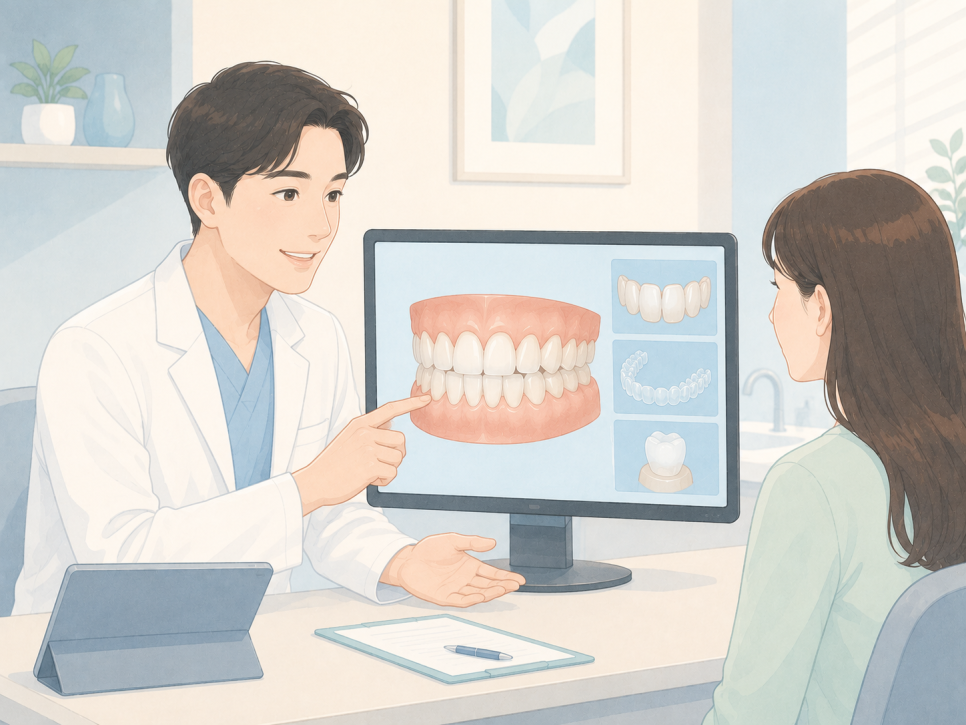
If necessary, receiving guidance on bite adjustment or a protective appliance for teeth grinding may help maintain the laminates more stably.
Confirm whether the method is suitable for you through a thorough consultation before the procedure, and continue with regular checkups afterward to help maintain the cosmetic appearance and function of the laminates for longer.

What to Check Before Treatment
Whether you choose laminates or orthodontic treatment, several points need to be checked before deciding on treatment.
The alignment of the teeth, the degree of protrusion, the bite relationship, and the condition of the tooth surfaces must be examined comprehensively to determine the appropriate treatment approach accurately.
Even when symptoms appear similar, their causes may differ from person to person.
Therefore, the more suitable option between laminates and orthodontic treatment may vary depending on the extent of tooth damage, alignment, and bite condition.
If you are considering laminates,
it is also advisable to check the materials used, their thickness, and the bonding method.
It may be helpful to hear detailed explanations about these points during the consultation before making a decision.
Why Consultation Matters When Looking for Seoul Dental Clinic Recommendations
When researching laminates, you may find that many clinics offer the procedure,
which can make it difficult to know where to seek a consultation.
Rather than making a decision based solely on cost,
it is important to receive a sufficient explanation of your dental condition and the available treatment methods,
and to confirm which approach is suitable for you.
The same applies when looking for Seoul dental clinic recommendations.
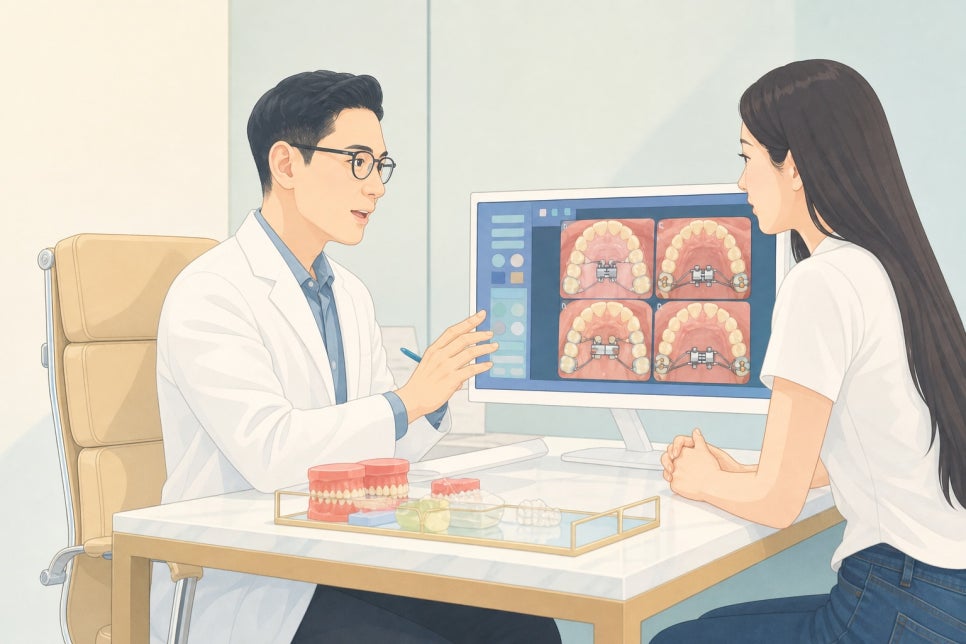
We recommend first confirming your current dental condition and the possible scope of treatment through a consultation.
In Closing
If you are concerned about the appearance of your front teeth,
we recommend identifying the cause through an accurate examination rather than making a decision on your own.
After a thorough consultation before treatment, please confirm your current condition and the available treatment options before making a decision.
Thank you for reading. This was 스마일디치과의원.

< 스마일디치과의원 위치 >
< 스마일디치과의원 더보기 >
※ This post is informational content prepared in compliance with applicable laws and regulations, including Articles 56 and 57 of the Medical Service Act.
It was prepared to provide general medical information that is exempt from review of medical advertising, and does not guarantee the effects of any specific procedure or treatment or replace a medical diagnosis.
The images and materials used in this post are examples intended to aid understanding.
Actual diagnosis and treatment are determined through consultation and examination by medical professionals.
Depending on each individual’s health condition and the characteristics of their condition,
treatment methods, prognosis, and treatment outcomes may vary,
and there is also a possibility of side effects.