If the edge of a front tooth becomes slightly chipped while eating hard food,
or a tooth restored after orthodontic treatment becomes yellow again over time,
it is easy to initially think, “I can probably just have it filled.”
However, when you visit a dental clinic and begin wondering
which treatment is more suitable—resin or veneers—
concerns about tooth reduction, discoloration, and how long the treatment will last often arise as well.
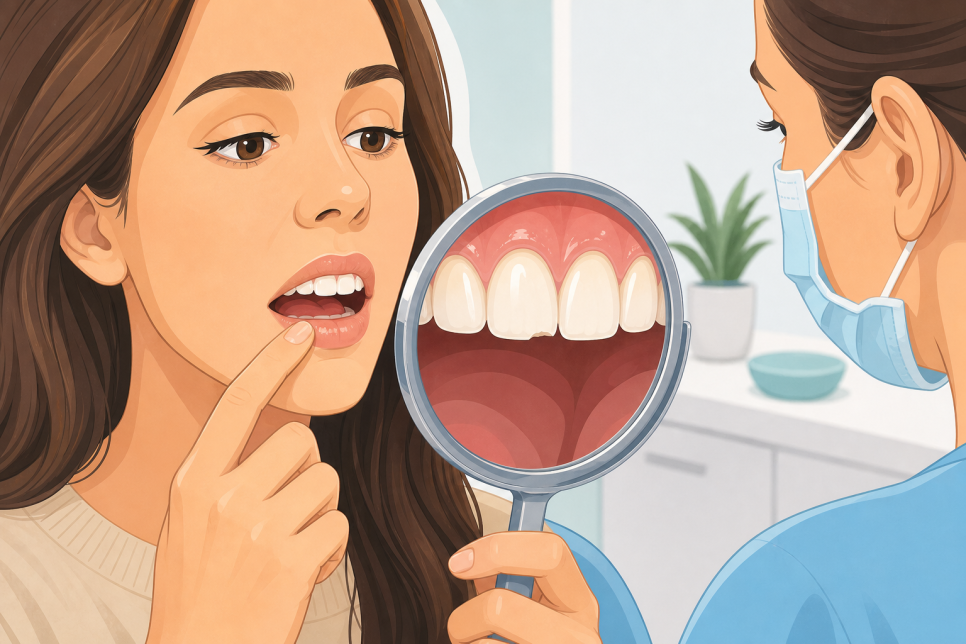
Areas that are especially visible, such as the front teeth, can make it difficult to choose between aesthetics and preserving the teeth.
Even among people looking for a dental clinic near Nonhyeon Station,
it is common to see those who hesitate to schedule a consultation because of these concerns.
Why Do Damage or Discoloration of the Front Teeth Become a Concern?
When the edge of a front tooth is slightly chipped or a restored area turns yellow,
it is easy to leave it untreated because it often does not cause significant pain.
However, when people start looking into treatment,
they often become confused about which method to choose between resin and veneers.
Because the front teeth affect not only pronunciation and chewing function
but also appearance,
it can be difficult to determine whether simply filling the chipped area is enough,
or whether treatment to improve the overall alignment or color should also be considered.
In such cases, it may be necessary to first distinguish the current extent of the damage from the purpose of treatment.
< Smile D Dental Clinic Location >
< View More from Smile D Dental Clinic >
| 📞 Smile D Dental Clinic |
|---|
| 0507-1449-2087 |
Why It Is Difficult to Treat the Issue as a Simple Problem
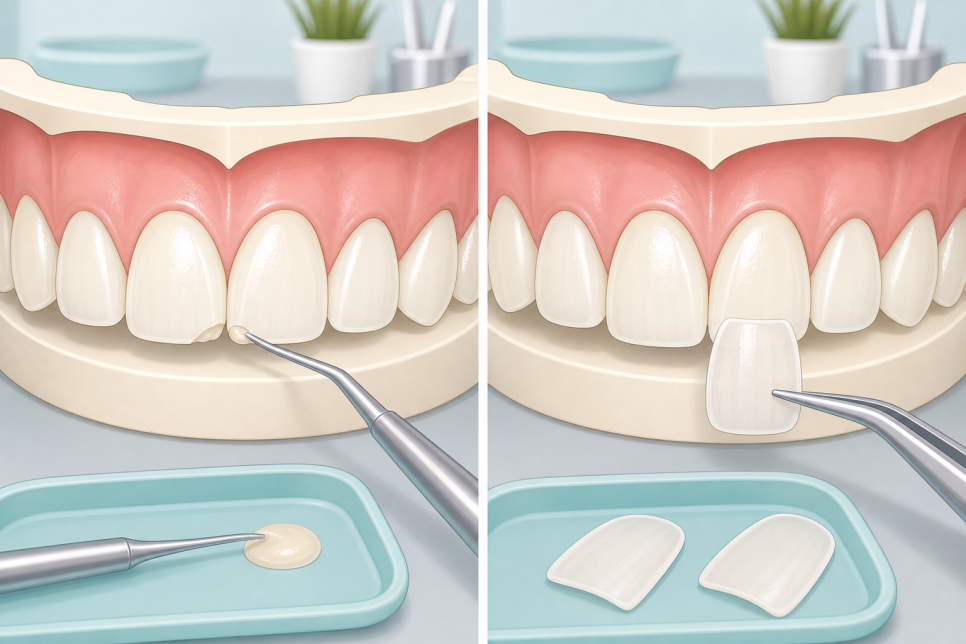
If only the edge of a front tooth is slightly chipped, natural restoration may often be possible with resin treatment alone.
Resin is generally considered first because it can minimize tooth reduction.
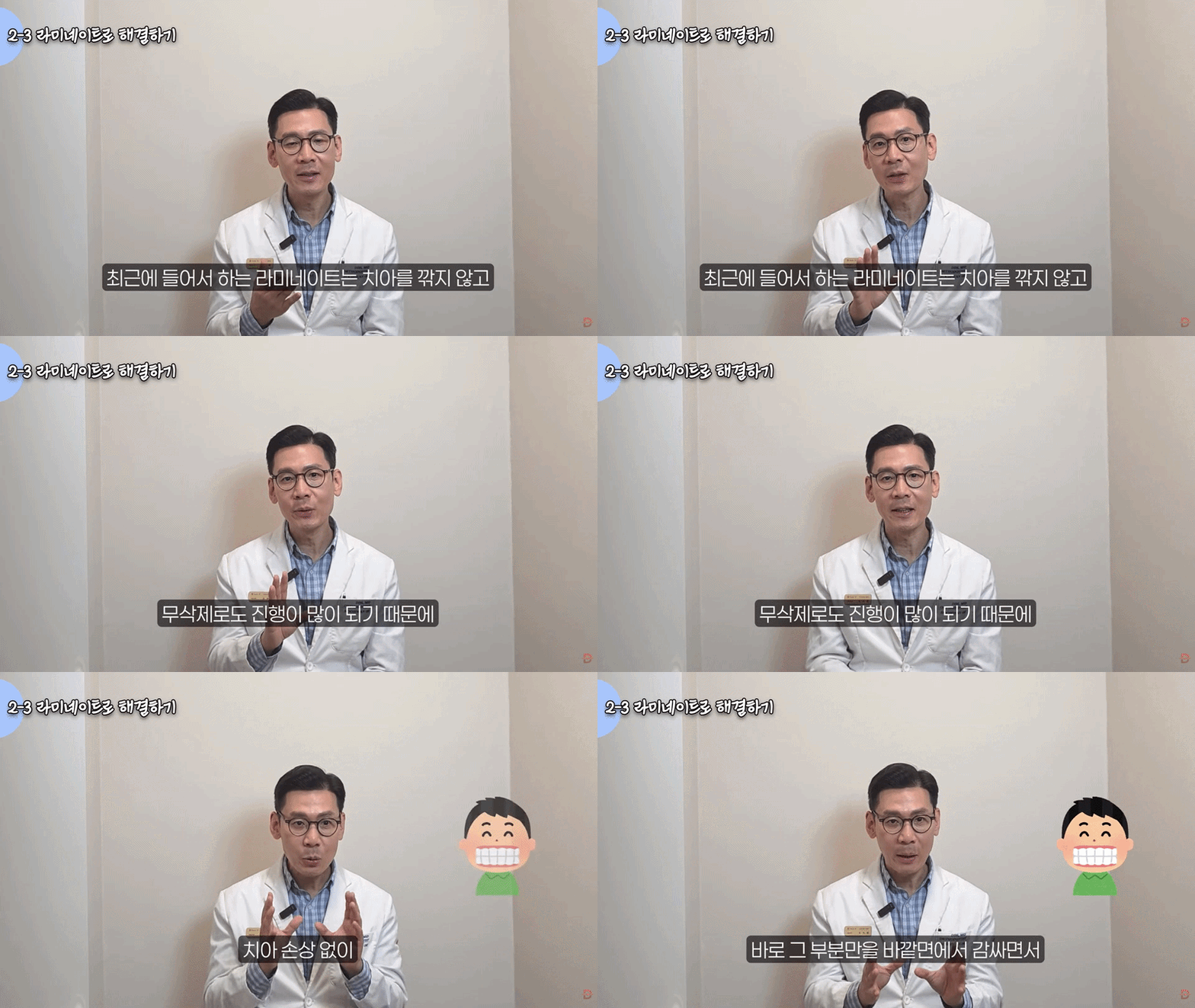
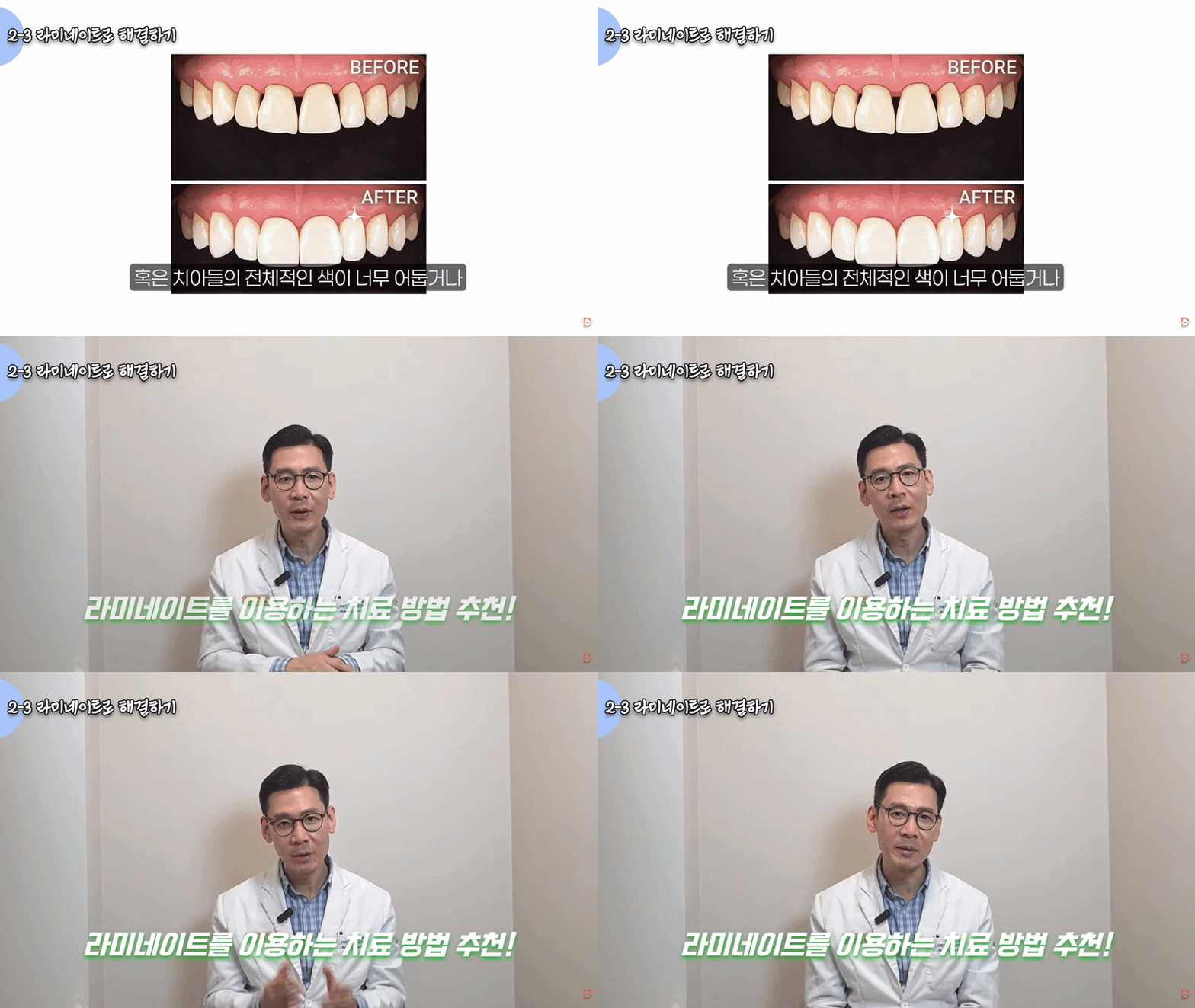
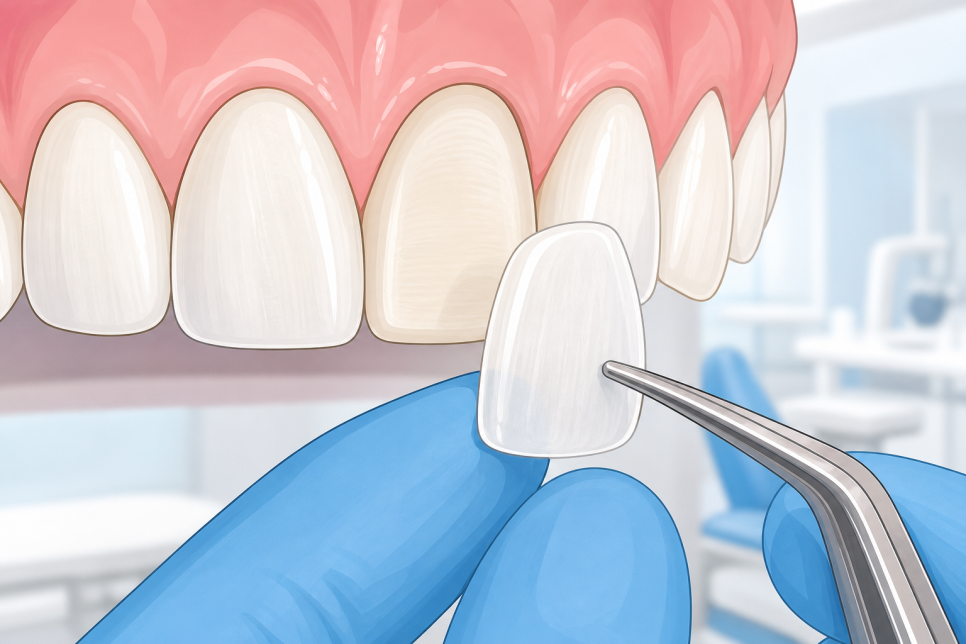
On the other hand, veneers are a treatment in which the entire front surface of the tooth is reduced by a certain thickness
before a thin restoration is bonded to it.
Although veneers can improve aesthetics,
there may be concerns about the amount of tooth reduction when they are applied to a tooth with only a small chip.

In addition, a tooth that was restored with resin after becoming discolored following orthodontic treatment may appear yellow again.
This may be related to the surface characteristics specific to resin,
so the cause needs to be examined separately.
Causes That Should Be Evaluated from a Dental Perspective
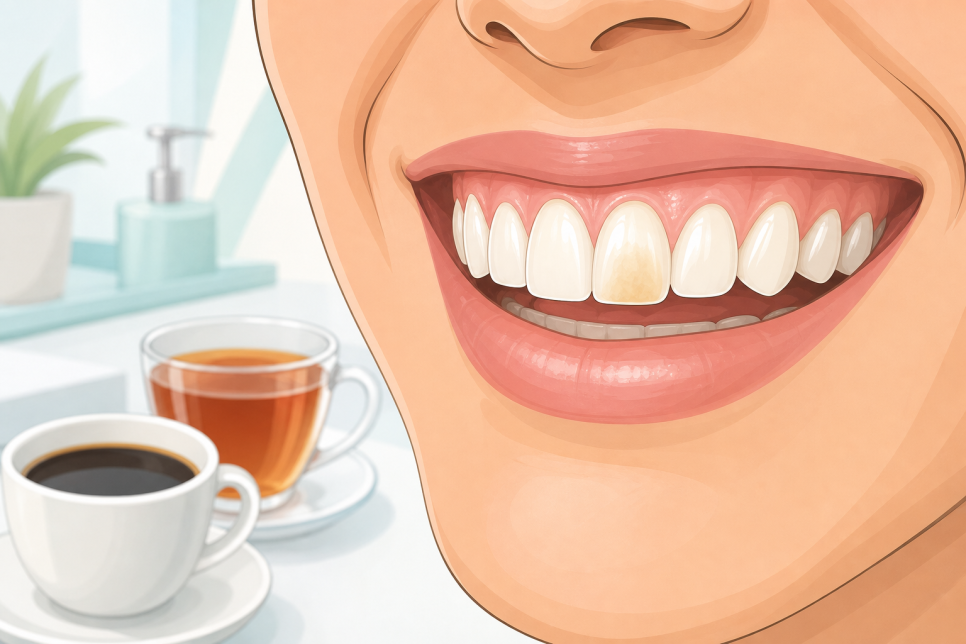
A resin-restored area may become discolored again
because microscopic pores can exist on the resin surface,
allowing pigments from foods or beverages such as coffee and black tea
to cause staining relatively quickly with frequent exposure.
In some cases, resin may respond more sensitively to staining than natural teeth.
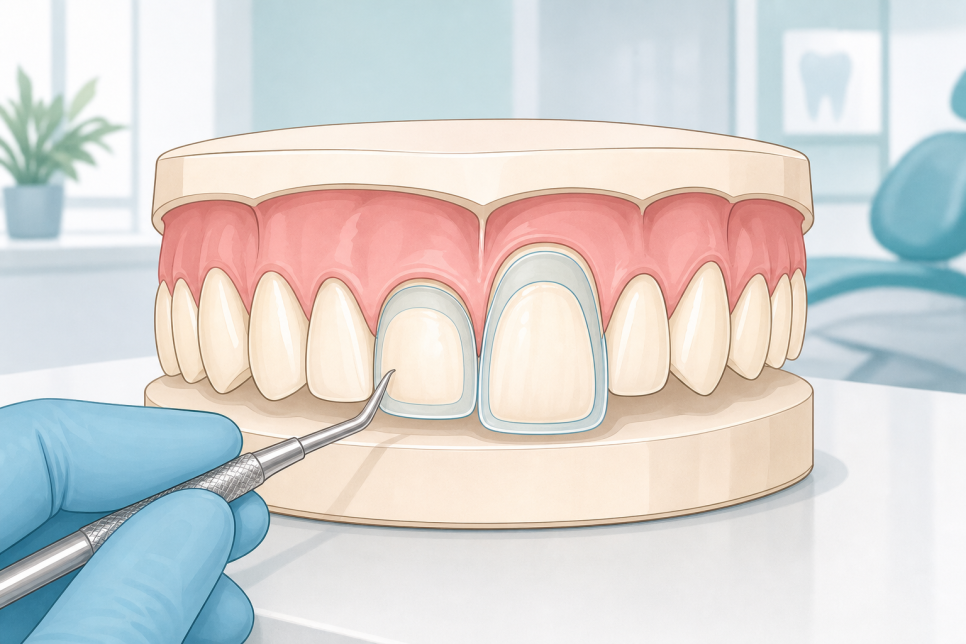
The area reduced during veneer treatment
is the enamel, the hard outermost layer of the tooth.
The amount of reduction may vary depending on the alignment of the teeth.
A tooth positioned toward the inside may require less reduction,
while a tooth protruding outward may require a relatively larger amount of reduction.
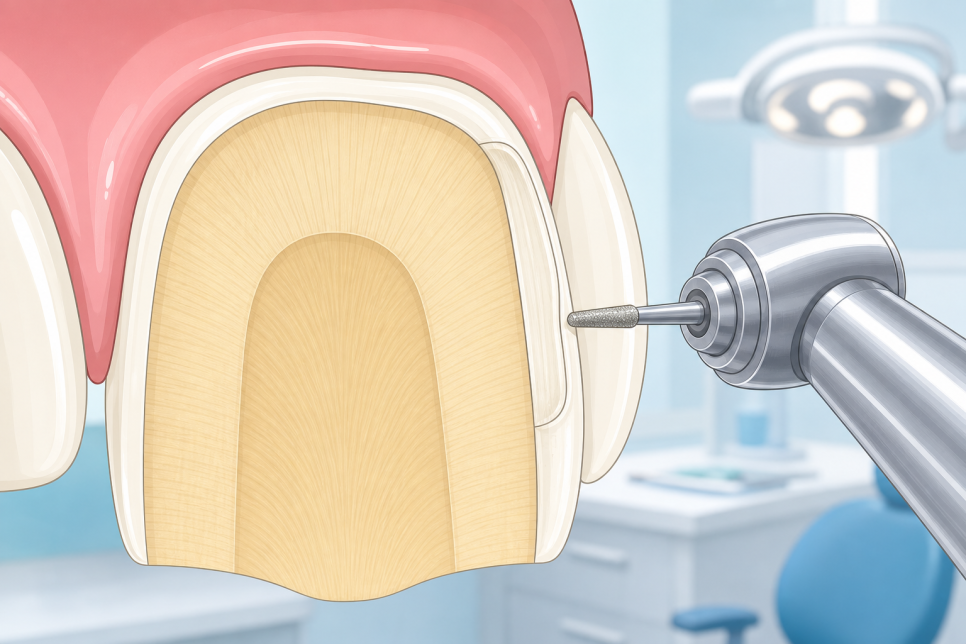
If the reduction extends beyond the enamel and exposes the underlying dentin,
sensitivity may occur.
In rare cases, the pulp—the nerve tissue inside the tooth—may also be irritated,
so the amount of reduction must be assessed carefully.
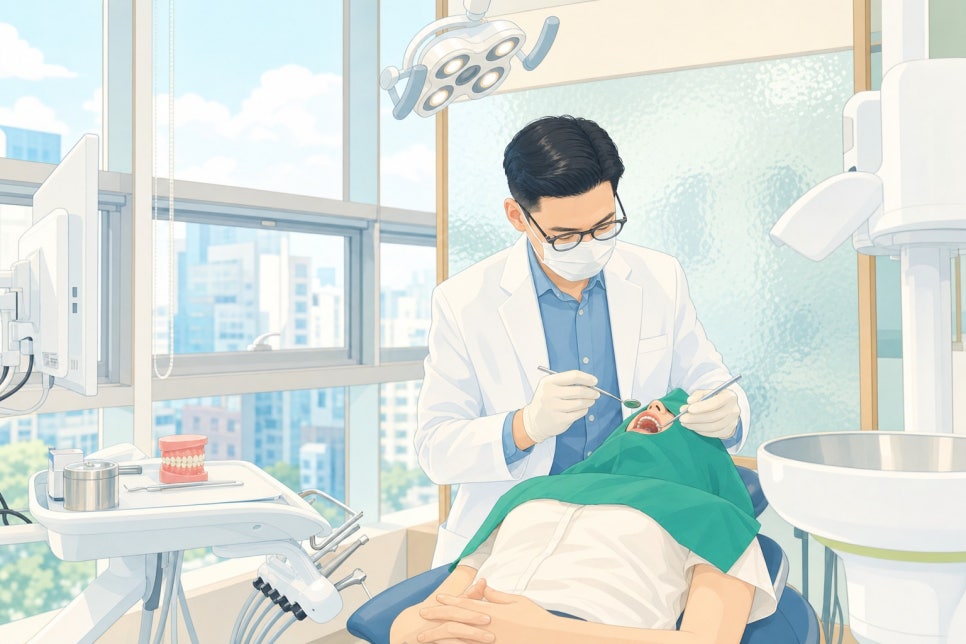
Treatment Methods May Vary Depending on the Condition
The appropriate treatment approach may differ depending on the extent of tooth damage or misalignment and the range of discoloration.
| Patient condition and treatment purpose | Recommended treatment | Main feature |
|---|
| Small area of damage and restoration of a simple chip | Resin treatment | Minimizes the amount of tooth reduction |
| Irregular alignment and improvement of the overall tooth color | Veneers | Can improve alignment and aesthetics at the same time |
| Repeated discoloration of an existing resin restoration | Resin replacement or conversion to veneers | Requires comparison and consideration of the advantages and disadvantages of both methods |
Even when symptoms appear similar,
the appropriate treatment may differ depending on the extent of damage, tooth alignment, and degree of discoloration.
Separating the treatment approach according to the purpose may therefore be helpful.
Points to Check Before Treatment
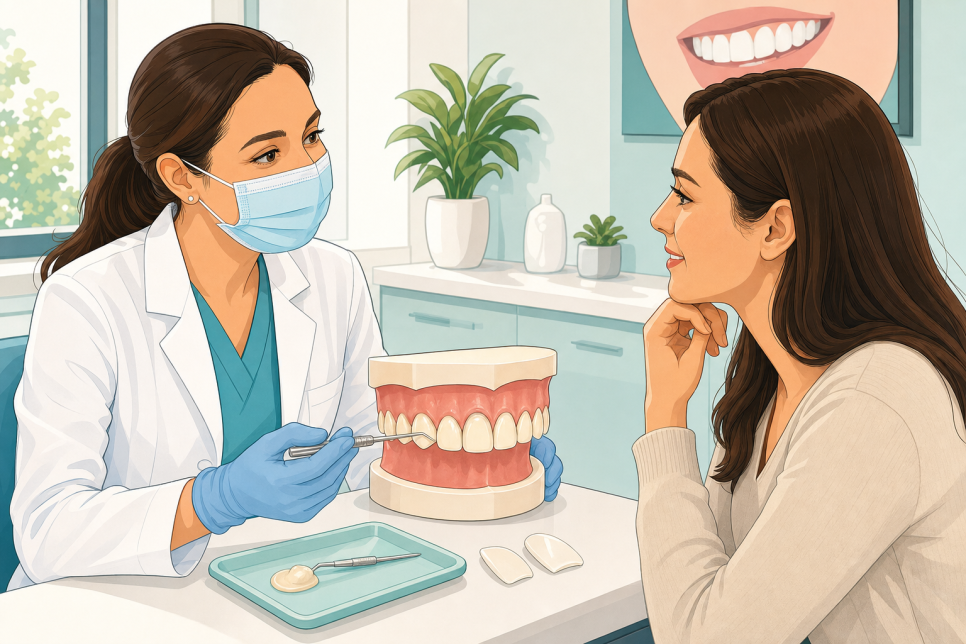
If you are considering veneers, you may have significant concerns about the amount of tooth reduction.
The amount of reduction may vary from person to person depending on tooth alignment,
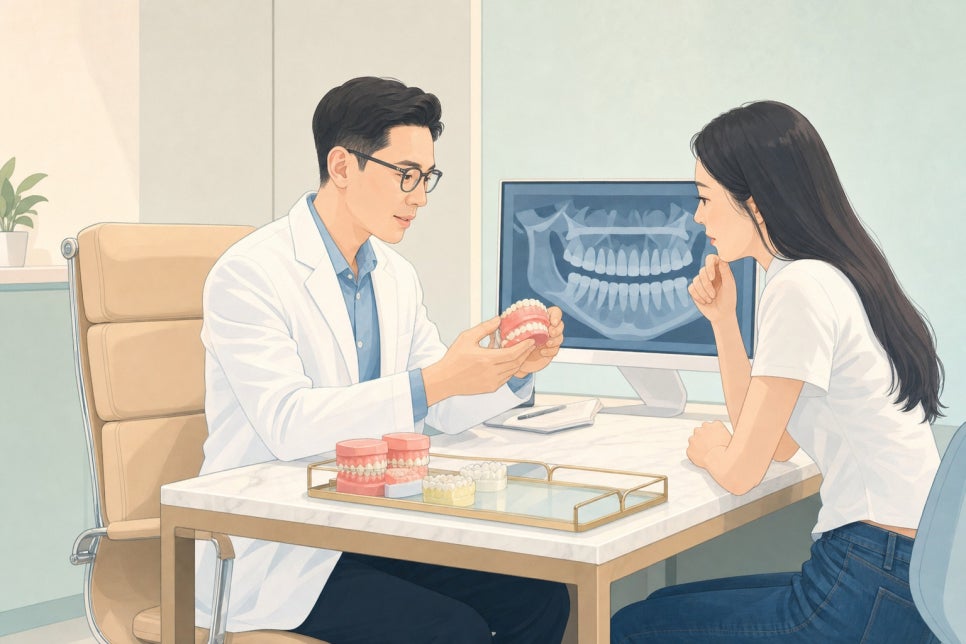
so it may be helpful to ask specifically during the consultation about the expected reduction range and method.
Veneers are also generally known to undergo relatively little color change,
but because they are semi-permanent restorations,
it is also important to consider that they may need to be replaced over time.
If resin discoloration keeps recurring,
using a straw when drinking beverages with strong pigments
or rinsing with water after consumption may help slow the rate of staining.
However, these habits alone cannot completely prevent discoloration,
so if the discoloration is severe, it may be necessary to discuss whether replacement is appropriate with your dentist.
Why Delaying Treatment May Increase the Burden
If a chipped area or discoloration is simply left untreated,
the extent of the damage may increase over time,
or the difference in color from adjacent teeth may become more noticeable.
In such cases, the treatment range or available options may be more limited than they were initially.
In addition, if treatment is performed without clearly confirming which option is appropriate for your condition,
additional tooth reduction or retreatment may be required later.
For this reason, it may be important to carefully confirm the details during the initial consultation.
In Closing
Damage or discoloration of the front teeth may appear simple on the surface,
but in reality, the appropriate treatment approach may differ depending on the extent of the damage, tooth alignment, and cause of discoloration.
Rather than deciding on your own which is more suitable—resin or veneers—
we recommend confirming this through an accurate examination.
If you are considering a consultation at a dental clinic near Nonhyeon Station,
please make your decision after checking your current condition and possible treatment options
through a thorough consultation before treatment.
The method and results of any treatment may vary depending on each individual’s oral condition.
Please make your decision after a sufficient consultation before treatment.
< Smile D Dental Clinic Location >
< View More from Smile D Dental Clinic >
| 📞 Smile D Dental Clinic |
|---|
| 0507-1449-2087 |

※ This post is informational content prepared in compliance with applicable laws and regulations, including Articles 56 and 57 of the Medical Service Act.
It was prepared to provide general medical information that is exempt from medical advertising review,
and does not guarantee the effects of any particular procedure or treatment or replace a medical diagnosis.
The images and materials used in this post are examples intended to aid understanding.
Actual diagnosis and treatment are determined through consultation and examination by medical professionals.
Depending on an individual’s health condition and the characteristics of their condition,
treatment methods, prognosis, and treatment effects may vary,
and side effects may occur.