After finishing cavity treatment, you may feel relieved for a moment,
but many questions often come up right away.
Can I eat dinner tonight?
Can I drink alcohol if I have plans?
Is it normal for my teeth to feel sensitive when I drink cold water?
These are some of the most common questions.
The fact that treatment is finished does not mean that every part of the process is complete.
The teeth and surrounding tissues are still recovering,
so depending on how you spend this period,
your discomfort may decrease—or it may last longer.
Today, we will cover the three things people are most curious about after cavity treatment:
meals, alcohol, and tooth sensitivity.
< Smile D Dental Clinic Location >
< Learn More About Smile D Dental Clinic >
| 📞 Smile D Dental Clinic |
|---|
| 0507-1449-2087 |
Why do you still need to be careful after treatment?
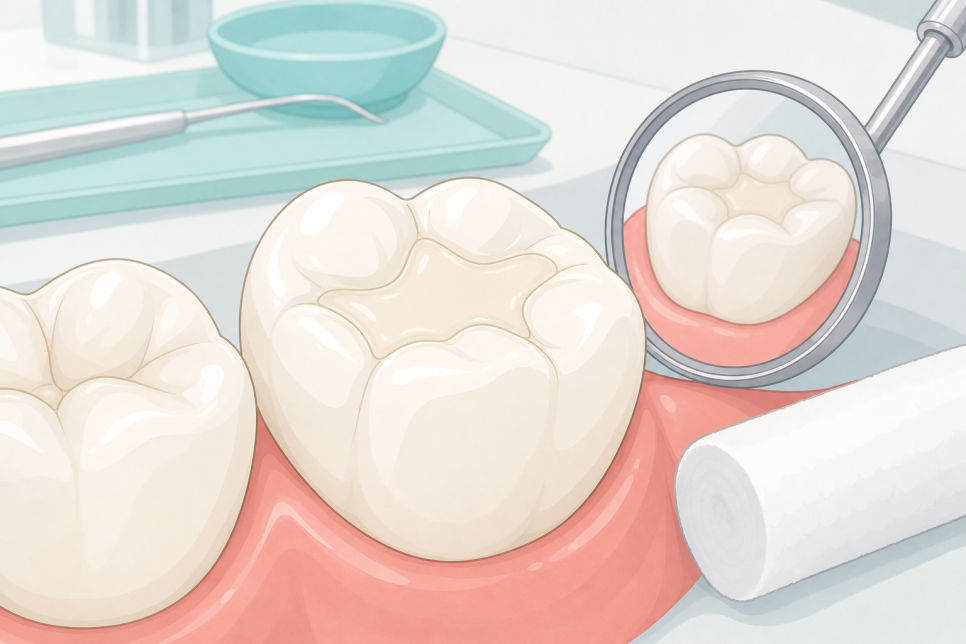
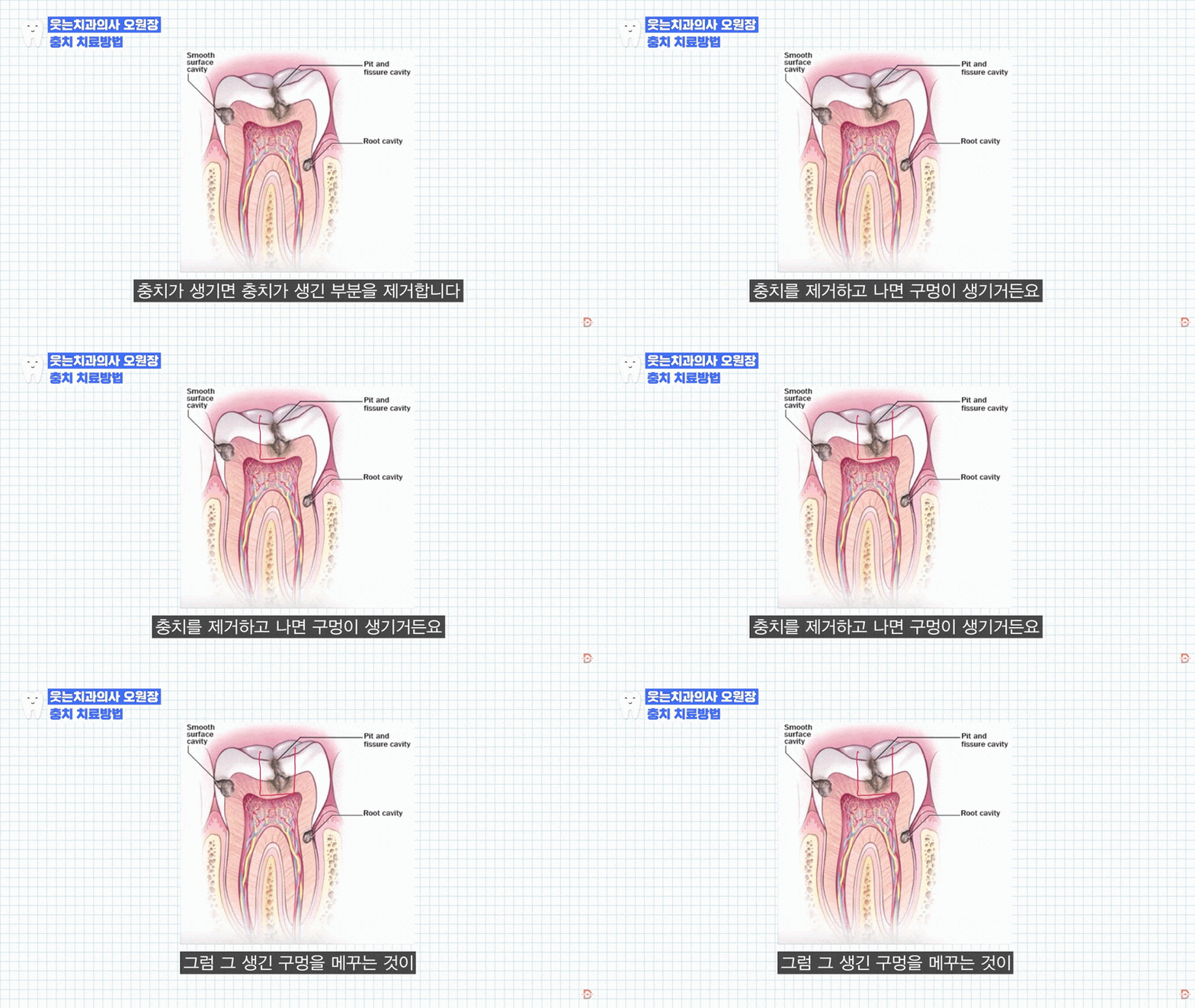
Cavity treatment involves removing damaged tooth tissue and
filling the area with a material such as composite resin, an inlay, or a crown.
During this process, the dentin inside the tooth may be stimulated,
which can temporarily increase sensitivity.
This is especially possible when the cavity was deep,
as the tooth may become more sensitive to changes in temperature or pressure
when the distance to the tooth nerve is reduced.
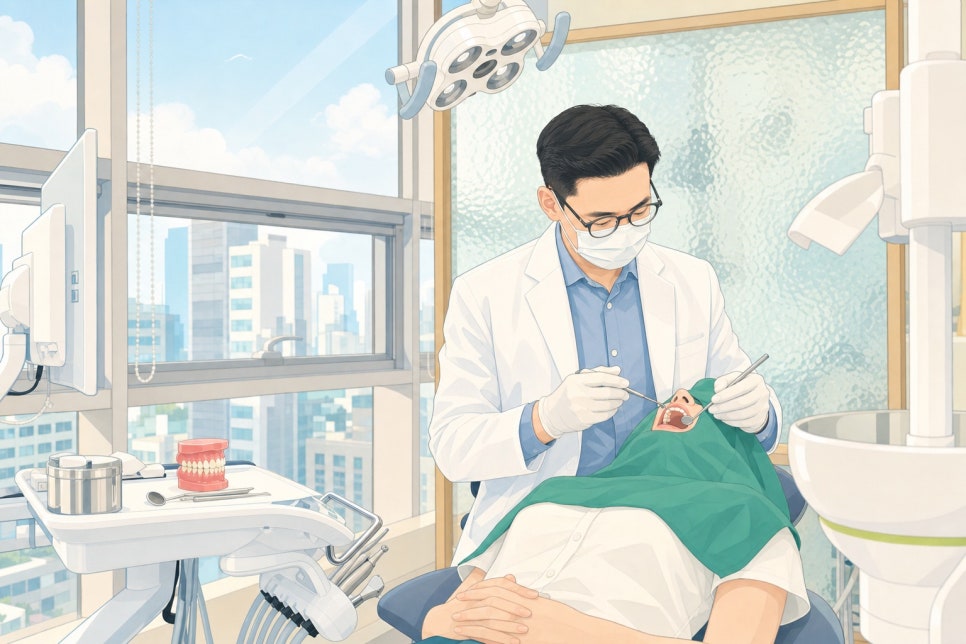
Also, if anesthesia was used,
the lips, tongue, and inside of the cheek may still be numb,
so eating or swallowing something in this condition can cause accidental injuries.
Although everything may look fine immediately after treatment,
it is important to understand that the teeth and oral tissues are still in the recovery stage.
When can I eat?
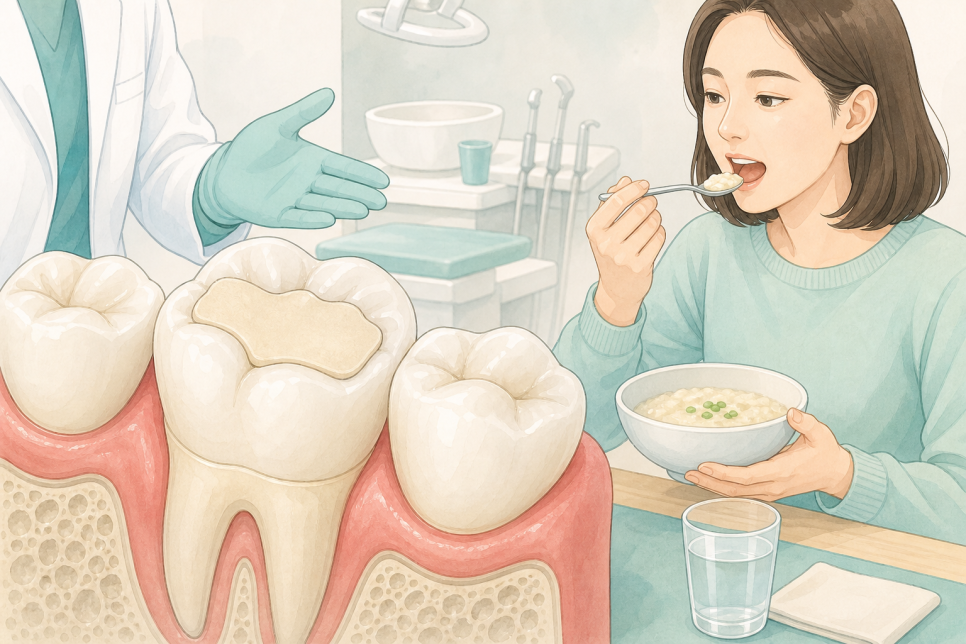
The first thing to check is whether the anesthesia has completely worn off.
It commonly takes about two to three hours for sensation to return,
but this may vary depending on the anesthetic used and your individual condition.
It is safest to start eating after normal sensation has returned when you touch your hand or lips.
The timing can also differ depending on the treatment method.
For a minor cavity restored with composite resin
-> The material hardens relatively quickly, so in many cases you can eat once the anesthesia has worn off.
For treatment requiring bonding, such as an inlay or crown
-> The material may need more time to fully stabilize, so caution is needed on the day of treatment.
For root canal treatment
-> Because the tooth is temporarily weakened,
you need to take extra care to prevent the temporary material from coming out or the tooth from being damaged.
The exact time when eating is possible may vary depending on the type of treatment,
so following your treating clinician’s instructions is the most reliable approach.
Which foods are best avoided after treatment?
It may be helpful to avoid certain foods for a while immediately after treatment.
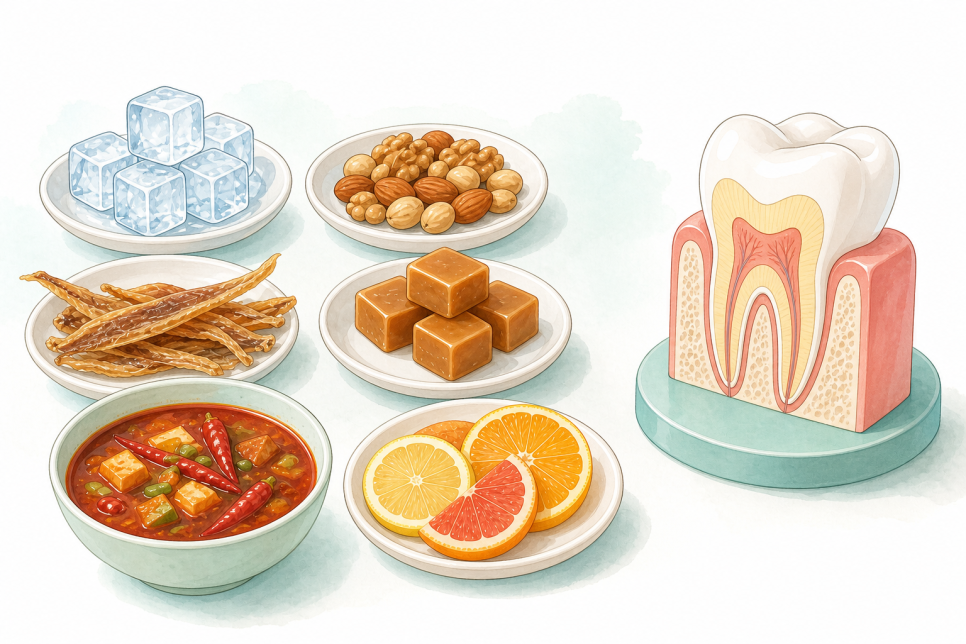
Hot or cold foods: Because the nerve may be more sensitive, temperature刺激 can cause sensitivity.
Hard or chewy foods: Foods such as ice, nuts, and squid can place strong pressure on the treated area.
Sticky foods: Taffy, caramel, and jelly may pull out restorative material that has not yet fully stabilized.
Irritating foods: Spicy or highly acidic foods may irritate sensitive gums and teeth.
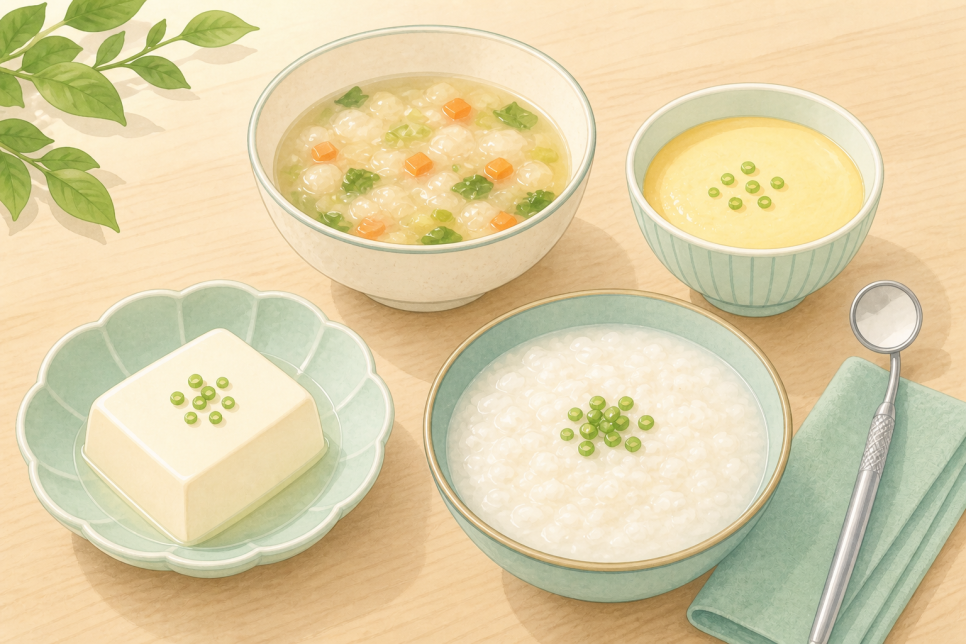
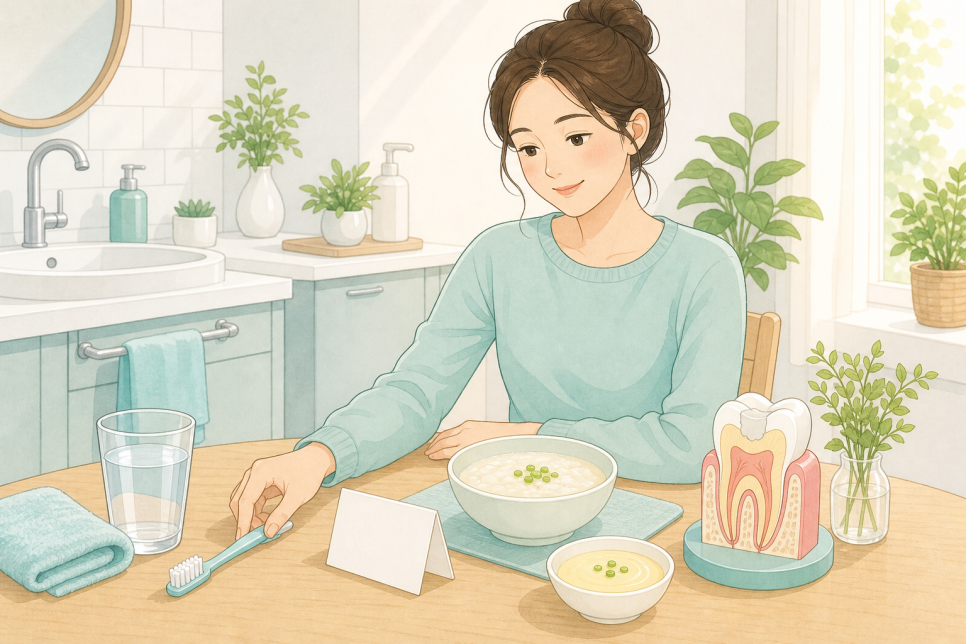
Instead, eating soft, lukewarm foods such as porridge, soup, tofu, and steamed eggs slowly, mainly on the opposite side of your mouth, may help with recovery.

Why is it better to postpone drinking alcohol for a while?
Whether it is okay to drink alcohol on the day of treatment is another frequently asked question.
To get straight to the point,
it may be better to consider postponing alcohol on the day of treatment.
Alcohol can dilate blood vessels,
so if the treated area is further irritated, discomfort may increase.
Also, if you drink while the anesthesia has not fully worn off,
situations such as biting your lips or the inside of your cheek may occur more easily.

If any of the following apply, allowing more time before drinking may be a more cautious choice.
-
You also received root canal treatment or gum treatment
-
There was bleeding during treatment
-
A large area was anesthetized
-
You are taking prescribed medication (possible interaction with alcohol)
Also, at drinking gatherings, people often have hot broth, spicy foods, or hard snacks together with alcohol.
It is worth noting that these combined irritants may increase the burden on the treated area.
Tooth sensitivity after cavity treatment: What is considered normal?
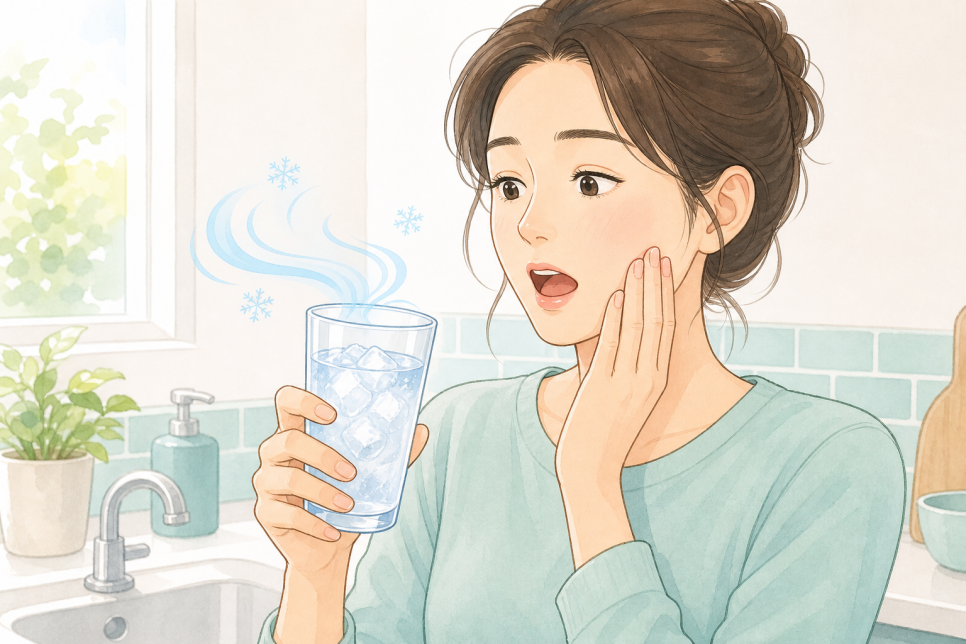
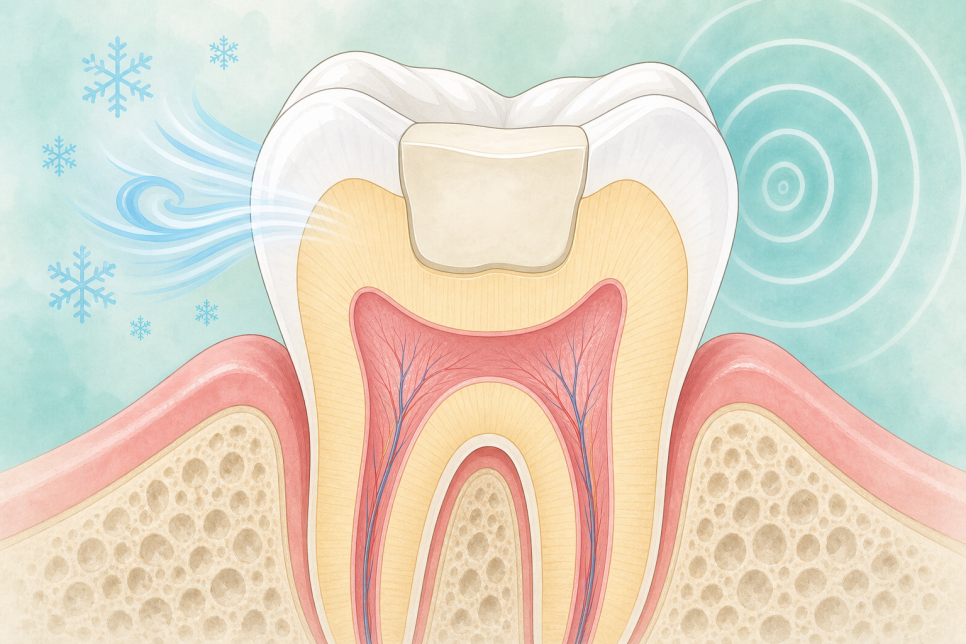
Feeling sensitivity to cold water or cold air after treatment is
relatively common.
It often occurs as the tooth adapts to the new material and environment,
and in most cases gradually improves over about one to two weeks.
However, if you experience any of the following symptoms,
it may be more than a simple sensitivity response, so evaluation may be needed.
-
Throbbing pain even when you are resting
-
Repeated pain whenever you chew food
-
Symptoms that do not decrease over time or instead become worse
-
Difficulty falling asleep because of pain at night
In these cases, there may be an issue with the bite, nerve irritation,
or a condition requiring additional care.
Rather than leaving it untreated, we recommend having the cause checked.
Post-treatment care: Just remember these points
To summarize today’s information,
after cavity treatment:
start eating after the anesthesia has completely worn off,
avoid hot, cold, hard, and sticky foods for a while,
consider postponing alcohol at least on the day of treatment,
and monitor sensitivity,
but get an examination if the pain worsens or continues for a long time.
Taking these steps may help with recovery.
If your symptoms keep recurring or you are concerned about the speed of recovery,
we recommend confirming the cause through an accurate examination
rather than making a decision on your own.
Before treatment, please make your decision after receiving a sufficient consultation
and confirming your current condition and possible management options.
Thank you for reading today.
< Smile D Dental Clinic Location >
< Learn More About Smile D Dental Clinic >
| 📞 Smile D Dental Clinic |
|---|
| 0507-1449-2087 |

※ This post was written as informational content in compliance with applicable laws and regulations, including Articles 56 and 57 of the Medical Service Act.
It was prepared to provide general medical information exempt from medical advertising review,
and does not guarantee the effects of any specific procedure or treatment or replace a medical diagnosis.
The images and materials used in the post are examples intended to aid understanding;
actual diagnosis and treatment are determined through consultation and examination by medical professionals.
Depending on an individual’s health status and the characteristics of their condition,
the treatment method, prognosis, and treatment effects may vary,
and side effects may occur.