When considering orthodontic treatment, the first thought that often comes to mind is
"Am I too old?"
The regret of having missed the school years,
or cases where people only notice their crooked teeth
in middle or later adulthood and visit a dental clinic for the first time later in life are also quite common.
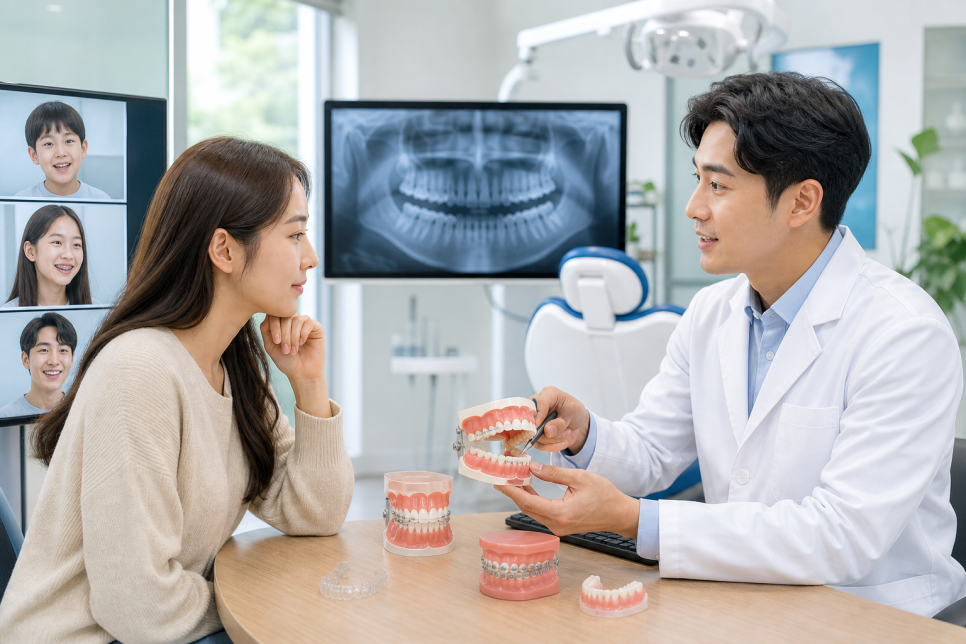
However, concerns about the right age for orthodontic treatment
are not as simple as they may seem.
It is not necessarily better to undergo treatment when you are young,
nor is it automatically too late just because you are older.
What matters is not age itself,
but the process of checking the condition of the teeth, gums, and jawbone.
< Smile D Dental Clinic Location >
< Learn More About Smile D Dental Clinic >
| 📞 Smile D Dental Clinic |
|---|
| 0507-1449-2087 |
Previous image
Next image
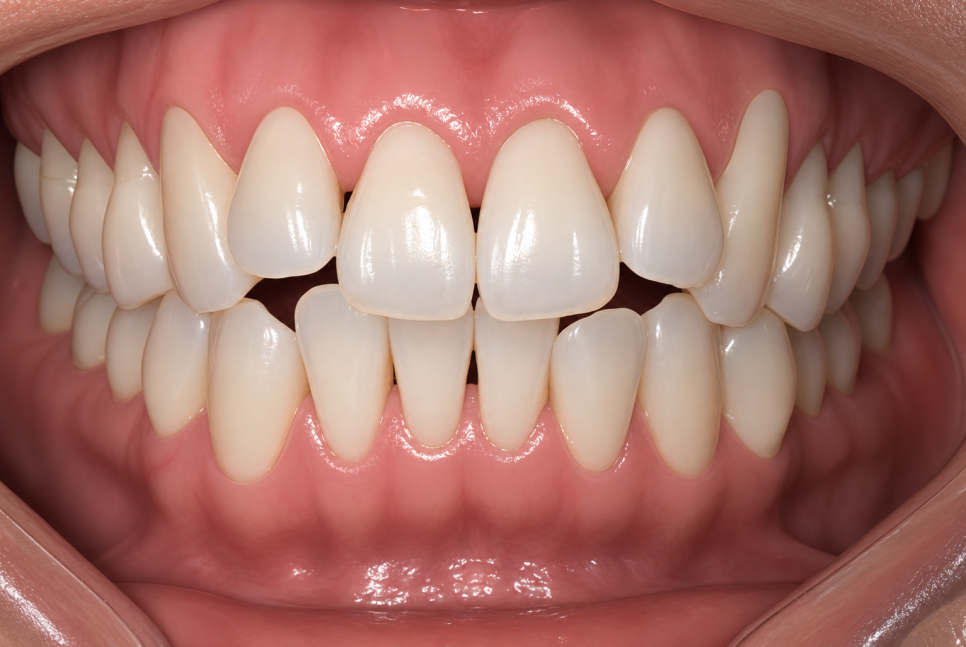
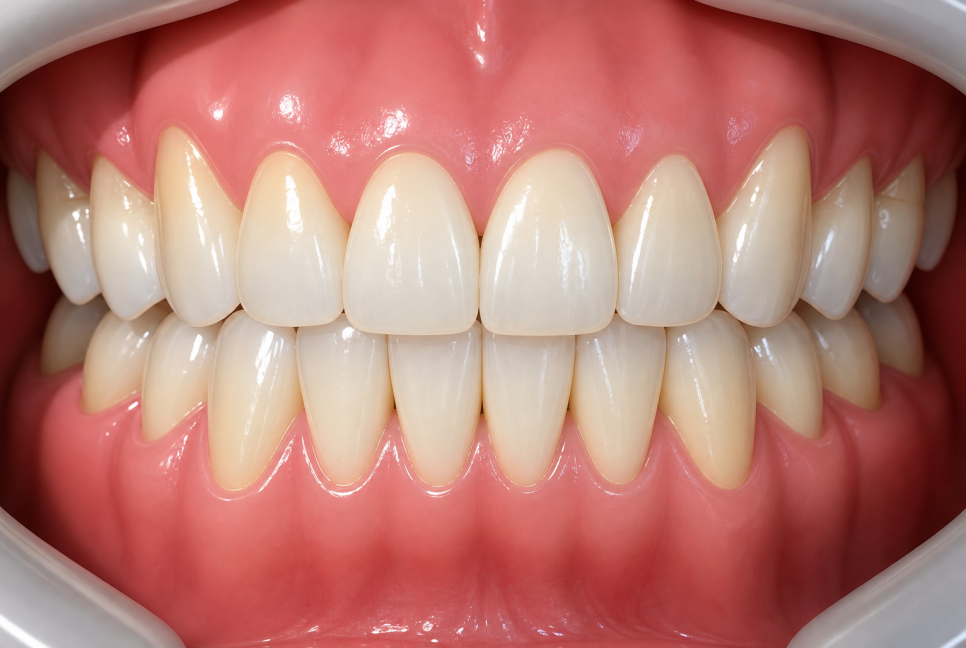
This image was created for illustrative purposes.
Why does age become the first concern when considering orthodontic treatment?
The reason most people hesitate to undergo orthodontic treatment
starts with the thought that they have "missed the right time."
In particular, adults who come in for a consultation
often ask, "Will it be effective if I start at this age?"
It is natural to have these concerns.
You may have heard somewhere that during the growth period,
it is possible to use the force of the jawbones as they grow.
However, it is also important to understand that
aging does not mean that tooth movement itself stops.
Why it is difficult to judge based on age alone
It is difficult to define the appropriate timing for orthodontic treatment
based solely on age.
This is because the rate at which permanent teeth settle into place,
the extent of jawbone growth,
and the health of the gums and tooth roots vary from person to person.
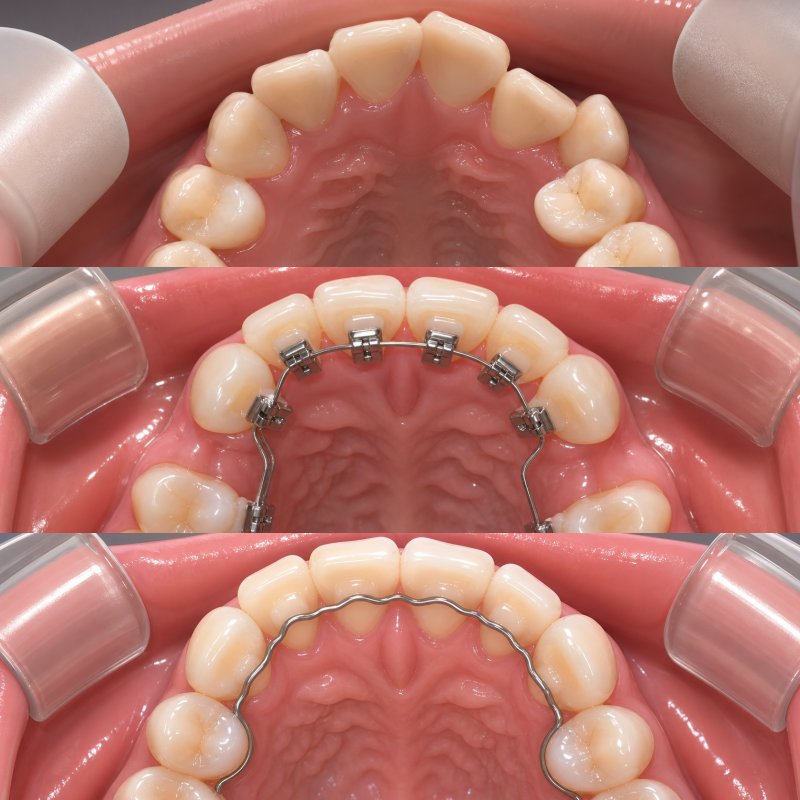
This image was created for illustrative purposes.
For children and adolescents who are still growing,
it is generally easier to address skeletal problems together
while the jawbones are still developing.
By contrast, because adults have completed growth,
treatment plans are often centered on tooth movement.
In other words, the current condition of the teeth, skeleton, and gums
becomes a more important criterion than age itself.
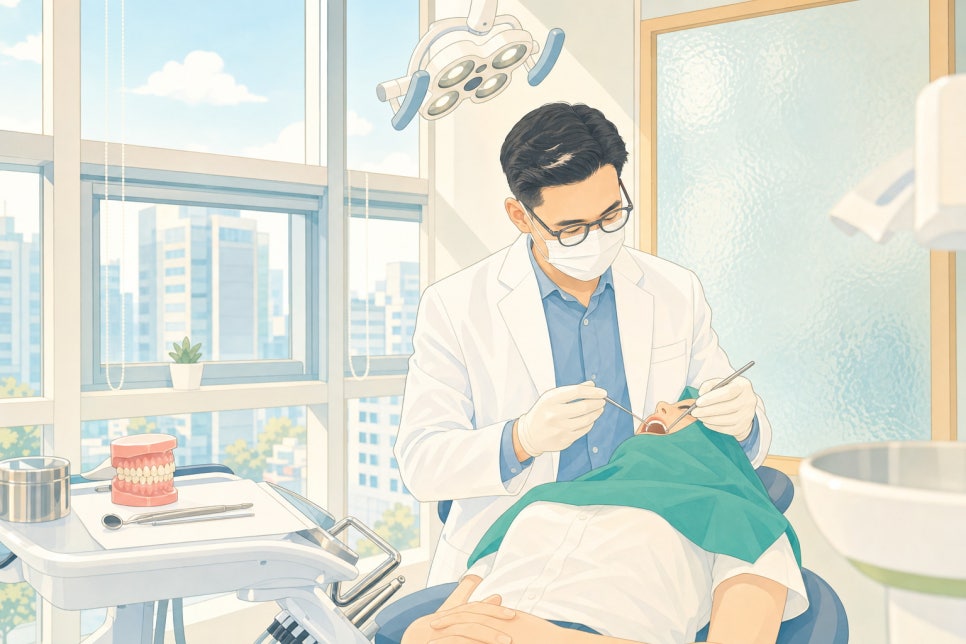
What needs to be checked from a dental perspective
The items actually examined during an orthodontic consultation are more varied than you might expect.
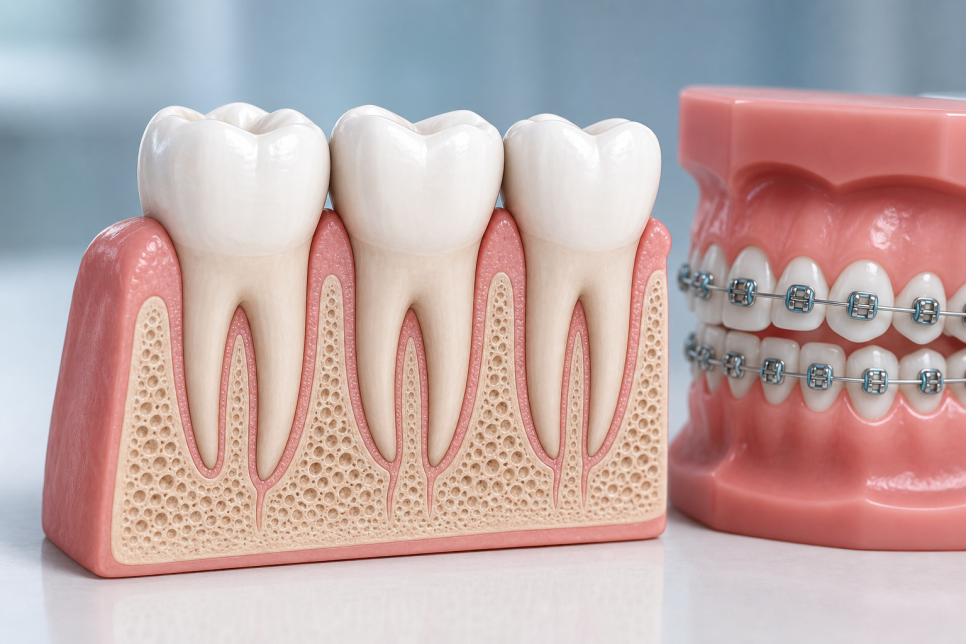
The alveolar bone is the bone that supports the teeth.
If the height of the alveolar bone and the length of the tooth roots are stable,
orthodontic treatment can often be considered regardless of age.
On the other hand, if gum disease has progressed and there is alveolar bone loss,
improving the gum condition may be necessary before orthodontic treatment.
For children and adolescents who are still growing,
the direction and extent of jawbone growth, the space available for permanent teeth to erupt,
and whether there is a skeletal cause of the malocclusion are checked together.
For adults,
there are relatively more factors to examine,
including the condition of the gums and periodontium and whether existing prosthetic restorations are present.

Treatment approaches that may vary depending on timing
Even when the treatment is called "orthodontic treatment,"
the approach may differ depending on the timing.
During childhood and adolescence, while growth is ongoing,
treatment to guide or control jawbone growth may be considered.
When there is a skeletal imbalance between the upper and lower jaws,
such as an underbite or a retruded lower jaw,
using the growth period
is known to allow consideration of a wider range of treatment approaches.
However, not every child needs this type of treatment,
and when a skeletal abnormality is observed, consultation with a specialist should come first.
For adults, rather than skeletal correction using growth,
treatment plans are often focused on tooth movement itself.
If the gums and alveolar bone are in good condition,
patients may be advised that tooth movement can sometimes still be expected
even after reaching middle or later adulthood,
but this may vary depending on each person’s oral condition.
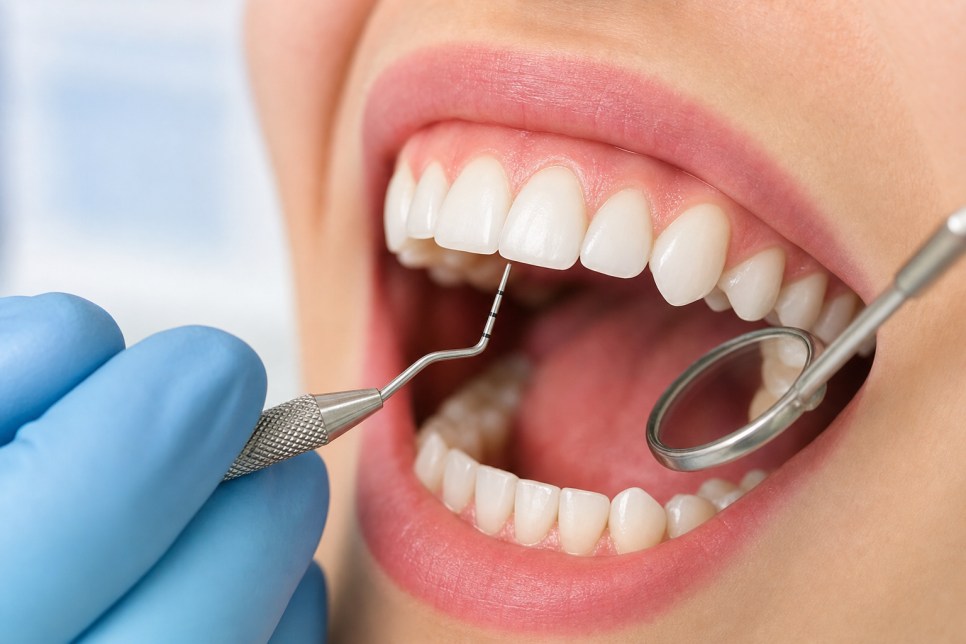
Why it is important to have your condition checked rather than postponing treatment
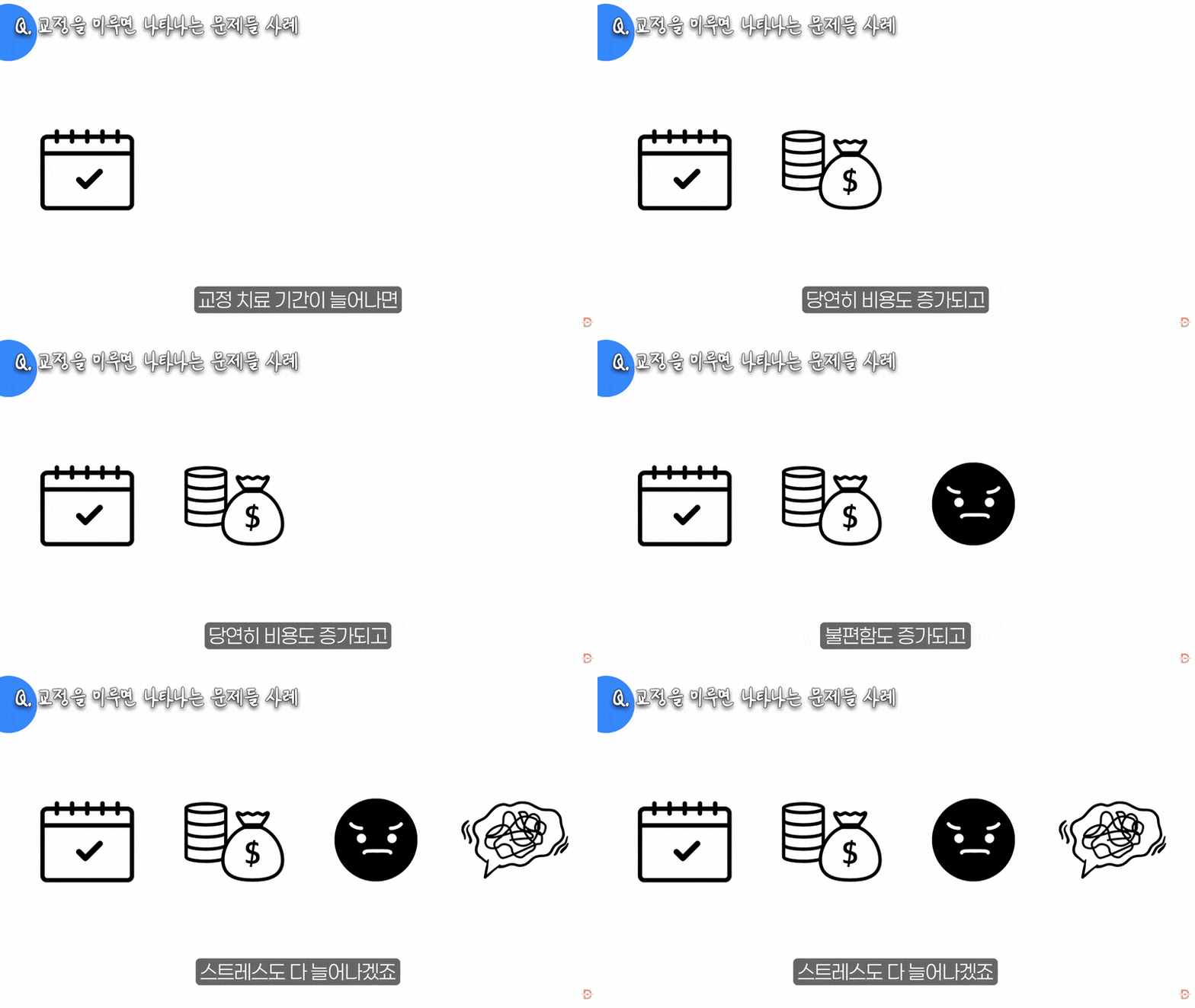
If malocclusion remains untreated for a long time,
uneven tooth alignment often makes brushing difficult.
If this condition continues without adequate care,
plaque and tartar can build up,
which may increase the burden of gum inflammation or periodontitis.
In addition, chewing food for a long time with an improper bite
can concentrate force on certain teeth and cause stress to accumulate.
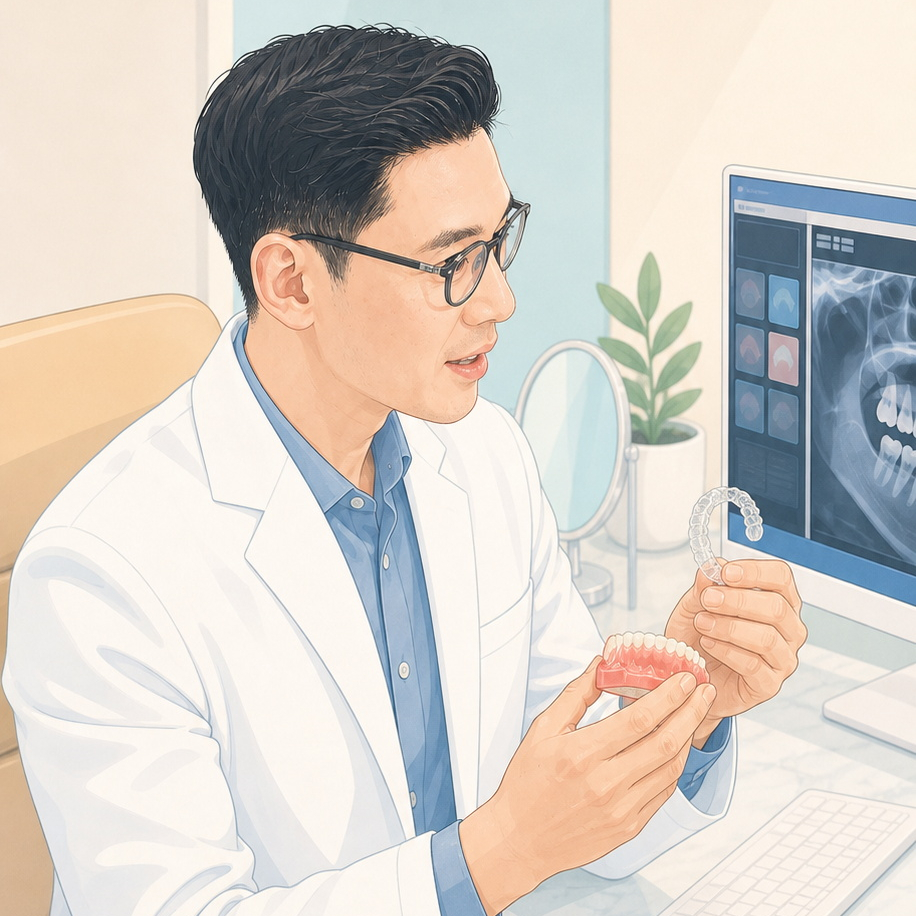
Rather than continually postponing orthodontic treatment because you are older,
checking your current condition
may help reduce the scope or burden of treatment later on.
What should you check before a consultation?
If you are considering orthodontic treatment, it is a good idea to first check the following:
-
Whether your gums bleed or you have any loose teeth
-
Whether you experience discomfort or pain when chewing
-
Whether you have noticeable malocclusion, such as an underbite, open bite, or crowded teeth
-
If you have a chronic condition, whether it is being properly managed
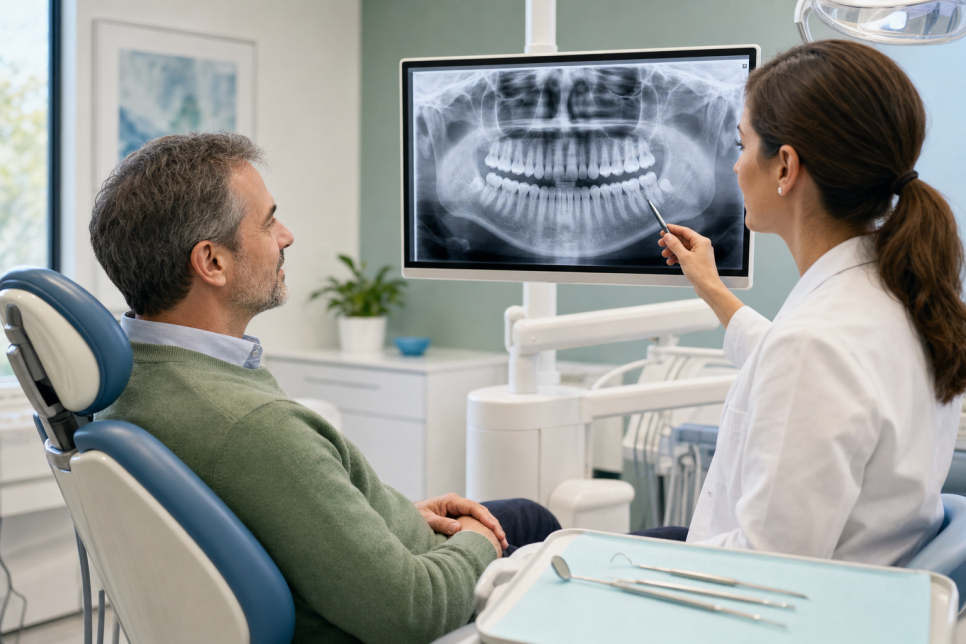
These areas may need to be confirmed through a detailed examination,
and depending on your condition, an alveolar bone examination or X-rays may also be performed.
Closing thoughts...
There is no single prescribed answer regarding the right age for orthodontic treatment.
Whether you are still growing or are an adult,
the criteria that need to be checked simply differ depending on the stage of life.
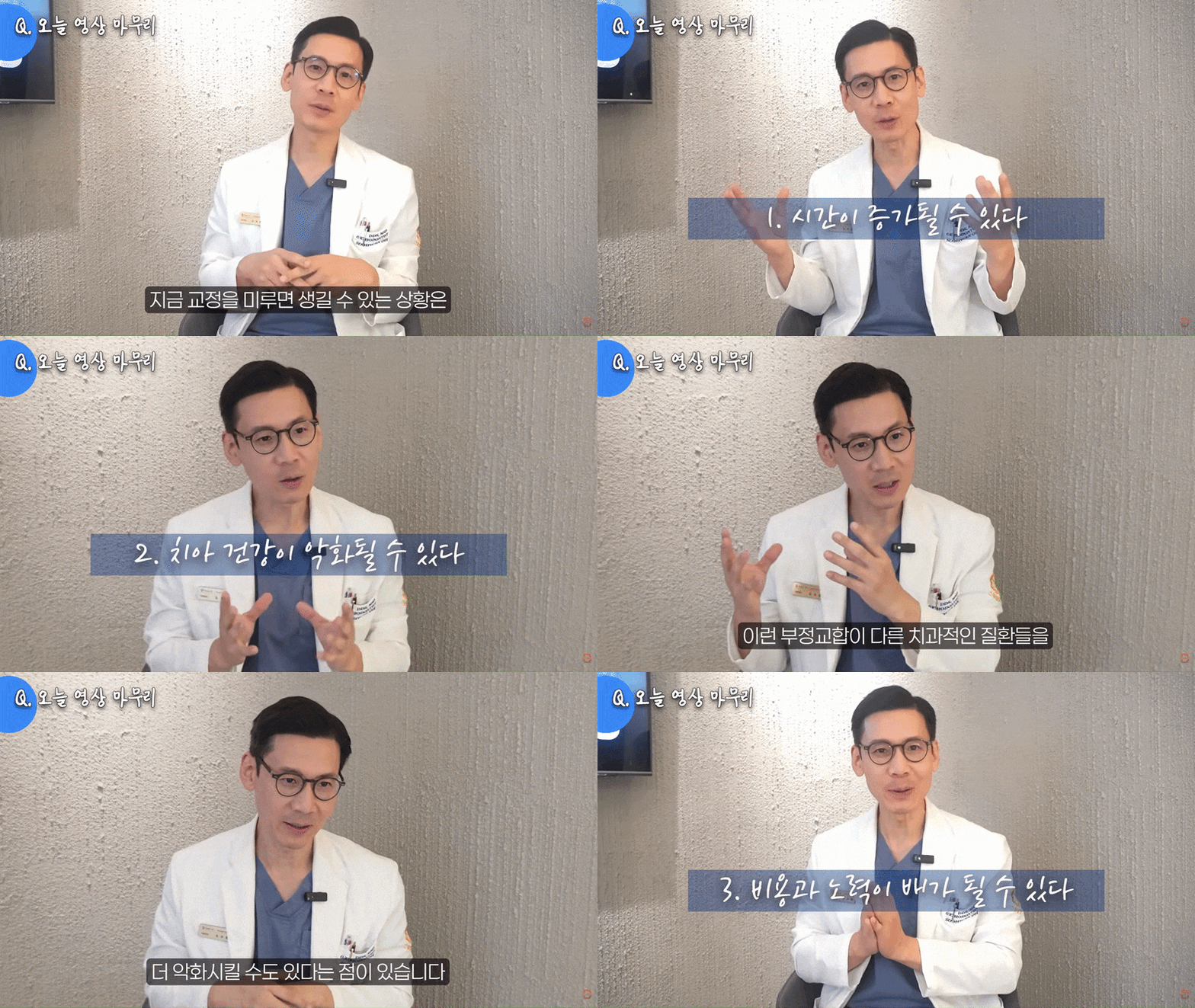
If your symptoms are recurring
or you have been considering orthodontic treatment for a long time,
we recommend confirming the cause and your current condition
through an accurate examination rather than making the decision on your own.
After receiving a sufficient consultation before treatment,
please confirm the possible treatment approaches before making your decision.
Thank you for reading.
< Smile D Dental Clinic Location >
< Learn More About Smile D Dental Clinic >
| 📞 Smile D Dental Clinic |
|---|
| 0507-1449-2087 |

※ This post was prepared as informational content in compliance with Article 56, Article 57, and other applicable provisions of the Medical Service Act.
It was written to provide general medical information that is exempt from review of medical advertising,
and does not guarantee the effects of any specific procedure or treatment or replace a medical diagnosis.
The images and materials used in this post are examples intended to aid understanding,
and actual diagnosis and treatment are determined through consultation and examination by medical professionals.
Depending on each individual’s health condition and the characteristics of their disease,
treatment methods, prognosis, and treatment outcomes may vary,
and there is also a possibility of side effects.