When considering orthodontic treatment, one question often comes to mind first.
Which clinic is good at orthodontic treatment?
Especially among those looking for an orthodontic dentist near Sinsa Station,
some simply have crooked or crowded teeth,
while others have teeth that tilted over time
after a molar was extracted,
or have questions about retainer care.
The circumstances can vary widely.
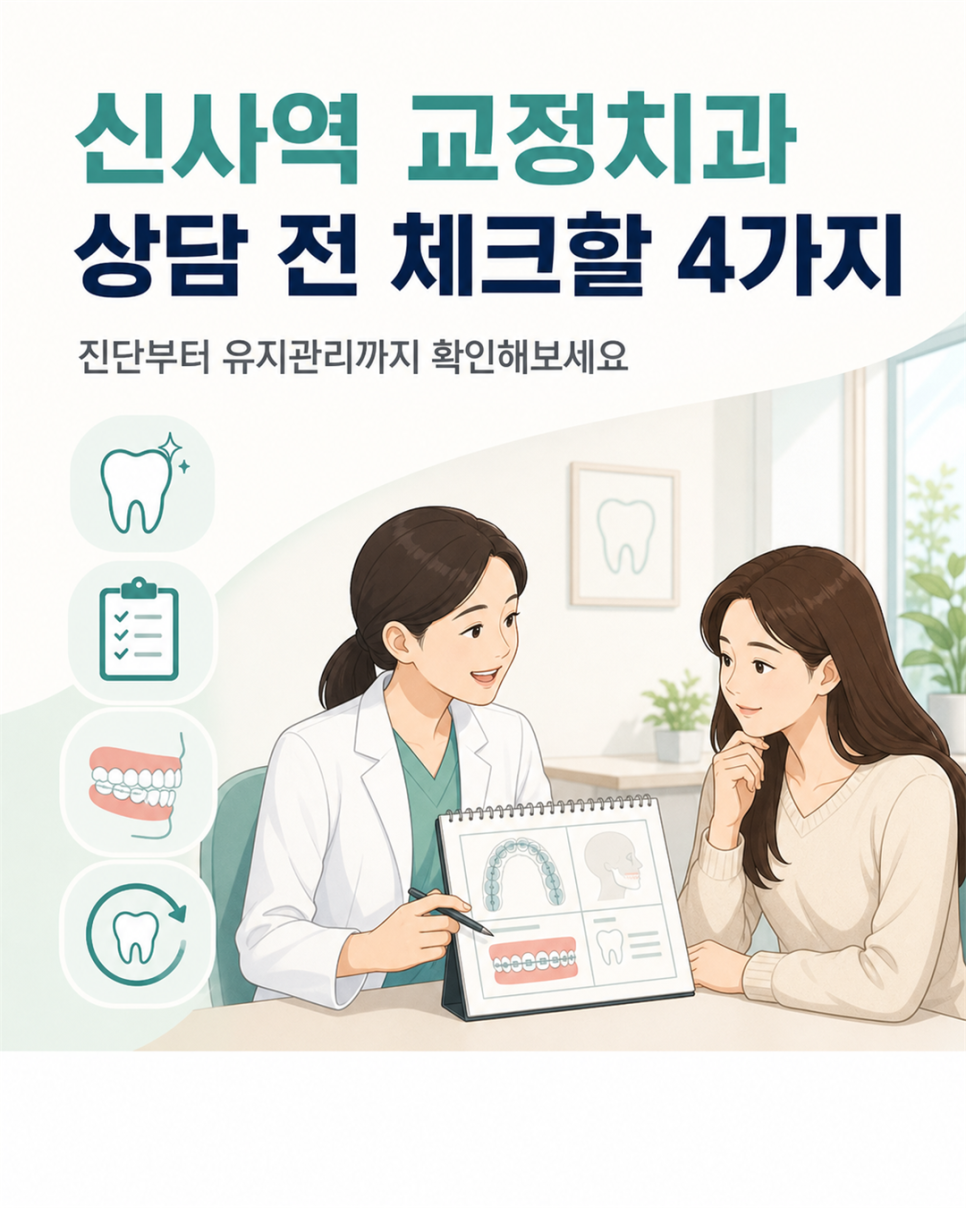
Many people postpone the decision to undergo orthodontic treatment
because of concerns about pain, cost,
and the length of treatment.
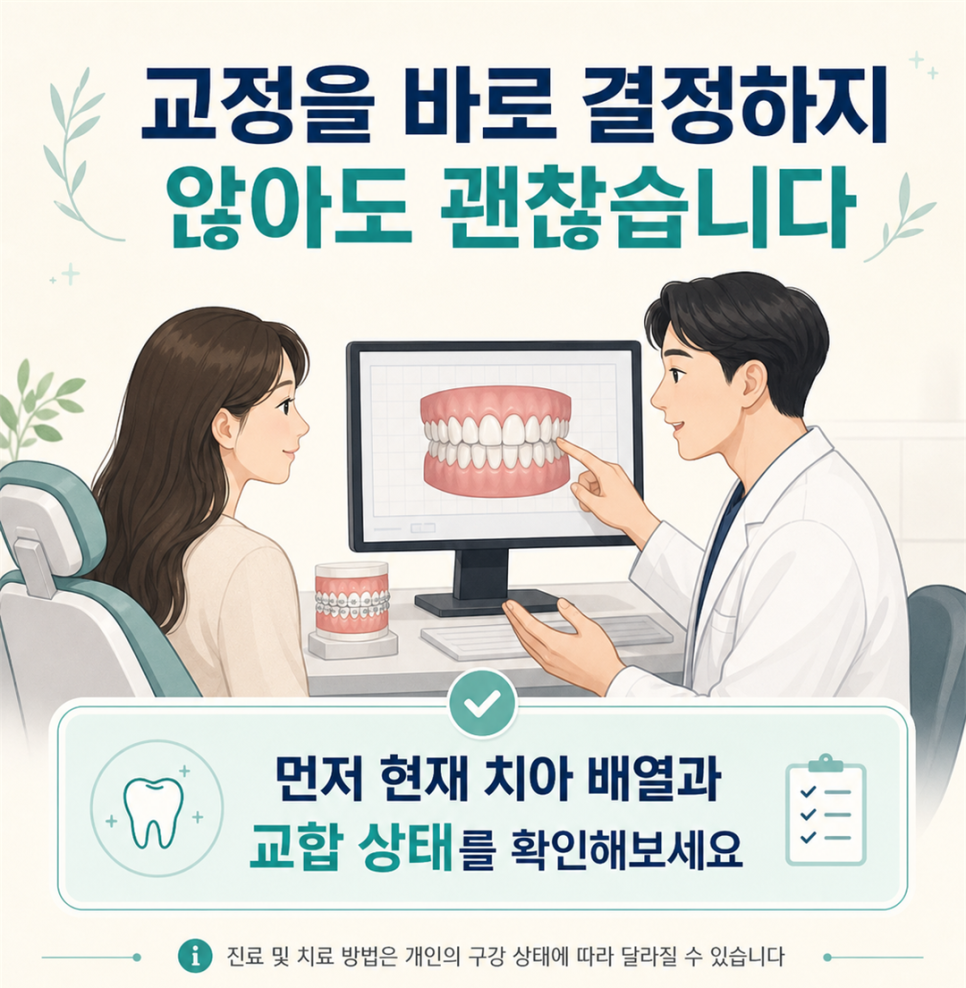
However, accurately checking your current condition
does not necessarily mean that you will need extensive treatment.
In fact, the more accurately your condition is assessed,
the more clearly you can understand
the necessary scope and direction of treatment.
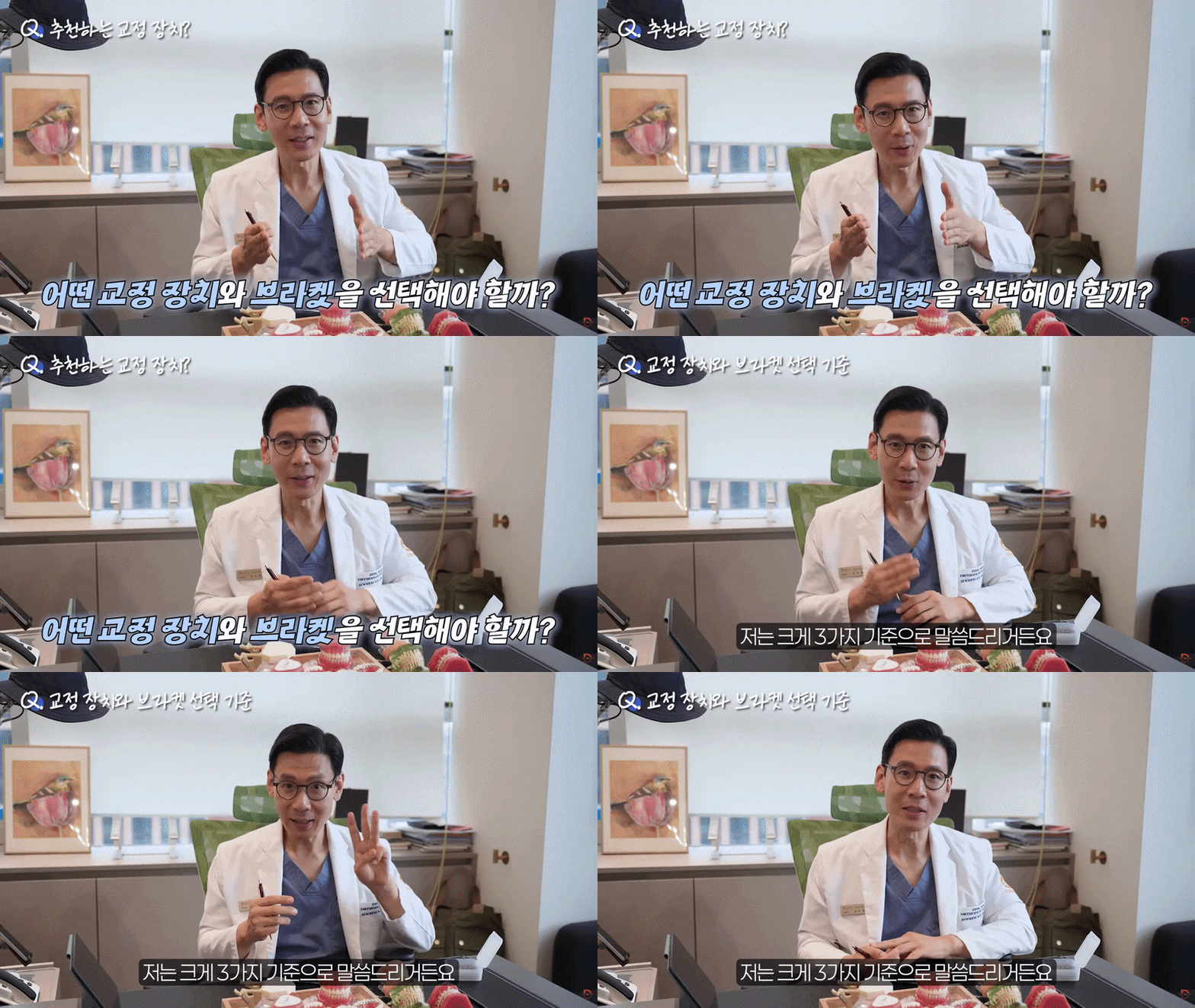
Why is it difficult to find a “good clinic”?
When looking for an orthodontic dentist near Sinsa Station,
many people refer to reviews or ranking websites.
However, even when the condition appears to be the same type of malocclusion,
the appropriate treatment approach may differ
depending on the alignment of the teeth, the condition of the jawbone,
and the bite structure.
Therefore, rather than assuming that a particular clinic is always a “good clinic,”
it may be more important to check
whether it can accurately diagnose your condition.
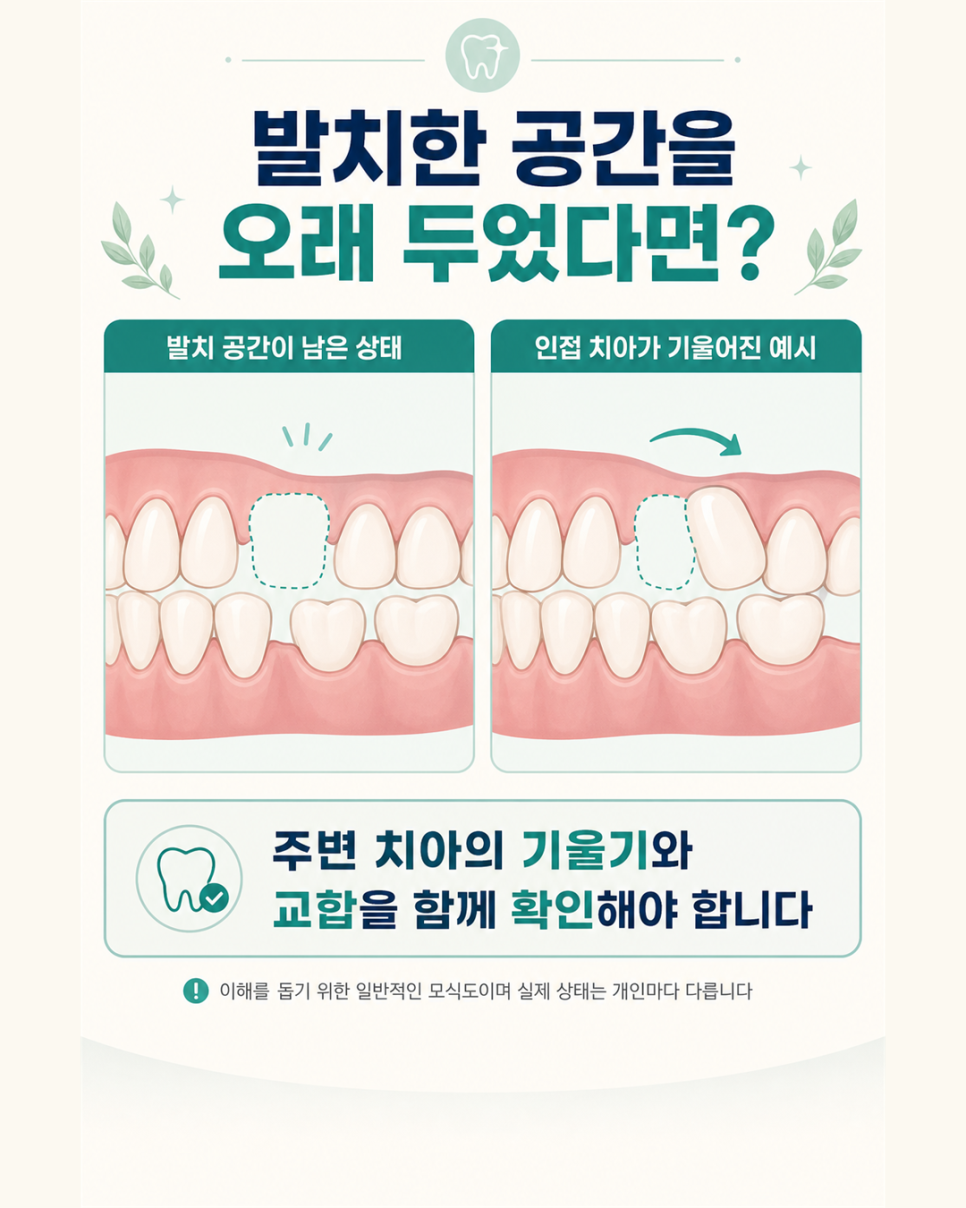
In addition, as in cases where adjacent teeth tilt
after a long period following a tooth extraction,
there are situations that require consideration of other treatments,
such as implants, in addition to orthodontic treatment.
In such cases, it is also worth checking whether collaboration is available
among multiple departments, such as orthodontics and prosthodontics.
< Smile D Location >
< More About Smile D >
| 📞 Contact Smile D |
|---|
| 02-512-2085 |

Diagnostic criteria to check first
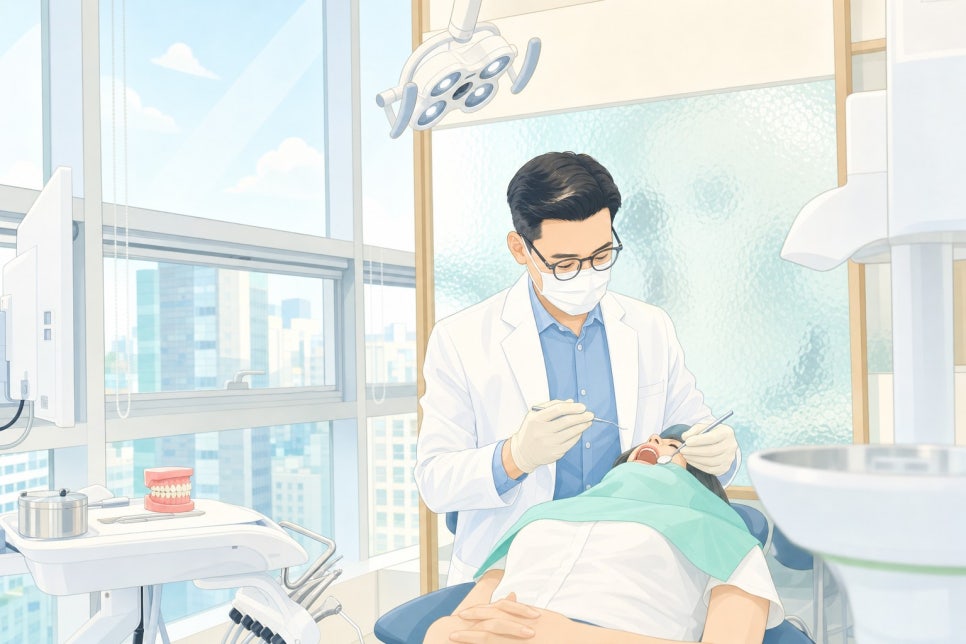
The first thing that should be checked during an orthodontic consultation is a thorough examination.
Using equipment such as 3D CT,
it is advisable to first accurately assess the wisdom teeth, supernumerary teeth,
and periodontal tissue before creating a treatment plan.
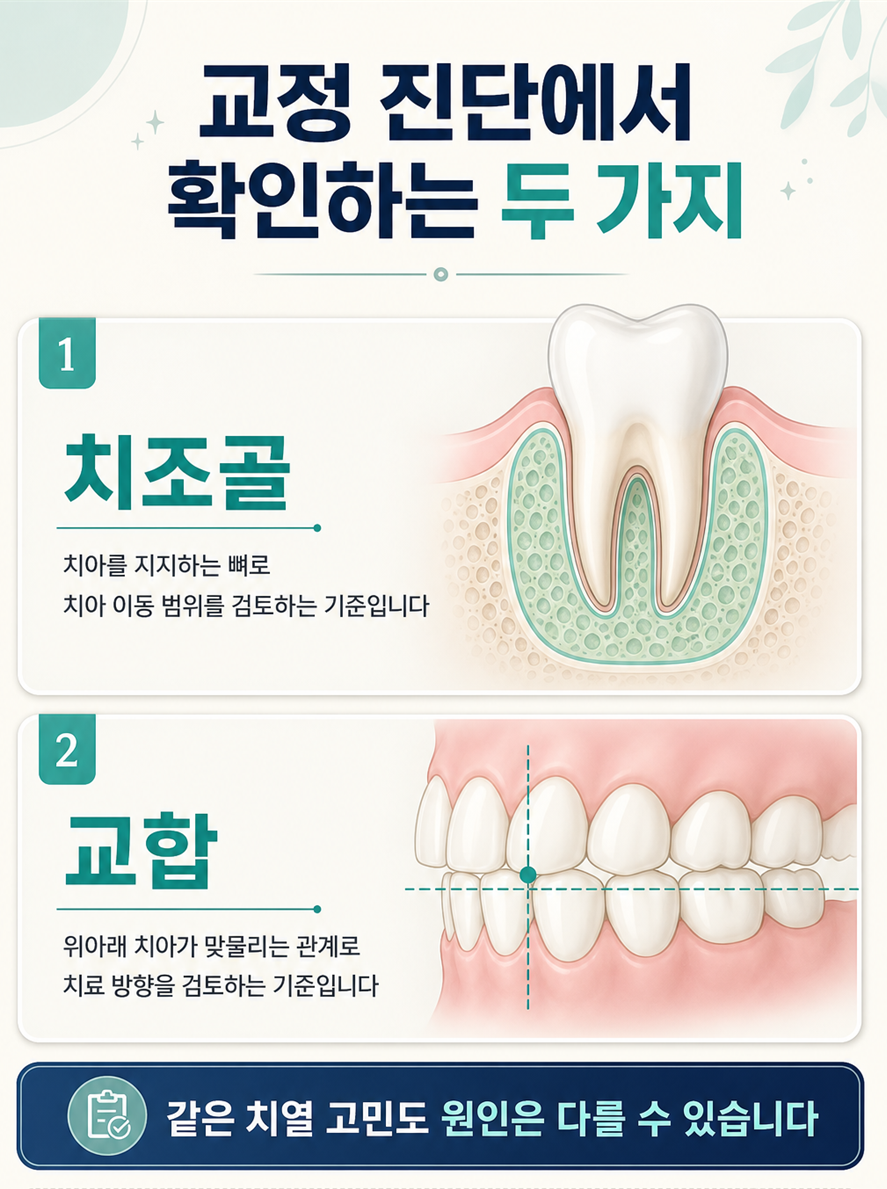
The alveolar bone is the bone that supports the teeth
and is an important factor in determining the range of tooth movement during orthodontic treatment.
Occlusion refers to the relationship between the upper and lower teeth when they come together.
Depending on the bite condition, it may be possible to distinguish
between a dental problem and a skeletal problem.
Because the cause may differ even when the symptoms appear similar,
an examination through a thorough diagnosis may be necessary.
Options that may vary depending on your condition
It is difficult to determine a single orthodontic method for everyone.
If the teeth are not severely misaligned,
it may be possible to consider whether partial orthodontic treatment is suitable.
However, partial orthodontic treatment is not applicable to everyone,
and a thorough diagnosis is needed to determine whether it is appropriate.
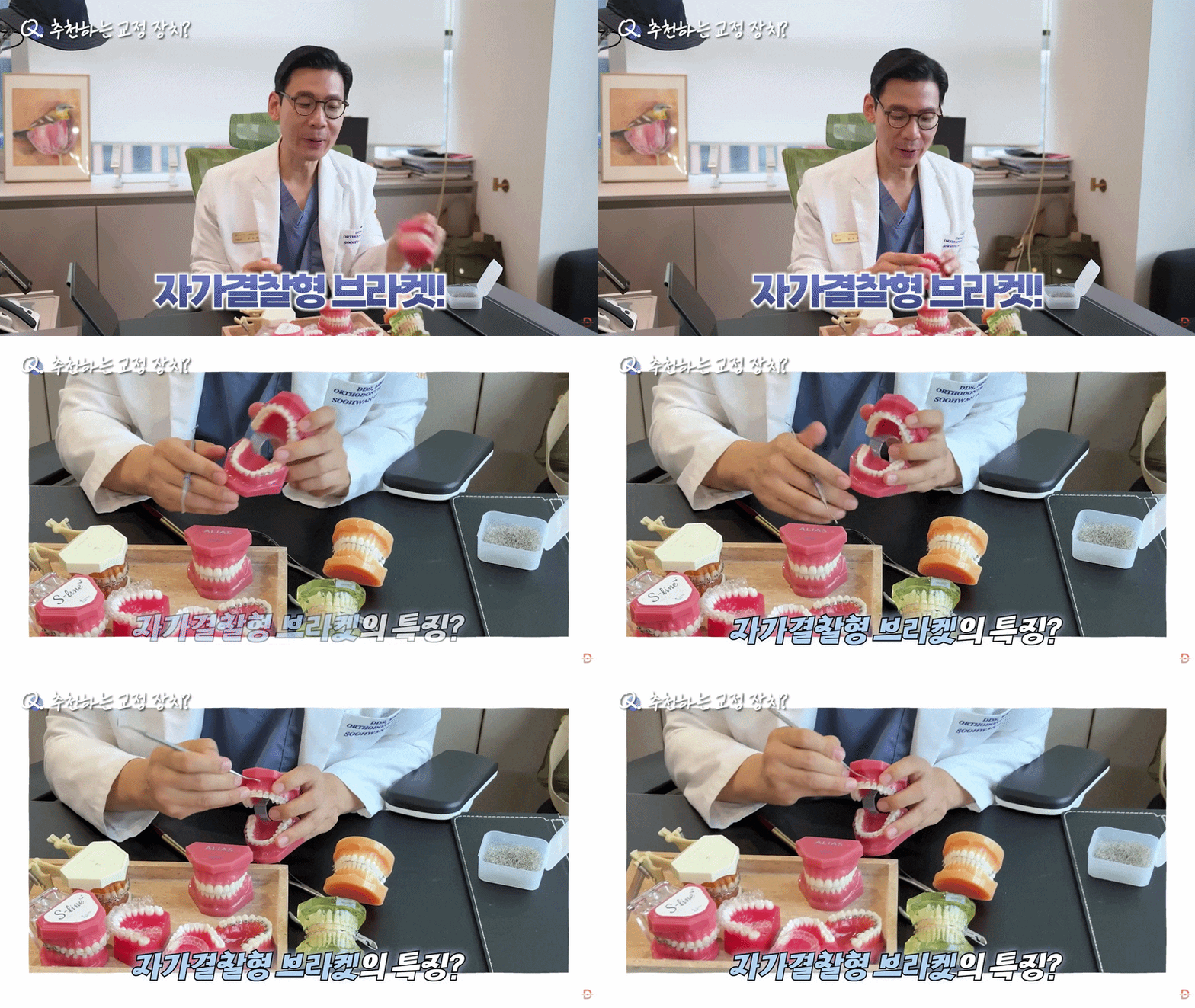
There are various types of appliances,
from methods that move the teeth using physical force
by attaching wires,
to removable clear aligners (Invisalign).
In particular, some office workers consider clear aligners
for aesthetic reasons.
Regardless of the method, each option has advantages and disadvantages,
so it is advisable to discuss and review them thoroughly with your dental professional.
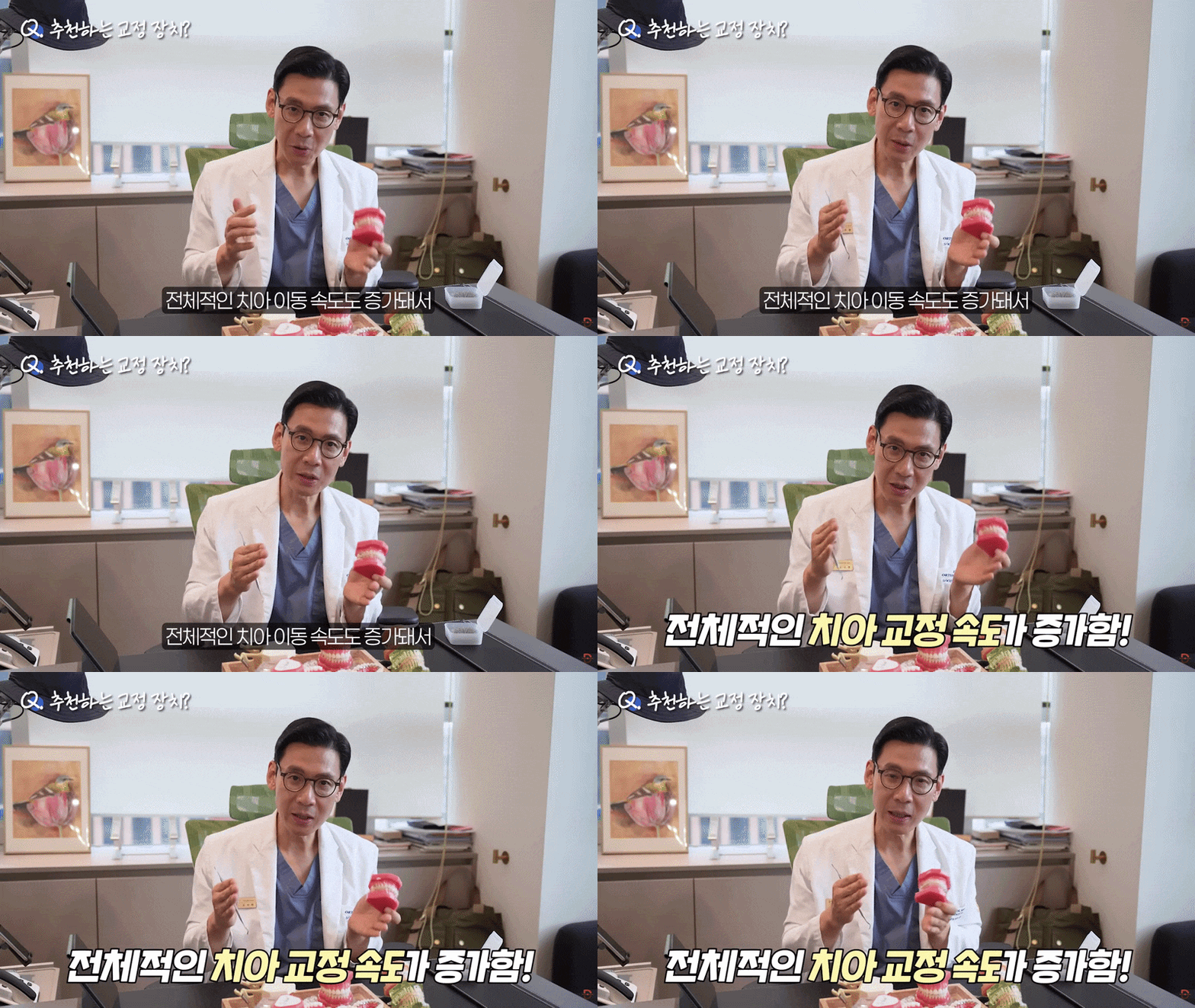
It remains important after treatment is complete
Orthodontic treatment does not end the moment the appliances are removed.
Because teeth have a tendency to return to their original positions,
wearing retainers may be especially important immediately after orthodontic treatment,
when the tissues around the teeth have not yet fully stabilized.
In general, for about six months to one year after orthodontic treatment,
retainers are worn except during meals and brushing,
and afterward, the wearing schedule is often adjusted
to focus mainly on nighttime use.
However, if the recommended wearing time is not followed properly,
the position of the teeth may change slightly even over a short period,
so regular checks may be necessary.
Habits such as pushing the front teeth with the tongue,
breathing only through the mouth,
teeth grinding, or clenching the teeth
may also affect tooth alignment.
If you have any of these habits,
it may be helpful to discuss them during your consultation.
Things worth checking in advance
When choosing an orthodontic dentist near Sinsa Station,
you can use the following points as references.
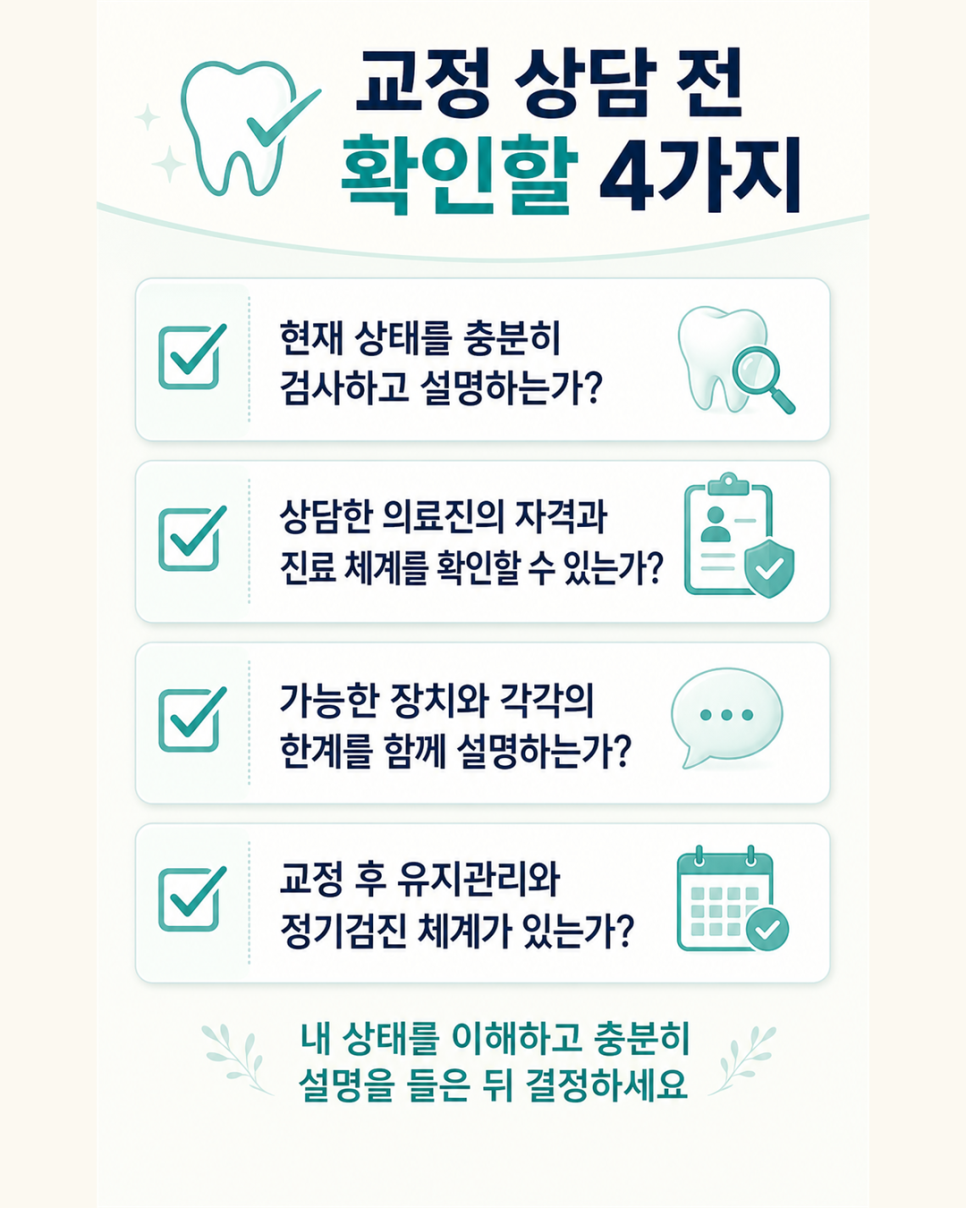
Checking these points together
may help in creating a treatment plan suited to your condition.
In closing...
Orthodontic treatment involves many things to check before it begins,
and it also requires consistent care after it is completed.
Whether adjacent teeth have tilted after a molar extraction
or you have questions about retainer care,
rather than making a decision on your own,
we recommend identifying the cause through an accurate examination.
If you are considering an orthodontic consultation near Sinsa Station,
please have a sufficient consultation before treatment,
confirm your current condition and the possible treatment options,
and then make your decision.
Thank you for reading.

※ This post is informational content prepared in compliance with relevant laws and regulations, including Articles 56 and 57 of the Medical Service Act.
It was prepared for the purpose of providing general medical information exempt from medical advertising review,
and does not guarantee the effects of any specific procedure or replace a medical diagnosis.
The images and materials used in this post are examples intended to aid understanding.
Actual diagnoses are determined through consultation and examination by medical professionals.
Methods, prognosis, and effects may vary depending on each individual’s health condition and the characteristics of their condition,
and there is also a possibility that side effects may occur.