Hello. This is Smile D, specializing in Gangnam veneers.
If you are concerned about the color or appearance of your front teeth,
it is easy to become conscious of your smile even when taking photos
or having a conversation.

While looking into ways to improve their smile, some people hesitate
because they are concerned about an overly white and uniform appearance,
or about having to significantly reshape their natural tooth structure.
If you are preparing for a Gangnam veneers consultation,
rather than focusing on making a quick change,
it is important to first determine whether the option
is suitable for your current oral condition.

Start by identifying the cause of your concern
Discoloration on the surface,
small gaps, chips at the edges, differences in length,
or severely overlapping or protruding teeth—
first consider which issue applies to you.
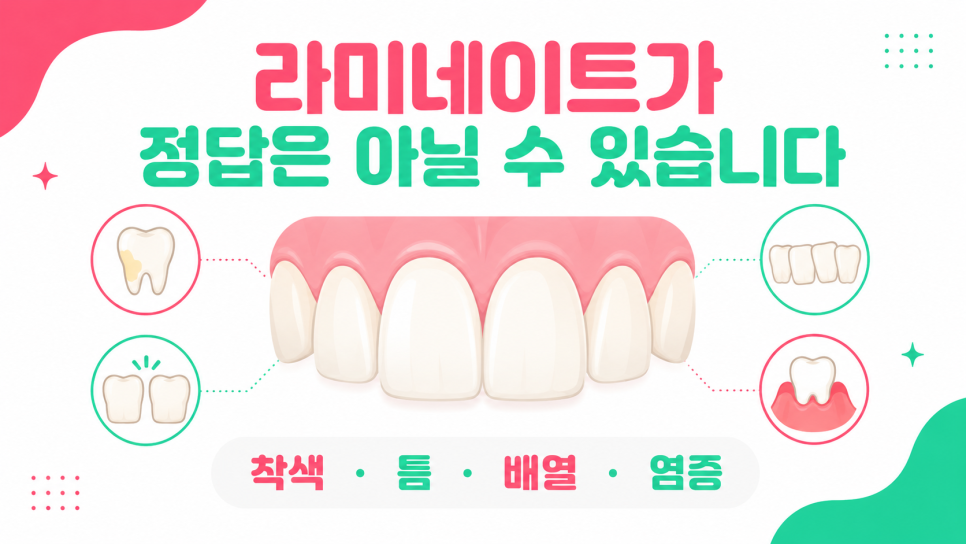
If cavities or gum inflammation are found,
it is best to address those areas first.
Rather than deciding from the outset whether to get Gangnam veneers,
the diagnostic process should first determine
whether color, shape, or alignment is the main concern.

Do not focus only on the term “no-prep”
The principle of preserving as much of the natural tooth structure as possible
is considered important.
If the position is stable and only minor adjustments are needed,
there may be room to reduce the amount of reshaping.
On the other hand, if the direction of protrusion and the contour
both need to be changed, simply adding material on top
may result in a thick or protruding appearance.
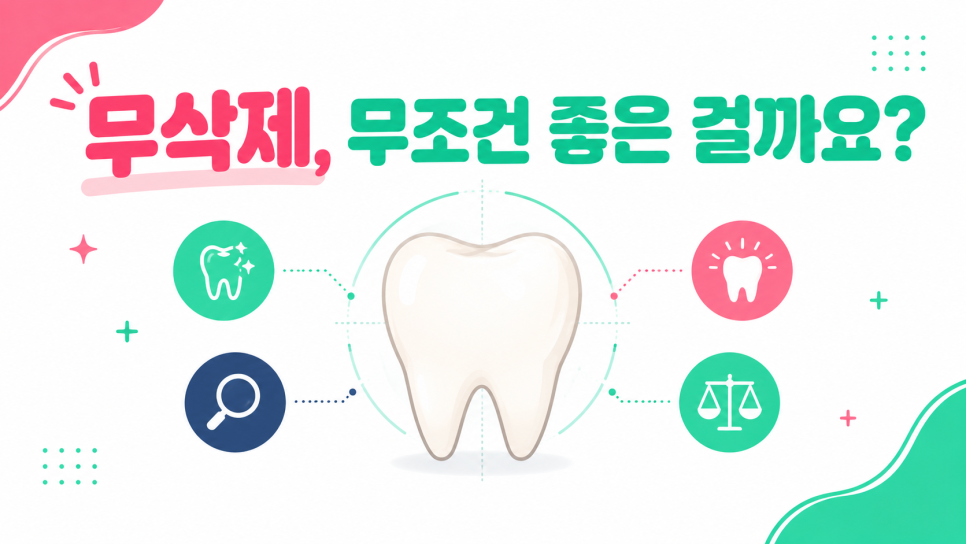
To achieve balanced thickness,
ask specifically about the extent to which the treatment can be applied
and the reasons behind that assessment when receiving an explanation.
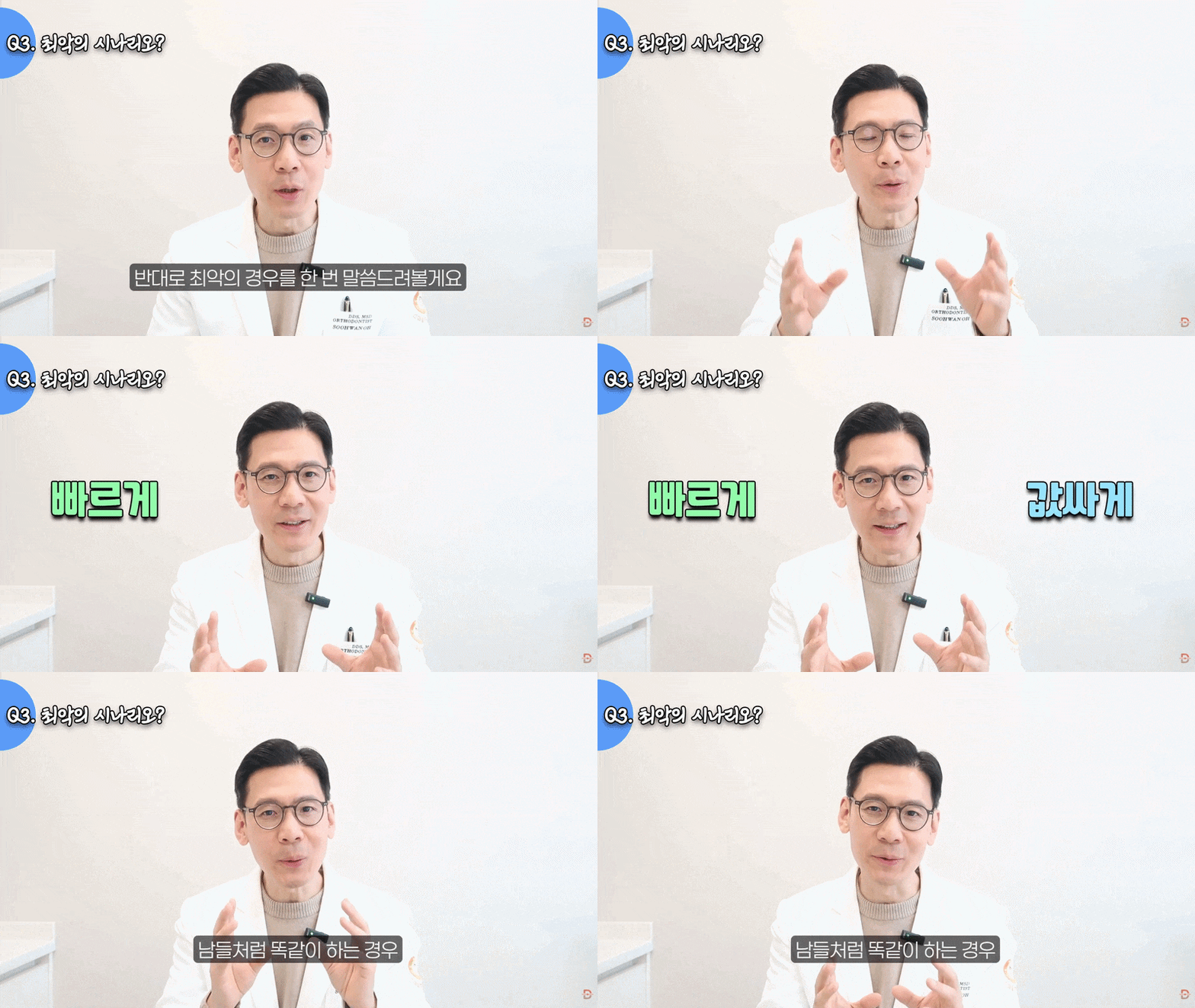
Compare the expected appearance in advance
The harmony described in words can mean different things to different people.
If the clinic uses digital scans or three-dimensional models,
ask whether you can review in advance both an option with no alteration
and an option involving minimal reshaping.

Once the length, width, and edge line have been changed,
there is also room to discuss with the dental professional
how the overall impression of your face may change.
The result shown on a screen is reference material to aid understanding
and does not guarantee the actual final appearance.
It is advisable to check whether the clinic fully explains
the reasons for the proposal as well as the limitations of implementation.
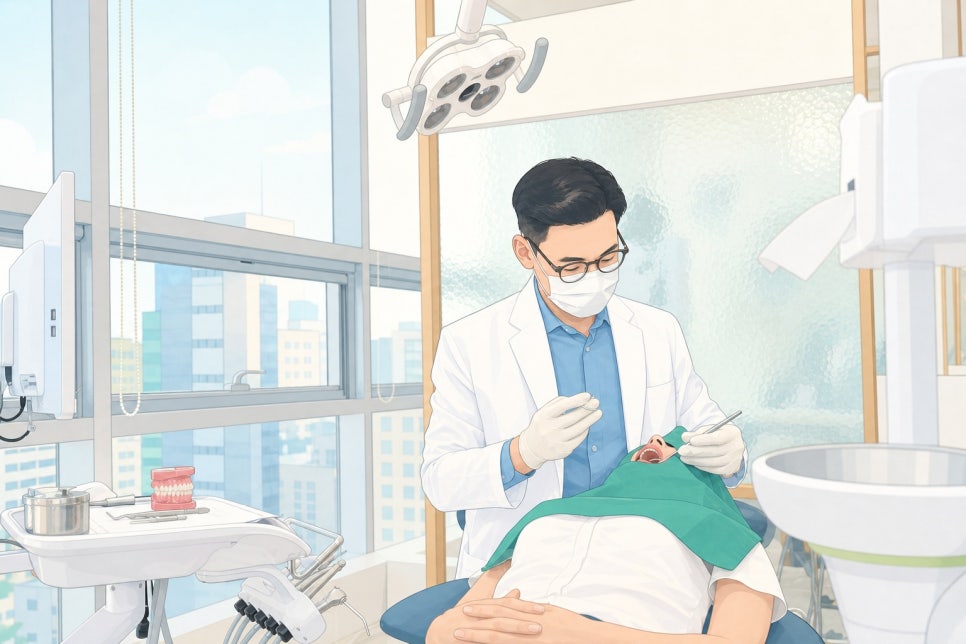
The brightest shade is not always the right answer
Front teeth appear together with your skin tone, lip color,
and the natural appearance of the surrounding teeth.
If only the brightness is increased,
the restorations may stand out and feel artificial.
To plan a harmonious appearance, you need to consider together
the translucency at the edges, surface texture, gum line,
and the area visible when you smile.

When selecting the shade for Gangnam veneers,
rather than focusing on how many levels brighter it will be,
ask what standard will be used to ensure it suits
your natural appearance.
< Location >
< More >

Whether a clinic operates an in-house dental laboratory
or works with an external laboratory varies by institution.
There is no basis for assuming that one option is always superior.
Rather than an explanation that guarantees the final quality in advance,
check whether the clinic explains the steps to follow
if adjustments are needed after trying the restoration in your mouth,
as well as the expected limitations.

Consider appearance and function together
If you focus only on an attractive shape,
there may be concern that force will be concentrated in a particular area
when the upper and lower teeth come together.
Teeth grinding or clenching places repeated stress on the material.

Before planning Gangnam veneers, review your bite, speech,
and everyday habits, and if necessary,
discuss whether a protective device should be used.
Your gum health and hygiene should also be assessed together
to help maintain the result over time.
If an old restoration has become dark,
find the cause
The reason it may look yellow can vary,
including changes in the color of the bonding material,
staining along the margins, discoloration of adjacent areas,
or chipping and loosening.
Ceramic does not become lighter with whitening agents,
and if only the surrounding areas become brighter,
the existing restoration may appear even darker.
Rather than replacing it immediately based only on a color difference,
have the bonding condition and any internal damage examined first,
then determine whether retreatment is necessary.
Ask these questions during your consultation
Is this suitable for my current oral condition?
Are there alternatives such as whitening or orthodontic treatment?
If reshaping is needed, how much will be done and why?
Do you provide comparison materials in advance?
What standards are used to design the shade and contour?
How are opinions shared during the laboratory stage?
How are bite and teeth grinding incorporated into the plan?
What side effects and limitations can be expected?
What precautions should I take after the procedure?

Rather than recommending only one option,
it is advisable to check whether the clinic explains several alternatives
and provides specific grounds for the advantages and disadvantages of each.
It is also preferable to hear about all possible sources of discomfort,
including individual differences and the possibility of sensitivity,
fracture, or detachment.
After completion, brush carefully so that plaque does not remain
around the margins, and use dental floss as well.
Avoid biting hard foods with your front teeth,
and attend regular checkups to monitor the bonding condition,
gum health, and changes in the bite.
If you notice a fine crack or a sensation of loosening,
or develop sudden sensitivity,
do not simply endure it on your own; have it examined
to determine the cause.

If you are about to decide on Gangnam veneers,
do not focus only on speed.
Compare carefully the extent of preservation, harmony with your face,
communication during fabrication, functional stability,
and follow-up care.
Because oral structures and daily habits differ from person to person,
the appropriate approach also varies.
The specific details should be confirmed through examination
and diagnosis by a dental professional.
Rather than looking only at popular terminology,
listen carefully to the factors and precautions specific to you
before making a considered decision.

※ This post was prepared in compliance with Article 56, Article 57,
and other applicable provisions of the Medical Service Act.
It is informational content intended to provide general medical information
that is exempt from review of medical advertising,
and it does not guarantee the effects of any specific procedure
or replace a medical diagnosis.
The images and materials used in this post are examples provided to aid understanding;
actual diagnoses are determined through consultation and examination by a dental professional.
Depending on an individual’s health status and the characteristics of any condition,
methods, prognosis, and results may vary,
and side effects may occur.