Isn’t orthodontic treatment something that should be done during your school years?
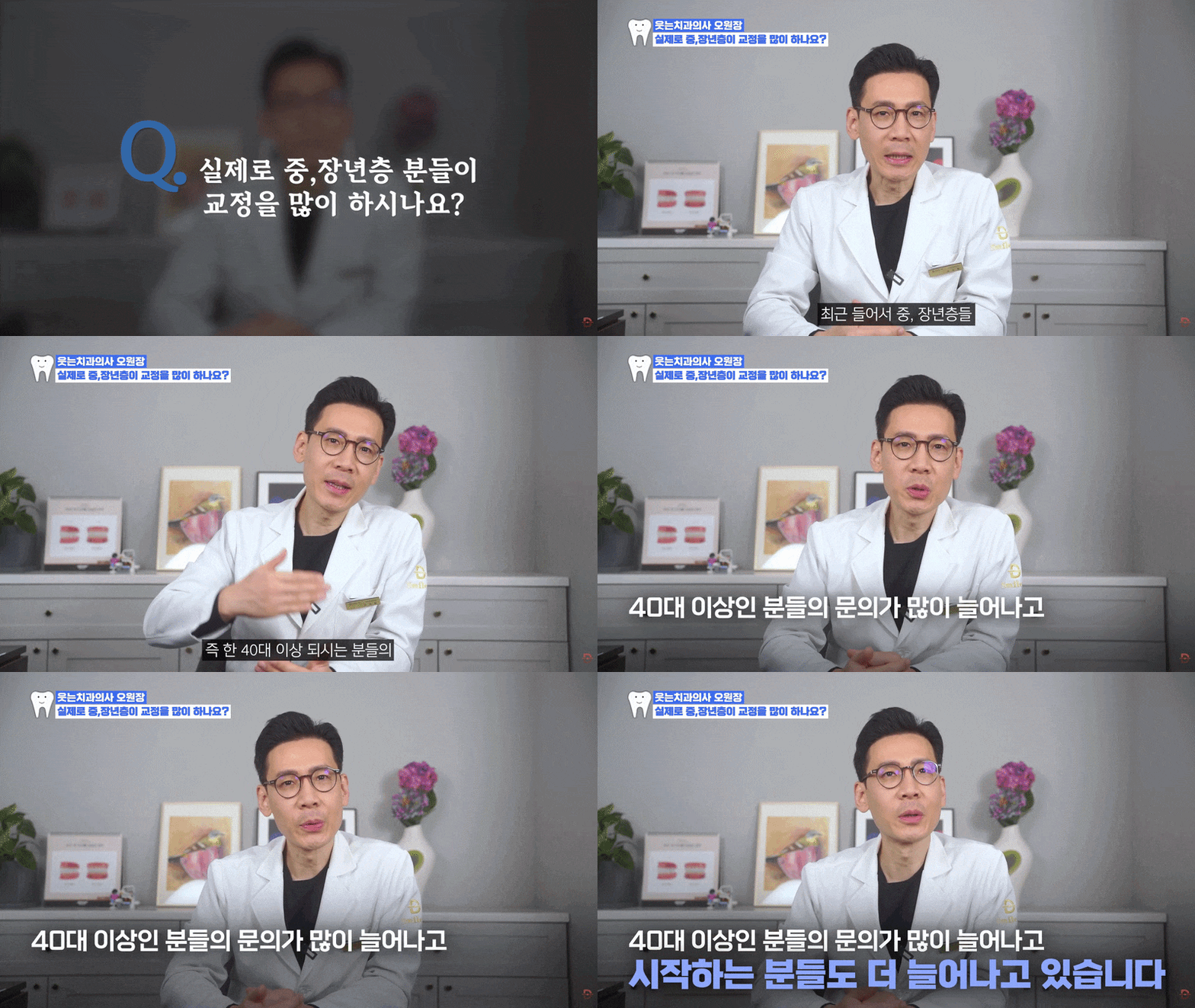
Many people are concerned about crooked teeth or protruding teeth but hesitate to undergo adult orthodontic treatment because of their age.
Some believe they have already missed the ideal time for treatment, or postpone even a consultation because they think their teeth will not move easily after adulthood.
To give you the conclusion first, orthodontic treatment is possible even for adults whose growth has finished.
However, because the treatment conditions differ from those during the growth period, it is important to carefully examine not only age but also the condition of the gums and alveolar bone, the cause of the malocclusion, and the amount of tooth movement required.
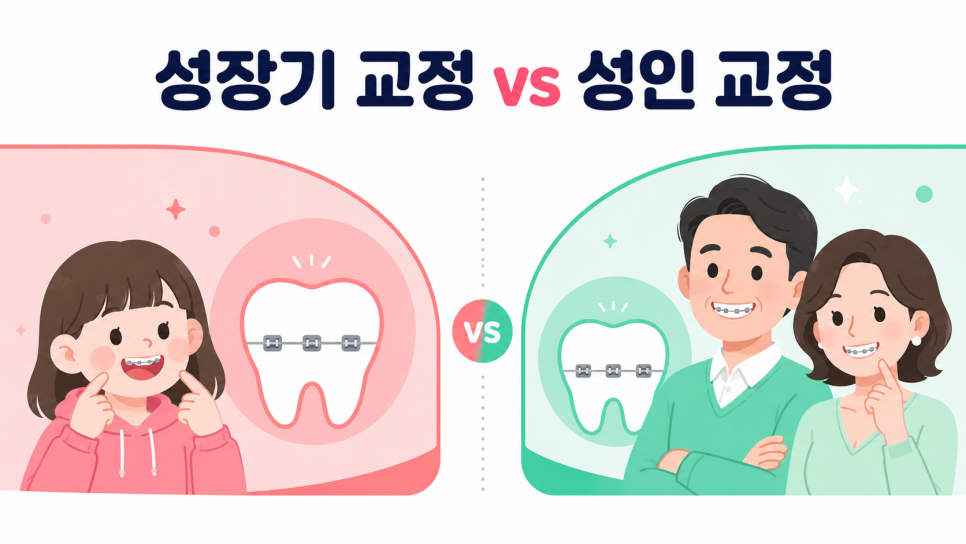
What makes adult orthodontic treatment different?
Children and adolescents are still growing in the jaw, so treatment that takes advantage of the direction of growth may also be considered.
By contrast, jaw growth is mostly complete in adults, so treatment focuses on moving the teeth safely within the alveolar bone.
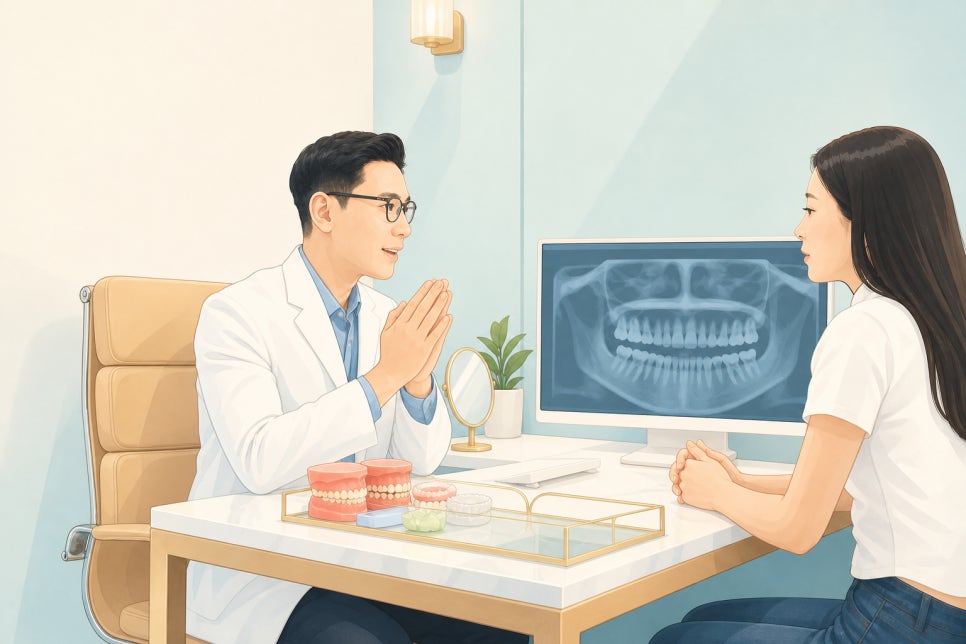
Being an adult does not necessarily mean that treatment will be difficult.
However, tooth movement may proceed relatively slowly depending on the condition of the alveolar bone and the rate at which the tissues respond.
Therefore, rather than applying excessive force simply to pursue quick results, it is important to provide stable treatment suited to each person’s biological conditions.
Treatment duration is not the same for everyone.
It varies depending on the degree of crowding, whether extractions are needed, gum health, and the patient’s cooperation with wearing the appliance and attending appointments.
Rather than determining your treatment duration based only on the timeframe introduced online, you should confirm the expected plan through a detailed examination.
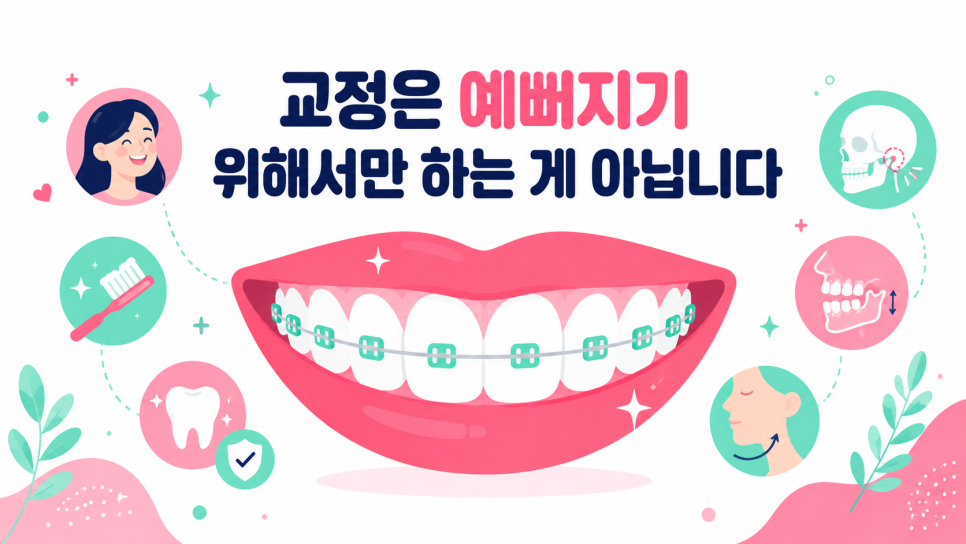
Orthodontic treatment is not performed only to improve appearance
Adult orthodontic treatment may be performed not only for the aesthetic purpose of creating a straighter alignment of the teeth, but also to improve oral function.
When teeth overlap, toothbrushes and dental floss may not reach them easily, making it difficult to manage cavities and gum disease.
If neighboring teeth have tipped into the space of a missing tooth after it was left untreated for a long time, limited orthodontic treatment may be considered to create the space needed for an implant or prosthetic treatment.

If malocclusion causes excessive force to be concentrated on certain teeth, the balance of the bite and chewing function should also be assessed.
However, temporomandibular joint pain and headaches can have various causes, so it cannot be assumed that orthodontic treatment alone will necessarily resolve them.
The relationship between the symptoms and the bite should be evaluated first, after which the necessary treatment can be determined.
Why gum examinations become more important with age
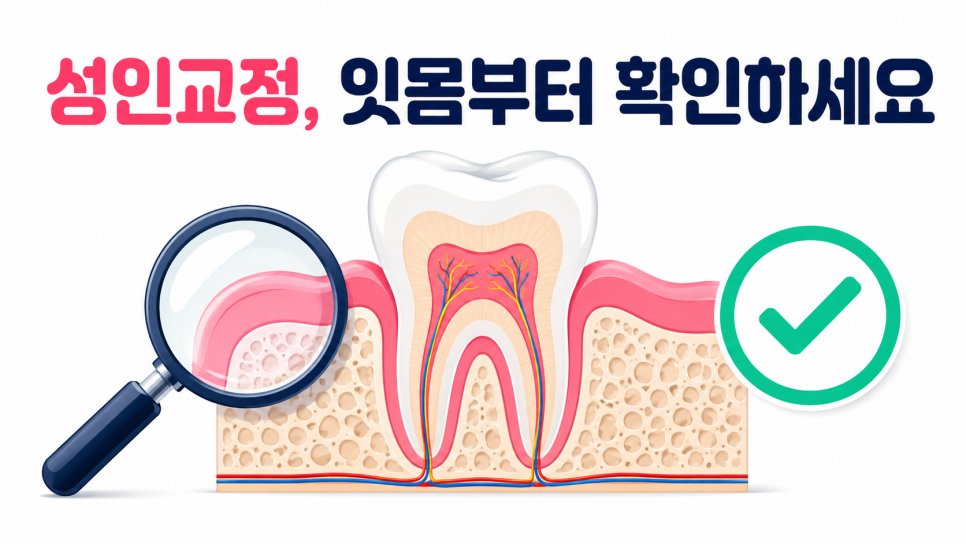
In adult orthodontic treatment, the first things to check are the health of the gums and alveolar bone, rather than age.
Orthodontic treatment uses the process in which the surrounding bone is resorbed and newly formed in response to appropriately applied force on the teeth.
If treatment is rushed while the gums are inflamed or the alveolar bone is weakened, there is a risk that gum disease may worsen or that the teeth may become loose.
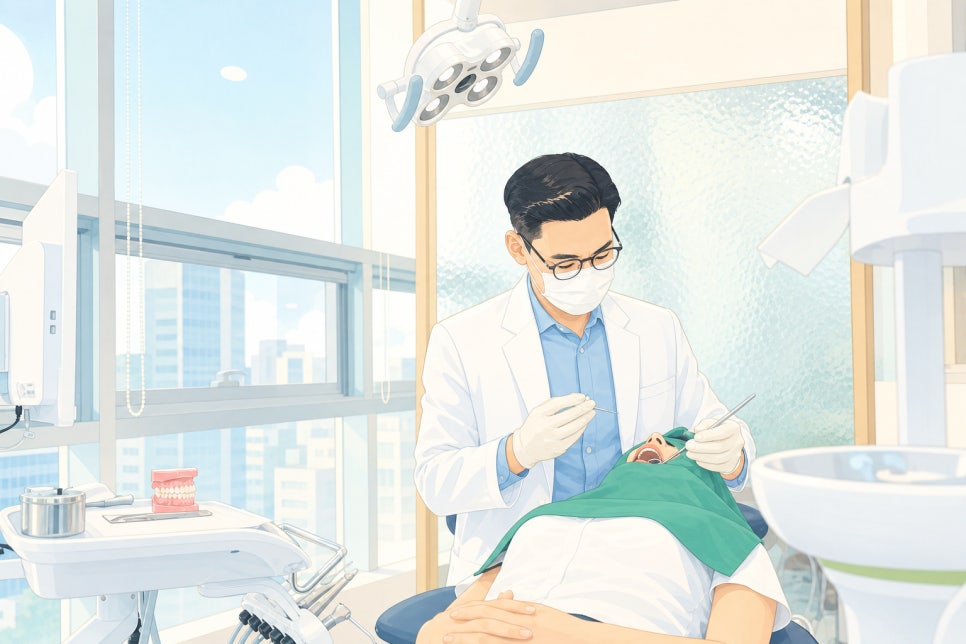
Therefore, if scaling or periodontal treatment is needed, orthodontic treatment should begin after the gums have been stabilized.
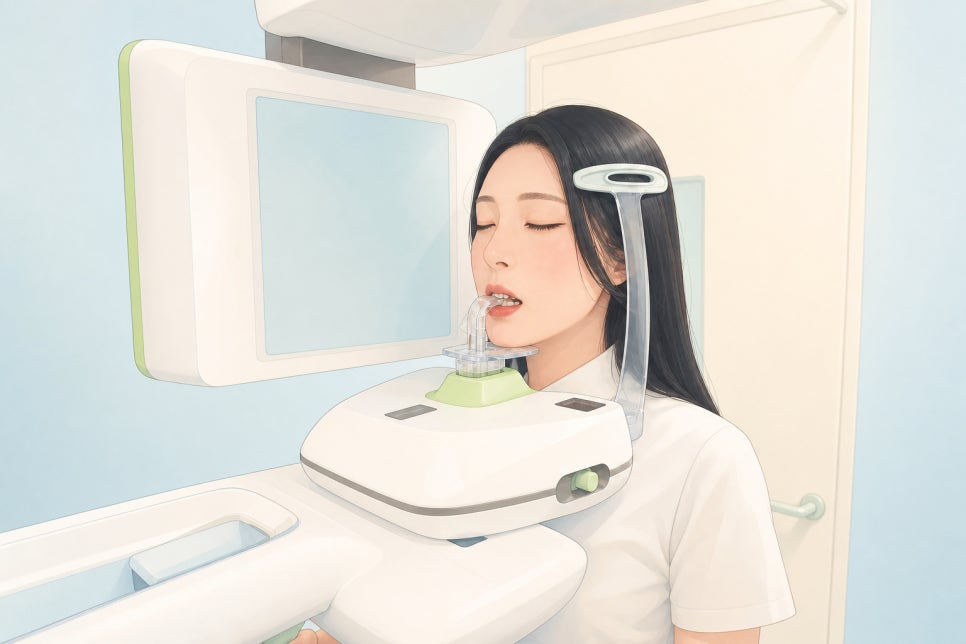
Even during treatment, it is important to consistently monitor the condition of the tooth roots and alveolar bone through radiographic and gum examinations.
For middle-aged orthodontic treatment, the more important process is determining the speed and extent at which treatment can proceed safely, rather than simply deciding whether it is possible.
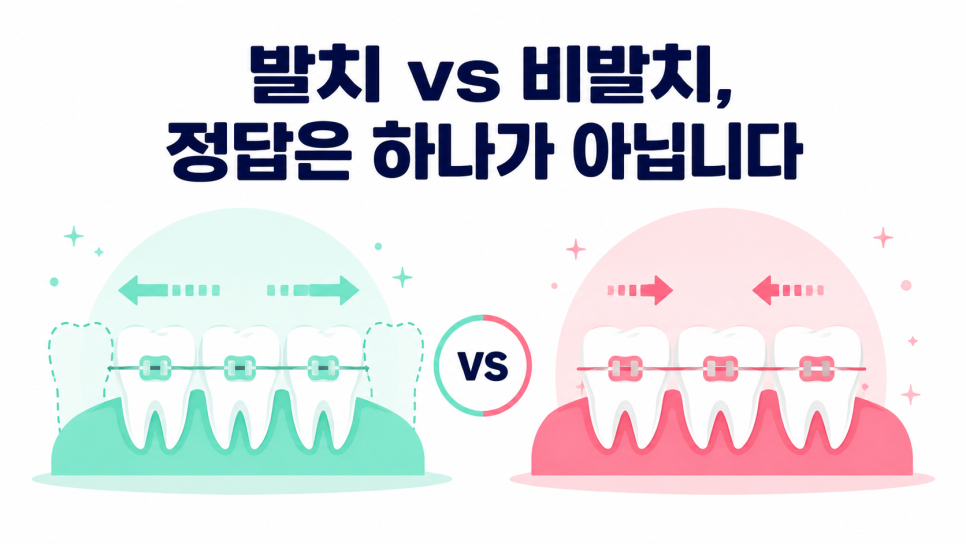
Which is better: extraction or non-extraction treatment?
One of the questions frequently asked during consultations for adult orthodontic treatment is whether teeth should be extracted.
Extraction is neither a treatment that must always be avoided nor one that must always be performed.
When there is only a small shortage of space for arranging the teeth, space can be created by slightly reducing the surfaces between the teeth, adjusting the width of the dental arch, or moving the teeth backward using mini-screws.
On the other hand, when the lack of space or degree of protrusion is significant, extraction-based orthodontic treatment may provide a more stable result.
Insisting on non-extraction treatment at all costs may cause the front teeth to flare outward or make the bite unstable.
Conversely, extraction should not be decided without sufficient analysis.
The decision should be made after comprehensively comparing the facial profile, space in the dental arch, root positions, the extent of the alveolar bone, and the bite.
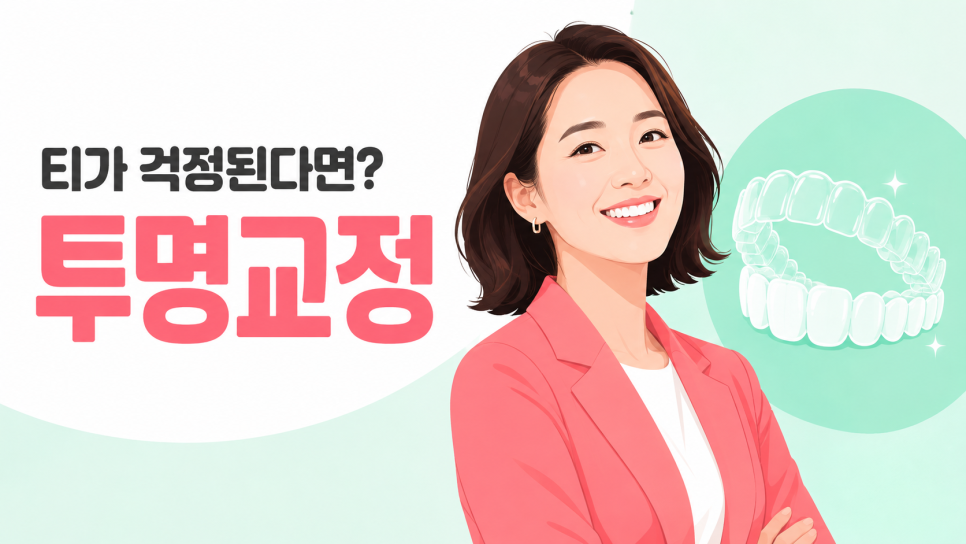
If you are concerned about appearance, clear aligners may also be considered
If visible orthodontic appliances feel burdensome because of work or social interactions, clear aligners may be an option.
Clear appliances are relatively less noticeable and can be removed when eating and brushing, making daily life more convenient.
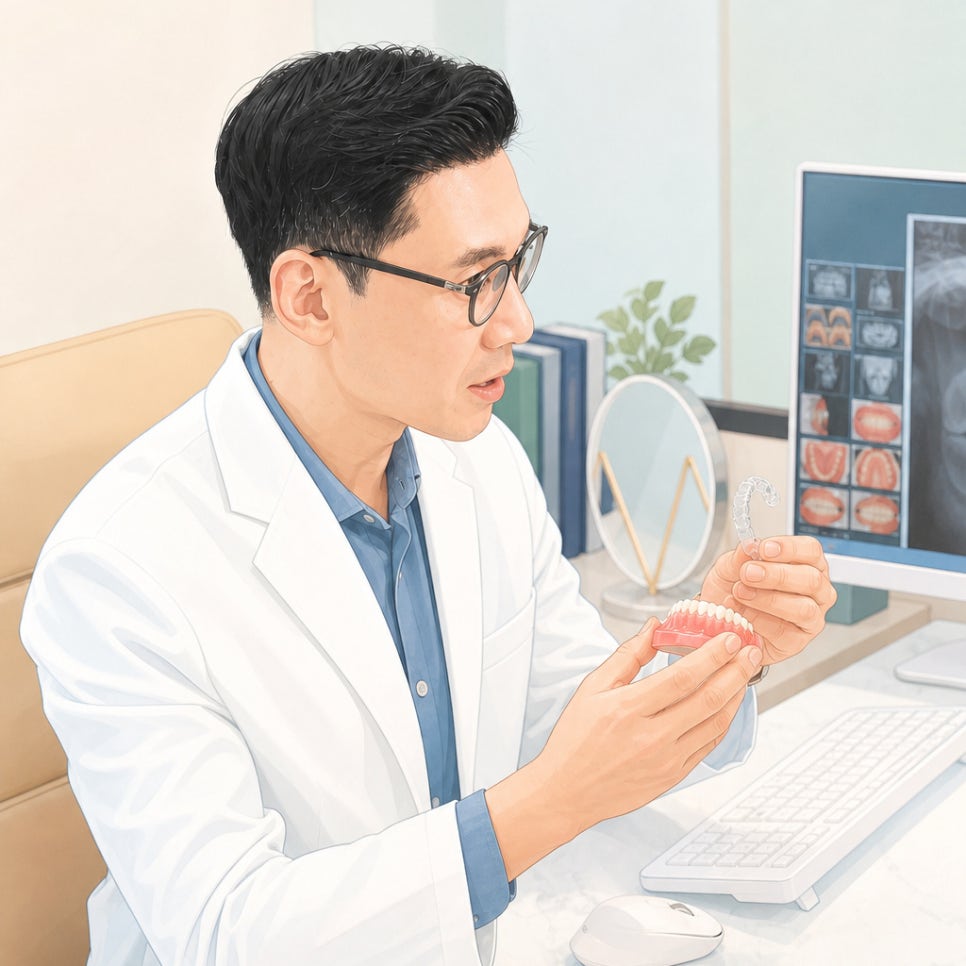
When a large amount of tooth movement is required, there is a significant skeletal issue, or complex bite adjustment is needed, another type of appliance may be more suitable.
In addition, because patients must wear the appliances themselves for the prescribed amount of time, their cooperation has a significant effect on the treatment outcome.
Rather than focusing on which appliance is the newest, the criterion for selection should be whether it can safely move your teeth to their planned positions.
Maintenance after orthodontic treatment must also be considered
Removing the orthodontic appliance does not mean that treatment is completely finished.
The tissues around the teeth have a tendency to return to their original positions, so the teeth may shift again if retainers are not used properly.
If a fixed retainer comes loose or a removable retainer no longer fits, you should have it checked rather than leaving it unattended.
Teeth grinding, clenching, and habits such as pushing the teeth with the tongue can also affect changes in the dental alignment, so they should be managed as well.
A good orthodontic result is completed not only through the treatment process but also through maintenance after treatment.
“Can I start now?” Find out through a detailed diagnosis!
Adult orthodontic treatment is not something that should be given up on simply because of an older age.
What matters is accurately determining whether your current teeth and gums can withstand orthodontic force and which problems can be improved, and to what extent.
< Location >
< More >
At Smile D Dental Clinic, rather than recommending an appliance first, we provide guidance on the treatment direction after comprehensively examining tooth alignment and the bite, the condition of the gums and alveolar bone, the balance of the face and lips, and whether extraction or non-extraction treatment is possible.
Our priority is to create a safe and maintainable result for each patient, rather than simply choosing a method that is unconditionally faster or less noticeable.
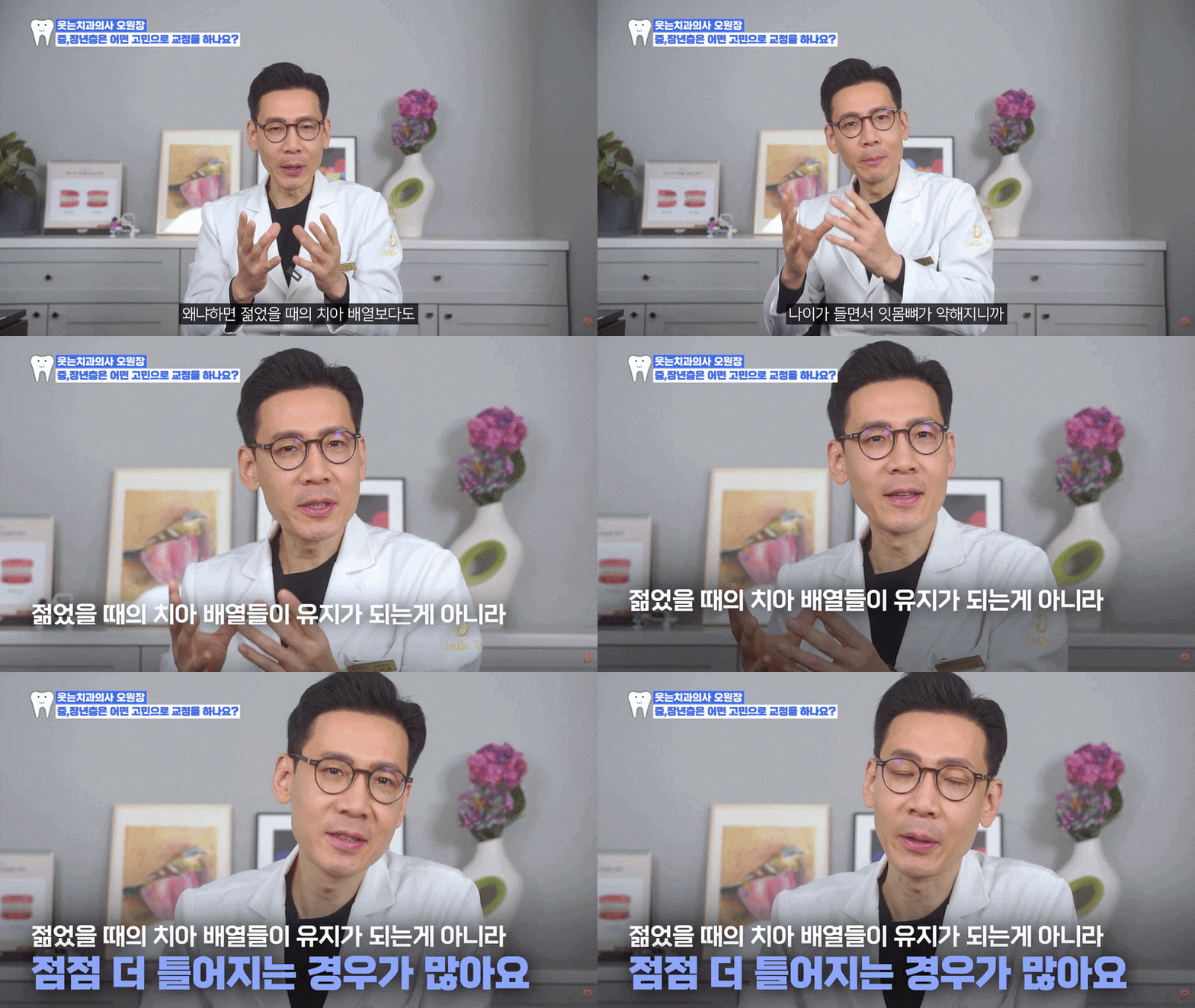
If you have been wondering whether it might already be too late, do not make that decision on your own.
Please first confirm through a consultation whether adult orthodontic treatment is suitable for your condition and whether conventional braces or clear aligners would be more appropriate.
Thank you for reading today.
This has been Smile D Dental Clinic.

※ This post is informational content prepared in compliance with relevant laws and regulations, including Articles 56 and 57 of the Medical Service Act.
It was prepared to provide general medical information that is exempt from review of medical advertisements, and does not guarantee the effects of any specific procedure or replace a medical diagnosis.
The images and materials used in this post are examples intended to aid understanding. An actual diagnosis is determined through consultation and examination by medical professionals.
The methods, prognosis, and effects may vary depending on each individual’s health status and the characteristics of their condition, and side effects may occur.