Hello.
This is Smile D Dental Clinic, located at Sinsa Station.
Have you ever looked in the mirror and noticed a yellowish or
hard mass attached to the inside of your lower front teeth?
If it does not disappear even after brushing carefully,
you may wonder, “Should I try an at-home tartar remover?”
These devices are easy to purchase online
and can be used for care at home,
so more people are becoming interested in them.
Today, we will explain step by step what at-home tartar removers are,
how helpful they really are,
and what to be careful about when using them.
What Is an At-Home Tartar Remover?
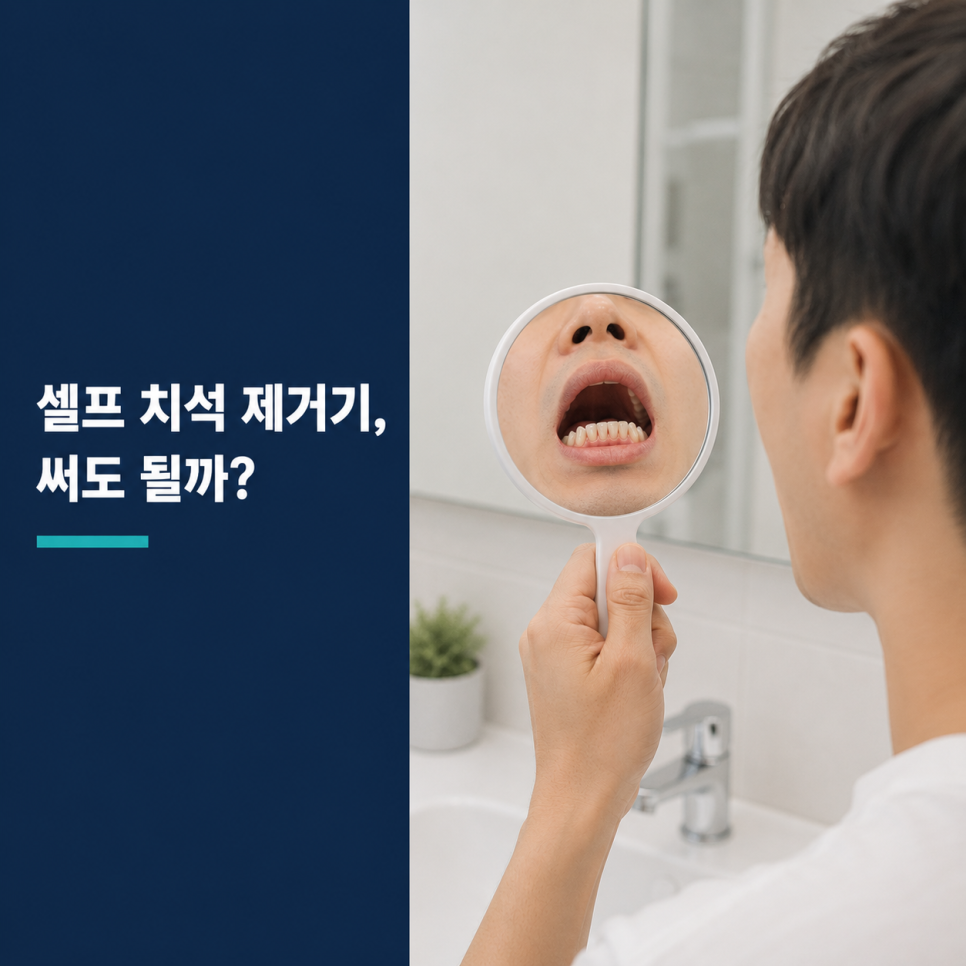
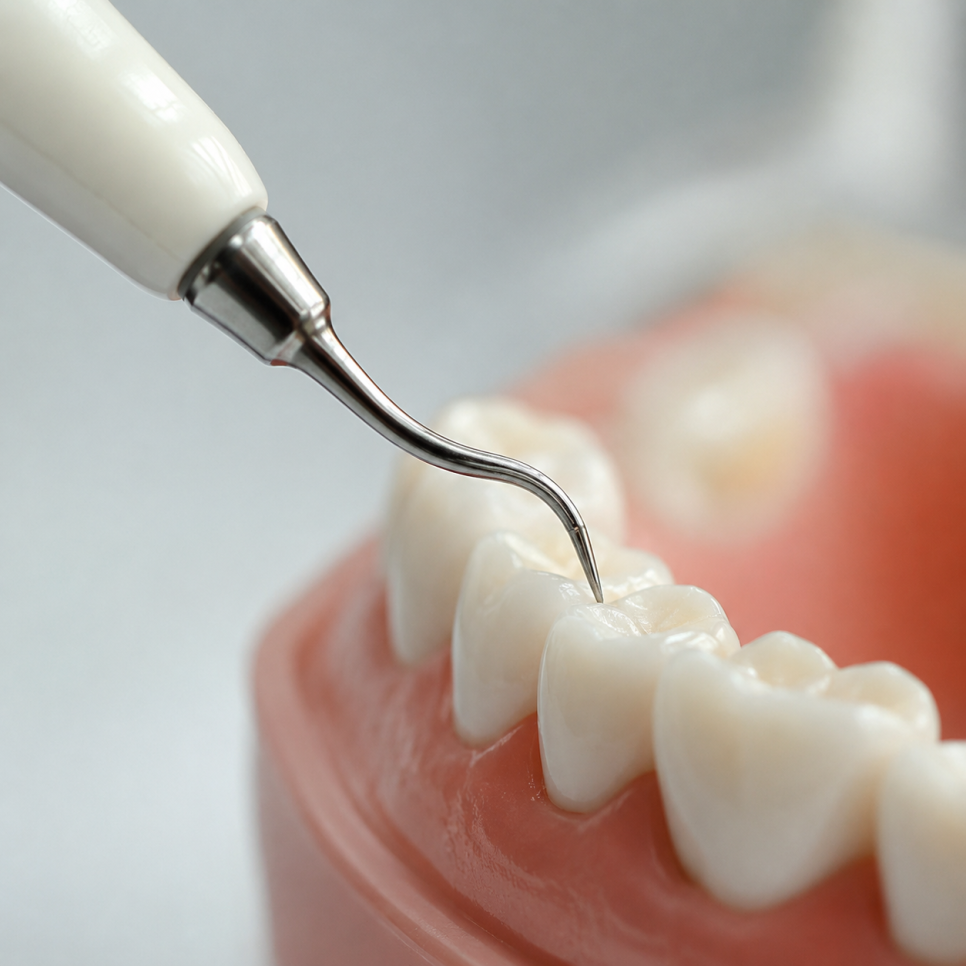
An at-home tartar remover is a household device that transmits fine vibrations to a pointed tip
and removes deposits firmly attached to the tooth surface.
It may look similar to the ultrasonic scalers used at dental clinics,
and some products operate only when they come into contact with a hard object such as a tooth.
Visible tartar may come off partially,
so your teeth may feel cleaner immediately after use.
However, the fact that both devices “vibrate” does not mean
that they are equivalent to professional dental scaling.
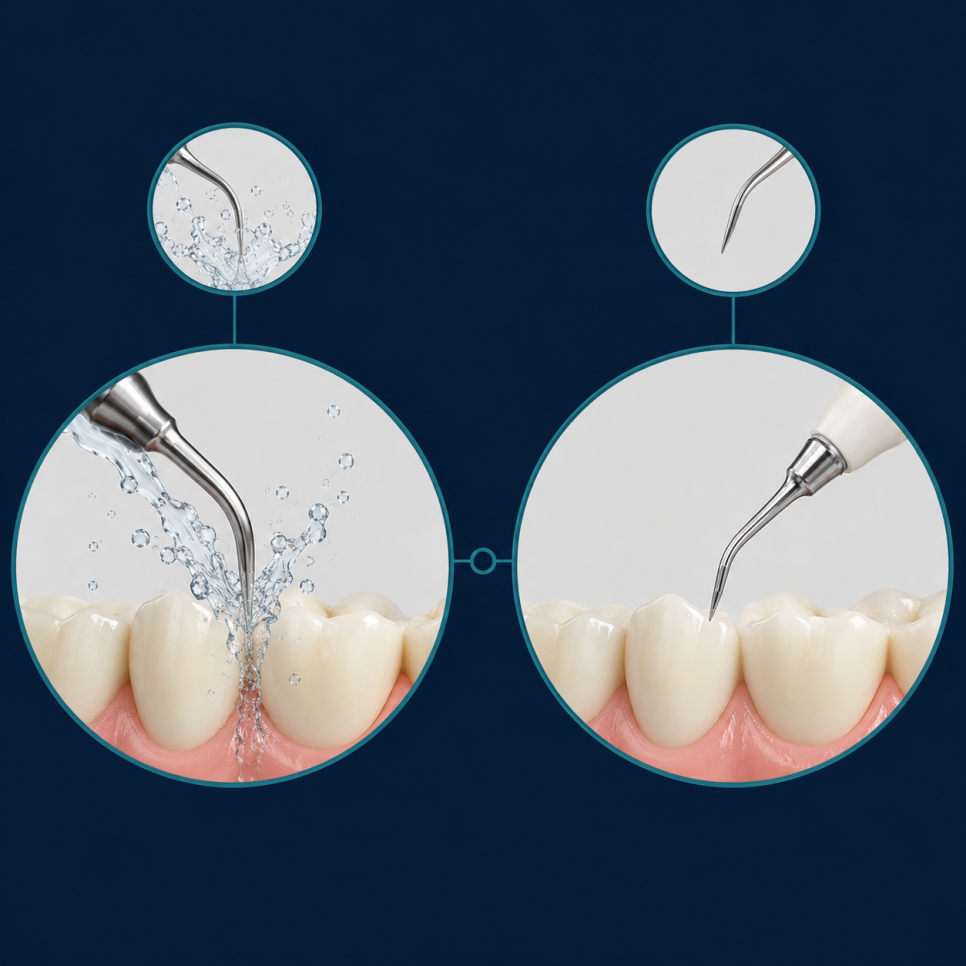
Dental ultrasonic scalers spray water along with the vibrations.
This water cools the heat generated by the instrument and tooth,
and the fine bubbles and flow of water
help remove tartar and bacterial plaque.
In contrast, many household devices do not have an automatic water-spray function,
and their output and operating methods also differ,
so the areas they can clean are limited.
Is Removing Only Visible Tartar Enough?
Tartar forms when plaque on the tooth surface meets minerals in saliva and hardens.
Once it has hardened, tartar is difficult to remove through ordinary brushing alone.
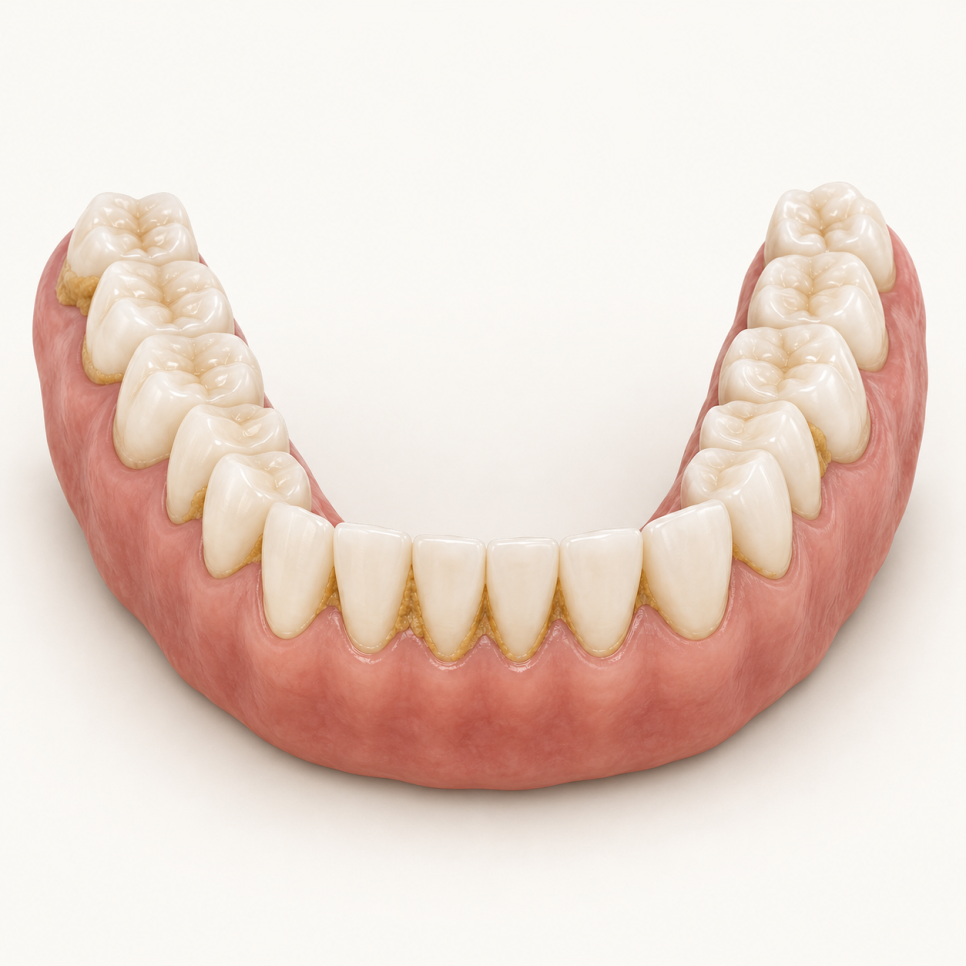
Tartar tends to form relatively easily on the inside of the lower front teeth
and the outside of the upper molars,
because these areas are close to the salivary glands.
The surface of tartar is rough, making it easy for bacterial plaque to attach again,
and if it is left for a long time, it may cause swollen or bleeding gums
and contribute to bad breath.
If inflammation becomes deeper, it may also affect the jawbone that supports the teeth,
so tartar should not be regarded as merely an unattractive stain.
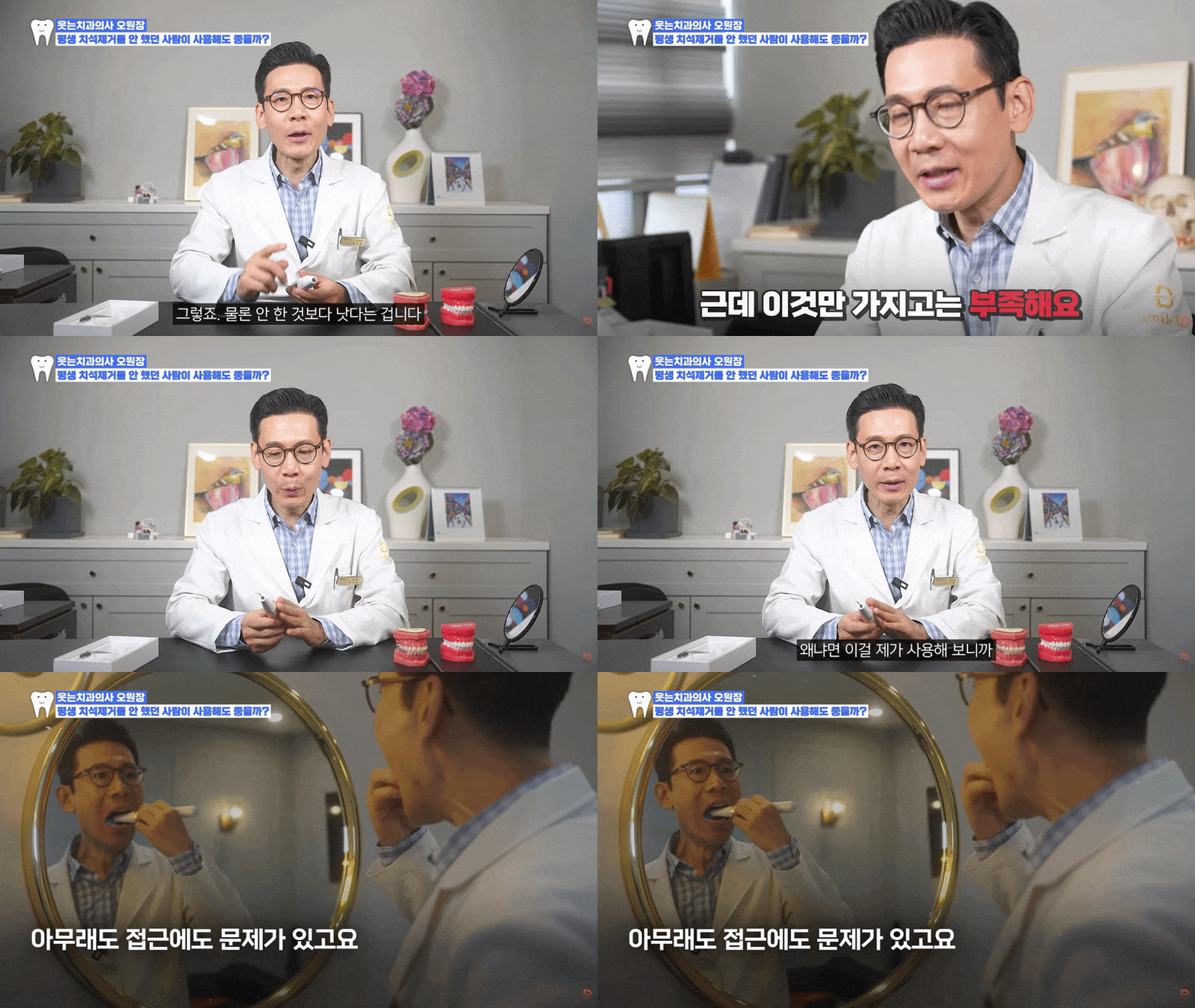
The biggest limitation of self-care is visibility and accessibility.
Even while looking in a mirror, it is difficult to position the tip of the instrument accurately at the desired angle,
and tartar behind the molars, between the teeth, or below the gumline
is also difficult to see.
This is why clean-looking areas of the front teeth do not necessarily mean
that all the tartar in the mouth has been removed.
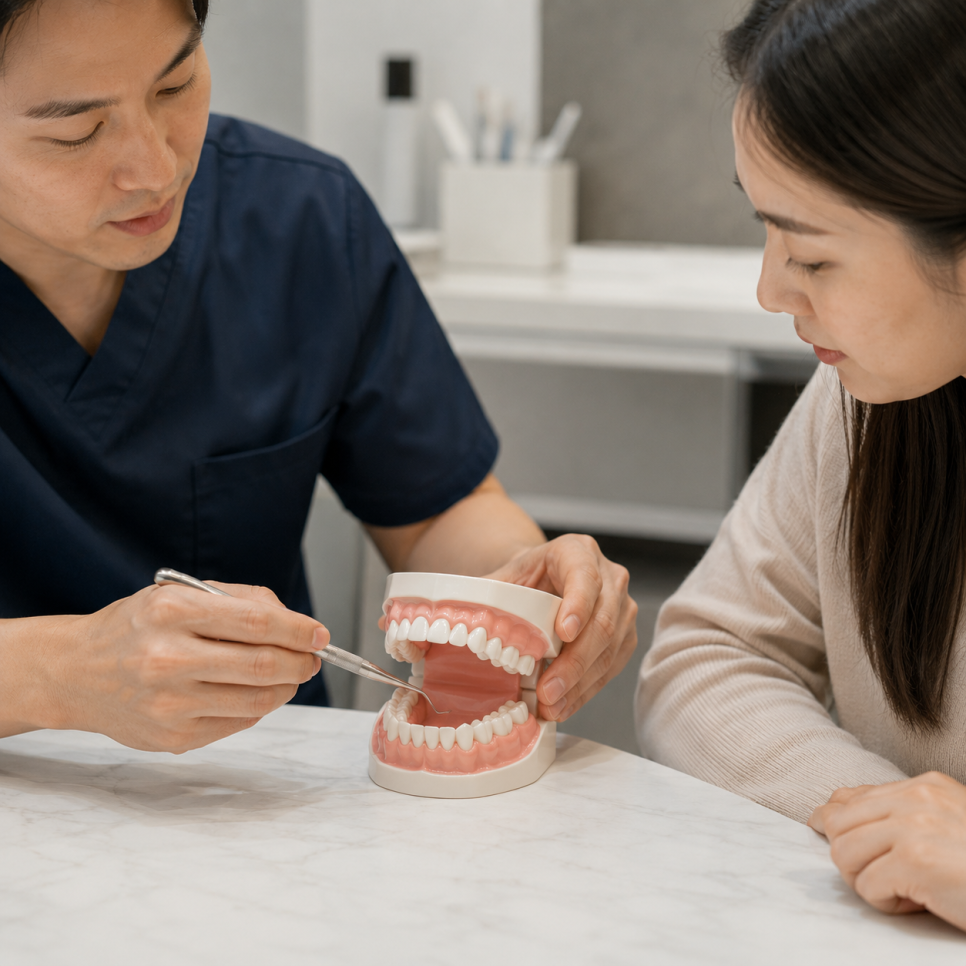
What appears to be tartar could also be tooth decay, staining,
or the margin of an old restoration, making it difficult to distinguish these conditions on your own.
What Problems Can Occur If It Is Used Incorrectly?
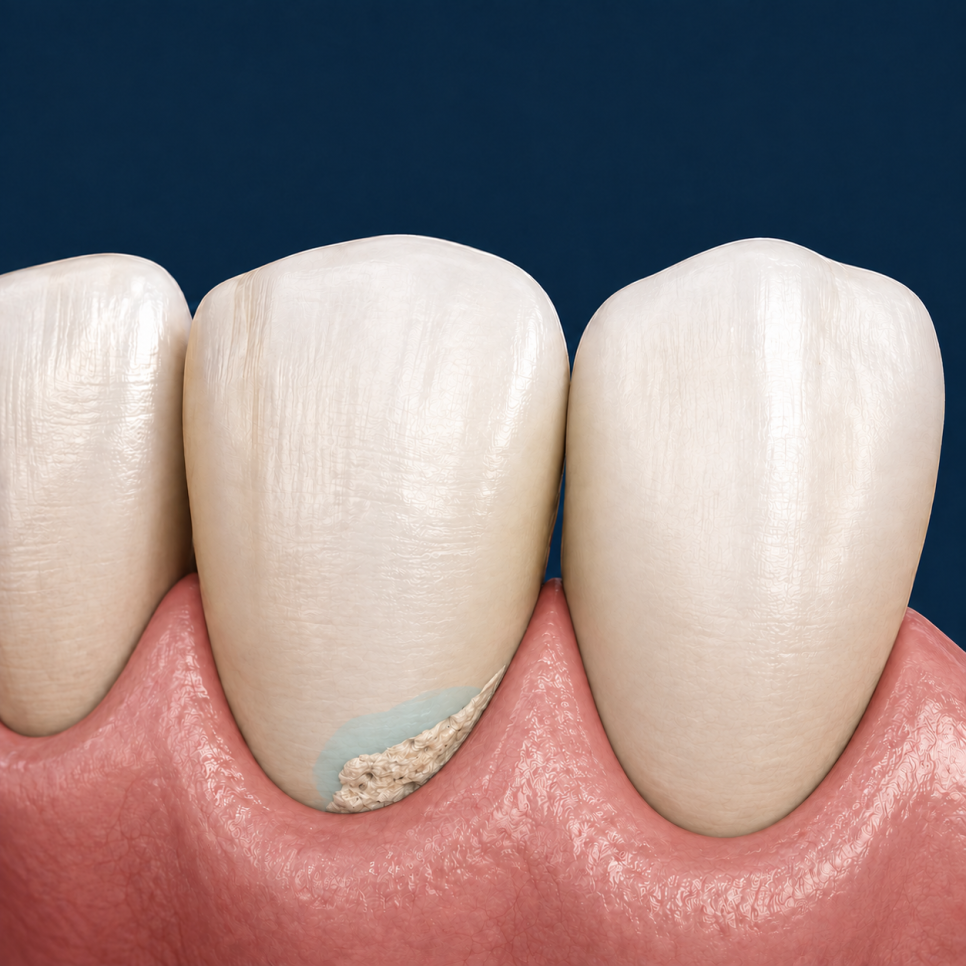
If you push the pointed tip toward the gums
or repeatedly place it at a right angle against the tooth surface,
there is a possibility of injuring the gums or damaging the tooth surface.
Applying excessive force because the tartar does not come off easily
or keeping the device in one place for too long may also cause discomfort from frictional heat.
People who have bleeding or receding gums that expose the tooth roots,
those who may have periodontal disease, and those with prosthetic restorations or implants
should consult dental professionals before using the device themselves.
If you have pain, bleeding, loose teeth, or swollen gums,
do not try to resolve the problem with the device; you should be examined first.

Use It Only as a Supplement
If you choose an at-home tartar remover, it should not be understood as a replacement for professional dental scaling,
but as a supplementary tool for limited care of areas
that are clearly visible and easy to access.
Start at a low intensity, use it briefly without applying force,
and avoid forcing it into deep areas around the gums or between the teeth.
You should also avoid using it every day
with the assumption that more frequent use will make your teeth cleaner.
Check the instructions and contraindications for the specific product first,
and stop using it immediately if any unusual symptoms occur.

Professional dental scaling differs in that the entire tooth surface can be examined directly
and the instruments can be adjusted according to the area and the hardness of the tartar.

Examining gum bleeding, periodontal pockets, tooth decay, and the condition of restorations along with scaling
can also help detect problems that were not visible at an early stage.
The rate at which tartar forms and the appropriate care interval
depend on factors such as brushing habits, smoking, gum disease, and whether implants or prosthetic restorations are present.
Rather than setting a uniform schedule, it is better to receive guidance after an examination.
After scaling, some people experience tooth sensitivity
or feel as though the spaces between their teeth have become wider.
This may happen because the gums that were swollen by tartar settle down,
revealing spaces that had previously been concealed.
It is usually temporary, but if discomfort or bleeding continues,
the cause should be checked. Please be sure to tell your dentist.
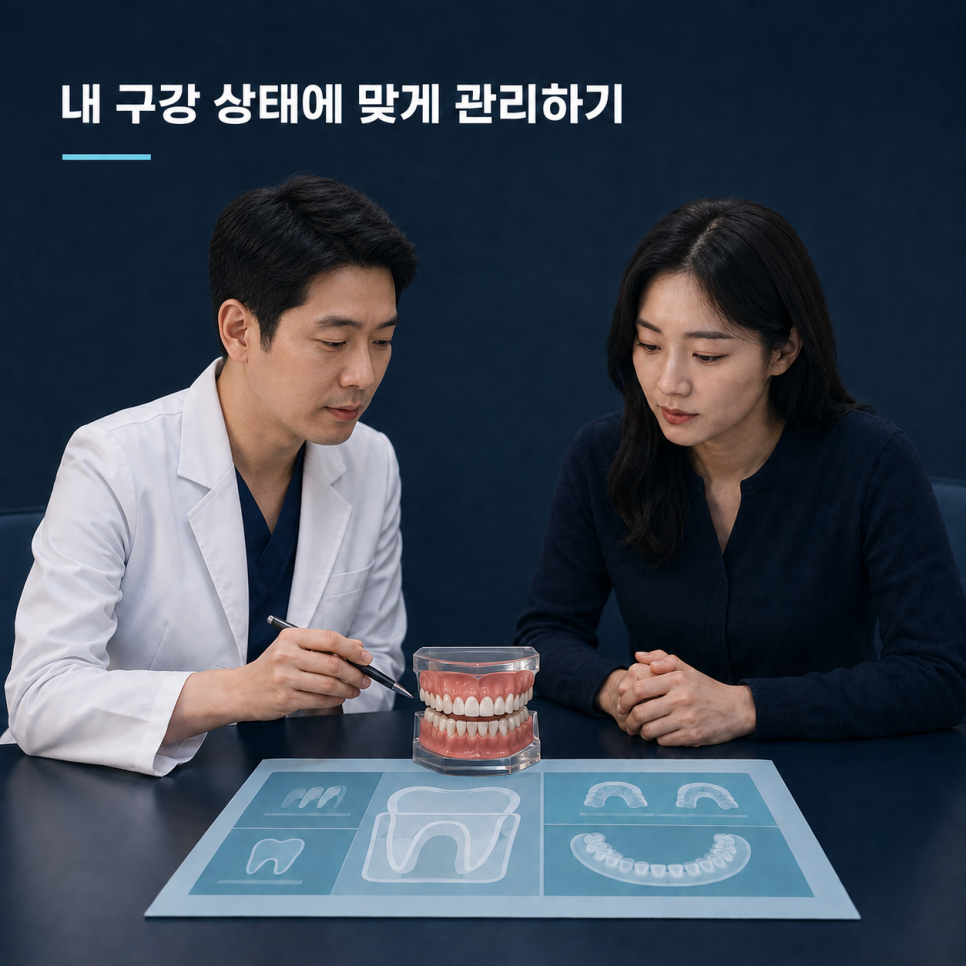
If you are 19 or older, full-mouth scaling—where treatment ends with tartar removal alone without follow-up periodontal treatment—
is covered by national health insurance once a year.
Coverage and costs may vary depending on your oral condition and the treatment provided.
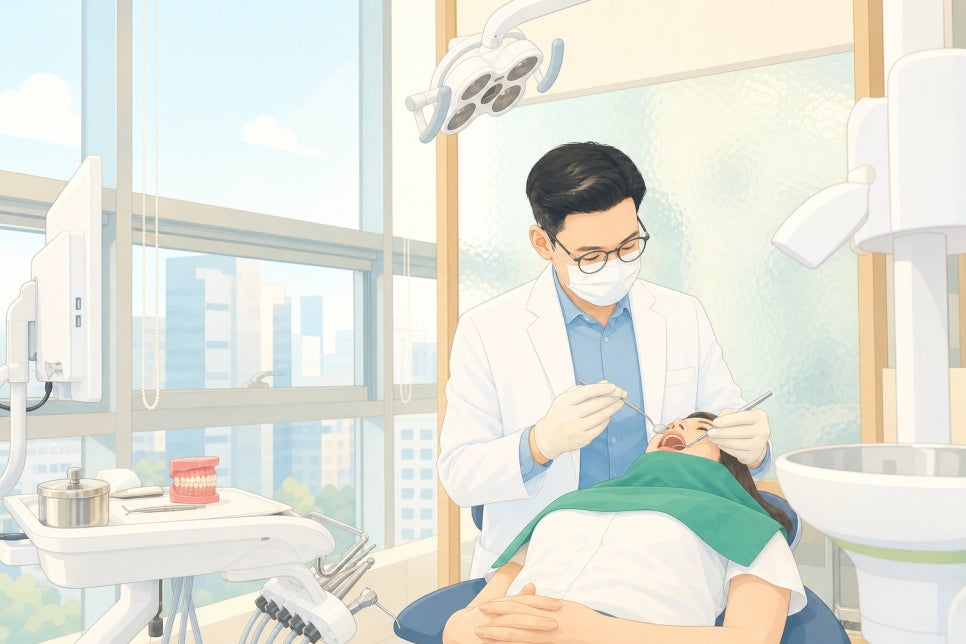
Cleaning visible areas at home for a short time
is different from checking the health of your entire mouth.
Rather than forcibly removing tartar that cannot be removed with a self-care device,
receive safe professional scaling at a dental clinic
and have your gum condition checked as well.
Smile D Dental Clinic at Sinsa Station will carefully examine your current oral condition
and provide guidance on the care methods you need and the appropriate visit interval.
If you are using an at-home tartar remover
or are concerned about tartar, gum bleeding, or bad breath,
please visit a nearby dental clinic for a consultation at your convenience.

※ This post was prepared in compliance with Articles 56 and 57 of the Medical Service Act and other relevant laws.
It was written to provide general medical information that is exempt from medical advertising review,
and does not guarantee the effects of any specific procedure
or replace a medical diagnosis.
The images and materials used in the post are examples intended to aid understanding;
actual diagnoses are determined through consultation and examination by medical professionals.
Depending on an individual's health condition and the characteristics of their condition,
methods, prognosis, and effects may vary,
and there is also a possibility of side effects.